

November 25th, 2026
A Mixed Thanksgiving Table: How Buyers Value Sterling Silver Flatware When the Patterns Don’t Match
The Thanksgiving table might hold your grandmother’s Gorham forks, a set of Wallace spoons, and a Reed & Barton pie server that comes out once a year. If you plan to sell sterling silver flatware after the holiday, that mix is worth looking at piece by piece. A buyer may find several matching place settings within the collection, individual pieces with resale potential, and other utensils whose value comes primarily from their silver content.
With Thanksgiving falling on Thursday, November 26, 2026, setting the table is a natural opportunity to see what you have. You can make a quick record while the pieces are out and decide later which ones you want to keep. If the flatware came from more than one household, start by grouping pieces with similar handles and checking their marks. Guide to evaluating inherited sterling silver flatware

What a Sterling Silver Flatware Buyer Looks For
A sterling silver flatware buyer typically starts with the metal, maker, pattern, piece type, and condition. Look for marks such as “Sterling” or “925” on the back of a handle. Sterling silver contains 92.5% silver by weight. Marks such as “EPNS” indicate silver plate, a thin silver coating over a base metal. Check pieces individually, especially when two patterns look alike or several generations of flatware share a chest.
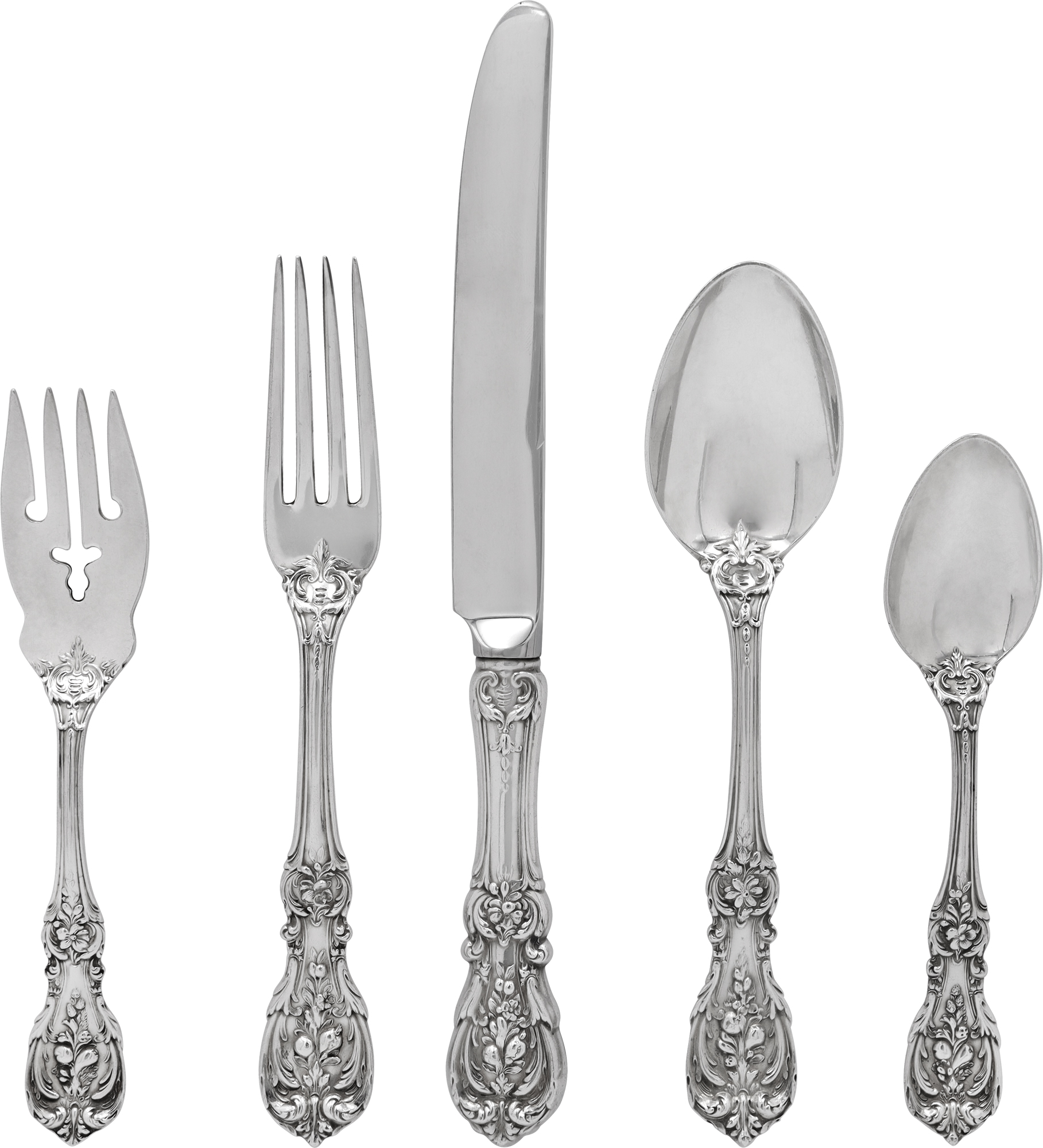
Pattern identification helps a buyer assess whether someone might want the pieces for a matching service or as replacements. Reed & Barton Francis I, Gorham Melrose, and Wallace Grand Baroque are examples of named patterns a seller may encounter. Photograph both the front of the handle and the marks on the back. If the marks are worn or the pattern is uncertain, clear photos give the buyer more to work with than a guess. Brands we buy
Condition can also influence whether a piece is suitable for resale. Note bent fork tines, deep scratches, loose knife handles, worn decoration, and visible repairs. Include photos of monograms, which may matter to someone looking for an exact replacement. If you notice tarnish, photograph the piece as it is and leave abrasive polishing for later. Heavy polishing can soften details that help identify a pattern or read a worn mark.
How Buyers Weigh Silver Content and Resale Value
When an evaluation is based on metal content, the buyer considers how much silver the pieces contain and the market price of silver at the time of evaluation. Weigh knives separately if you record weights at home. A knife may have a sterling handle, a stainless-steel blade, and filler inside the handle. The assembled weight includes those other materials, so it takes more information to estimate the actual silver content.
Resale value depends on who might buy the pieces and in what form. A group with matching dinner forks, knives, and spoons may appeal to someone looking to set a table. A single serving spoon or an extra set of teaspoons may appeal to someone filling a gap in an existing service. In either case, the maker, pattern, exact utensil type, and condition help determine whether that resale opportunity affects the offer. Guide to understanding sterling silver flatware value
Should You Sell Mixed Sterling Silverware Together or Separately?
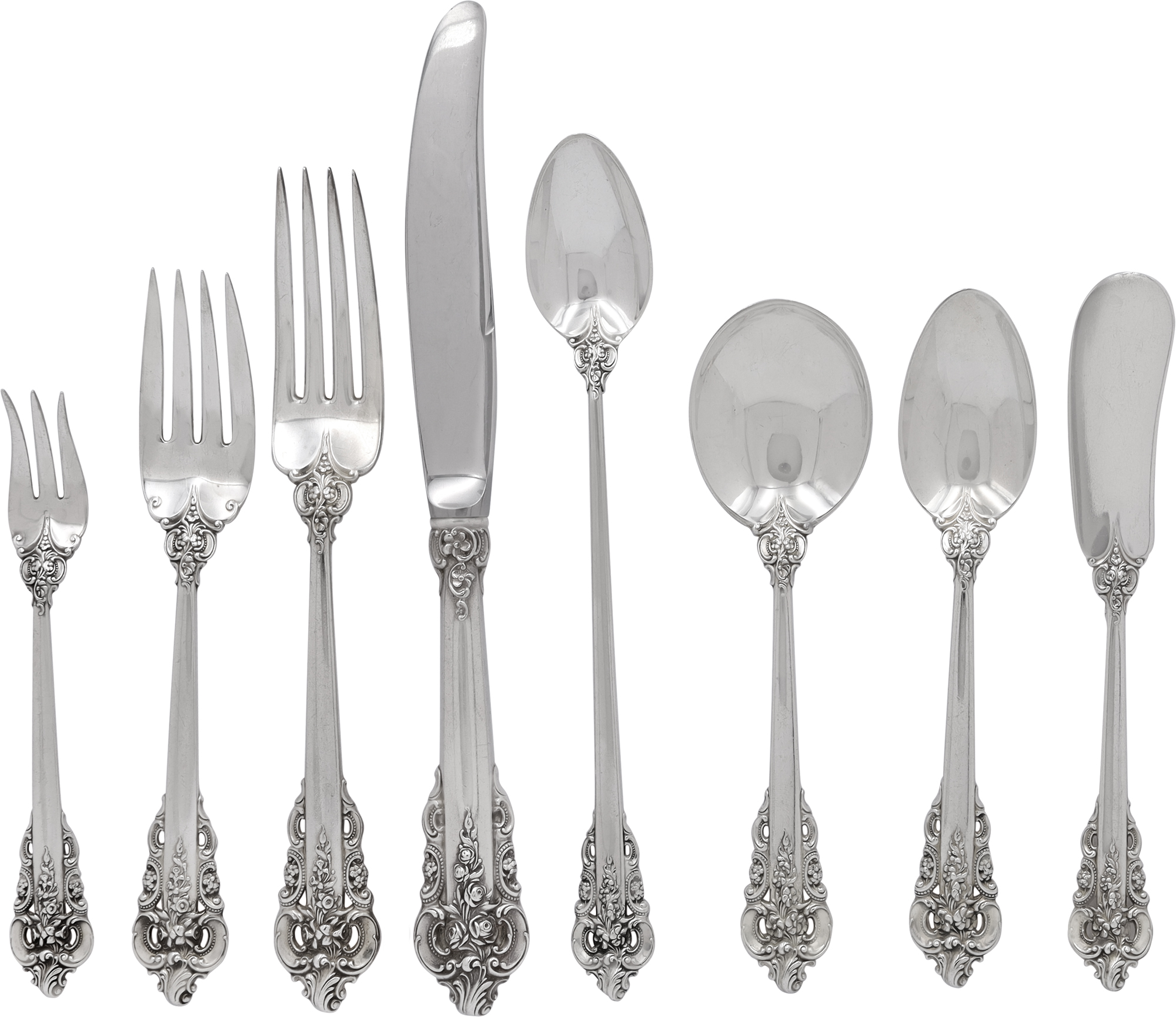
A quote for the whole collection can make sense when you want to handle the sale in one transaction. Ask whether the buyer can identify any matching groups or distinctive serving pieces within that quote. Even if you prefer to sell sterling silverware together, a simple inventory helps the buyer see that a chest of 50 pieces might include six complete place settings alongside loose pieces from other patterns.
Separate quotes may be worth requesting when you have a coherent matching group, a distinctive serving utensil, or pieces you might keep. If you plan to retain the pie server your family still uses, set it aside before requesting a quote so the buyer knows which pieces are included. The outcome depends on the specific items, their condition, available documentation, the buyer, any transaction costs, and the current market. Guide to where to sell sterling silver
What to Prepare Before Requesting a Sterling Silver Quote
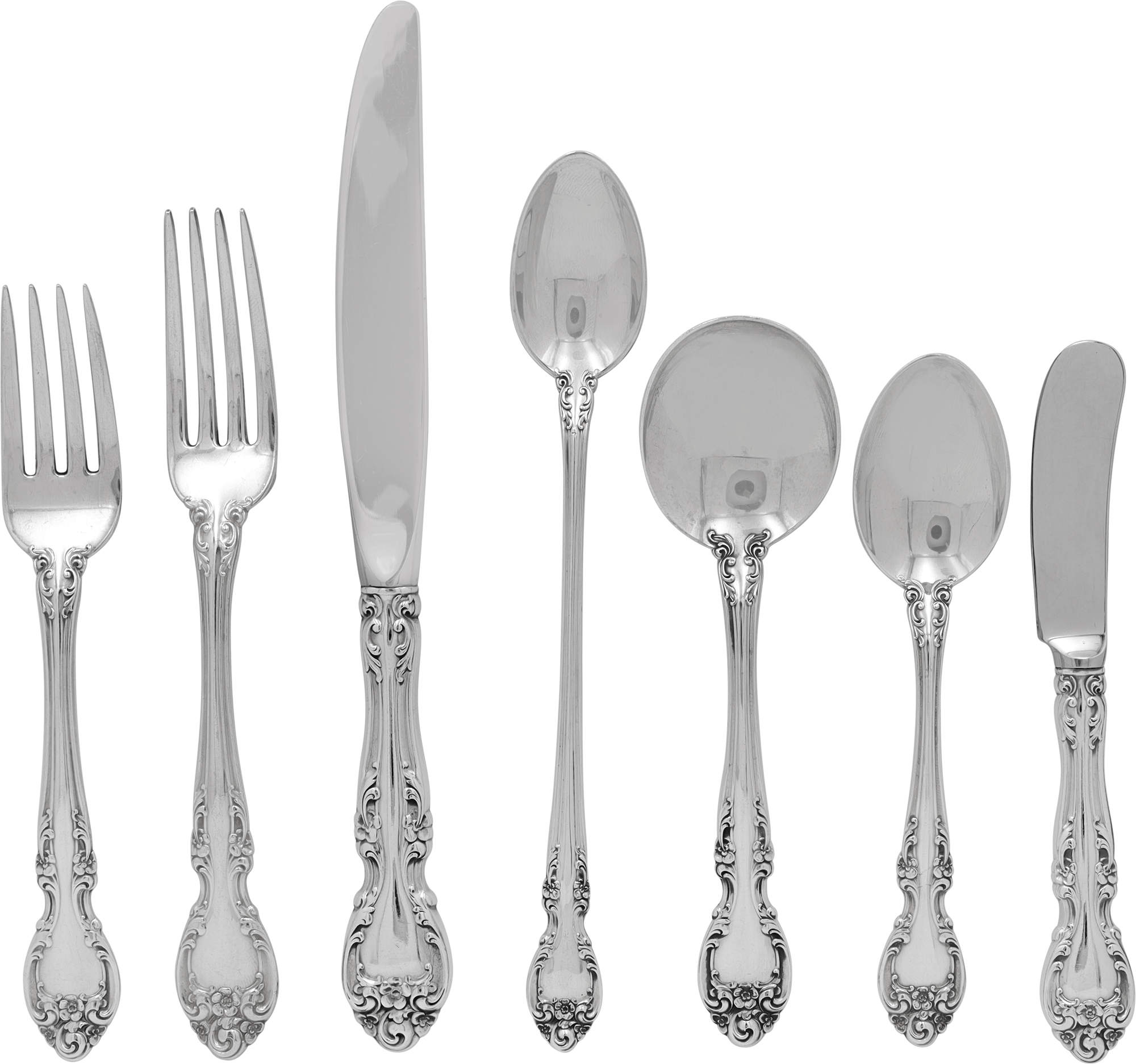
Start with one photo of each group and a count by utensil type. For example, record eight dinner forks, six salad forks, eight knives, and nine teaspoons rather than relying on a single total. Photograph representative marks and any unusual or damaged pieces. If you have an old receipt or family inventory, include it as supporting context. Documentation requirements and the weight given to each record vary by buyer and verification process.
When comparing offers, check which pieces each quote covers and whether the figure is preliminary or follows an inspection. Ask how the buyer handles pieces of uncertain composition, what payment methods and timing apply, and whether shipping, insurance, or return costs affect your proceeds. If you are handling an estate, keep the inventory and quote together so you can show exactly which pieces the offer covers. How the selling process works
Get a Quote for Your Mixed-Pattern Sterling Silver Flatware
A Thanksgiving collection can include matching place settings, useful replacements, and serving pieces you still want at the table next year. Once you know which pieces you’re ready to part with, you can send the buyer an accurate count and clear photos. Sell Us Your Jewelry buys and evaluates sterling silver from the public through a quote process.
When you’re ready to sell sterling silver flatware, describe the pieces you want evaluated and include any maker or pattern names you can identify. If you would consider selling a matching group on its own, mention that when you submit the collection. A quote gives you a basis for deciding whether to proceed and which pieces to include. Request a sterling silver quote
About Us | Sell Us Your Jewelry
Call Us Now: 305 770 6955
The Purchasing and Consignment Division of Gray & Sons


Be the first to know | SEE OUR CATALOG

