

February 18th, 2026
Heritage to Harmony: Complete Probate Guide to Evaluating and Liquidating Inherited Wallace and Towle Sterling Silver Collections
When you inherit a sterling silver flatware collection, you're receiving more than just utensils—you're holding generations of family memories and significant monetary value. For estate executors and beneficiaries managing probate jewelry liquidation, understanding how to properly evaluate and sell inherited silver flatware is essential to honoring your loved one's legacy while securing fair market value. Wallace sterling silver and Towle sterling silver collections, in particular, represent some of America's finest silversmithing traditions and often command premium prices in today's market.
Navigating the probate process while managing valuable estate assets can feel overwhelming, especially when you're grieving. This comprehensive guide will walk you through every step of evaluating, authenticating, and liquidating inherited sterling silver collections, ensuring you make informed decisions during this challenging time.
Understanding Your Inherited Sterling Silver Collection
Wallace and Towle both earned reputations as premier American silver manufacturers, with patterns that have remained desirable for decades. Wallace sterling silver patterns like Grand Baroque, Rose Point, and Stradivari feature ornate designs that collectors actively seek. Similarly, Towle sterling silver patterns have maintained strong market demand due to their craftsmanship and historical significance. Understanding which pattern you've inherited is the first critical step in determining value.
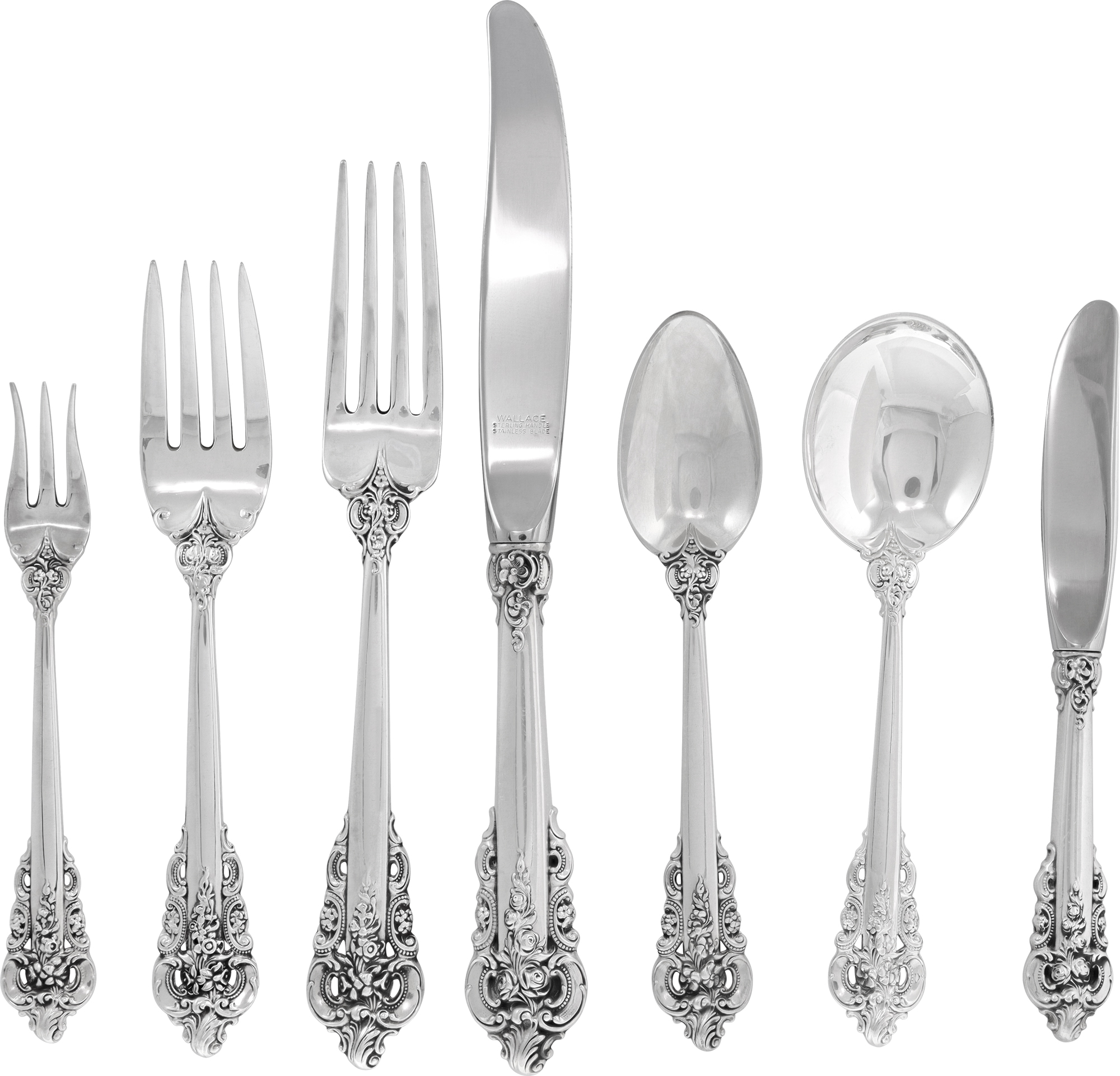
Authentic sterling silver pieces should bear hallmarks indicating ".925" or "STERLING," along with the manufacturer's mark. These markings confirm that the piece contains 92.5% pure silver, the standard for genuine sterling. When examining your inherited collection, look for these marks on the back of each piece, typically near the handle. Complete sets with consistent patterns and minimal damage command the highest prices from professional sterling silver buyers.
The Executor's Role in Estate Silver Liquidation
As an executor managing estate sales, you carry the legal responsibility to maximize value for beneficiaries while completing the probate process efficiently. Sterling silver flatware often represents one of the more substantial non-real estate assets in an estate, particularly when dealing with comprehensive service sets that may contain 80 to 165 pieces or more. Your fiduciary duty requires obtaining professional evaluations to ensure fair distribution or sale.
Working with an experienced jewelry buyer who specializes in estate liquidation streamlines the process considerably. Rather than attempting to piece together valuations from multiple sources or risking undervaluation at local pawn shops, estate executors benefit from comprehensive evaluations that consider both melt value and collector premiums for desirable patterns.

Identifying and Cataloging Your Sterling Silver Flatware
Before you can accurately sell sterling silver flatware, you need a complete inventory. Start by separating pieces by pattern, as mixing patterns significantly affects value. Count each type of piece—dinner forks, salad forks, soup spoons, teaspoons, serving pieces—and note any monograms, damage, or wear. Patterns like Wallace's Grand Baroque or Stradivari maintain strong collector interest, often selling for premium prices beyond simple silver content.
Taking clear photographs of the hallmarks, overall pattern, and any distinguishing features helps professional buyers provide accurate quotes. If you're unsure about pattern identification, many established sterling silver flatware buyers offer complimentary pattern identification services as part of their evaluation process. This expertise proves invaluable when you're managing multiple estate assets simultaneously.
Evaluating Market Value: Melt Value vs. Collector Value
Sterling silver possesses intrinsic value based on its precious metal content, but desirable patterns command prices well above melt value. When you sell sterling silverware, understanding this distinction helps you avoid leaving money on the table. A complete Grand Baroque or Rose Point service set might fetch 2-3 times melt value from collectors, while damaged or mixed pieces may only command silver content pricing.
Professional evaluators weigh your pieces to determine total troy ounces of .925 sterling silver, then assess pattern desirability, condition, and market demand. Complete services for 8 or 12 with multiple serving pieces typically receive the highest offers. Even if you're managing other estate assets like inherited jewelry or watches, connecting with buyers who handle diverse luxury items simplifies the liquidation process. Explore what brands we buy to understand the full scope of estate liquidation options.

Probate Timeline Considerations for Sterling Silver Liquidation
The probate process operates on specific timelines that vary by state, but executors typically need to inventory and appraise assets within 60-90 days of appointment. Sterling silver collections should be professionally evaluated during this initial period to establish accurate estate values for court filings and beneficiary notifications. Delaying appraisals can complicate distributions and potentially expose executors to liability.
If beneficiaries prefer liquidation over distribution, working with reputable buyers who understand probate timelines becomes essential. Many sterling silver buyers can provide written appraisals suitable for probate documentation, then complete purchases once the court authorizes asset sales. This dual service eliminates the need for separate appraisers and buyers, streamlining the process during an already complicated time.
Preparing Sterling Silver for Sale: Cleaning and Presentation
While you shouldn't attempt aggressive polishing that might damage valuable patina on antique pieces, gently cleaning your sterling silver flatware can help buyers more accurately assess condition. Use warm water, mild dish soap, and a soft cloth to remove dust and light tarnish. For pieces with intricate details like the elaborate scrollwork on Grand Baroque, soft-bristled toothbrushes can clean crevices without causing scratches.
Never use harsh chemicals or abrasive materials that might remove hallmarks or damage the silver's surface. Professional buyers expect some tarnish on estate pieces and factor this into their evaluations. Your goal is simply to make patterns and hallmarks clearly visible for accurate assessment. If your estate includes other valuable items like luxury watches or fine jewelry, consider comprehensive estate liquidation services that handle multiple asset categories simultaneously through a single trusted partner.

Understanding Sterling Silver Hallmarks and Authentication
Authentic Wallace and Towle pieces bear specific hallmarks that confirm their origin and silver content. Wallace marks typically include "WALLACE," "STERLING," and sometimes pattern names like "GRAND BAROQUE" or "ROSE POINT." Towle pieces similarly display "TOWLE" along with "STERLING" or ".925" marks. Understanding these hallmarks helps you distinguish genuine sterling from silver-plated pieces, which hold significantly less value.
Pattern names or numbers often appear alongside manufacturer marks, helping identify specific designs. This information proves crucial when researching current market values or seeking quotes from buyers. If you're managing an estate with diverse luxury items—perhaps including fine watches from brands like Rolex or Patek Philippe—finding buyers who appreciate quality across categories ensures comprehensive, fair valuations.
Choosing Between Direct Sale and Consignment Options
When deciding how to liquidate inherited sterling silver, executors face two primary options: direct sale or consignment. Direct sales provide immediate payment, which can be essential for settling estate debts or distributing assets to beneficiaries. This approach works well for executors working within tight probate timelines or when beneficiaries need prompt settlements.
Consignment arrangements might yield higher returns by waiting for collectors seeking specific patterns, but they require patience and often involve holding periods of 60-90 days or longer. For executors managing complete estates, understanding how it works with different liquidation approaches helps you choose the best strategy for your specific situation. Many professional buyers offer both options, allowing you to select the approach that best serves the estate's needs.

Avoiding Common Pitfalls in Sterling Silver Estate Sales
One of the most significant mistakes executors make involves accepting the first offer without seeking multiple professional evaluations. While neighborhood jewelry stores or pawn shops might buy sterling silver, they rarely offer prices that reflect true collector value for desirable patterns. Similarly, online marketplaces require significant time investment, expertise in pricing, and willingness to manage shipping for heavy sterling silver sets.
Another common error involves failing to identify all pieces in an estate. Sterling silver collections often extend beyond flatware to include serving trays, tea sets, candlesticks, and decorative pieces. These items can add substantial value to an estate, yet they're sometimes overlooked in attics, china cabinets, or storage. A comprehensive estate review ensures you capture all valuable assets before finalizing liquidation plans.
The Impact of Monograms on Sterling Silver Value
Monogrammed sterling silver pieces present unique valuation considerations. While personalized engravings hold sentimental value for families, they can reduce market value for pieces sold individually, as buyers prefer unmarked pieces they can personalize themselves. However, complete monogrammed services sometimes maintain strong value because collectors understand that removing original family monograms diminishes historical authenticity.
Professional buyers evaluate monogrammed pieces based on engraving quality, placement, and pattern desirability. Ornate patterns like Grand Baroque or Chantilly might absorb monograms more gracefully than simpler designs. If you're selling multiple estate assets including monogrammed silver and other luxury items like designer jewelry from Cartier or Tiffany & Co., experienced buyers can assess each piece's unique characteristics fairly.
Managing Mixed Sterling Silver Collections
Many inherited estates contain pieces from multiple manufacturers or patterns collected over decades. These mixed collections require careful sorting and evaluation since incomplete pattern sets typically sell at silver content value rather than collector premiums. However, even mixed collections hold significant value based on total silver weight and the presence of any complete pattern groupings.
Document each distinct pattern separately, counting pieces and noting manufacturers. Some mixed collections contain particularly valuable individual pieces—like rare serving items or pieces from sought-after manufacturers—that command premium prices even when sold separately. Professional evaluators can identify these standout pieces and ensure you receive appropriate compensation for both bulk silver content and special items.
Tax Implications of Selling Inherited Sterling Silver
Estate executors must consider tax implications when liquidating sterling silver and other assets. Inherited property receives a stepped-up cost basis equal to its fair market value at the date of death, which typically minimizes capital gains tax exposure when sold relatively soon after inheritance. However, proper documentation of appraisal values at time of inheritance protects executors and beneficiaries from potential tax complications.
Consult with the estate's tax professional before completing significant asset sales to ensure compliance with IRS requirements and state estate tax regulations. Professional buyers who regularly work with estate executors often provide documentation formatted to meet tax reporting needs, simplifying this aspect of probate administration. If the estate includes other valuable assets like GIA-certified diamonds or luxury watches, coordinating all liquidations through experienced buyers ensures consistent documentation.
Working with Professional Sterling Silver Buyers
Selecting the right buyer for inherited sterling silver significantly impacts both the price you receive and the ease of the transaction. Look for established buyers with expertise in estate liquidation, proven track records, and transparent evaluation processes. Professional buyers should clearly explain how they calculate offers, considering both silver content and collector value for desirable patterns.
The best sterling silver buyers accommodate estate executors' unique needs, including providing written appraisals for probate documentation, working within court-mandated timelines, and offering secure payment methods. They should also have experience handling complete estate liquidations, potentially including luxury watches, fine jewelry, and other high-value items that commonly accompany sterling silver in estates.
Secure Shipping and Insurance for Sterling Silver
If you're working with buyers who aren't local, secure shipping becomes paramount. Sterling silver sets can weigh 10-20 pounds or more, requiring sturdy packaging and appropriate insurance coverage. Reputable buyers typically provide detailed shipping instructions and may offer prepaid, insured shipping labels for valuable collections, eliminating risk and expense for sellers.
Never ship sterling silver without full insurance coverage equal to the declared value. Take photographs of pieces before packing, document packaging process, and require adult signature upon delivery. These precautions protect you throughout the transaction and provide documentation should any issues arise. For comprehensive estate liquidations involving multiple valuable items, some buyers offer in-person appointments or courier services for particularly valuable collections.
Beyond Flatware: Other Sterling Silver Estate Items
Inherited estates frequently include sterling silver items beyond flatware—tea and coffee services, serving trays, candlesticks, bowls, and decorative pieces. These items often carry substantial value and should be included in your estate inventory. Tea sets from prestigious manufacturers can be particularly valuable, especially when complete with all original pieces in excellent condition.
Sterling silver tea sets from renowned silversmiths command strong prices from collectors and antique dealers. Similarly, sterling silver trays and sterling silver candlesticks add meaningful value to estate liquidations. When seeking quotes for your inherited collection, ensure buyers evaluate all silver items, not just flatware, to maximize your estate's return.
Documentation and Record-Keeping Best Practices
Maintaining thorough records throughout the evaluation and sale process protects executors from potential liability and provides transparency for beneficiaries. Document all appraisals, communications with buyers, offers received, and decisions made regarding sales or distributions. These records become part of the estate's permanent documentation and may be required for final probate accounting.
Photograph each significant piece or set before sale, and retain copies of all transaction documents including bills of sale, payment confirmations, and shipping records. If you're managing multiple estate assets concurrently, consider creating a comprehensive inventory spreadsheet tracking each item's appraisal, disposition, and proceeds. This organizational approach proves particularly valuable when estates include diverse luxury items requiring different specialists for optimal valuations.
Making the Decision: Sell, Distribute, or Keep
Not every inherited sterling silver collection needs immediate liquidation. Some beneficiaries prefer keeping family pieces for sentimental reasons or future use. Others might choose to distribute pieces among multiple heirs rather than selling. These decisions should consider storage requirements, insurance needs, and each beneficiary's preferences.
However, when beneficiaries prefer cash distributions or when estate debts require asset liquidation, selling inherited sterling silver provides fair market value that can be easily divided. Professional buyers who understand family dynamics and estate pressures can work sensitively with executors to achieve outcomes that honor both financial responsibilities and emotional considerations during difficult times.
Taking the Next Step with Your Inherited Collection
Managing an inherited sterling silver collection requires balancing emotional considerations with practical financial decisions. Whether you've inherited a complete Grand Baroque service for twelve or a mixed collection spanning multiple patterns and manufacturers, professional evaluation ensures you understand your options and receive fair market value. The probate process moves forward more smoothly when valuable assets receive prompt, accurate appraisals from experienced buyers.
At Sell Us Your Jewelry, we specialize in helping estate executors and beneficiaries navigate the complexities of liquidating inherited luxury items. Our expertise extends beyond sterling silver to include fine jewelry, luxury watches, and GIA-certified diamonds, allowing us to provide comprehensive estate liquidation services. We understand the sensitivities involved in handling family heirlooms and work respectfully to ensure you receive maximum value while honoring your loved one's legacy.
Ready to learn what your inherited Wallace or Towle sterling silver collection is worth? Request your sterling silver quote today for a professional evaluation that considers both silver content and collector value. Our team provides transparent assessments, works within your probate timeline, and offers both direct purchase and consignment options to meet your estate's specific needs. Let us help you transform heritage into harmony during this transition.
About Us | Sell Us Your Jewelry
Call Us Now: 305 770 6955
The Purchasing and Consignment Division of Gray & Sons


Be the first to know | SEE OUR CATALOG

