

March 15th, 2026
Hidden Signatures, Hidden Fortunes: Craftsman Initials Value
When examining your inherited sterling silver flatware, you might overlook tiny initials or marks that could dramatically increase its value. These craftsman signatures, often hidden in plain sight, represent the difference between selling ordinary silverware and discovering a treasure worth thousands. As an experienced sterling silver flatware buyer, we've witnessed countless instances where these small markings transformed modest expectations into substantial windfalls.
Table of Contents
- Understanding Craftsman Signatures on Sterling Silver
- The Most Valuable Signed Sterling Silver Patterns
- Premium Manufacturers and Their Signature Systems
- How to Identify Hidden Craftsman Marks
- Authentication and Documentation Process
- European Silver Heritage and Global Makers
The world of sterling silver authentication reveals fascinating stories about master craftsmen who left their personal marks on exceptional pieces. These signatures serve as certificates of authenticity, proving the piece's provenance and the skill of its creator. Understanding how to identify and value these marks can mean the difference between accepting a basic silver price and receiving premium compensation for a genuine masterpiece.

Professional estate jewelry evaluation requires expertise in recognizing these subtle indicators of value. Many sellers discover that their grandmother's "ordinary" silverware bears the coveted signatures of renowned makers, instantly elevating the collection's worth. When you're ready to sell your sterling silver, having this knowledge ensures you receive fair compensation for these exceptional pieces.
Understanding Craftsman Signatures on Sterling Silver
Craftsman initials on sterling silver flatware represent more than decorative elements—they're historical documents that authenticate the piece's origin and quality. Master silversmiths traditionally signed their work using various methods, including hand-engraving, stamping, or incorporating their marks into the design itself. These signatures often appear in inconspicuous locations such as the back of handles, inside bowls, or along stem edges.
Sterling silver craftsman marks evolved from medieval guild systems, where individual artisans stamped their work as a guarantee of quality and craftsmanship. These signatures became particularly important in American silversmithing during the 19th and 20th centuries, when companies like Gorham, Tiffany & Co., and Reed & Barton established their reputations through distinctive marking systems. These sterling silver maker marks function as unique fingerprints that identify the craftsman, manufacturer, and often the specific time period when your pieces were created.
Understanding the complete marking system on your sterling silver pieces is essential for accurate valuation. Our comprehensive guide Maker Mark Mystery Solved: How to Decode Sterling Silver Hallmarks walks you through the complete process of identifying and interpreting every symbol, letter, and number stamped on your silverware.

The placement and style of craftsman signatures evolved throughout different periods, with some makers preferring discrete marks while others boldly displayed their initials. Victorian-era craftsmen frequently used elaborate script signatures, while Art Deco period makers opted for geometric designs. Understanding these stylistic differences helps collectors and buyers authenticate pieces and determine their historical significance within the broader context of American silversmithing.
When evaluating potential craftsman signatures, expert appraisers examine multiple factors including the signature's execution quality, period-appropriate styling, and consistency with known examples. Professional flatware authentication involves comparing suspected signatures against documented examples in reference materials and museum collections. This meticulous process ensures accurate attribution and proper valuation for sellers seeking to understand their pieces' true worth.
The Most Valuable Signed Sterling Silver Patterns
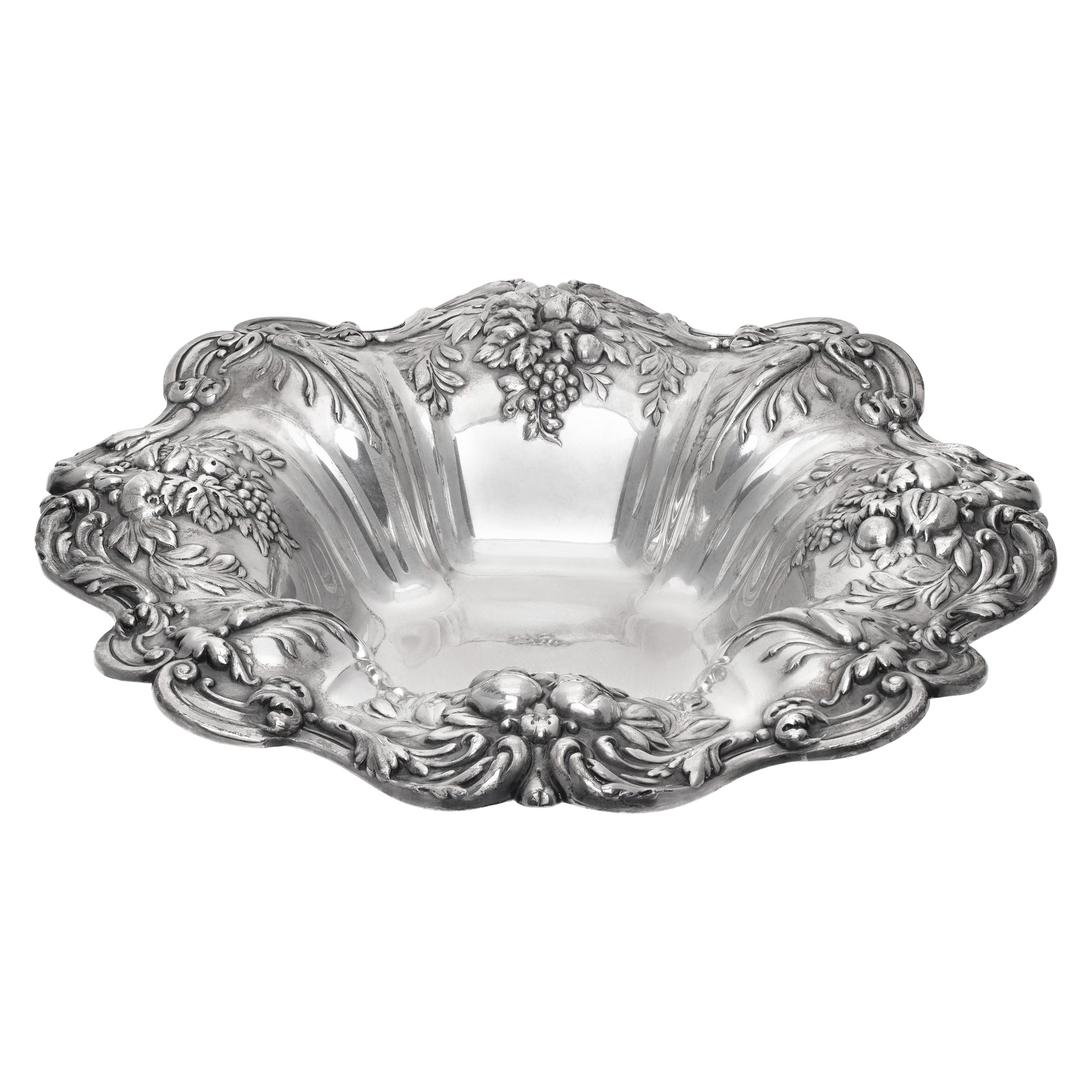
Francis the First remains one of the most sought-after signed sterling silver patterns, with pieces bearing authentic craftsman signatures commanding exceptional prices in today's market. This elaborate pattern, introduced by Reed & Barton in 1907, features intricate Renaissance-inspired designs that showcase exceptional craftsmanship. When genuine craftsman signatures accompany Francis the First pieces, values can increase exponentially, particularly for complete sets or rare serving pieces.
Chantilly sterling represents another pattern where craftsman signatures significantly impact value, especially when attributed to master engravers who worked on the original designs. This elegant pattern's flowing lines and delicate details provide the perfect canvas for skilled artisans to showcase their expertise. Collectors actively seek Chantilly pieces bearing specific craftsman marks, creating premium demand that benefits sellers fortunate enough to own authenticated examples.
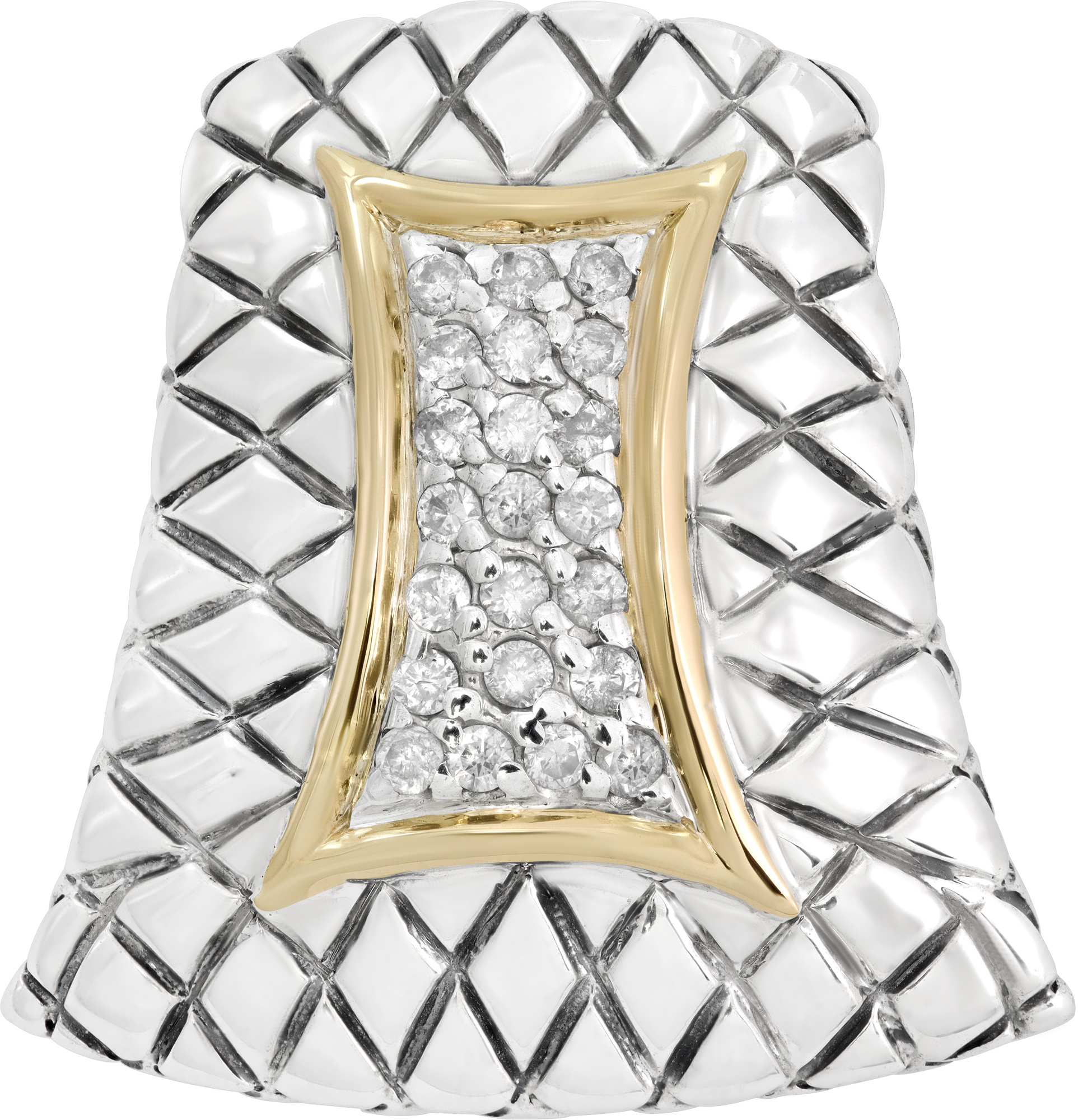
Other valuable signed patterns include Repousse, Rose Point, and King Francis, each representing different periods of American silversmithing excellence. Gorham silver represents one of the most sophisticated marking systems in American silversmithing history. Founded in 1831, Gorham developed intricate date coding systems alongside their craftsman marks, allowing experts to pinpoint not only the maker but also the exact year of production. Their "Martele" line, featuring individual artisan signatures, commands exceptional prices in today's market.
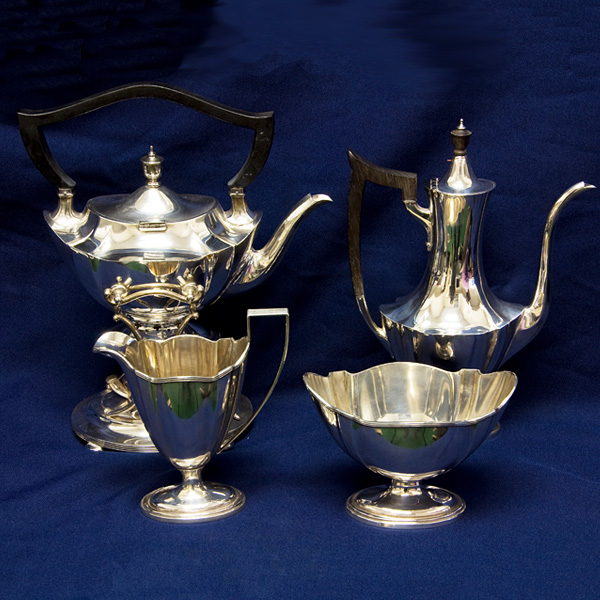
Wallace Silversmiths' "Stradivari" pattern, patented in 1937, showcases how maker marks combined with distinctive design elements create lasting value propositions for discerning collectors. These patterns gain additional value when accompanied by verified craftsman signatures, particularly those attributed to master silversmiths with documented histories.

For sellers looking to sell sterling silver pieces from these collections, professional authentication ensures maximum return on these exceptional investments.
Premium Manufacturers and Their Signature Systems
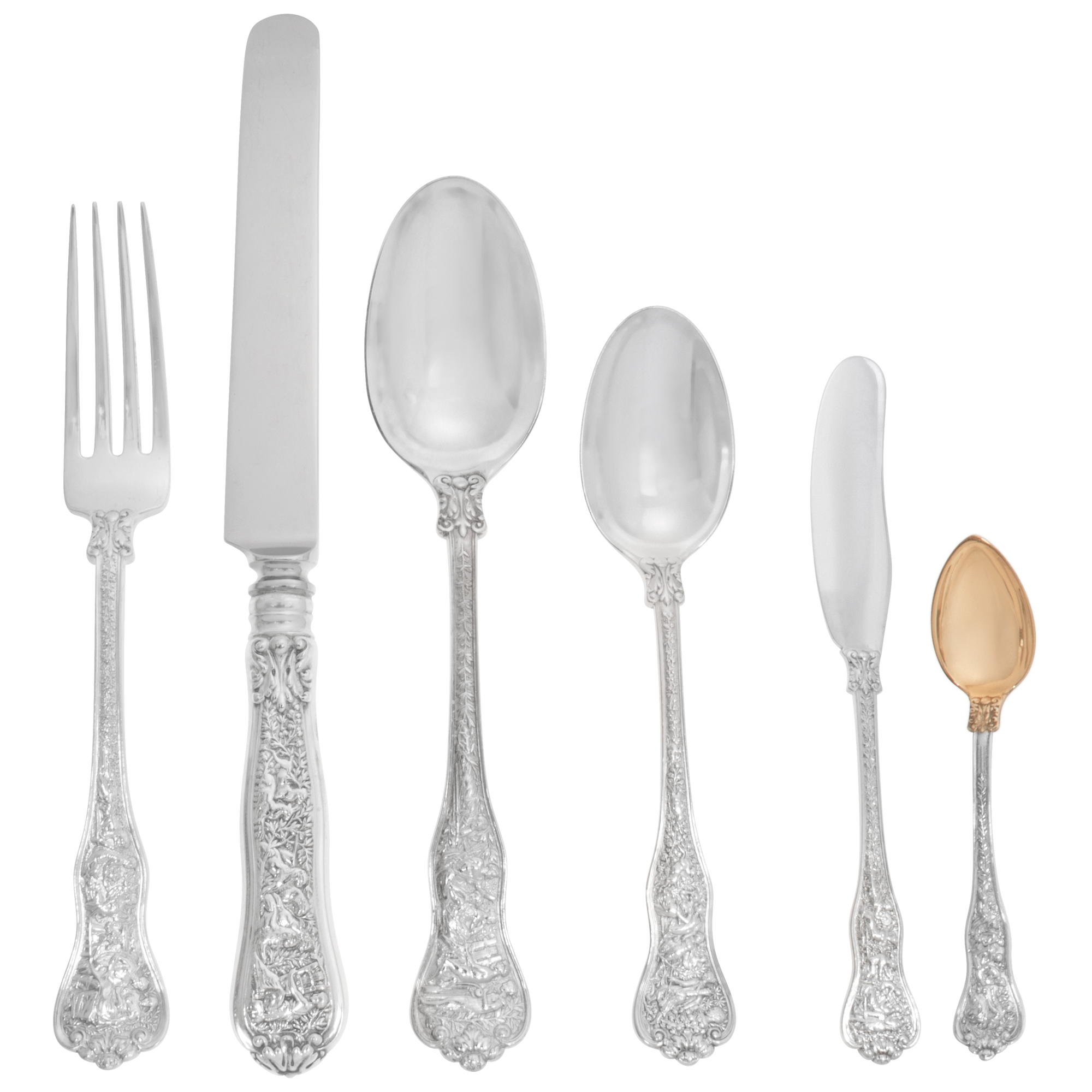
Tiffany silver pieces often command premium prices due to the company's rigorous standards and the prestige associated with their craftsman signatures. Tiffany & Co. stands among the most prestigious names, with their maker marks alone adding thousands to a piece's value. Their sterling pieces, particularly those from the Arts and Crafts period, represent the pinnacle of American silver artistry and command premium prices from collectors worldwide.
Certain manufacturer marks consistently command premium prices in today's market. Discover which specific makers and patterns are currently achieving the highest values in our detailed analysis: Mark My Words: The Sterling Silver Makers Marks That Command Top Dollar in 2025.
International Silver Company, Wallace Silversmiths, and Reed & Barton each developed unique approaches to craftsman identification. The International Sterling Silver Company's "Masterpiece" pattern, patented in 1963, demonstrates how even mid-century designs gain significance through proper craftsman identification.

Professional sterling silver buyers recognize that certain maker combinations can increase a set's value by 200-300% compared to unmarked pieces of similar quality. Contemporary market data indicates that signed pieces from renowned manufacturers can achieve 50-75% higher prices than similar unsigned examples.
How to Identify Hidden Craftsman Marks
Locating craftsman signatures requires systematic examination using proper lighting and magnification tools. Begin by inspecting the back of handles, where many craftsmen discreetly placed their initials or personal marks. Use a jeweler's loupe or magnifying glass to examine areas that appear worn or slightly different in texture, as these locations often conceal important signatures that have been obscured by years of use and polishing.
The stems and joints of serving pieces frequently contain hidden craftsman marks, particularly on ladles, serving spoons, and specialty utensils. These areas provided craftsmen with sufficient space to include their signatures without interfering with the piece's functionality or aesthetic appeal. Pay special attention to areas where different components join together, as these junctions often served as ideal locations for discretely placed maker's marks.
Professional authentication also involves examining the interior surfaces of hollow-ware pieces such as sugar bowls, creamers, and teapots. Master craftsmen often signed these hidden areas, confident that future collectors would appreciate their attention to detail. When searching for these marks, remember that cleaning and polishing over decades can make signatures faint, requiring careful examination under various lighting conditions to reveal their presence.
Authentic craftsman marks exhibit specific characteristics that distinguish them from later reproductions or counterfeit pieces. Original marks typically show slight irregularities consistent with hand-stamping techniques, while maintaining clear legibility and proper proportions. The depth and clarity of these impressions indicate the care taken during the marking process.
For those considering whether to sell jewelry alongside their sterling silver collections, similar signature identification techniques apply to silver jewelry pieces. Many estate collections include both flatware and jewelry bearing matching craftsman signatures, creating valuable themed lots that appeal to serious collectors.
Authentication and Documentation Process
Professional authentication begins with comprehensive photographic documentation of all potential craftsman signatures, using high-resolution imaging to capture fine details that may not be visible to the naked eye. Expert authenticators maintain extensive databases of known craftsman signatures, comparing submitted pieces against verified examples to confirm attribution. This process requires specialized knowledge of period-appropriate techniques, materials, and stylistic characteristics that distinguish authentic signatures from later additions or forgeries.
The documentation process includes detailed measurements, weight specifications, and chemical analysis when necessary to verify silver content and manufacturing methods. Professional authentication requires examining multiple factors beyond the visible mark itself. The silver's patina, construction techniques, and stylistic elements must align with the purported maker's known methods and time period.
Reputable authentication services provide written certificates that detail their findings, including high-resolution photographs of identified signatures and comprehensive descriptions of the pieces' characteristics. These certificates become essential components of the pieces' provenance, significantly enhancing their value in the collector market.
Working with established sterling silver flatware buyer services ensures access to authentication resources and expertise that individual sellers cannot easily obtain. Professional buyers maintain relationships with leading authentication services and can guide sellers through the documentation process, ensuring that valuable signatures receive proper recognition and compensation. This collaborative approach protects sellers' interests while ensuring accurate valuation of exceptional pieces.
European Silver Heritage and Global Makers
European silver makers established the foundation for fine silver craftsmanship, with German, English, and French artisans creating pieces that set global standards for quality and design. English hallmarks, particularly from London and Birmingham assay offices, provide detailed documentation of a piece's age, maker, and silver content through their sophisticated marking systems.
Georg Jensen from Denmark revolutionized modern silver design, creating organic, flowing forms that remain influential today. Jensen pieces bearing authentic maker marks consistently achieve strong auction results and represent excellent investment opportunities for discerning collectors.
French silver makers like Christofle and Puiforcat developed distinctive styles that blend classical elegance with innovative techniques. Their maker marks guarantee both authentic provenance and exceptional craftsmanship that serious collectors actively seek.
How it works
ONLINE PROCESS
1. Request a Quote Find out how much is your watch or jewelry worth? The more information & photos you share with us the more accurate the market valuation will be. Upon completion of an online submission our experts will contact you with an initial quote.
2. Send Items for Inspection We will provide Easy Ship box and packing materials with our address label. Simply take it to the post office. Send it via registered mail and fully insured*, and we will refund your cost of shipping and insurance upon purchase, up to a maximum of $100, provided you submit proper documentation.
3. Receive Payment Once the inspection is complete and details of the transaction are confirmed, you will quickly receive your payment via check or bank wire.
IN-STORE PROCESS
1. Walk-In our Showroom No appointment necessary. Visit our store at 9595 Harding Avenue, Surfside, FL 33154. Across the street form world-famous Bal Harbour Shops.
2. In-House Inspection Jewelry and Watch buying experts along with in-house master trained watchmakers on-site will perform an in-house inspection for an immediate evaluation.
3. Receive Payment Once the inspection is complete and details of the transaction are confirmed, you will quickly receive your payment via check or bank wire.
* Be sure to protect your valuables with adequate shipping insurance. IF YOU OVERPAY FOR YOUR INSURANCE, IT IS NOT OUR RESPONSIBILITY TO COVER THE EXCESS AMOUNT.DO NOT USE FEDEX OR UPS, AS THEY DO NOT INSURE JEWELRY OR WATCHES.** Gray and Sons is not responsible for shipping and insurance cost to return counterfeit watches or jewelry shall the client wishes to get them returned.
What Are You Looking To Sell?


Sell your watch
How much is your watch worth?


Sell your jewelry
How much is your jewelry worth?


Sell your diamond
How much is your diamond worth?


Sell your sterling silver
How much is your silver worth?
About Us | Sell Us Your Jewelry
Call Us Now: 305 770 6955
The Purchasing and Consignment Division of Gray & Sons


Be the first to know | SEE OUR CATALOG

