

March 15th, 2026
Maker Mark Mystery Solved: Decode Sterling Silver Hallmarks
Have you ever discovered a beautiful piece of sterling silver flatware tucked away in your grandmother's china cabinet, only to wonder about its true value? The secret to unlocking maximum value lies in understanding the intricate world of sterling silver hallmarks – those tiny stamps that can transform an ordinary piece into a valuable treasure. For sellers across Florida and beyond, learning to decode these maker marks is the difference between settling for scrap silver prices and receiving top dollar from a professional sterling silver buyer.
Table of Contents
- What Are Sterling Silver Hallmarks and Why Do They Matter?
- Understanding the Language of Silver Hallmarks
- Decoding Common American Sterling Silver Maker Marks
- Understanding Pattern Names and Their Impact on Value
- Date Codes and Manufacturing Periods
Understanding hallmarks is crucial for anyone looking to sell their sterling silver pieces. These small markings tell the complete story of your silver's origin, authenticity, and potential value. When you can identify prestigious makers like Gorham, Tiffany & Co., or Reed & Barton, you're equipped to command prices that reflect the true craftsmanship and historical significance of your pieces.
What Are Sterling Silver Hallmarks and Why Do They Matter?
Sterling silver hallmarks are official marks stamped into silver items to indicate their purity, maker, and often the date and location of manufacture. These marks serve as a guarantee of quality and authenticity, similar to a certificate of authenticity for fine art. In the United States, sterling silver must contain at least 92.5% pure silver, with the remaining 7.5% typically being copper for durability.
Sterling silver hallmarks serve as official stamps that verify the silver content and authenticity of your pieces. These marks, typically found on the back or underside of flatware and serving pieces, contain encoded information that professional buyers use to assess value. The most common hallmark you'll encounter is "Sterling" or "925," indicating that the piece contains 92.5% pure silver.
Want to master the art of hallmark identification? Our comprehensive guide walks you through decoding every type of sterling silver mark, from basic purity stamps to complex date codes that reveal your piece's true age and value.
The presence of clear, authentic hallmarks can dramatically increase your silver's value. For example, a simple "STERLING" mark indicates quality silver, but discovering a maker's mark from a renowned manufacturer like Gorham can increase the value exponentially. Professional silver buyers near me understand these distinctions and pay accordingly for pieces with prestigious provenance.

Beyond silver content verification, hallmarks reveal the manufacturer's identity through maker's marks or company logos. Prestigious manufacturers like Reed & Barton, Gorham, and Wallace command higher prices in today's market, making proper identification crucial for maximizing your selling value. Additionally, date codes within hallmarks help establish the age and potential rarity of your pieces.
When seeking a qualified sterling silver flatware buyer, it's essential to work with professionals who understand the significance of these markings. Reputable buyers will examine each piece carefully, identifying not just the silver content but also the historical and artistic value that maker marks represent.
Understanding the Language of Silver Hallmarks
Silver hallmarks function as a comprehensive authentication system, with each mark providing specific information about your flatware's composition and origin. Beyond basic purity marks, sterling silver hallmarks include maker's marks, date letters, and assay office stamps. For instance, pieces bearing the mark "CSH" identify work by Charles Stuart Harris, a renowned Victorian silversmith whose presentation plates from 1891 command premium prices.
Professional appraisers examine these markings under magnification to verify authenticity and establish provenance. The clarity, depth, and placement of hallmarks often indicate whether pieces were machine-stamped during mass production or hand-marked by skilled artisans. Understanding these nuances helps distinguish between everyday flatware and collectible pieces worthy of premium pricing.
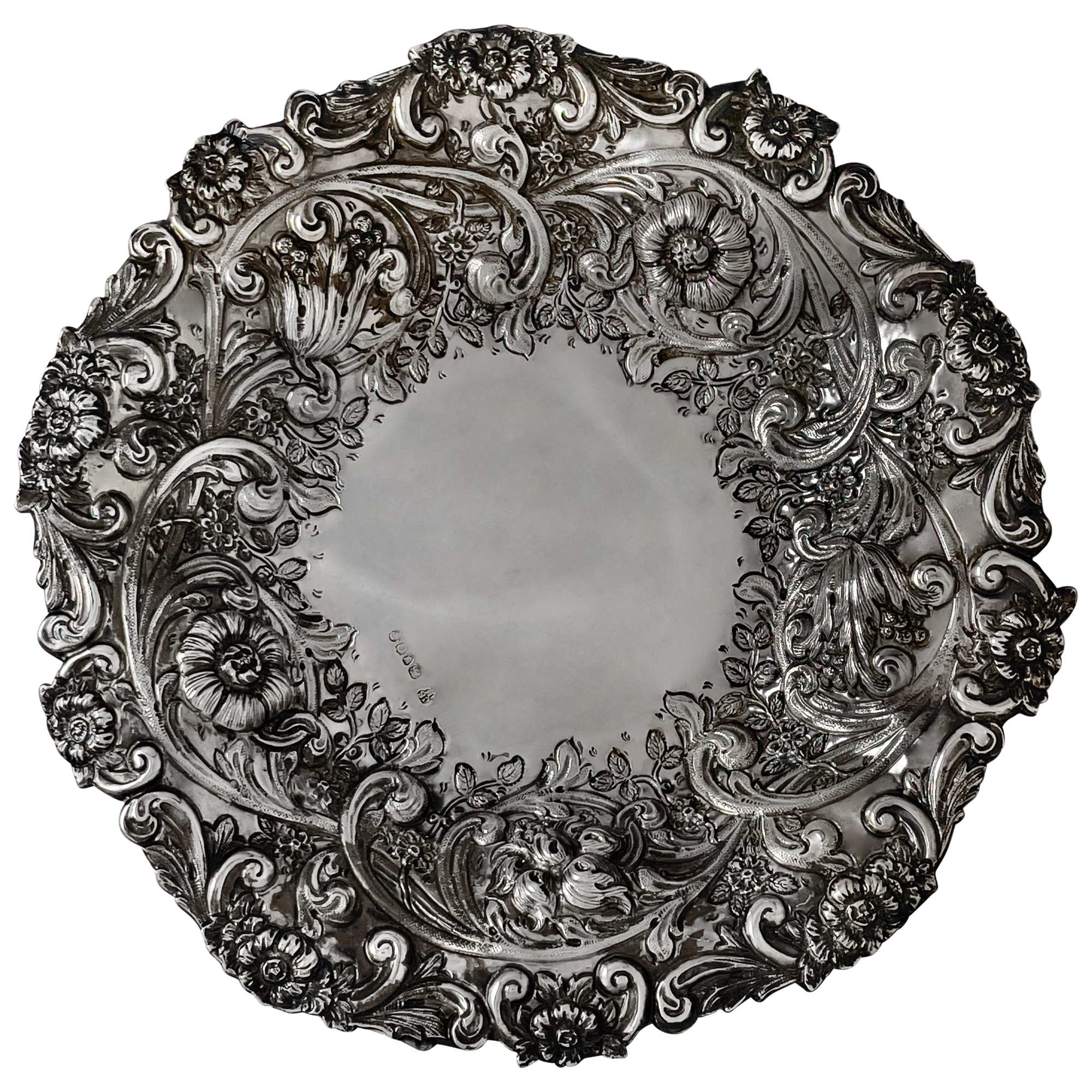
Beyond manufacturer stamps, individual craftsman signatures can dramatically increase your silver's worth. Discover how hidden craftsman initials and personal maker marks can triple the value of your sterling silver flatware.
Many sellers seeking to sell jewelry or sterling silver pieces overlook the importance of complete hallmark documentation. However, comprehensive marking identification can reveal surprising value in seemingly ordinary items, particularly when manufacturer signatures indicate prestigious makers like Gorham, Reed & Barton, or Wallace.
Decoding Common American Sterling Silver Maker Marks
American silver manufacturers developed distinctive marking systems that help identify both the maker and the approximate age of pieces. Gorham Manufacturing Company, one of America's most prestigious silver makers, used various marks including their full company name, "GORHAM STERLING," and later simplified versions. Founded in 1831, Gorham pieces often command premium prices, especially patterns like Chantilly, Buttercup, and Medici.
Gorham pieces, particularly those with intricate hand-engraved monograms, demonstrate the manufacturer's commitment to personalized luxury. Large serving pieces like trays weighing over 102 troy ounces showcase both substantial silver content and masterful craftsmanship. The combination of weight and maker reputation creates exceptional value for discerning collectors.

Tiffany & Co. pieces are among the most sought-after American silver items. Their marks evolved over time, from "TIFFANY & CO." with various quality indicators to simplified "T&CO" stamps. The presence of a Tiffany mark can increase value significantly, making these pieces highly desirable to collectors and jewelry buyers near me who specialize in luxury brands. Their OLYMPIAN pattern, patented in 1878, remains highly collectible today, with complete flatware sets commanding premium prices due to their rarity and prestige.
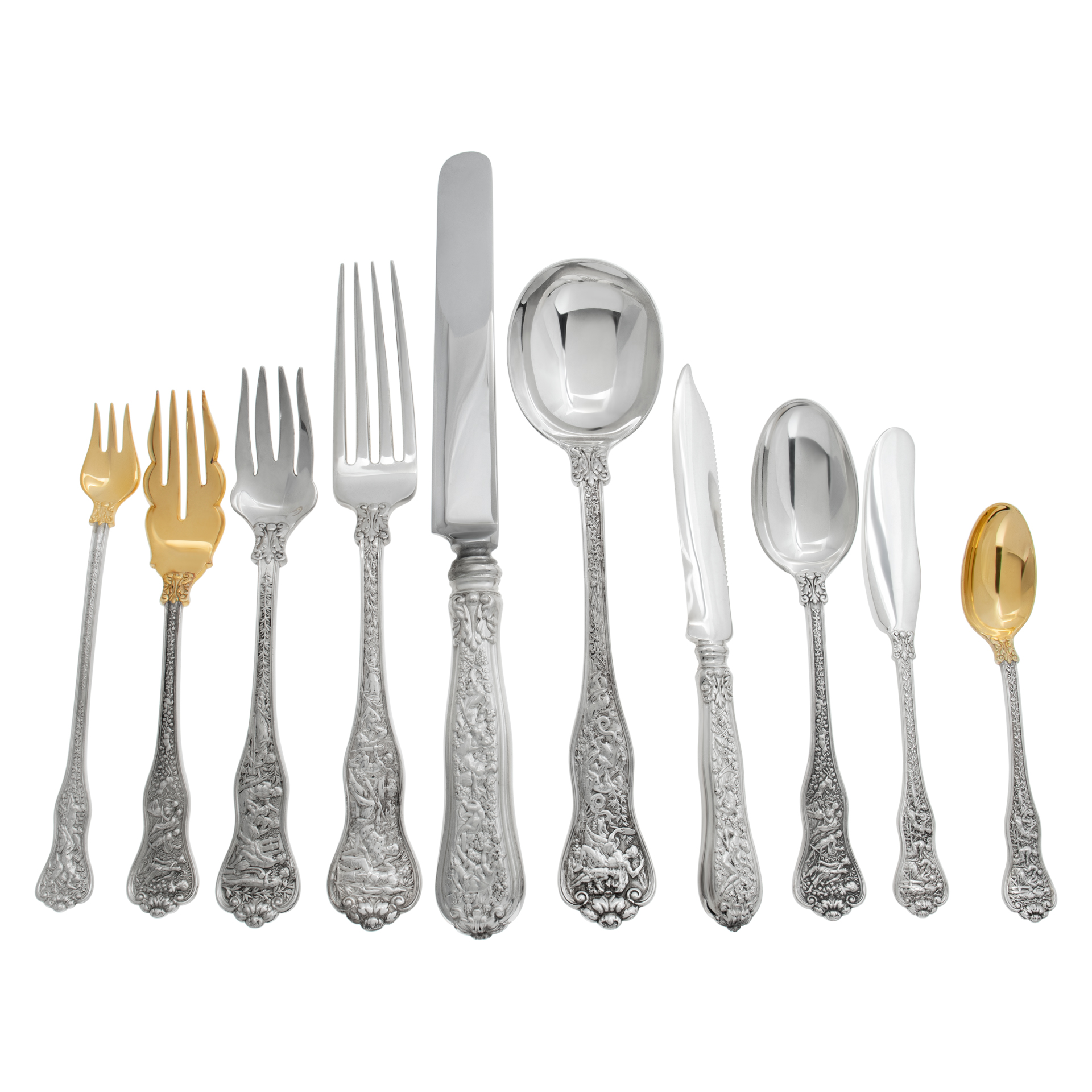

Not all maker marks are created equal. Learn which manufacturer stamps command the highest prices in today's market and how to identify the most valuable sterling silver brands.
Other notable American makers include Reed & Barton, International Silver Company, and Towle Manufacturing Company. Each developed unique marking systems that, when properly identified, can reveal the exact pattern name, manufacturing date, and rarity of your pieces. This information is invaluable when working with professionals who sellsilver florida residents trust for accurate valuations.
Understanding Pattern Names and Their Impact on Value
Pattern identification is where many sellers miss significant value opportunities. A sterling silver fork might look similar to dozens of others, but the specific pattern can mean the difference between hundreds and thousands of dollars. Gorham's Chantilly pattern, introduced in 1895, remains one of the most recognizable and valuable American silver patterns, with complete sets commanding premium prices from collectors.

The Frank Smith Silver Company's Tulipan pattern, patented in 1933, represents another example of how pattern identification affects value. These Art Deco-influenced pieces appeal to collectors seeking specific design periods, and their relative rarity compared to more common patterns increases their market value substantially.

Popular patterns significantly influence sterling silver value, with certain designs commanding substantial premiums over silver content value alone. "Francis the First" by Reed & Barton, first patented in 1907, remains one of the most sought-after patterns among collectors and consistently brings higher prices at sale. Pattern recognition plays a crucial role in flatware valuation, with the Francis I pattern's distinctive Art Nouveau aesthetic ensuring consistent value across various piece types.


Art Nouveau and Art Deco patterns from the early 20th century attract particular collector interest, especially pieces featuring elaborate floral motifs or geometric designs characteristic of these artistic movements. These patterns often sell for multiples of their silver content value due to their historical significance and aesthetic appeal.

When evaluating your silver, look for additional markings beyond the maker's name. Pattern names, patent dates, and design numbers often appear alongside maker marks. These details help professional buyers provide accurate valuations based on current market demand for specific patterns and manufacturers.
Date Codes and Manufacturing Periods
Many American silver manufacturers used date coding systems that help determine the exact year of manufacture. Gorham used a complex system of symbols that changed annually, allowing experts to date pieces precisely. This dating system is particularly valuable for collectors and affects pricing, as certain years or periods may be more desirable than others.
Date codes within hallmarks reveal crucial information about your piece's age and potential collectibility. Many manufacturers used specific dating systems, with Reed & Barton employing letter codes that correspond to production years. Understanding these codes helps establish whether your pieces qualify as antique (over 100 years old) or vintage (20-100 years old), classifications that significantly impact market value.
Patent dates, often appearing as "Pat. 1907" or similar markings, indicate when the pattern design was registered rather than when your specific piece was manufactured. This information helps identify the pattern name and provides historical context that appeals to collectors and increases selling value.
Towle Manufacturing Company employed different marking conventions throughout their history, with their "King Richard" pattern representing one of their most successful designs. Understanding these temporal markers helps distinguish between early, high-quality pieces and later mass-produced items that may have different values in today's market.

Antique sterling silver pieces, particularly those predating 1950, often command premium prices due to superior craftsmanship and precious metal content. Earlier manufacturing processes frequently resulted in heavier gauge silver and more intr
How it works
ONLINE PROCESS
1. Request a Quote Find out how much is your watch or jewelry worth? The more information & photos you share with us the more accurate the market valuation will be. Upon completion of an online submission our experts will contact you with an initial quote.
2. Send Items for Inspection We will provide Easy Ship box and packing materials with our address label. Simply take it to the post office. Send it via registered mail and fully insured*, and we will refund your cost of shipping and insurance upon purchase, up to a maximum of $100, provided you submit proper documentation.
3. Receive Payment Once the inspection is complete and details of the transaction are confirmed, you will quickly receive your payment via check or bank wire.
IN-STORE PROCESS
1. Walk-In our Showroom No appointment necessary. Visit our store at 9595 Harding Avenue, Surfside, FL 33154. Across the street form world-famous Bal Harbour Shops.
2. In-House Inspection Jewelry and Watch buying experts along with in-house master trained watchmakers on-site will perform an in-house inspection for an immediate evaluation.
3. Receive Payment Once the inspection is complete and details of the transaction are confirmed, you will quickly receive your payment via check or bank wire.
* Be sure to protect your valuables with adequate shipping insurance. IF YOU OVERPAY FOR YOUR INSURANCE, IT IS NOT OUR RESPONSIBILITY TO COVER THE EXCESS AMOUNT.DO NOT USE FEDEX OR UPS, AS THEY DO NOT INSURE JEWELRY OR WATCHES.** Gray and Sons is not responsible for shipping and insurance cost to return counterfeit watches or jewelry shall the client wishes to get them returned.
About Us | Sell Us Your Jewelry
Call Us Now: 305 770 6955
The Purchasing and Consignment Division of Gray & Sons


Be the first to know | SEE OUR CATALOG

