

March 17th, 2026
Evaluate Inherited Estate Jewelry: January 2026 Perspective
As we welcome January 2026, many of us are setting resolutions and organizing our lives for the year ahead. If you've been storing boxes of estate jewelry in your safe or closet—perhaps pieces inherited from a grandmother, mother, or beloved family member—this new year offers the perfect opportunity to finally discover their true value. Whether you're considering options to sell estate jewelry Orlando residents trust or simply want to understand what treasures you've been holding onto, the fresh perspective that comes with a new year makes this the ideal time to take action.
The beginning of a new year naturally prompts us to reassess our possessions and make thoughtful decisions about items we've been holding but not using. For many families, inherited jewelry represents both emotional connections and significant financial value that remains locked away, neither enjoyed nor converted into resources that could improve their current lives. Understanding the worth of these pieces is the crucial first step in making informed decisions about their future.
Why January is the Perfect Time to Evaluate Estate Jewelry
January represents a fresh start—a time when we're naturally inclined to organize, declutter, and make important financial decisions. After the holiday season, many individuals find themselves reassessing their assets and considering how to best position themselves for the year ahead. This mindset makes it an optimal time to finally address those inherited pieces that have been stored away, sometimes for years or even decades.
Beyond the psychological benefits of a new beginning, January also offers practical advantages for evaluating and potentially selling luxury items. The luxury market typically sees renewed activity as collectors and buyers return from holiday travels, and professional jewelry buyers have completed year-end inventory assessments. This creates favorable conditions for sellers seeking competitive offers and expert evaluations.
If you've been wondering about options to sell grandmothers estate jewelry online, the start of a new year provides the motivation many people need to finally take that first step. The process is more straightforward than most imagine, particularly when working with established buyers who understand the sentimental and financial significance of inherited pieces.
Understanding the Value of Inherited Estate Jewelry
Estate jewelry encompasses a broad range of pieces, from signed designer items by prestigious houses like Cartier, Van Cleef & Arpels, and Tiffany & Co., to beautiful unsigned pieces featuring quality gemstones and precious metals. Each category holds distinct value in today's market, and understanding these differences is essential to ensuring you receive fair compensation for your inherited treasures.
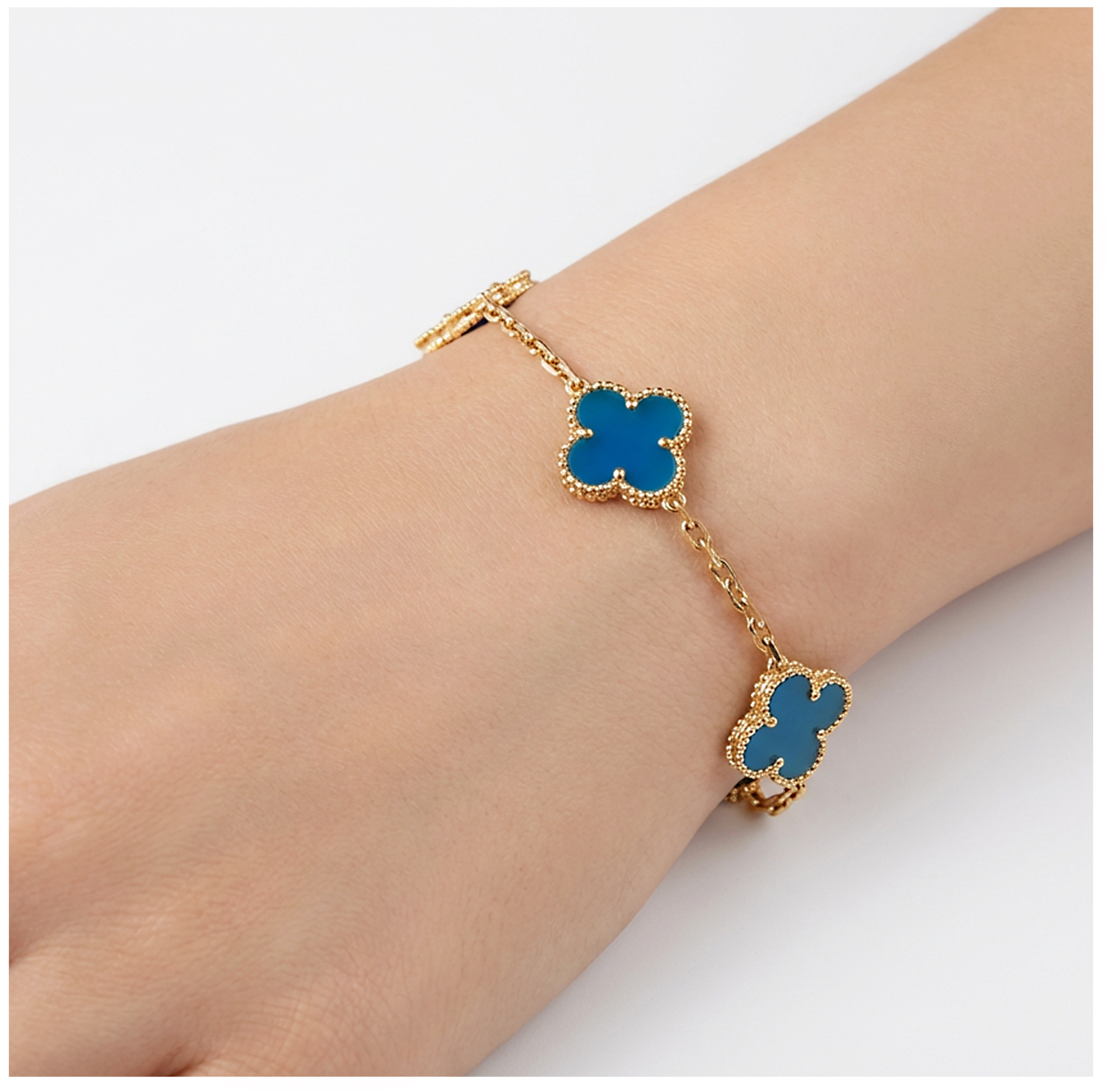
Signed pieces—those bearing maker's marks from renowned jewelers—often command premium prices due to their documented provenance and brand recognition. If you're looking to sell my signed jewelry, items from designers like David Yurman, Bvlgari, or Harry Winston typically maintain strong resale values. These pieces appeal to collectors and enthusiasts who specifically seek authenticated designer jewelry with the craftsmanship and prestige associated with luxury houses.
Unsigned estate jewelry shouldn't be dismissed, however. Beautiful pieces featuring quality diamonds, colored gemstones like sapphires and rubies, or substantial gold content hold intrinsic value based on their materials and craftsmanship. An experienced jewelry buyer can accurately assess these pieces, considering factors like diamond quality, gemstone characteristics, metal purity, and overall condition to provide fair market valuations.
Many people discover that items they assumed were costume jewelry actually contain precious metals or genuine gemstones. Conversely, pieces that appear valuable may use gold plating or synthetic stones. Professional evaluation removes guesswork and provides clarity about what you actually own—knowledge that empowers better decision-making about whether to sell your jewelry or continue holding these items.
Common Types of Estate Jewelry and Their Market Appeal
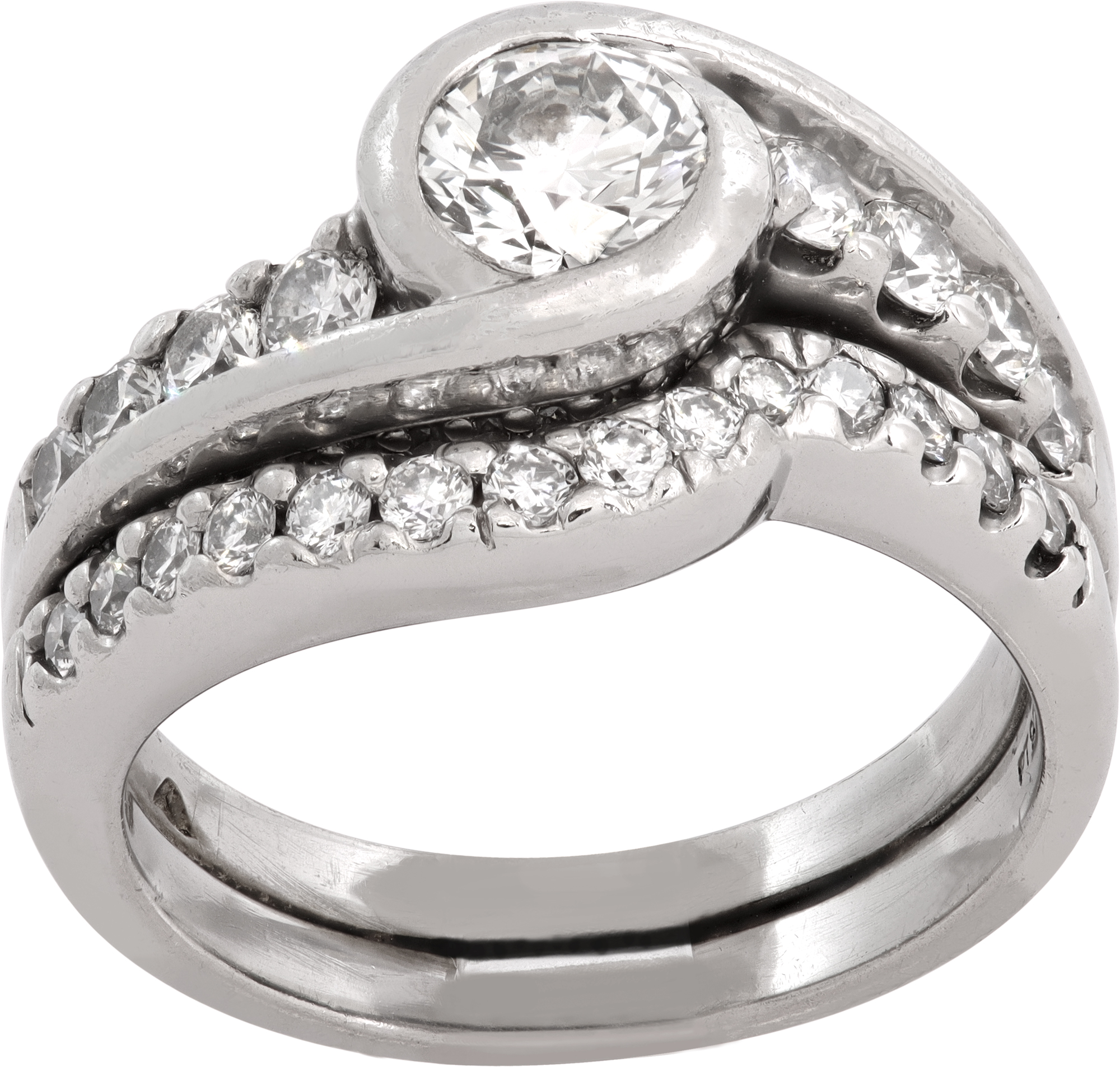
Estate collections typically include various categories of jewelry, each with distinct characteristics and market demand. Diamond engagement rings and wedding bands remain perennially popular, with vintage settings often featuring design elements and craftsmanship no longer common in contemporary jewelry. If you've inherited a ring you won't wear, selling diamond engagement rings can provide substantial returns while ensuring the piece finds someone who will treasure it.
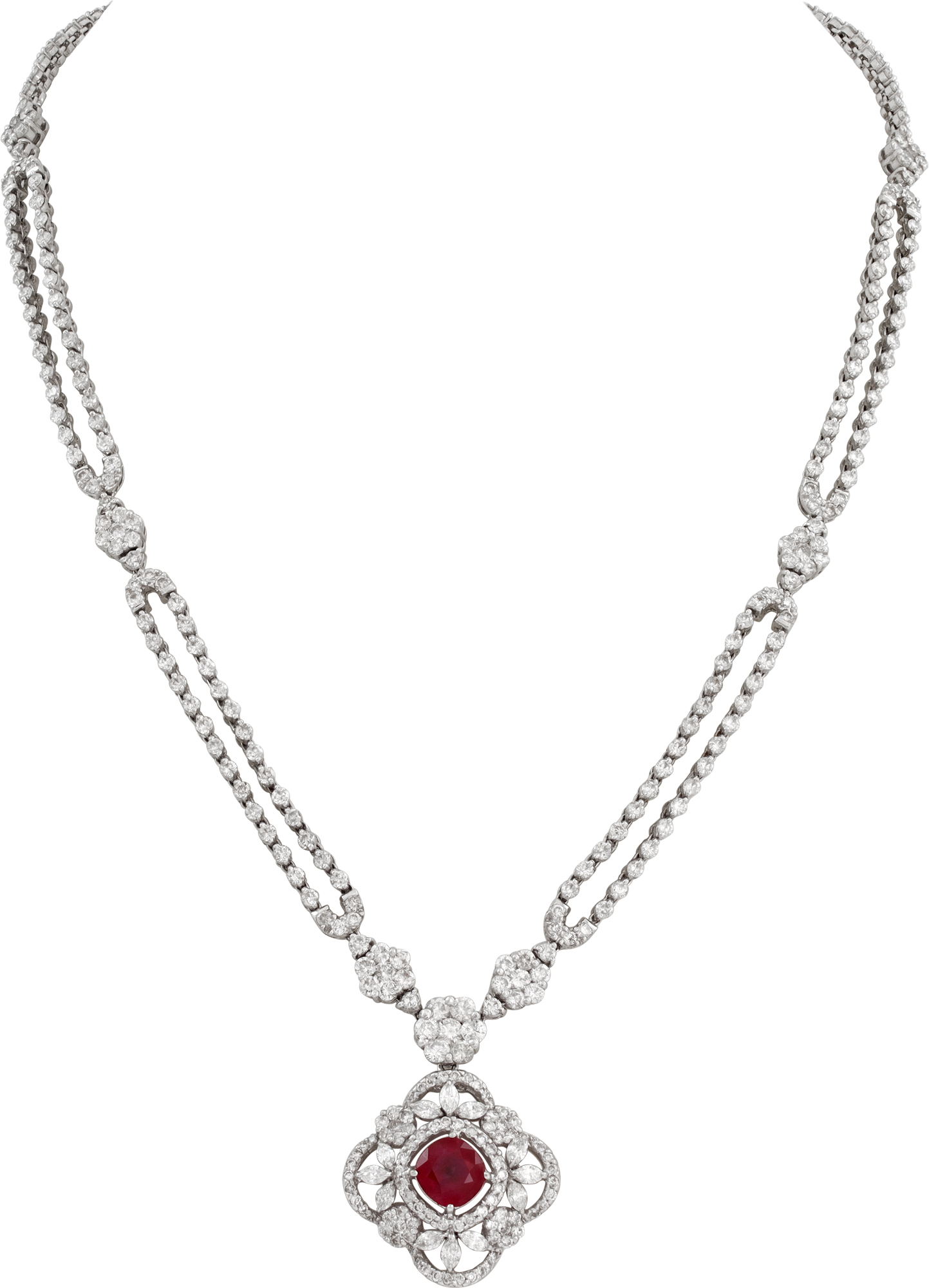
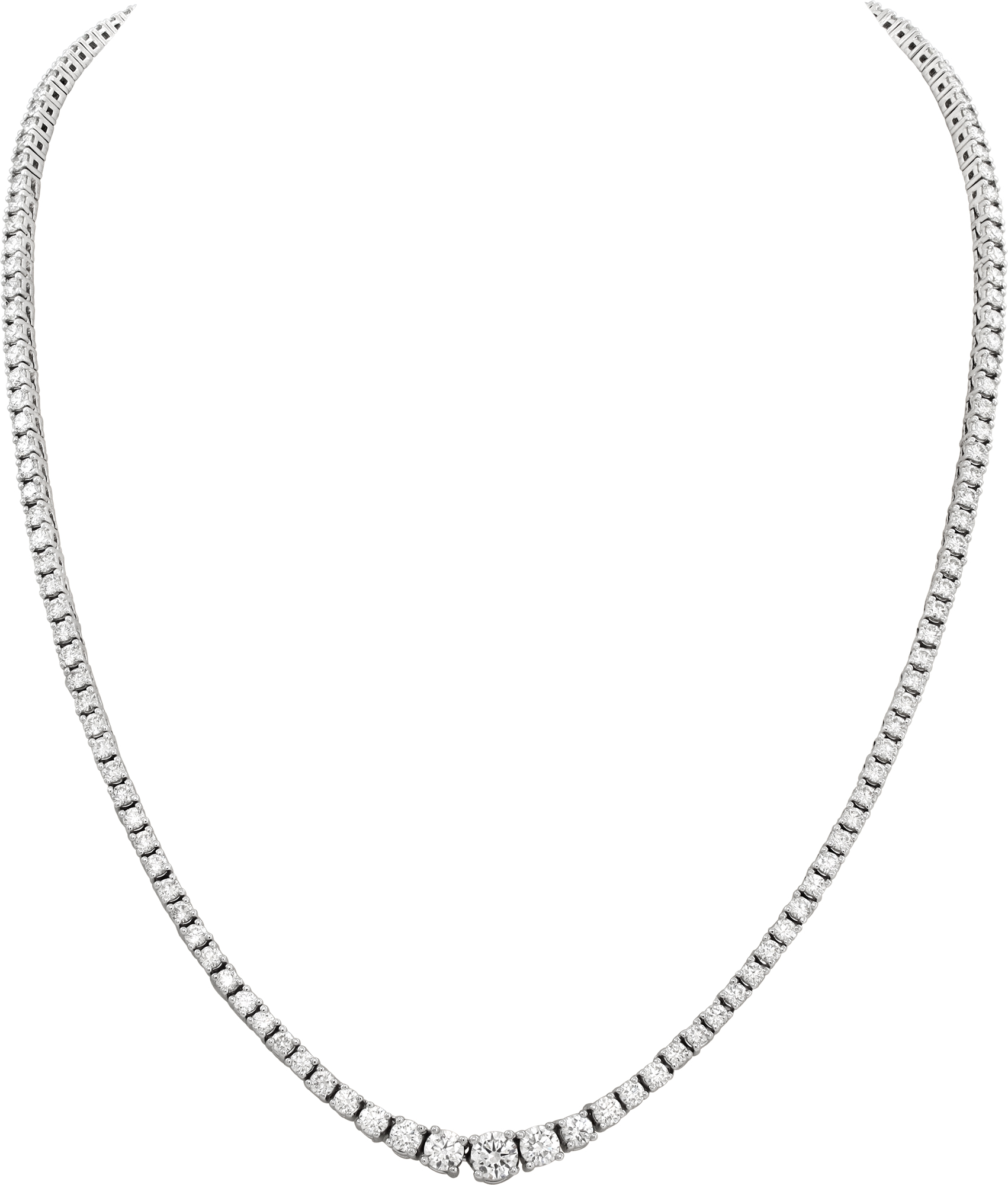
Necklaces and pendants form another significant category within estate collections. From substantial diamond tennis necklaces to elegant pearl strands and statement pieces featuring colored gemstones, these items showcase diverse styles spanning decades of jewelry design. The market particularly values pieces with substantial gemstone content or those from recognized designers, making professional evaluation essential.
Bracelets, brooches, and earrings complete most estate jewelry collections. From tennis bracelets glittering with diamonds to vintage brooches featuring intricate metalwork and colored stones, these pieces represent significant craftsmanship and material value. Even items that seem outdated in style may contain valuable components—diamonds, gold, platinum, or precious gemstones—that maintain strong market value regardless of current fashion trends.
Beyond jewelry, many estates include sterling silver flatware, serving pieces, and decorative items. While these pieces differ from jewelry, they hold considerable value based on their silver content and maker. If you've inherited silver pieces alongside jewelry, comprehensive sterling silver buyers can evaluate your entire collection, providing complete assessments that maximize returns across all categories.
The Emotional Challenge of Selling Inherited Jewelry
One of the most significant barriers preventing people from evaluating or selling inherited jewelry is the emotional attachment these pieces carry. Items passed down from beloved family members represent connections to our past, tangible links to grandmothers, mothers, or other relatives who are no longer with us. The guilt associated with considering selling these pieces can be overwhelming, even when they sit unused in safe deposit boxes or jewelry boxes.
It's important to recognize that honoring a loved one's memory doesn't require keeping every physical item they owned. In fact, converting inherited jewelry into financial resources that improve your current life—paying off debt, funding education, supporting retirement, or simply providing financial security—represents a practical way to let their legacy positively impact your present and future. Your grandmother or mother would likely prefer their jewelry serve meaningful purposes rather than languish unused in storage.
Many families find that keeping one or two particularly meaningful pieces while selling others strikes the right balance between honoring memories and making practical decisions. This approach allows you to preserve the most personally significant items while converting others into resources you can actually use. When working with reputable buyers who understand the sentimental nature of estate jewelry, the process becomes respectful and straightforward rather than transactional and cold.
How the Estate Jewelry Evaluation Process Works
Understanding what to expect during the evaluation process helps alleviate concerns and makes taking that first step less daunting. When you reach out to established jewelry buyers near me, the process typically begins with an initial assessment where you provide information about the pieces you're considering selling—descriptions, photographs, and any documentation or provenance you may have.
For local sellers in South Florida, in-person evaluations at established showrooms provide opportunities to meet directly with experienced appraisers who can examine your pieces under proper lighting and magnification. This face-to-face approach allows for detailed discussions about each item's characteristics, market positioning, and potential value. You'll receive expert insights about designer signatures, gemstone quality, metal purity, and overall condition—information that helps you make informed decisions.
For those located outside South Florida or preferring remote transactions, reputable buyers offer secure online evaluation processes. After submitting detailed photographs and descriptions, you can ship items via insured, tracked methods for professional examination. This approach provides the same thorough evaluation as in-person assessments while accommodating sellers throughout the United States who want to access expert services without geographic limitations.
Once evaluation is complete, you'll receive transparent information about each piece's market value and a purchase offer if the buyer is interested in acquiring your items directly. Alternatively, for particularly valuable or unique pieces, jewelry consignment arrangements may be proposed, allowing items to be marketed to collectors and enthusiasts who specifically seek rare or exceptional pieces. This approach often yields higher returns for extraordinary items while requiring patience as the right buyer is identified.
Designer and Signed Estate Jewelry: Premium Value Pieces
If your inherited collection includes pieces from prestigious jewelry houses, you're holding items that typically command premium prices in the resale market. Cartier, Van Cleef & Arpels, Tiffany & Co., Bvlgari, David Yurman, Harry Winston, and similar luxury brands create jewelry with enduring appeal that transcends temporary fashion trends. These pieces maintain strong market values due to their recognized quality, craftsmanship, and the prestige associated with these storied houses.
When evaluating whether to sell Cartier jewelry, sell Tiffany jewelry, or sell Van Cleef and Arpels jewelry, several factors influence value beyond the brand name itself. The specific collection or design line matters significantly—iconic pieces like Cartier's Love bracelet or Van Cleef & Arpels' Alhambra collection maintain particularly strong demand. Condition plays a crucial role, with well-preserved pieces commanding higher prices than those showing significant wear or requiring repairs.
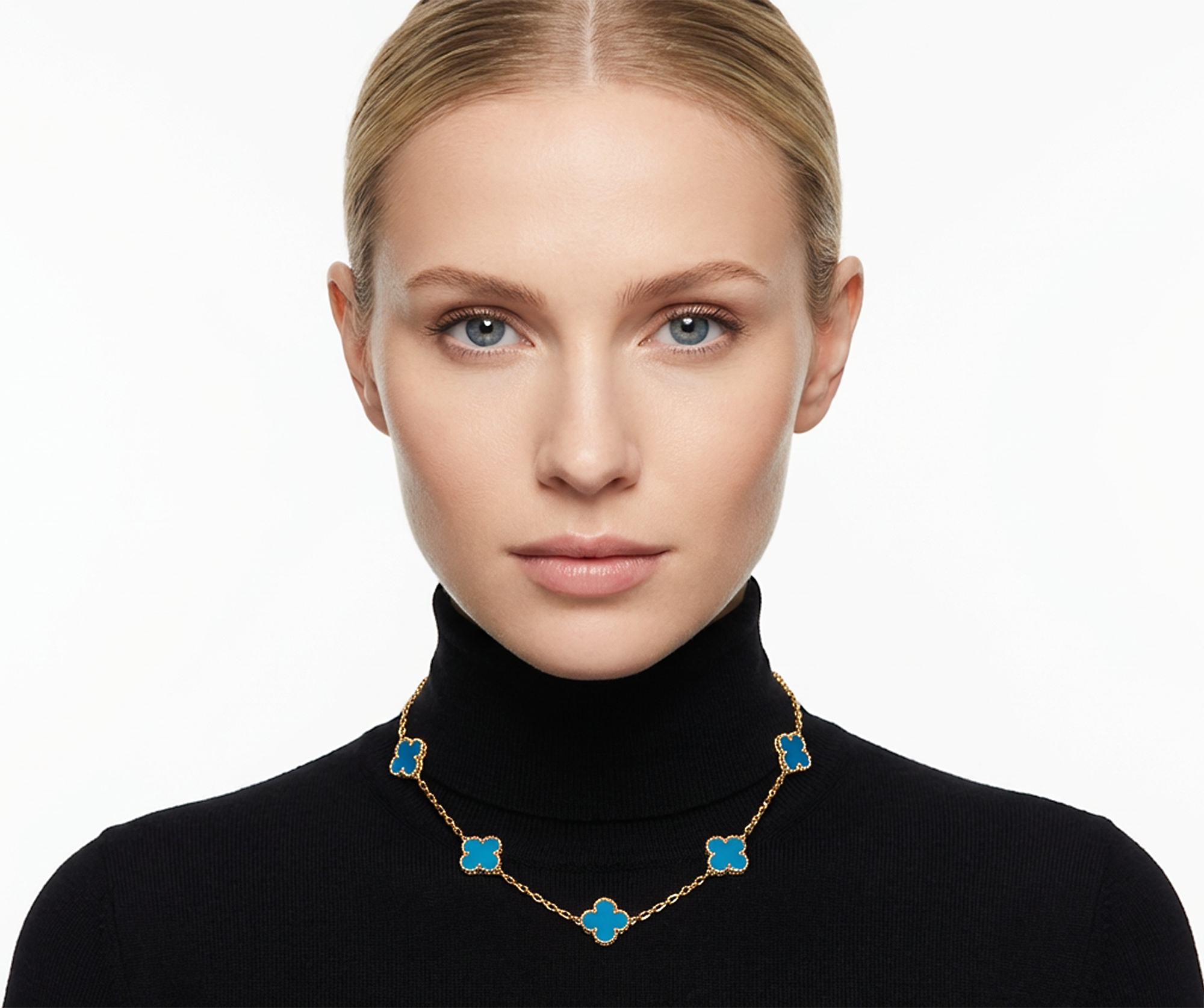
Documentation significantly enhances value for designer pieces. Original boxes, certificates of authenticity, receipts, and any paperwork documenting the piece's provenance help establish authenticity and provide buyers with confidence. If you've inherited designer jewelry, locating any accompanying documentation before seeking evaluation maximizes potential returns. Even without original paperwork, experienced buyers can authenticate legitimate pieces through examination of hallmarks, construction techniques, and design characteristics specific to each house.
Watches as Part of Estate Collections
Many estate collections include luxury watches alongside jewelry—timepieces from brands like Rolex, Omega, Patek Philippe, Cartier, and other prestigious Swiss manufacturers. These watches often represent significant value, particularly if they've been well-maintained or represent sought-after vintage models. Even watches that no longer function may hold substantial worth based on their brand, model, and condition of their cases and movements.
The luxury watch market has shown remarkable strength in recent years, with certain vintage and contemporary models appreciating significantly. If you've inherited a Rolex, for instance, even seemingly modest models can surprise sellers with their current market values. Those considering options to sell my Rolex should understand that factors like model, year of manufacture, condition, originality of components, and accompanying documentation all influence value substantially.
For inherited watches from other prestigious manufacturers, similar considerations apply. Selling Patek Philippe watches, Omega timepieces, or Cartier watches requires expertise in horology to properly assess their characteristics and position them accurately in the current market. Working with buyers who maintain master-trained watchmakers on staff ensures your inherited timepieces receive knowledgeable evaluation from professionals who understand the technical and collectible aspects of fine watchmaking.
Beyond Jewelry: Sterling Silver and Precious Metals
Estate collections frequently include sterling silver flatware, serving pieces, tea services, and decorative items alongside jewelry. While these pieces differ from jewelry in form and function, they represent real value based on their silver content and, in some cases, maker significance. Inherited silver that sits unused in storage can be converted into financial resources through evaluation and sale to specialized sterling silver buyers.
The value of sterling silver items depends primarily on their weight and current silver market prices, though pieces from prestigious silversmiths like Tiffany & Co., Georg Jensen, or Gorham may command premiums beyond their metal value. Even damaged or incomplete sets hold value based on their precious metal content, making evaluation worthwhile regardless of condition. Many families are surprised to discover the substantial value represented by silver pieces they assumed were merely outdated tableware.
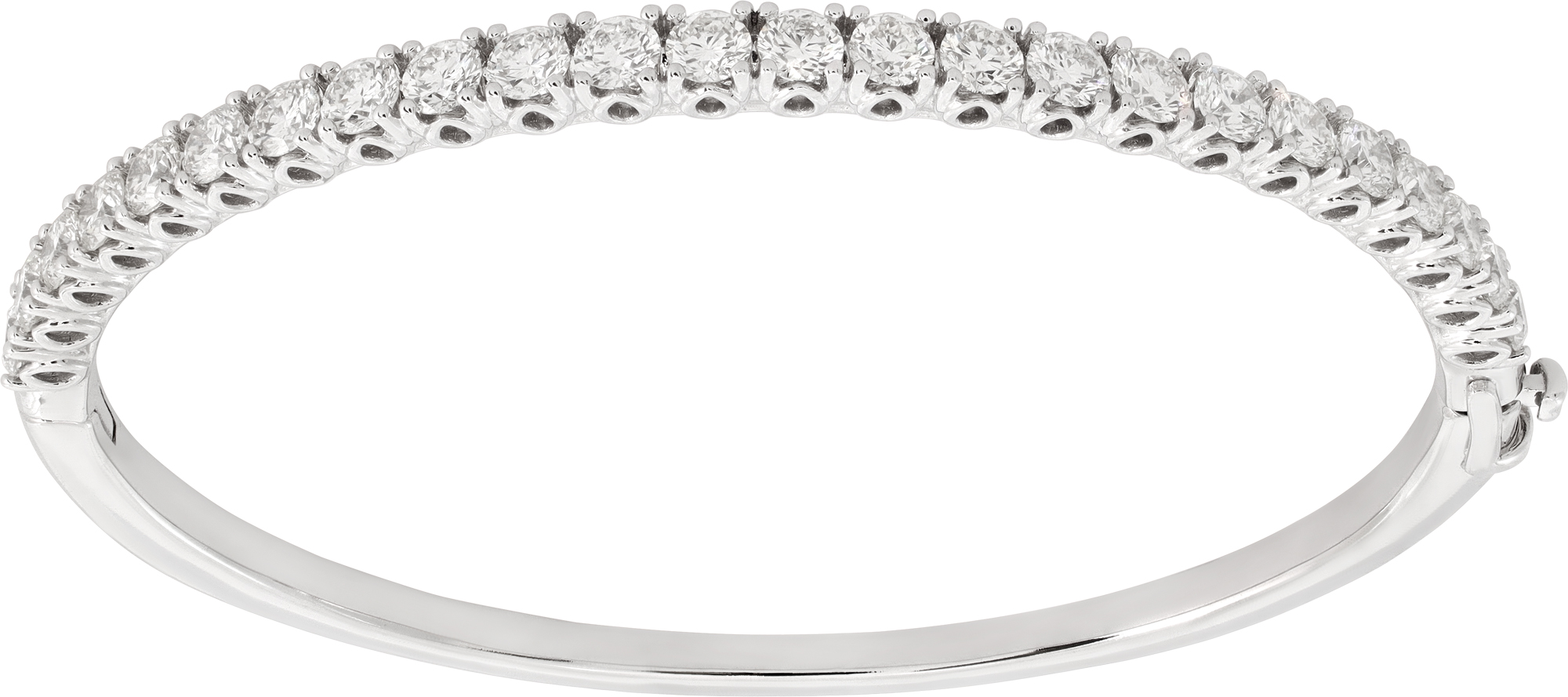
Beyond silver, estates may include gold jewelry in various conditions—from beautiful wearable pieces to broken items, single earrings, or outdated styles. All gold jewelry holds intrinsic value based on its precious metal content, regardless of its aesthetic appeal or functionality. When seeking gold buyers near me or considering where to sell gold jewelry, understanding that even broken or damaged pieces maintain worth based on their gold content helps ensure you don't overlook valuable items when sorting through inherited collections.
Making the Decision: Keep, Sell, or Consign?
After receiving professional evaluation of your inherited estate jewelry, you'll face decisions about each piece's future. Some items may hold such personal significance that keeping them remains the clear choice, regardless of their market value. Other pieces may obviously warrant selling, particularly if they represent styles you'll never wear or duplicate items with little personal meaning. The middle category—pieces with some sentimental value but questionable future use—often presents the most challenging decisions.
When considering these choices, honest assessment of realistic future use helps clarify appropriate paths forward. Will you actually wear that diamond cocktail ring, or will it continue sitting unworn for another decade? Do those pearl earrings suit your personal style, or are you keeping them solely from guilt? Does that tennis bracelet fit your lifestyle and wardrobe, or does it represent jewelry that belongs to a different era and aesthetic than your own?
For pieces you decide to sell, understanding the difference between direct purchase and consignment arrangements helps set appropriate expectations. Direct purchase offers immediate liquidity—you receive payment promptly and conclude the transaction quickly. This approach works well for most estate jewelry and provides straightforward resolution. For exceptional pieces—rare designer items, significant gemstones, or unique vintage pieces—consignment arrangements may yield higher returns by accessing collectors willing to pay premium prices. This requires patience but can maximize value for truly special items.
Working with Reputable Buyers: What to Expect
Choosing the right buyer for your estate jewelry significantly impacts your experience and the returns you receive. Established buyers with decades of experience, physical locations, and strong reputations provide security and expertise that protect sellers throughout the process. When researching options, consider factors beyond just offered prices—reputation, transparency, expertise, and the quality of customer service all contribute to positive selling experiences.
Reputable buyers provide clear explanations of how they determine value, breaking down assessments by considering multiple factors: precious metal content and purity, gemstone characteristics including the four Cs for diamonds, designer significance and brand recognition, craftsmanship quality, condition, and current market demand. This transparency helps sellers understand what drives valuations and provides confidence that offers reflect genuine market realities rather than arbitrary figures designed to underpay uninformed sellers.
The brands we buy at established luxury buyers typically include the most prestigious names in jewelry and watchmaking—evidence of expertise in evaluating and purchasing high-end pieces. This specialization ensures that designer items receive appropriate recognition and valuation rather than being assessed merely for their material content. Whether you're selling Cartier, Tiffany, Van Cleef & Arpels, or other luxury brands, working with buyers who regularly handle these prestigious names ensures proper appreciation for what you're selling.
The South Florida Advantage for Estate Jewelry Sellers
For those fortunate to live in or near South Florida, the region offers particular advantages for selling estate jewelry. The area's concentration of affluent residents, luxury collectors, and established dealers creates a robust market for high-end jewelry and watches. This competitive environment benefits sellers by supporting strong valuations and providing multiple options for those seeking the best returns on their inherited pieces.
Established buyers serving South Florida communities—from Miami and Brickell to Boca Raton, Fort Lauderdale, and West Palm Beach—understand the sophisticated clientele and luxury market dynamics characteristic of the region. Whether you're a Miami Cartier watch buyer seeker or exploring options as a Boca Raton Rolex buyer would, the region's established luxury dealers provide expert services backed by decades of experience in this specialized market.
The ability to visit physical showrooms provides additional benefits for local sellers. Face-to-face interactions allow for detailed discussions about your pieces, opportunities to ask questions and receive immediate answers, and the reassurance that comes from working with established businesses you can visit in person. For those in Surfside, near Bal Harbour, or throughout South Florida, this access to expert buyers provides distinct advantages over remote-only transactions.
For Sellers Throughout the United States
Geographic location needn't limit your access to expert estate jewelry evaluation and purchasing services. Reputable buyers extend their services nationwide through secure online processes designed to provide the same expertise and professionalism as in-person transactions. This accessibility ensures that inherited jewelry receives proper evaluation regardless of where you live, democratizing access to specialized knowledge and competitive offers.
The online selling process typically involves several straightforward steps. Initial consultations allow you to describe your pieces and share photographs for preliminary assessment. If proceeding forward appears mutually beneficial, buyers provide secure shipping instructions, including insured shipping labels to protect your items during transit. Upon receipt, professional evaluation occurs using the same expertise and equipment applied to in-person assessments, ensuring consistency regardless of how items reach the buyer.
Throughout this process, communication remains consistent, with regular updates about your items' status and detailed explanations of evaluation findings. This transparency helps remote sellers feel confident about transactions even when they cannot personally visit showrooms. Once evaluation is complete and offers are extended, sellers receive prompt payment upon acceptance, typically via bank wire transfer or check, depending on preference.
Taking the First Step This January
If you've been procrastinating about evaluating your inherited estate jewelry, letting another year pass means another year of potential value sitting unused instead of serving productive purposes in your life. January 2026 offers the perfect opportunity to finally address this task—the fresh perspective of a new year combined with the practical benefits of starting the year with clarity about your assets and options creates ideal conditions for taking action.
The first step is simply reaching out for information. Whether you're interested in getting a jewelry quote or simply want to understand your options, initial conversations with reputable buyers involve no obligations or commitments. These preliminary discussions provide valuable information about the evaluation process, what documentation helps maximize value, and what realistic expectations should be regarding potential returns.
Many people discover that the anticipation and anxiety about evaluating inherited jewelry far exceeds the reality of the actual process. Working with experienced professionals who handle these transactions with respect for both the monetary and sentimental value involved makes the experience straightforward and even educational. You'll learn about your pieces' characteristics, the factors that drive luxury jewelry values, and how current market conditions position your specific items—knowledge that proves valuable regardless of whether you ultimately decide to sell.
Conclusion: A Fresh Start for 2026
As January 2026 unfolds, the new year's promise of fresh starts and better organization extends to finally addressing those inherited estate jewelry pieces that have been stored away awaiting decisions. Whether your collection includes signed designer pieces, beautiful unsigned jewelry, luxury watches, or sterling silver, professional evaluation provides the clarity needed to make informed choices about these valuable assets.
The emotional complexity of inherited items shouldn't prevent practical assessment of their worth and consideration of how they might better serve you through sale rather than continued storage. With reputable buyers offering transparent, expert services both locally in South Florida and throughout the United States, the process of discovering your estate jewelry's value has never been more accessible or straightforward.
This January, give yourself the gift of clarity about what you own and what options exist. The fresh perspective that comes with a new year provides the perfect motivation to finally take that first step toward understanding and potentially unlocking the value sitting in your jewelry box. Your inherited treasures deserve proper evaluation—and you deserve to make informed decisions about their future role in your life.
Ready to discover the true value of your inherited estate jewelry? Start your evaluation journey today with our expert team. Get a jewelry quote or learn more about how our process works. Whether you're in South Florida or anywhere across the United States, we're here to help you make informed decisions about your valuable inherited pieces. Contact us today to begin your consultation—no obligations, just expert guidance and transparent information about your estate jewelry's worth.
About Us | Sell Us Your Jewelry
Call Us Now: 305 770 6955
The Purchasing and Consignment Division of Gray & Sons


Be the first to know | SEE OUR CATALOG

