

February 11th, 2026
Sterling Silver Pattern Recognition: Expert Guide to Identifying Wallace, Towle, and International Flatware During Estate Sales
Discovering inherited silver flatware tucked away in estate sales, attics, or family collections can be both exciting and overwhelming. Understanding how to identify sterling silver patterns—particularly from renowned manufacturers like Wallace, Towle, and International—is essential for determining the true value of your pieces. Whether you've inherited a complete service or found individual pieces at estate sales, proper pattern recognition ensures you receive fair compensation when you decide to sell sterling silver.
As a trusted sterling silver flatware buyer, we've evaluated thousands of pieces from estates across the country. Our expertise helps sellers understand what makes certain patterns more valuable and how to properly identify their inherited collections. This comprehensive guide will walk you through the essential steps for recognizing patterns, understanding hallmarks, and maximizing the value of your sterling silver flatware.
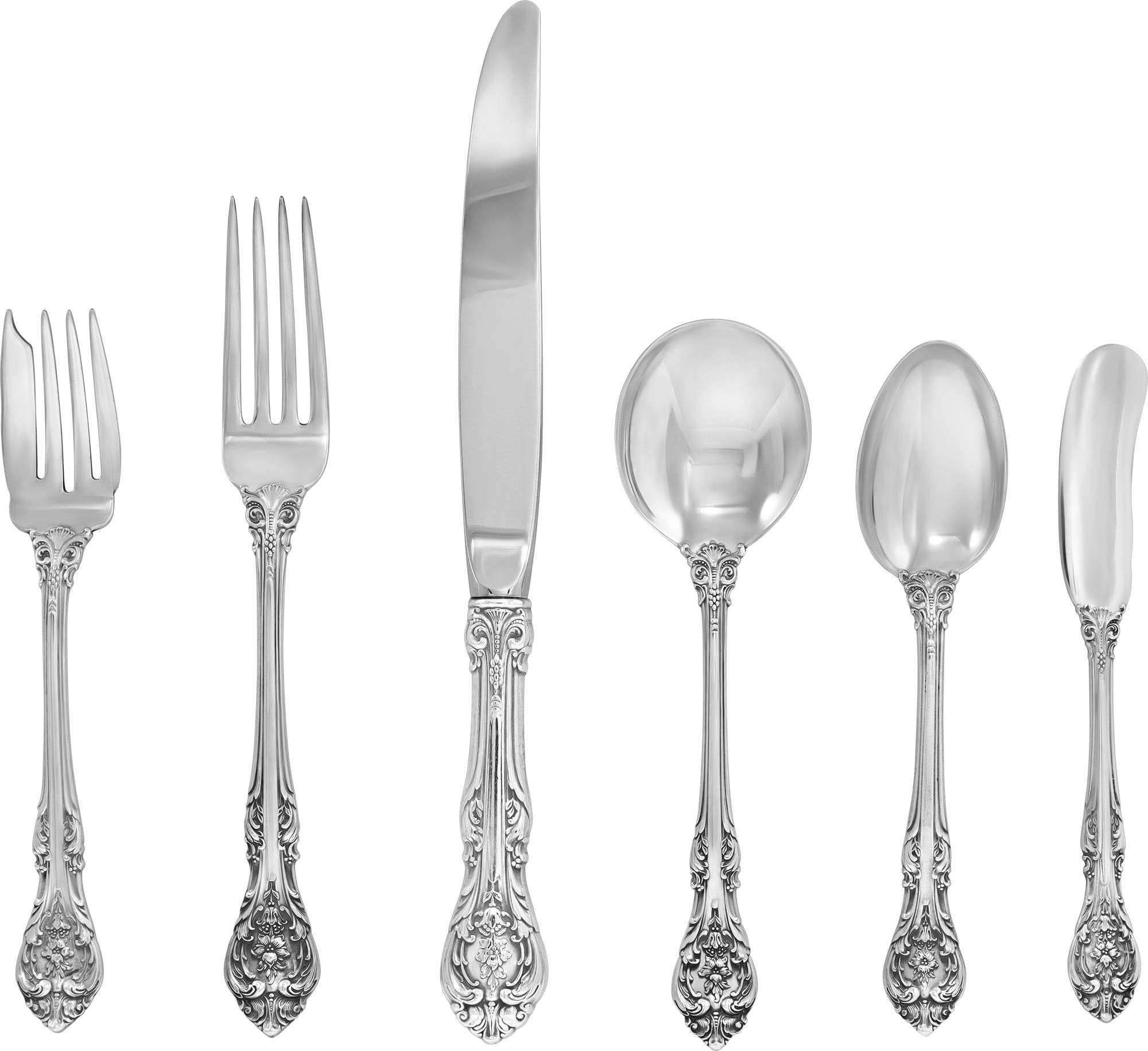
Understanding Sterling Silver Markings and Hallmarks
The first step in sterling silver identification involves locating and interpreting the hallmarks stamped on each piece. Authentic sterling silver flatware will typically bear the marking "STERLING" or "925," indicating 92.5% pure silver content. These marks are usually found on the back of handles, though placement can vary by manufacturer and era. Additional markings may include the manufacturer's name, logo, pattern name, or date codes that help pinpoint when the piece was produced.
Learning to read these hallmarks is crucial for anyone looking to sell sterling silver effectively. Different manufacturers used distinctive marking systems throughout various periods. For instance, Gorham pieces might include a date code system with specific symbols, while Wallace silver patterns often feature the company's full name alongside the sterling mark. Taking time to examine these details under good lighting with a magnifying glass can reveal valuable information about your flatware's origins and authenticity.
Identifying Wallace Silver Patterns
Wallace Silversmiths, founded in 1835, created some of America's most beloved sterling silver patterns. Among the most recognizable Wallace silver patterns are Grand Baroque (1941), Rose Point (1934), and Sir Christopher (1936). Grand Baroque remains particularly sought-after for its ornate, heavily embossed design featuring scrolls, shells, and acanthus leaves. The pattern's weight and elaborate detail make it instantly recognizable to collectors and professional buyers alike.
When examining Wallace pieces, look for the distinctive Wallace hallmark combined with the pattern name, which is often stamped on the back of the handle. Wallace used consistent marking practices, making their pieces relatively straightforward to identify. The company's patterns range from the simple elegance of Stradivari to the baroque complexity of Romance of the Sea, each with distinctive design elements that set them apart. Understanding these visual signatures helps ensure accurate identification when you're ready to sell sterling silverware.
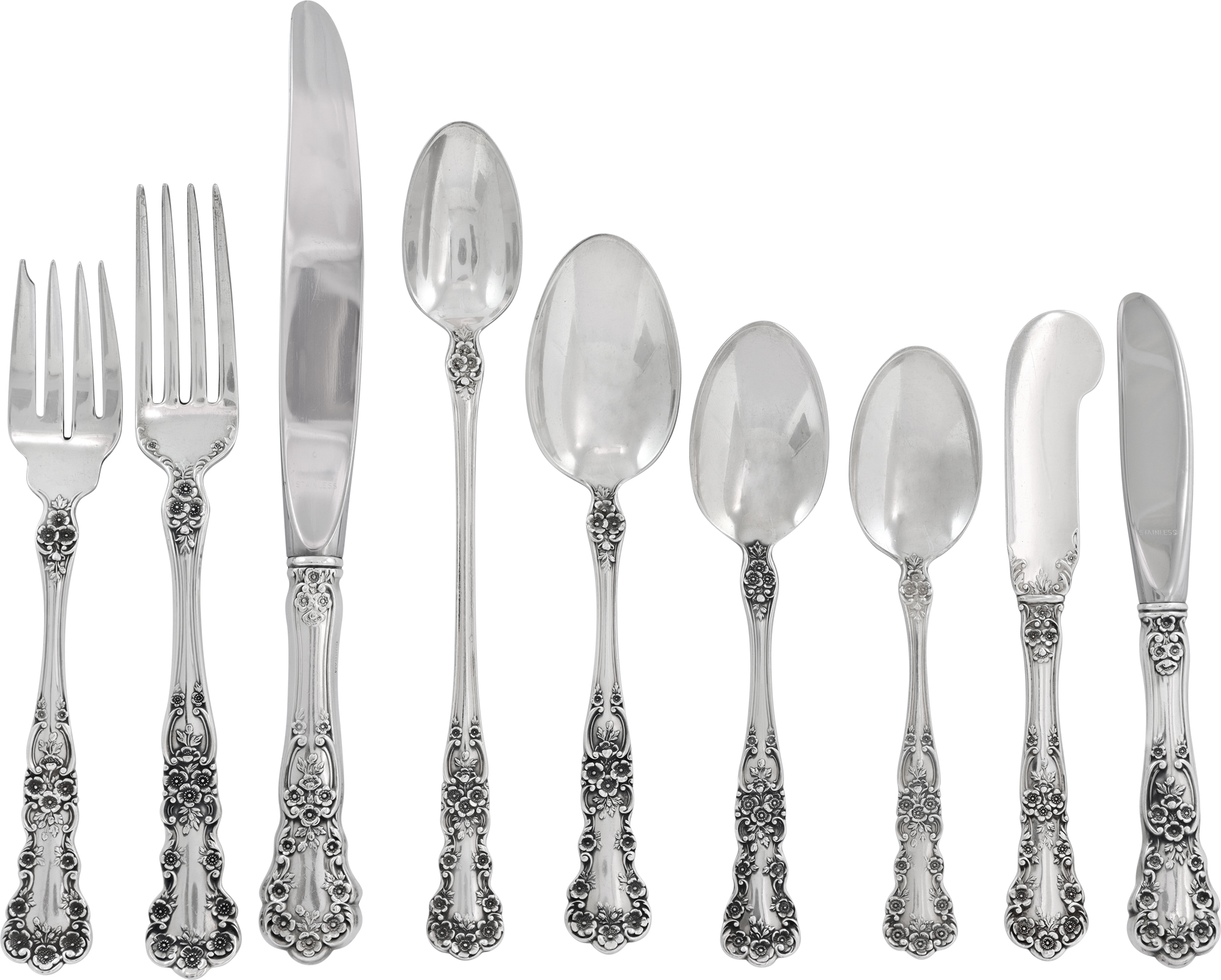
As a specialized sterling silver buyer, we recognize that accurate pattern identification significantly impacts valuation. Wallace's popularity among collectors means complete sets in excellent condition command premium prices, particularly for discontinued patterns that are difficult to find.
Recognizing Towle Silver Patterns
Towle Silversmiths, established in 1690, represents one of America's oldest silversmithing companies. Towle silver patterns are renowned for their exceptional craftsmanship and timeless designs. The most famous Towle patterns include Old Master (1942), known for its French Provincial styling; Candlelight (1934), featuring elegant scrollwork; and King Richard (1932), which showcases medieval-inspired ornamentation. Each pattern reflects the distinctive Towle aesthetic of balanced design and superior finishing.
Identifying Towle pieces requires attention to both hallmarks and design details. Towle consistently marked their sterling pieces with the company name alongside the sterling designation. The pattern name typically appears on the back of each piece as well. Old Master, for example, displays a characteristic shell motif at the tip of handles, while Candlelight features delicate scrolling that tapers gracefully. These visual identifiers help authenticate pieces and determine their pattern lineage.
International Silver Company Patterns
International Silver Company, formed in 1898 through the merger of several New England silver manufacturers, produced an extensive array of sterling patterns. Unlike Wallace and Towle, International operated numerous divisions including Wilcox, Rogers, and 1847 Rogers Bros., each with distinct pattern lines. Authentic International sterling pieces (as opposed to their silver-plated lines) will clearly display "STERLING" alongside the International or division name.
Popular International sterling patterns include Royal Danish (1939), featuring clean Scandinavian lines; Joan of Arc (1940), with its romantic medieval inspiration; and Prelude (1939), known for its classic simplicity. When evaluating inherited silver flatware from International, verify the sterling mark carefully, as the company produced significantly more silver-plated items than sterling pieces. This distinction dramatically affects value when you're ready to consult a sterling silver flatware buyer.
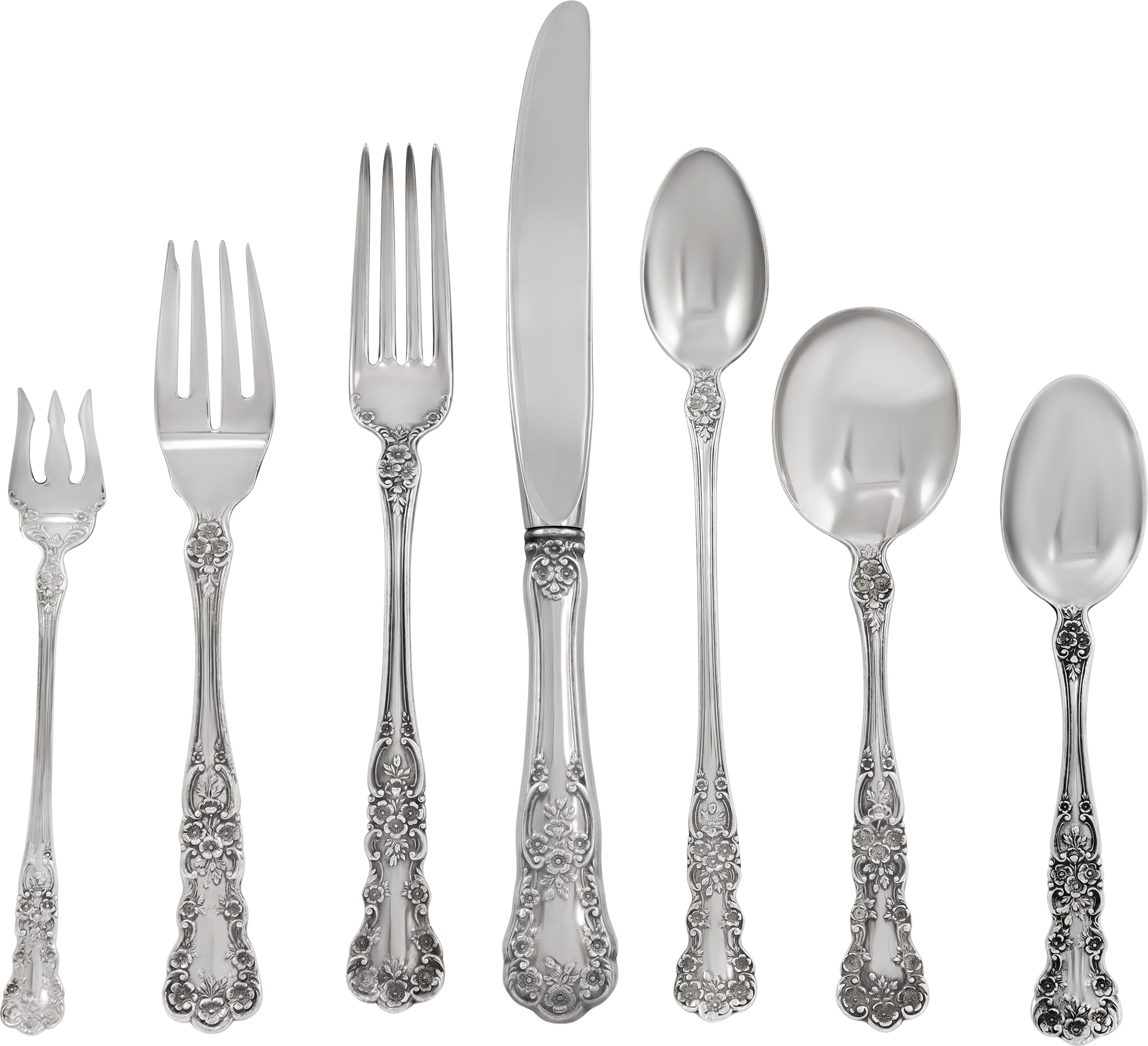
Gorham Manufacturing Company: A Pattern Recognition Case Study
While Gorham wasn't specifically mentioned in the original focus, this historic manufacturer deserves attention for pattern recognition education. Founded in 1831, Gorham created iconic patterns that frequently appear in estate sales. Buttercup (1899) remains one of the most recognized American sterling patterns, featuring delicate floral motifs that appeal to collectors. King Edward (1936) exemplifies Art Deco styling with its bold, geometric lines and substantial weight.
Gorham pieces are particularly well-marked, often including the company's anchor-and-lion hallmark alongside date codes and pattern names. The Decor pattern (1953) represents mid-century modernist aesthetics with clean, architectural lines. Understanding Gorham's marking system and design evolution provides valuable context for identifying other manufacturers' work. When estate executors and heirs discover Gorham pieces, they often represent significant value, making proper identification essential before seeking to sell sterling silver tea sets or flatware collections.
Essential Tools for Pattern Identification
Successfully identifying sterling silver patterns requires more than just keen observation. A basic toolkit should include a jeweler's loupe or magnifying glass for examining hallmarks, a soft cloth for gentle cleaning to reveal marks, and good lighting to highlight design details. Digital photography can help capture hallmark details for later reference or professional consultation. Many collectors find that photographing marks with a smartphone camera using macro mode provides excellent documentation.
Reference materials prove invaluable for accurate identification. Several comprehensive pattern guides exist, both in print and online databases, that catalog thousands of patterns with photographs and production dates. Building a small reference library or bookmarking reliable online resources helps streamline the identification process. As you prepare to sell sterling silverware, having documented proof of pattern identification strengthens your position and ensures fair valuation.
Factors That Affect Sterling Silver Flatware Value
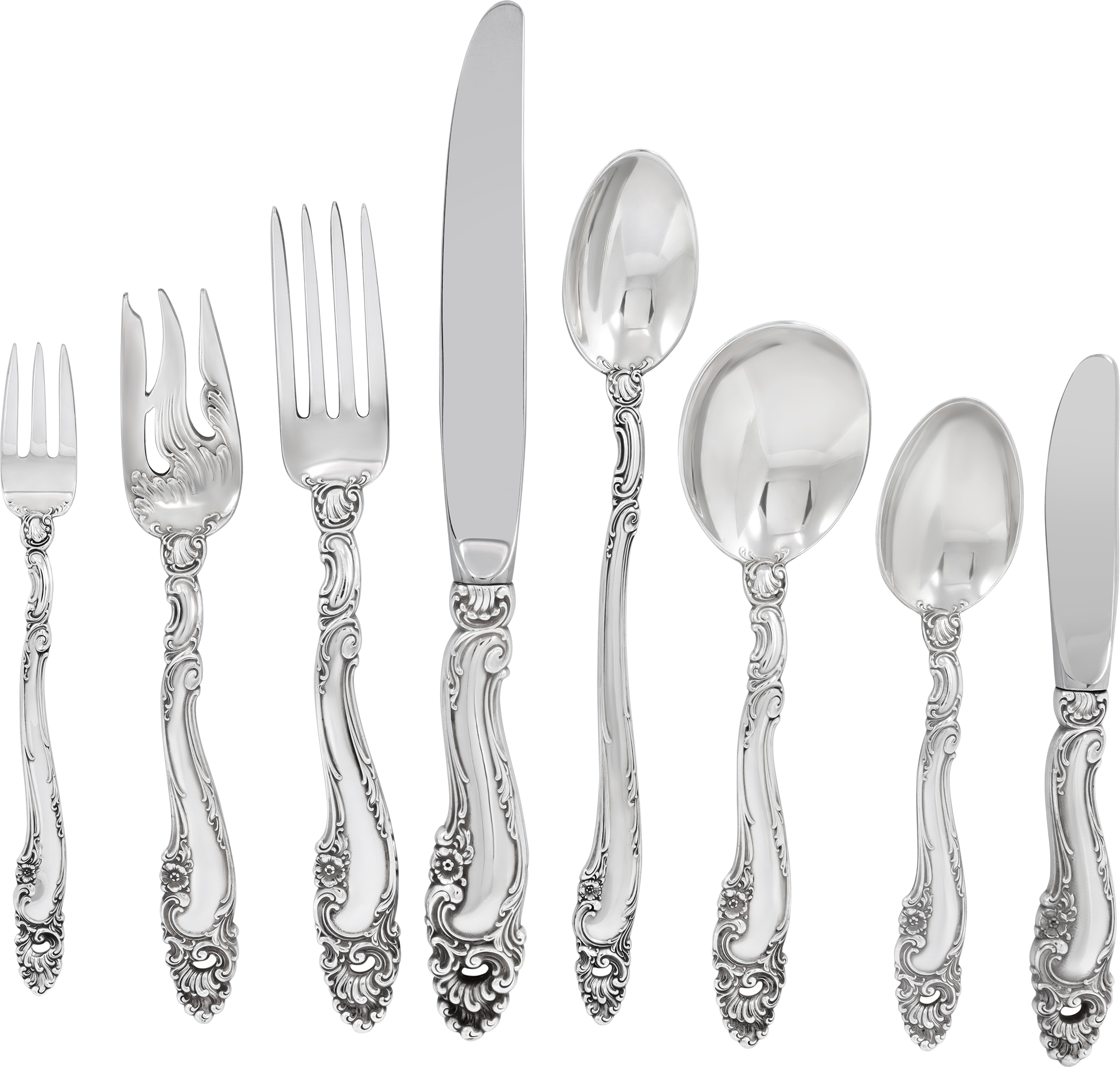
Pattern recognition directly impacts value, but several other factors influence what professional buyers will offer for your inherited silver flatware. Completeness of the set ranks as the most significant value driver—complete service sets for eight or twelve fetch premium prices compared to individual pieces or incomplete services. Pattern rarity and desirability also matter considerably; discontinued patterns in high demand command higher prices, while common patterns may sell closer to melt value.
Condition assessment plays a crucial role in valuation. Pieces with monograms typically sell for less than unmarked examples, though elaborate or historically significant monograms might add value. Heavy wear, repairs, or damage significantly reduce worth. Total weight provides a baseline value calculation, as sterling silver has intrinsic precious metal value regardless of pattern. However, sought-after patterns in excellent condition will exceed melt value significantly. Understanding these factors helps sellers set realistic expectations when consulting a sterling silverware buyer.
Where to Find Pattern Information During Estate Sales
Estate sales present unique opportunities to discover valuable sterling silver flatware, but they also require quick assessment skills. Before the sale opens, research common patterns from major manufacturers so you can recognize them on sight. During the sale, carefully examine pieces for hallmarks and pattern characteristics. Don't hesitate to use your smartphone to photograph marks and research patterns in real-time if permitted by the estate sale company.
Networking with estate sale professionals and other collectors can provide valuable insights. Many experienced dealers can identify common patterns instantly and may share knowledge if you develop relationships. Online communities and forums dedicated to sterling silver collecting offer resources where you can post photographs and receive identification help. This collaborative approach proves especially useful when you encounter unusual or rare patterns that aren't in standard reference guides.
Common Mistakes in Pattern Identification
Even experienced collectors sometimes misidentify sterling silver patterns, leading to valuation errors. One frequent mistake involves confusing silver-plated flatware with sterling pieces. While pattern styles may be similar or even identical across a manufacturer's sterling and plated lines, only sterling pieces bear "STERLING" or "925" marks. Always verify markings before assuming a piece is sterling silver, regardless of how impressive the design appears.
Another common error occurs when sellers assume all pieces in an inherited collection belong to the same pattern. Families often accumulated flatware from multiple patterns over generations, mixing pieces together. Carefully examine each piece individually rather than assuming uniformity. Additionally, some manufacturers produced patterns with subtle variations over decades of production, leading to slight differences within the same pattern name. Understanding these nuances prevents confusion when you're ready to sell sterling silver to professional buyers.
Professional Authentication and Appraisal Services
While self-identification skills serve well for preliminary assessment, professional evaluation provides definitive answers and accurate valuations. Reputable sterling silver flatware buyers employ experts who can quickly and accurately identify patterns, assess condition, and provide fair market valuations. This expertise proves especially valuable for large estate collections or when dealing with rare, unusual, or potentially valuable patterns.
Professional appraisers can distinguish between genuine antique pieces and modern reproductions, identify sophisticated repairs or alterations, and spot authentication issues that might escape casual observation. When significant value is at stake or when estate settlement requires documented appraisals, professional services provide peace of mind and legal documentation. For those seeking to sell sterling silver candlesticks, tea sets, or flatware collections, professional evaluation ensures fair transactions based on accurate information.

The Selling Process for Identified Sterling Silver
Once you've successfully identified your inherited silver flatware and understand its pattern and value range, the selling process becomes straightforward. Working with established buyers who specialize in sterling silver ensures transparent transactions and competitive offers. Begin by documenting your collection with clear photographs of both the patterns and hallmarks. Create an inventory listing the pattern name, manufacturer, piece counts, and overall condition.
Contact specialized sterling silver buyers who can provide preliminary valuations based on your documentation. Many reputable buyers offer free assessments and can often provide quotes based on detailed photographs and descriptions. For significant collections, in-person evaluation may be recommended to assess condition accurately and weigh pieces for precise valuation. The best buyers will explain their offer clearly, breaking down how pattern desirability, completeness, condition, and current silver prices factor into their calculation.
Beyond Flatware: Other Sterling Silver Items to Recognize
Pattern recognition skills extend beyond flatware to other sterling silver items commonly found in estates. Sterling silver tea sets, serving trays, candlesticks, and decorative pieces often bear manufacturer marks and pattern identifiers similar to flatware. Major silversmithing companies produced coordinated collections that included both flatware and hollowware (bowls, pitchers, and serving pieces). Identifying these companion pieces adds value to estate evaluations.
When examining sterling silver tea sets or serving pieces, look for the same hallmarks and marking systems used on flatware. Large serving pieces typically display marks more prominently than individual flatware items. Understanding the relationship between flatware patterns and coordinating hollowware helps sellers recognize complete or partial sets that command premium prices. Many collectors seek to complete or enhance their collections with matching serving pieces, increasing demand for identified items.
Preserving Value Through Proper Care and Storage
Whether you're planning to sell sterling silver trays and flatware immediately or holding pieces temporarily, proper care preserves value. Store sterling silver in tarnish-resistant cloth or bags to slow oxidation. Avoid rubber bands, newspaper, or plastic wrap, which can damage silver surfaces. For inherited pieces you're evaluating, resist the urge to over-polish, as aggressive cleaning can remove desirable patina and even wear down design details.
When cleaning is necessary, use gentle methods specifically designed for sterling silver. Mild soap, warm water, and soft cloths handle most cleaning needs safely. For stubborn tarnish, specially formulated silver polishes work effectively without causing damage. However, if you're planning to sell pieces shortly, consult with potential buyers first—some prefer to assess and clean items themselves to ensure no damage occurs during well-intentioned but overzealous cleaning efforts.
Making Informed Decisions About Your Sterling Silver
Armed with pattern recognition skills and market knowledge, you can make informed decisions about inherited silver flatware and other sterling pieces. Some sellers choose to keep particularly meaningful patterns with family significance, selling less sentimental pieces to fund other priorities. Others prefer to convert entire collections to cash, especially when storage space is limited or when they have no practical use for formal silver.
The decision to sell sterling silverware often comes after careful consideration of multiple factors: current silver prices, pattern desirability, completeness of sets, and personal circumstances. Working with knowledgeable, reputable buyers ensures you receive fair compensation while simplifying the process of converting inherited items to liquid assets. Whether you're downsizing, settling an estate, or simply clearing space, understanding your sterling silver's identity and value empowers better decision-making.
Why Choose Professional Sterling Silver Buyers
Selecting the right buyer for your inherited silver flatware significantly impacts your experience and financial outcome. Professional buyers with established reputations offer transparent evaluations, competitive pricing based on current market conditions, and efficient transactions. Unlike pawn shops or general precious metal buyers who focus primarily on melt value, specialized sterling silver buyers recognize pattern value and pay premiums for desirable, complete sets in good condition.
At Sell Us Your Jewelry, we've built our reputation as a trusted sterling silverware buyer by providing thorough, honest evaluations and fair market prices for estates and individual sellers. Our expertise in pattern identification ensures accurate assessments of Wallace, Towle, International, Gorham, and other manufacturer pieces. We understand that selling inherited silver often carries emotional weight, and we handle each transaction with the respect and professionalism sellers deserve.
Ready to Unlock the Value of Your Sterling Silver?
If you've inherited sterling silver flatware or discovered valuable pieces during estate sales, now is an excellent time to explore your options. Our team of experts specializes in identifying and evaluating sterling silver patterns from all major American manufacturers. We offer straightforward, transparent valuations that account for pattern desirability, set completeness, condition, and current precious metal prices.
Getting started is simple. Request a quote for your sterling silver by providing basic information and photographs of your pieces. Whether you have a complete service set or individual items, we'll provide a fair assessment and competitive offer. For those with extensive estate collections that include luxury watches, jewelry, or GIA-certified diamonds, we also offer comprehensive estate evaluation services covering all your valuable items.
Don't let inherited silver flatware sit unused in storage when it could provide immediate financial value. Contact us today to begin the simple process of converting your sterling silver into cash. Our decades of experience as professional buyers ensure you receive fair compensation for your valuable pieces, whether you're in South Florida or anywhere across the United States. Learn how it works and discover why thousands of sellers trust us with their luxury items and precious metals.
About Us | Sell Us Your Jewelry
Call Us Now: 305 770 6955
The Purchasing and Consignment Division of Gray & Sons


Be the first to know | SEE OUR CATALOG

