

February 17th, 2026
Elegant Transitions: Strategic Guide to Downsizing Cartier and Tiffany & Co Collections for Retirement Living
Retirement marks a significant life transition—one that often involves downsizing from a larger family home to a more manageable living space. For those who have curated impressive collections of luxury jewelry over the years, this transition presents a thoughtful opportunity to evaluate which pieces truly serve this new chapter. If you're considering retirement downsizing and wondering whether to sell Cartier jewelry or sell Tiffany jewelry, you're making a prudent decision that can both simplify your lifestyle and provide substantial financial flexibility for your retirement years.
The decision to downsize a luxury jewelry collection isn't simply about reducing possessions—it's about making strategic choices that honor your past while embracing your future. Many retirees discover that pieces they once treasured now spend years in safe deposit boxes, rarely worn and seldom appreciated. Whether you're moving to a retirement community, traveling more frequently, or simply seeking the peace of mind that comes with fewer valuables to secure, understanding how to thoughtfully liquidate your Cartier and Tiffany & Co collections ensures you receive fair value for pieces that have served you well.
Understanding the Value of Your Cartier Collection
Cartier has long represented the pinnacle of luxury craftsmanship, and the pieces in your collection likely hold significant market value. When you're ready to sell Cartier rings, sell Cartier bracelets, or sell Cartier necklaces, understanding what makes these pieces valuable helps you approach the selling process with realistic expectations. Cartier's signature collections—from the iconic Love bracelet to the elegant Panthère designs—maintain strong secondary market demand, particularly when accompanied by original documentation and packaging.
The secondary market for Cartier pieces varies considerably based on collection, condition, and current trends. Cartier Love bracelets and Cartier Juste un Clou bracelets consistently command premium prices due to their timeless appeal and recognizable designs. Similarly, pieces from the Cartier Panthère collection attract serious collectors who appreciate the brand's animal motif heritage. Before making any decisions, consider obtaining a professional evaluation from an experienced Cartier jewelry buyer who can assess your pieces comprehensively.
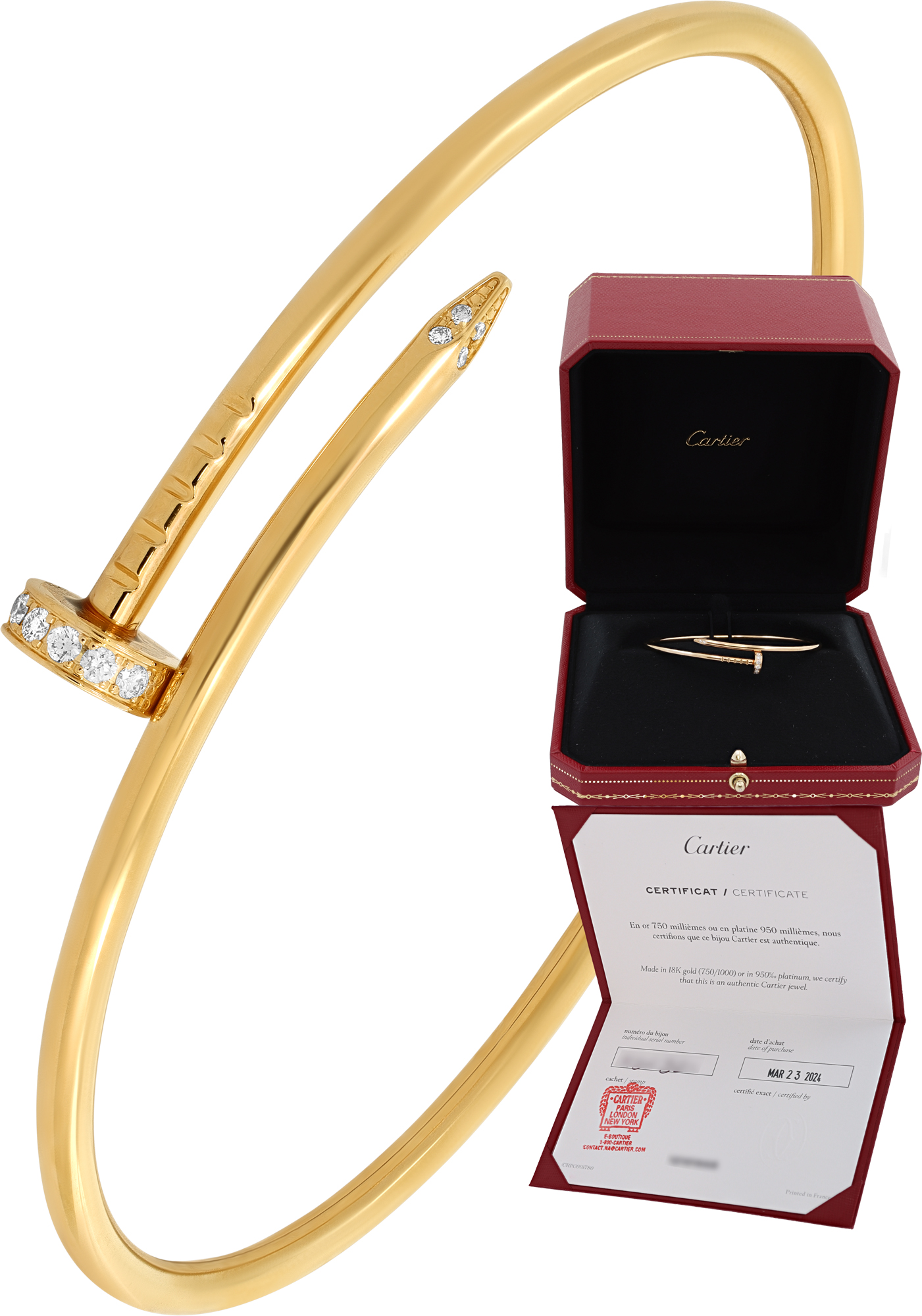
Documentation significantly impacts the value of your Cartier pieces. Original boxes, certificates of authenticity, and purchase receipts all contribute to higher offers from reputable buyers. If you've maintained these materials over the years, gather them together before seeking evaluations. Even without complete documentation, authentic Cartier pieces carry hallmarks and serial numbers that allow qualified buyers to verify authenticity and determine appropriate valuations.
Evaluating Your Tiffany & Co Portfolio
Tiffany & Co jewelry holds a special place in American luxury heritage, and many retirees find they've accumulated numerous pieces from this iconic brand over decades of gift-giving occasions and personal purchases. When considering whether to sell Tiffany & Co. jewelry, it's important to recognize that certain collections and periods command stronger market interest than others. Vintage Tiffany pieces, particularly those by celebrated designers like Elsa Peretti, Paloma Picasso, and Jean Schlumberger, often exceed the value of more contemporary items.
The decision to sell Tiffany rings, sell Tiffany bracelets, or sell Tiffany necklaces should be informed by current market conditions and your specific pieces' characteristics. The Tiffany & Co. Return to Tiffany collection, while sentimental for many owners, typically represents mid-range value in the secondary market. However, estate jewelry from Tiffany's earlier periods—particularly pieces from the 1960s through 1980s—can command significant premiums when offered to knowledgeable collectors through an experienced Tiffany & Co. jewelry buyer.
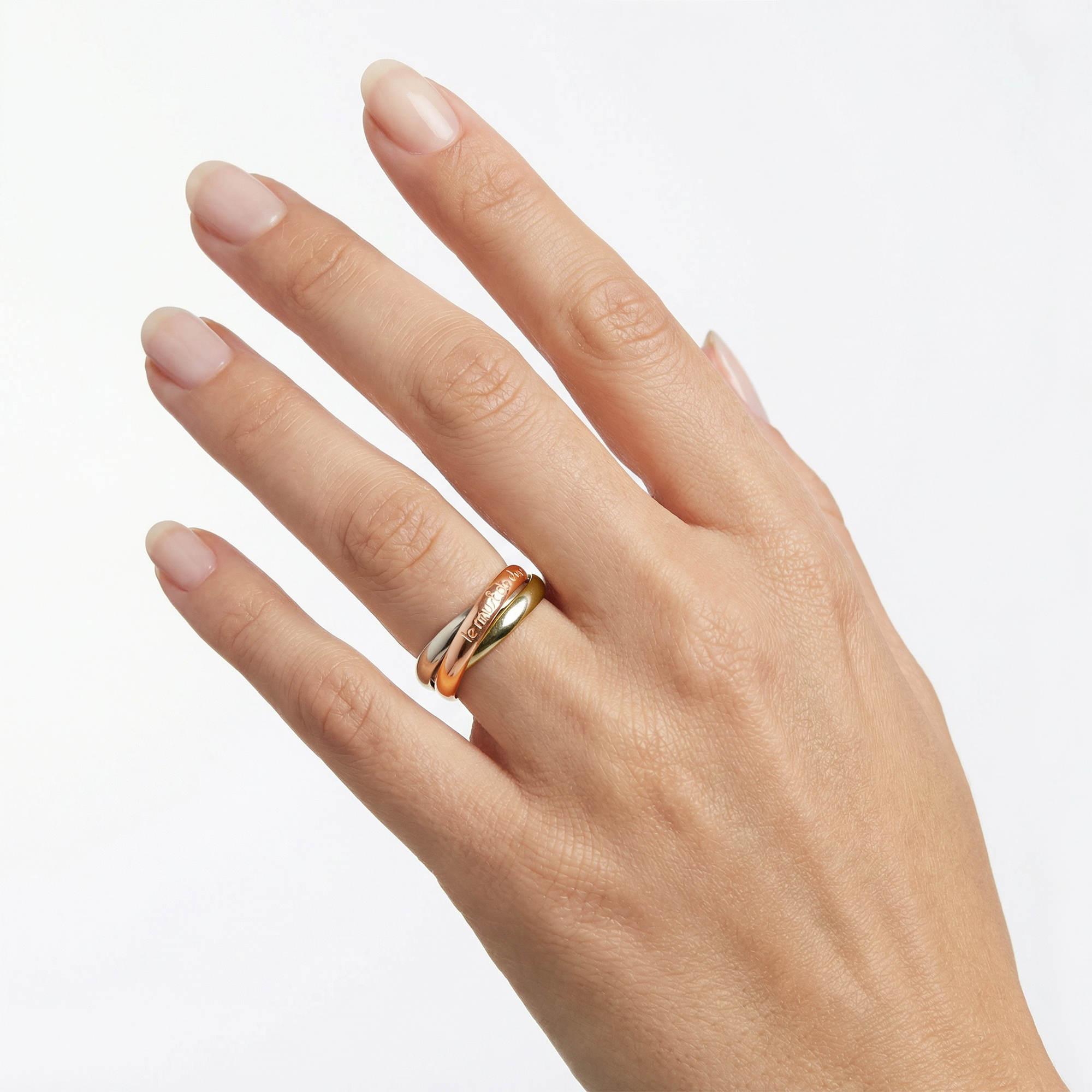
Condition plays a crucial role in Tiffany jewelry valuations. Sterling silver pieces may show tarnish or wear, while gold and platinum items typically age more gracefully. Don't assume that pieces requiring minor repairs are unsellable—many professional jewelry buyers purchase pieces in any condition, factoring restoration costs into their offers. The key is working with buyers who have the expertise to recognize quality and the resources to restore pieces to optimal condition.
Strategic Considerations for Retirement Downsizing
Luxury jewelry liquidation during retirement requires thoughtful planning rather than rushed decisions. Begin by cataloging your entire collection, noting each piece's origin, approximate purchase date, and any special significance. This inventory process often reveals patterns—perhaps you have multiple pieces in similar styles, or items that no longer reflect your current aesthetic preferences. Understanding the full scope of your collection helps you make strategic decisions about which pieces to retain and which to liquidate.
Timing can significantly impact the value you receive when downsizing luxury collections. The market for high-end jewelry experiences fluctuations based on precious metal prices, fashion trends, and economic conditions. While you shouldn't necessarily wait for "perfect" market conditions, being aware of current trends helps you set realistic expectations. Consulting with a reputable jewelry buyer near me provides insight into current market conditions and helps you understand what your pieces might realistically command.
Consider your motivations for downsizing carefully. Are you primarily concerned with simplifying your belongings, or is generating capital for retirement expenses a key factor? Perhaps you're worried about security in your new living situation, where securing valuables may be more challenging. Understanding your priorities helps you evaluate offers appropriately—sometimes the peace of mind from a quick, secure transaction outweighs holding out for marginally higher offers.
Identifying Which Pieces to Keep vs. Sell
Not every piece in your collection needs to be sold during retirement downsizing. The goal is thoughtful curation—retaining items that bring you joy and serve your lifestyle while liquidating pieces that no longer fulfill these criteria. Start by identifying jewelry you actually wear regularly. These beloved pieces that complement your current wardrobe and lifestyle deserve to remain in your collection, regardless of their monetary value.
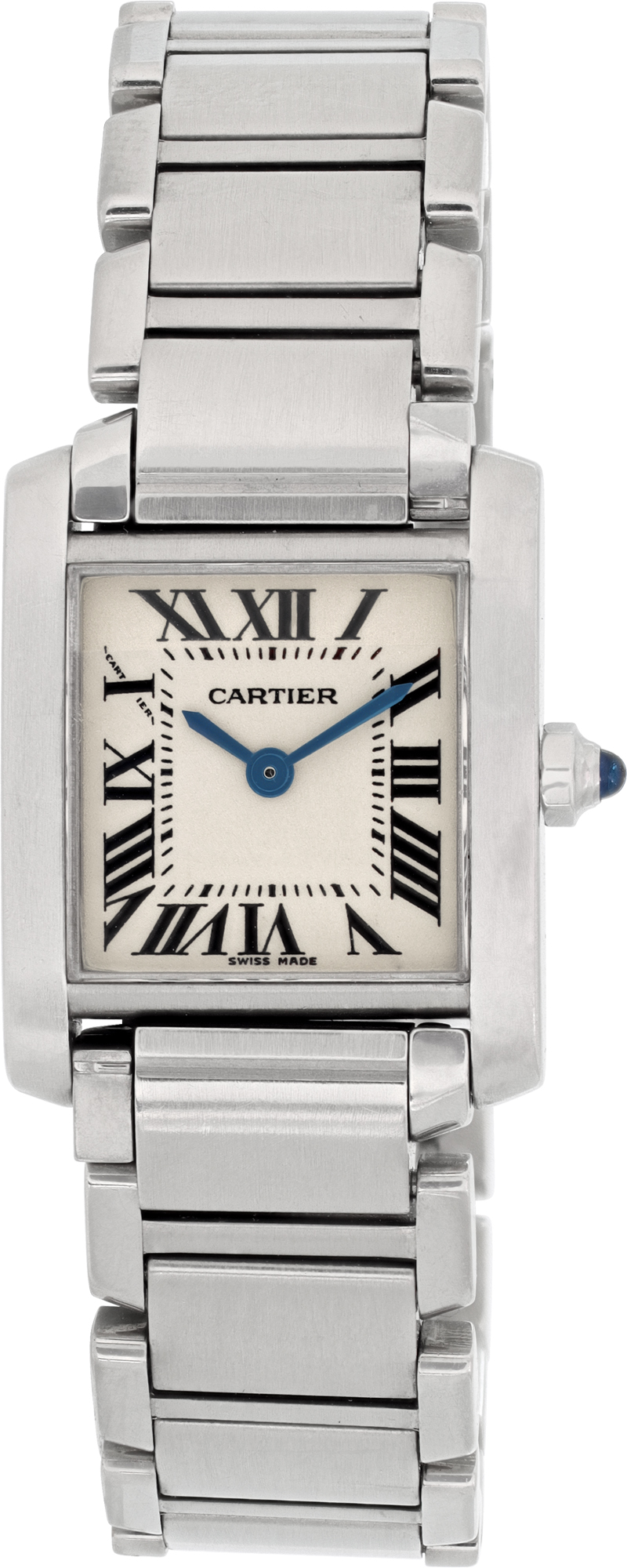
Sentimental value deserves special consideration, though it shouldn't prevent practical decisions. That Cartier tank watch your spouse gave you for your 25th anniversary might be irreplaceable emotionally, even if you rarely wear it. Conversely, those Tiffany earrings you received as a corporate gift decades ago might hold little personal meaning despite their value. Be honest with yourself about which pieces truly matter and which you're keeping out of obligation or habit rather than genuine attachment.
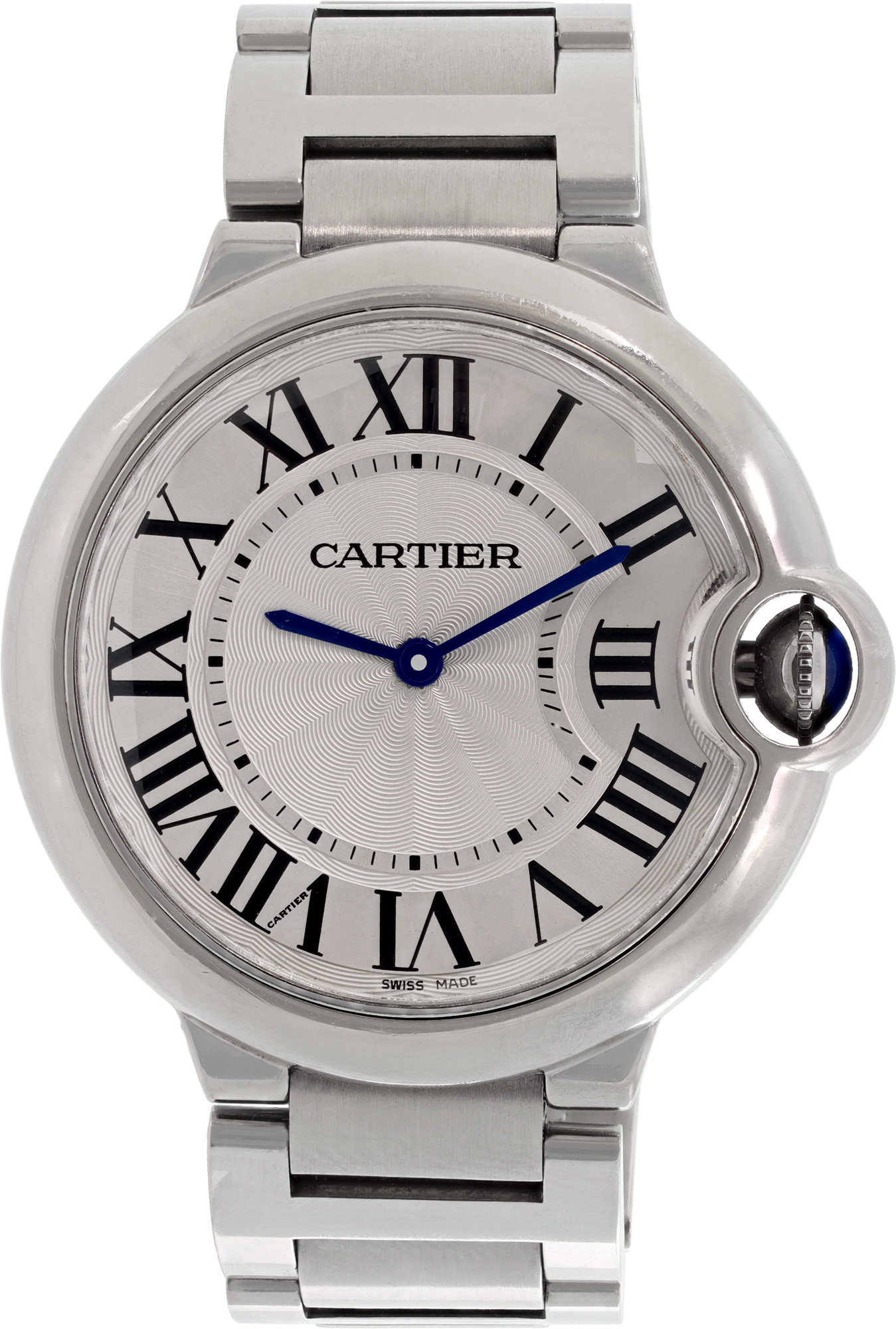
Consider your lifestyle in retirement living. If you're moving to a community with active social programming and formal dining occasions, retaining some statement pieces makes sense. However, if your retirement plans emphasize travel, outdoor activities, or a more casual lifestyle, your jewelry needs may shift toward simpler, more versatile pieces. This is an opportunity to align your collection with your actual life rather than maintaining pieces for occasions that no longer occur.
Working with Reputable Luxury Jewelry Buyers
The success of your luxury jewelry liquidation depends heavily on partnering with trustworthy, knowledgeable buyers who understand the secondary market for premium pieces. Not all jewelry buyers possess equal expertise, particularly when evaluating high-end brands like Cartier and Tiffany & Co. Seek buyers with specific experience in luxury jewelry who can appreciate the nuances that distinguish exceptional pieces from ordinary ones.
Established buyers with strong reputations offer distinct advantages over casual alternatives. Companies with decades of experience, like those operating since 1980, have weathered market fluctuations and built expertise across various luxury brands and time periods. They understand current market conditions, have established networks of collectors and retailers, and can offer competitive prices because they know how to properly market luxury pieces. When researching brands we buy, verify that potential buyers have specific expertise with your brands.
Transparency in the evaluation process is non-negotiable when selling valuable jewelry. Reputable buyers should clearly explain how they arrive at their valuations, discussing factors like current precious metal prices, gemstone quality, brand premium, condition, and market demand. They should welcome your questions and provide detailed answers. If a buyer rushes you, provides vague explanations, or pressures you to accept an offer immediately, consider these red flags warranting further investigation.
Understanding the Valuation Process
When you submit jewelry for evaluation, understanding what factors influence offers helps you assess whether quotations are reasonable. For branded pieces like Cartier and Tiffany & Co, buyers consider several key elements: the intrinsic value of materials (gold, platinum, diamonds, gemstones), the brand premium, the specific collection or design, condition and completeness, and current market demand for similar pieces.
Material value provides a baseline—the worth of precious metals and gemstones independent of brand or design. However, luxury branded jewelry should command significant premiums above melt value. A knowledgeable buyer recognizes that a Cartier Love bracelet is worth substantially more than its gold content alone. The brand heritage, design significance, and secondary market demand all contribute to value beyond raw materials.
The valuation process typically begins with you providing detailed information about your pieces, including photographs, descriptions, and any documentation you possess. Professional buyers can often provide preliminary estimates based on this information, though final offers usually require in-person inspection or secure shipping of items for detailed evaluation. This process allows experts to verify authenticity, assess condition thoroughly, and test precious metal purity—all factors that influence final valuations.
Exploring Direct Purchase vs. Consignment Options
Understanding your selling options helps you choose the approach that best serves your retirement downsizing goals. Direct purchase means a buyer acquires your jewelry outright, providing immediate payment. This approach offers speed, simplicity, and certainty—you know exactly what you'll receive, and the transaction concludes quickly. For retirees seeking to simplify their holdings promptly, direct purchase often proves ideal despite potentially accepting slightly lower prices than consignment might eventually yield.
Consignment involves partnering with a company that markets your jewelry to potential buyers, with you receiving payment once items sell. This approach can potentially generate higher returns since pieces are marketed to collectors and retail customers willing to pay premium prices. However, consignment involves waiting periods—items might take weeks or months to sell—and typically includes commission fees reducing your net proceeds. Consider what are you looking to sell when deciding between these approaches.
Your circumstances should guide this decision. If you're facing an imminent move to retirement living and need to liquidate jewelry quickly, direct purchase provides certainty and closure. If you have time flexibility and possess particularly exceptional pieces likely to attract serious collectors, consignment might maximize your returns. Many buyers offer both options, allowing you to choose the approach that aligns with your timeline and financial needs for different pieces in your collection.
Beyond Cartier and Tiffany: Comprehensive Collection Downsizing
While Cartier and Tiffany & Co often represent the cornerstone of American luxury jewelry collections, comprehensive retirement downsizing may involve numerous other prestigious brands. If your collection includes pieces from Bvlgari, Van Cleef & Arpels, Harry Winston, or other luxury houses, apply the same strategic thinking to these items. The decision to sell Bvlgari jewelry, sell Van Cleef & Arpels jewelry, or sell Harry Winston jewelry follows similar principles: evaluate what you actually wear, consider current market conditions, and work with buyers who understand these specific brands.
Italian jewelry brands like Bvlgari and Roberto Coin have distinct market characteristics. Bvlgari's bold, architectural designs—particularly pieces from the Bvlgari Serpenti collection and Bvlgari B.Zero1 collection—maintain strong collector interest. If you're looking to sell Bvlgari rings, sell Bvlgari bracelets, or sell Bvlgari necklaces, seek buyers familiar with the brand's design evolution and signature collections. Similarly, Roberto Coin pieces, especially items from the Roberto Coin Princess Flower collection and Roberto Coin Roman Barocco collection, require buyers who understand the brand's distinctive style and hidden ruby signature.
French jewelry houses beyond Cartier deserve specialized attention. If you need to sell Van Cleef & Arpels jewelry, particularly pieces from the iconic Van Cleef & Arpels Alhambra collection, work with buyers who recognize the significance of vintage versus contemporary versions and understand how different materials (mother-of-pearl, onyx, carnelian) affect valuations. These details significantly impact what knowledgeable collectors will pay. Whether you're looking to sell Van Cleef & Arpels necklaces, sell Van Cleef & Arpels bracelets, or sell Van Cleef & Arpels earrings, specialized expertise ensures appropriate valuations.
Luxury Watches: Coordinating Jewelry and Timepiece Downsizing
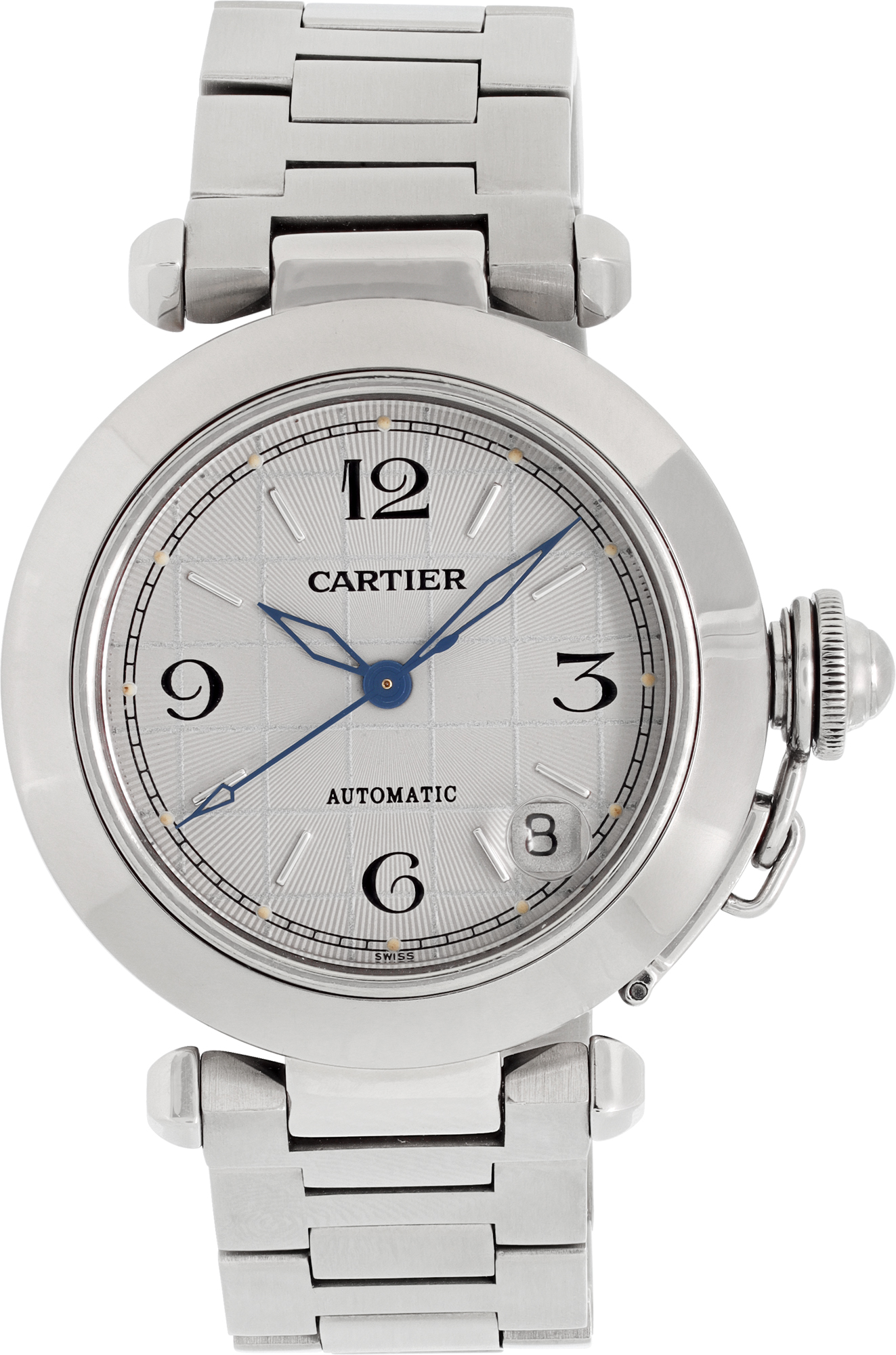
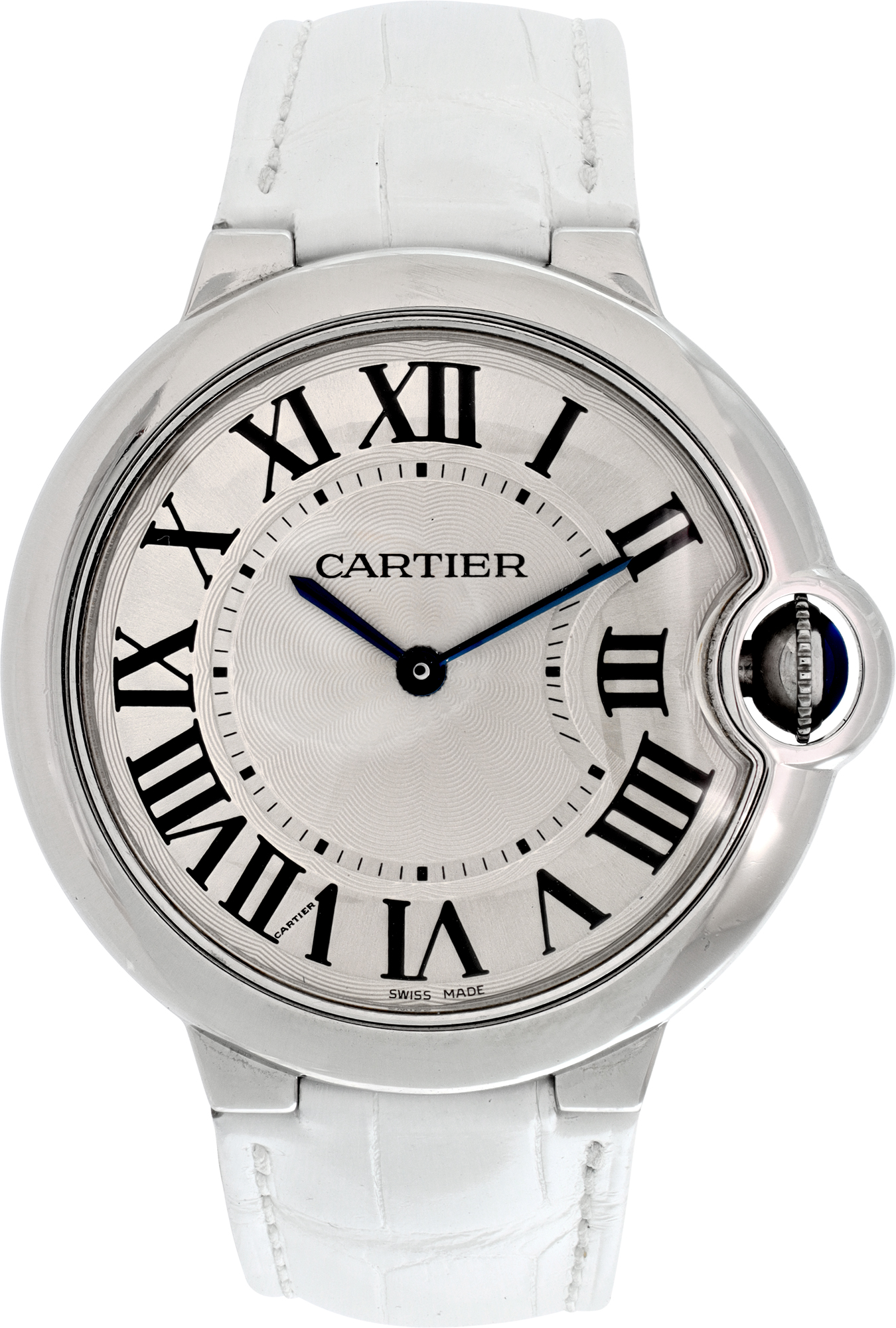
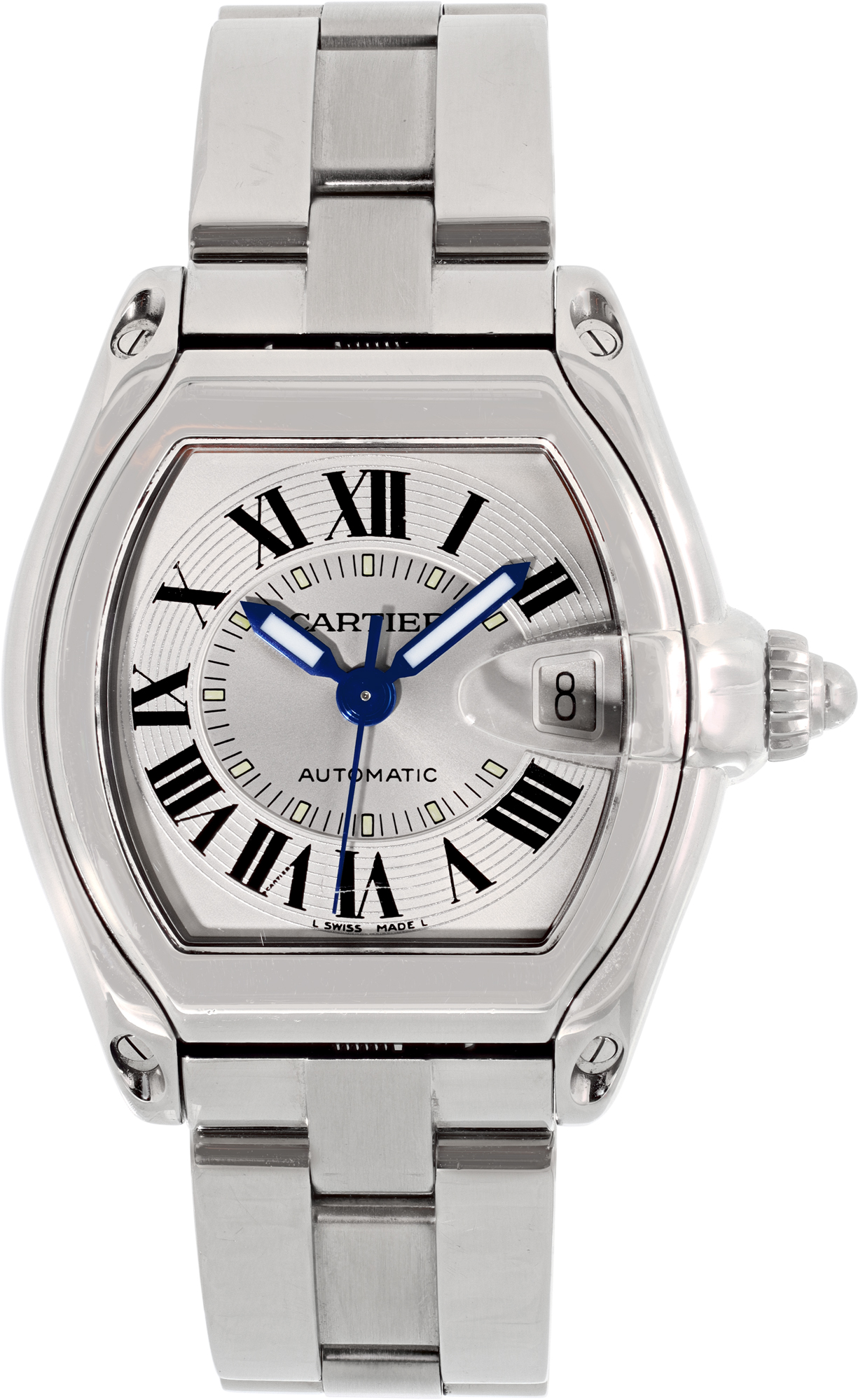
Retirement downsizing often involves both jewelry and luxury watches, and coordinating these efforts with a single knowledgeable buyer streamlines the process considerably. If your collection includes Cartier timepieces—perhaps a classic Tank, an elegant Ballon Bleu, or a sporty Santos—these pieces may warrant separate consideration from your jewelry. The market for Cartier watches has experienced strong momentum recently, with the brand attracting younger collectors and challenging traditional leaders in market share.
Many retirees discover they own multiple timepieces they rarely wear. Perhaps you have a Rolex watch that served you well during your professional years, a dress watch for formal occasions, and sports watches for various activities. Retirement often means fewer occasions requiring such variety, making this an opportune time to sell my Rolex or other luxury timepieces. Working with an experienced watch buyer who also handles jewelry allows you to consolidate your downsizing efforts and potentially negotiate better terms for multiple items.
The luxury watch market has evolved significantly, with trends favoring certain styles and sizes. The neo-vintage movement has brought renewed interest in 36mm to 39mm watches, moving away from the oversized pieces popular in previous decades. If your collection includes vintage or vintage-inspired timepieces in these proportions, current market conditions may be particularly favorable. Similarly, the trend toward "one-watch collections"—versatile timepieces that work across all occasions—means buyers are seeking practical, elegant watches rather than highly specialized pieces.
Addressing Sterling Silver and Other Precious Metals
Comprehensive retirement downsizing often reveals sterling silver flatware, serving pieces, and decorative items accumulated over decades. These items represent substantial value but pose storage and maintenance challenges in smaller retirement living spaces. If you're looking to sell sterling silver, understand that valuations depend on both silver content and maker significance. Prestigious silversmiths like Georg Jensen, Tiffany & Co., and Gorham command premiums beyond mere silver weight.
The process to sell sterling silver flatware or sell sterling silver tea sets differs somewhat from jewelry liquidation. Silver buyers evaluate pieces based on current precious metal prices, pattern desirability, completeness of sets, and condition. Complete service sets in popular patterns typically command the strongest prices, though even incomplete sets and individual pieces hold value. If you need to sell sterling silver trays or sell sterling silver candlesticks, working with buyers who understand both precious metal value and antique significance ensures appropriate offers.
Many retirees discover they're also holding gold jewelry in various forms—some worn regularly, others stored and forgotten. When you're ready to sell gold jewelry, consider both sentimental and practical factors. Broken gold chains, single earrings, or outdated pieces you'll never wear can be liquidated based on gold content. However, if these items include diamonds or designer elements, they may warrant evaluation beyond simple precious metal value. Comprehensive buyers can assess all these factors simultaneously, providing clarity about which items deserve special consideration and which should be valued primarily for material content.
Diamonds: From Engagement Rings to Estate Pieces
Retirement often prompts difficult decisions about diamond jewelry, particularly engagement rings and anniversary pieces with deep personal meaning. If you're widowed or divorced, you may be wrestling with whether to retain pieces that represent past relationships or to sell diamond engagement rings and redirect that capital toward your future. There's no universal right answer—this deeply personal decision depends on your emotional relationship with these items and your financial circumstances.
For those choosing to sell diamonds, certification significantly impacts value. GIA Certified Diamonds (from the Gemological Institute of America) command premium prices because their quality characteristics are precisely documented and universally recognized. If your diamonds include GIA certificates, gather these documents before seeking valuations. Similarly, AGL Certified Diamonds (from the American Gemological Laboratories) provide reputable documentation valuable to buyers. When working with GIA diamond buyers, certification can mean the difference between receiving offers based on the diamond's documented quality versus estimates based on visual inspection alone.
Estate diamond jewelry presents unique opportunities during retirement downsizing. Pieces from earlier eras often feature cuts and settings no longer in common production, making them attractive to collectors seeking distinctive items. Art Deco diamond brooches, Edwardian diamond necklaces, and mid-century cocktail rings can command strong prices from buyers who appreciate their historical significance and craftsmanship. When evaluating estate jewelry, look beyond simply the diamond carat weight to consider the artistry and period significance that add value.
Security and Insurance Considerations
Downsizing to retirement living often means trading a house with a home safe for a smaller space with limited secure storage options. This reality makes liquidating valuable jewelry you rarely wear increasingly practical from a security standpoint. The responsibility of securing, insuring, and maintaining valuable items becomes more burdensome in retirement, particularly if you're traveling frequently or spending extended periods away from your primary residence.
Insurance costs for valuable jewelry collections can be substantial, and these premiums continue year after year regardless of whether you actually wear the pieces. Calculate what you're spending annually to insure jewelry that remains in storage, then consider whether those funds might be better directed toward experiences, travel, or other retirement priorities. When you sell luxury jewelry you're not using, you eliminate not only the insurance premiums but also the mental burden of worrying about valuable items you're not enjoying.
Security concerns extend beyond theft to include loss and damage. Aging can affect dexterity and memory, making jewelry more vulnerable to accidental loss. Clasps that once seemed secure may become challenging to operate, and keeping track of multiple valuable pieces requires organization that becomes more difficult over time. Downsizing your collection to truly cherished pieces you wear regularly reduces these risks while simplifying your daily life.
Tax Implications and Financial Planning
Before liquidating significant jewelry holdings, consult with your financial advisor or tax professional about potential implications. The tax treatment of jewelry sales depends on various factors, including whether pieces are considered personal property or investments, how long you've owned them, and whether you're selling at a gain or loss. While most jewelry sales by individuals are treated as personal property transactions with losses non-deductible and gains potentially taxable, your specific situation may have nuances requiring professional guidance.
Understanding the difference between actual value received and original purchase price matters for both tax purposes and estate planning. If you purchased a Cartier Love bracelet decades ago for $2,000 and it's now worth $8,000, you've experienced appreciation that may have tax implications when sold. Conversely, if you paid $10,000 for a piece now worth $6,000, recognizing this loss (though not tax-deductible for personal property) helps you maintain realistic expectations about what you'll receive.
The capital you generate from downsizing luxury collections can serve various retirement needs. Some retirees use these funds to enhance their retirement community entrance deposit, reducing ongoing monthly fees. Others direct proceeds toward home modifications, travel plans, or simply bolstering their financial reserves for long-term care needs. Whatever your goals, understanding the financial planning aspects of luxury jewelry liquidation helps you make informed decisions aligned with your broader retirement strategy.
The Emotional Dimension of Downsizing
While practical and financial considerations dominate discussions about retirement downsizing, acknowledging the emotional dimensions of liquidating treasured possessions is equally important. Jewelry often represents milestones, relationships, and achievements accumulated over decades. That Tiffany necklace your children gave you, the Cartier bracelet celebrating a professional achievement, the diamond earrings from your late spouse—each piece carries memories that transcend monetary value.
Give yourself permission to feel complex emotions about this process. It's entirely normal to experience both relief at simplifying your holdings and sadness at releasing objects connected to meaningful life chapters. Some retirees find it helpful to photograph pieces before selling them, creating a visual record of their collection's history. Others write down the stories associated with significant pieces, preserving the memories even as the physical objects move to new owners.
Consider involving family members in decisions about particularly significant pieces. Perhaps a daughter would treasure your Tiffany & Co. Return to Tiffany collection pieces, or a grandchild might appreciate inheriting your Cartier watch. Having conversations about which items hold meaning for family members—and which they'd genuinely wear versus feel obligated to store—helps ensure your most treasured pieces find appropriate homes while allowing you to liquidate items with less family significance.
Making the Process Manageable
Downsizing an extensive jewelry collection can feel overwhelming, particularly when pieces represent decades of accumulation. Break the process into manageable steps rather than attempting to evaluate everything simultaneously. Start with one category—perhaps all your bracelets, or pieces from a single brand—and work through systematic decisions about retention versus liquidation before moving to the next category.
Create a simple system for organizing your decisions. Some retirees use three categories: "definitely keep" for pieces worn regularly and holding deep personal meaning, "definitely sell" for items rarely worn with limited sentimental value, and "maybe" for pieces requiring more consideration. Work through the definite categories first, leaving maybes for subsequent review once you've gained momentum and clarity about your priorities.
Set realistic timelines that balance thoughtfulness with progress. Spending weeks agonizing over every decision creates stress and delays, but rushing through important choices about treasured possessions often leads to regret. A reasonable approach might involve one focused session weekly, gradually working through your collection over several months. This pace allows time for reflection while maintaining steady progress toward your downsizing goals.
Choosing the Right Buyer for Your Needs
The marketplace for luxury jewelry includes various buyer types—from local jewelry stores and pawnshops to online platforms and specialized luxury buyers. Not all options serve retirees' needs equally well. Local pawnshops, while convenient, typically offer prices well below fair market value since they cater to distress sales and need substantial profit margins. Online peer-to-peer platforms require technical comfort and expose you to potential scams or non-payment issues.
Specialized luxury buyers focusing exclusively on purchasing from the public offer distinct advantages for retirement downsizing. These companies have expertise evaluating high-end brands, understand current market conditions, maintain established networks for reselling items, and can offer competitive prices because they know how to properly market luxury pieces. When researching potential buyers, look for companies with decades of experience, positive reputation, and transparent processes. Check whether they're members of professional organizations and whether they have physical locations where you could meet them if desired.
The evaluation process should feel professional and respectful. Reputable buyers understand that you're parting with pieces that may hold personal significance, and they should treat both you and your jewelry accordingly. They should provide clear explanations of valuations, welcome your questions, and give you adequate time to consider offers without pressure. If you're in South Florida, visiting a showroom in areas like Surfside allows you to meet the team and build confidence in the transaction. For sellers throughout the United States, comprehensive online processes with insured shipping provide similar peace of mind without requiring travel.
Taking the First Step
Beginning the process of downsizing your Cartier and Tiffany & Co collections may feel daunting, but taking that first step is simpler than you might expect. Start by gathering your jewelry and any documentation you have—original boxes, certificates of authenticity, receipts, and appraisals. Photograph your pieces clearly, capturing any maker's marks, signatures, or serial numbers visible on the items. This documentation helps buyers provide accurate preliminary evaluations.
Understanding how it works before initiating contact with buyers reduces uncertainty and helps you feel more comfortable with the process. Reputable companies typically offer free evaluations with no obligation, allowing you to understand what your pieces might command before committing to any transaction. This no-pressure approach particularly suits retirees who want to explore options without feeling rushed into decisions.
Whether you're looking to sell Cartier pendants, sell Tiffany & Co. pendants, or liquidate comprehensive collections spanning multiple luxury brands, the right buyer makes this transition smooth and rewarding. You've spent decades building your collection—now it's time to ensure these pieces find appropriate next chapters while providing you with the financial resources and simplified lifestyle your retirement deserves.
Begin Your Elegant Transition Today
Retirement downsizing represents an opportunity to thoughtfully curate your possessions, retaining what truly matters while liberating yourself from maintaining items you no longer use or enjoy. Your Cartier and Tiffany & Co collections have served you well through life's milestones—now it's time to make strategic decisions that honor both their value and your future needs.
Ready to explore what your luxury jewelry might be worth? Request a free, no-obligation evaluation to understand your collection's current market value. Our expert team brings decades of experience evaluating prestigious brands and can help you make informed decisions about which pieces to retain and which to liquidate.
Start your evaluation today:
- Get a quote for your jewelry
- Request a watch evaluation
- Discover what we buy
- Learn about selling your diamonds
- Explore sterling silver options
Your elegant transition to retirement living begins with a single step. Contact us today to discover how we can help you unlock the value in your luxury jewelry collection while simplifying your lifestyle for the exciting years ahead.
About Us | Sell Us Your Jewelry
Call Us Now: 305 770 6955
The Purchasing and Consignment Division of Gray & Sons


Be the first to know | SEE OUR CATALOG

