

February 22nd, 2026
Estate Silver Expertise: Professional Guide to Valuing Wallace, Towle, and International Sterling Flatware for Probate Settlement
When handling an estate, few items create more uncertainty than inherited silver flatware. These elegant sets, often passed down through generations, represent both sentimental value and substantial monetary worth. For executors managing probate settlement or individuals dealing with estate liquidation, understanding how to properly value and sell sterling silver flatware from prestigious manufacturers like Wallace, Towle, and International becomes essential to fulfilling fiduciary responsibilities and maximizing returns for beneficiaries.
At Sell Us Your Jewelry, we specialize in evaluating and purchasing estate silver collections, bringing decades of expertise to help families navigate this often-overlooked aspect of estate settlement. Our team understands the nuances that distinguish valuable Wallace sterling silver patterns from standard silverplate, and we provide transparent assessments that give executors and heirs the confidence they need during what can be an emotionally challenging time.

Understanding Sterling Silver vs. Silverplate in Estate Collections
One of the first challenges in estate silver evaluation involves distinguishing authentic sterling silver from silverplate. Sterling silver contains 92.5% pure silver, marked with stamps such as "Sterling," "925," or the manufacturer's hallmark. These pieces hold intrinsic metal value beyond their collectible worth, making them significantly more valuable than silverplate items, which feature only a thin silver coating over base metal.
Wallace, Towle, and International Silver Company each produced both sterling and silverplate lines throughout their histories. The Wallace Grande Baroque pattern, for instance, exists in both versions, with the sterling pieces commanding prices many times higher than their silverplate counterparts. When you're ready to sell sterling silver flatware, proper identification becomes the foundation of accurate valuation.
Examining the backs of pieces reveals crucial information. Sterling marks typically appear on the handle backs, sometimes accompanied by pattern names and manufacturer logos. International silver patterns often include date codes that help establish provenance and authenticity. These details matter significantly when estate executors need documented valuations for legal proceedings or when beneficiaries are deciding whether to divide or liquidate the collection.
Wallace Sterling Silver: Identifying Valuable Patterns
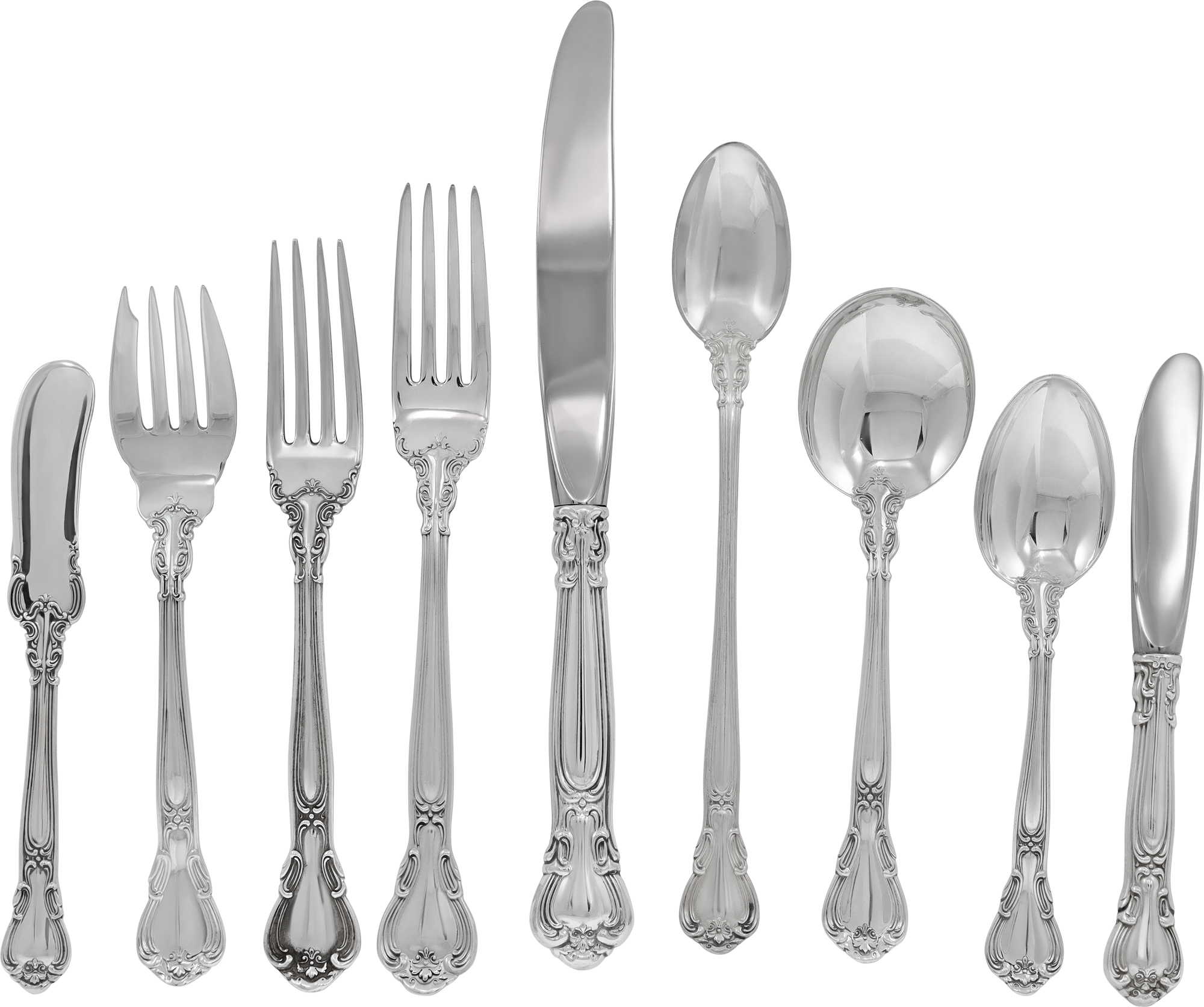
Wallace Silversmiths, established in 1835, created some of America's most recognizable and valuable sterling patterns. The Grande Baroque pattern, patented in 1941, remains their most sought-after design, featuring elaborate Rococo-inspired ornamentation that exemplifies mid-century opulence. Complete sets or even partial collections in this pattern represent substantial value, particularly when pieces remain in excellent condition without monogram removal or excessive wear.
Other significant Wallace patterns include Sir Christopher (1936), with its elegant Renaissance-revival styling, and Waltz of Spring (1952), which features delicate floral motifs that appeal to collectors seeking romantic, feminine designs. When evaluating these pieces for estate sales, condition plays a critical role—original patina is generally preferred over aggressive polishing that can wear down details and reduce weight.

For those navigating probate with Wallace pieces, understanding that serving pieces (ladles, large serving spoons, carving sets) often carry premiums due to their substantial silver content proves valuable. A comprehensive estate assessment should inventory each piece type and weigh the collection, as even common patterns maintain strong resale value based on precious metal content alone. Our team acts as a trusted sterling silver buyer, providing detailed evaluations that separate pattern premiums from melt value.
Towle Flatware: Heritage Patterns and Market Demand
Towle Manufacturing Company, founded in 1690, holds the distinction of being one of America's oldest silversmiths. Their flatware patterns reflect centuries of craftsmanship evolution, with certain designs achieving iconic status among collectors. The Old Master pattern (1942) represents Towle's interpretation of the ornate baroque style, while French Provincial (1948) offers simpler, more understated elegance that appeals to modern aesthetics.
When acting as a Towle flatware buyer, we pay particular attention to set completeness and rare serving pieces. Towle's production included numerous specialized utensils—asparagus servers, ice cream forks, fish knives—that were typically purchased as optional additions. These specialty pieces now command premium prices from collectors seeking to complete sets, making them particularly valuable finds during estate inventory processes.
The condition expectations for Towle pieces mirror those for Wallace: moderate tarnish is acceptable and easily addressed, but deep scratches, bent tines, or removed monograms significantly impact value. Estate executors should avoid cleaning pieces before professional evaluation, as improper cleaning techniques can inadvertently reduce value. If you're wondering about the fastest way to sell silver, consulting with specialists who understand these condition nuances ensures you receive fair market offers.
International Silver Company Patterns and Valuation Complexities
International Silver Company, formed in 1898 through the merger of numerous smaller companies, produced an extraordinarily diverse range of patterns under various brand names including 1847 Rogers Bros., Holmes & Edwards, and the International brand itself. This complexity creates challenges for estate administrators trying to determine which pieces are genuine sterling versus high-quality silverplate.
International silver patterns in sterling include popular designs like Prelude (1939), Royal Danish (1939), and Joan of Arc (1940). Each pattern carries different market demand based on aesthetic appeal, rarity, and historical significance. The company's acquisition history means some pieces may bear multiple maker's marks, requiring expert authentication to establish proper provenance and value.

For probate purposes, International pieces require careful documentation. The company's extensive production means common patterns exist in abundance, which can depress prices for standard place settings while rare serving pieces or discontinued patterns maintain stronger values. Professional evaluation helps executors understand these market dynamics and make informed decisions about timing and selling strategies. Our experience as a sterling silverware buyer includes comprehensive knowledge of International's complex product lines and their current market positions.
The Probate Valuation Process for Estate Silver
Probate settlement requires accurate asset valuation for legal and tax purposes. Sterling silver flatware presents unique valuation challenges because value derives from multiple factors: precious metal content, pattern desirability, set completeness, condition, and current market demand. Professional appraisers consider all these elements when establishing fair market value for estate documentation.
The first step involves comprehensive inventory—cataloging each piece by pattern, type, and condition. Weighing the collection establishes baseline melt value, which serves as the minimum worth regardless of pattern or condition issues. However, complete sets in desirable patterns typically sell for substantial premiums above melt value, making pattern identification crucial for maximizing estate returns.
Timing considerations matter significantly in estate silver sales. Executors face pressure to settle estates promptly, yet rushing to liquidate quality silver collections can result in substantially lower returns than patient, strategic selling approaches. Working with established buyers who handle both immediate purchases and consignment options provides flexibility that serves estate beneficiaries' best interests. When you need to sell sterling silver flatware for estate purposes, understanding these options empowers better decision-making.
Beyond Flatware: Estate Sterling Silver Tea Sets, Trays, and Hollowware
While flatware typically comprises the bulk of estate silver by piece count, sterling silver tea sets, serving trays, and hollowware items often represent disproportionate value due to their substantial silver content and decorative appeal. These pieces were historically significant investments, often purchased for special occasions or received as wedding gifts, and they maintain strong collector interest today.
Sterling tea sets, particularly those by prestigious makers like Gorham, Reed & Barton, or Tiffany & Co., can rival or exceed flatware set values. Four-piece sets (teapot, coffee pot, creamer, and sugar bowl) in excellent condition with matching trays represent premium estate assets. Even unmatched pieces carry substantial value, and sterling silver tea sets buyer specialists appreciate the craftsmanship and silver content these items represent.
Sterling silver trays vary dramatically in value based on size, design complexity, and condition. Large presentation trays or elaborate footed examples command higher prices than simple sandwich trays. Sterling silver candlesticks similarly range from modest value for simple modern designs to significant worth for ornate Victorian or Georgian examples. Estate executors should treat each hollowware piece as an individual item requiring separate evaluation rather than grouping all non-flatware sterling together.

Current Market Conditions for Estate Sterling Silver
The estate silver market has evolved significantly over recent decades. While previous generations prized formal silver services and entertained regularly with fine flatware, contemporary lifestyles have reduced demand for complete formal sets. This shift affects pricing, with common patterns seeing softer markets while rare, highly decorative pieces maintain or increase value among serious collectors.
Precious metal prices provide the foundation for sterling silver valuations. When silver spot prices rise, melt values increase proportionally, lifting all sterling flatware values regardless of pattern. However, pattern premiums can fluctuate independently based on collecting trends, making some designs more or less desirable over time. The Grande Baroque pattern by Wallace, for instance, has maintained consistent collector interest despite overall market changes.
For estate executors and heirs deciding whether to sell sterling silverware, understanding that immediate cash sales typically yield lower returns than consignment arrangements proves valuable. However, consignment requires time—sometimes months—to find appropriate buyers. Balancing estate settlement timelines against potential return maximization represents a key strategic decision where experienced buyers can provide valuable guidance.
Preparing Estate Silver for Professional Evaluation
Before seeking professional evaluation, estate executors should organize silver collections systematically. Photographing pieces both individually and as grouped sets creates documentation useful for insurance purposes and facilitates remote preliminary assessments. Creating an inventory spreadsheet listing pattern names, piece types, and approximate quantities streamlines the evaluation process.
Resist the temptation to polish heavily tarnished pieces before evaluation. While light cleaning can improve presentation, aggressive polishing removes silver and can diminish value, particularly for pieces with fine engraving or intricate details. Professional buyers prefer to assess pieces in their current state and can accurately evaluate condition without cosmetic enhancement.
Gathering any available documentation—original purchase receipts, previous appraisals, insurance records, or family history information—adds valuable context for evaluators. Provenance can enhance value for exceptional pieces, and documentation of original purchase prices helps establish minimum valuation baselines for estate settlement purposes.
Working with Professional Sterling Silver Buyers
Selecting the right buyer for estate silver requires research and comparison. Reputable buyers provide transparent evaluation processes, clearly explaining how they calculate offers and distinguishing between melt value and pattern premiums. They should offer detailed written documentation of what they're purchasing, including weights, pattern identifications, and piece counts.
At Sell Us Your Jewelry, our approach to serving as a sterling silver flatware buyer emphasizes education and transparency. We explain market conditions, show how current precious metal prices affect valuations, and discuss whether immediate purchase or consignment better serves our clients' situations. Our decades of experience with estate jewelry and silver extend beyond simple transactions to genuine partnerships with families navigating estate settlements.
The best buyer relationships involve clear communication about expectations, timelines, and pricing. Estate executors juggling multiple responsibilities appreciate buyers who simplify processes through clear documentation, flexible scheduling, and professional handling of valuable family items. Whether you're selling silver in Florida or anywhere across the United States, working with established, reputable buyers protects both financial interests and family legacies.
Tax Implications and Documentation for Estate Silver Sales
Estate silver sales carry potential tax implications that executors must understand. When estate assets are sold, the difference between the item's fair market value at the date of death (or alternate valuation date) and the sale price may create taxable gain or deductible loss. Proper documentation of both the initial estate valuation and subsequent sale price becomes essential for accurate tax reporting.
Professional appraisals serve dual purposes in estate contexts: they establish values for estate tax calculations and create documentation for subsequent sale price justification. While executors aren't required to obtain formal appraisals for every estate item, valuable silver collections typically warrant this investment. The appraisal cost often proves insignificant compared to the financial protection and decision-making clarity it provides.
Sales documentation should include detailed receipts identifying what was sold, to whom, and for what price. This information supports estate accounting, helps beneficiaries understand asset liquidation decisions, and provides necessary records for income tax reporting. Buyers who provide comprehensive documentation simplify executors' responsibilities and demonstrate professionalism that protects all parties' interests.
Alternative Options: Dividing vs. Selling Estate Silver
Not all estate silver requires immediate liquidation. Some families choose to divide flatware sets among beneficiaries, allowing multiple heirs to enjoy functional use of these beautiful pieces. This approach works particularly well for large services that can be split into smaller, complete sets providing four or six place settings to each recipient.
When considering division, fairness requires establishing values for each portion. Professional evaluation helps ensure equitable distribution, particularly when patterns vary in value or when some heirs receive serving pieces while others receive place settings. Clear documentation of values assigned to each portion prevents future misunderstandings and ensures transparent estate administration.
For pieces that no beneficiaries want to keep, selling provides liquidity that can be easily divided among heirs or used to settle estate expenses. Even if some heirs prefer keeping portions of the collection, selling unwanted or excess pieces creates funds for estate costs without requiring beneficiaries to contribute cash. Understanding how to sell sterling silver provides executors with the flexibility to combine retention and liquidation strategies that serve everyone's interests.
Authenticity and Quality Assessment in Estate Silver
Distinguishing authentic sterling from silver-plated pieces requires expertise that many estate administrators lack. Genuine sterling bears specific markings—typically "Sterling," "925," or manufacturer's hallmarks stamped into the metal. However, wear can obscure these marks, and sophisticated silverplate sometimes carries deceptive markings that appear authentic to untrained eyes.
Professional testing methods including acid testing, electronic testing, and X-ray fluorescence analysis provide definitive authentication when visual inspection proves inconclusive. Reputable buyers employ these technologies to protect both themselves and sellers, ensuring accurate classification and fair pricing. This verification becomes particularly important for International silver patterns where the company produced identical designs in both sterling and silverplate versions.
Quality assessment extends beyond sterling verification to examining craftsmanship, condition, and completeness. Hand-chased details, unusual weight indicating heavier gauge silver, and pristine condition all enhance value. Conversely, repairs, monogram removal, or mechanical damage (bent handles, separated knife blades) reduce worth. Professional buyers evaluate these factors systematically, providing comprehensive assessments that reflect true market value.
Maximizing Value Through Proper Presentation and Marketing
For executors choosing consignment over immediate sale, presentation significantly impacts results. Professional photography highlighting design details, proper pattern identification in listings, and accurate condition descriptions attract serious buyers willing to pay premium prices. Complete sets or substantial partial services generate more buyer interest than odd lots of mixed pieces.
Timing sales strategically can enhance returns. Holiday seasons traditionally see increased interest in formal silver as people entertain more frequently or seek special gifts. However, this advantage must be balanced against estate settlement deadlines and the carrying costs of maintaining property during extended marketing periods.
Working with experienced buyers who understand both immediate liquidation and strategic marketing provides executors with options. At Sell Us Your Jewelry, we assess each estate's unique circumstances—settlement urgency, collection quality, and beneficiary preferences—to recommend approaches that maximize value while respecting practical constraints. Our dual capability to buy outright or sell items on consignment gives executors flexibility that serves estates' best interests.
Beyond Sterling: Evaluating Complete Estate Collections
Estate liquidation rarely involves only silver. Many estates include luxury jewelry, fine watches, diamonds, and other valuables requiring expert evaluation. Working with buyers who handle diverse luxury assets simplifies estate administration by consolidating multiple valuations with a single trusted partner.
Estate jewelry often accompanies silver collections, particularly pieces from similar historical periods. Victorian mourning jewelry, Art Deco diamond brooches, or mid-century cocktail rings may share storage with family silver services. Professional buyers with expertise across categories provide comprehensive estate evaluations that capture total asset value.
Fine timepieces represent another common estate asset alongside silver. If the estate includes luxury watches from manufacturers like Rolex, Patek Philippe, or Omega, working with buyers who specialize in selling luxury watches ensures these valuable items receive appropriate evaluation. Many families discover that Dad's old watch or Grandma's jewelry pieces represent substantial value warranting expert attention alongside the silver service receiving primary focus.
The Sell Us Your Jewelry Advantage for Estate Silver
Our approach to estate silver purchasing reflects decades of experience with families navigating difficult transitions. We understand that inherited items carry emotional weight beyond monetary value, and we treat each piece with the respect it deserves while providing objective, market-based valuations that serve fiduciary responsibilities.
As both buyer and consignment partner, we offer flexibility unavailable from dealers focused exclusively on one model. Our transparent process explains exactly how we calculate offers, what factors affect pricing, and how current market conditions influence values. This educational approach empowers executors to make informed decisions confidently.
Our expertise extends well beyond basic weight and melt value calculations. We recognize rare patterns, understand serving piece premiums, and maintain extensive market knowledge about what collectors currently seek. This specialized knowledge translates directly into better offers for sellers and more accurate estate valuations for legal purposes. When you're ready to receive a sterling silver quote, our comprehensive approach ensures you understand your options fully.
Getting Started: Your Estate Silver Evaluation Process
Beginning your estate silver evaluation journey requires just a few simple steps. First, gather your silver pieces and make note of any visible markings, particularly manufacturer names and pattern identifications. Take clear photographs of both the decorative fronts and the marked backs of representative pieces.
Contact us to discuss your collection and timeline. Whether you're in South Florida and can visit our Surfside showroom near Bal Harbour or you're located anywhere across the United States, we've designed our process to accommodate your situation. For local clients, in-person evaluation provides immediate assessments and same-day payment options. For distant sellers, our secure shipping process ensures safe transport and prompt evaluation upon arrival.
We'll walk you through every step, answering questions about the process, timeline, and what to expect. Our goal is making estate silver liquidation as straightforward and stress-free as possible during what we understand can be a challenging time. From initial inquiry through final payment, you'll work with knowledgeable professionals who respect both your family's legacy and your practical needs.
Take the Next Step: Secure Your Sterling Silver Evaluation Today
Estate settlement involves countless decisions and responsibilities. Let us simplify at least one aspect by providing expert evaluation and fair offers for your inherited sterling silver. Whether you have a complete Wallace Grande Baroque service for twelve or mixed pieces from various makers, we have the expertise to assess their value accurately and the flexibility to structure transactions that meet your needs.
Don't let uncertainty about estate silver values delay settlement or cause anxiety. Our transparent evaluation process provides clear answers and fair market offers that give you confidence in your decisions. Visit our sterling silver evaluation page to begin the process, or explore how our service works to understand exactly what to expect.
For comprehensive estate evaluations including jewelry, watches, diamonds, and precious metals alongside your sterling silver, we offer complete asset assessment services. Contact us today to discover how partnering with Sell Us Your Jewelry simplifies estate administration while maximizing returns for beneficiaries. Your family's treasured silver service deserves expert attention—let our decades of experience work for you.
About Us | Sell Us Your Jewelry
Call Us Now: 305 770 6955
The Purchasing and Consignment Division of Gray & Sons


Be the first to know | SEE OUR CATALOG

