

February 5th, 2026
Estate Executor's Professional Guide: Streamlining Inherited Luxury Watch and Jewelry Liquidation for Beneficiary Distribution
Serving as an estate executor carries significant responsibilities, particularly when managing the liquidation of valuable assets such as inherited luxury watches and jewelry. The process of probate jewelry liquidation requires careful attention to detail, accurate valuation, and transparent communication with beneficiaries. Understanding how to efficiently convert these luxury items into liquid assets ensures fair beneficiary distribution while honoring the estate's wishes and maximizing value for all parties involved.
Navigating the complexities of estate sales involving high-value timepieces and fine jewelry demands expertise and a trusted partner who understands both the emotional and financial significance of these items. Whether you're managing a collection that includes Rolex watches, vintage Cartier pieces, or certified diamonds, the right approach can streamline the entire liquidation process while ensuring beneficiaries receive their rightful inheritance promptly.
Understanding Your Fiduciary Responsibilities as Estate Executor
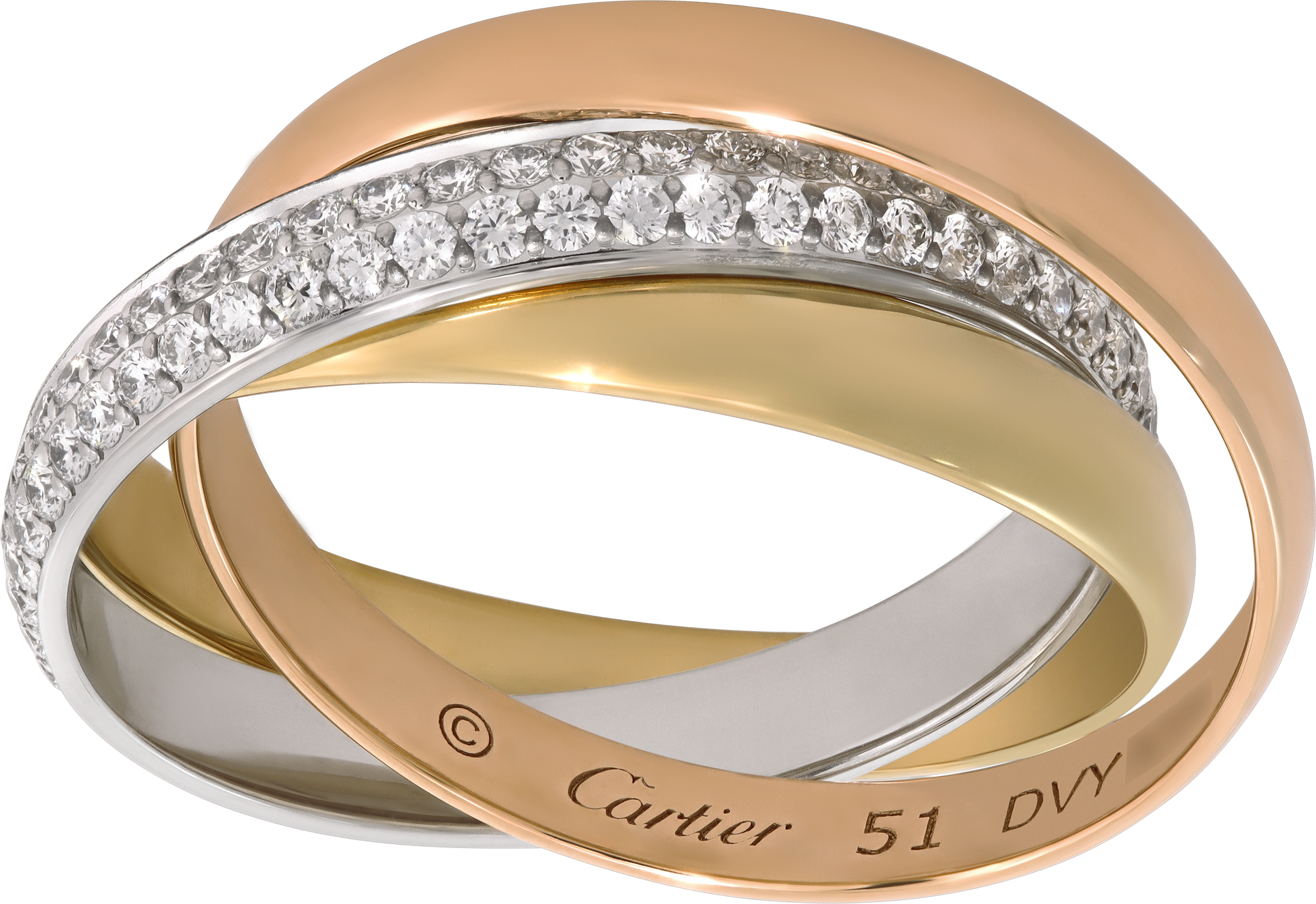
As an estate executor, you hold a fiduciary duty to maximize the value of estate assets while ensuring fair distribution to beneficiaries. This responsibility extends to properly evaluating and liquidating inherited jewelry and luxury watches, which often represent substantial portions of an estate's total value. Executors must maintain detailed records of all transactions, obtain professional appraisals when necessary, and demonstrate that they acted in the best interests of the estate and its beneficiaries throughout the liquidation process.
The probate process can be lengthy and complex, but working with established buyers who specialize in luxury watch estate liquidation helps ensure you fulfill your obligations efficiently. Professional buyers understand the legal requirements executors face and provide comprehensive documentation that protects you from potential liability. When handling valuable items like Patek Philippe watches, Cartier jewelry, or GIA-certified diamonds, transparency and expert valuation become paramount to protecting all parties' interests.
Identifying and Cataloging Luxury Assets Within the Estate
Before beginning the liquidation process, executors must thoroughly inventory all luxury watches and jewelry within the estate. This includes identifying maker marks, serial numbers, gemstone certifications, and condition assessments. For watches, note the brand, model number, and whether original boxes and papers are present, as these factors significantly impact value. When you sell Cartier watches or other luxury timepieces, complete documentation enhances buyer confidence and supports premium pricing.
Fine jewelry requires equally careful attention to detail. Document designer signatures, precious metal content, gemstone characteristics, and overall condition. If you're preparing to sell your jewelry, professional photography and detailed descriptions help establish provenance and authenticity. Items from prestigious houses like Bvlgari, Van Cleef & Arpels, or Harry Winston should be specially noted, as these names carry substantial market recognition and value.
Evaluating Luxury Watches in Estate Collections
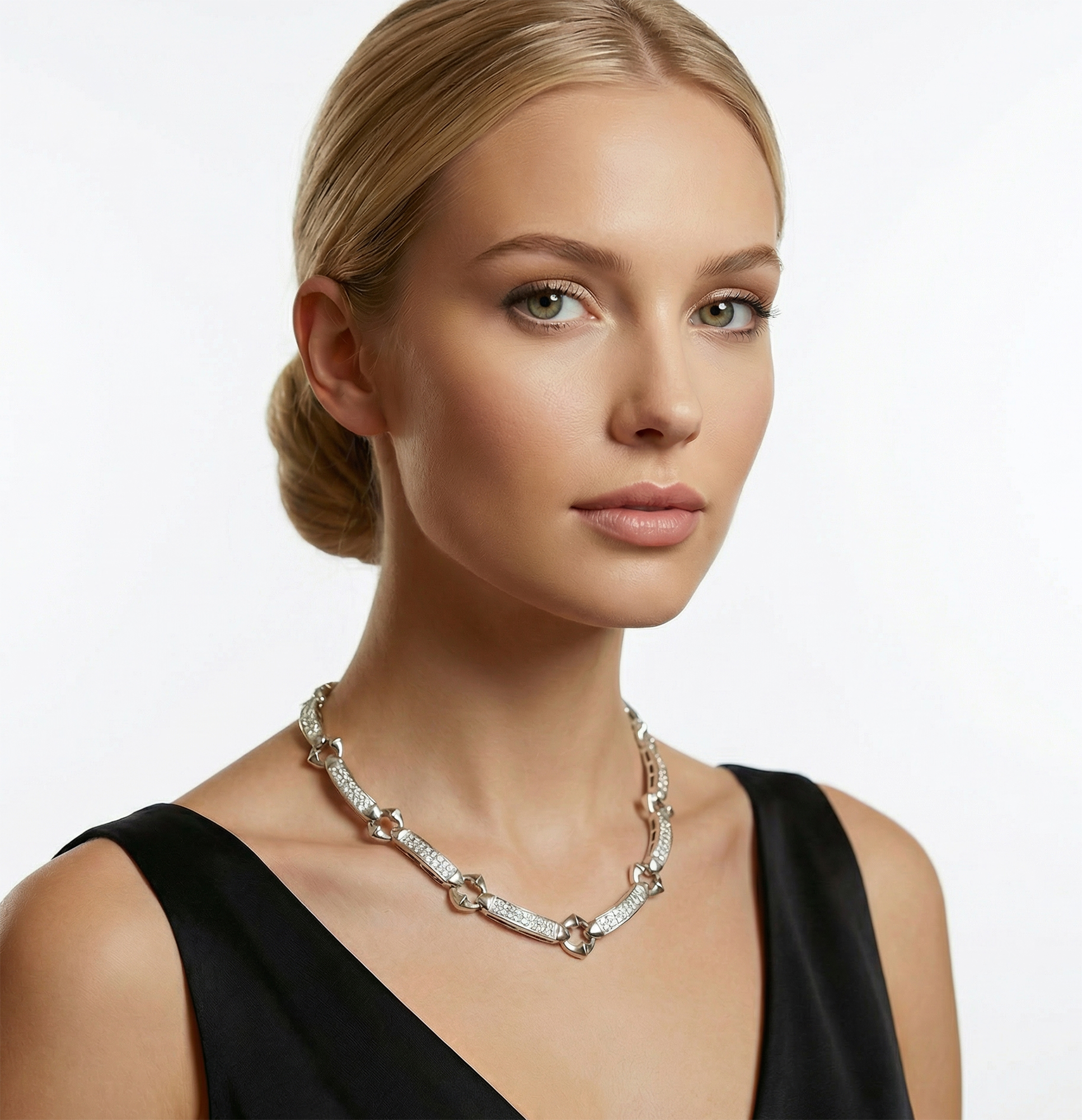
Luxury watch estates often contain timepieces from renowned Swiss manufacturers that require specialized knowledge for accurate valuation. Brands such as Rolex, Patek Philippe, Audemars Piguet, and Omega maintain strong resale markets, making them particularly valuable estate assets. When you need to sell Rolex watches or other premium timepieces, factors including model rarity, production year, condition, and completeness of original accessories all influence final valuations.
Working with experienced watch buyers who understand vintage and contemporary luxury timepieces ensures executors receive fair market value. Professional buyers can identify important details that affect pricing, such as rare dial variations, limited production runs, or desirable complications. Even non-functioning pieces hold value, as many buyers purchase broken watches for restoration or parts, providing unexpected returns for estate beneficiaries.
Understanding which brands command premium prices helps executors prioritize evaluation efforts. Beyond the well-known names, collectors also seek pieces from Vacheron Constantin, A. Lange & Söhne, Jaeger-LeCoultre, and Breguet. If you need to sell Hublot watches, sell Panerai watches, or sell IWC watches, connecting with buyers who specialize in these particular manufacturers ensures you receive offers that reflect true market conditions rather than generic valuations.
Recognizing Valuable Designer Jewelry Collections
Estate jewelry collections frequently include pieces from prestigious design houses that maintain strong secondary markets. When executors discover Cartier jewelry, Bvlgari jewelry, or Tiffany & Co. jewelry within estate holdings, these pieces typically represent significant value. Understanding which collections and designs are most sought-after helps executors make informed decisions about liquidation strategies and pricing expectations.
Cartier Love bracelets and Cartier Juste un Clou bracelets exemplify timeless designs that maintain consistent demand. Similarly, the Bvlgari Serpenti collection and Bvlgari B.Zero1 collection attract collectors worldwide. When you sell Cartier rings, sell Cartier necklaces, or sell Cartier bracelets, authentication and condition documentation become crucial to achieving optimal pricing. The same applies when you sell Bvlgari rings, sell Bvlgari bracelets, or pieces from the Bvlgari Serpenti collection.
Other prestigious names to identify within estates include Van Cleef & Arpels, particularly the Alhambra collection, Chopard, especially Happy Diamonds pieces, and David Yurman, known for the distinctive Cable collection. Designer jewelry from Harry Winston, Graff, Roberto Coin, John Hardy, and David Webb also commands premium prices in today's market. Executors handling these pieces should seek jewelry buyers who specialize in authenticated designer collections.
Professional Appraisal and Authentication Services
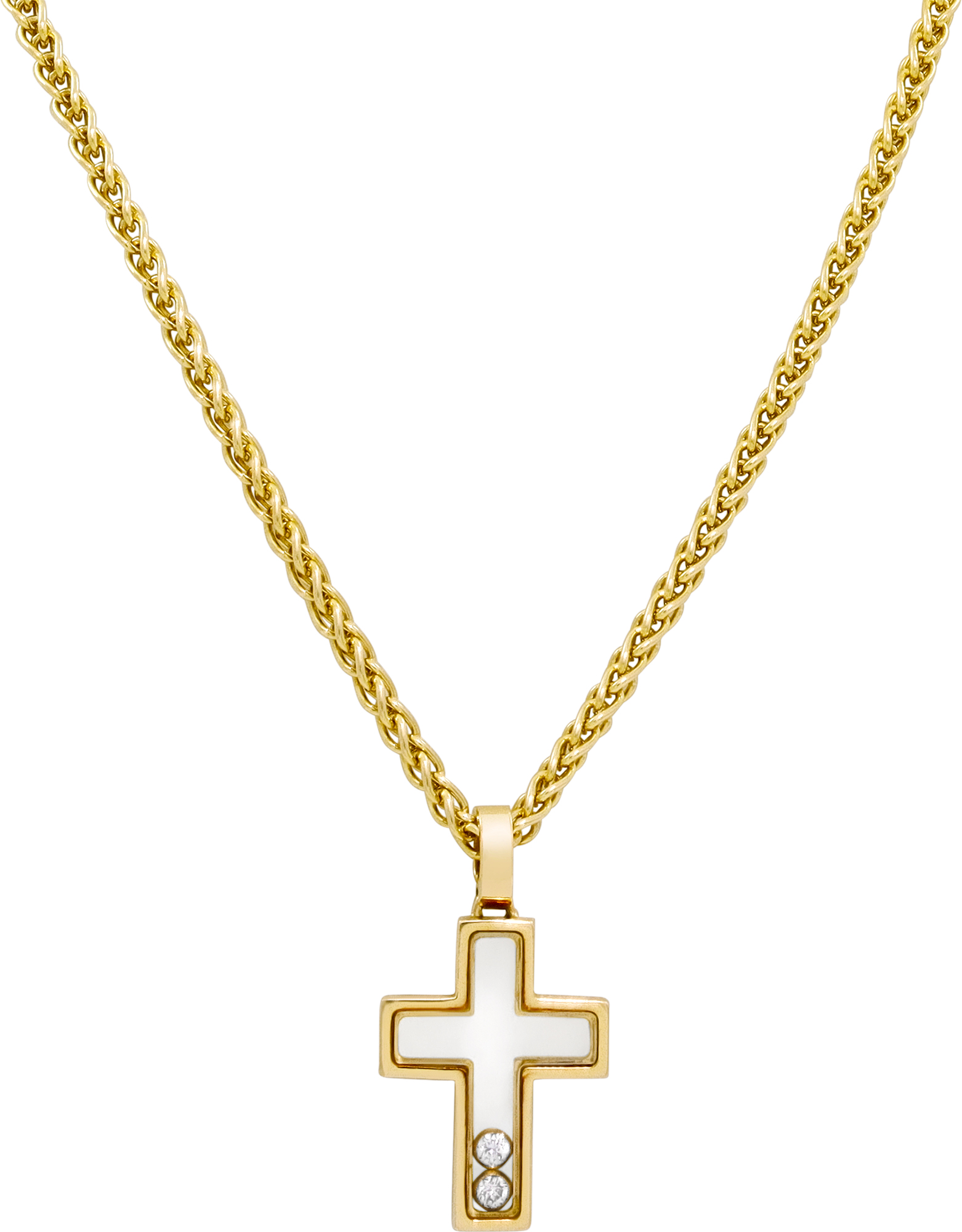
Obtaining professional appraisals provides executors with defensible valuations that protect against beneficiary disputes and potential liability. For luxury items, formal appraisals establish insurance values and replacement costs, while market evaluations determine realistic selling prices. When managing inherited jewelry that includes certified diamonds, existing GIA certificates should be located and verified, as these documents significantly impact salability and pricing when you sell GIA Certified Diamonds.
While many buyers offer preliminary valuations based on photographs and descriptions, final offers typically require physical inspection of items. Reputable watch buyers near me provide detailed evaluations that consider current market conditions, item condition, authenticity, and completeness. This transparency helps executors make informed decisions about whether to accept immediate purchase offers or explore alternative liquidation strategies such as consignment.
For estates containing multiple high-value pieces, establishing relationships with specialized buyers creates efficiency. Rather than navigating separate transactions with numerous dealers, working with comprehensive buyers who handle diverse luxury categories streamlines the liquidation process. Whether you need to sell Chopard jewelry, sell Piaget watches, or sell sterling silver flatware, finding buyers who accept multiple asset types reduces administrative burden while maintaining competitive pricing across all categories.
Leveraging Certified Diamond Documentation
Loose diamonds and diamond jewelry with GIA Certified Diamonds or AGL Certified Diamonds documentation command premium prices due to verified quality characteristics. These certificates provide detailed information about the diamond's four Cs—cut, clarity, color, and carat weight—eliminating uncertainty for buyers. When executors locate diamond certificates within estate papers, matching them to physical stones becomes a priority, as certified diamonds sell significantly faster and at higher prices than uncertified stones.
Estate diamond jewelry spans diverse styles from vintage Art Deco pieces to contemporary designer creations. Diamond engagement rings represent particularly common estate items, and understanding current market preferences helps executors set realistic expectations. Classic solitaire settings with high-quality center stones maintain consistent demand, while elaborate vintage designs attract collectors seeking unique pieces. If you're preparing to sell diamond rings, professional evaluation reveals whether original settings enhance or diminish stone value.
Choosing the Right Liquidation Strategy for Estate Assets
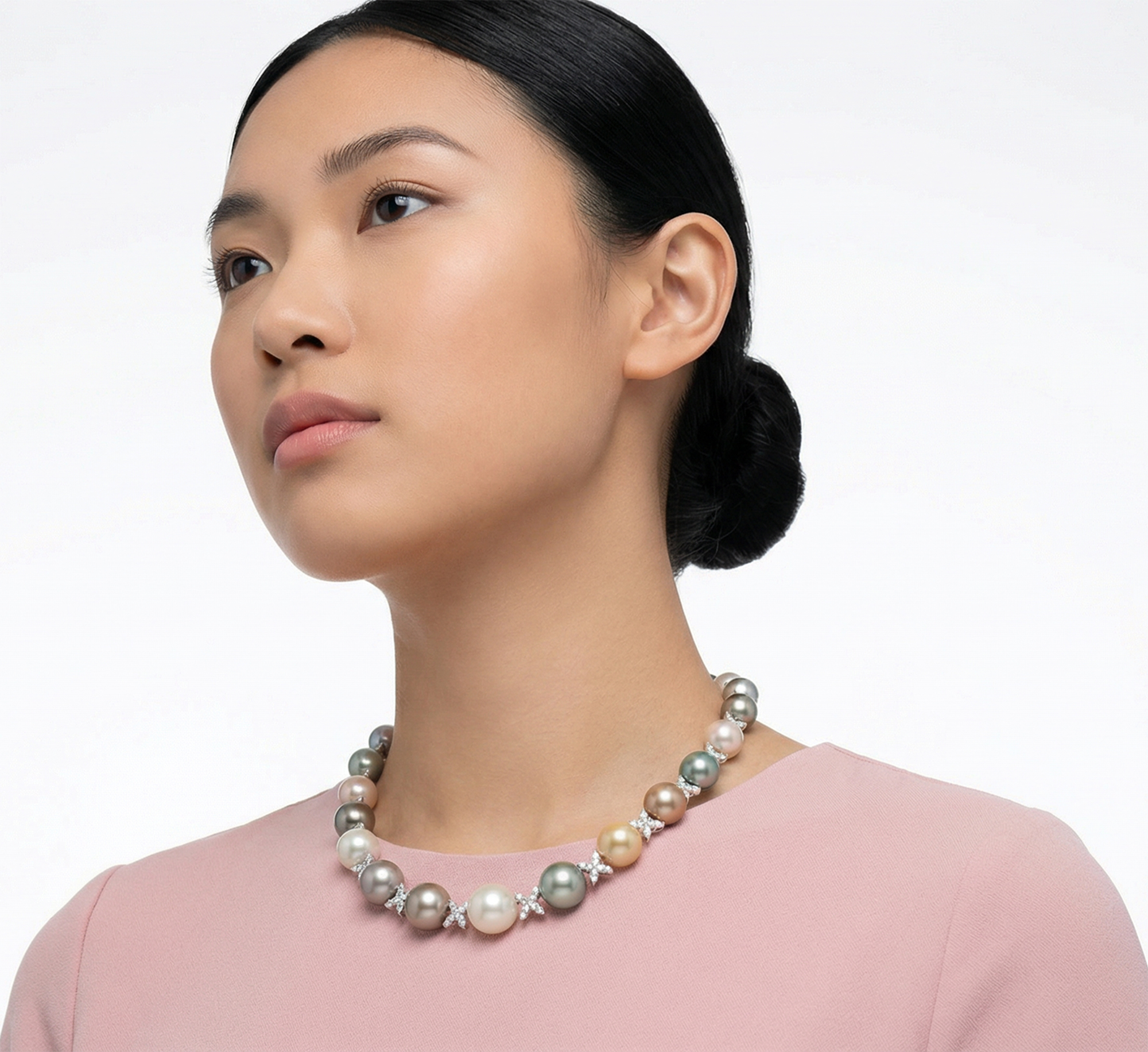
Executors must balance speed of liquidation with maximizing returns for beneficiaries. Direct sales to established buyers provide immediate liquidity, which proves advantageous when estates face expenses or beneficiaries need prompt distribution. This approach works particularly well for high-demand items like Rolex Submariner watches, Cartier Panthère pieces, or certified diamonds, which command consistent pricing across the market. When you need to sell your watch quickly and efficiently, direct sales eliminate waiting periods and marketing expenses.
Consignment arrangements offer an alternative that potentially achieves higher returns by exposing items to retail markets. This strategy works best for rare or exceptional pieces that attract collector premiums. When you choose to sell Patek Philippe Nautilus models, limited edition Audemars Piguet Royal Oak pieces, or significant Harry Winston jewelry, the additional time investment of consignment may yield substantially better returns. Professional consignment services handle marketing, authentication, and buyer vetting, reducing executor involvement while maintaining transparency throughout the process.
Understanding the brands we buy helps executors identify which items merit immediate sale versus consignment consideration. High-liquidity brands and models typically sell quickly at fair market prices, while rare or collectible pieces may benefit from extended exposure to specialized collector markets. The right strategy depends on estate circumstances, beneficiary timelines, and the specific items being liquidated.
Handling Diverse Jewelry Types and Materials
Beyond designer pieces and certified diamonds, estates often contain diverse jewelry ranging from vintage costume pieces to fine estate jewelry with historical significance. Gold jewelry sells based on precious metal content and craftsmanship, with current gold prices establishing baseline values. When you're ready to sell gold jewelry, understanding the difference between gold value and collectible value ensures appropriate pricing strategies.
Sterling silver items, including sterling silver flatware, tea services, and decorative pieces, represent another common estate component. These items sell based on silver weight and, in some cases, maker marks or historical significance. Established sterling silver buyers provide transparent pricing based on current precious metal markets, offering executors straightforward liquidation options. When you need to sell sterling silverware or sell sterling silver tea sets, weight-based pricing creates predictable valuations that simplify beneficiary accounting.
Vintage and antique jewelry requires specialized knowledge to recognize valuable pieces that transcend metal content. Art Deco diamond jewelry, Victorian mourning jewelry, and mid-century modernist designs attract collectors willing to pay premiums for authentic period pieces. Items from makers like Carrera y Carrera, known for sculptural gold designs, or Judith Ripka, recognized for bold contemporary styling, appeal to specific collector segments. Professional evaluation helps executors identify which pieces merit specialized marketing versus standard liquidation.
Streamlining the Transaction Process for Executors
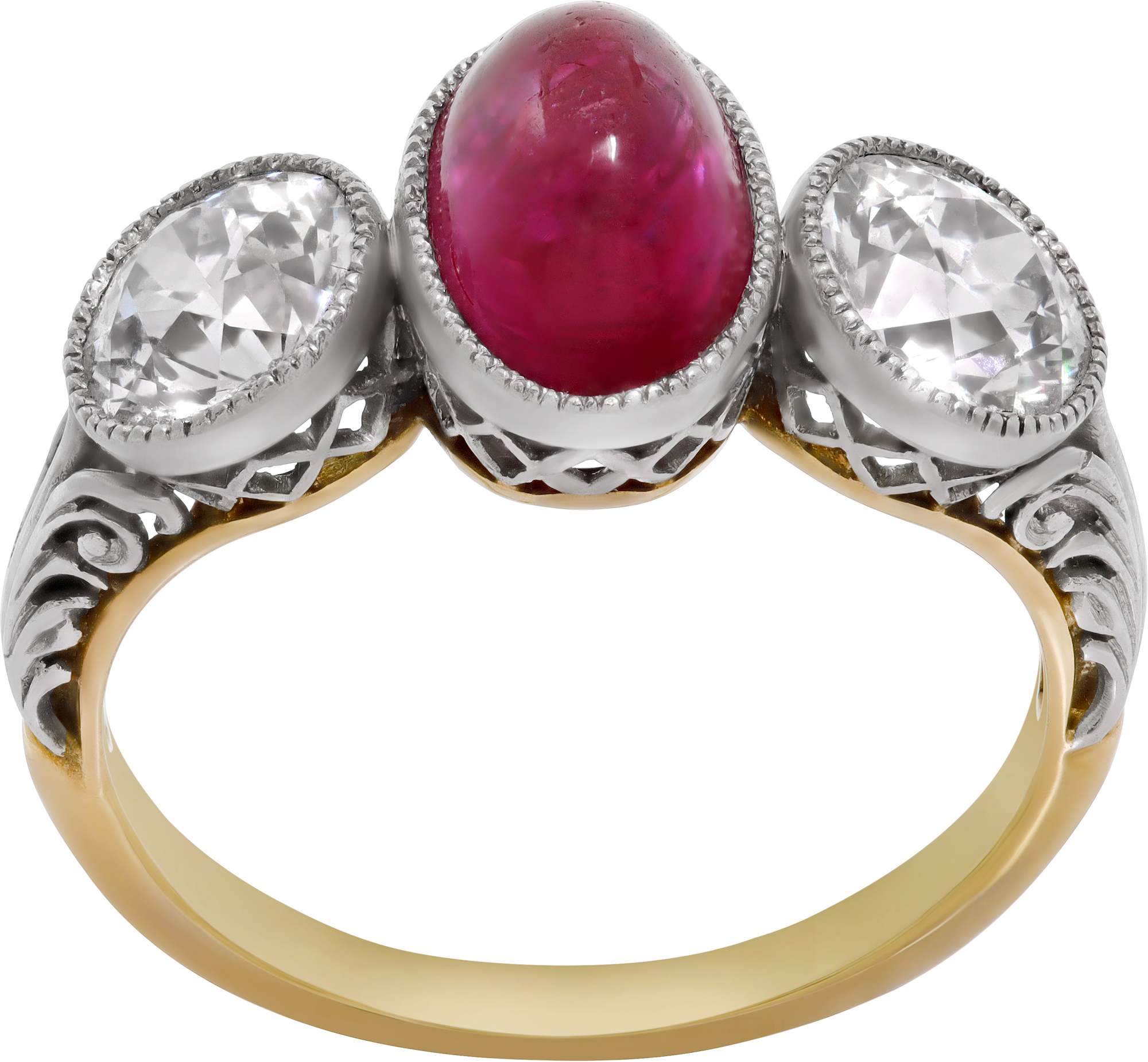
Efficient probate jewelry liquidation requires clear processes that protect executors while respecting beneficiary interests. Reputable buyers understand executor fiduciary duties and provide comprehensive documentation supporting valuations and purchase prices. This documentation becomes essential when executors file final estate accountings, demonstrating they fulfilled their obligations to maximize asset values. Working with established jewelry buyers near me who provide detailed transaction records simplifies estate administration and reduces potential complications.
Modern liquidation services offer convenient options for executors managing estates from a distance. Secure shipping, insurance coverage, and transparent evaluation processes enable executors to liquidate assets without traveling to distant dealers or auction houses. Whether you need to sell Tiffany jewelry, sell Van Cleef and Arpels jewelry, or liquidate luxury watches, professional buyers provide streamlined services designed specifically for estate situations.
Understanding how it works before beginning the liquidation process helps executors set realistic timelines and expectations. Most professional buyers follow structured evaluation procedures: initial consultation and preliminary assessment, secure item submission with full insurance coverage, expert evaluation and authentication, formal written offer with detailed valuation breakdown, and prompt payment upon acceptance. This systematic approach provides executors with clear milestones and documentation supporting their fiduciary responsibilities.
Managing Beneficiary Communication and Expectations
Transparent communication with beneficiaries regarding estate liquidation processes helps prevent misunderstandings and disputes. Executors should explain valuation methodologies, market conditions affecting pricing, and timing considerations that impact liquidation strategies. When beneficiaries understand that you're working with specialized buyers who focus on luxury items—whether you need to sell Omega watches, sell Breitling watches, or liquidate designer jewelry—they gain confidence in the process and outcomes.
Providing beneficiaries with documentation throughout the liquidation process demonstrates the executor's diligent asset management. Copies of professional evaluations, market comparisons, and final sale documentation create transparency that protects executors from future challenges. This approach proves particularly important when estates include high-value items that represent significant portions of beneficiary inheritances.
Maximizing Value Through Proper Presentation
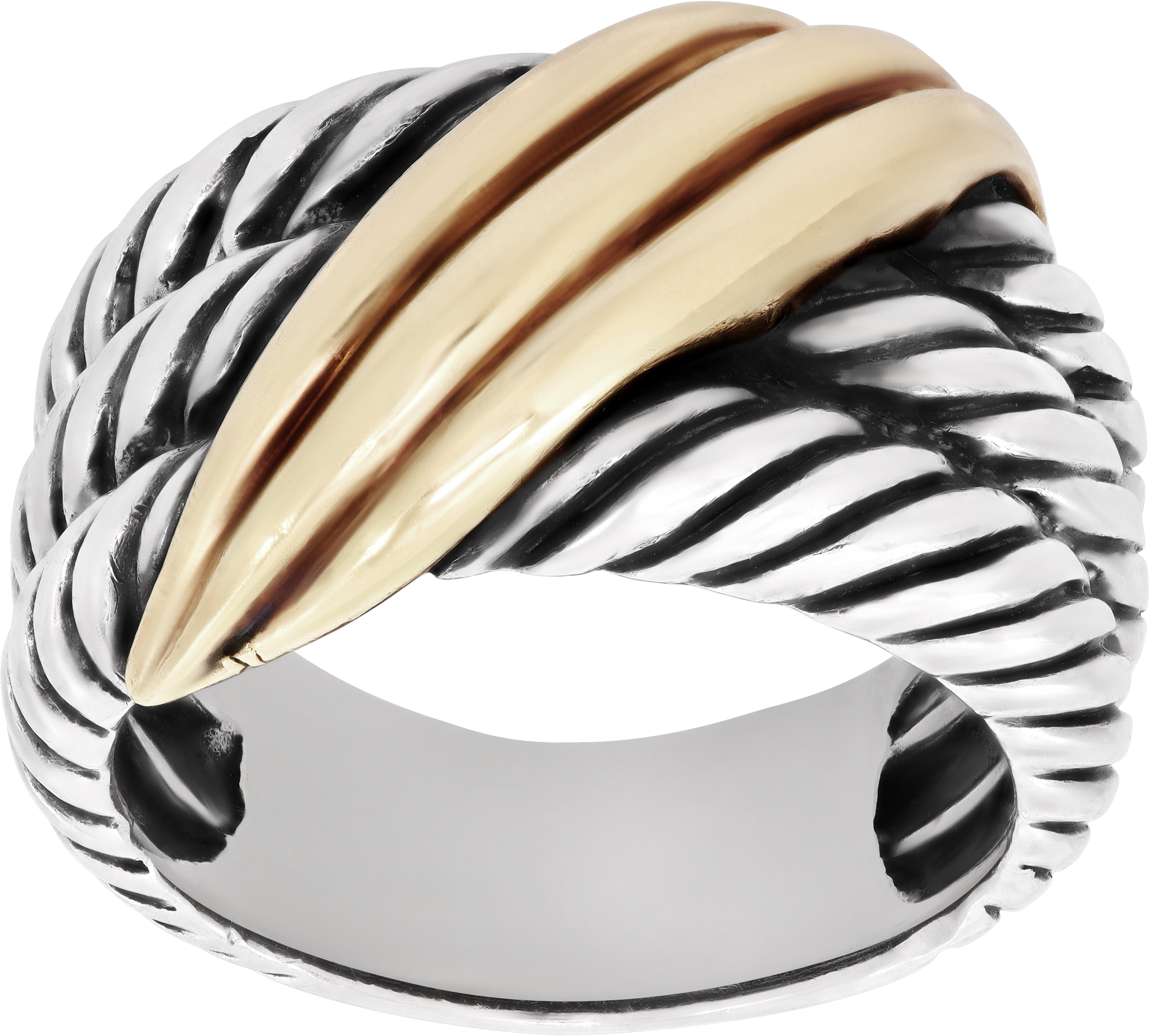
The condition and presentation of inherited jewelry and watches significantly impact valuation and salability. Before submitting items for evaluation, executors should gather all related materials including original boxes, certificates, receipts, and service records. For watches, locating extra links, operating manuals, and warranty cards enhances value. When you're ready to sell luxury watches, this documentation proves authenticity and completeness, commanding premium pricing from serious buyers.
Professional cleaning and minor repairs may increase net returns, though executors should consult with buyers before investing in extensive restoration. Some buyers prefer receiving items in original condition to conduct their own servicing and authentication procedures. When handling vintage pieces or items with historical significance, preserving original components and patina often proves more valuable than aggressive restoration. Professional watch buyers provide guidance on whether pre-sale servicing enhances value for specific items.
Jewelry presentation matters less than watch completeness, though organized presentation demonstrates executor diligence. Grouping related pieces, documenting gemstone certificates with corresponding jewelry, and creating detailed inventory lists streamline evaluation processes. When preparing to sell David Yurman jewelry, sell Roberto Coin jewelry, or sell Chopard jewelry, comprehensive documentation and organized presentation facilitate accurate valuations and efficient transactions.
Understanding Market Timing and Pricing Dynamics
Luxury watch and jewelry markets fluctuate based on various factors including precious metal prices, collector trends, and economic conditions. Certain brands and models maintain consistent demand, while others experience cyclical popularity. Rolex watches, for example, have seen substantial appreciation in recent years, making them particularly valuable estate assets. Understanding current market dynamics helps executors choose optimal liquidation timing when circumstances permit flexibility.
Seasonal factors also influence pricing, with certain periods seeing increased buyer activity. However, estates operating under probate timelines may not accommodate strategic timing. In such cases, working with buyers who maintain consistent pricing regardless of seasonal fluctuations provides reliability. Whether you need to sell Cartier watches, sell Patek Philippe watches, or liquidate fine jewelry, established buyers offer fair market pricing year-round, eliminating timing concerns from executor decision-making.
Working With Specialized Buyers for Premium Results
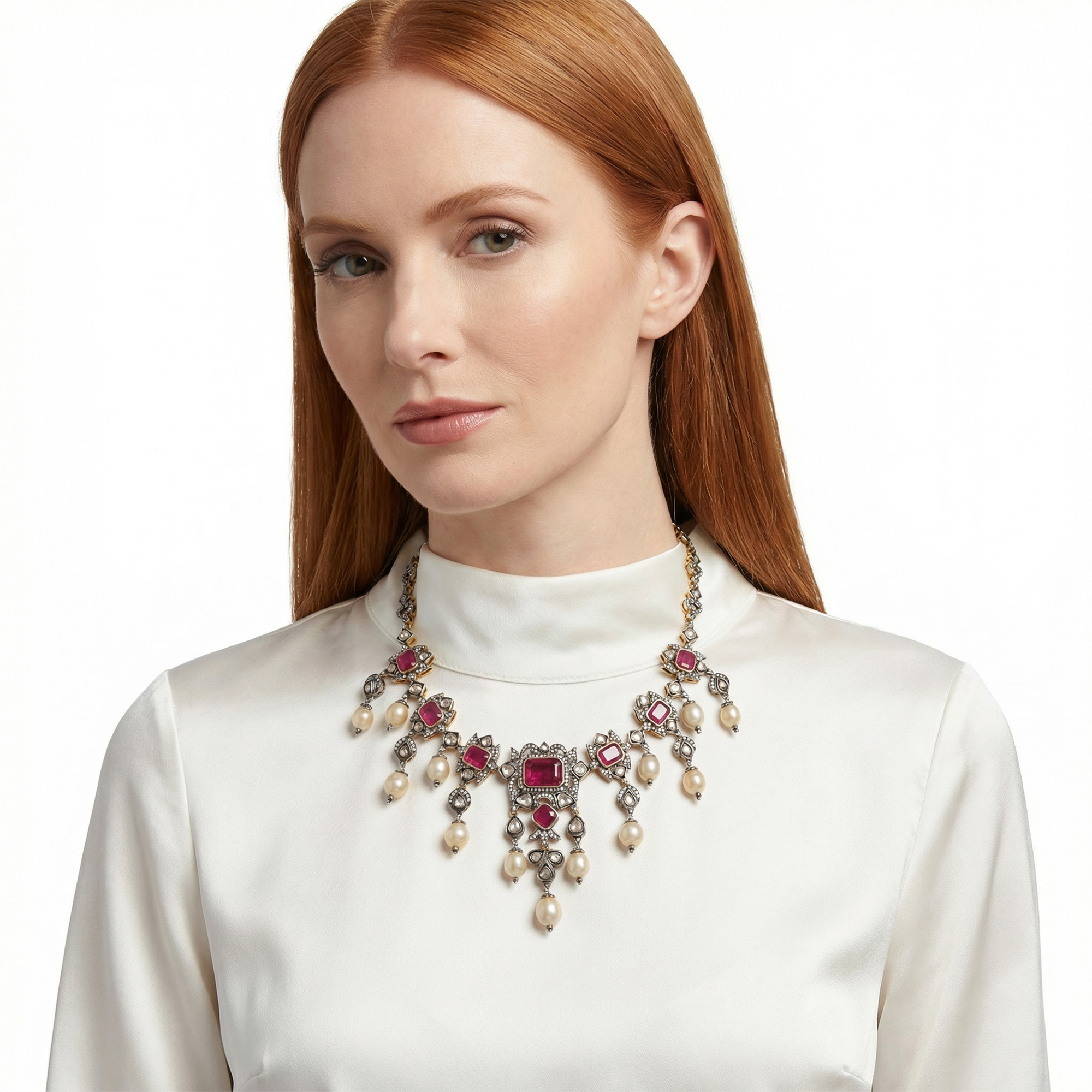
Choosing the right buyer dramatically impacts liquidation outcomes. Established buyers with decades of experience provide several advantages over general liquidators or auction houses. Specialized knowledge ensures accurate identification of valuable pieces that might otherwise be undervalued. When executors work with buyers who focus specifically on luxury items, they benefit from expertise in authentication, market valuation, and collector preferences across diverse categories.
Reputable buyers maintain transparent processes that protect executors from liability while maximizing estate value. They provide detailed written offers explaining valuation factors, creating documentation that supports executor fiduciary responsibilities. This transparency proves particularly valuable when handling high-value items like Rolex Daytona watches, Van Cleef & Arpels Alhambra jewelry, or important diamond pieces. Executors can confidently demonstrate they obtained competitive pricing through professional evaluation rather than accepting the first available offer.
Comprehensive buying services that handle multiple luxury categories create efficiency for estate liquidation. Rather than coordinating with separate watch dealers, jewelry buyers, diamond specialists, and silver buyers, executors can consolidate transactions through established firms that purchase diverse luxury assets. Whether the estate contains Gucci jewelry, Louis Vuitton watches, Chanel jewelry, or sterling silver candlesticks, working with versatile buyers streamlines administration while maintaining specialized expertise across all categories.
Navigating Authentication and Counterfeit Concerns
The prevalence of counterfeit luxury goods makes authentication a critical concern for estate executors. Selling counterfeit items, even unknowingly, creates liability exposure and damages beneficiary interests. Professional buyers conduct thorough authentication using specialized equipment, reference databases, and expert knowledge accumulated over decades. When you work with reputable buyers to sell Cartier Love bracelets, sell Rolex Submariner watches, or other high-demand items, authentication services protect all parties from fraud risks.
Some items benefit from independent authentication before sale, particularly watches from brands with extensive counterfeit production. Rolex, Cartier, Audemars Piguet, and Panerai pieces attract significant counterfeiting efforts, making verification essential. Established buyers often provide authentication as part of their evaluation services, eliminating executor concerns about verification costs. This comprehensive approach ensures genuine items receive appropriate valuations while identifying problematic pieces before they create legal complications.
Handling Proceeds and Beneficiary Distribution
Once liquidation completes, executors must properly account for proceeds and distribute them according to estate instructions. Maintaining detailed records of each transaction, including item descriptions, sale prices, buyer information, and payment documentation, creates a complete audit trail. These records demonstrate the executor fulfilled their fiduciary duty to maximize estate value while conducting transactions at fair market prices.
Beneficiary distribution of liquidation proceeds follows estate planning documents and applicable law. When multiple beneficiaries share proceeds from jewelry and watch sales, executors must ensure equitable division according to specified percentages or specific bequests. Clear documentation of the liquidation process, valuation methodologies, and sale prices helps beneficiaries understand how distributions were calculated, reducing potential disputes and executor liability.
Professional buyers facilitate clean transaction documentation that integrates seamlessly into estate accounting. Payment methods including wire transfer, certified check, or ACH deposit provide verifiable documentation supporting executor recordkeeping. When liquidating substantial estates with numerous luxury items, organized documentation becomes essential for both legal compliance and beneficiary transparency.
Begin Your Estate Liquidation Process Today
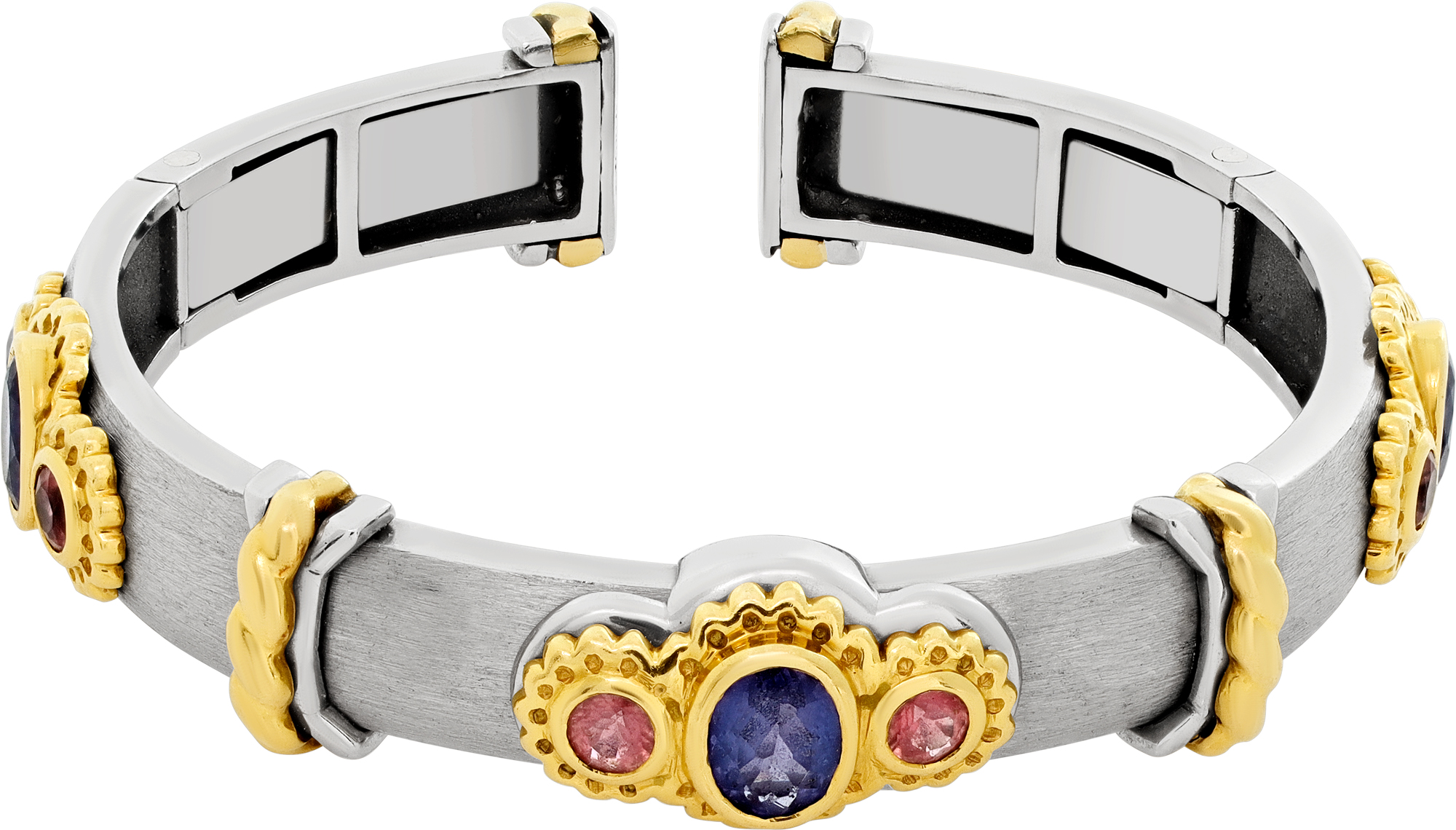
Managing estate liquidation requires expertise, transparency, and dedication to maximizing value for beneficiaries. Whether you're handling a luxury watch estate with rare timepieces, extensive jewelry collections featuring designer pieces, certified diamonds, or sterling silver items, professional buyers provide the specialized knowledge and streamlined processes that protect executors while ensuring optimal outcomes.
Sell Us Your Jewelry brings over 40 years of experience to estate liquidation, offering executors comprehensive services that handle diverse luxury assets with expertise and discretion. Our team understands the unique challenges executors face and provides transparent evaluations, detailed documentation, and competitive pricing that reflects current market conditions. From Patek Philippe and Rolex watches to Cartier, Tiffany & Co., and Van Cleef & Arpels jewelry, we maintain specialized knowledge across all prestigious luxury brands.
We invite executors managing estate assets to explore our streamlined evaluation process. Request a quote for watches, jewelry, diamonds, or sterling silver to receive professional assessments that support your fiduciary responsibilities. Our secure shipping, comprehensive insurance, and transparent evaluation process make estate liquidation straightforward and efficient. Learn more about how it works and discover why estate executors nationwide trust us to handle their most valuable liquidation needs.
Contact us today to discuss your estate's luxury assets and receive expert guidance on the most effective liquidation strategy for your specific circumstances. Our commitment to transparency, competitive pricing, and professional service ensures you fulfill your executor responsibilities with confidence while maximizing value for every beneficiary.
About Us | Sell Us Your Jewelry
Call Us Now: 305 770 6955
The Purchasing and Consignment Division of Gray & Sons


Be the first to know | SEE OUR CATALOG

