

August 21st, 2026
How Carat Weight, Cut Quality, Fluorescence, and Independent Grading Affect the Offer for Uncertified Loose Diamonds
When considering whether to sell uncertified loose diamonds, understanding the factors that influence buyer offers becomes essential. Unlike certified stones with independent laboratory reports, uncertified loose diamonds require buyers to assess carat weight, cut quality, color, clarity, and fluorescence through direct examination. These evaluation elements directly impact the uncertified loose diamonds resale value and determine how much an uncertified loose diamonds buyer will offer for your stone.
Understanding uncertified loose diamonds offer factors helps sellers set realistic expectations and appreciate the valuation process used by professional buyers when examining stones without independent grading reports.
Understanding Carat Weight and Its Impact on Uncertified Diamond Valuations
Carat weight represents the most straightforward measurement when evaluating uncertified loose diamonds. A certified scale provides objective weight data in carats, with one carat equaling 200 milligrams. However, when buyers evaluate how buyers price uncertified loose diamonds, weight alone never determines value. Two stones of identical carat weight can command vastly different offers based on cut proportions, color grade, clarity characteristics, and overall visual appeal.
Uncertified loose diamonds resale value factors become particularly complex near popular weight thresholds such as 0.50, 0.75, 1.00, 1.50, and 2.00 carats. Stones falling just below these benchmarks may receive proportionally different offers than those slightly above them, even when quality characteristics appear similar, as some buyers account for retail market preferences when establishing purchase prices for uncertified stones.
Professional buyers examining uncertified stones rely on precision scales, loupe inspection, and gemological expertise to estimate quality grades that would otherwise appear on a laboratory report. If you're considering whether to sell your GIA Diamonds, certified stones eliminate subjective assessment and provide documented proof of characteristics. The absence of certification introduces inherent uncertainty into valuations, which buyers address through conservative grading and adjusted pricing structures.
When selling loose stones inherited from estates or removed from vintage settings, many sellers discover their diamonds lack formal grading reports. Whether your diamond carries documentation or requires fresh assessment, professional buyers provide evaluations based on established gemological standards.
Cut Quality: The Invisible Factor That Shapes Uncertified Diamond Offers
Cut quality profoundly affects diamond value, yet it remains one of the most difficult characteristics for untrained sellers to assess. When examining uncertified loose diamonds resale value, professional buyers evaluate proportions, symmetry, polish, and light performance that determine how brilliantly a stone returns light to the observer's eye. Poorly proportioned diamonds with excellent color and clarity grades may receive lower offers than well-cut stones with slightly inferior color or clarity characteristics.
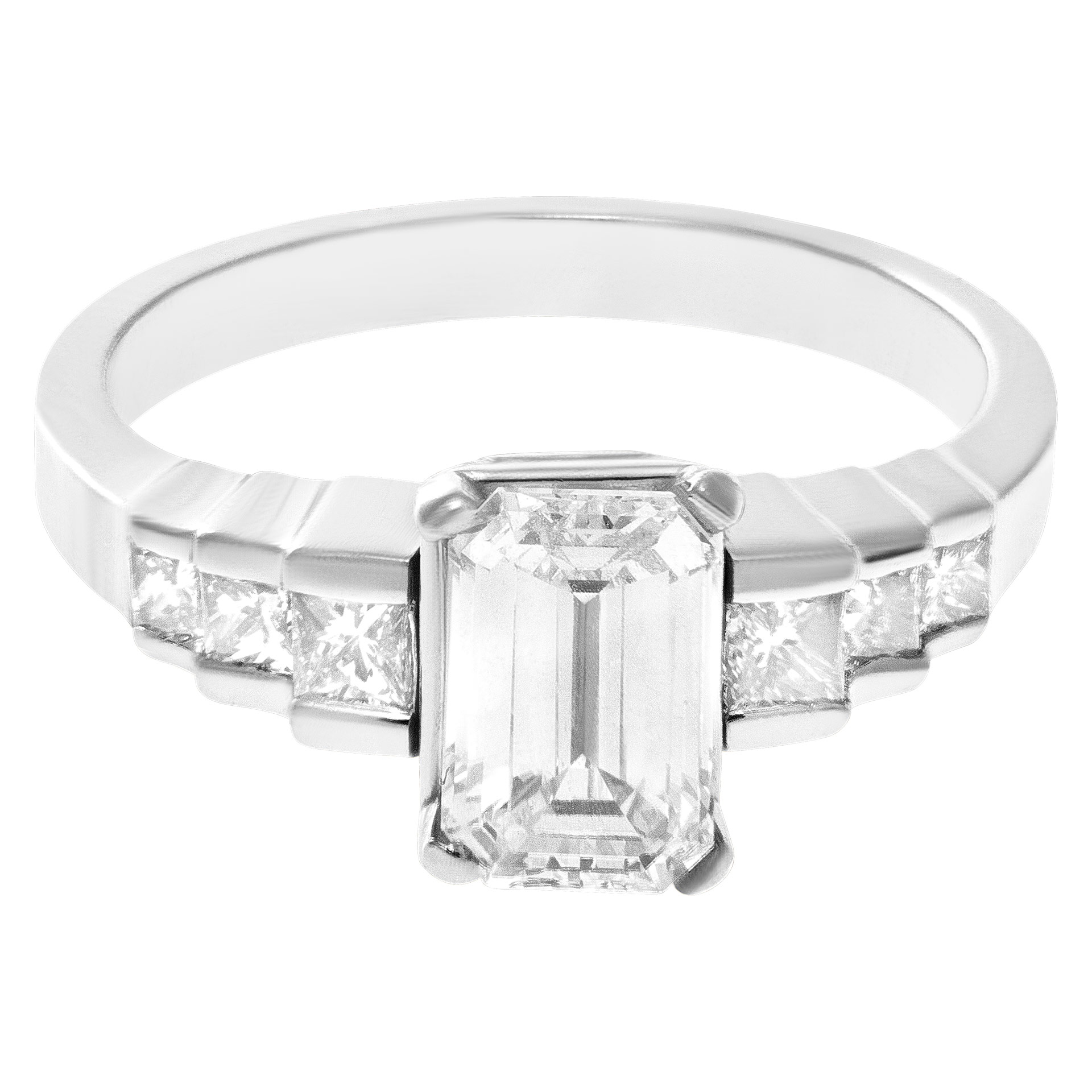
Modern round brilliant diamonds feature specific proportion standards that optimize light return and visual appeal. Crown angles, pavilion depths, table percentages, and culet sizes all contribute to overall cut quality and influence buyer offers. Fancy-shaped diamonds such as emerald cuts, oval cuts, cushion cuts, and pear shapes each carry unique proportion ideals that affect their market appeal and resale value.
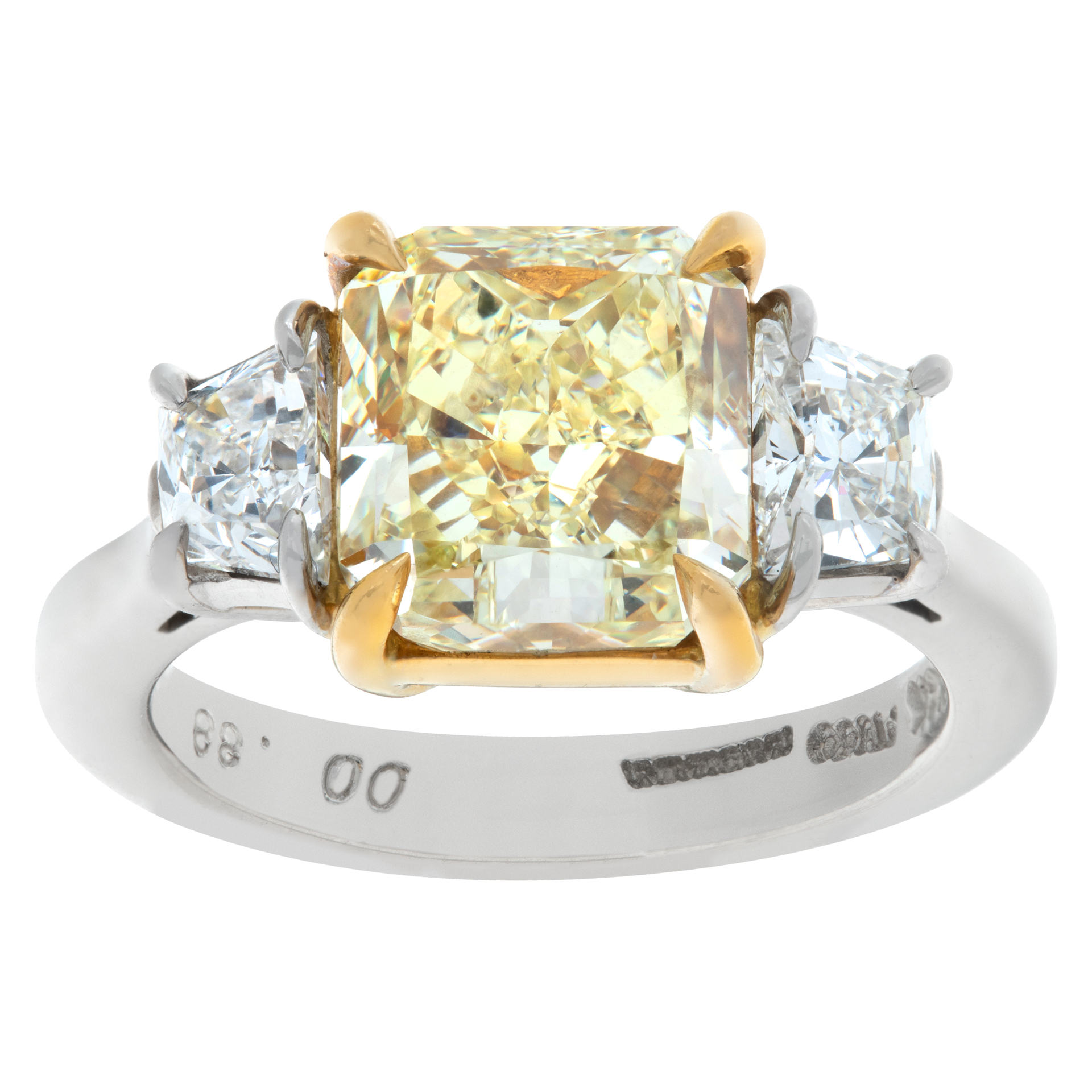
Without independent grading reports, buyers must evaluate cut quality through direct observation and measurement tools. This process introduces subjectivity that can affect offers. Sellers who choose to obtain GIA certification before listing their stones may find that documented excellent or very good cut grades result in different offers than uncertified pieces where buyers must estimate cut quality. Our guide on GIA Certification: Essential for Diamond Sellers explores how independent documentation influences valuation outcomes.
Whether you're preparing to sell diamond engagement ring pieces or loose stones removed from heirloom settings, understanding cut quality helps you appreciate why two similarly sized diamonds may receive different purchase offers. Experienced gemologists examine proportion relationships, finish quality, and optical performance when evaluating uncertified stones.
Fluorescence Levels and Their Effect on Diamond Buyer Offers
Fluorescence describes a diamond's reaction when exposed to ultraviolet light. Some natural diamonds exhibit this characteristic. When buyers evaluate uncertified loose diamonds offer factors, fluorescence becomes particularly important because it can affect both appearance and value depending on its strength and the diamond's base color grade.
Strong blue fluorescence in diamonds graded D through H color can create a milky or hazy appearance in some fluorescent stones, reducing their visual appeal and market value. Conversely, faint to medium blue fluorescence in diamonds graded I through M color sometimes enhances face-up appearance by counteracting yellowish body color. Buyers examining uncertified stones test for fluorescence as part of their evaluation process, adjusting offers based on strength levels and visible effects.
The market generally applies value discounts to diamonds with strong or very strong fluorescence, particularly in higher color grades where transparency and brilliance command premium pricing. These discounts vary based on whether fluorescence creates visible haziness in normal lighting conditions. Uncertified stones showing medium to strong fluorescence may receive lower offers than comparable diamonds with faint or negligible fluorescence, all other characteristics being equal.
Professional evaluation processes examine fluorescence alongside carat weight, color, clarity, and cut quality to establish comprehensive offers. Clients who sell diamond rings or loose stones benefit from transparent discussions about how each characteristic influences pricing. Whether you're evaluating inherited pieces or modern acquisitions, understanding fluorescence helps explain valuation differences between seemingly similar diamonds.

Professional evaluation equipment including long-wave and short-wave ultraviolet lights allows buyers to assess fluorescence accurately. For sellers wondering about uncertified loose diamonds resale value, requesting fluorescence disclosure during the evaluation process provides valuable context about factors influencing the final offer.
The Independent Grading Advantage: How Certification Changes Diamond Values
The presence or absence of independent laboratory grading reports significantly impacts how buyers price uncertified loose diamonds. Certified stones carry third-party verification of the four Cs—carat weight, color grade, clarity grade, and cut quality—eliminating uncertainty and providing buyers with documented assurance of diamond characteristics.
When buyers examine uncertified loose diamonds, they must assign color and clarity grades through direct observation using standardized grading environments, master comparison stones, and professional expertise. This process introduces potential variance, and buyers may grade uncertified stones conservatively to account for uncertainty. The lack of documentation affects resale channels available to buyers, which influences the offers they can extend to sellers of uncertified pieces.
Sellers who invest in certification before marketing their diamonds encounter upfront costs and turnaround time. Laboratory grading services involve fees that vary based on diamond size, service level, and turnaround time selected. Whether certification expenses align with sellers' circumstances depends on individual situations, particularly for those requiring immediate liquidation.
For estate executors managing inherited jewelry collections or individuals experiencing life transitions such as divorce or relocation, deciding whether to certify diamonds before selling involves weighing potential outcomes against time and expense considerations. Professional buyers evaluate both sell GIA Certified Diamonds and uncertified stones, providing guidance about whether certification would impact the offer for your particular diamond.
It's worth noting that grading laboratories differ in their standards, market acceptance, and the effect their reports may have on offers. GIA, AGS, and various other laboratories each operate under different protocols, and buyer treatment of reports varies accordingly.
Color and Clarity Assessment Without Laboratory Reports
Evaluating color and clarity in uncertified loose diamonds requires sophisticated equipment, controlled lighting environments, and extensive gemological training. Professional buyers assess color by comparing diamonds against master sets of calibrated stones under standardized daylight-equivalent lighting. This process determines whether stones fall into colorless ranges (D-E-F), near-colorless grades (G-H-I-J), or lower color categories that exhibit visible yellowish or brownish tints.
Clarity evaluation involves examining internal characteristics (inclusions) and external features (blemishes) under ten-power magnification. Buyers classify clarity based on the size, number, position, nature, and visibility of characteristics present in each stone. Uncertified diamonds receive clarity grades ranging from Flawless to Included categories, with each grade level affecting the purchase offer.
Without independent laboratory reports documenting these characteristics, buyers may disagree about precise grades, particularly when stones fall near grade boundaries. A diamond that one evaluator grades VS2 might receive a SI1 grade from another evaluator, resulting in different purchase offers. Buyers may assign grades conservatively when evaluating uncertified stones, building protective margins into their purchase prices.
Professional gemological equipment and evaluation experience allow qualified buyers to examine uncertified diamonds using established standards. Whether examining loose stones or pieces in their original settings, consistent grading methodologies help reflect current market expectations.
Market Liquidity and Resale Channels for Uncertified Stones
The ability to sell uncertified loose diamonds successfully depends partly on finding buyers willing to evaluate stones without independent documentation. Professional diamond buyers, jewelry retailers, pawnshops, and online platforms represent potential sales channels, each with different willingness to purchase uncertified stones and varying offer levels based on their resale capabilities and risk tolerance.
Uncertified loose diamonds buyer services that specialize in estate jewelry and pre-owned diamonds develop expertise in evaluating stones without laboratory reports. These buyers understand that certification absence doesn't necessarily indicate inferior quality—many vintage and heirloom diamonds were purchased decades ago before consumer certification became standard practice. However, these buyers must account for documentation absence when establishing purchase prices that allow them to either resell stones directly or invest in certification before remarketing.
Sellers often wonder whether they should approach multiple buyers when trying to sell diamond engagement ring pieces or loose stones. Obtaining several evaluations provides market perspective, though offers may vary based on each buyer's current inventory needs, resale channels, and risk assessment methodologies. Transparency about diamond characteristics and honest disclosure of any known treatments or enhancements helps establish trust with buyers and ensures smooth transaction processes.

Some buyers evaluate diamonds submitted through online quote processes, examining photographs and descriptions before requesting items for in-person inspection when appropriate. Evaluation standards should remain consistent whether diamonds carry certification or require fresh assessment.
Additional Documentation That Supports Uncertified Diamond Evaluations
While independent laboratory reports provide the most comprehensive diamond documentation, other records can provide supporting context when sellers sell uncertified loose diamonds. Original purchase receipts, insurance appraisals, previous owner documentation, and branded packaging from luxury jewelers may contribute information that buyers consider during evaluation processes, though these materials provide supporting context only and do not independently establish grading characteristics or authenticity.
Purchase receipts from established jewelry retailers may indicate original acquisition channels and sometimes include basic quality descriptions that support seller representations about diamond characteristics. Insurance appraisals, while typically prepared for replacement value purposes, document professional assessments that buyers can consider alongside their own evaluations. Original boxes, certificates of authenticity from retailers, and branded materials from luxury jewelry houses add provenance information that may support purchase history, though their evidentiary value and acceptance vary by buyer and circumstance.
Sellers managing estate liquidations or downsizing jewelry collections often discover accumulated documentation alongside uncertified diamonds. Our guide on Estate Sales Guide: Liquidating Inherited Jewelry & Silver discusses how executors can organize materials to support evaluations. Even when stones lack formal grading reports, assembling available documentation demonstrates diligence and may help buyers understand each piece's history.
Strategic Considerations When Selling Uncertified Loose Diamonds
Deciding whether to certify diamonds before selling or market them as uncertified stones involves weighing several factors. Certification costs vary depending on diamond size, laboratory selected, and desired turnaround time. For smaller stones or those with visible characteristics that would receive modest grades, certification expenses may not align with all sellers' goals or circumstances.
Larger diamonds, stones with exceptional visual appeal, or pieces that appear to fall within higher quality ranges may warrant consideration of certification before sale. Documentation can affect buyer markets and offers, though outcomes vary by stone characteristics, certification cost, market conditions, and buyer. Sellers with flexible timelines who can accommodate laboratory turnaround time face different considerations than those requiring immediate liquidation.
Market conditions and seasonal factors can influence valuations, though these effects vary based on numerous variables and specific stone characteristics. Our discussion of Winter 2025 Diamond Market Trends & Insights explores broader market dynamics. How market timing affects your particular stones depends on their characteristics, size, quality, and current conditions.
For sellers considering certification, requesting preliminary evaluations from professional buyers provides useful guidance. Professional assessments can help sellers make informed decisions that align with their financial goals, timelines, and circumstances.
Why Professional Evaluation Matters for Uncertified Diamond Sales
Working with experienced jewelry buyer specialists ensures that uncertified loose diamonds receive thorough evaluation based on established gemological standards. Professional buyers invest in equipment, maintain grading environments, and develop expertise through evaluating diamonds across quality ranges. This specialization produces assessments based on consistent methodologies.
Reputable diamond buyers explain their evaluation findings, discuss how specific characteristics influence offers, and answer questions about grading methodologies. Transparency about factors affecting uncertified loose diamonds resale value helps sellers understand why offers may differ between various buyers and what drives pricing decisions. Professional buyers also provide transaction processes that protect both parties throughout evaluation, negotiation, and payment stages.
Whether you're ready to sell diamond ring pieces, loose stones, or luxury branded jewelry, choosing qualified buyers with documented expertise helps ensure fair treatment. Professional evaluation processes provide transparent assessments based on current market conditions and individual item characteristics.
Beyond Diamonds: Comprehensive Luxury Item Evaluations
While uncertified diamonds present unique valuation challenges, many clients discover during evaluation processes that they have additional luxury items worth selling. Professional specialists assess fine jewelry from prestigious brands and evaluate pieces from various luxury manufacturers.
Estate executors managing comprehensive liquidations may benefit from consolidated evaluation services that address jewelry, watches, diamonds, and precious metals through single buyer relationships. Our article on Estate Executor's Guide to Inherited Luxury Liquidation discusses coordination strategies that may simplify estate settlement processes. Whether managing probate sales or personal downsizing projects, working with buyers who handle diverse luxury categories can streamline transactions.
For clients with vintage or modern Swiss timepieces, watch evaluation services may complement diamond and jewelry assessments. Combined expertise across categories allows some buyers to serve clients with varied liquidation needs through unified evaluation and transaction processes.
Making Informed Decisions About Your Uncertified Diamonds
Understanding uncertified loose diamonds offer factors empowers sellers to set realistic expectations, make informed decisions about certification, and select qualified buyers for their valuable stones. While certified diamonds eliminate documentation uncertainty, uncertified pieces still hold value when evaluated by knowledgeable professionals using proper equipment and standardized methodologies.
Whether you inherited loose diamonds, removed stones from vintage settings, or purchased them decades ago before certification became standard, professional buyers with gemological expertise can assess your uncertified pieces. Transparency about evaluation processes, discussions about quality characteristics, and clear explanations of offer determinants all contribute to selling experiences that align with your timeline and circumstance requirements.
Start Your Diamond Evaluation Today
Ready to discover what your uncertified loose diamonds are worth? Request a professional evaluation through our diamond quote request system, where gemologists will assess your stones using established methodologies. Professional buyers evaluate both certified and uncertified diamonds, providing offers based on carat weight, cut quality, color, clarity, fluorescence, and current market conditions.
Whether you're selling a single diamond engagement ring or liquidating an extensive collection of loose stones, streamlined processes can facilitate professional evaluations. Visit Sell Us Your Jewelry to learn more about comprehensive services for diamonds, luxury jewelry, Swiss watches, and precious metals.
For immediate assistance, connect with evaluation teams through live chat or explore resources on how it works to understand evaluation and transaction processes. Whether your diamonds carry certification or require fresh assessment, professional guidance can help you make informed decisions about your valuable stones.
About Us | Sell Us Your Jewelry
Call Us Now: 305 770 6955
The Purchasing and Consignment Division of Gray & Sons


Be the first to know | SEE OUR CATALOG

