

October 12th, 2026
How Scratches, Resizing, and Repairs Affect Tiffany & Co. Atlas Resale Offers
When you're ready to sell Tiffany & Co. Atlas jewelry, understanding how condition factors influence resale value becomes essential. The iconic Atlas collection—distinguished by its Roman numeral motif inspired by the clock outside Tiffany's flagship Fifth Avenue store—commands strong interest from buyers, yet Tiffany & Co. Atlas condition resale value depends significantly on visible wear, structural modifications, and repair history. Whether you own a pristine Atlas ring, a resized bracelet, or a piece that has undergone professional restoration, each detail shapes the evaluation process and the offer you'll receive.

Consider this 18k white gold Tiffany & Co. Atlas ring with three diamonds—a striking example of the collection's signature Roman numeral styling. The distinctive design makes surface condition particularly visible. Deep scratches, dents, or tarnish on precious metals can affect how buyers assess desirability and market appeal. Similarly, resizing history and non-original repairs introduce variables that experienced Tiffany & Co. jewelry buyers carefully consider during evaluation. For sellers, knowing what to expect when presenting your Atlas pieces helps set realistic expectations and streamlines the transaction process.
Understanding the Tiffany & Co. Atlas Collection
The Atlas collection debuted in the mid-1990s and quickly became one of Tiffany's most recognizable lines. Featuring bold Roman numerals encircling rings, bracelets, watches, and pendants, the design evokes the grandeur of classical architecture and the landmark timepiece that graces Tiffany's New York flagship. Atlas pieces are crafted in sterling silver, 18k gold, and platinum, often accented with diamonds or gemstones.
Because the Roman numeral engraving defines the collection's aesthetic, any surface damage or polishing that softens those crisp details can diminish visual impact. When evaluating whether to sell Tiffany rings or other Atlas items, consider how well the defining features have held up over time. Pieces that retain sharp engraving, original finish, and minimal wear may generate stronger interest from buyers seeking quality pre-owned luxury jewelry.
For those exploring options beyond Atlas, Sell Us Your Jewelry also evaluates other iconic Tiffany collections, including the Return to Tiffany heart tags and Tiffany Keys designs. The evaluation process remains similar: condition, provenance, and current market dynamics all play a role.
How Surface Scratches Impact Resale Value
Surface scratches are among the most common condition issues that affect Tiffany & Co. Atlas resale value. Minor hairline scratches on precious metal surfaces may develop from everyday wear, while deeper gouges can result from accidental impacts or improper storage. On polished sterling silver or gold, scratches become especially noticeable under direct light, drawing attention away from the piece's design and potentially lowering buyer confidence.
Professional polishing can sometimes reduce the appearance of light scratches, but aggressive buffing risks softening the crisp Roman numeral engraving that defines Atlas jewelry. Buyers and evaluators look for pieces that balance natural patina with well-preserved details. If you're considering professional restoration before you sell Tiffany & Co. Atlas items, consult with a jeweler experienced in luxury brand pieces to avoid over-polishing that could compromise original design elements.

When requesting a jewelry quote, providing clear, well-lit photographs of any scratches or surface wear helps buyers make accurate assessments. Transparency about condition ensures that offers reflect the true state of your piece and prevents surprises during final evaluation.
The Effect of Resizing on Atlas Rings and Bracelets
Resizing is a common modification for rings and bracelets, yet it introduces structural changes that can affect Tiffany & Co. Atlas resizing value. When an Atlas ring is enlarged or reduced, jewelers must carefully manipulate the metal band while preserving the Roman numeral detailing. Poorly executed resizing can distort the numeral spacing, create visible solder seams, or weaken the band's structural integrity.
Professional resizing performed by qualified independent jewelers or Tiffany service centers typically maintains better aesthetic and structural consistency. However, even expert work leaves subtle traces. Buyers evaluating resized pieces consider whether the modification affects wearability, visual appeal, and the potential for future adjustments. Rings that have been resized multiple times or stretched beyond optimal limits may command lower offers due to limited resale flexibility.
For those looking to sell Tiffany bracelets or rings that have been resized, receipts from reputable jewelers may support your evaluation by providing context about the modification history. Each buyer's standards vary, so outcomes depend on the specific piece, modification quality, and current market preferences.
Evaluating Repaired Tiffany & Co. Atlas Pieces
Repair history represents another critical factor when you sell repaired Tiffany & Co. Atlas jewelry. Common repairs include prong retipping for diamond-set pieces, clasp replacement on bracelets, band soldering for cracked rings, and stone resetting. High-quality repairs executed with original or matching materials help preserve both function and appearance, while substandard work can introduce mismatched metals, visible solder joints, or compromised structural stability.
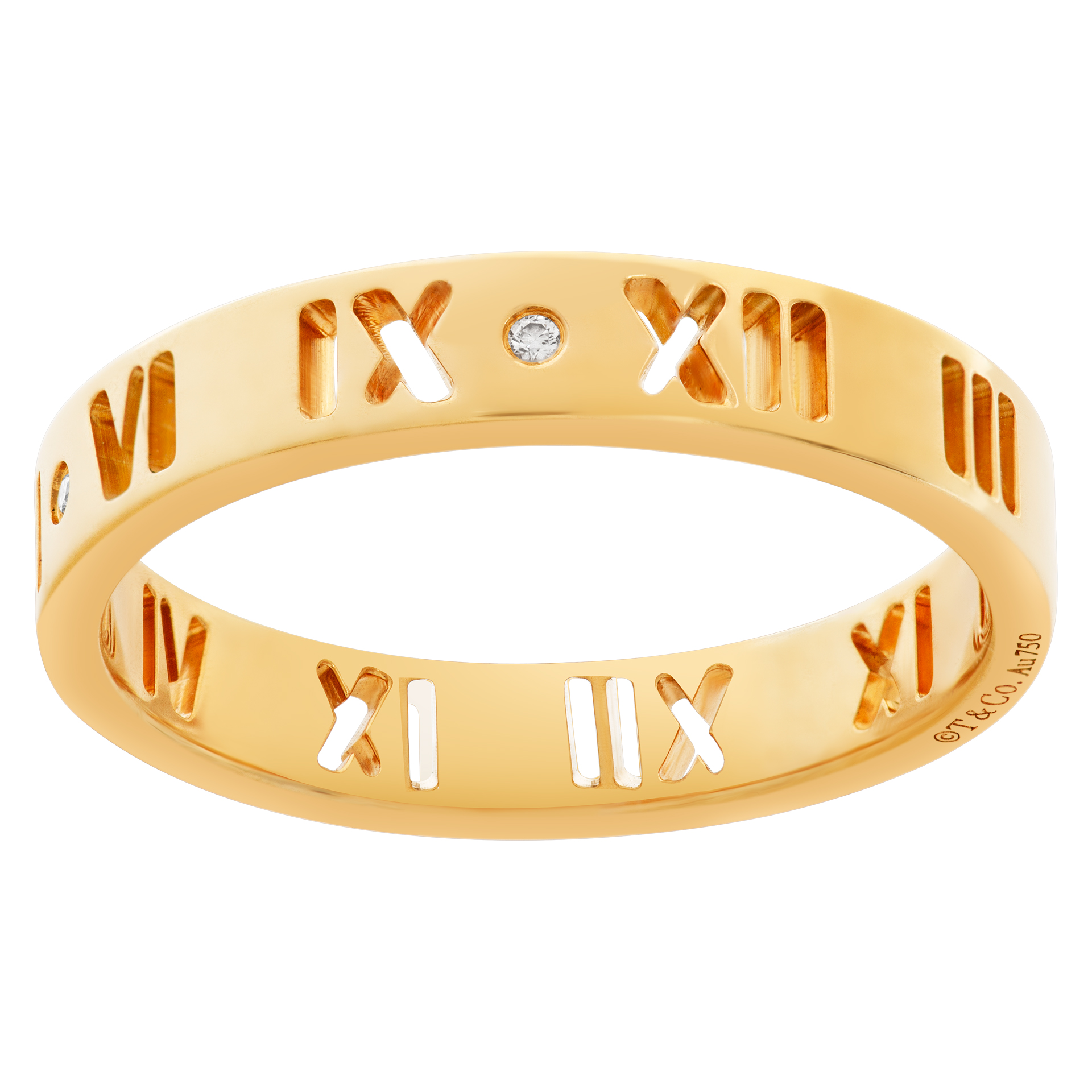
Professional buyers examine repair areas closely to determine whether the work aligns with luxury jewelry standards. Repairs performed by Tiffany service centers or qualified independent specialists with expertise in high-end brands can deliver quality results. When presenting a repaired piece for evaluation, disclose the nature of the work and any available documentation. Transparency helps buyers assess whether the repair affects long-term durability or marketability.
Pieces requiring additional repair may still hold value based on metal weight, gemstone quality, and brand prestige. Buyers evaluating such items typically account for restoration costs in their offers. For sellers, understanding that Tiffany & Co. Atlas buyer evaluations consider both current condition and potential refurbishment expenses provides realistic context for negotiations.
Documentation and Provenance Considerations
Original documentation—including Tiffany boxes, certificates, receipts, and service records—can provide helpful context during the evaluation process. While these materials may support purchase history and inform an evaluation, buyers rely primarily on physical inspection and independent verification when assessing authenticity and value.
When you sell Tiffany jewelry, gathering any available paperwork helps present a complete picture of your item's history. Receipts showing purchase date and price, service records documenting maintenance, and original packaging all contribute to buyer confidence. However, the absence of documentation does not disqualify a piece from evaluation. Experienced buyers rely on physical examination, hallmark verification, and material testing to assess authenticity and value.
For those managing estates or inherited collections, understanding that provenance requirements vary by buyer and verification process helps set appropriate expectations. Some buyers may place more emphasis on complete documentation, while others prioritize the physical attributes of the jewelry itself. Outcomes ultimately depend on the specific buyer's standards and the item's condition.
Atlas Watches: Condition Factors Unique to Timepieces
The Atlas collection includes both jewelry and timepieces, with watches presenting additional condition considerations. Tiffany & Co. Atlas buyer evaluations for watches examine case scratches, crystal clarity, dial condition, bracelet stretch, and movement functionality. Because watches combine aesthetic design with mechanical complexity, even minor cosmetic damage can signal potential internal issues or deferred maintenance.
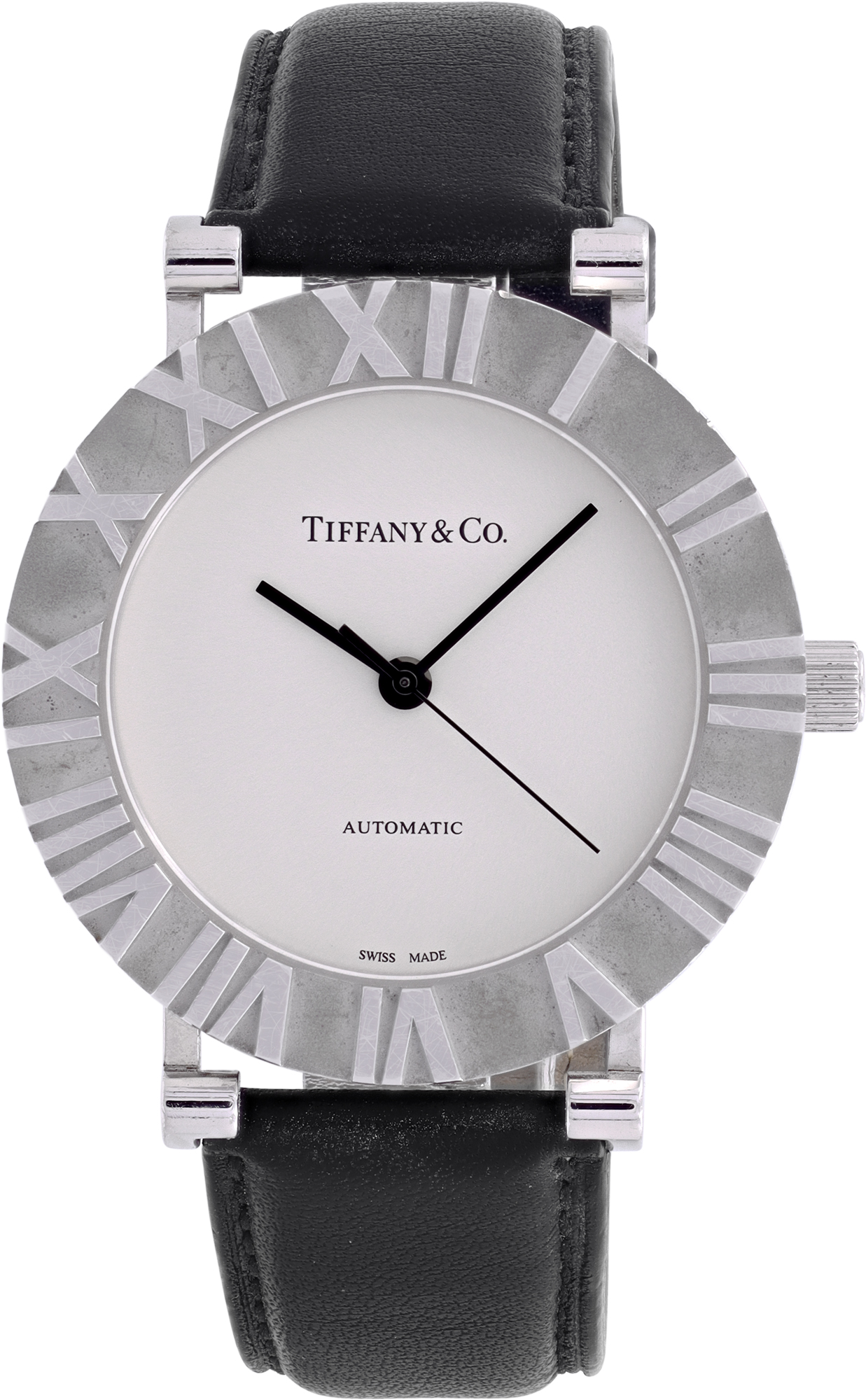
Polishing a watch case can restore visual appeal, but over-polishing risks softening case edges and losing original proportions. Professional watchmakers experienced with luxury timepieces understand how to balance cosmetic improvement with preserving design integrity. For sellers considering restoration before you sell Tiffany & Co. Atlas watches, consulting with specialists who understand the specific model and its tolerances helps avoid diminishing value through excessive work.
Service history becomes particularly important for watches. Regular maintenance documented through service receipts may support an evaluation by demonstrating responsible ownership. Watches requiring service or repair may still hold value based on case material, movement quality, and brand prestige, though buyers typically adjust offers to account for anticipated service costs. For guidance on timepiece transactions, exploring resources about how to sell a Tiffany & Co. watch provides additional context.
Comparing Atlas to Other Tiffany Collections
When evaluating your options to sell Tiffany & Co. jewelry, understanding how Atlas compares to other collections can inform timing and expectations. Collections like Return to Tiffany, Tiffany Keys, and Elsa Peretti designs each have distinct aesthetics, material compositions, and market appeal. Atlas pieces, with their bold Roman numeral styling and substantial metal weight, often attract buyers seeking statement jewelry with architectural character.

Condition considerations apply across all Tiffany collections, though certain designs may be more or less forgiving of wear. For instance, the smooth surfaces of Elsa Peretti organic forms may show scratches more prominently than textured or engraved pieces. Conversely, intricate designs with delicate elements may suffer more from structural damage than bold, solid forms like Atlas rings and bracelets. Each collection's unique characteristics influence how buyers assess condition and determine value.
For those holding multiple Tiffany pieces, the evaluation process considers each item's unique condition, design, and current market appeal. Whether you choose to present items individually or together depends on your preferences, the buyer's evaluation methods, and the specific circumstances of each piece.
Professional Restoration vs. Selling As-Is
Sellers often wonder whether investing in professional restoration before listing their jewelry will improve offers. The answer depends on the extent of damage, restoration costs, and the likelihood that improvements will translate into higher resale value. Light polishing to remove surface scratches may enhance visual appeal without significant expense, making it a worthwhile consideration for some pieces.
However, extensive repairs—such as stone resetting, clasp replacement, or structural reinforcement—can be costly. If restoration expenses approach or exceed the potential increase in resale value, selling as-is may be more practical. Professional buyers typically have access to in-house or contract repair services at trade rates, allowing them to factor restoration into their offers more efficiently than individual sellers can manage independently.
When deciding whether to restore your Atlas jewelry, consider consulting with a Tiffany & Co. jewelry buyer who can assess the piece in its current state and provide guidance on whether restoration would meaningfully impact value. Transparent communication about condition, combined with realistic expectations, helps both buyers and sellers reach mutually satisfactory outcomes.
Sterling Silver Atlas Pieces: Tarnish and Patina
Sterling silver Atlas jewelry—including bangles, necklaces, and charms—requires specific care to maintain appearance. Tarnish, the natural oxidation of silver exposed to air and moisture, can darken surfaces and obscure engraving details. While tarnish does not damage the metal itself, heavy oxidation affects visual appeal and may suggest deferred maintenance.
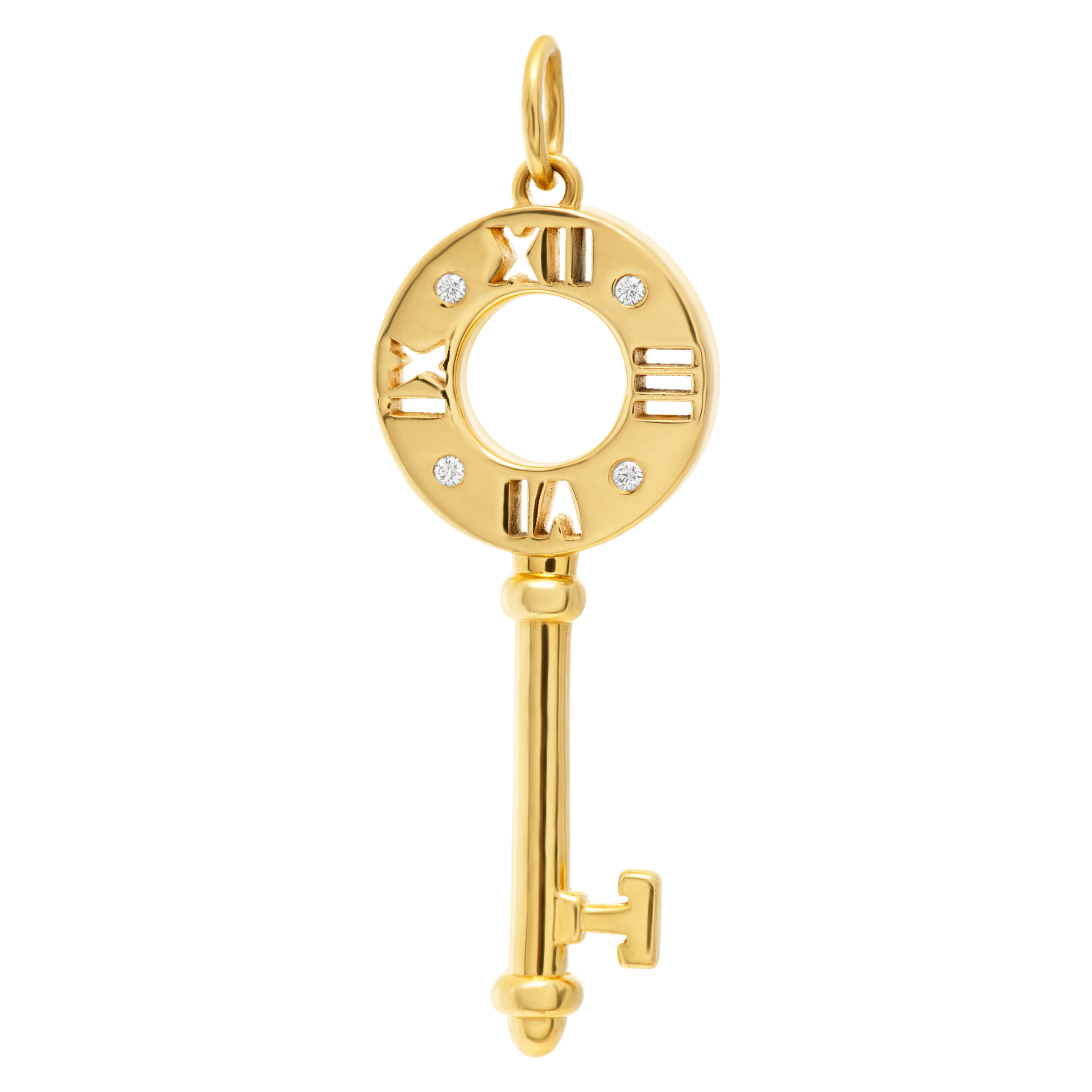
Professional cleaning can restore sterling silver's bright luster, though some collectors appreciate a subtle patina that adds character to vintage pieces. When you sell Tiffany & Co. Atlas sterling silver items, buyers assess the balance between natural aging and neglect. Light tarnish that cleans easily typically does not significantly impact value, while deep oxidation requiring aggressive polishing may reduce offers if original surface texture or engraving sharpness has been compromised.
For those interested in broader sterling silver categories beyond jewelry, sell sterling silver resources cover flatware, tea sets, and other collectibles. The evaluation process for sterling silver emphasizes metal weight, hallmark authenticity, and condition, regardless of item type.
Gold and Platinum Atlas Jewelry Condition Factors
Atlas pieces crafted in 18k gold or platinum present different condition considerations than sterling silver. Gold and platinum resist tarnish but still accumulate scratches, dents, and wear over time. The higher cost of these precious metals means that even pieces requiring refinishing may retain substantial value based on metal weight alone.
Polishing gold or platinum Atlas jewelry can restore shine and reduce visible scratches, though the same caution applies: excessive polishing softens engraving details and reduces metal weight. Professional jewelers experienced with luxury brands understand how to balance cosmetic improvement with preserving design integrity. When presenting gold or platinum pieces for evaluation, highlighting their metal composition and any accompanying documentation helps buyers assess both aesthetic and intrinsic value.
For sellers holding diamond-accented Atlas jewelry, stone condition also matters. Chips, scratches on diamond surfaces, or loose settings affect overall value. Professional inspection can identify issues that may not be immediately visible to untrained eyes, making it worthwhile to request a comprehensive evaluation from experienced buyers who understand both gemological and metalwork considerations.
Market Dynamics and Timing Considerations
The resale market for Tiffany & Co. Atlas jewelry reflects broader trends in luxury goods, brand reputation, and consumer preferences. Atlas pieces in excellent condition with minimal modifications may attract stronger interest, though buyers evaluate each piece individually based on its unique characteristics.
Timing your sale depends on personal circumstances rather than attempting to predict optimal market windows. Whether you're downsizing a collection, managing an estate, or liquidating assets after life changes such as divorce or relocation, the decision to sell should align with your financial and personal priorities. Buyers evaluate items based on condition, authenticity, and current market dynamics.
For those navigating sensitive situations, resources such as Selling Tiffany & Co. Engagement Rings After Life Changes offer compassionate guidance. The evaluation process remains professional and respectful, focusing on the jewelry itself.
Evaluating Offers from Different Buyer Types
When you're ready to sell Tiffany & Co. Atlas jewelry, you'll encounter various buyer types, each with different evaluation methods and business models. Direct buyers purchase items outright, providing immediate payment in exchange for ownership. Consignment arrangements involve sellers retaining ownership while the buyer markets the piece, with payment occurring after sale. Each approach has distinct advantages and considerations depending on your timeline, financial needs, and the specific item.
Direct buyers typically offer immediate liquidity but may factor holding costs, marketing expenses, and market risk into their purchase price. Consignment may yield higher proceeds if the piece sells at or near retail expectations, though it involves longer timelines and uncertain outcomes. The choice between selling outright and consigning depends on your priorities and the buyer's specific terms and conditions.
Exploring how Sell Us Your Jewelry works provides insight into the quote and evaluation process. By submitting item details and condition information, you can receive preliminary assessments that help inform your decision-making process.
Preparing Your Atlas Jewelry for Evaluation
Proper preparation improves the evaluation experience and helps buyers provide accurate assessments. Begin by gathering any available documentation, including original boxes, certificates, receipts, and service records. While these materials may provide context about purchase history and service, buyers conduct independent physical examination and verification.
Clean your jewelry gently to remove surface dirt and oils, taking care not to damage delicate elements or settings. For sterling silver, use a soft polishing cloth designed for jewelry rather than harsh chemicals that could affect patina or engraving. For gold, platinum, and diamond pieces, mild soap and warm water typically suffice to restore cleanliness without risk.
Photograph your items in natural light, capturing multiple angles including hallmarks, engraving, and any areas of concern such as scratches or repairs. Clear images help remote buyers conduct preliminary assessments and provide more accurate initial quotes. When shipping items for in-person evaluation, use insured, trackable services to protect against loss or damage during transit.
Understanding Authentication and Verification
Authentication is a critical component of the evaluation process when you sell Tiffany jewelry. Professional buyers examine hallmarks, engraving quality, metal composition, construction methods, and design consistency to verify authenticity. Tiffany pieces typically feature clear hallmarks indicating metal purity and the Tiffany & Co. maker's mark, though counterfeit items sometimes replicate these details.
Experienced buyers combine multiple authentication factors—including physical examination, material testing, and design analysis—to reach confident authentication conclusions. Professional evaluation remains essential for accurate authentication.
For high-value pieces, buyers may seek additional verification from gemological laboratories or authentication services. These processes ensure that both buyer and seller can transact with confidence in the item's authenticity and quality. Understanding that authentication involves multiple verification steps helps set realistic expectations for evaluation timelines.
Alternative Luxury Jewelry Brands and Resale Markets
While this guide focuses on Tiffany & Co. Atlas jewelry, the principles of condition evaluation apply across luxury jewelry brands. If you own pieces from Cartier, Van Cleef & Arpels, Bvlgari, or other prestigious makers, similar considerations regarding scratches, resizing, repairs, and documentation influence resale value. Each brand's design aesthetics, material choices, and market positioning create unique evaluation criteria, but condition remains universally important.
For those exploring options to sell Cartier jewelry, iconic collections such as Love bracelets and Juste un Clou designs command strong market interest. Similarly, Van Cleef & Arpels Alhambra pieces and Bvlgari Serpenti designs represent desirable luxury jewelry with resale markets. The evaluation process for these brands emphasizes authenticity, condition, and market demand, mirroring the approach used for Tiffany pieces.
Exploring the brands we buy provides comprehensive information about the range of luxury jewelry and watch brands that professional buyers evaluate. Whether you're selling a single statement piece or an entire collection, understanding how different brands and collections are assessed helps you approach the transaction with realistic expectations and confidence.
Conclusion: Making Informed Decisions About Your Atlas Jewelry
Understanding how scratches, resizing, and repairs affect Tiffany & Co. Atlas resale value empowers you to approach the selling process with clarity and confidence. While condition significantly influences buyer evaluations, even pieces with visible wear or modification history may hold substantial value based on metal weight, craftsmanship, and brand prestige. The key is presenting your jewelry honestly, gathering available documentation, and working with professional buyers who conduct thorough, transparent evaluations.
Whether you choose to restore your Atlas pieces before selling or present them as-is depends on the specific condition, restoration costs, and your timeline. Professional buyers can provide guidance on whether investment in repairs or polishing will meaningfully impact offers, helping you make informed decisions that align with your financial goals.
Ready to Evaluate Your Tiffany & Co. Atlas Jewelry?
Take the first step toward understanding the value of your Tiffany & Co. Atlas collection. Request a jewelry quote to receive a professional evaluation based on your item's condition, materials, and current market dynamics.
For those holding other luxury items, explore our specialized evaluation services for watches, engagement rings, and sterling silver. Each category receives expert attention from professionals who understand the nuances of luxury item valuation.
Visit Sell Us Your Jewelry to learn more about our buying process. Whether you're in South Florida or anywhere across the country, our team is ready to provide professional evaluation services.
About Us | Sell Us Your Jewelry
Call Us Now: 305 770 6955
The Purchasing and Consignment Division of Gray & Sons


Be the first to know | SEE OUR CATALOG

