

August 24th, 2026
How to Photograph and Describe GIA-Certified Diamonds for a More Accurate Online Quote
When you're ready to sell GIA certified diamonds, the quality of your photographs and the accuracy of your description play a crucial role in receiving a precise online quote. Whether you're selling an engagement ring, loose stones, or estate jewelry featuring diamonds with GIA grading reports, presenting your items clearly helps buyers evaluate their true value. This comprehensive guide walks you through the essential steps to photograph and describe your diamonds effectively, ensuring you receive an accurate assessment.
Understanding what professional GIA certified diamonds buyers look for in initial submissions can make the difference between a vague estimate and a competitive offer. From lighting techniques to documentation details, every element of your presentation contributes to the evaluation process. Let's explore how to showcase your diamonds in ways that reflect their genuine quality and help establish their resale value from the start.
Why Quality Documentation Matters for Diamonds with GIA Grading Reports
The Gemological Institute of America issues grading reports that provide detailed assessments of a diamond's characteristics. When you describe GIA certified diamonds to buyers, referencing this documentation may support the evaluation process. Your GIA grading report contains precise information about carat weight, color grade, clarity grade, cut grade, and other identifying features that professional buyers consider during their assessment.
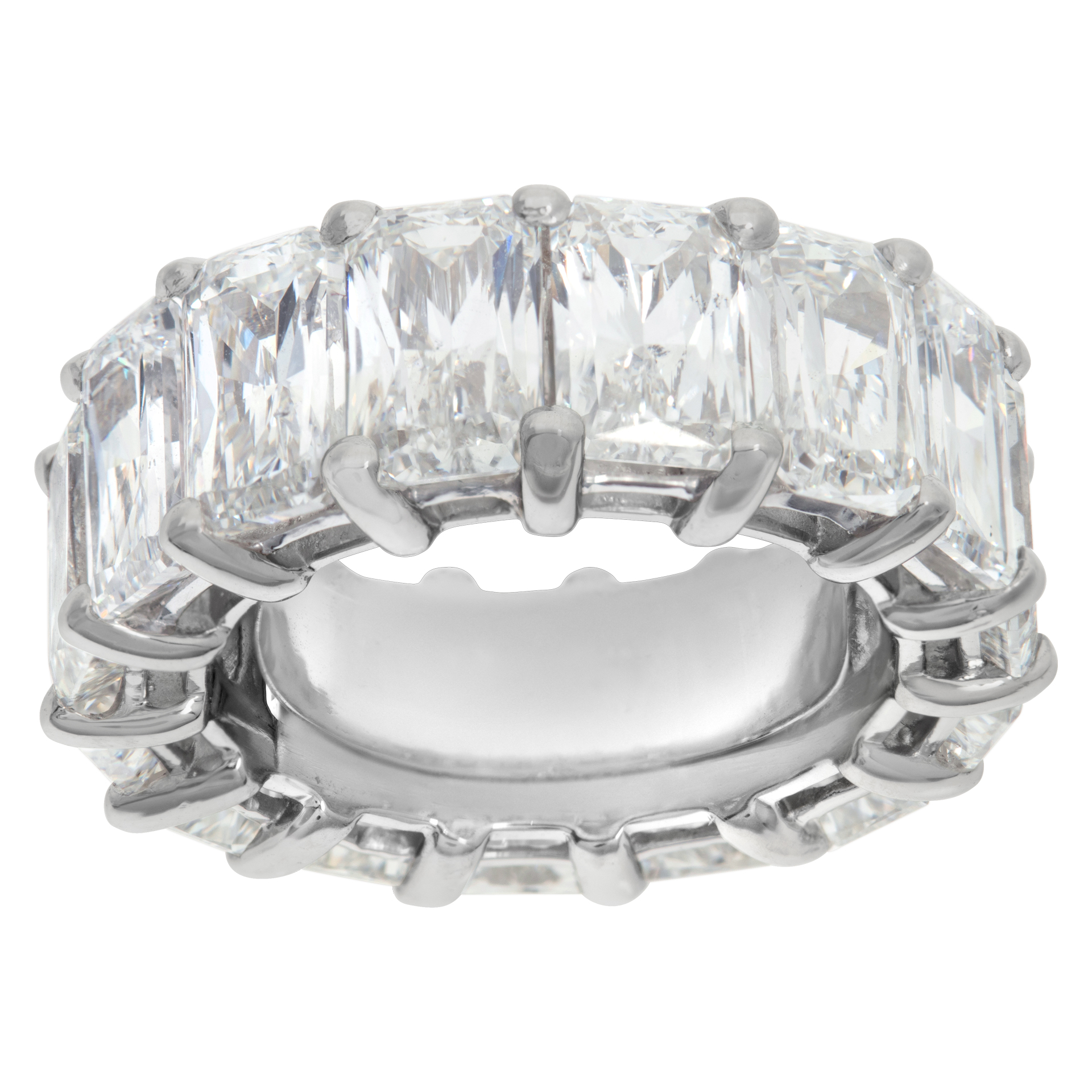
However, grading reports alone don't tell the complete story. Photographs that clearly show the diamond's setting, condition, and overall presentation help buyers understand how well the stone has been maintained. When paired with accurate written descriptions, this combination allows evaluators to provide quotes that reflect the actual condition and market position of your specific piece.
Those considering whether to sell diamond engagement rings should recognize that thorough documentation becomes especially important for mounted stones. The setting's condition, metal type, and accompanying diamonds all contribute to the overall value, making comprehensive visual and written information essential for accurate assessment.
Preparing Your Diamonds for Photography
Before capturing images, ensure your diamonds are clean and free from oils, dust, or residue that might obscure their brilliance. Use a soft, lint-free cloth to gently wipe the surface, or consider a mild jewelry cleaning solution appropriate for your setting's materials. Clean diamonds photograph more accurately, allowing buyers to assess clarity characteristics without visual interference from surface debris.
Gather your GIA grading report, any original packaging, receipts, or appraisals that accompanied the purchase. Having these materials ready ensures you can photograph the report alongside the diamond and reference specific details in your written description. Receipts and packaging may support purchase history and context during evaluation.
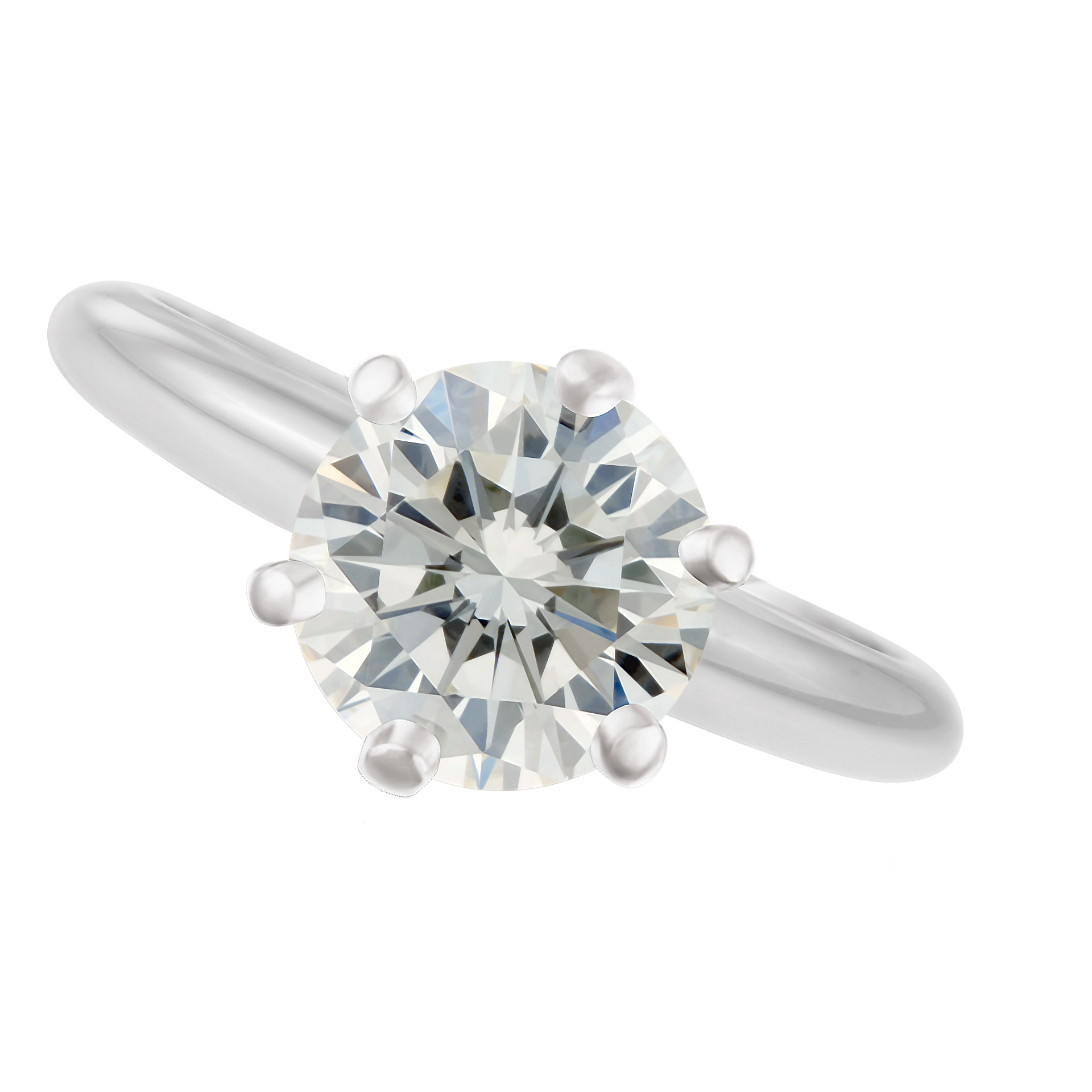
Consider the setting and presentation context. If you're selling loose stones, a simple white background works well. For mounted diamonds in rings, necklaces, bracelets, or earrings, include shots that show both the complete piece and close-ups of the diamond itself. Those looking to sell jewelry benefit from showing how the diamond integrates with its setting.
Mastering Lighting for Diamond Photography
Natural, diffused daylight provides an accurate representation of a diamond's color and clarity. Position your diamond near a window during midday hours when sunlight is brightest but indirect. Avoid direct sunlight, which creates harsh shadows and extreme reflections that obscure details. Overcast days actually offer ideal conditions, as clouds naturally diffuse light evenly across your subject.
If natural light isn't available, use multiple light sources positioned at different angles to minimize harsh shadows. White LED lights work better than warm-toned bulbs, which can add a yellow cast that misrepresents the diamond's true color grade. Position lights slightly above and to the sides of the diamond rather than directly overhead or from a single point.
Avoid using your camera's flash, which creates hotspots and glare that overwhelm a diamond's facets. The goal is to photograph GIA certified diamonds for sale in ways that reveal their fire and brilliance without artificial enhancement. Some reflections are natural and desirable, showing the stone's light performance, but excessive glare prevents buyers from seeing important clarity characteristics.
Consistent lighting across all your photos helps buyers compare different angles and perspectives of the same stone, building confidence in their assessment.
Essential Angles and Close-Up Shots
Capture your diamond from multiple perspectives to provide a comprehensive visual record. Start with a straight-on top view showing the table facet and crown. This angle helps buyers assess symmetry and any visible inclusions. Next, photograph the diamond at a slight angle to capture its depth and pavilion, revealing the stone's three-dimensional character.
Include detailed close-ups that focus on specific areas buyers examine during evaluation. Photograph any visible inclusions mentioned on the GIA grading report, helping buyers correlate the documentation with the actual stone. These clarity characteristics serve as identifying features. Side profile shots show the diamond's proportions and how it sits in its setting, if mounted.
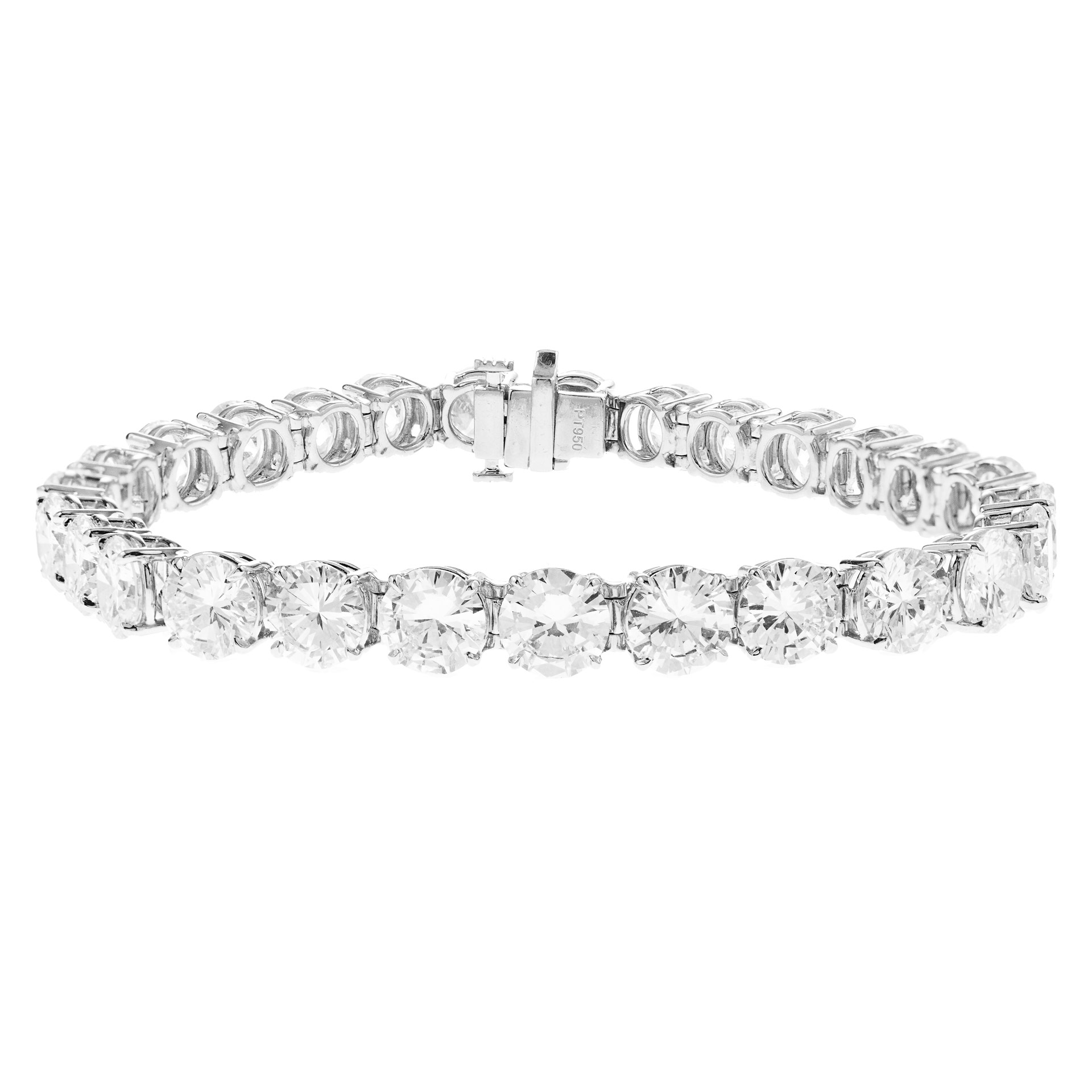
For mounted diamonds, photograph the entire piece from multiple angles before focusing on close-ups. Show the setting's construction, prong condition, and any manufacturer's marks or hallmarks. Include images of the piece's profile and any wear patterns that indicate the item's history and condition.
Capture at least one photograph showing the diamond alongside its GIA grading report with the report number clearly visible. This pairing helps buyers immediately connect the stone with its documentation, streamlining the evaluation process and building trust in your submission.
Photographing Your GIA Grading Report
Your GIA grading report contains critical information that buyers use during evaluation. Photograph the entire report flat against a neutral background, ensuring all text is sharp and legible. The report number, date, and diagram showing inclusion plotting should be clearly visible without glare or blur.
If the report includes supplementary pages or a proportion diagram, photograph these as well. Natural lighting works best for document photography, avoiding the reflective coating that many reports have. Position your camera directly above the report to prevent perspective distortion that can make text difficult to read.
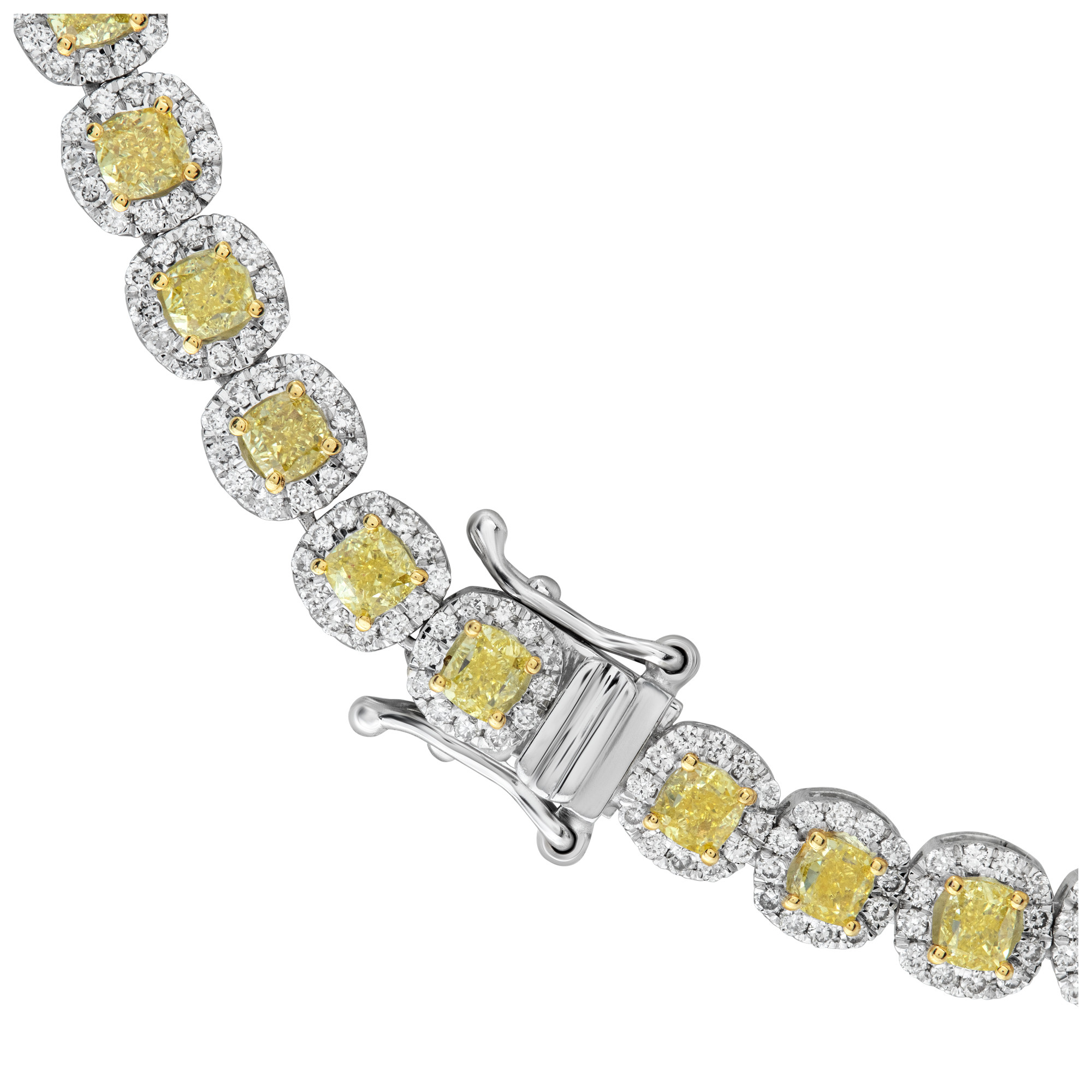
Pay special attention to the laser inscription section if your diamond has its GIA report number inscribed on the girdle. Photographing this microscopic inscription requires specialized equipment, but mentioning its presence in your written description may provide context during evaluation. Laser inscriptions are one of several authentication factors that buyers may consider.
Include close-up shots of the report's security features, such as holograms or microprint. A GIA grading report paired with accurate photographs creates a compelling presentation that facilitates thorough evaluation.
Technical Camera Settings for Best Results
Use your camera's macro mode or a macro lens if available to capture fine details that standard settings might miss. This feature allows closer focusing distances, revealing the intricate facet patterns and clarity characteristics that buyers need to see. Most modern smartphones include macro capabilities that work well for diamond photography when used in good lighting.
Set your camera to its highest resolution to ensure images remain clear when buyers zoom in to examine specific details. While high-resolution files may be larger, the added detail they provide supports evaluation. Avoid over-compressing images when saving or emailing them, as compression can introduce artifacts that obscure important features.
If your camera offers manual settings, use a slightly smaller aperture (higher f-number) to increase depth of field, keeping more of the diamond in sharp focus. A tripod or stable surface prevents blur from hand shake during exposure. For those preparing multiple items when choosing to sell their jewelry, consistent technical settings across all photographs create a professional presentation.
White balance should be set to match your lighting conditions, typically daylight or cloudy settings for natural light, or a custom white balance for artificial lighting. Accurate white balance ensures that the diamond's color grade appears true to life rather than artificially warm or cool.
Writing Accurate Descriptions: The Essential Elements
Begin your written description with the information from your GIA grading report: report number, date, carat weight, color grade, clarity grade, cut grade (if applicable), measurements, and fluorescence. This objective data provides the foundation that buyers use during their evaluation process.
Describe the diamond's setting if mounted, including the metal type (platinum, 14K gold, 18K gold, etc.), total estimated weight of the complete piece, and the style or design name if known. Mention the number and approximate size of any accent diamonds or gemstones that accompany the center stone. Detail the setting's condition, noting any visible wear, needed repairs, or recent maintenance.

Include information about the diamond's history if relevant and known. Whether it's a recent purchase, an inherited piece, or an engagement ring from a specific designer, this context may support the evaluation process.
Address the practical details: whether you have the original box, receipts, appraisals, or additional documentation beyond the GIA grading report. These materials may serve as supporting context during evaluation. Be specific about what you possess rather than general statements about documentation.
Describing Condition and Appearance
Beyond the GIA grading report's technical specifications, buyers need to understand the diamond's current condition. Describe any visible wear on the setting, such as worn prongs, thin shanks, or scratches on the metal. For loose stones, mention whether the diamond has been recently cleaned.
Comment on the diamond's visual appearance, including how its fire and brilliance present to the naked eye. You can note whether the stone appears eye-clean despite the clarity grade or whether inclusions are easily visible. These observations help buyers reconcile the technical grading with the stone's actual appearance.
If the grading report notes fluorescence, describe whether you've observed any visible effect under natural or artificial light. Some diamonds with fluorescence display a subtle glow in certain lighting conditions, while others show no obvious visual change. This real-world observation complements the report's technical notation.
When preparing to sell diamond rings, mention the ring size and whether it has been previously sized, as sizing can sometimes leave visible marks on the interior shank. Note any engraving, personalization, or maker's marks that appear on the mounting, as these details contribute to the complete evaluation picture.
Common Photography Mistakes to Avoid
One frequent error is photographing diamonds on backgrounds that create visual confusion or color casts. Avoid strongly colored surfaces, highly reflective materials, or busy patterns that distract from the diamond itself. A simple white or light gray background keeps focus on your stone and provides neutral color reference for accurate assessment.
Overediting photographs undermines the trust essential to remote evaluations. While basic adjustments to exposure or white balance may correct camera limitations, avoid filters, excessive sharpening, or alterations that change the diamond's appearance. Buyers need to see the stone as it actually appears, including any minor imperfections or characteristics visible to the naked eye.

Taking too few photographs limits buyers' ability to assess your item thoroughly. While you don't need dozens of nearly identical shots, providing comprehensive coverage from different angles and distances demonstrates transparency. Aim for completeness rather than minimal disclosure.
Blurry or poorly focused images, even if numerous, don't support accurate evaluation. Take time to review each photograph, ensuring critical details remain sharp. If your first attempts don't capture the clarity you need, try different lighting conditions or camera positions until you achieve clear, detailed images.
Verifying Your GIA Grading Report Information
Before submitting your photos and description, verify that the information you've transcribed from your GIA grading report matches exactly what appears on the document. Small errors in report numbers or transposed digits in measurements can create confusion during evaluation. Cross-check each specification carefully, treating the report as the authoritative source for technical data.
The GIA Report Check service allows you to enter a report number to compare against GIA's database and view basic grading information. This may provide additional context for your submission.
If your diamond has a laser inscription of its GIA report number, mention this in your description even if you cannot photograph the microscopic marking yourself. Buyers equipped with gemological microscopes may examine this feature during their evaluation, as laser inscriptions are one of several authentication factors.
Those preparing to request quotes from multiple sources when deciding to sell GIA certified diamonds benefit from having their report information thoroughly verified beforehand, streamlining the evaluation process.
Understanding How Buyers Evaluate Your Submission
Professional buyers examine your photographs and description against current market conditions for diamonds with similar specifications. They consider factors beyond the GIA grading report's technical specifications, including the diamond's shape popularity, specific clarity characteristics, fluorescence effects, and how these elements influence marketability. The setting's condition and metal content add value for mounted stones.
Your presentation quality influences the buyer's initial assessment of your item's overall condition. Clear photographs and accurate descriptions suggest that the diamond has been well maintained and that you're providing complete information. This impression affects whether buyers feel confident making preliminary offers based on remote evaluation.
The market for diamonds with GIA grading reports fluctuates based on numerous factors including precious metal prices, consumer demand trends, and overall economic conditions. Resources such as Winter 2025 Diamond Market Trends can provide context about current conditions.
Buyers may request additional photographs or information if your initial submission leaves questions unanswered. Being prepared to provide supplementary details promptly helps move the evaluation process forward efficiently.
Submitting Your Information for Evaluation
Once you've prepared comprehensive photographs and a detailed description, organize your materials logically before submitting them. Group images by type: overview shots, close-ups of the diamond, setting details, grading report photographs, and any supplementary documentation. This organization helps buyers navigate your submission efficiently.
When using online quote request forms, follow any specific guidelines provided about file formats, image sizes, or required information fields. If emailing your materials directly, use descriptive file names that identify each image's content rather than generic camera-generated names. A subject line that clearly indicates you're requesting an evaluation helps your message receive prompt attention.
Include your contact preferences and availability for follow-up communication. Buyers may have questions about specific aspects of your diamond or need additional photographs of particular features. Being responsive to these requests demonstrates seriousness about the transaction and helps buyers provide assessments.
You can initiate the evaluation process by submitting information about your diamonds with GIA grading reports through an online quote request process.
Beyond Diamonds: Selling Other Luxury Items
If you're selling diamonds as part of a larger collection, consider whether other luxury items in your possession might also interest professional buyers. High-end jewelry pieces from designers such as Cartier, Van Cleef & Arpels, Tiffany & Co., Bvlgari, or Harry Winston may appeal to the same buyers who specialize in diamonds with grading reports. These pieces may feature their own gemstones or represent significant value through their brand provenance and craftsmanship.
Estate jewelry collections frequently include multiple item types that benefit from consolidated evaluation. If you have Tiffany bracelets, Van Cleef and Arpels necklaces, or Bvlgari earrings, presenting these items together can provide a complete picture of your collection.
Swiss luxury watches from makers such as Rolex, Patek Philippe, Omega, Audemars Piguet, or Vacheron Constantin represent another category that professional buyers often evaluate alongside fine jewelry. Those with timepieces may find that buyers specializing in luxury goods offer evaluation services across multiple categories.
Sterling silver flatware, tea sets, and serving pieces also hold value that professional buyers assess. If you're managing an estate or downsizing, understanding how to sell sterling silver alongside your diamond jewelry can simplify the process of converting multiple assets simultaneously.
Final Preparation: Your Submission Checklist
Before sending your materials, review this checklist to ensure you've prepared a complete submission:
- High-quality photographs of the diamond from multiple angles, including close-ups of significant features
- Clear images of the complete piece if the diamond is mounted in a setting
- Photograph of the GIA grading report with all information legible and the report number visible
- Written description including all report specifications, setting details, and condition notes
- Mention of supplementary documentation such as receipts, original packaging, or appraisals you possess
- Contact information and preferred method for receiving quotes or follow-up questions
- Verification that all transcribed information matches your actual grading report
Taking time to prepare thoroughly demonstrates respect for the buyer's evaluation process. Quality preparation supports evaluations, as buyers can work with complete, clear information.
Those researching their options for selling diamonds benefit from understanding that the initial presentation significantly influences the efficiency of the entire evaluation process. Your photographs and descriptions serve as the foundation for remote assessment, making them essential elements of the selling process.
Ready to Receive Your Quote?
Armed with professional-quality photographs and a comprehensive description, you're prepared to receive quotes based on your diamond's characteristics and condition. The effort you've invested in proper documentation demonstrates the quality and care that professional buyers value.
Begin your evaluation today by submitting information about your diamonds with GIA grading reports through an online quote request process. Whether you're selling a single diamond, a complete jewelry piece, or an entire collection, evaluation teams are prepared to assess your items based on the quality documentation you've prepared.
For those with additional luxury items to evaluate, explore specialized services for selling jewelry, luxury watches, and sterling silver. You can also learn how the process works or review the brands we buy to understand the full range of items evaluated.
Have questions about photographing specific diamond cuts, describing unique settings, or preparing other luxury items for evaluation? Live chat may provide guidance that helps you prepare your submission.
About Us | Sell Us Your Jewelry
Call Us Now: 305 770 6955
The Purchasing and Consignment Division of Gray & Sons


Be the first to know | SEE OUR CATALOG

