

July 20th, 2026
Which Lab Reports, Treatment Disclosures, and Maker's Marks Help Buyers Verify Ruby Jewelry?
When you're ready to sell ruby jewelry, understanding ruby jewelry lab reports, treatment disclosures, and maker's marks can influence the evaluation process. These documentation elements provide information about quality and provenance that professional buyers use to assess value. Whether you're selling an inherited ruby necklace, a vintage ruby ring, or a contemporary piece from a luxury designer, documentation may help support the transaction process. Knowing what paperwork matters allows sellers to present their pieces with relevant information.
Professional ruby jewelry buyers rely on multiple verification methods to evaluate gemstones and assess quality. Laboratory reports from recognized gemological institutes offer analysis of a ruby's characteristics. Treatment disclosures reveal whether enhancement processes were used to improve appearance, which affects market value. Designer signatures and hallmarks may provide additional information, especially for pieces from prestigious houses. Together, these elements contribute to the evaluation of what you're selling.
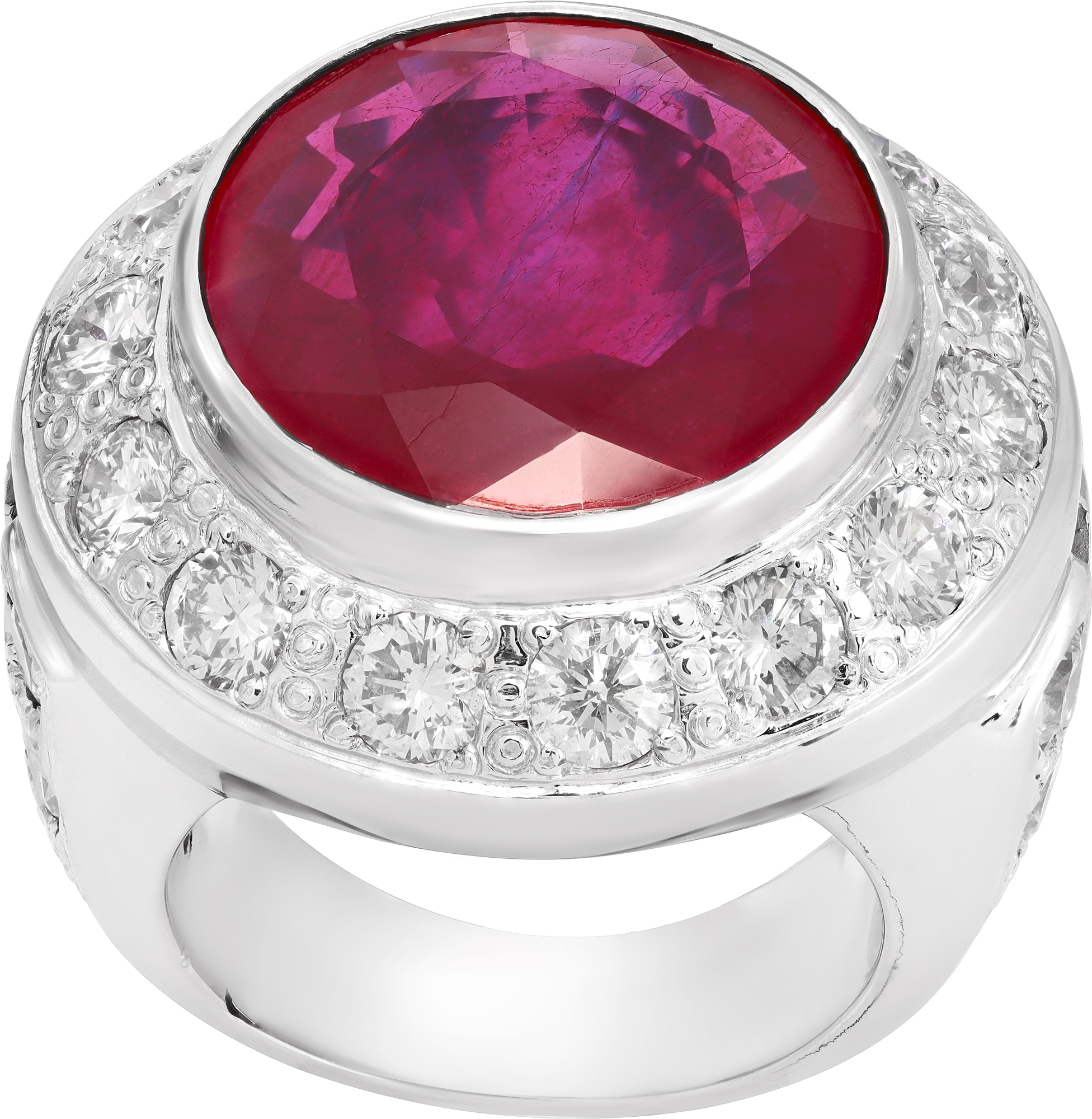
Understanding Gemological Laboratory Reports for Ruby Jewelry
Recognized gemological laboratories issue reports that document a ruby's physical and optical properties. The Gemological Institute of America (GIA), American Gemological Laboratories (AGL), and Swiss Gemmological Institute (SSEF) are among the respected institutions for colored stone analysis. These laboratories examine rubies using equipment to determine characteristics. A lab report serves as an independent third-party assessment of the gemstone's properties.
Laboratory reports may identify the ruby's geographic origin when determinable, which can affect value in the marketplace. Burmese rubies from Myanmar, particularly those from the Mogok region, have historically commanded premium prices. African rubies from Mozambique and Madagascar have gained recognition for quality in recent years. Reports may detail clarity characteristics visible under magnification, such as inclusions or surface features that affect transparency and brilliance.
If you're looking to sell your jewelry, having documentation from a reputable laboratory may facilitate the evaluation process. Professional buyers examine these reports to assess claims about quality and characteristics before making an offer.
Treatment Disclosure: Why Ruby Enhancement Matters
Treatment disclosure represents one of the critical aspects of ruby jewelry documentation because many rubies on the market have undergone enhancement processes. Heat treatment is a common method, applied to improve color and clarity by dissolving silk inclusions and enhancing the stone's overall appearance. This treatment is widely used in the gem trade. Laboratory reports may state whether heat treatment has been detected and whether any foreign substances were introduced during the process.
More extensive treatments include fracture filling with glass or similar materials to improve apparent clarity, and lead-glass filling (also called composite rubies) which involves filling surface-reaching fractures with high-lead-content glass. These treatments can reduce value compared to heated-only or untreated stones because they affect durability and may require special care. Untreated rubies of fine quality are rare and can command substantial premiums, making treatment disclosure relevant for valuation. Buyers use this information to assess the ruby's market position.
When you sell ruby jewelry, treatment disclosure builds trust with potential buyers. Whether your piece contains heat-treated, composite-filled, or untreated rubies, accurate information allows for appropriate evaluation and offers based on current market conditions.

Designer Signatures and Luxury Brand Hallmarks
Prestigious jewelry houses sign their ruby pieces with distinctive maker's marks. Houses like Cartier, Van Cleef & Arpels, Bvlgari, and Harry Winston stamp their pieces with recognizable hallmarks, typically found on clasps, bezels, or hidden surfaces. These marks may include the designer name, metal purity stamps, country marks, and sometimes serial numbers. Serial numbers and maker's marks are authentication factors among many that contribute to evaluating a piece; examination of construction methods, design details, and other characteristics also plays a role in assessment.
The presence of a designer signature can influence ruby jewelry resale value, particularly for iconic collections. Cartier's Tutti Frutti designs and Bulgari's Serpenti collection are among collectible ruby jewelry in the secondary market. Beyond the jewelry houses, renowned workshop marks from period pieces—such as those by European court jewelers or prominent American firms—may also carry value. Documentation such as original receipts or certificates may support an evaluation.
Similar to how Sterling Silver Value: Hidden Signatures Increase Worth through craftsman identification, ruby jewelry with documented designer provenance may receive enhanced consideration during the evaluation process.
What to Do When You Want to Sell Ruby Jewelry Without Paperwork
Many sellers find themselves wanting to sell ruby jewelry without paperwork because documentation was lost, never provided, or the piece was inherited without accompanying records. The absence of lab reports or original receipts does not prevent a sale, but it does change the evaluation approach. Professional buyers will conduct their own assessment using gemological equipment, examining the ruby under magnification and evaluating the overall craftsmanship and condition of the piece.
Without documentation, conservative grading and valuation may be necessary because buyers assume greater risk regarding the ruby's characteristics. In some cases, sellers may choose to obtain a contemporary laboratory report before approaching buyers, though this involves upfront cost and should be weighed against the piece's likely value. For designer pieces without original receipts, clear hallmarks, construction techniques, and stylistic elements may help support an evaluation, though verification remains more challenging.
When working with a ruby jewelry buyer, transparency about what documentation you do and don't possess allows for realistic expectations. Supporting materials like purchase receipts, emails, statements, packaging, or service records may provide context for purchase history or support an evaluation, though they do not independently prove legal ownership, manufacture, designer origin, or authenticity.
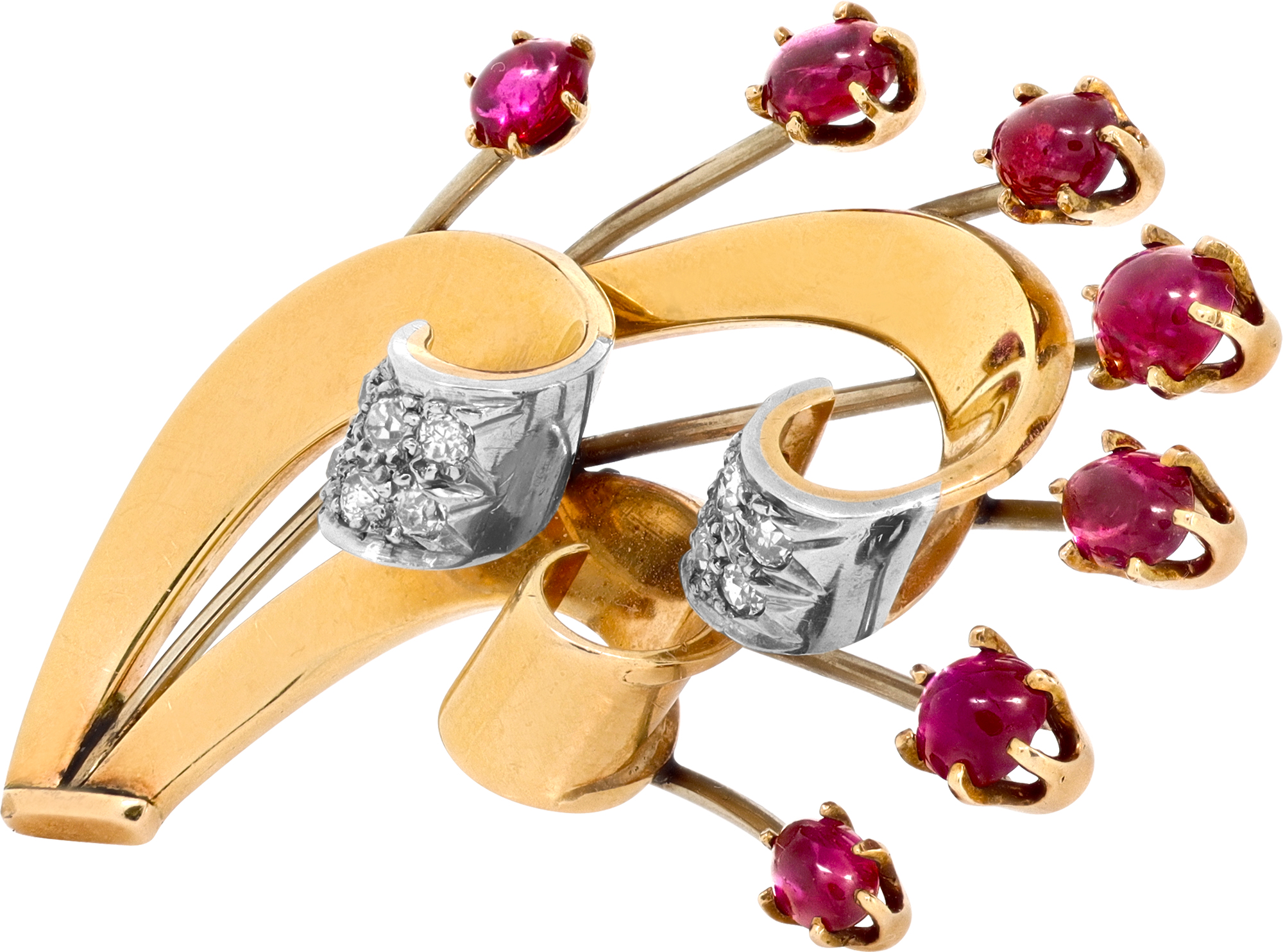
How Luxury Brand Ruby Jewelry Maintains Value
Ruby jewelry from established luxury brands can hold strong resale value due to recognized quality standards, distinctive design aesthetics, and ongoing market demand. When you sell Cartier jewelry featuring rubies, buyers evaluate both the gemstone quality and the signature style that defines the house. Cartier's use of calibrated rubies in Art Deco designs and the Tutti Frutti carved ruby motifs represent sought-after pieces in the secondary market. Authentication includes examining Cartier's evolving hallmark system, construction methods, and design details specific to different periods.
Similarly, when owners decide to sell Bvlgari jewelry, the brand's use of cabochon rubies in Mediterranean-inspired designs commands attention. Bvlgari's Serpenti collection, which often features ruby accents in the serpent's eyes or along the scales, combines recognizable design with materials. If you sell Van Cleef & Arpels jewelry with rubies, the house's patented Mystery Set technique—where gemstones appear to float without visible prongs—represents craftsmanship that maintains value.
Other luxury houses with notable ruby jewelry collections include Chopard, whose Happy Hearts collection sometimes incorporates rubies alongside diamonds, and Harry Winston, known for exceptional ruby quality and classic designs. Each brand maintains specific documentation practices and hallmarking systems that may aid in authentication and valuation.
The Role of Metal Hallmarks in Ruby Jewelry Verification
Beyond designer signatures, metal hallmarks provide information about the precious metal composition of ruby jewelry settings. Standard purity marks include "750" or "18K" for 18-karat gold, "585" or "14K" for 14-karat gold, and "950" or "PLAT" for platinum. These marks may be accompanied by country marks or assay office stamps that indicate where the piece was tested and marked. British pieces carry complete hallmark systems including maker's marks, date letters, and town marks, creating provenance trails.
Understanding metal content helps verify a piece's quality. The location, style, and clarity of hallmarks also provide clues about period and origin, as stamping practices evolved over time and varied by jurisdiction. Metal fineness is one authentication factor among many, as authentic luxury and period pieces may use various karats of gold depending on era, market, collection, and maker.
Just as Time Stamped Value: Sterling Silver Date Marks Affect Worth through dating systems, ruby jewelry with clear, verifiable hallmarks offers buyers information about the piece's metal content and age.
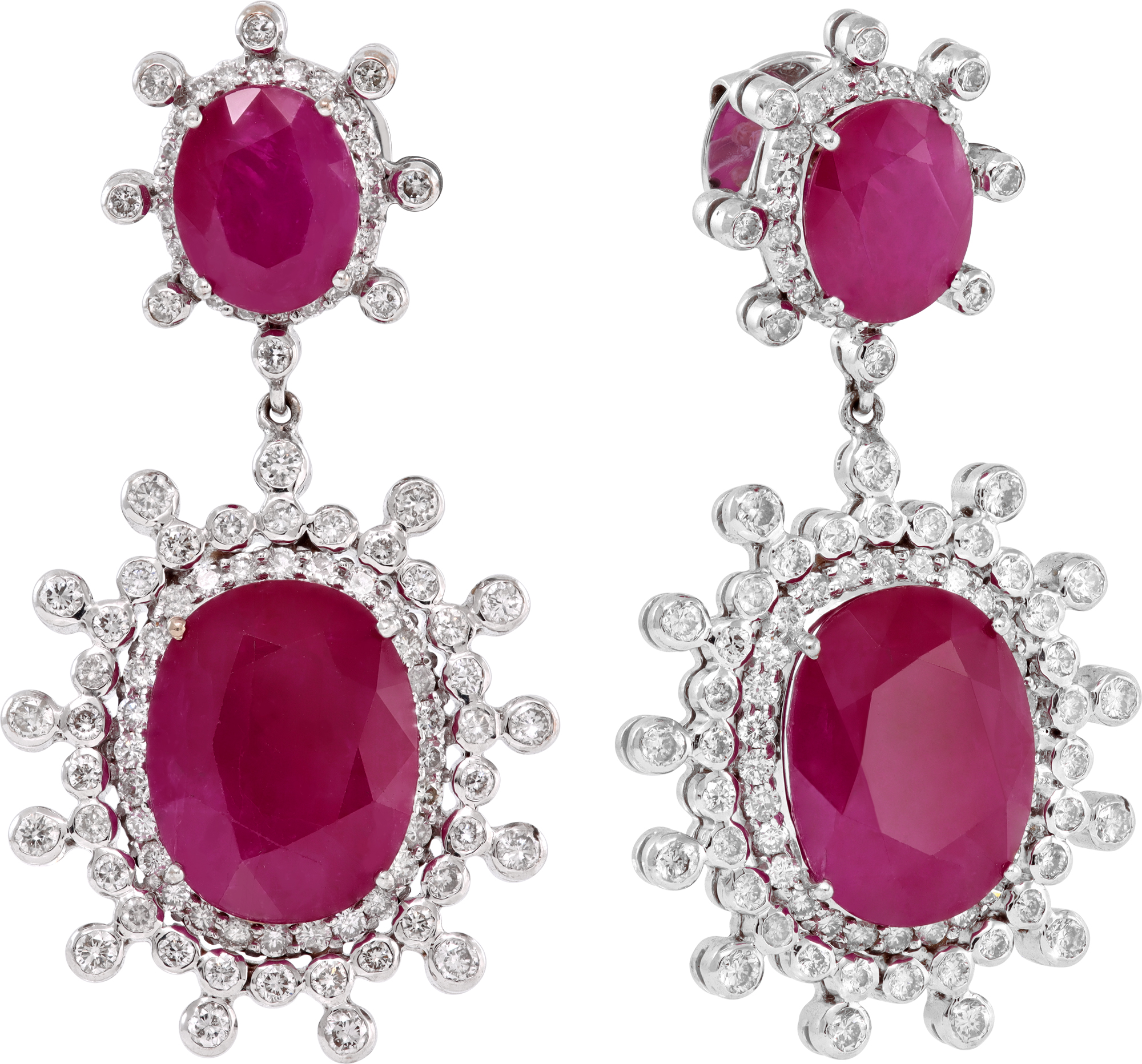
Evaluating Ruby Jewelry from Specific Designer Collections
Certain designer collections featuring rubies maintain strong recognition in the secondary market. When you sell Bvlgari Serpenti collection pieces, the serpent's distinctive coiled design and signature flexibility create brand recognition. These pieces often combine rubies with other colored gemstones or diamonds, and examples feature engineering in the articulated bracelets and necklaces. Documentation such as original boxes, certificates, and service records from Bvlgari boutiques may support an evaluation.
For those looking to sell Cartier Love bracelets or similar iconic pieces, the combination of recognizable design creates market appeal. The Love bracelet's screw motif and oval shape are extensively copied, making authentication important. Genuine pieces feature specific hallmarks, serial numbers, and construction details. Original screwdrivers, boxes, and certificates may support but do not independently prove authenticity.
Each collection has distinctive characteristics that may be examined during evaluation.
When Ruby Jewelry Includes Additional Gemstones
Many ruby jewelry pieces incorporate diamonds or other precious gemstones in combination settings, requiring evaluation of multiple materials. Diamond accents surrounding rubies may be individually certified for larger stones or assessed collectively for smaller pavé or melee diamonds. When you sell diamond engagement ring pieces that include ruby accents, both the center diamond and the accompanying rubies contribute to overall value. Quality matching between diamonds and rubies affects aesthetic appeal and market reception.
Pieces combining rubies with sapphires and emeralds create the traditional "precious trio" effect, particularly popular in vintage jewelry and certain designer collections. The quality consistency across all gemstone types influences value. Laboratory reports that document significant gemstones provide information for buyers.
Understanding that evaluation includes combination pieces helps sellers recognize that mixed-gemstone jewelry undergoes examination of each element. When diamonds carry reports and rubies have corresponding documentation, the paperwork supports evaluation.
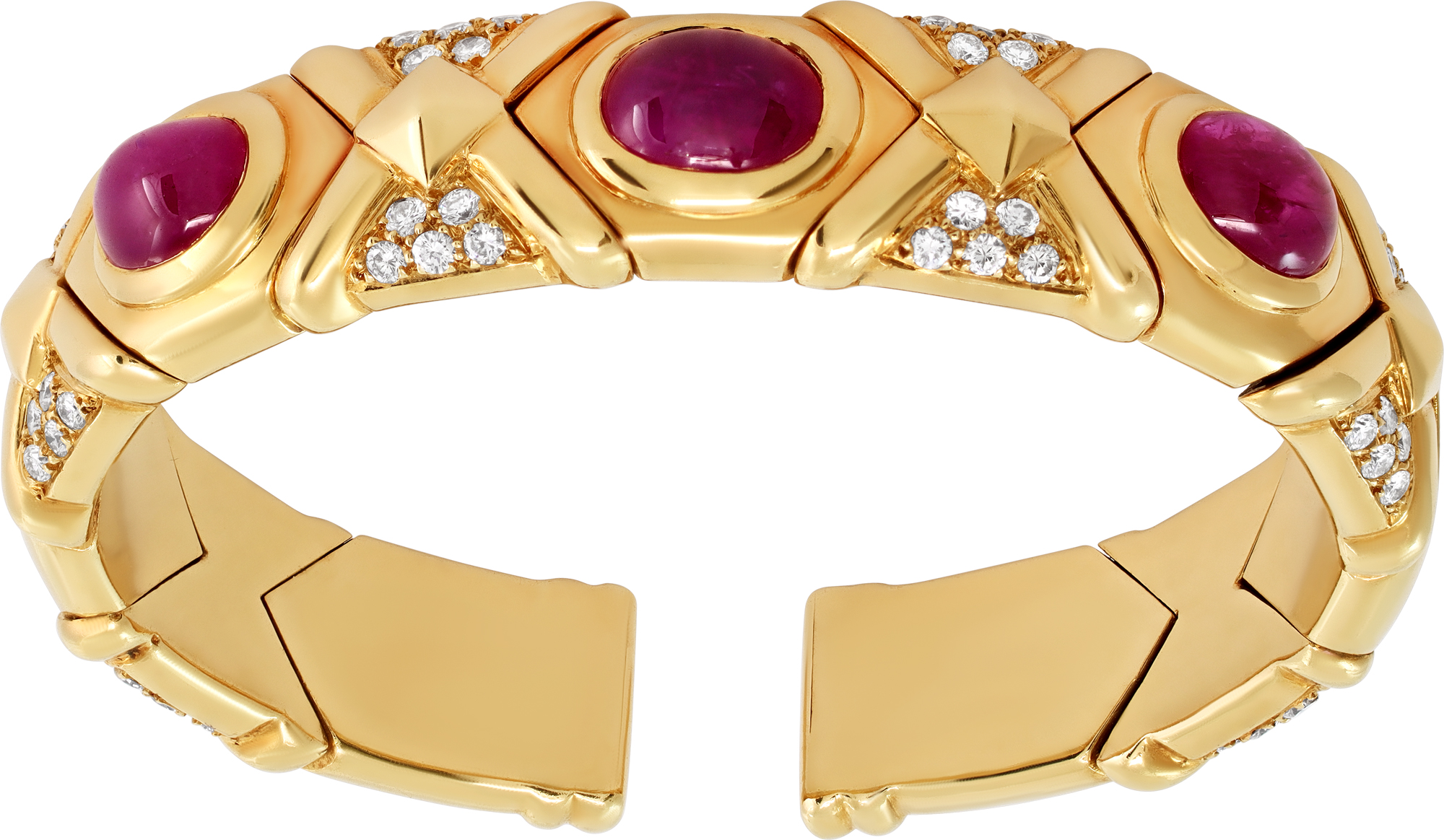
Specialized Ruby Jewelry Categories
Certain ruby jewelry categories may require specific expertise and documentation. Antique and period pieces may predate modern treatment methods. However, later repairs or stone replacements can complicate authentication, so condition reports and examination by specialists familiar with period jewelry may be valuable. Provenance documentation, including previous ownership records or auction history, adds supporting context for rare or important pieces.
Contemporary designer jewelry from artisan makers may include documentation different from major luxury houses. Studio jewelers often provide certificates describing materials, techniques, and inspiration. When these pieces feature exceptional rubies or innovative designs, documentation of the maker's credentials and the piece's creation supports evaluation. Signed pieces from recognized contemporary jewelers sometimes command premiums in specific collector markets.
Ruby jewelry combined with substantial precious metal weight, such as gold or platinum content, may be evaluated both for gemstone quality and metal value. Pieces where the metal content represents value alongside the rubies require assessment of both components.
How Contemporary Ruby Treatments Affect Documentation Needs
Advances in ruby treatment technology create evolving documentation considerations as new enhancement methods enter the market. Beryllium diffusion treatment, which alters ruby color through heat treatment in the presence of beryllium, requires specific disclosure because it affects value compared to traditional heat treatment. Laboratory reports may test for and disclose beryllium treatment when detected, using analytical equipment.
Glass-filled or composite rubies, where extensive fractures are filled with lead glass, represent heavily treated categories and command lower prices than heated-only stones. These treatments can be unstable under heat, ultrasonic cleaning, or acidic conditions, requiring special care instructions. Disclosure of such treatments is relevant because the durability considerations affect the jewelry's practical use and long-term value. Laboratory reports distinguish between minor traditional treatments and extensive modern enhancements.
The treatment landscape continues evolving, making current laboratory documentation valuable. Older pieces may have been treated using methods common in earlier periods, while contemporary rubies might undergo more sophisticated enhancement. Professional ruby jewelry buyers stay informed about treatment trends and rely on reputable laboratory analysis to assess what they're purchasing.
Working with Professional Buyers for Ruby Jewelry
Professional buyers who regularly purchase ruby jewelry have established verification processes that may include gemological examination, designer evaluation, and market research. When you verify ruby jewelry before sale, understanding what buyers examine helps you gather relevant documentation and prepare realistic expectations. Buyers typically photograph pieces thoroughly, test metal content, examine gemstones under magnification, and research comparable sales to determine appropriate offers.
The evaluation process considers multiple factors including ruby quality (color, clarity, cut, and carat weight), treatment status, designer attribution when applicable, metal content and condition, overall craftsmanship and design appeal, and current market demand for similar pieces. Documentation supporting these factors—laboratory reports, designer certificates, original receipts, or appraisals—provides information that buyers may incorporate into their assessment. However, buyers rely on their own examination and expertise.
For sellers with ruby jewelry collections or high-value pieces, working with buyers who specialize in colored gemstones and designer jewelry may yield informed evaluation. These specialists understand nuances in ruby quality, treatment effects on value, and designer market dynamics.
Bringing It All Together: Documentation Best Practices
Assembling documentation for ruby jewelry before approaching buyers streamlines the evaluation process and supports transparent transactions. Gather any laboratory reports from GIA, AGL, SSEF, or other recognized institutions; original purchase receipts; certificates or designer documentation from the jewelry house; previous appraisals; and clear photographs showing all angles, hallmarks, and condition details. Original boxes, pouches, and branded packaging may also support evaluation for designer pieces.
When documentation is incomplete, being forthcoming about what you have and don't have allows buyers to advise whether obtaining additional reports might be worthwhile. For particularly valuable rubies or pieces from major designers, investing in a current laboratory report before selling can be strategic. For more modest pieces or those where documentation costs approach the jewelry's likely value, proceeding without new reports may be more practical, with the understanding that buyers will apply conservative grading.
Similar to how October Sterling Silver Flatware Designs with Premiums benefit from proper pattern identification, ruby jewelry with thorough documentation receives more efficient evaluation and helps establish appropriate market positioning for your pieces.
Ready to Evaluate Your Ruby Jewelry?
Whether you possess comprehensive documentation or limited paperwork, professional buyers can evaluate your ruby jewelry and provide offers based on thorough examination. Understanding which lab reports, treatment disclosures, and maker's marks matter helps you prepare for the selling process and set realistic expectations about valuation factors.
If you're ready to explore options for your ruby jewelry, request a jewelry quote to begin the evaluation process.
For those with mixed collections, discover how it works to understand our quote process for luxury jewelry, watches, sterling silver, and diamonds. Learn more about the brands we buy and the types of documentation that support efficient evaluation.
About Us | Sell Us Your Jewelry
Call Us Now: 305 770 6955
The Purchasing and Consignment Division of Gray & Sons


Be the first to know | SEE OUR CATALOG

