

July 20th, 2026
Which Lab Reports, Treatment Disclosures, and Maker's Marks Help Buyers Verify Sapphire Jewelry?
Understanding sapphire jewelry lab reports, treatment disclosures, and maker's marks can affect your sapphire jewelry's resale value. When preparing to sell sapphire jewelry, knowing which documentation and identifying marks matter helps facilitate the evaluation process. Whether you own a vintage sapphire brooch or a contemporary designer piece, paperwork and hallmarks provide information that professional buyers use during assessment.
Sapphire pieces vary widely in origin, treatment history, and craftsmanship. Some stones undergo heat treatment to enhance color, while others remain untreated. Similarly, jewelry bearing certain maker's marks may reflect particular craftsmanship and materials. If you're considering working with a sapphire jewelry buyer, understanding these verification elements helps you present your piece with relevant information.
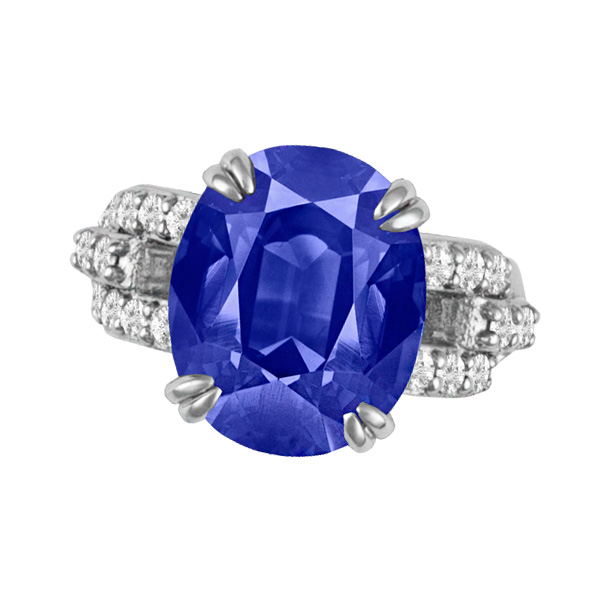
Understanding Gemological Laboratory Reports for Sapphires
Laboratory reports from gemological institutions provide analysis of a sapphire's characteristics. Organizations such as the Gemological Institute of America (GIA), American Gemological Laboratories (AGL), and Gübelin issue reports documenting various aspects of colored stones. Report contents vary by laboratory and report type.
GIA issues different report types for colored stones. A standard GIA Colored Stone Identification Report identifies the stone and may document measurements, weight, color description, and treatment findings when detected. Geographic-origin opinions are issued through GIA's separate Identification & Origin reporting service when that service is ordered and origin is determinable.
Treatment disclosure represents information that may appear in laboratory reports. Heat treatment is noted when detected by the testing laboratory. Reports will state whether a sapphire shows evidence of thermal enhancement or displays no indications of heating based on the examination conducted. Laboratory documentation of treatment status may be considered during evaluation, depending on the stone's other qualities.
Many sellers who sell sapphire jewelry find that GIA reports provide recognized documentation. AGL reports are used for colored gemstones and provide analysis when their services are ordered. When you're preparing to sell sapphires or diamonds, having laboratory documentation from recognized institutions may support the evaluation process.
If you're looking for a buyer who works with documented pieces, experienced professionals can evaluate items with various types of supporting information. Understanding how documentation provides context applies across luxury items—much like Sterling Silver Value: Hidden Signatures Increase Worth demonstrates for silver pieces.
Treatment Disclosures and Their Impact on Valuation
Treatment disclosure refers to any processes used to enhance a gemstone's appearance. For sapphires, heat treatment is used to improve color and clarity. Laboratory reports from institutions will state whether a stone shows evidence of heating when such evidence is detected during testing. Some treatments involve the introduction of foreign substances, such as beryllium diffusion or glass filling, which professional buyers evaluate.
Complete transparency about treatments matters when you sell sapphire jewelry without paperwork because buyers will conduct their own testing. Modern gemological equipment can detect enhancements, so treatments discovered during evaluation may affect the assessment process. If original laboratory documentation isn't available, professional evaluators may recommend or conduct testing to determine treatment history before evaluation.
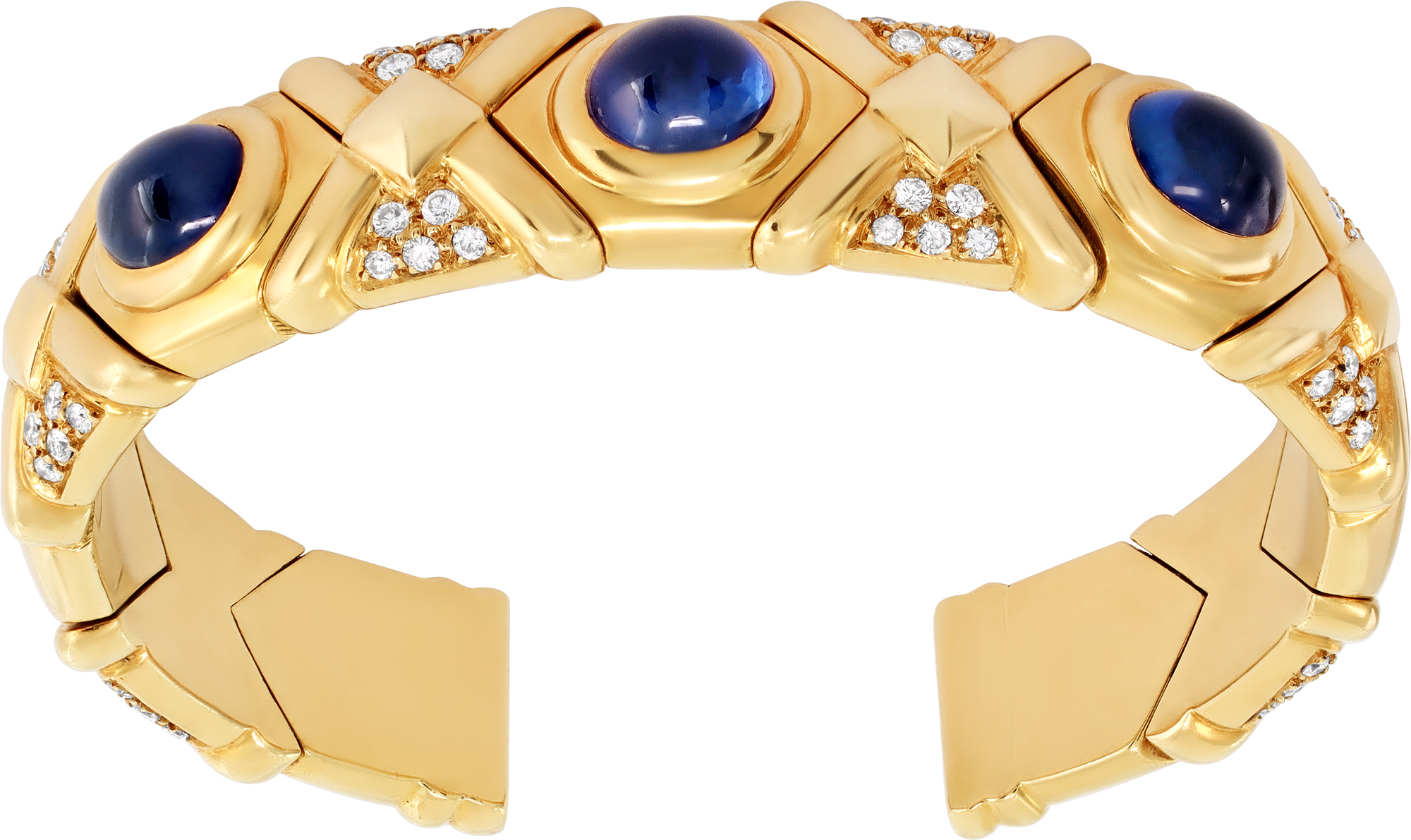
Knowing your sapphire's treatment status helps set realistic expectations. Heated sapphires represent a portion of stones in the marketplace. Each piece is evaluated individually based on its characteristics, condition, and documentation. Working with a professional buyer provides evaluation based on current market conditions.
Prestigious Maker's Marks and Designer Signatures
Designer signatures and manufacturer hallmarks provide information that may support attribution and provenance for sapphire jewelry. Pieces bearing marks from houses such as Cartier, Tiffany & Co., Van Cleef & Arpels, Harry Winston, or Bvlgari may reflect particular craftsmanship and materials. These marks usually appear stamped inside ring bands, on bracelet clasps, or along necklace findings, accompanied by metal purity marks indicating 18k or platinum content.
When evaluating designer jewelry, the maker's mark serves as one factor that professional buyers examine during authentication. Cartier pieces display the Cartier signature along with metal content stamps and sometimes include serial numbers. Tiffany & Co. marks their pieces with "Tiffany & Co." alongside metal purity indicators, with styles and mark variations that evolved over decades of production.
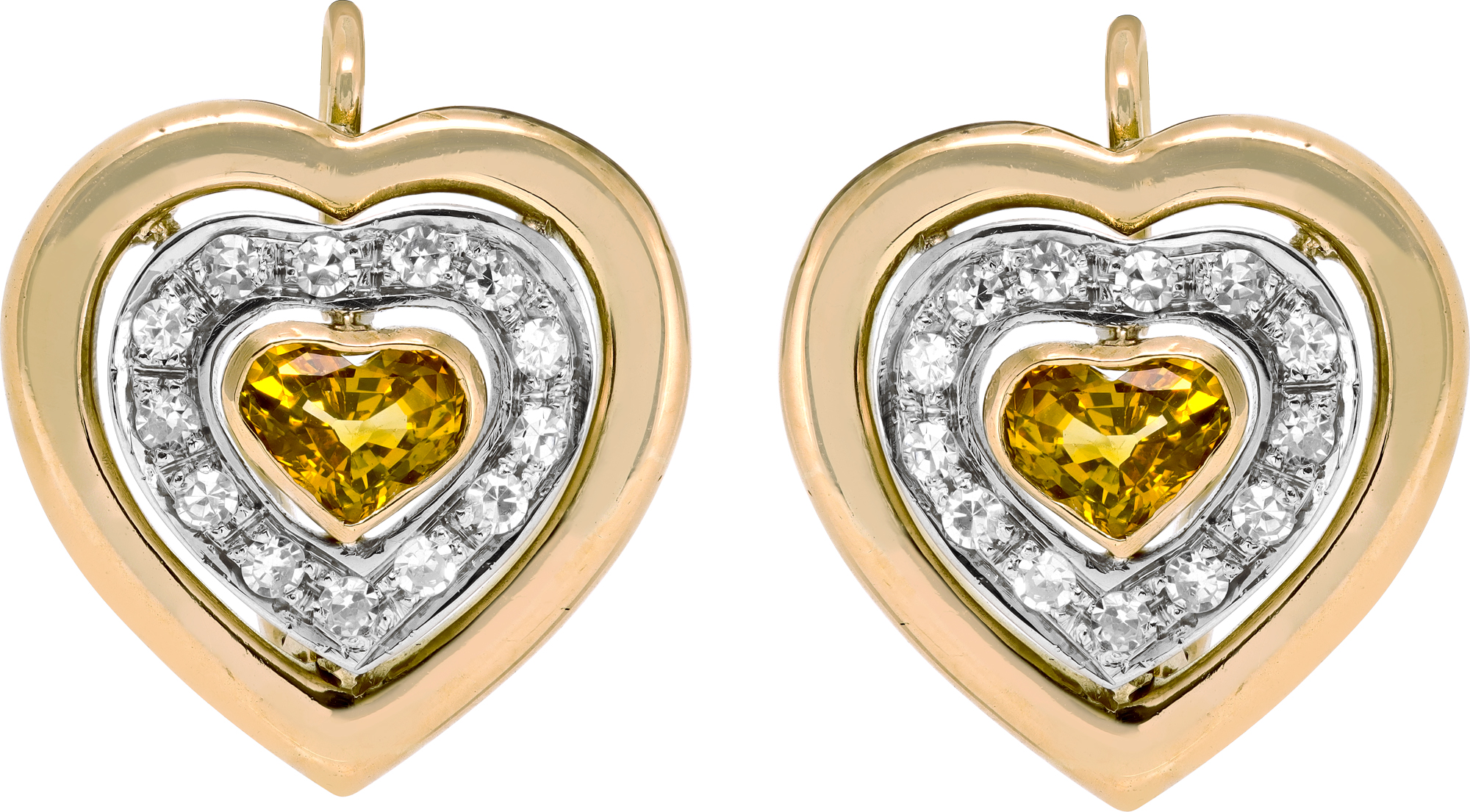
The presence of hallmarks from recognized makers provides context during evaluation, though buyers will examine the entire piece—including the quality of the sapphire, metalwork, and overall condition. When preparing to present designer jewelry, locating and photographing marks clearly helps streamline the initial assessment. These identifying features work similarly to how Time Stamped Value: Sterling Silver Date Marks Affect Worth explains date marks providing context for silver pieces.
Iconic Collections and Their Identifying Features
Certain designer collections have distinctive design elements that serve as visual signatures. The Cartier Panthère collection features panther motifs, while the Bvlgari Serpenti collection showcases serpent-inspired designs with articulated scales. Van Cleef & Arpels Alhambra collection pieces display the quatrefoil clover shape, making them identifiable to informed buyers and collectors.
When presenting pieces from these collections, design signatures combined with maker's marks provide information considered during authentication. Other collections include the Harry Winston Winston Cluster collection and various Tiffany & Co. lines such as the Return to Tiffany collection and Paper Flowers collection.

Understanding these design characteristics helps when you're evaluating pieces for sale. If you own items from designers like David Yurman, particularly the Cable collection, or Roberto Coin pieces including the Princess Flower collection or Roman Barocco collection, familiarizing yourself with their distinctive styling and marks aids in identification. This knowledge parallels the way understanding pattern names helps when you explore October Sterling Silver Flatware Designs with Premiums.
What to Do When Original Documentation Is Missing
Many sapphire pieces change hands over generations without retaining their original paperwork. If you inherited jewelry or acquired it without documentation, professional buyers can still evaluate your piece, though the process may involve additional authentication steps. Experienced evaluators use tools including microscopic examination, spectroscopic analysis, and gemological testing to assess quality.
When you sell sapphire jewelry without paperwork, providing any available information about the piece's history, purchase origin, or previous ownership can offer helpful context. Elements like original presentation boxes, receipts, or service records may support purchase history or provide background during the evaluation process.
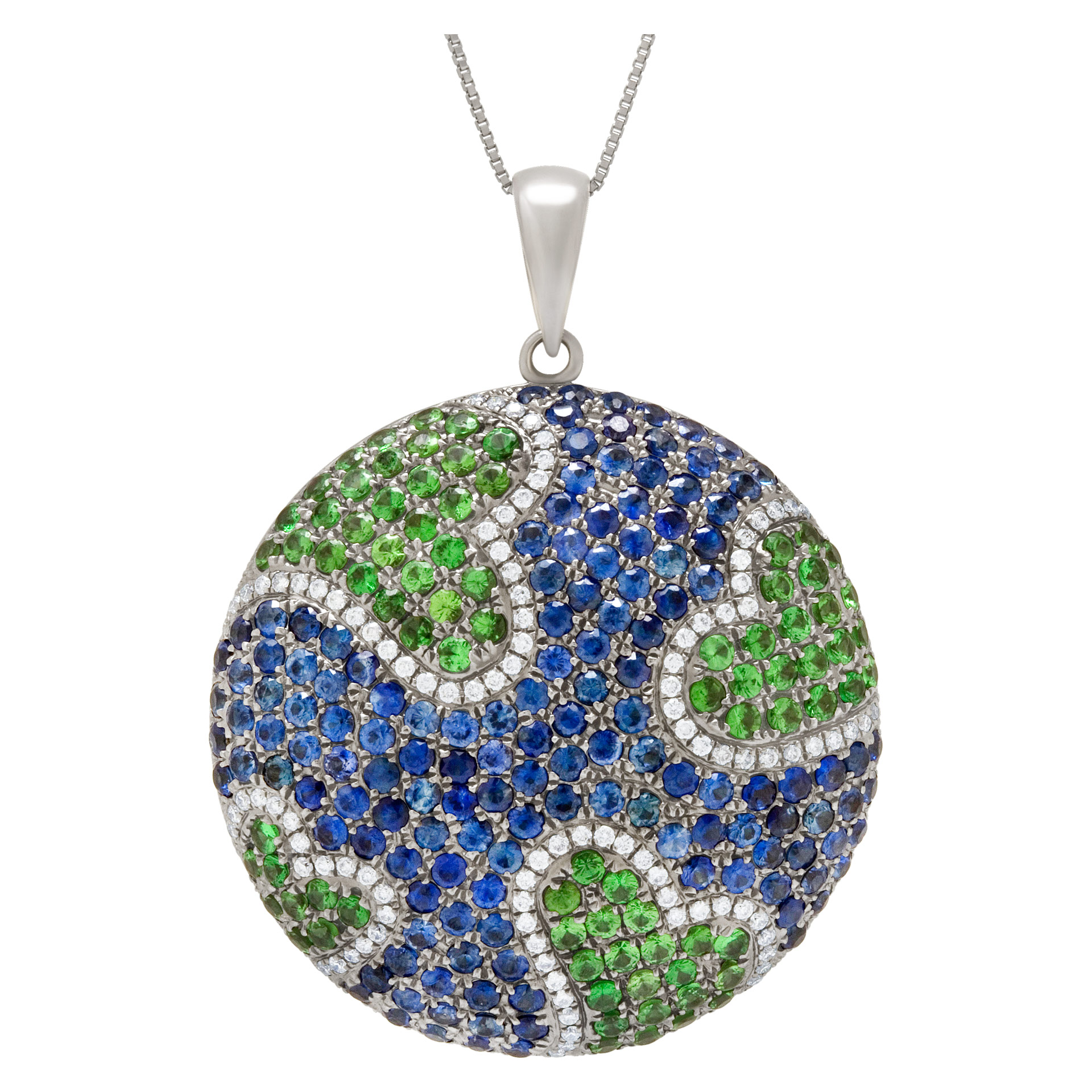
The absence of laboratory reports doesn't prevent evaluation—many pieces were created before modern certification practices became standard. Professional buyers recognize this reality and maintain relationships with gemological laboratories for verification purposes when needed. Working with knowledgeable buyers who understand authentication processes helps facilitate thorough evaluation regardless of available documentation.
How Metal Marks and Purity Stamps Support Authentication
Beyond maker's marks, metal purity stamps provide information about your jewelry's composition. Stamps indicating "585" or "14K" denote 14-karat gold, while "750" or "18K" marks identify 18-karat gold. Platinum pieces typically display "950 PLAT," "PLATINUM," or "PT950" stamps. These marks usually appear alongside or near designer signatures, and their presence, style, and placement can help support verification of material composition.
When evaluating designer pieces, examining the metal marks provides baseline information about material quality. High-end houses used precious metals of specific purities during different eras, and deviations from expected standards may prompt additional scrutiny during authentication. These marks serve as another verification factor alongside design characteristics and maker's signatures.
The style and execution of stamps themselves can provide authentication considerations. Luxury manufacturers used stamping techniques, with marks that appear in traditional locations. This attention to detail in metalwork and marking parallels the way Sterling Silver Marks: Identify & Maximize Value demonstrates the importance of proper hallmarks for silver pieces.
Additional Designers and Collections Worth Noting
Beyond the major houses, several other designers create sapphire jewelry that buyers may recognize. Chopard Happy Diamonds collection and Chopard Ice Cube collection feature recognizable design elements, while Piaget Possession collection rings display their characteristic rotating bands. Understanding these signature features helps you accurately describe your pieces.
Other names include David Webb, known for bold, sculptural designs incorporating vibrant gemstones, and John Hardy, recognized for hand-finished sterling silver and mixed-metal pieces, particularly the Classic Chain collection. Carrera y Carrera creates pieces featuring sculptural elements and detailed metalwork. These makers' distinctive styles serve as visual identifiers that complement any marks or signatures present.
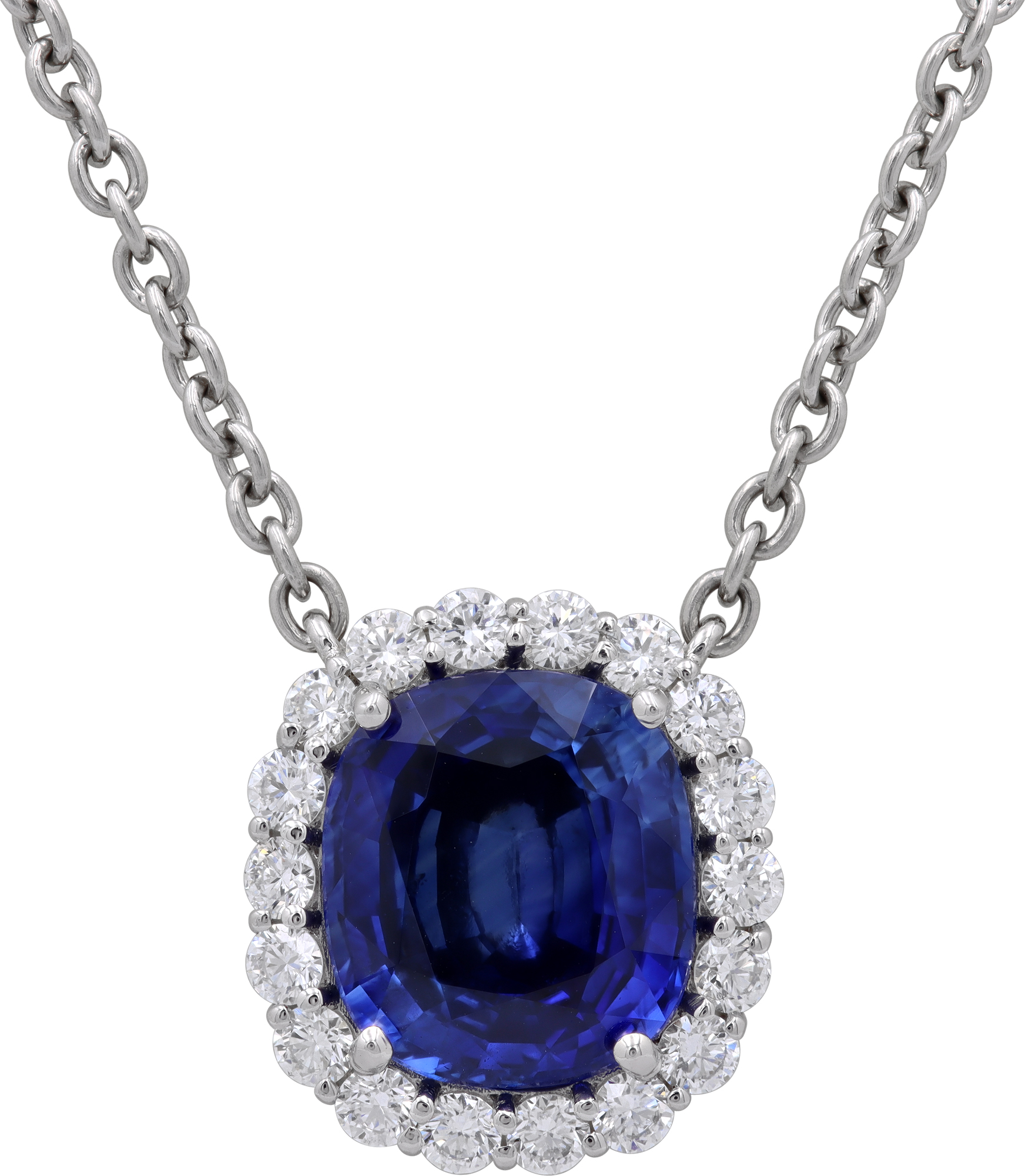
Contemporary designers like Judith Ripka bring recognizable styling to their collections, while houses such as Gucci and Chanel, known primarily for fashion and accessories, also produce fine jewelry with distinctive branding. If you own such pieces, the combination of house style, marks, and quality execution contribute to evaluation. Louis Vuitton jewelry also carries recognizable aesthetic characteristics.
Beginning Your Evaluation Process
Once you've gathered available documentation and identified marks on your sapphire jewelry, connecting with a qualified buyer is the next step. Professional evaluators will review photographs initially, examining maker's marks, metal stamps, and overall design characteristics. They'll inquire about any laboratory reports, receipts, or other documentation you possess. This preliminary assessment helps determine whether a formal in-person or insured shipping evaluation makes sense for your particular piece.
Understanding what documentation and marks professional buyers seek helps you prepare for this process. Clear photographs showing all marks, stamps, and signatures from multiple angles provide helpful initial information. Images of any available paperwork, including laboratory reports, original receipts, or appraisals, give evaluators context before physical examination. This preparation streamlines the evaluation process and helps facilitate assessment of your sapphire jewelry's characteristics.
Whether you're looking to explore options for the first time or have experience with luxury items, working with established buyers helps ensure your pieces will receive knowledgeable evaluation. The same principles of documentation and authentication apply whether you're selling sapphire jewelry or exploring other options.
Preparing to Sell Your Sapphire Jewelry
If you've inherited items containing sapphires or own pieces you're considering selling, taking inventory of what documentation and identifying marks you have creates a starting point. Check inside ring bands, behind pendants, along bracelet clasps, and on earring backs for hallmarks and signatures. Gather any boxes, papers, or certificates stored with the jewelry. Even partial documentation can provide helpful context during evaluation.
Professional buyers understand that not every piece comes with complete provenance. They have resources and expertise to evaluate sapphire jewelry based on the item itself, combined with whatever documentation you can provide. Whether your sapphire jewelry bears marks from recognized designers or consists of unsigned vintage pieces, thorough professional evaluation considers all available evidence.
The evaluation process takes into account multiple factors including the sapphire's characteristics, metal quality, craftsmanship, condition, and any available documentation or identifying marks. Understanding these elements helps you approach the process informed.
Take the Next Step
Understanding sapphire jewelry lab reports, treatment disclosures, and maker's marks helps you engage with professional buyers. Whether your pieces include laboratory documentation or you're working with inherited items whose paperwork has been lost, qualified evaluators can assess your sapphire jewelry's characteristics and provide informed guidance.
Ready to explore your options? Start by requesting an evaluation at what is my jewelry worth, where experienced professionals understand the nuances of fine jewelry authentication and assessment. Learn more about the comprehensive brands we buy and discover how it works to begin your evaluation today.
About Us | Sell Us Your Jewelry
Call Us Now: 305 770 6955
The Purchasing and Consignment Division of Gray & Sons


Be the first to know | SEE OUR CATALOG

