

August 5th, 2026
How Buyers Authenticate Your Richard Mille Watch Before Making a Final Offer
When you decide to sell Richard Mille watch pieces from your collection, understanding the Richard Mille watch buyer authentication process can help you prepare for a smooth transaction. Richard Mille timepieces represent some of the most technically sophisticated and valuable watches in the luxury market, with their innovative materials and complex movements commanding significant investment. Professional buyers implement comprehensive verification procedures before making any final offer, ensuring both parties can proceed with confidence in the watch's authenticity and condition.
The authentication process goes far beyond a simple visual inspection. Experienced watchmakers and specialists examine every aspect of your timepiece using specialized tools, technical knowledge, and reference materials to verify its legitimacy. This thorough approach protects buyers from counterfeits while ensuring sellers receive accurate valuations based on their watch's true specifications and provenance.
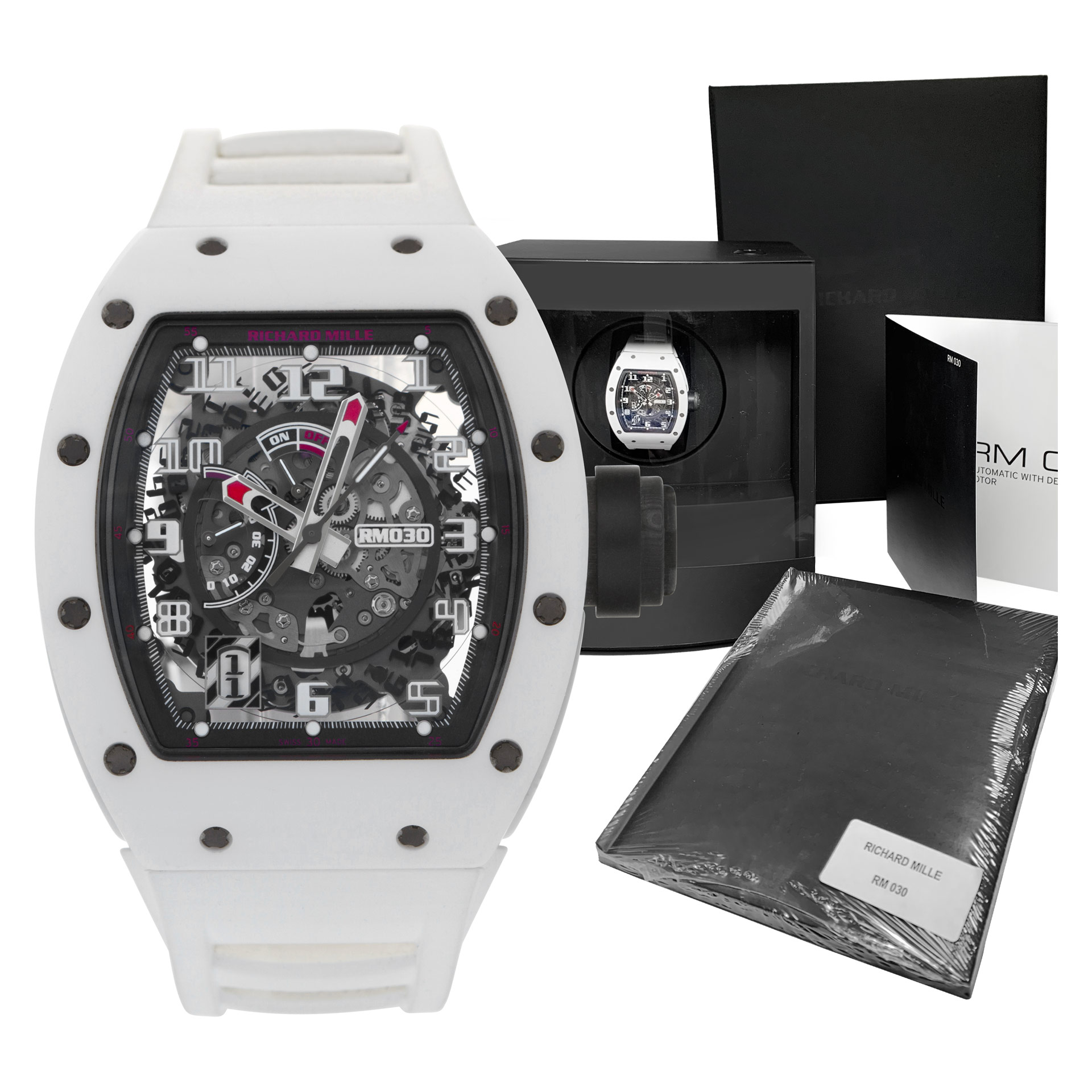
Whether you're working with a Richard Mille watch buyer in person or submitting your timepiece for evaluation remotely, the authentication steps remain methodical. Understanding these procedures can help you gather the right documentation and present your watch in the best possible light for evaluation.
Initial Visual Inspection and Case Examination
The authentication journey begins with a detailed visual assessment of the watch case, which serves as the foundation for identifying genuine Richard Mille craftsmanship. Specialists examine the case construction, noting the use of proprietary materials such as LITAL® silicon-aluminum alloy, Carbon TPT®, or grade 5 titanium that characterize authentic Richard Mille watches. The finishing quality, including brushed and polished surfaces, must exhibit the microscopic precision associated with the brand's manufacturing standards.
Engraving depth, font consistency, and placement of model numbers receive careful scrutiny during this initial phase. Authentic Richard Mille watches feature crisp, uniform engravings that counterfeiters struggle to replicate with the same level of detail. Evaluators also examine the sapphire crystal for proper anti-reflective coating and any telltale signs of aftermarket replacement that might affect the watch's value.
When preparing to sell your watch, ensure it's clean and accessible for examination. Professional buyers need clear visibility of all case details, including the area around the crown, case back, and any decorative elements or complications visible through the crystal.
Movement Authentication and Technical Analysis
The movement represents the heart of any Richard Mille timepiece and undergoes rigorous authentication procedures. Master watchmakers carefully open the case back to examine the movement architecture, noting the specific caliber designation and comparing it against manufacturer specifications for that particular model. Richard Mille movements feature distinctive design elements, finishing techniques, and component arrangements that provide authentication markers.
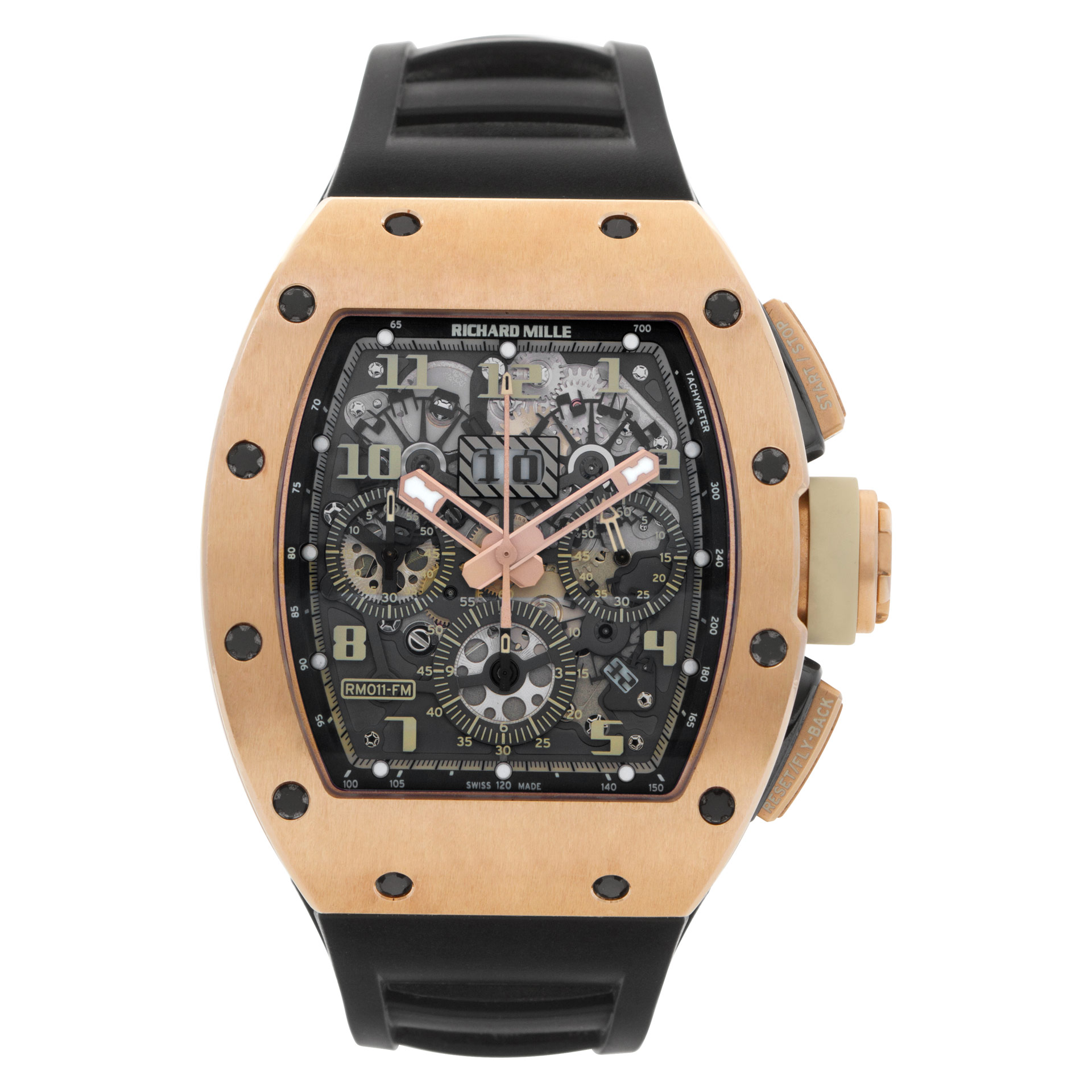
Technical evaluation includes testing the movement's performance on specialized timing equipment that measures accuracy, amplitude, and beat error. These mechanical characteristics must align with the expected performance parameters for the specific caliber. Specialists also examine jewel quality, bridge finishing, and the presence of proprietary Richard Mille technologies such as their variable-geometry rotor or torque-limiting crown systems.
Richard Mille specialists look for the unique technical innovations and finishing details that distinguish genuine movements from reproductions. Any deviation from expected specifications raises concerns that require additional investigation.
Serial Number Verification and Documentation Review
Serial numbers provide important reference points during authentication, though they represent just one factor in the overall verification process. Evaluators record the serial number engraved on the movement and case, checking the format and placement against known Richard Mille standards for that production period. The presence of a serial number alone does not authenticate a watch, as counterfeiters may engrave plausible numbers on fake pieces.
Documentation review supplements the physical examination, with specialists examining any papers, certificates, or service records accompanying the watch. Original warranty cards, purchase receipts, and service documentation from authorized Richard Mille service centers may support attribution and purchase history. These documents provide helpful context but do not independently verify authenticity. Requirements for documentation vary depending on the specific buyer and verification process.
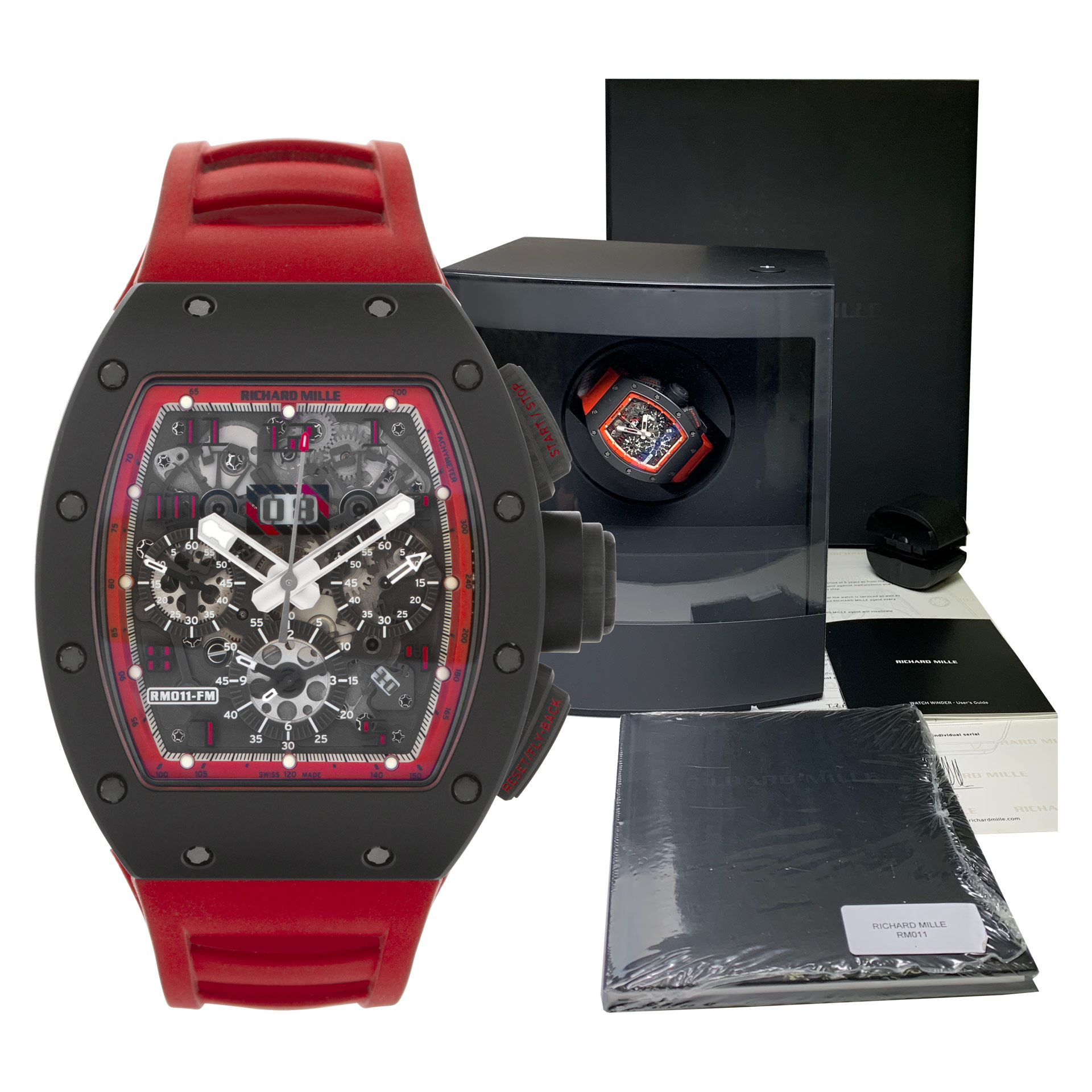
When you sell your Richard Mille watch in Miami or any other location, gathering any available documentation helps streamline the authentication process. Service records showing maintenance history may support evaluation of the watch's care over time.
Strap, Clasp, and Component Authentication
Every component of a Richard Mille watch, from the strap to the smallest screw, receives careful examination during authentication. Genuine Richard Mille straps feature specific materials, stitching patterns, and attachment systems that differ from aftermarket alternatives. The clasp or buckle bears hallmarks, logos, and finishing details that must match the quality and specifications expected for that particular model and production year.
Specialists verify that all removable components, including crowns, pushers, and strap attachments, exhibit the proper markings and mechanical functionality. Richard Mille uses proprietary designs for many of these elements, making them difficult to accurately replicate. The presence of non-original parts doesn't necessarily indicate a counterfeit watch but will affect its market value and may require additional scrutiny to determine whether the core timepiece itself is authentic.
Similar attention to detail applies when evaluating other luxury timepieces, as specialists understand that every component contributes to the item's overall authenticity and value assessment.
Advanced Testing Procedures and Material Analysis
For particularly valuable Richard Mille models or cases where initial examination raises questions, buyers may employ advanced testing procedures. Ultraviolet light examination can reveal inconsistencies in luminous materials or adhesives that differ from factory specifications. Loupe inspection at high magnification exposes tooling marks, finishing details, and micro-engravings that counterfeiters typically cannot reproduce accurately.

Material testing may include non-destructive analysis techniques to verify the composition of case materials, particularly for exotic composites like Carbon TPT® or Quartz TPT® that represent significant components of the watch's value. These proprietary materials exhibit specific characteristics that can be identified through appropriate testing methods. Weight measurements also provide useful data points, as authentic Richard Mille watches using specific materials should fall within expected ranges for their size and construction.
The comprehensive authentication process reflects the significant investments represented by these timepieces and requires specialized expertise and appropriate equipment to reach reliable conclusions.
Understanding the Authentication Timeline
The Richard Mille final offer inspection typically requires several hours to complete thoroughly, though complex models with multiple complications may need additional time for comprehensive evaluation. Professional buyers balance thoroughness with efficiency, understanding that sellers appreciate timely responses while also requiring confidence in their assessment.
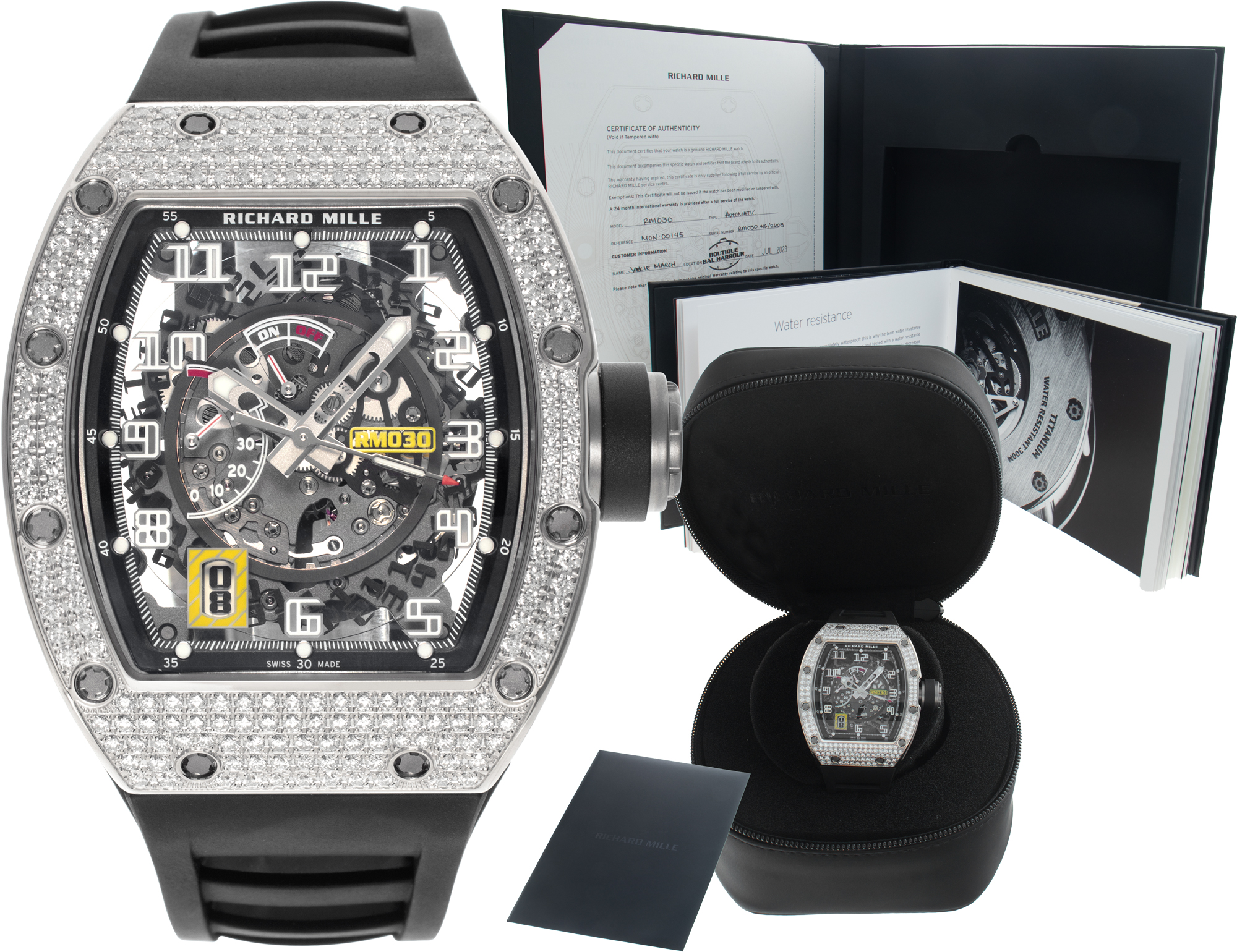
Remote evaluations may extend the timeline, as watches must be securely shipped to the buyer's facility, undergo the full authentication process, and then receive a formal offer. In-person evaluations at a buyer's location can often be completed more quickly, though the same methodical approach applies regardless of setting. Understanding these timeframes helps sellers plan accordingly and set realistic expectations for when they'll receive their final offer.
Authentication for multiple timepieces may extend the overall evaluation period. Each watch deserves individual attention to ensure accurate assessment and appropriate valuation.
How Service History Affects Authentication
Service records and maintenance history provide valuable context during the authentication process, offering insights into the watch's care and any work performed since leaving the factory. Documentation from authorized Richard Mille service centers may support attribution, as these records can indicate the watch has been serviced according to factory standards. These records may note replaced components, maintenance performed, or adjustments made to the movement.
However, the absence of service documentation doesn't prevent authentication. Many legitimate Richard Mille watches change hands without complete service histories, particularly in the secondary market. Evaluators can still verify authenticity through physical examination and technical testing, though their acceptance and evidentiary value vary by buyer. Learn more about how Richard Mille service records affect a watch buyer's offer when preparing your timepiece for evaluation.
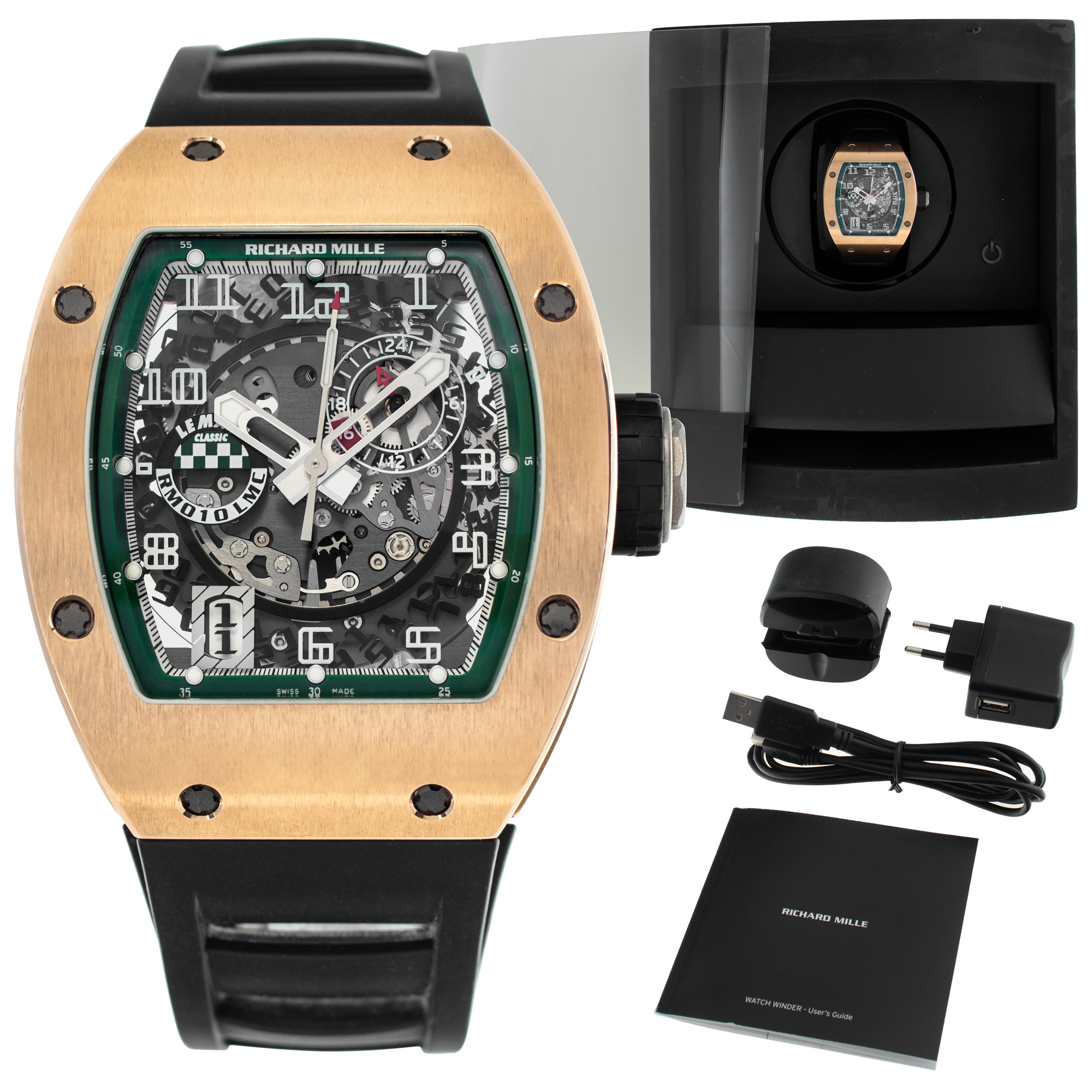
Service documentation provides helpful supporting context but represents just one factor in the authentication and valuation process. Professional buyers understand that legitimate watches may lack complete documentation while still commanding strong market value.
Original Parts and Their Impact on Value
The Richard Mille watch value depends significantly on whether the timepiece retains its original components or has undergone modifications. During authentication, specialists carefully note any replacement parts, aftermarket modifications, or non-factory alterations that affect the watch's originality. While replaced components don't automatically indicate a counterfeit watch, they do influence market desirability and the final offer amount.
Factory service replacements using genuine Richard Mille parts generally affect value less than aftermarket modifications, though evaluators still consider any deviation from original specifications. Documentation showing that replacement parts were installed by authorized service centers may support the evaluation of such changes. Watches retaining all original components, including strap, buckle, and crown, typically command premium valuations in the secondary market.
Understanding original vs replacement parts and what changes the resale value of your Richard Mille watch helps sellers prepare realistic expectations for their offer. This consideration applies across luxury timepiece categories.
Comparing Authentication Across Luxury Watch Brands
While Richard Mille authentication shares some common principles with other luxury watch evaluations, the brand's unique materials and construction require specialized knowledge. The proprietary composites, innovative movement designs, and unconventional case architectures demand expertise specifically focused on Richard Mille's technical characteristics. This specialization differs from authentication procedures for more traditional luxury watches that follow conventional construction methods.
Richard Mille's relatively recent establishment and constantly evolving technical innovations mean authenticators must stay current with the latest models and manufacturing techniques. The limited production numbers for many Richard Mille models also mean fewer examples exist for comparison purposes.
Professional buyers who handle multiple brands maintain expertise across different authentication requirements, applying appropriate methodologies for each timepiece category.
Preparing Your Richard Mille for Authentication
Sellers can facilitate the authentication process by presenting their watch in good condition and gathering any available documentation before the evaluation. Clean the watch gently with a soft cloth to remove surface dirt and fingerprints, ensuring evaluators can clearly see case details and engravings. Avoid attempting any repairs or adjustments yourself, as unauthorized work may create additional concerns during authentication.
Compile any paperwork related to the watch, including original purchase receipts, warranty cards, service records, and appraisal documents. While these materials may support purchase history and attribution, their evidentiary value varies by buyer and they can assist in the evaluation process. If the original box and presentation materials are available, include them as well, though their presence primarily affects overall value rather than authentication itself.
Proper preparation helps ensure a smooth authentication experience. Whether you choose in-person assessment or remote evaluation, presenting your watch clearly and gathering available documentation facilitates the process.
Understanding Your Final Offer
Once authentication concludes successfully, buyers formulate their final offer based on the watch's verified authenticity, condition, market demand, and current wholesale pricing. The offer reflects the watch's specifications, any replacement parts or condition issues noted during inspection, and the completeness of accompanying documentation. Richard Mille watch buyer professionals consider multiple factors when determining fair market value for authenticated pieces.
The final offer may vary from initial estimates provided before physical inspection, as authentication sometimes reveals details not visible in photographs or described in preliminary submissions. Condition issues, aftermarket modifications, or documentation concerns can affect the offer amount. Conversely, watches that prove to be particularly well-preserved or include desirable documentation may receive offers exceeding initial estimates.
Professional buyers apply evaluation processes to match each manufacturer's unique characteristics.
Working with Specialized Richard Mille Buyers
Choosing a buyer with specific Richard Mille expertise ensures your timepiece receives proper evaluation from knowledgeable specialists. Specialists who regularly handle Richard Mille watches maintain current knowledge of model variations, common counterfeit indicators, and market trends specific to the brand.
Experienced Richard Mille buyers invest in the specialized tools and reference materials needed for proper authentication, from timing equipment calibrated for these movements to material testing apparatus for exotic composites. This specialization benefits sellers by ensuring thorough, accurate evaluations that protect both parties.
Whether you're looking to authenticate Richard Mille watch before sale or need evaluation services for other luxury items, working with specialists familiar with your specific items ensures reliable authentication outcomes.
Additional Considerations for Rare Models
Limited edition and particularly rare Richard Mille models may require additional authentication steps and extended evaluation periods. These exceptional timepieces often feature unique materials, complications, or design elements not found in regular production models, necessitating deeper research and verification. Buyers may need to consult reference sources or examine multiple materials before reaching final authentication conclusions.
The rarity of these models can work both for and against sellers during authentication. Genuine rare models command premium valuations and attract serious collector interest. However, their desirability may require extra diligence during verification. Buyers must balance the opportunity represented by rare models against authentication requirements.
Understanding these considerations helps sellers maintain realistic expectations about authentication timelines and processes for exceptional pieces.
Making Your Decision After Authentication
Once you receive your final offer following successful authentication, you'll need to decide whether to accept the buyer's proposal or explore other options. Professional buyers provide offers that reflect current market conditions and the specific characteristics of your authenticated Richard Mille watch. Consider how the offer compares to your expectations and any timeline pressures you may face for completing the sale.
Remember that authentication and valuation represent distinct steps in the selling process. A watch may authenticate successfully while still receiving an offer lower than anticipated if condition issues, replacement parts, or market factors affect its value. Conversely, watches in exceptional condition with complete documentation may exceed initial value estimates. Understanding this distinction helps sellers make informed decisions about accepting offers.
If you're considering selling multiple items simultaneously, learn about strategies for selling mixed watch and jewelry collections to understand how different approaches may affect your overall proceeds. The right choice depends on your specific items, timeline, and financial goals.
Get Started with Your Richard Mille Authentication
Ready to begin the authentication process for your Richard Mille watch? Visit Sell Us Your Jewelry to learn about our straightforward quote process and submit information about your watch for professional evaluation.
We understand that selling a significant timepiece like a Richard Mille represents an important financial transaction requiring confidence in the authentication process. Our specialists apply thorough verification procedures to ensure accurate authentication and fair valuation.
Beyond Richard Mille watches, we also evaluate other luxury timepieces and brands we buy including Rolex, Patek Philippe, and Audemars Piguet.
Contact us today to begin your authentication journey and discover what your Richard Mille watch is truly worth in today's market.
About Us | Sell Us Your Jewelry
Call Us Now: 305 770 6955
The Purchasing and Consignment Division of Gray & Sons


Be the first to know | SEE OUR CATALOG

