

July 17th, 2026
Sell Mixed Watch and Jewelry Collections Together or Separately? How Buyers Compare Net Proceeds
When you're ready to sell watch and jewelry collections, one of the most important decisions you'll face is whether to offer everything as a single lot or to separate individual pieces. This choice can significantly impact your final proceeds, and understanding how buyers evaluate mixed collections helps you make the most informed decision. Whether you've inherited a diverse estate, are downsizing your personal collection, or simply prefer to liquidate multiple luxury items at once, the strategy you choose matters.
The question of selling together versus separately doesn't have a universal answer. Each approach offers distinct advantages and potential drawbacks that depend heavily on the specific items you own, their condition, documentation, and the current market demand for each piece. A watch and jewelry collections buyer evaluates multiple factors when reviewing a mixed lot, and knowing these considerations empowers you to maximize your returns.
Understanding How Buyers Evaluate Mixed Collections
Professional buyers assess mixed watch and jewelry collections through a comprehensive evaluation process that considers each item's individual merits as well as the collection's overall composition. When you sell watch and jewelry collections as a group, buyers must allocate time and expertise across multiple categories—luxury timepieces require horological knowledge, while fine jewelry demands gemological expertise. This multifaceted evaluation influences how buyers structure their offers.
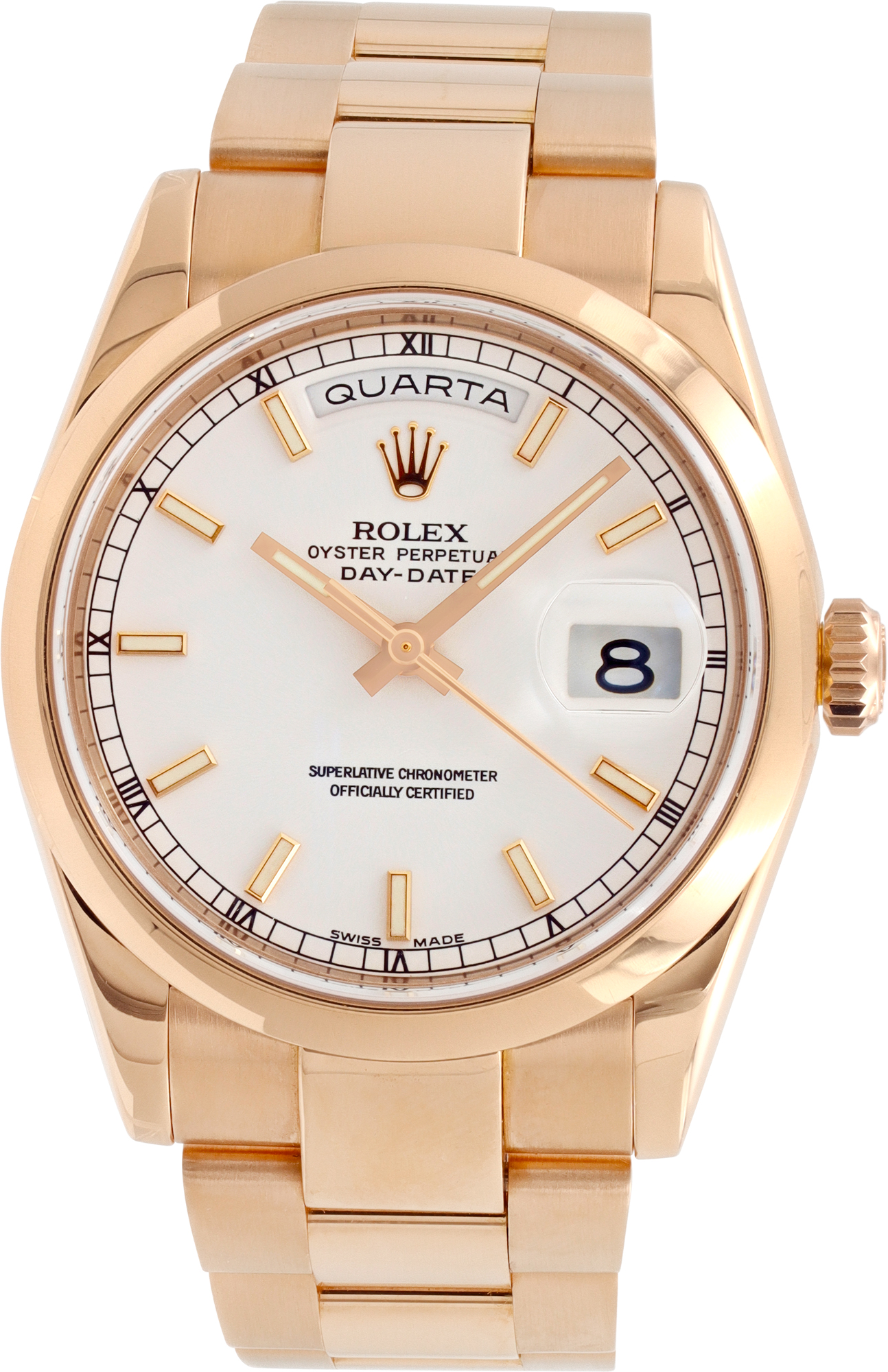
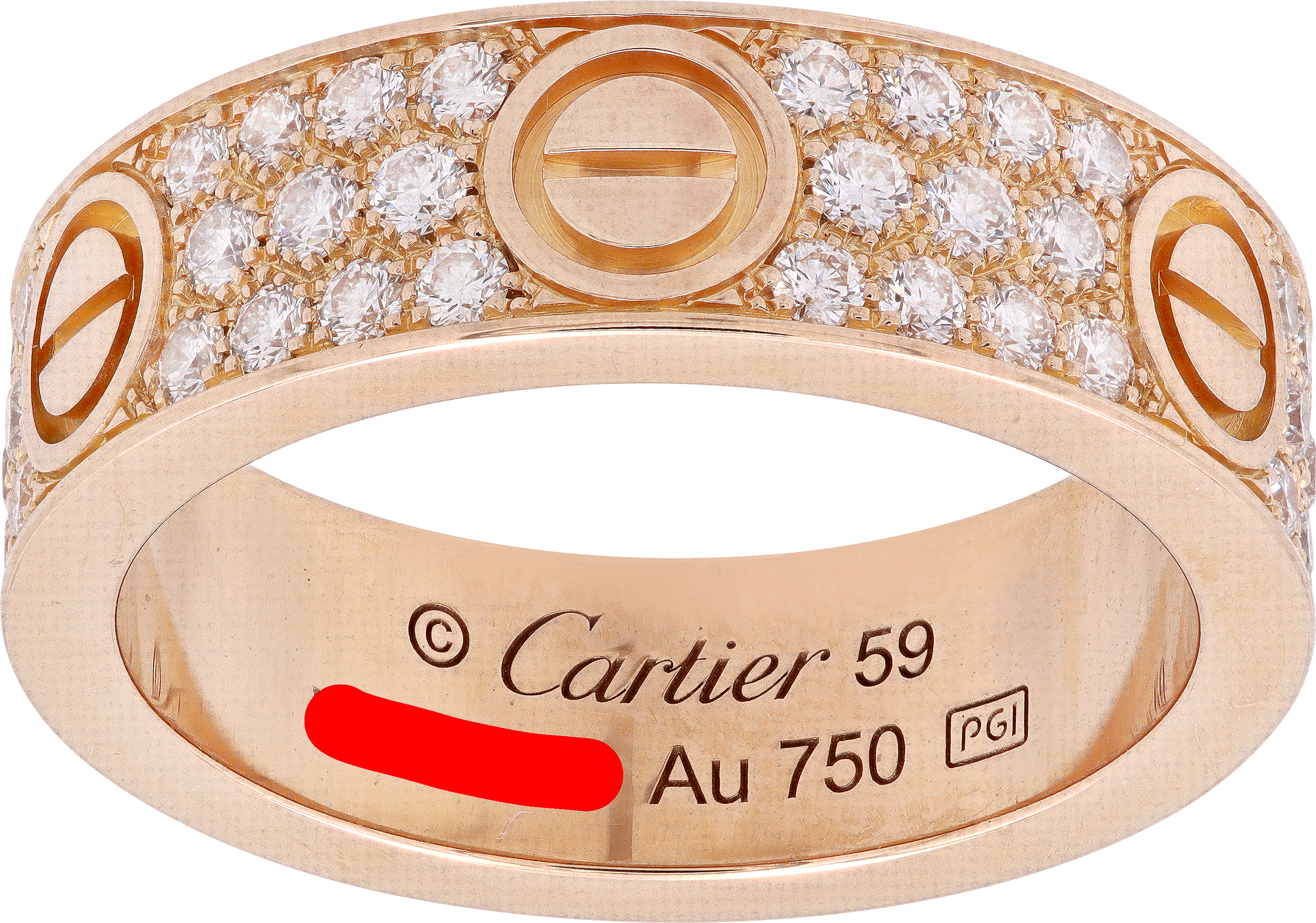
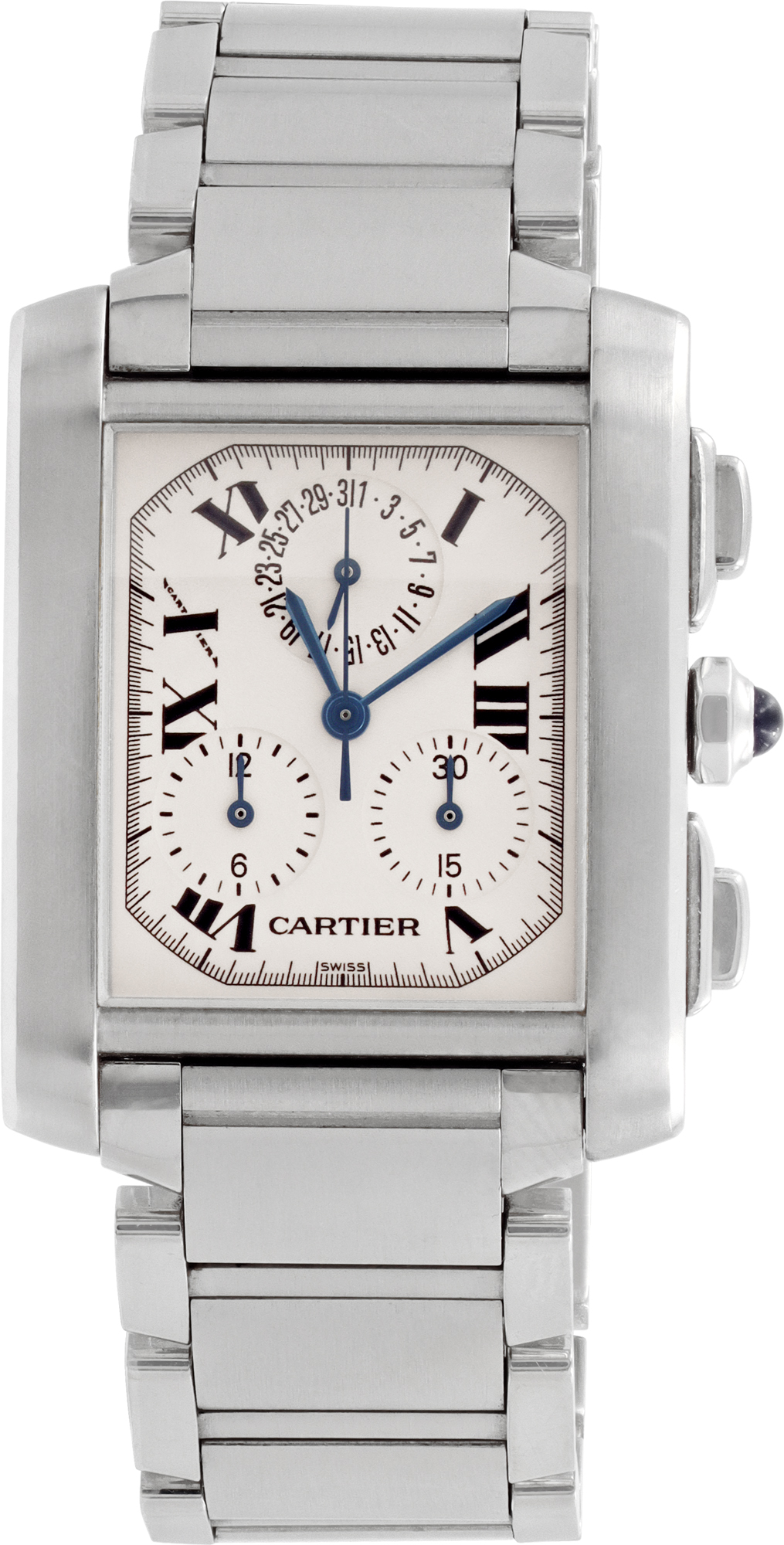
A collection that includes both a Rolex watch and Cartier jewelry requires different specialists to authenticate and appraise each category accurately. The buyer must consider the market demand for each piece individually, the liquidity of different item types, and the resources required to properly evaluate and eventually resell diverse luxury goods. These operational considerations can affect the overall collection offer.
If you're looking to maximize watch and jewelry collections net proceeds, understanding that specialized buyers often focus on particular categories can inform your approach. A luxury watch buyer may offer competitive pricing for timepieces but evaluate jewelry conservatively, while a comprehensive jewelry buyer familiar with both categories might provide more balanced valuations across your entire collection.
The Case for Selling Collections Together
Offering your items as a complete collection can provide several practical advantages, particularly when convenience and efficiency are priorities. Selling everything in one transaction simplifies logistics, reduces the time you spend coordinating multiple sales, and eliminates the complexity of managing separate shipments or appointments. For estate executors or individuals facing time constraints, this streamlined approach offers clear appeal.
When you sell watch and jewelry collections together, you also reduce your exposure to market timing risks. Rather than holding certain pieces while waiting for optimal selling windows for others, you convert your entire collection to cash in a single transaction. This approach can be particularly valuable if you need liquidity quickly or prefer to conclude the selling process efficiently without extended negotiations.
Collections that include complementary pieces or items from the same era may benefit from being sold together. A coordinated set of vintage jewelry pieces or a curated collection of watches from a specific manufacturer might hold collective appeal that enhances the overall value proposition. However, it's important to recognize that this potential advantage depends entirely on the specific items and the buyer's business model.
At Sell Us Your Jewelry, we evaluate complete collections and provide transparent quotes that reflect our assessment of the entire group. Whether you choose to request a quote for your full collection or for individual pieces, our process is designed to give you the information you need to make the best decision for your circumstances.
When Separating Items May Be Beneficial
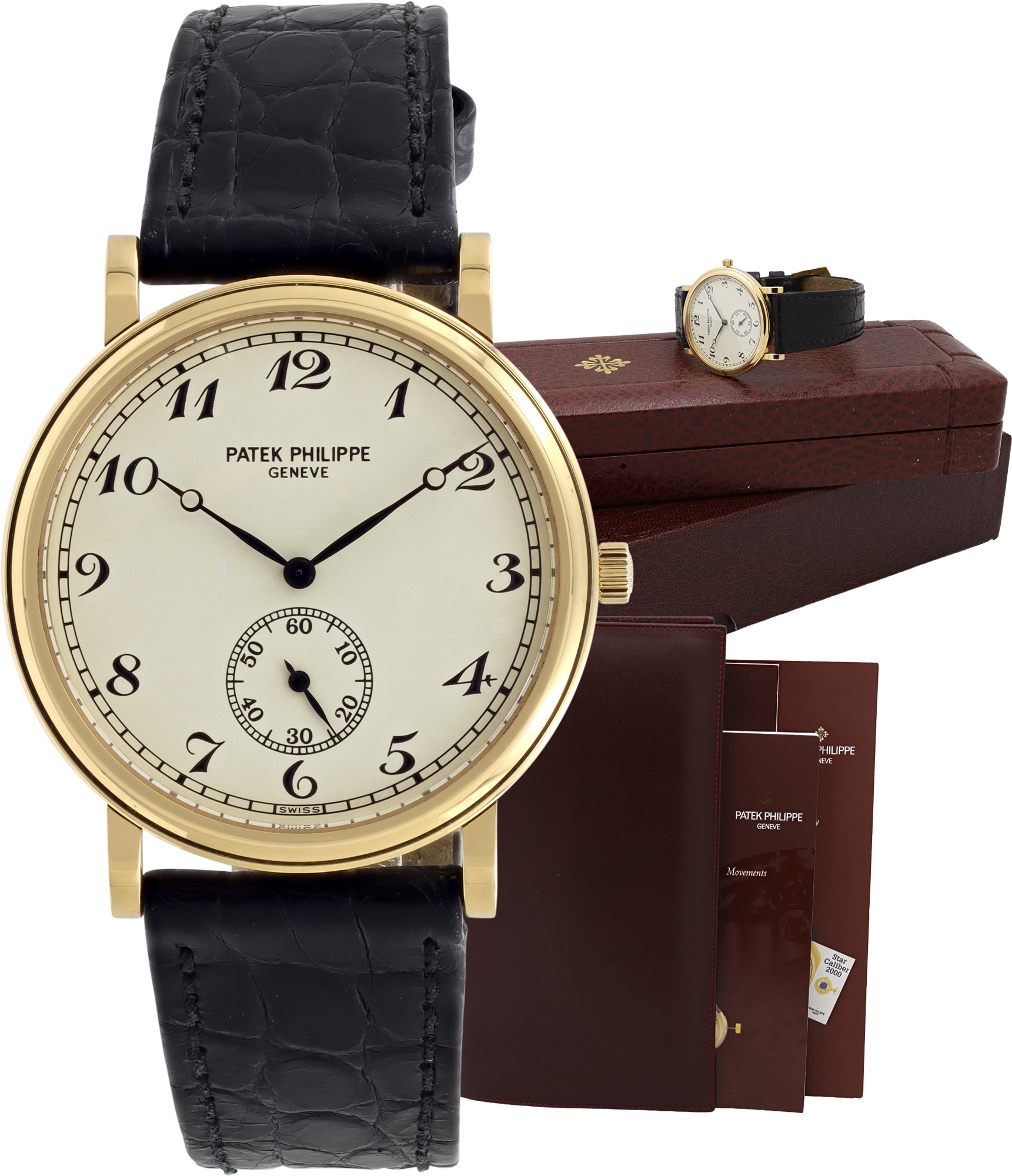
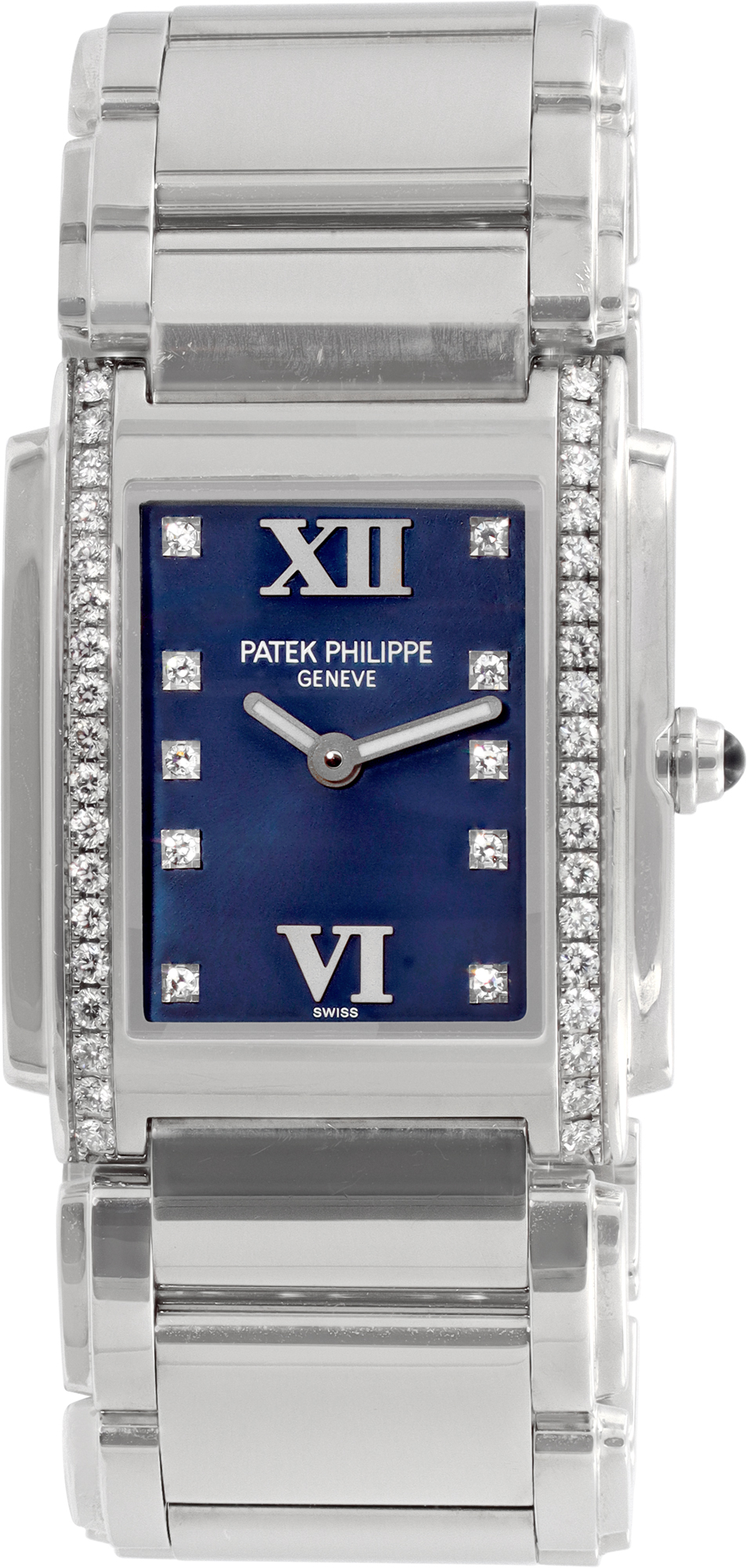
Selling pieces individually can potentially optimize returns when your collection includes items with significantly different market positions. A highly sought-after Patek Philippe watch might command strong interest from specialized watch buyers, while designer jewelry pieces like those from Bvlgari or Van Cleef & Arpels attract different buyer audiences. Separating allows each piece to reach its most interested market.
Individual sales give you greater control over timing and negotiation for each piece. If certain items in your collection have stronger documentation, superior condition, or represent currently trending brands, you can prioritize these for immediate sale while holding others until conditions improve. This flexibility can be valuable when dealing with collections of varied quality or desirability.
However, selling separately requires more time, effort, and potentially multiple transactions with different buyers. You'll need to coordinate separate evaluations, potentially ship items to different locations, and manage multiple payment processes. For collections containing numerous pieces, these logistical considerations can become substantial. Understanding the specific pieces you own helps determine whether this additional effort is likely to yield meaningful benefits.
If you're considering whether to sell Rolex watch pieces alongside fine jewelry, explore how different buyers specialize. Some focus exclusively on timepieces, while others maintain expertise across multiple luxury categories. The brands we buy and our evaluation approach can help you understand which strategy might work best for your particular collection.
Factors That Influence Your Decision
Watch and jewelry collections resale value varies significantly based on brand recognition, condition, documentation, and current market demand. Collections anchored by prestigious names—whether you want to sell Patek Philippe watch pieces, sell Cartier jewelry, or sell Bvlgari Serpenti collection items—may receive stronger interest regardless of whether they're offered individually or together.
Documentation plays a crucial role in how buyers evaluate mixed collections. Original boxes, certificates of authenticity, service records for watches, and GIA certificates for diamonds all enhance value and buyer confidence. If some pieces in your collection have complete documentation while others don't, this disparity might influence whether selling separately allows properly documented items to achieve their full potential value.
The condition of individual pieces matters significantly. A collection mixing pristine, unworn jewelry with heavily worn vintage pieces, or combining serviced watches with those requiring repair, presents evaluation challenges. Buyers must account for potential restoration costs and reduced marketability of compromised pieces. Sometimes separating allows excellent-condition items to be valued on their own merits without being averaged into a mixed-quality lot.
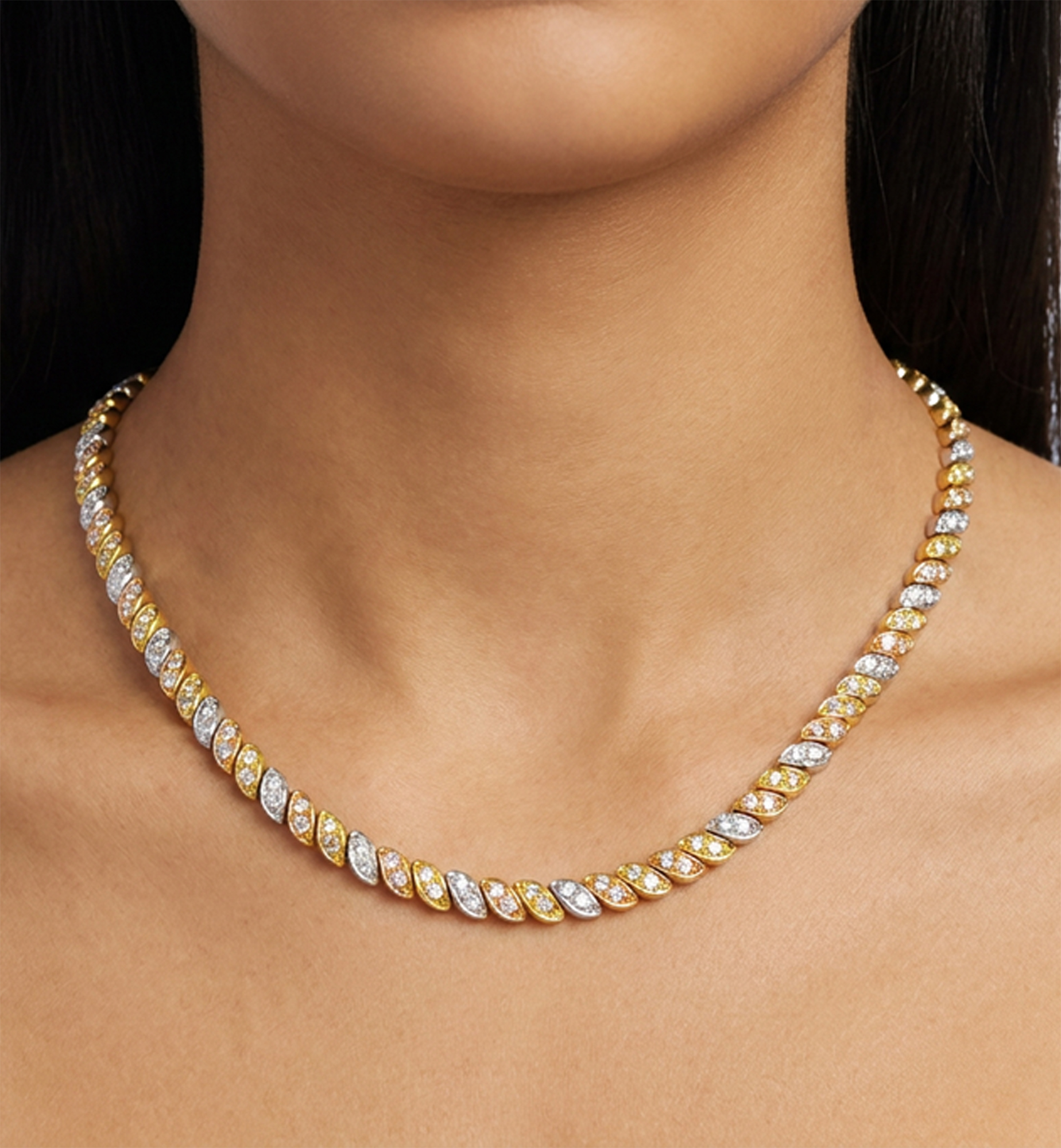
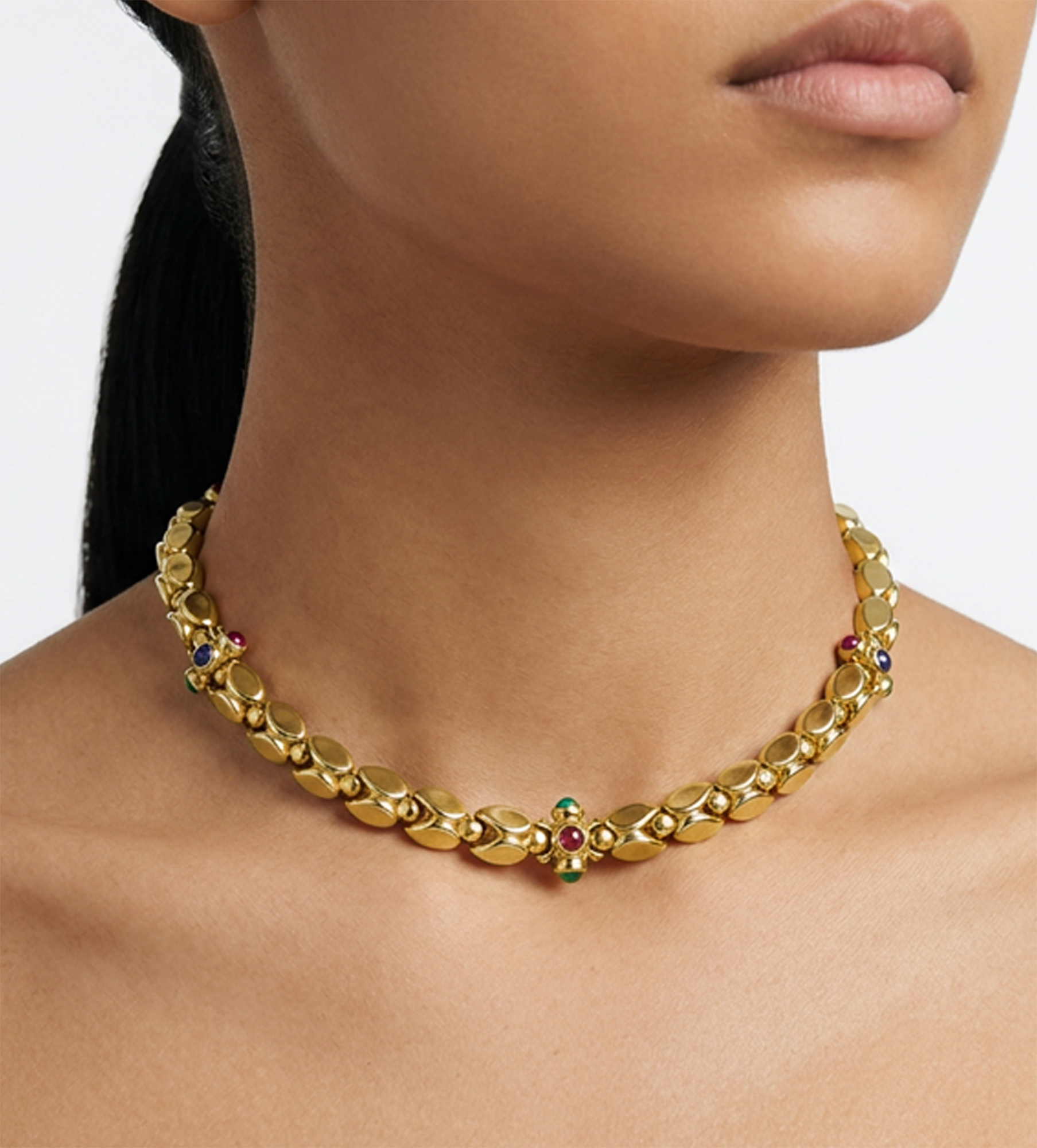
Consider the breadth of your collection as well. If you're looking to sell Cartier Love bracelets, sell Tiffany & Co. jewelry, sell Van Cleef & Arpels Alhambra collection pieces, and multiple luxury watches simultaneously, you're offering a highly diverse range that may appeal to different buyer specializations. Collections focused within a narrower category—such as exclusively luxury watches or primarily designer jewelry—might be more naturally suited to single-transaction sales.
Evaluating Buyer Capabilities and Specializations
Different buyers bring different strengths to the evaluation table. Specialized Rolex buyer services possess deep expertise in authenticating and valuing timepieces but may not maintain the same depth of knowledge regarding fine jewelry or gemstones. Conversely, buyers focused on estate jewelry might evaluate your diamond pieces expertly but offer conservative assessments for complex watch complications.
Comprehensive buyers who regularly handle diverse luxury goods can evaluate mixed collections with balanced expertise across categories. When you request a quote, understanding the buyer's areas of strength helps you anticipate how they'll approach your particular mix of items. A buyer experienced with both luxury watches and fine jewelry can provide cohesive valuations that properly account for each category's unique characteristics.
The buyer's business model also matters. Some buyers specialize in quickly reselling items through established retail channels, while others focus on specific collector markets or wholesale distribution. Understanding how a buyer intends to handle your items post-purchase can provide insight into how they'll value different pieces within a mixed collection. This knowledge helps you determine whether your collection's composition aligns with a particular buyer's strengths.
If your collection includes particularly valuable or rare pieces—such as items you might sell Harry Winston jewelry, sell Graff jewelry, or sell Richard Mille watch—these standout pieces warrant special consideration. Exceptional items sometimes benefit from targeted marketing to buyers who specialize in ultra-luxury goods, while more accessible pieces can be efficiently sold through broader channels.
Practical Steps to Compare Your Options
Begin by taking comprehensive inventory of everything you're considering selling. Document each piece with clear photographs, note any identifying marks or serial numbers, and gather all available paperwork including receipts, certificates, and service records. For watches, record the brand, model, reference number, and current condition. For jewelry, note materials, gemstone types, designer signatures, and any damage or wear.
Research the approximate market values for your most significant pieces. While online research provides general guidance, professional evaluations remain essential for accurate assessments. Understanding whether you own items that might sell Audemars Piguet watch for substantial amounts versus costume pieces helps you gauge whether the effort of selling separately justifies the potential benefits.
Consider requesting quotes for both scenarios. Many buyers will evaluate your collection as a whole and can also provide assessments for individual pieces or subgroups. This comparative information allows you to make an informed decision based on actual offers rather than speculation. The difference between the collection offer and the sum of individual quotes reveals whether separating might yield meaningful advantages for your particular items.
Factor in your personal circumstances and priorities. If you need funds quickly, a single collection sale might outweigh potentially higher individual proceeds that require extended effort. If you're downsizing leisurely or managing an estate without time pressure, the investment in selling separately might make more sense. Your situation should guide your strategy as much as the items themselves.
Understanding Collection Composition and Market Dynamics
Collections dominated by a single luxury brand might be naturally suited to selling together, particularly if you're offering multiple pieces from makers like Cartier, Bvlgari, or Chopard. A buyer who specializes in these designers can efficiently evaluate and market a focused collection, potentially making a complete collection purchase more attractive to both parties.
Conversely, highly eclectic collections mixing various jewelry types, watches from different eras, and accessories across multiple luxury segments might present evaluation challenges that favor separation. If you're simultaneously looking to sell Rolex Submariner, sell diamond engagement ring, sell sterling silver flatware, and various designer jewelry pieces, you're essentially offering items that appeal to different collector bases and require distinct authentication processes.
Pay attention to which pieces represent the most significant value in your collection. If three or four items account for the majority of your collection's worth while numerous smaller pieces contribute minimal value, selling the high-value items individually while grouping lesser pieces might optimize your overall returns. This hybrid approach balances efficiency with value maximization.
Understanding how luxury watch values and jewelry markets function helps inform realistic expectations. While some sellers hope that bundling will encourage premium offers, buyers typically evaluate each piece on its individual merits even within collection purchases. The perceived convenience value of a single transaction generally affects the seller's benefit more than the buyer's offer structure.
The Role of Authentication and Certification
Properly authenticated and certified items carry advantages regardless of whether you sell them individually or as part of a collection. If you possess GIA certified diamonds, timepieces with manufacturer service records, or designer jewelry with authenticity certificates, these documented pieces establish credibility for your entire collection even if other items lack paperwork.
Collections mixing certified and uncertified pieces present unique challenges. Buyers must allocate additional resources to authenticate undocumented items, and this uncertainty can affect offer structures. Sometimes selling certified pieces separately allows them to receive valuations that fully reflect their documented authenticity, while uncertified items can be grouped together and evaluated based on physical inspection alone.
For collections that include luxury watches requiring technical evaluation—particularly complicated pieces or vintage timepieces—authentication becomes even more critical. Whether you're planning to sell Jaeger-LeCoultre, sell Omega watch, or sell Vacheron Constantin watch pieces, condition assessments require specialized horological knowledge. Collections mixing watches needing service with those in excellent working order might benefit from separation that allows pristine pieces to achieve their full value potential.
If your collection includes sterling silver items, precious metal content can be readily verified, but designer pieces from makers like Tiffany & Co. carry additional value beyond metal weight. Understanding which items possess value primarily as precious metal versus those commanding premiums as luxury goods influences how they should be grouped or separated for sale.
Making Your Decision: A Strategic Framework
Start by determining your primary objective. Are you prioritizing maximum net proceeds, fastest transaction time, or minimal effort? Your answer significantly influences whether selling together or separately better serves your goals. Someone managing an estate with probate deadlines faces different considerations than a collector strategically liquidating pieces over time.
Assess the quality and value distribution across your collection. If your pieces cluster around similar value points and quality levels—such as a collection of mid-range luxury watches or a coordinated set of designer jewelry—selling together might make more sense than if your collection includes a few extremely valuable pieces mixed with numerous lesser items.
Consider the transparency and reputation of potential buyers. Working with established buyers who provide clear explanations of their evaluation criteria helps you understand how they're assessing your collection regardless of whether you sell items together or separately. Understanding how the evaluation process works gives you confidence that you're receiving fair assessment based on each piece's actual characteristics and market position.
Factor in the practical logistics of your situation. If you're located far from major luxury goods markets, shipping considerations might influence your decision. Sending a complete collection in one insured shipment differs from coordinating multiple separate transactions. For sellers in areas like Miami or Chicago, local evaluation options might simplify either approach.
Requesting Professional Evaluations
Once you've inventoried your collection and researched your options, request professional quotes from qualified buyers. Provide detailed information about each piece, including clear photographs from multiple angles, any identifying numbers or marks, and descriptions of condition issues. The more complete your initial documentation, the more accurate your preliminary quotes will be.
When you sell watch and jewelry collections, compare not just the offered amounts but also the terms of each transaction. Consider payment methods, timing, shipping arrangements, and insurance coverage. Some buyers offer comprehensive services that handle all logistical aspects, while others require sellers to manage more of the transaction process themselves.
Be prepared to answer questions about your items' history, provenance, and condition. Buyers evaluating mixed collections need to understand whether pieces have been regularly serviced, if jewelry has been resized or repaired, and whether watches function properly. Transparent disclosure helps buyers provide accurate assessments and builds trust that can positively influence the transaction.
Remember that quotes are based on the information provided and are typically confirmed through physical inspection. A preliminary quote for your collection provides valuable guidance, but final offers depend on hands-on evaluation. Understanding this process helps set realistic expectations and prevents disappointment if adjustments occur after physical examination.
Special Considerations for Specific Collection Types
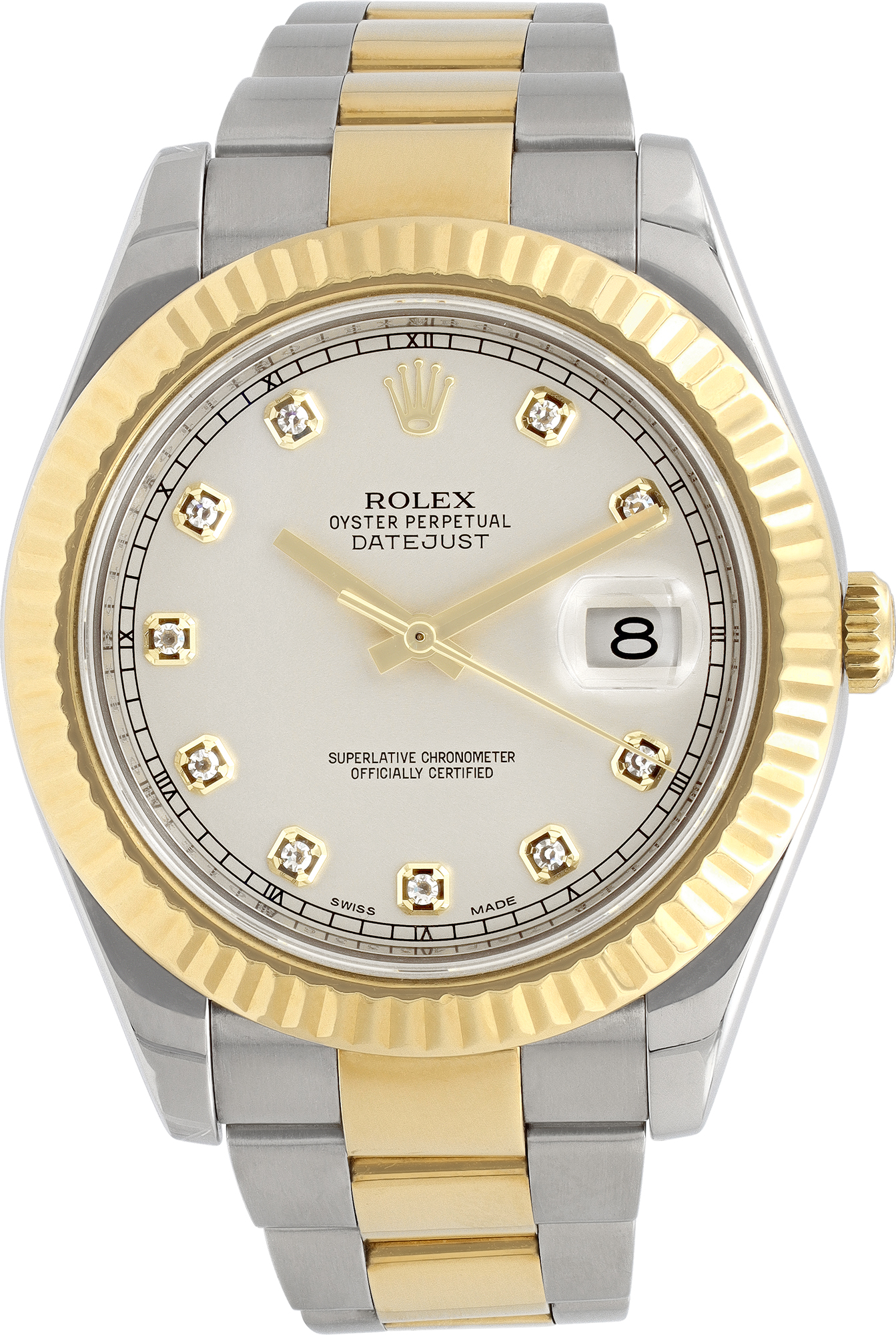
Collections dominated by luxury watches from prestigious manufacturers warrant particular attention. If you're looking to sell Rolex, sell Patek Philippe, or sell Audemars Piguet timepieces as part of a larger collection, these pieces typically represent substantial value that merits careful consideration. Watch collections sometimes benefit from specialized buyers who deeply understand horology, even if it means separating watches from jewelry pieces.
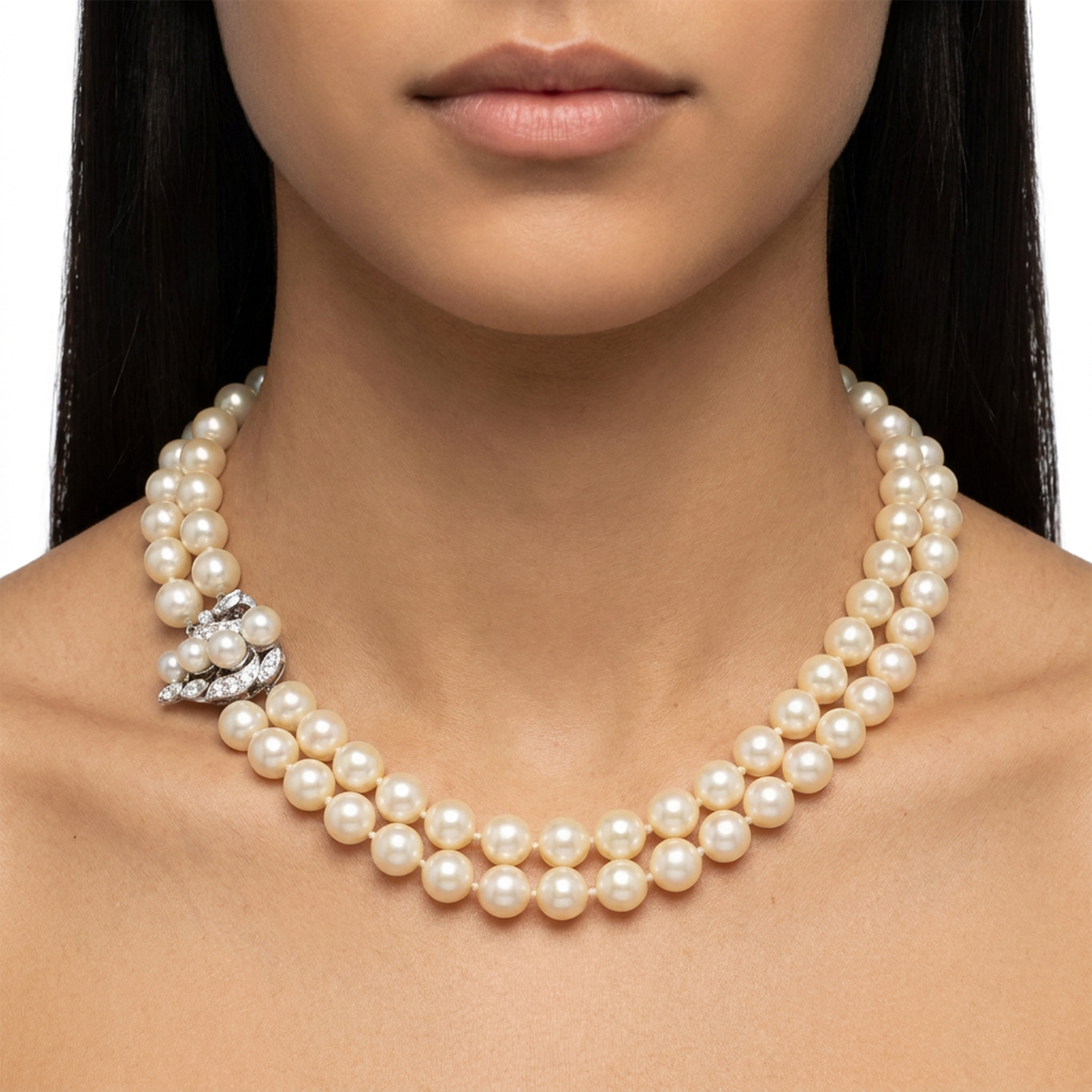
Designer jewelry collections, particularly those featuring iconic pieces like Cartier Love bracelets, Van Cleef & Arpels Alhambra designs, or Bvlgari B.zero1 items, carry brand recognition that can command strong interest. If your collection centers on one or two luxury jewelry houses, selling as a coordinated group might appeal to buyers specializing in those specific designers.
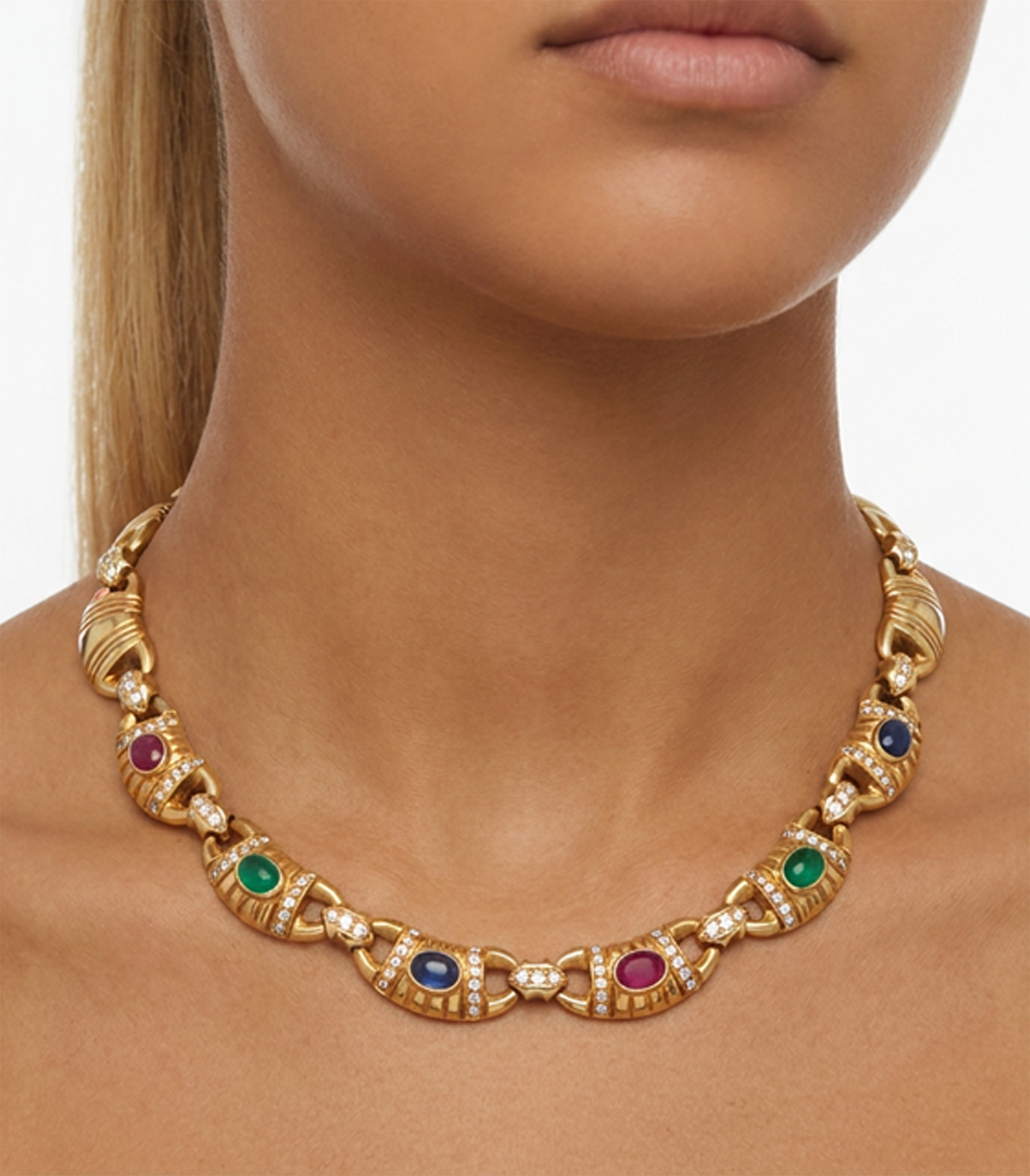
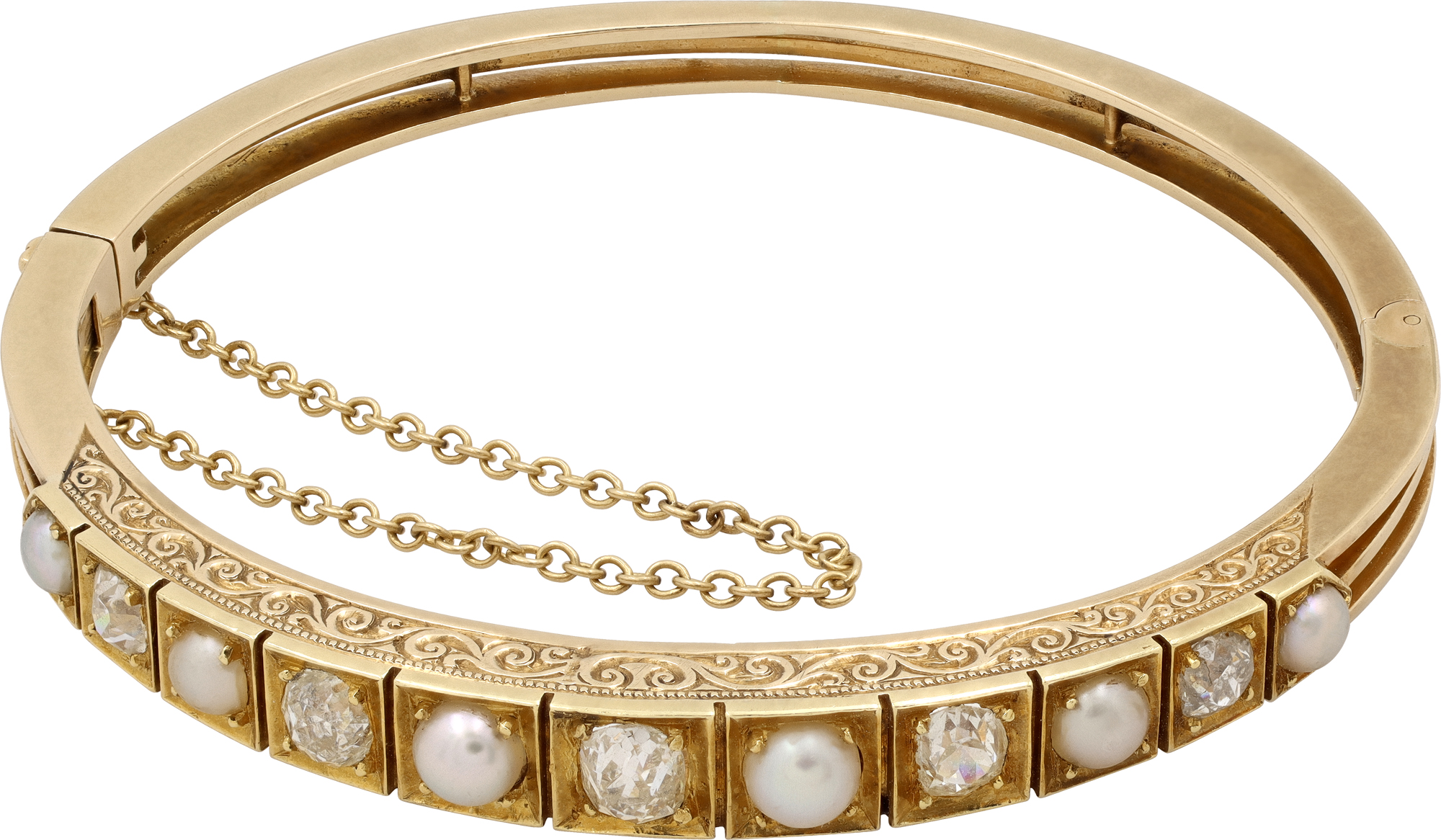
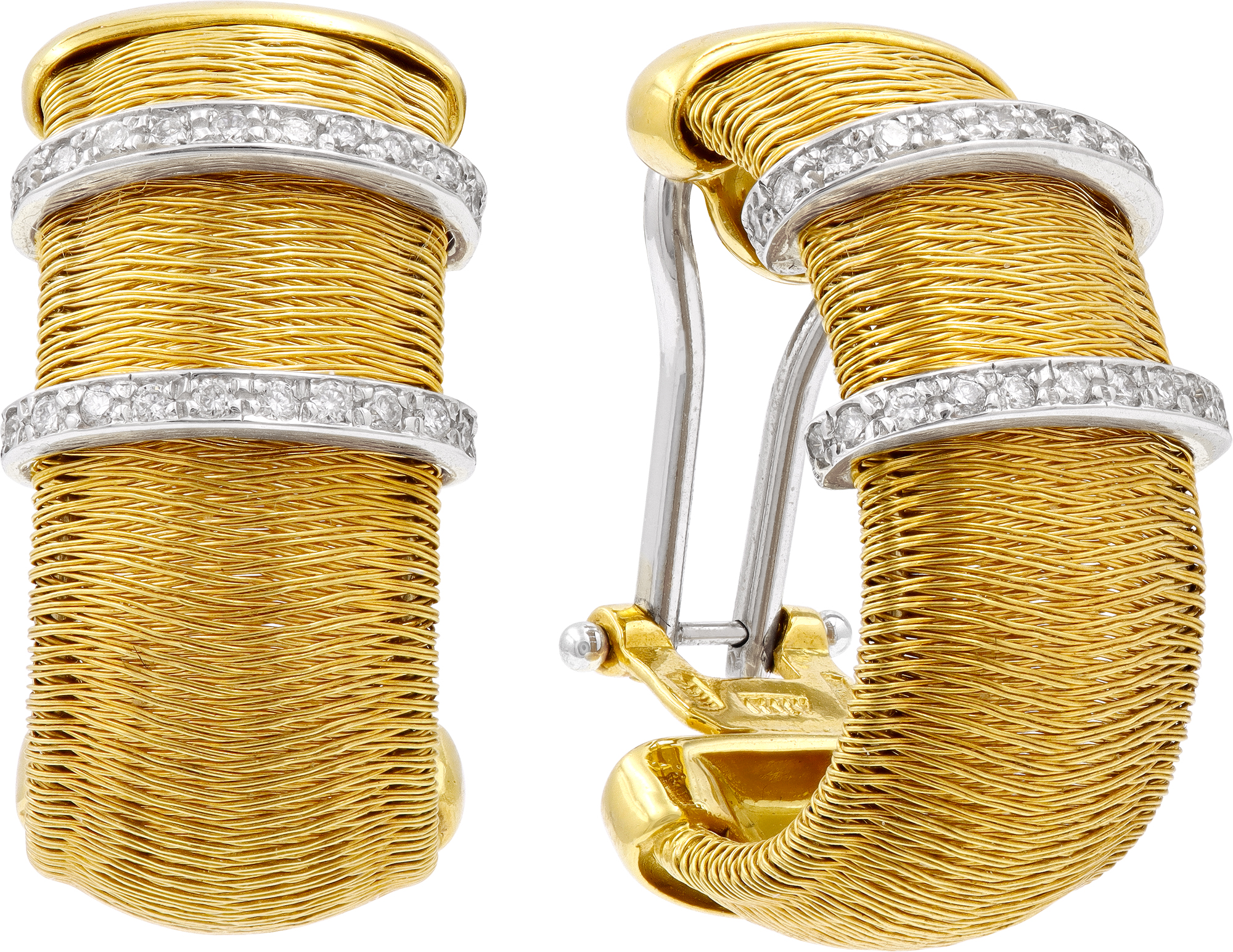
Mixed collections that include both fashion jewelry and fine jewelry present unique challenges. Pieces with significant precious metal and gemstone value should typically be separated from costume jewelry, as they appeal to entirely different buyer segments. Understanding which items in your collection qualify as fine jewelry versus fashion accessories helps structure your selling strategy appropriately.
If your collection includes inherited items with sentimental attachments, consider which pieces you might prefer to keep versus those you're ready to sell. Sometimes retaining a few meaningful items while selling others provides both emotional and financial benefits. Your collection doesn't need to be an all-or-nothing proposition.
Final Recommendations and Next Steps
The decision to sell watch and jewelry collections together or separately ultimately depends on your unique collection composition, personal circumstances, and priorities. There's no universally superior approach—the right strategy aligns with your specific items and goals. By thoroughly evaluating your collection, researching market conditions, and requesting professional quotes, you can make an informed decision that serves your best interests.
Whether you choose to sell everything together for convenience or separate pieces to potentially optimize individual values, working with a knowledgeable buyer who provides transparent evaluations is essential. Understanding how different buyers assess mixed collections helps you select partners who can properly appreciate what you're offering, regardless of your chosen approach.
Take time to explore your options without rushing into decisions. The luxury goods market continues to evolve, and what works best for one collector's mixed holdings might not suit another's. By approaching the process thoughtfully and seeking expert guidance, you position yourself to achieve outcomes that meet your financial needs while respecting the value of the luxury items you've accumulated.
Ready to Explore Your Options?
If you're considering selling your watch and jewelry collection, we invite you to explore how our evaluation process works. Request a professional quote to understand what your specific pieces might be worth, whether you're considering selling them together or separately.
Get started with a free evaluation:
- Request a quote for your luxury watches
- Get an evaluation for your fine jewelry
- Discover what your diamond pieces are worth
- Explore our complete buying process
- See the luxury brands we purchase
Whether your collection includes prestigious timepieces, designer jewelry, GIA certified diamonds, or sterling silver pieces, our team provides transparent assessments based on current market conditions and each item's individual characteristics. Visit Sell Us Your Jewelry to begin your evaluation process today and discover the true value of your luxury collection.
About Us | Sell Us Your Jewelry
Call Us Now: 305 770 6955
The Purchasing and Consignment Division of Gray & Sons


Be the first to know | SEE OUR CATALOG

