

July 17th, 2026
One Collection Quote or Separate Offers? How Buyers Evaluate Multiple Items
When you're ready to sell multiple luxury pieces, one of the first decisions you'll face is whether to request one quote for multiple jewelry items or pursue separate offers for each piece. This question arises frequently among sellers with diverse collections—perhaps you've inherited a jewelry box filled with treasures, or you're downsizing a carefully curated collection of timepieces and designer pieces. Understanding how professional buyers evaluate multiple items can help you approach the process with confidence and clarity.
The evaluation process differs significantly depending on whether you're presenting a cohesive collection or individual pieces with varying characteristics. Professional buyers consider numerous factors when assessing multiple items, including the relationship between pieces, market demand for each category, and the overall value proposition. Whether you're looking to sell Cartier jewelry alongside vintage brooches or presenting a collection of luxury watches, knowing how buyers approach these scenarios empowers you to make informed decisions.
Understanding Single Collection Quotes
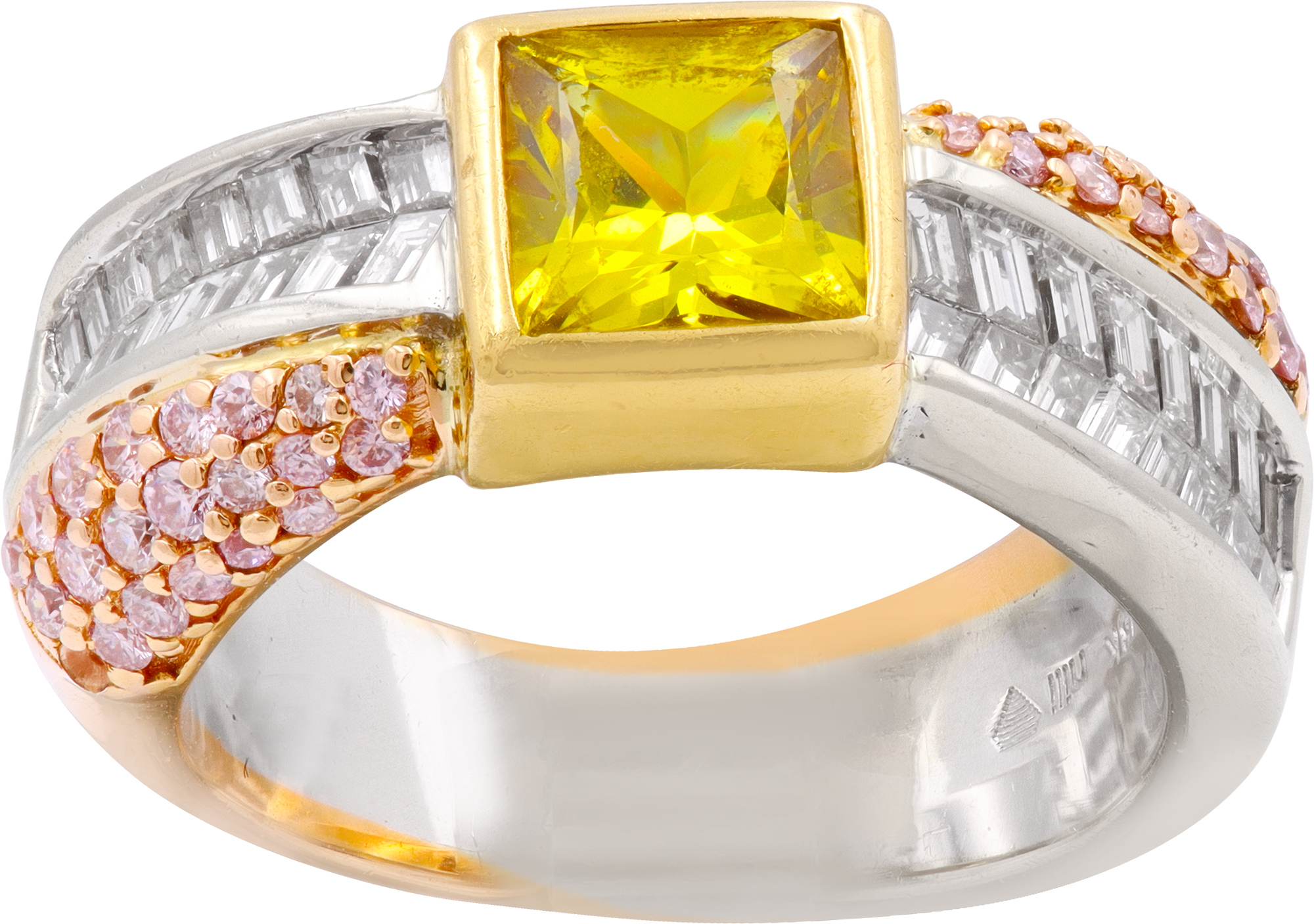
A single collection quote treats your multiple items as one unified submission, providing you with an online jewelry quote that encompasses all pieces together. This approach works particularly well when you have related items from the same designer or era. For instance, if you're looking to sell Tiffany & Co. jewelry including multiple pieces from their Return to Tiffany collection, presenting them together allows buyers to appreciate the cohesive nature of your collection.
Professional luxury jewelry buyers examine collections holistically, considering how pieces complement each other and whether they represent a complete or curated set. A collection of Van Cleef & Arpels Alhambra pieces or a full suite of Cartier Love bracelets may be evaluated differently than unrelated items from various designers. The unified approach streamlines the evaluation process and can expedite your final jewelry offer.
When you sell jewelry online as a collection, buyers assess the overall condition consistency, provenance documentation, and whether the pieces tell a cohesive story. For estate executors or individuals who've inherited comprehensive jewelry boxes, this method simplifies paperwork and communication. Whether you're looking to sell Van Cleef & Arpels jewelry alongside Bvlgari Serpenti collection pieces, a single quote provides clarity on the total value.
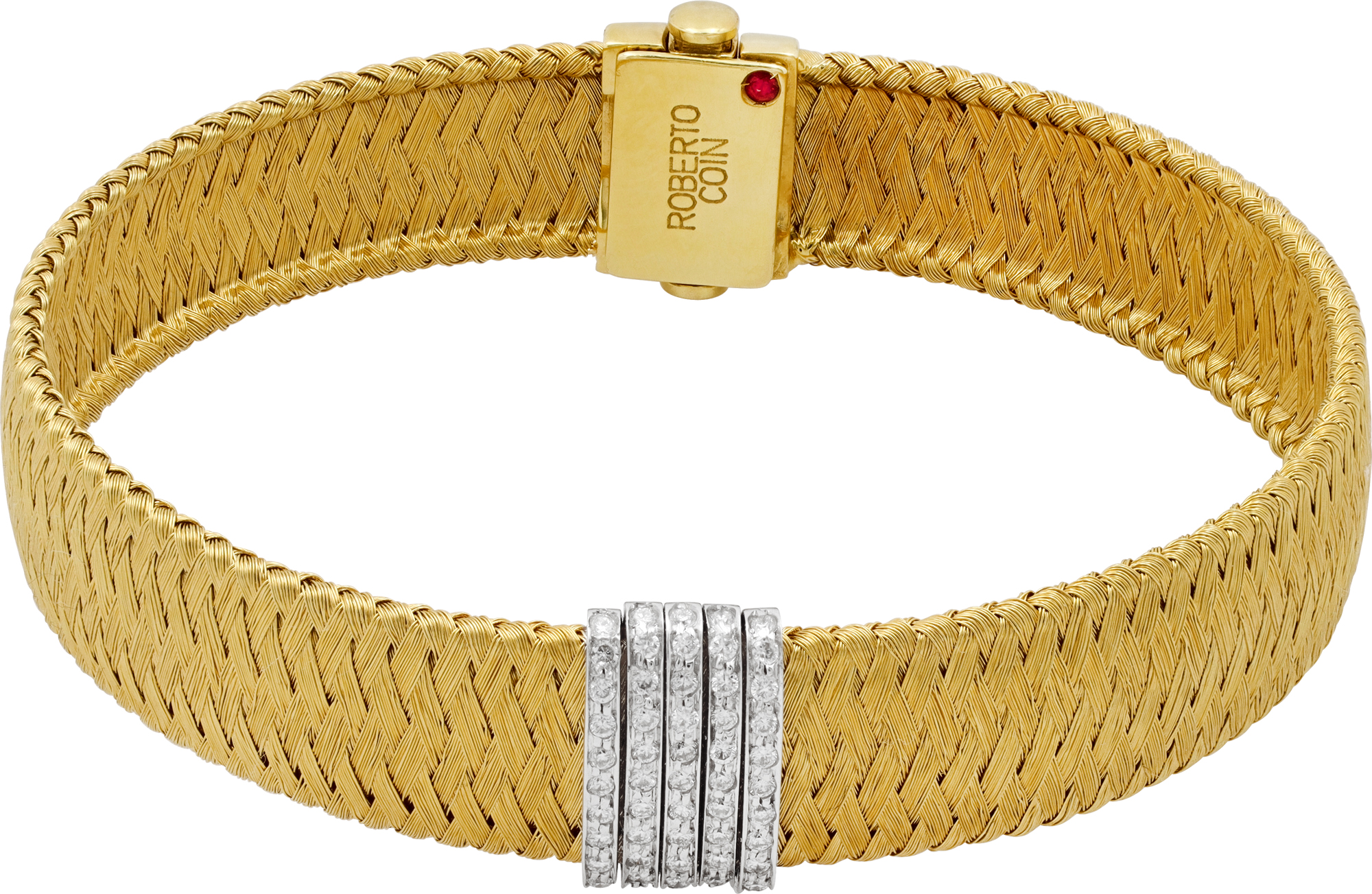
For sellers managing multiple luxury brands, Sell Us Your Jewelry provides a streamlined evaluation process that accommodates both collection and individual item submissions. Understanding which approach suits your situation begins with examining the nature of your pieces and your selling priorities.
The Benefits of Separate Item Evaluation
Requesting separate evaluations for each piece provides detailed transparency in the jewelry buyer evaluation process. When you have diverse items—perhaps a Rolex watch, diamond engagement ring, and sterling silver tea set—individual assessments reveal the specific value drivers for each piece. This granular approach proves particularly valuable when items span different categories, metals, or market segments.
Separate evaluations allow you to understand exactly how buyers assess each item's condition, authenticity, current market demand, and resale potential. If you're looking to sell Cartier bracelets alongside Chopard Happy Diamonds collection pieces and vintage estate jewelry, individual quotes clarify which pieces command premium valuations and which may benefit from alternative selling strategies. This detailed information empowers you to make informed decisions about proceeding with some items while reconsidering others.
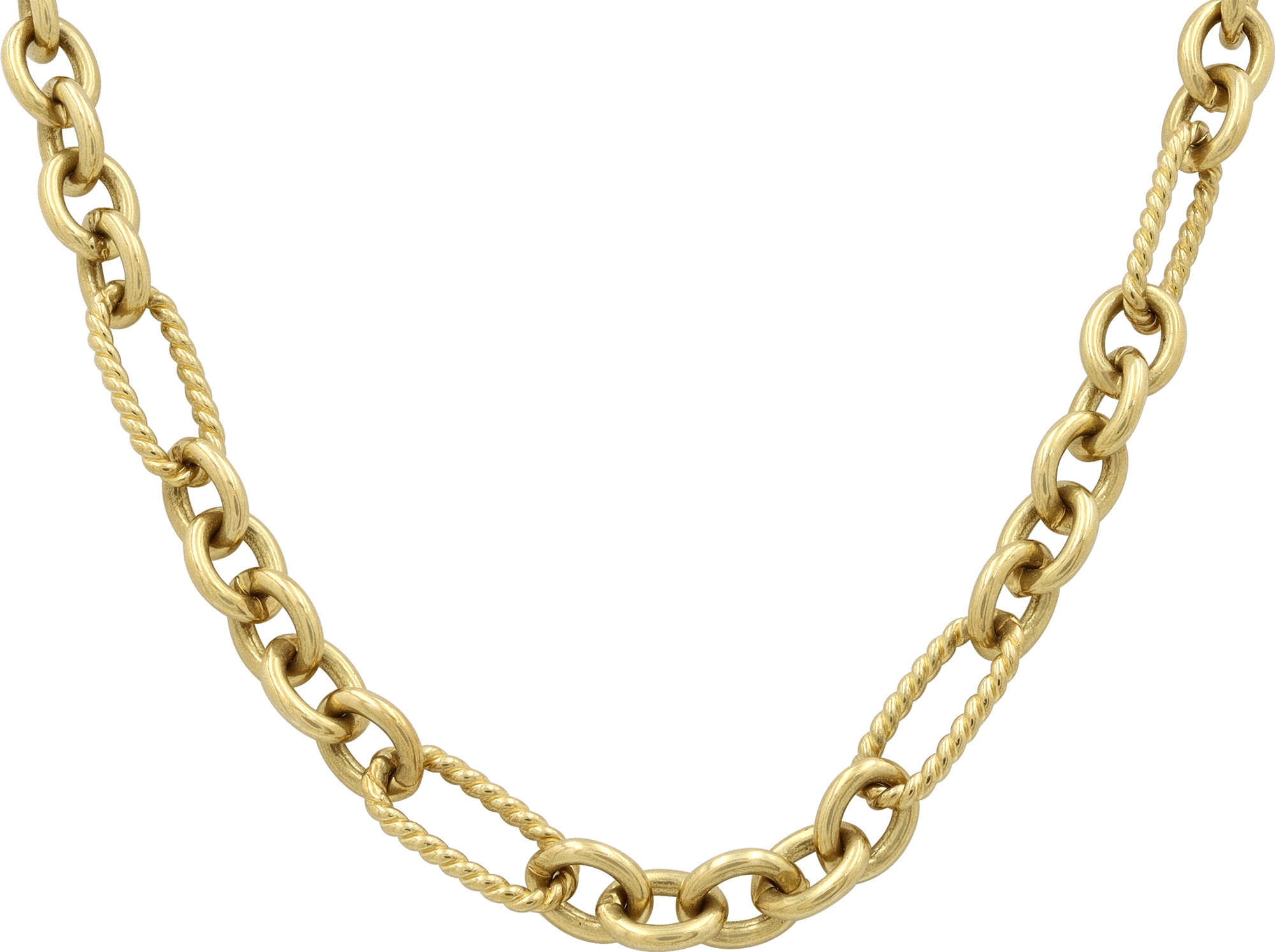
The transparency of separate assessments becomes especially valuable when dealing with designer pieces that have distinct authentication requirements. Whether you want to sell Bvlgari B.Zero1 collection rings or Cartier Panthère collection items, individual evaluations provide detailed feedback on each piece's specific characteristics. Professional watch buyers apply this same principle when evaluating multiple timepieces, offering distinct assessments for each brand and model.
For sellers who maintain flexibility about which pieces to sell, separate evaluations provide the freedom to accept offers on high-value items while declining others. This approach works well when you're testing the market or have sentimental attachments to certain pieces. When you're ready to sell your jewelry, understanding the individual value of each piece helps you prioritize which items to liquidate first.
How Luxury Watch Collections Are Assessed
Luxury watch buyer offers follow specialized evaluation criteria that consider brand prestige, model rarity, mechanical condition, and documentation completeness. When presenting multiple timepieces—whether you're looking to sell Rolex watch collections alongside Patek Philippe or Omega pieces—buyers examine each watch's individual characteristics while noting any collection cohesion.
Professional evaluators assess mechanical watches differently than quartz timepieces, vintage models differently than contemporary pieces, and limited editions differently than standard production runs. If you're considering whether to sell Patek Philippe watch items individually or as part of a collection, understanding these distinctions helps frame your expectations. A collection of chronographs from different makers receives different consideration than a comprehensive set of one manufacturer's dress watches.
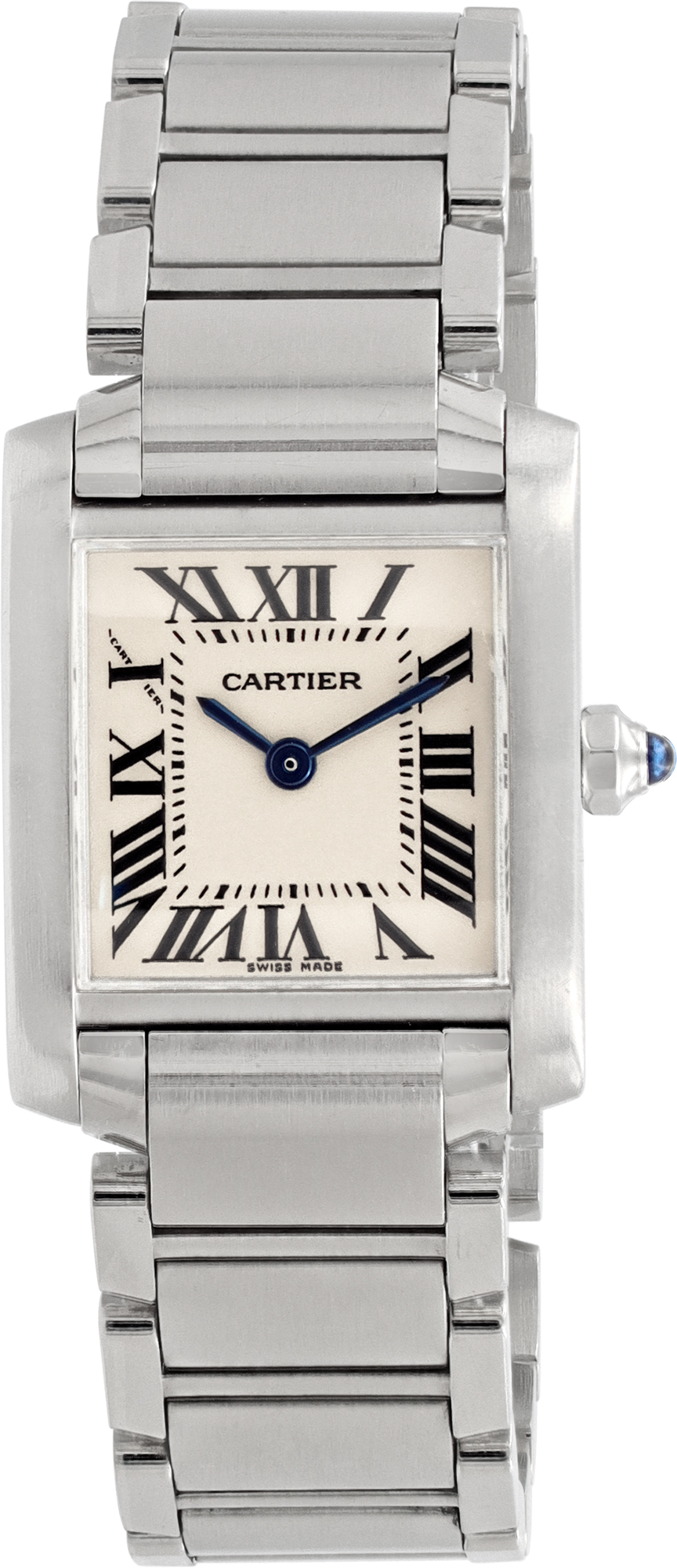
Documentation plays a crucial role in watch evaluations, particularly when selling multiple timepieces. Original boxes, papers, service records, and warranty cards significantly impact how buyers approach your submission. When you sell Audemars Piguet watch collections or decide to sell Omega watch sets, complete documentation for each piece strengthens the overall evaluation. Professional watch buyers prioritize pieces with comprehensive provenance.
The market for luxury watches fluctuates based on brand reputation, model desirability, and overall condition. Whether you're looking to sell Hublot watch pieces, sell IWC watch models, or sell Breitling watch collections, current market conditions influence buyer interest. High-demand models like Rolex Submariner or Patek Philippe Nautilus command different consideration than less sought-after references, even from prestigious makers.
Designer Jewelry: Collection Versus Individual Assessment
Designer jewelry evaluation requires understanding both brand prestige and specific collection popularity. When you're planning to sell Cartier Love bracelets or sell Cartier Juste un Clou bracelets, buyers recognize these iconic pieces command strong market demand. Presenting multiple pieces from the same collection may highlight your understanding of designer value, while diverse designer items showcase breadth.
High jewelry houses like Graff, Harry Winston, and Van Cleef & Arpels receive specialized attention during evaluation. If you're looking to sell Harry Winston jewelry or sell Graff jewelry, buyers apply heightened scrutiny to authenticity verification and condition assessment. These ultra-luxury pieces often warrant individual evaluation regardless of whether you submit them with other items, given their substantial value and specific documentation requirements.
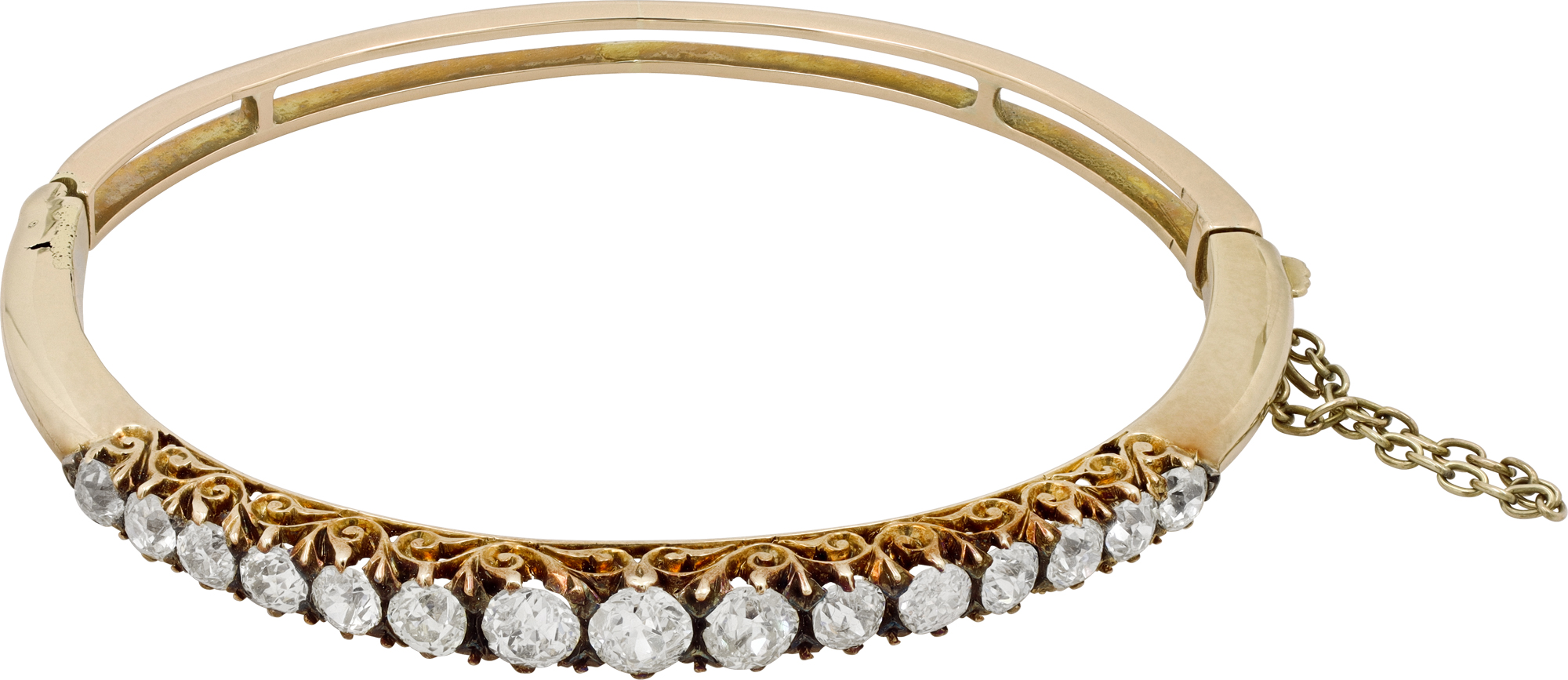
Contemporary designer jewelry from houses like Roberto Coin, David Yurman, and John Hardy maintains strong resale markets. Whether you want to sell Roberto Coin jewelry, sell David Yurman jewelry, or sell John Hardy jewelry, understanding each designer's market position helps frame your selling approach. Roberto Coin's Princess Flower collection and David Yurman's Cable collection have established recognition that influences buyer evaluation.
Italian and European jewelry makers bring distinct aesthetic traditions to the marketplace. When you're ready to sell Bvlgari jewelry or sell Carrera y Carrera jewelry, buyers appreciate the craftsmanship traditions these houses represent. Whether you choose to sell Bvlgari rings, sell Bvlgari necklaces, or sell Bvlgari earrings individually or together depends on whether you're presenting a matched set or diverse pieces from different collections.
Diamond and Gemstone Evaluation in Multiple-Item Submissions
When your submission includes certified diamonds, professional buyers examine each stone's documentation individually. GIA Certified Diamonds and AGL Certified Diamonds require specific verification processes regardless of whether they're submitted with other items. If you're looking to sell GIA diamonds, each stone's grading report receives individual attention even when presented alongside other jewelry.
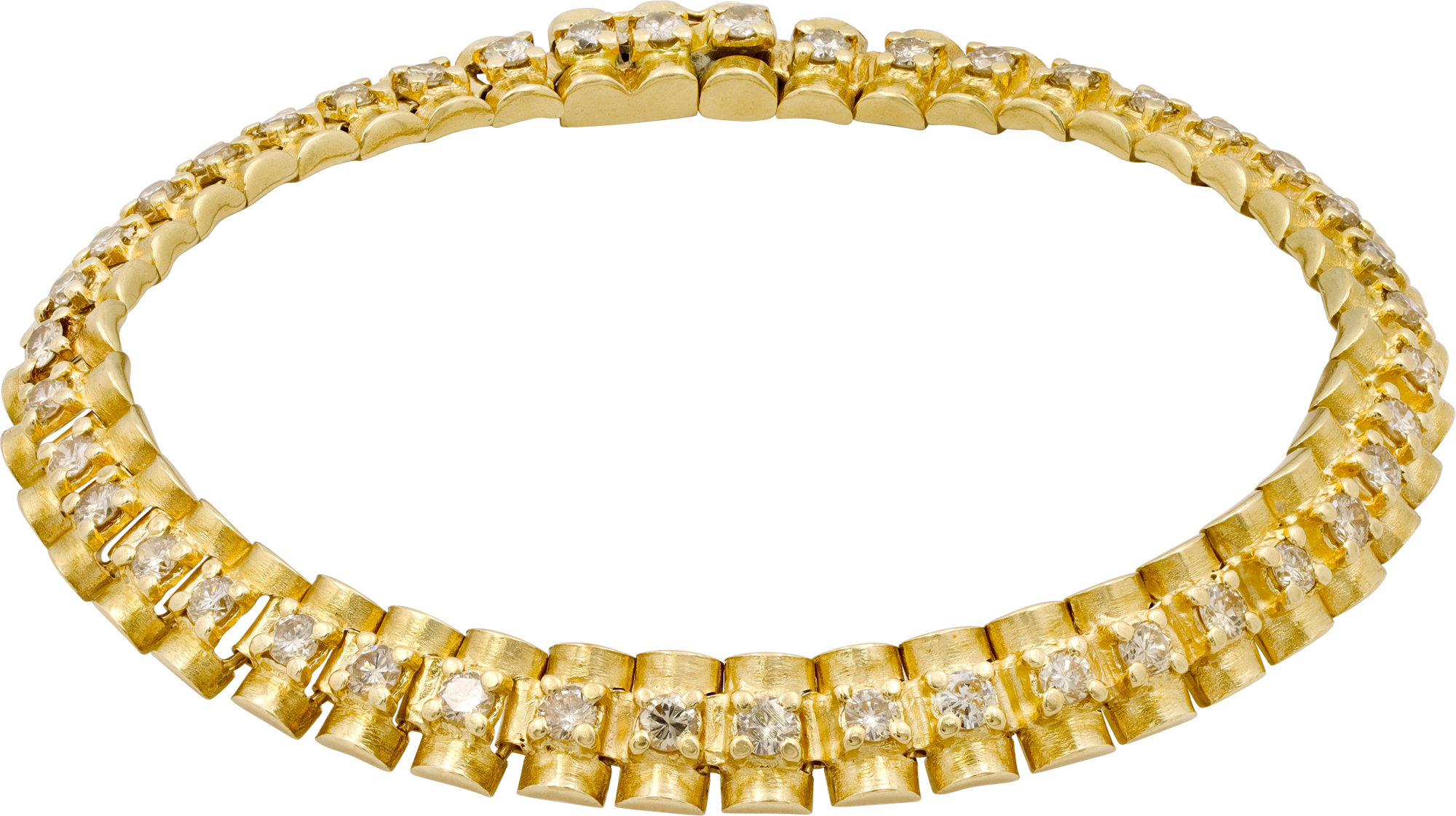
Diamond jewelry pieces—whether loose stones or mounted in settings—undergo thorough examination of the 4Cs (cut, color, clarity, and carat weight). When you sell diamond engagement rings or consider options to sell diamond eternity rings, buyers assess both the diamond quality and the mounting's precious metal value. A collection of diamond pieces may include rings, bracelets, necklaces, and earrings, each requiring distinct evaluation approaches.
Colored gemstone jewelry introduces additional complexity to multi-item evaluations. Pieces featuring sapphires, emeralds, rubies, tourmalines, or opals each have unique value considerations. Professional gemological assessment determines natural versus treated stones, origin identification, and quality grading. These factors influence whether submitting gemstone pieces together or separately serves your interests better.
Estate jewelry often combines diamonds with colored gemstones in period-appropriate settings. When evaluating inherited pieces, buyers consider historical significance, craftsmanship quality, and current market demand for vintage styles. For those managing estate jewelry collections, understanding how age and provenance impact valuation helps determine submission strategy.
Sterling Silver and Precious Metals Considerations
Sterling silver items follow different evaluation criteria than jewelry pieces. When you're looking to sell sterling silver flatware or sell sterling silver tea sets, buyers assess based on weight, condition, maker marks, and pattern desirability. Silver items are often best evaluated separately from fine jewelry due to their distinct market dynamics and valuation methodologies.
Professional sterling silver buyers examine flatware sets, serving pieces, and decorative items with attention to weight and silver purity. Whether you want to sell sterling silver trays, sell sterling silver candlesticks, or complete flatware services, these items receive dedicated evaluation focused on precious metal content and collectible value. Presenting silver items together as a category simplifies the assessment process.
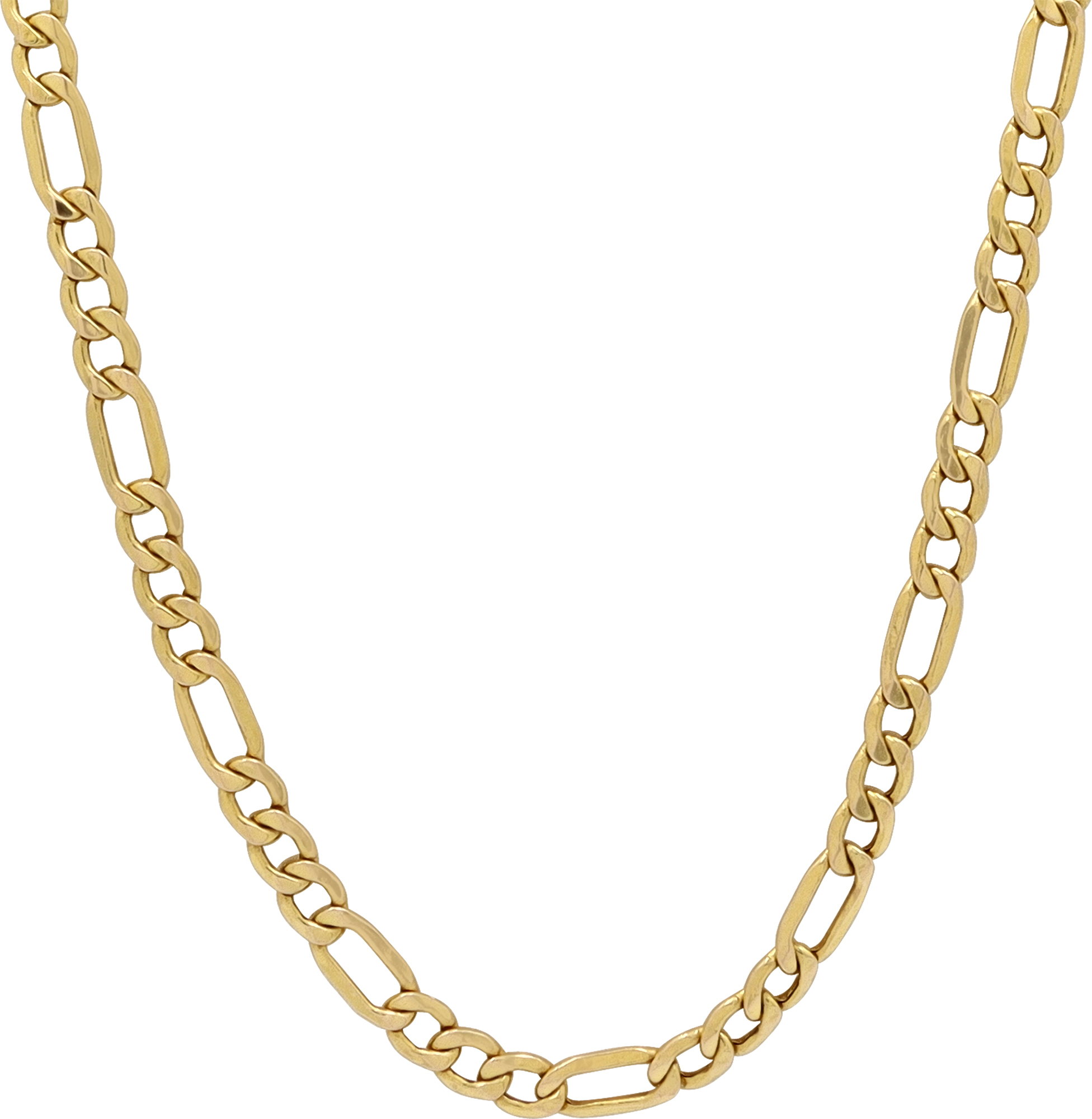
Gold jewelry evaluation depends on karat purity, weight, and whether pieces have designer or collectible value beyond melt worth. Chains, bangles, and simple gold pieces may be assessed primarily on precious metal content, while designer gold jewelry receives enhanced consideration for brand and craftsmanship. Understanding this distinction helps you decide whether to group gold items with designer jewelry or present them separately.
Mixed-metal submissions require clear organization to facilitate accurate evaluation. If your collection includes 14k gold chains alongside 18k designer pieces and platinum jewelry, buyers appreciate clear item descriptions that specify metal content. This clarity streamlines the evaluation process and ensures accurate assessments regardless of whether you request a collection quote or individual offers.
Fashion House Jewelry: Chanel, Gucci, and Louis Vuitton
Fashion house jewelry occupies a unique market position between fine jewelry and fashion accessories. When you're planning to sell Chanel jewelry or sell Gucci jewelry, buyers evaluate both the intrinsic material value and the brand cachet these pieces carry. Chanel's Camélia collection and signature costume jewelry maintain dedicated collector interest.
Authentication proves particularly important for fashion house jewelry given the prevalence of counterfeits in the secondary market. Whether you want to sell Chanel necklaces, sell Gucci bracelets, or sell Louis Vuitton jewelry, verification of authenticity precedes valuation. Professional buyers examine hallmarks, construction quality, and design details to confirm genuine pieces.
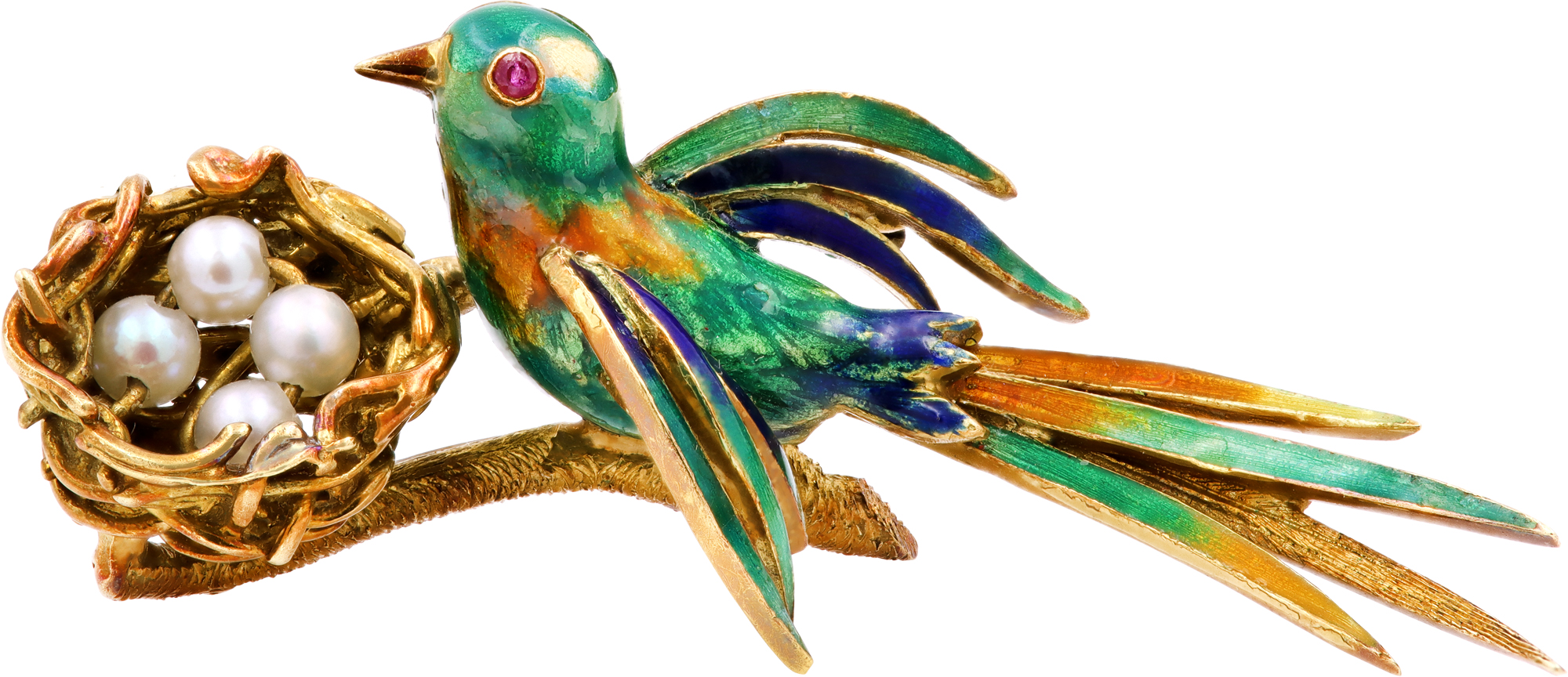
Fashion house jewelry from Chanel, Louis Vuitton, and Gucci often includes mixed materials—precious metals combined with enamel, leather, or signature house fabrics. These pieces may be evaluated differently than pure precious metal jewelry. When deciding whether to sell Louis Vuitton pendants alongside fine jewelry or separately, consider that fashion house pieces may appeal to different buyer segments.
The resale market for fashion house jewelry responds to brand popularity and specific collection desirability. Limited edition or runway pieces from these houses may command premiums beyond standard offerings. Understanding these nuances helps frame expectations when submitting fashion house jewelry for evaluation alongside traditional fine jewelry pieces.
The Documentation Advantage
Comprehensive documentation strengthens any multi-item submission, whether you're pursuing a collection quote or separate evaluations. Original boxes, purchase receipts, certificates of authenticity, appraisal documents, and service records provide verification that streamlines the jewelry buyer evaluation process. Well-documented pieces consistently receive more confident assessments than undocumented items.
For luxury watches, complete documentation proves especially valuable. Service histories, warranty cards, and original packaging contribute to buyer confidence and valuation. When you sell your watch, documentation that traces the timepiece's history from authorized dealers through any subsequent servicing provides transparency that benefits both parties.
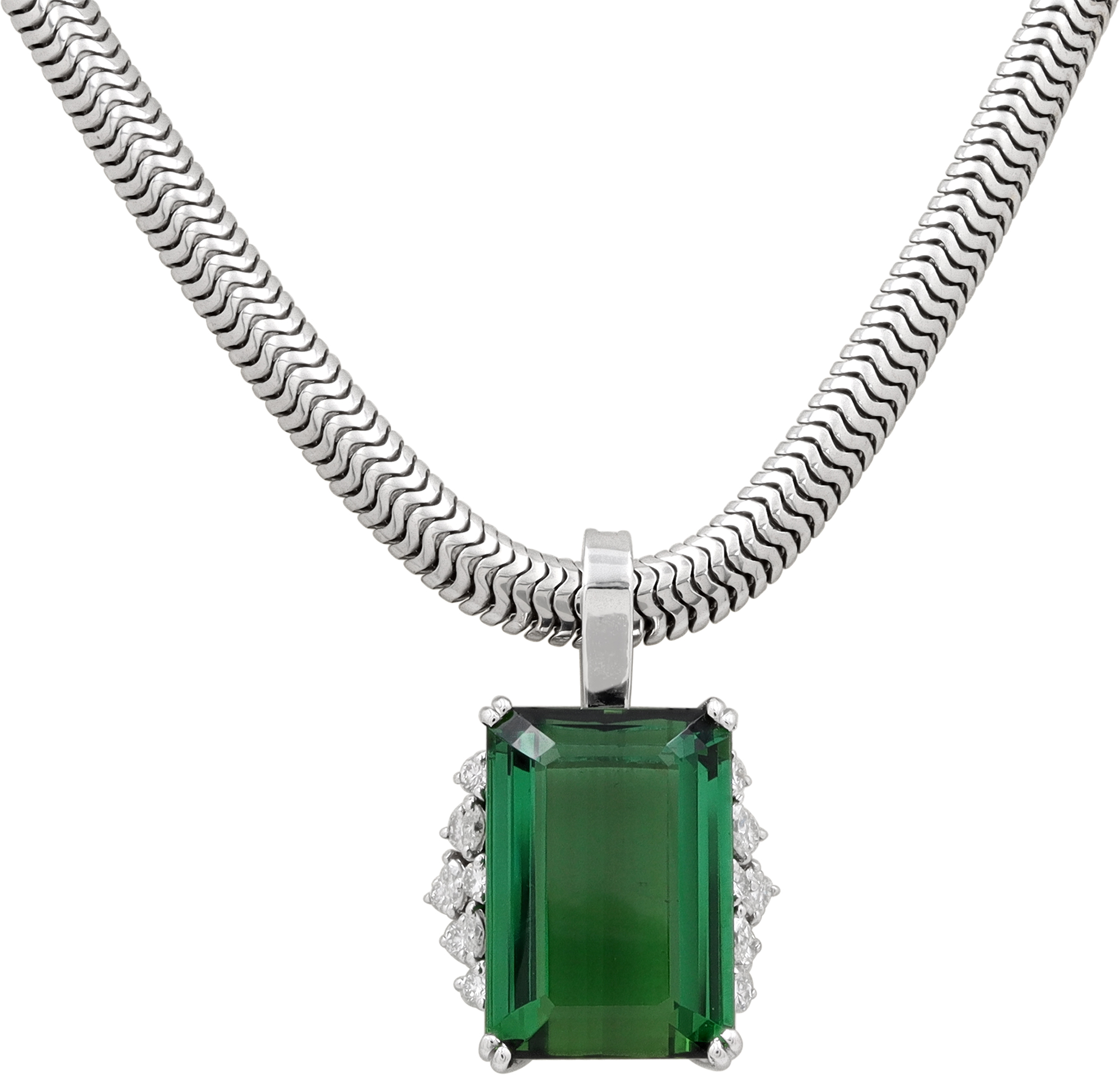
Designer jewelry documentation includes certificates of authenticity, original purchase receipts, and any brand-provided paperwork. Whether you're looking to sell Piaget jewelry, sell Chopard jewelry, or sell Judith Ripka jewelry, supporting documentation reinforces authenticity and provenance. This paperwork proves particularly valuable when submitting multiple designer pieces together.
Estate jewelry may lack modern documentation but can benefit from historical provenance information, previous appraisals, or family history documentation. When managing inherited collections, any available information about piece origins, previous ownership, or acquisition circumstances adds context that supports the evaluation process. Professional buyers appreciate this historical perspective when assessing estate submissions.
Making Your Decision: Collection or Individual Approach
Your specific circumstances guide whether requesting one collection quote or separate item evaluations serves your interests better. Consider your timeline, flexibility about which pieces to sell, desire for detailed valuation information, and the relationship between your items. Both approaches offer distinct advantages depending on your priorities and the nature of your collection.
If you're downsizing comprehensively and plan to sell everything regardless of individual values, a collection quote streamlines the process efficiently. This approach works well for estate executors, individuals relocating, or collectors moving away from a particular category. The unified evaluation provides clear, consolidated information about your collection's total value.
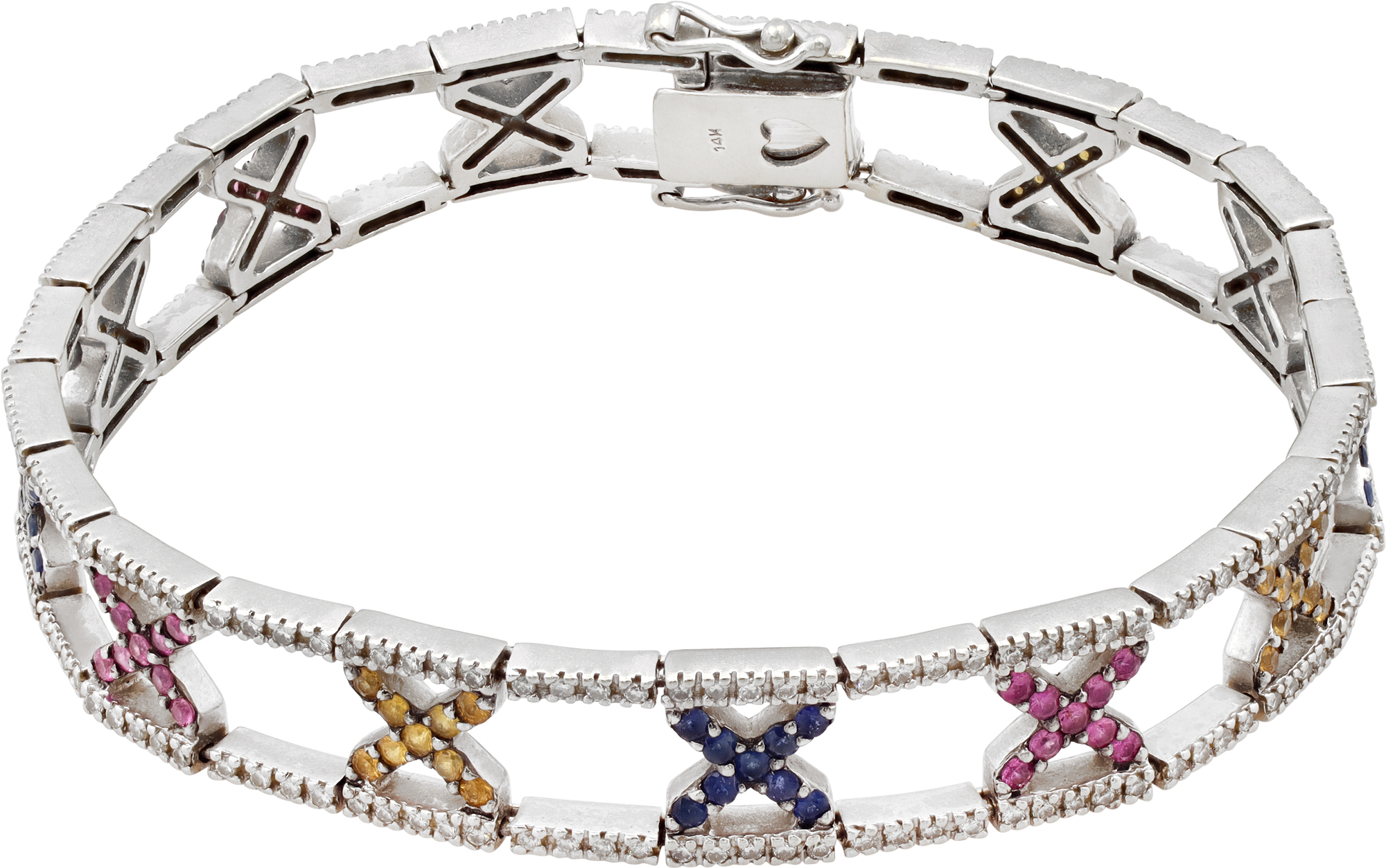
Alternatively, if you're selectively selling based on values received or maintaining flexibility about which pieces to liquidate, separate evaluations provide the granular information needed for piece-by-piece decisions. This approach suits collectors testing market interest, individuals with sentimental attachments to certain pieces, or sellers prioritizing maximum transparency in the evaluation process.
The nature of your items also influences the ideal approach. Cohesive collections from single designers or matched sets often benefit from unified evaluation, while diverse submissions spanning multiple categories may warrant individual assessments. Consider whether your pieces tell a cohesive story or represent varied acquisitions across different style periods and makers.
The Evaluation Process at Sell Us Your Jewelry
Sell Us Your Jewelry accommodates both collection and individual evaluation approaches, providing flexibility based on your preferences and submission characteristics. The process begins with your submission describing the items you're considering selling, including photographs and any available documentation. This initial information allows evaluators to determine the most appropriate assessment approach.
Professional evaluation considers each item's authenticity, condition, current market demand, and resale potential. Whether you're submitting a single Rolex Submariner or a comprehensive collection spanning multiple brands and categories, thorough examination precedes any offer. The evaluation methodology adapts to your submission's unique characteristics while maintaining consistent professional standards.
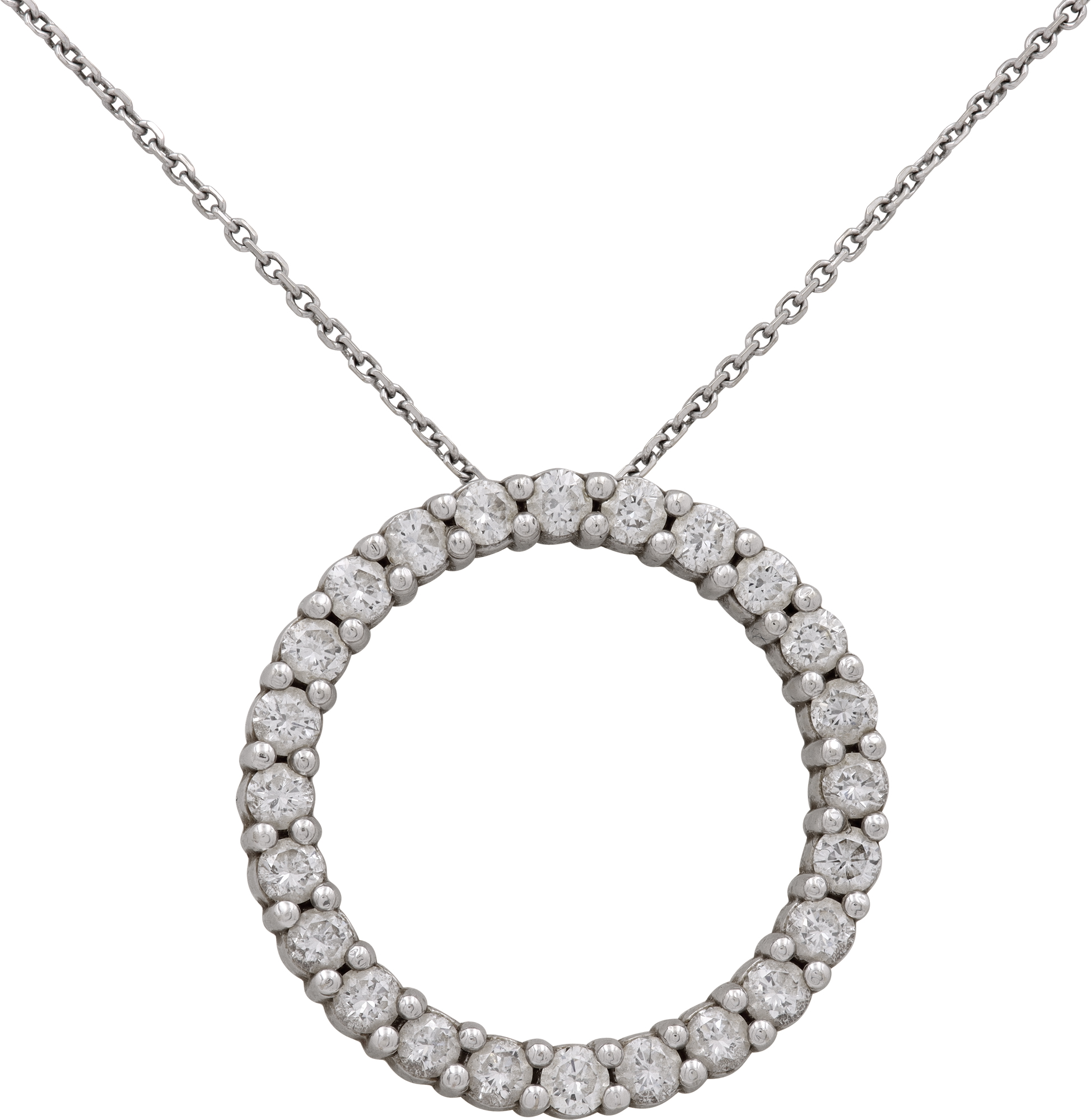
Communication throughout the process ensures you understand how items are being assessed and what factors influence valuations. Questions about specific pieces, valuation methodologies, or submission options receive prompt, detailed responses. This transparency helps you make informed decisions about proceeding with offers or adjusting your selling strategy.
The evaluation timeline depends on submission complexity, required authentication procedures, and item quantity. Single timepieces or jewelry pieces may receive rapid assessment, while comprehensive collections or items requiring specialized verification take longer. Understanding how it works helps set appropriate expectations for your specific submission.
Categories We Evaluate
Professional buyers handle diverse luxury categories, each requiring specialized knowledge and assessment protocols. Whether you're looking to sell your watch, liquidate designer jewelry, or convert sterling silver into cash, understanding category-specific evaluation approaches helps frame your expectations and submission strategy.
Luxury watch evaluation encompasses Swiss-made timepieces from prestigious manufacturers including Rolex, Patek Philippe, Audemars Piguet, Omega, and dozens of additional respected brands. Whether you want to sell Rolex watch pieces, sell Patek Philippe Nautilus models, or present diverse timepiece collections, specialized watch expertise ensures accurate assessment of mechanical condition, authenticity, and market positioning.
Fine jewelry evaluation covers designer pieces from houses like Cartier, Tiffany & Co., Van Cleef & Arpels, Bulgari, and many others. From Cartier Love bracelets to Van Cleef & Arpels Alhambra collection pieces, professional assessment considers brand prestige, design significance, condition, and documentation. Whether you're looking to sell Tiffany & Co. rings or comprehensive designer jewelry collections, specialized knowledge informs accurate valuations.
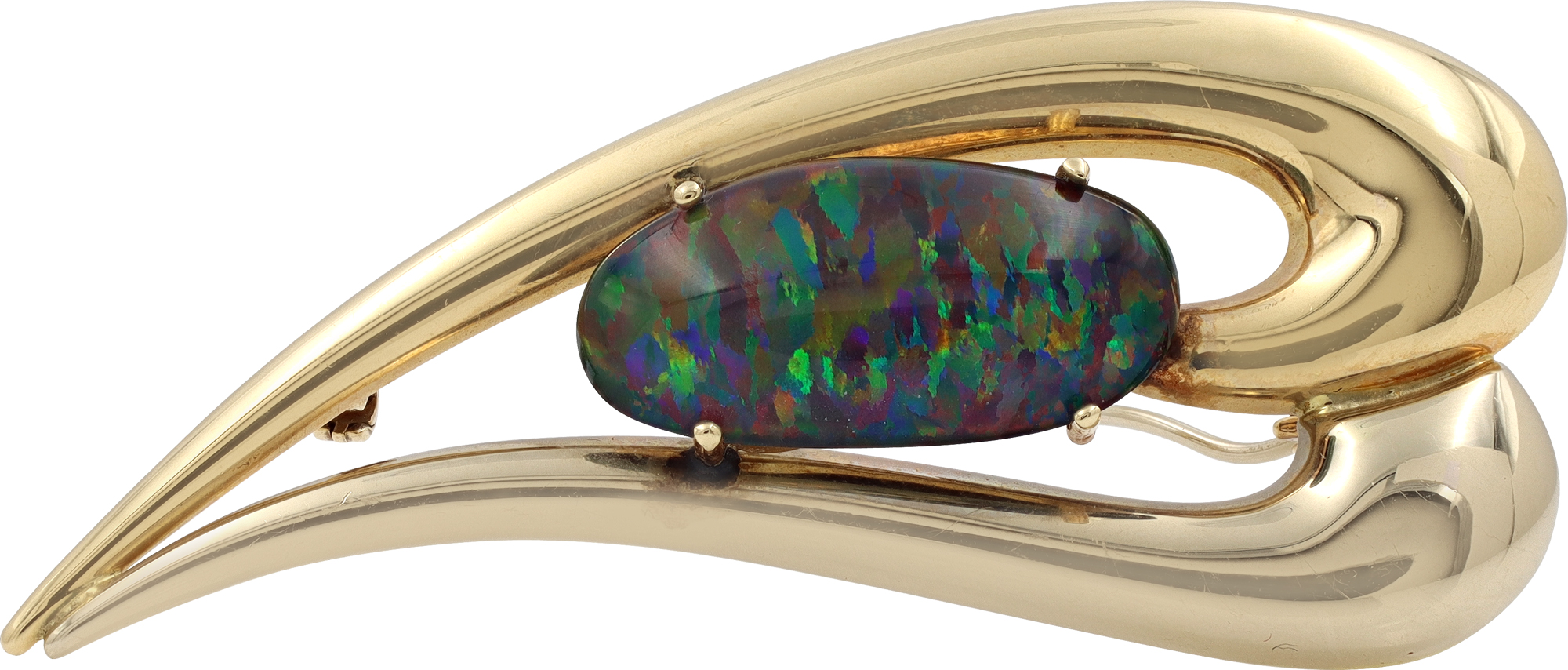
Diamond evaluation requires gemological expertise to assess certified stones accurately. Whether you're presenting GIA Certified Diamonds as loose stones or mounted in jewelry, professional grading verification and current market analysis inform valuations. From engagement rings to diamond line bracelets, each piece receives thorough examination.
Sterling silver items including flatware, serving pieces, and decorative objects receive evaluation based on weight, purity, maker significance, and condition. The sterling silver buyer process focuses on precious metal content while recognizing collectible value in certain patterns and makers. Whether you're selling complete flatware services or individual serving pieces, accurate weight-based assessment ensures appropriate valuations.
Preparing Your Submission
Thoughtful preparation streamlines the evaluation process regardless of whether you pursue collection or individual assessment approaches. Clear photographs showing overall condition, maker marks, signatures, and any damage or wear help evaluators understand your items before physical inspection. Multiple angles and detail shots provide comprehensive visual information that supports accurate preliminary assessment.
Written descriptions supplement photographs by specifying dimensions, materials, known history, and any relevant provenance information. When describing items, include brand names, model numbers (for watches), metal types and purity marks, gemstone descriptions, and any notable features. This information helps evaluators understand what they're assessing and prepare appropriate evaluation protocols.
Gathering documentation before submission ensures all relevant information accompanies your items. Original boxes, papers, certificates, receipts, previous appraisals, and service records should be noted in your submission even if you're not initially sending them. Knowing documentation exists allows evaluators to request it if needed during the assessment process.
Consider organizing your submission logically if presenting multiple items. Group similar pieces together—watches with watches, designer jewelry by maker, sterling silver items by category—to facilitate systematic evaluation. Clear organization demonstrates professionalism and helps ensure nothing gets overlooked during the assessment process.
Understanding Valuation Outcomes
Valuation outcomes depend on numerous factors specific to each item and current market conditions. Pieces in excellent condition with complete documentation typically receive stronger assessments than worn items lacking provenance. Current market demand for specific brands, styles, and categories influences buyer interest and offer levels across all luxury segments.
Brand prestige significantly impacts jewelry and watch valuations. Items from houses like Rolex, Patek Philippe, Cartier, and Van Cleef & Arpels consistently command strong market interest, while less recognized makers may receive more modest assessments even when pieces show excellent craftsmanship. Understanding brand hierarchy in the secondary market helps frame realistic expectations.
Condition assessment proves crucial across all categories. Jewelry pieces with minimal wear, functioning clasps, and intact stones receive stronger consideration than damaged items requiring repair. Watches in running condition with recent service histories appeal more strongly to buyers than non-functioning pieces needing expensive overhauls. Honest condition disclosure prevents surprises during evaluation and builds trust throughout the process.
Documentation completeness affects valuation confidence and offer levels. Items with comprehensive provenance receive more aggressive pricing than pieces requiring extensive authentication procedures or lacking verification of origin. When documentation exists, presenting it alongside your items strengthens the evaluation foundation and may positively influence outcomes.
When to Sell: Timing Considerations
Personal circumstances often dictate selling timelines more than market conditions. Estate settlement, relocation, financial needs, or collection focus changes create specific timeframes that override market timing considerations. Understanding your personal priorities helps determine whether to proceed immediately or maintain flexibility about timing.
Certain item categories experience seasonal interest fluctuations, though these patterns prove less pronounced in the luxury secondary market than in other segments. Holiday periods may see increased buyer activity for gift-appropriate items, while post-holiday periods might reflect individuals liquidating unwanted gifts. These subtle patterns rarely warrant delaying transactions unless you have significant timing flexibility.
Market conditions for specific brands or categories can shift based on manufacturer announcements, celebrity influences, or broader economic trends. These factors prove difficult to predict and rarely warrant attempting to time the market. For most sellers, proceeding when personal circumstances align with the decision to sell proves more practical than speculating about future market movements.
The evaluation process itself requires time for thorough assessment, authentication verification, and offer preparation. Understanding this timeline helps you plan appropriately rather than expecting immediate outcomes. Whether you need rapid liquidity or can accommodate longer evaluation timelines, communicating your preferences helps align the process with your needs.
Common Questions About Multiple-Item Submissions
Sellers frequently wonder whether submitting items together affects individual valuations. Professional evaluation assesses each piece on its merits regardless of what accompanies it in a submission. A Rolex Submariner receives the same scrutiny whether submitted alone or with twenty other timepieces. The evaluation methodology focuses on item-specific characteristics rather than submission context.
Concerns about minimum submission values or whether certain items warrant professional evaluation prove common. Reputable buyers evaluate items across value ranges, from modest sterling silver pieces to museum-quality luxury jewelry. No legitimate minimum should discourage you from requesting evaluation of items you're considering selling. Professional assessment provides valuable information regardless of whether you ultimately proceed with a transaction.
Questions about evaluation costs and obligations arise frequently. Understanding that requesting evaluation doesn't obligate you to accept offers provides peace of mind about exploring your options. Whether you're testing market interest, satisfying curiosity about values, or seriously pursuing sales, evaluation requests should be accommodated without pressure or obligation.
The possibility of accepting offers on some items while declining others deserves clarity. Separate evaluations naturally support selective acceptance, while collection quotes may require some flexibility about proceeding with the entire submission or restructuring the offer. Clear communication about your preferences helps align the process with your intentions.
Taking the Next Step
Whether you decide to pursue one comprehensive collection quote or request separate evaluations for your luxury items, the next step involves reaching out to begin the process. Professional evaluation provides the information needed to make informed decisions about your pieces, regardless of whether you ultimately proceed with selling.
Sell Us Your Jewelry welcomes submissions across all luxury categories, from Swiss watches to designer jewelry, certified diamonds to sterling silver collections. The evaluation process accommodates both collection and individual assessment approaches, adapting to your specific items and preferences. Understanding what you're looking to sell helps initiate the appropriate evaluation approach for your circumstances.
Beginning the process requires only basic information about your items—descriptions, photographs, and any documentation you have available. This initial submission allows evaluators to understand what you own and determine the appropriate assessment approach. Whether you're managing an inherited estate collection or selectively liquidating from personal acquisitions, professional evaluation provides clarity about your options.
Ready to Evaluate Your Collection?
Whether you're considering selling a comprehensive collection or individual luxury pieces, professional evaluation provides the information you need to make informed decisions. Our process accommodates both collection quotes and separate item assessments, adapting to your specific circumstances and preferences.
Start your evaluation today:
- Get a quote for your jewelry
- Evaluate your luxury watch
- Assess your GIA diamonds
- Value your sterling silver
- Explore what we buy
Our evaluation process provides comprehensive assessment across all luxury categories, from Rolex and Patek Philippe timepieces to Cartier and Van Cleef & Arpels jewelry, certified diamonds, and sterling silver collections. Contact us to begin understanding the value of your luxury items and exploring your selling options.
About Us | Sell Us Your Jewelry
Call Us Now: 305 770 6955
The Purchasing and Consignment Division of Gray & Sons


Be the first to know | SEE OUR CATALOG

