

November 1st, 2026
Sell Scrap Gold Together or Separately? How Buyers Compare Net Proceeds
When you're ready to sell scrap gold, one of the most important decisions you'll face is whether to submit your items as a single collection or evaluate each piece separately. Understanding how a scrap gold buyer assesses mixed-karat lots, broken chains, damaged rings, and worn bracelets can help you make an informed choice about the selling approach that aligns with your goals. This guide explains how buyers compare net proceeds, what factors influence a scrap gold collection offer, and the steps you can take to maximize scrap gold net proceeds based on your unique circumstances.
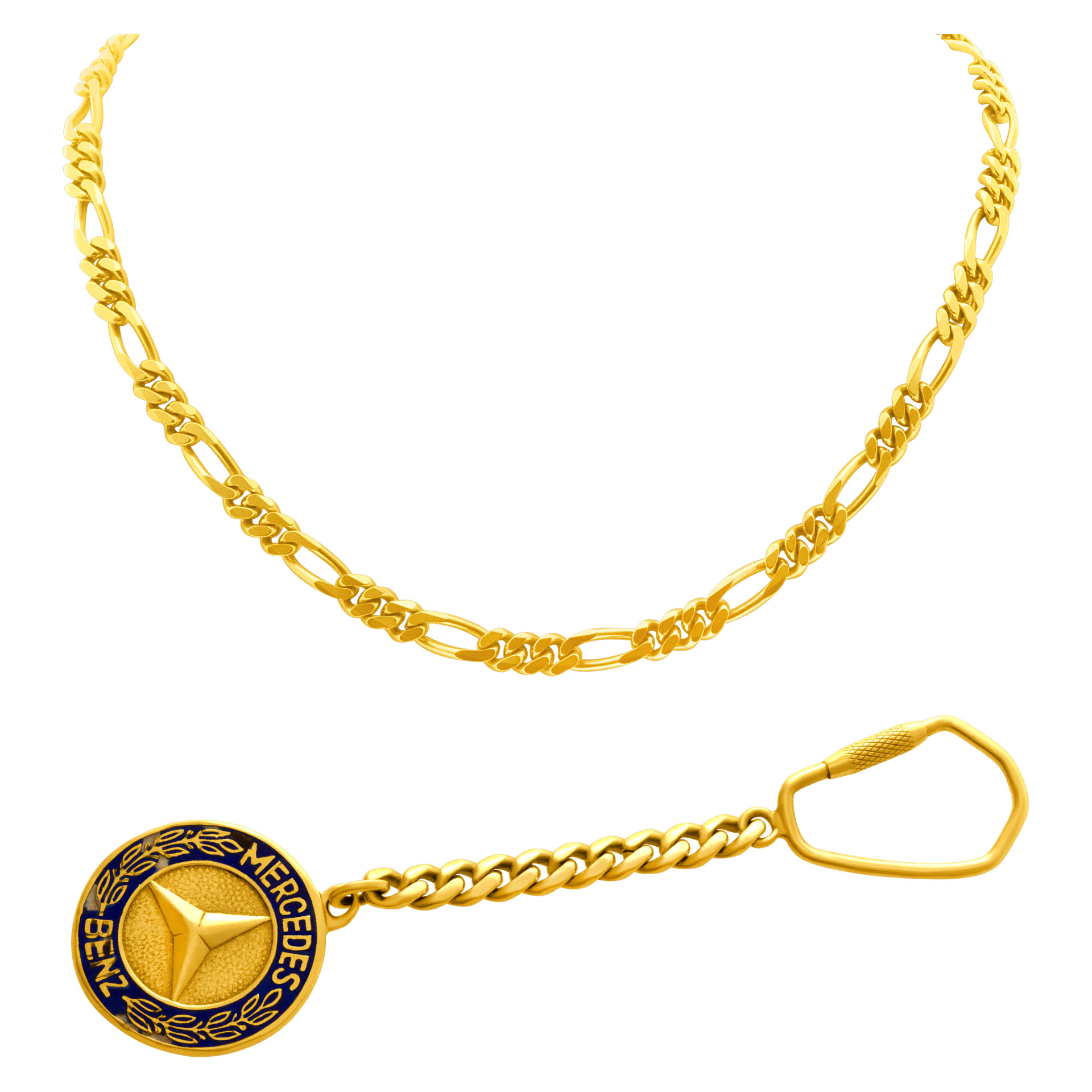
Whether you're clearing out an inherited jewelry box, consolidating items from a recent move, or simply converting unwanted gold into cash, the decision to group items together or present them individually depends on multiple variables including karat purity, weight, condition, and your timeline for payment. Professional buyers evaluate scrap gold resale value using precise testing methods, current market prices, and their own refining or resale channels—all of which affect the final offer you receive.
Understanding How Scrap Gold Buyers Evaluate Collections
A reputable scrap gold buyer begins every evaluation by determining the precise gold content of each item. This process involves identifying karat marks (such as 10k, 14k, 18k, or 22k), conducting acid tests or X-ray fluorescence analysis, and weighing pieces on calibrated scales to calculate the total pure gold weight. When you submit a collection together, the buyer will typically sort your items by karat purity before making separate calculations for each purity level.
The advantage of grouping items in a single submission is convenience: you pack one shipment, receive one evaluation, and complete one transaction. However, this approach means the buyer determines how to categorize and price each component within your collection. If your lot includes both high-karat pieces (18k or 22k gold) and lower-karat items (10k or 14k gold), the buyer will separate them during testing and apply different price-per-gram rates based on each item's actual gold content.

Professional buyers may provide breakdowns showing the weight and purity of each karat group within your collection. This transparency allows you to see exactly how your total offer was calculated. Keep in mind that when you sell scrap gold, buyers pay a percentage of the current spot gold price. The specific percentage, terms, and final payment vary based on the buyer's business model, refining costs, market conditions, and the characteristics of your specific items.
If you're working with Sell Us Your Jewelry, you can request a jewelry quote that explains how each piece in your collection contributes to the total offer. This evaluation process applies whether you're submitting broken chains, mismatched earrings, or entire estate lots containing mixed gold items.
When Selling Items Together Makes Practical Sense
Submitting a collection together is often the most efficient path when your primary goals are speed and simplicity. If you've accumulated several small gold items—such as broken chains, single earrings, worn rings, or damaged pendants—packaging them as one lot saves you time and shipping costs. A single evaluation streamlines the transaction, allowing you to receive one payment rather than managing multiple quotes and shipments for individual pieces.
Collections that contain items of similar karat purity may benefit from grouped evaluation because the buyer can process them as a single batch during refining. For example, if your collection consists entirely of 14k yellow gold chains and bracelets, the buyer can weigh and test the entire lot as one category. This efficiency may reduce the buyer's administrative time, though it does not automatically guarantee a higher per-gram price.

Another scenario where selling together makes sense is when individual items are too small or lightweight to attract competitive offers on their own. A single thin chain or a small charm might weigh only a few grams, resulting in a modest valuation when sold separately. Combining several lightweight pieces into one submission increases the total gold weight, which can make the transaction more attractive to some buyers.
Before deciding to group everything together, consider whether any pieces might have value beyond their gold content. Designer items from brands such as Cartier, Tiffany & Co., or David Yurman may command resale premiums if they're intact, identifiable, and in reasonable condition—though authentication, completeness, condition, originality, repair needs, and current market demand all affect that comparison to scrap value. Similarly, items containing diamonds or gemstones might be worth more as finished jewelry than as scrap metal, depending on the specific characteristics and market factors. In these cases, separating designer or gemstone pieces from true scrap items could potentially result in higher total proceeds.
For sellers managing estate jewelry or inherited collections, the convenience of a single transaction may be a practical choice for executors, beneficiaries, or individuals downsizing belongings. Gold jewelry buyers understand that estate situations may require efficiency and straightforward valuations.
Evaluating Individual Items Separately for Specific Circumstances
Selling gold items separately makes sense when you have pieces with distinct characteristics that warrant individual attention. High-karat gold jewelry (18k, 22k, or 24k) typically contains more pure gold per gram than standard 14k or 10k items, which means these pieces command higher prices based on gold content alone. Submitting high-karat items separately ensures they're evaluated at their appropriate premium rate rather than being averaged with lower-karat pieces.

Designer jewelry with intact brand markings or distinctive design elements may retain resale value beyond the metal content—though authentication, completeness, condition, originality, repair needs, and current market demand all affect that comparison to scrap value. Cartier, Tiffany & Co., vintage Van Cleef & Arpels pieces, or signed items from recognized designers can attract buyer interest when sold through appropriate resale channels, depending on all the factors mentioned above. Separating these items from your scrap collection allows specialized buyers to evaluate them based on potential brand value, craftsmanship, and current market conditions.
Items containing diamonds or colored gemstones require separate consideration if the stones may have appreciable value. While very small accent diamonds (often called "melee") typically add minimal value to scrap jewelry, larger stones with good quality characteristics may be worth extracting and selling individually, depending on factors including authenticity, cut, clarity, color, setting, certification status, and buyer demand. A ring containing a center diamond should be evaluated by specialists who can assess the stone's characteristics and market value independent of the gold setting.
The separate evaluation approach does involve more effort: you'll need to organize items by category, potentially submit multiple quotes, coordinate several shipments, and manage distinct transactions. This additional work makes sense when specific pieces may justify individual attention due to designer provenance, high gold purity, or gemstone content.
Consider requesting a jewelry quote before making final decisions about which items to group and which to separate. Professional evaluations help identify pieces that may deserve individual treatment versus items best sold as scrap gold by weight.
How Mixed-Karat Collections Affect Buyer Offers
Collections containing multiple karat purities present unique evaluation challenges that affect how buyers calculate offers. When you submit items ranging from 10k to 22k gold together, the buyer must sort, test, and weigh each karat group separately because the pure gold content varies significantly across these purities. 10k gold contains approximately 41.7% pure gold, while 18k contains 75% pure gold—meaning 18k items are worth substantially more per gram based on gold content alone.
Most buyers will provide a breakdown showing separate calculations for each karat category within your collection. For example, if your lot includes 50 grams of 14k gold and 30 grams of 18k gold, the buyer will list two distinct line items with different per-gram rates reflecting the actual gold content of each group. This transparency allows you to verify that higher-karat items received appropriate premium pricing rather than being averaged down with lower-karat pieces.
Some buyers offer a blended rate when purchasing mixed-karat collections, calculating a weighted average based on the overall gold content of the entire lot. While this simplified approach creates a single price-per-gram figure, it's essential to verify that the blended rate fairly reflects the proportion of higher-karat items in your collection. A collection consisting primarily of 18k gold jewelry should command a significantly higher blended rate than one dominated by 10k pieces.
The presence of non-gold metals in your collection—such as silver, platinum, or base metals—requires additional sorting and may affect the overall offer. Reputable buyers will identify and value precious metals separately, but mixing gold with sterling silver or costume jewelry can complicate the evaluation process. If you're also looking to sell sterling silver, consider requesting a separate evaluation for silver items to ensure each metal receives appropriate market-based pricing.
White gold items within a collection deserve special mention because they contain the same gold content as yellow gold of equivalent karat but may be treated differently by some buyers due to the additional metals (typically nickel or palladium) used to create the white color. Professional scrap gold buyers evaluate white gold based solely on its gold content, but it's worth confirming this policy before submitting mixed yellow and white gold collections.
Factors Beyond Gold Content That Influence Valuations
While pure gold weight forms the foundation of scrap valuations, several other factors affect the final offer you receive when you sell scrap gold. Understanding these variables helps you set realistic expectations and choose the evaluation approach that maximizes your net proceeds given your specific circumstances.
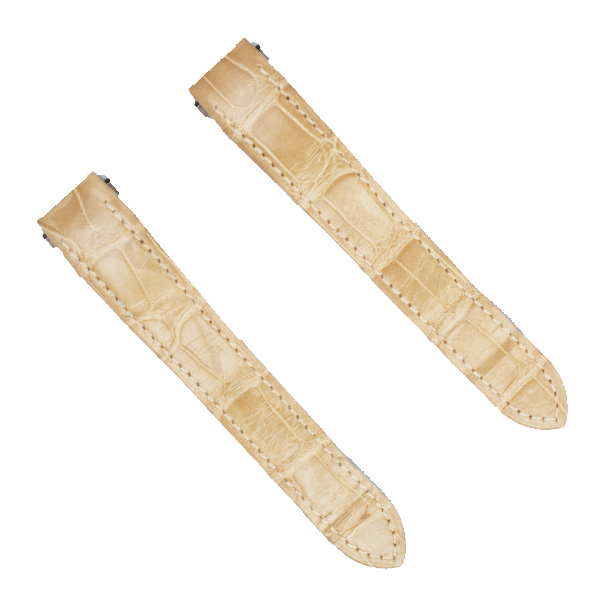
Condition and Cleanliness: While scrap gold buyers ultimately melt and refine damaged items, extremely dirty, corroded, or contaminated pieces may require additional processing that affects offers. Items containing non-gold components—such as watch movements, leather straps, or adhesive residues—require removal of these materials before refining. Check with your buyer about how to prepare your submission; some buyers may ask you to remove certain components, while others prefer to receive items as-is.
Market Timing: Gold prices fluctuate daily based on global economic conditions, currency values, and investor demand. The spot price of gold when you request your quote directly affects the dollar amount buyers can offer. While you shouldn't obsess over minor daily price movements, understanding that gold prices vary helps explain why identical items might receive different offers when evaluated weeks or months apart.
Transaction Costs: Different selling methods involve varying costs that affect your net proceeds. Selling through local buyers eliminates shipping but requires travel time. Online buyers may provide prepaid insured shipping. Understanding the total cost structure—including shipping, insurance, and any applicable fees—helps you compare net proceeds across different buyers and selling methods.
Payment Methods and Timing: Buyers offer payment through various methods including checks, bank wires, PayPal, or other digital platforms. Each method has different processing times and potential fees. Wire transfers typically arrive fastest but may involve bank charges. Checks require mailing time and clearance periods. Understanding payment terms helps you select a buyer whose timeline aligns with your needs.
Designer Pieces That Deserve Individual Attention
Certain gold items may command premiums beyond their melt value due to designer provenance, brand recognition, and collector demand—though authentication, completeness, condition, originality, repair needs, and market demand all affect the resale comparison to scrap value. Identifying these pieces before submitting a scrap gold collection ensures you don't inadvertently sell valuable designer jewelry for basic scrap prices. Even if items show wear or damage, intact brand markings and identifiable designs can preserve resale value in some cases.
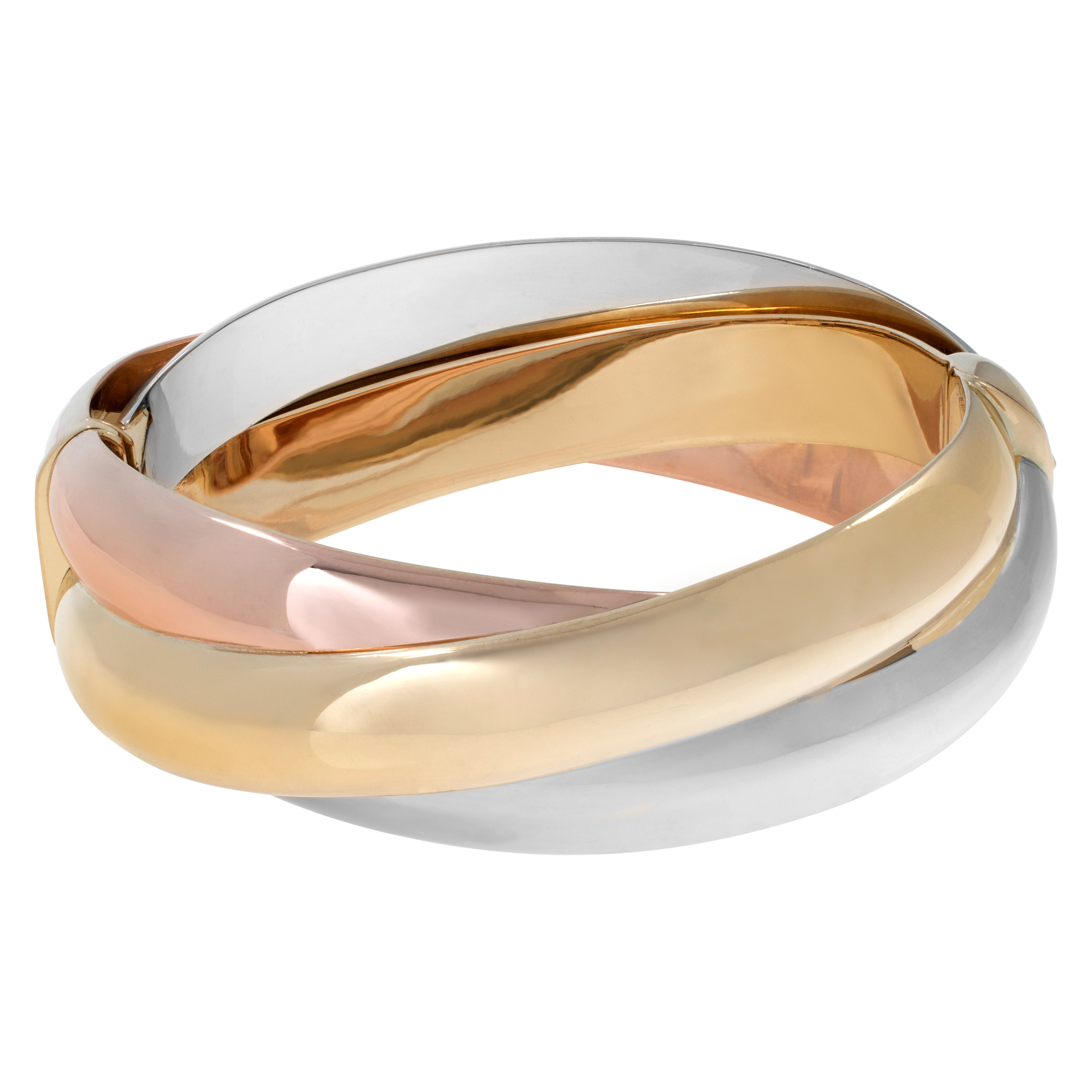
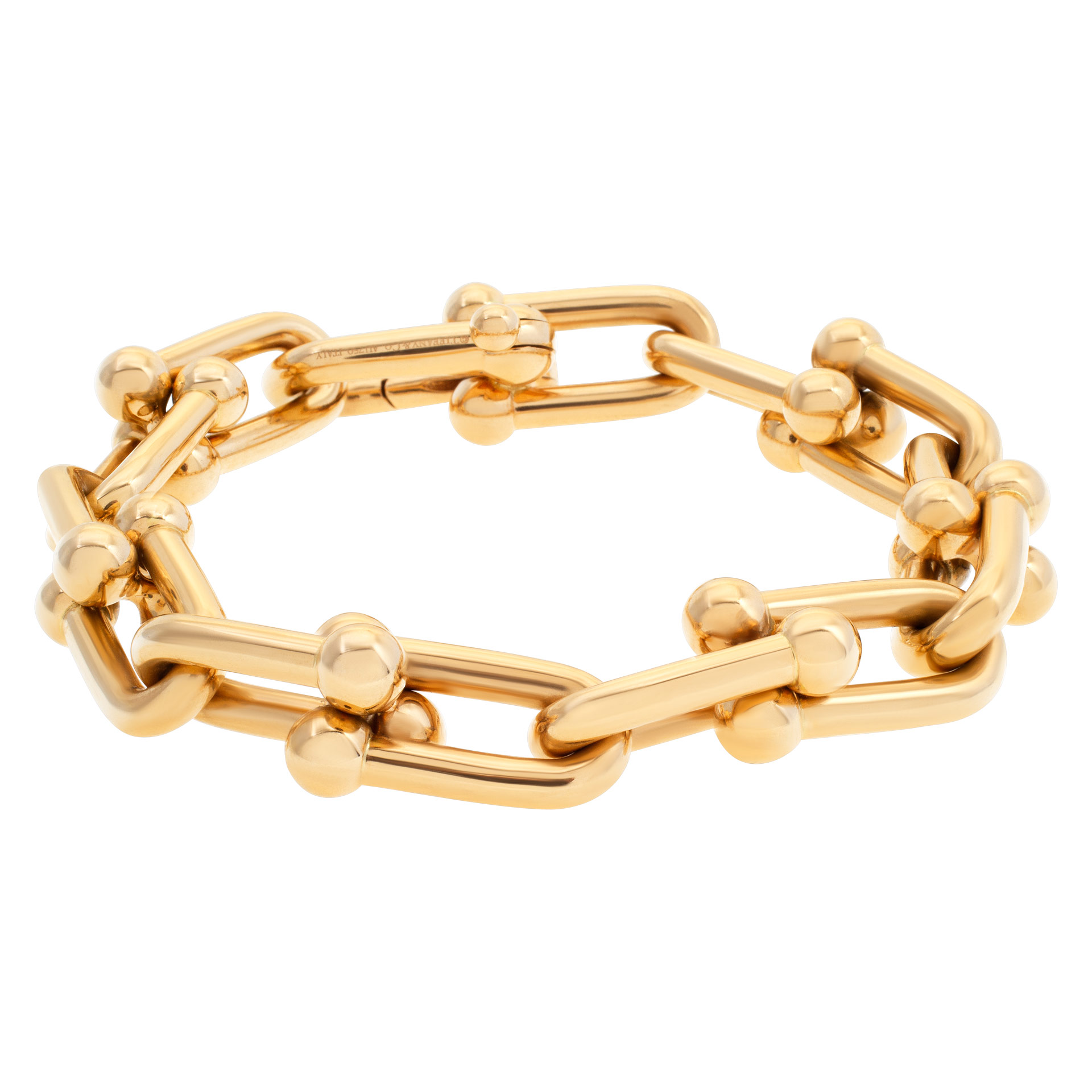
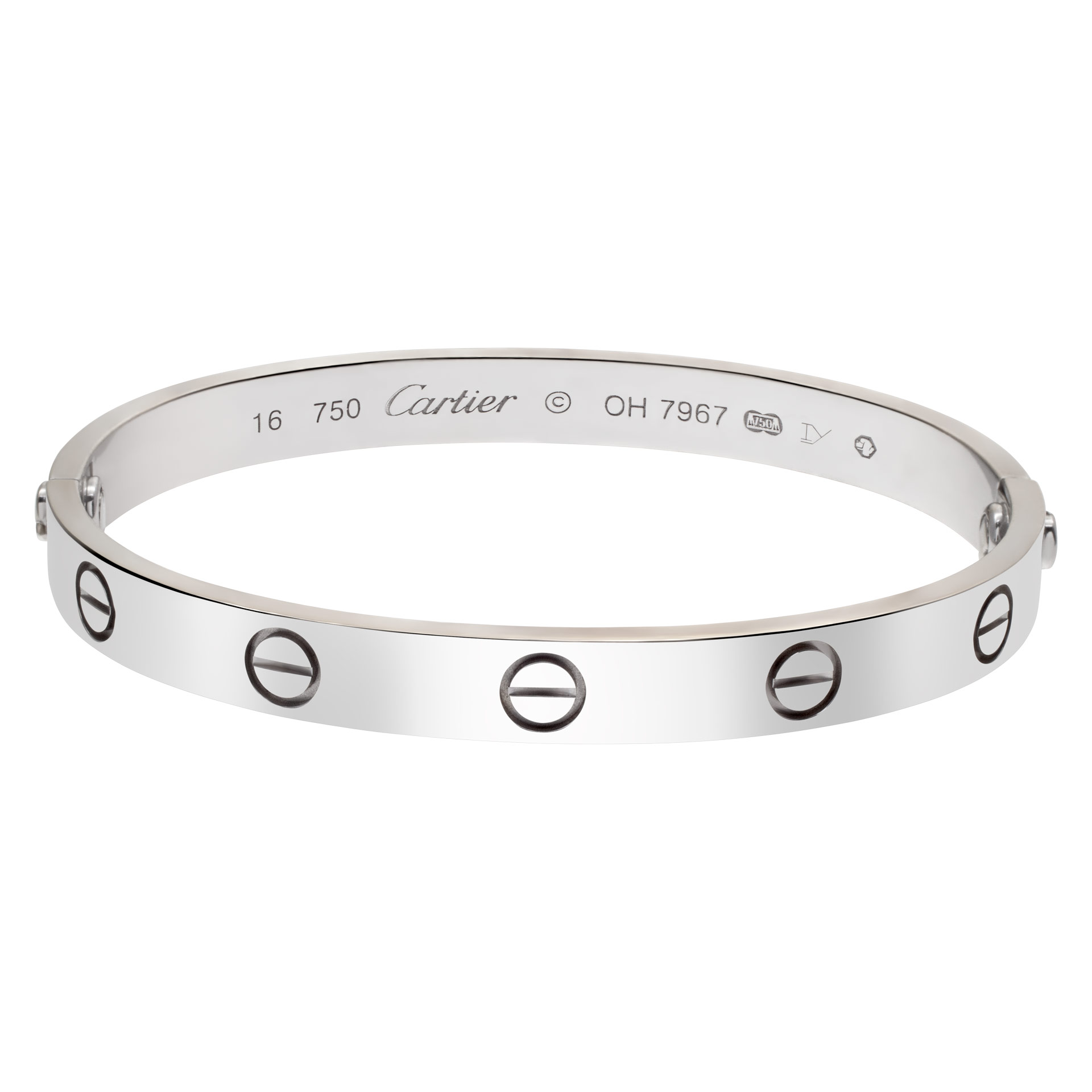
Cartier: Iconic Cartier designs such as Love bracelets, Juste un Clou pieces, and Panthère collection items may retain value depending on condition and authenticity. Original box, papers, and screwdriver accessories can support evaluations but aren't always necessary. When you're ready to sell Cartier jewelry, consider requesting a designer jewelry evaluation rather than a scrap gold quote, even for worn items.
Tiffany & Co.: Signature Tiffany designs including Return to Tiffany pieces, Hardware collections, and classic Atlas designs may maintain premium pricing due to brand recognition, depending on the factors mentioned above. Items should be evaluated separately from scrap collections to determine whether brand value applies. Learn more about how to sell Tiffany & Co. jewelry.
Van Cleef & Arpels: The famous Alhambra collection, characterized by four-leaf clover motifs, represents one of the most recognizable jewelry designs. Alhambra pieces in various sizes and materials can command premiums depending on condition and authenticity. Explore options to sell Van Cleef & Arpels jewelry through specialized buyers familiar with authentication and current market values.
Bvlgari: Distinctive Bvlgari designs such as the Serpenti collection and B.Zero1 pieces may maintain resale markets. The bold Italian aesthetic and high-quality craftsmanship justify separate evaluation from basic scrap gold. If you're looking to sell Bvlgari jewelry, specialized buyers can assess brand-specific value factors.
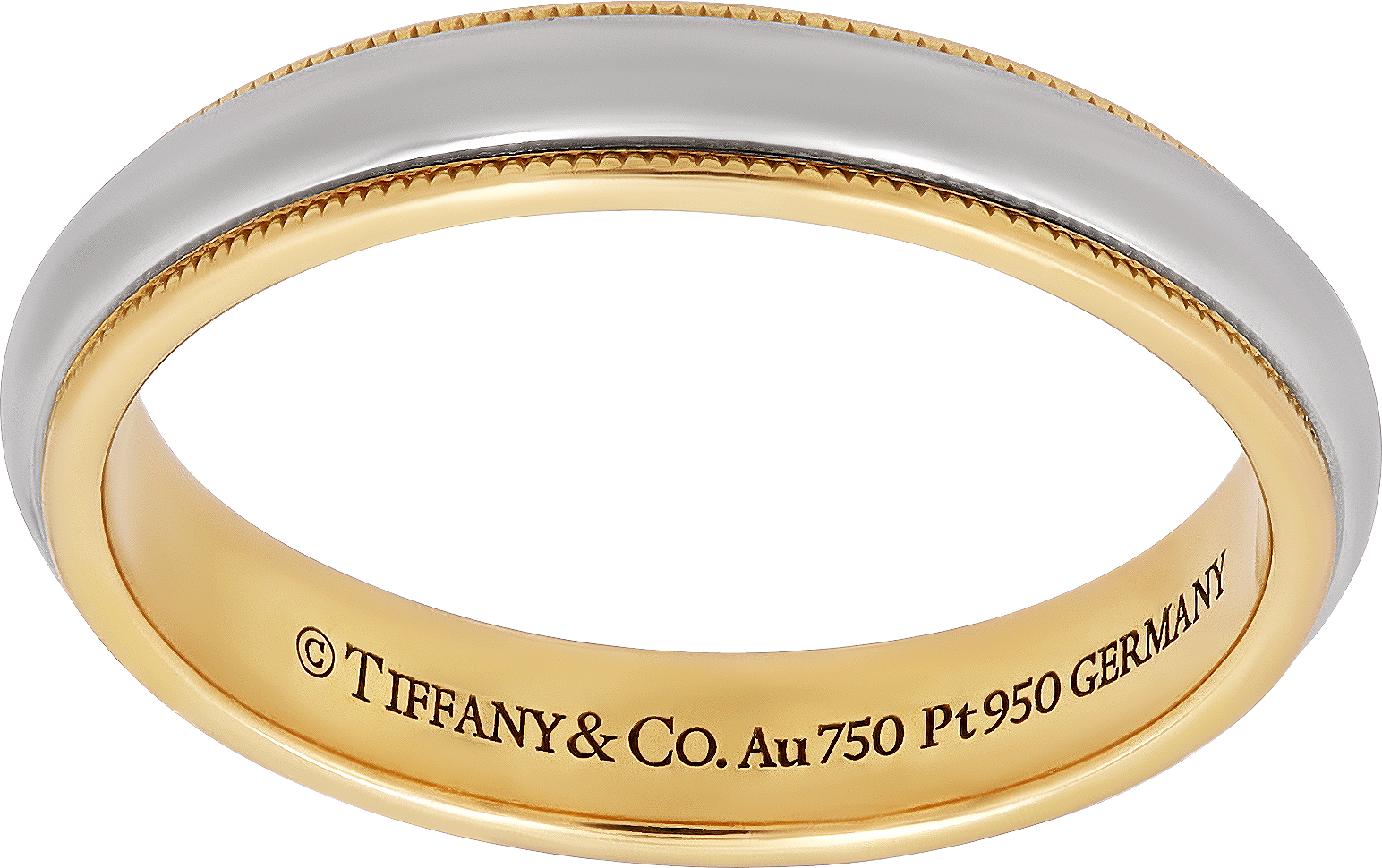
Other brands that may merit separate evaluation include David Yurman (especially Cable collection pieces), and other recognized designers. Even if you're unsure whether a piece qualifies as designer jewelry, requesting identification during your initial quote costs nothing and might reveal unexpected value.
Gold Watches: Scrap Metal or Collectible Timepieces?
Gold watches occupy a unique category that requires careful evaluation before deciding whether to sell them for scrap metal value or as collectible timepieces. The decision depends on the watch brand, model, condition, and whether it's functional. Many gold watches contain substantial gold content in cases and bracelets, but the complete timepiece might be worth more than its melt value—though this depends on authentication, completeness, condition, originality, repair needs, and current market demand for the specific model.
Luxury Swiss Watches: Brands such as Rolex, Patek Philippe, Audemars Piguet, and Vacheron Constantin may maintain collector value even when watches are non-functional or damaged. A gold Rolex Day-Date may be worth more as a complete watch (even if it needs service) than as scrap gold, depending on the specific model, condition, and market factors. Before considering scrap sales, request a watch quote from specialists familiar with luxury timepiece values.
Specific models that deserve watch-specialist evaluation include any Rolex in gold (Day-Date, Datejust, Submariner, GMT-Master), any Patek Philippe timepiece, Audemars Piguet Royal Oak models, and vintage chronographs from brands such as Omega, Breitling, or IWC. Even non-running watches from these manufacturers contain movements, dials, and cases that may hold value to collectors and restorers.
Branded Gold Watches: Mid-tier brands such as Omega, Cartier, Jaeger-LeCoultre, and Breitling in solid gold cases should also be evaluated as watches rather than scrap. While these brands don't always command Rolex-level premiums, functional examples may maintain respectable resale markets. If you're looking to sell my Omega watch, sell Cartier watch, or sell my Breitling watch, start with timepiece specialists before considering scrap buyers.
Generic Dress Watches: Unknown brands in gold cases represent the gray area where the decision becomes more complex. A non-functional watch from an unrecognized manufacturer might contain valuable 14k or 18k gold in the case and bracelet, but the timepiece itself may hold no collector interest. In these situations, verifying the gold purity and weighing the case and bracelet provides a baseline scrap value that you can compare against any potential watch resale offers.

Gold watch bands and bracelets warrant separate mention because even generic bands can contain significant gold weight. Replacement bands for certain models can contain substantial 18k gold that makes them valuable even without an attached watch head. If you have gold watch bands without watches or mismatched components, weighing and testing the gold content provides the most accurate value assessment.
Documentation and Its Role in Scrap Gold Transactions
While scrap gold sales focus primarily on metal content rather than provenance, maintaining records of your items serves practical purposes throughout the transaction process. Documentation doesn't typically affect the per-gram price you receive for scrap gold, but it can streamline the selling process and provide you with transaction records for personal purposes.
Purchase Receipts and Appraisals: Original purchase documentation or previous appraisals may support your purchase history or previous evaluations but do not independently prove legal ownership. Appraisals often reflect retail replacement values that are significantly higher than scrap or resale values.
Photography: Taking clear photographs of your items before shipping serves as your personal record and can assist with insurance claims if items are lost during transit. Most buyers photograph items upon receipt as part of their evaluation process, but maintaining your own images provides independent documentation of what you sent.
Inventory Lists: Creating a simple list of items you're selling—including descriptions, approximate weights, and karat marks—helps you verify that all pieces were received and evaluated. This inventory also serves as your transaction record for personal financial records or estate documentation.
Brand Authentication: For designer pieces separated from your scrap collection, original boxes, papers, authenticity cards, and purchase receipts can support attribution and may assist evaluations. However, these documents do not independently prove authenticity or designer origin. While scrap gold doesn't require authentication, designer jewelry evaluations may benefit from complete documentation.
When you sell scrap gold, buyers may request basic seller information for record-keeping and legal compliance purposes, but the transaction focuses on metal content rather than item history. This straightforward process contrasts with designer jewelry or luxury watch sales where provenance, authentication, and documentation play more central roles in determining value.
Comparing Net Proceeds Across Different Selling Methods
The method you choose to sell scrap gold affects your net proceeds due to varying buyer margins, transaction costs, and convenience factors. Understanding these differences helps you make informed decisions about whether to prioritize speed, convenience, or potentially higher returns.
Online Buyers: National online gold buyers offer convenience through prepaid shipping kits and insured shipping. You pack your items at home, mail them to the buyer, and receive evaluation and payment remotely. This method eliminates travel time but introduces shipping delays and requires trust in remote transactions.

Local Jewelry Stores and Gold Buyers: Selling locally allows face-to-face transactions and immediate payment, which appeals to sellers who prefer in-person dealings. The convenience of immediate payment and no shipping concerns may appeal depending on your priorities.
Pawn Shops: Pawn transactions provide quick cash and local access. While pawning offers speed, the net proceeds and terms vary by establishment.
Auction Houses and Consignment: For designer jewelry or rare pieces, auction or consignment sales might generate higher returns by accessing retail buyer markets. However, these methods involve longer timelines, seller commissions, and no guaranteed outcomes. Consignment can make sense for exceptional designer pieces but rarely benefits basic scrap gold sales.
Refinery Direct: Large quantities of scrap gold might justify selling directly to refineries. However, refineries may have minimum quantity requirements, charge assay fees, and have specific payment terms. Requirements and processes vary by refinery.
Understanding how it works with professional buyers helps you compare the total transaction experience—including evaluation transparency, payment terms, shipping costs, and customer support—rather than focusing solely on quoted percentages. The process varies by buyer, and comparing complete terms helps you make informed decisions.
Making Your Decision: Together, Separate, or Hybrid Approaches
After considering all factors discussed above, you can develop a selling strategy that balances convenience against the potential benefits of selective separation. Many sellers find that a hybrid approach—separating exceptional pieces while grouping true scrap items—provides a practical combination of efficiency and value consideration.
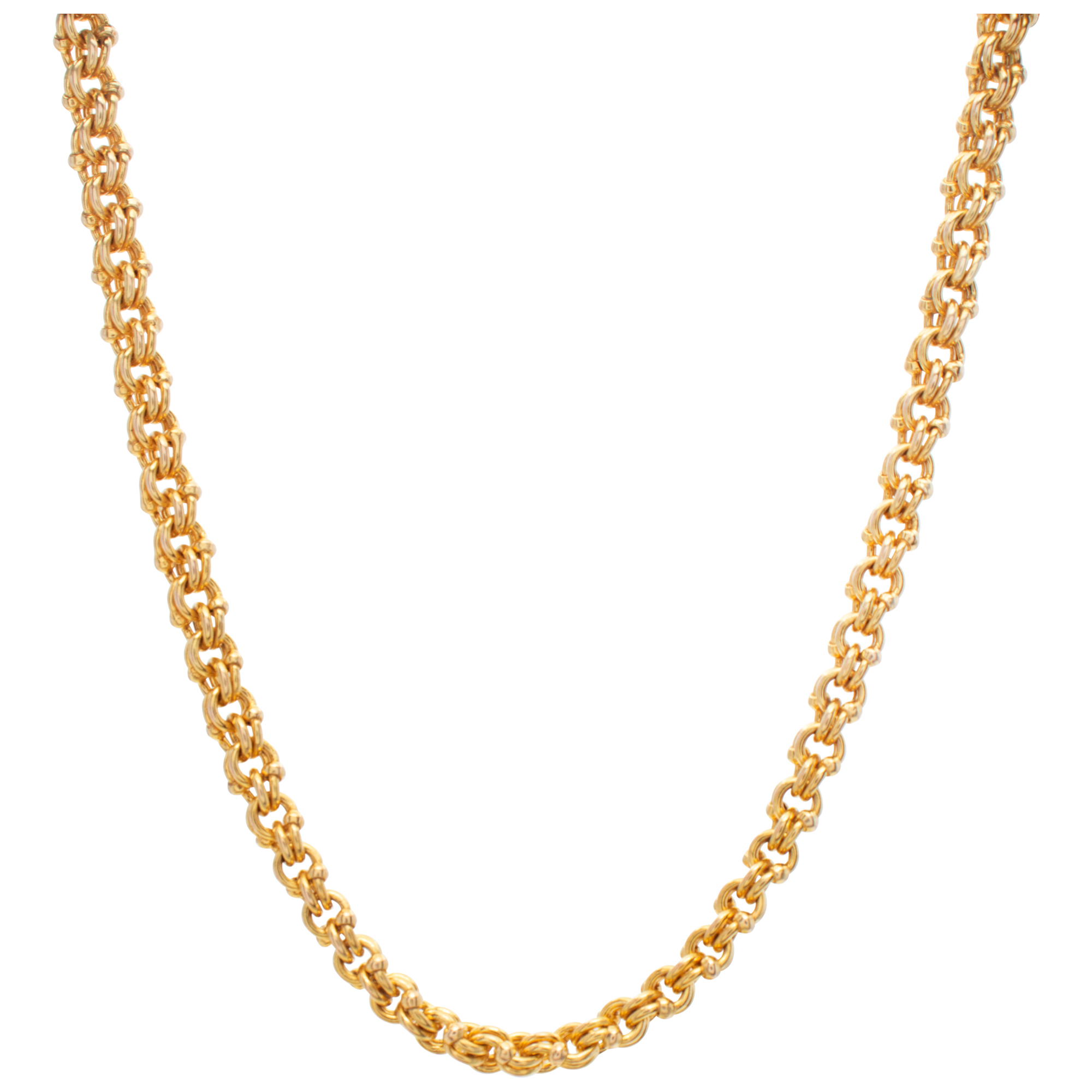
The Hybrid Strategy: Begin by sorting your collection into distinct categories: designer or branded pieces, high-karat gold (18k, 22k, 24k), jewelry containing significant gemstones, and basic scrap items. Request separate evaluations for designer pieces, gem-set jewelry, and luxury watches through appropriate specialized channels. Group remaining scrap items by karat purity for efficient processing, submitting 10k items together, 14k items together, and so forth.
This approach allows exceptional pieces to receive appropriate attention while streamlining the evaluation of true scrap items. You maintain convenience for the bulk of your collection while ensuring high-value pieces aren't undersold as scrap metal. The additional effort of sorting and requesting multiple quotes may pay off when specific items justify individual treatment.
When to Keep It Simple: If your collection consists entirely of damaged, worn, or unmarked pieces with no designer elements or significant stones, selling everything together probably makes sense. The time and effort required to sort and submit separate quotes may exceed the potential benefit when items are genuinely scrap-quality gold. Efficiency becomes the priority, and a single transaction provides straightforward value realization.
When to Invest More Effort: If your collection includes any of the following, investing time in selective separation may increase net proceeds: brand-name designer pieces from Cartier, Tiffany, Bulgari, or Van Cleef; any gold Rolex, Patek Philippe, or Audemars Piguet watch; jewelry containing larger diamonds; complete vintage or antique pieces in excellent condition; or high-karat gold items (22k or 24k) in significant quantities.
The final decision ultimately rests on your personal priorities: how quickly you need payment, how much effort you're willing to invest in sorting and multiple submissions, and whether specific items in your collection may merit individual attention based on designer provenance, high karat purity, or exceptional gemstones.
Taking the Next Steps to Sell Your Gold
Whether you choose to sell scrap gold together as a single collection or evaluate certain pieces separately, working with established professionals ensures transparent valuations and secure transactions. The key to maximizing your net proceeds lies in understanding what you have, recognizing which items may deserve special attention, and selecting buyers appropriate for each category.
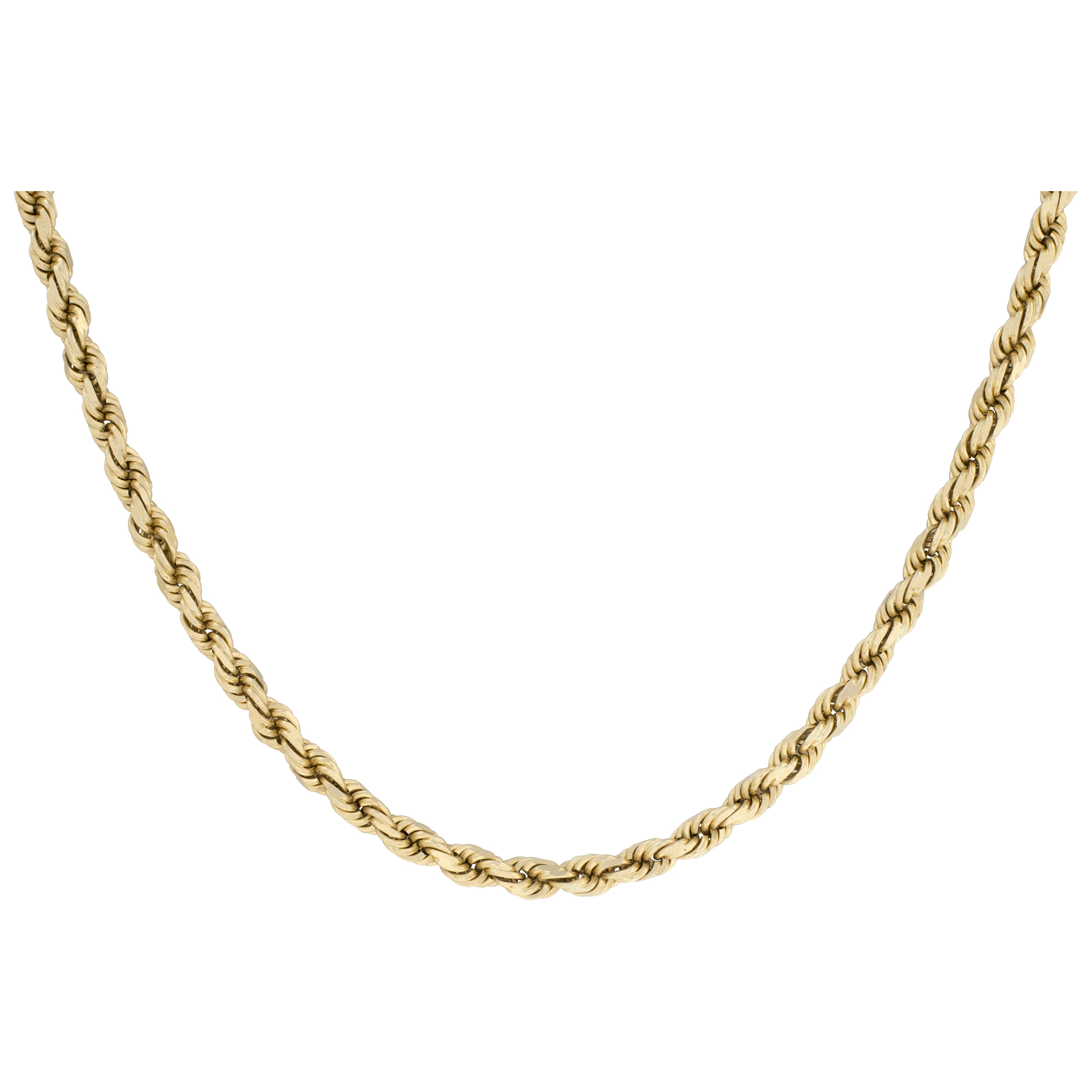
Start by taking inventory of your items and identifying any pieces that fall outside the basic scrap category. Look for designer hallmarks, brand engravings, or distinctive design elements that suggest items might be worth more than melt value. Check karat marks to determine which pieces contain higher gold content. Separate watches from jewelry, as timepieces may require specialized evaluation even when gold content is significant.
For basic scrap items—broken chains, worn rings, mismatched earrings, and damaged pieces without brand markings—request a straightforward jewelry quote based on metal content. Reputable buyers will test, weigh, and calculate offers based on current gold market prices. The evaluation process remains consistent whether you're selling inherited estate items, clearing out old jewelry, or liquidating pieces after major life changes.
If your collection includes designer jewelry, luxury watches, or significant diamonds, consider exploring specialized evaluation channels that recognize value beyond scrap metal content.
Understanding the brands we buy helps you identify which items may merit designer jewelry evaluation versus scrap processing. Even if you're uncertain about specific pieces, requesting identification and evaluation might reveal unexpected value in items you assumed were basic scrap.
Ready to Sell Your Scrap Gold Collection?
Making informed decisions about whether to sell scrap gold together or separately requires understanding how buyers evaluate collections, what factors influence offers beyond pure gold content, and which pieces may deserve individual attention based on designer provenance or exceptional characteristics. While selling everything together offers convenience and efficiency, selectively separating high-value items may increase your total net proceeds when specific pieces justify the additional effort.
The selling approach that works best for you depends on your unique circumstances: the types of items in your collection, your timeline for receiving payment, and whether you have pieces that may merit specialized evaluation as designer jewelry, luxury watches, or significant gemstones rather than basic scrap metal.
Ready to get started? Request your jewelry quote today to discover what your gold collection is worth. Whether you're selling broken chains, designer pieces, or complete estate collections, professional evaluation provides the information you need to make confident selling decisions. Explore how it works to understand the evaluation and payment process, or learn more about buying gold jewelry.
About Us | Sell Us Your Jewelry
Call Us Now: 305 770 6955
The Purchasing and Consignment Division of Gray & Sons


Be the first to know | SEE OUR CATALOG

