

April 10th, 2026
Tax Day Treasures: Strategic Diamond and Luxury Jewelry Sales Before April 15th for 2026 Financial Planning
As April 15th approaches, savvy collectors and luxury asset owners are discovering that tax season jewelry sales offer strategic opportunities beyond standard financial planning. The window before Tax Day 2026 presents a unique moment to sell GIA Certified Diamonds and high-value jewelry pieces while considering important tax implications. Whether you're evaluating your portfolio or seeking to optimize your financial position, understanding how to strategically liquidate luxury assets can significantly impact your overall wealth management strategy.
The period leading up to April 15th has historically represented more than just a filing deadline—it's a critical juncture for financial decision-making. When you sell diamond jewelry before the tax deadline, you're creating opportunities to address capital gains considerations, rebalance portfolios, and establish liquidity for the coming fiscal year. This strategic approach to luxury asset management has become increasingly sophisticated as collectors recognize the financial planning advantages of timing their sales effectively.
Understanding Capital Gains Strategy for Luxury Jewelry Sales
Capital gains considerations become particularly relevant when selling high-value assets like GIA certified diamonds, luxury brand jewelry, and estate pieces. The distinction between short-term and long-term capital gains can significantly affect your tax liability, making the timing of your sale crucial. Items held for more than one year typically qualify for more favorable long-term capital gains treatment, which can result in substantial tax advantages depending on your income bracket.
When working with a trusted GIA Certified Diamonds buyer, accurate documentation becomes essential for establishing cost basis and determining actual gains. This is particularly important for inherited pieces, where the stepped-up basis rules may apply. Many collectors discover that pieces inherited from family estates may have significantly different tax implications than items they purchased themselves, creating opportunities for strategic planning when you sell diamond jewelry.
For those considering whether to sell Cartier jewelry or other luxury brand pieces before Tax Day, understanding the difference between personal property and investment property classifications matters. While personal-use property losses aren't deductible, investment property losses can offset other capital gains. Professional guidance from both tax advisors and experienced luxury buyers helps navigate these complex considerations while ensuring you receive fair market value for your treasures.
Strategic Timing: Why April Financial Planning Matters
The weeks before April 15th represent a strategic window for several reasons beyond the obvious filing deadline. Market dynamics in the luxury jewelry sector often shift during tax season as collectors make decisions about their holdings. Additionally, establishing transactions before the deadline provides clarity for the current tax year rather than pushing considerations into the following year's planning cycle.
When you sell diamond engagement ring pieces or other significant jewelry during this period, you're also positioning yourself for the upcoming spring market. The period following tax season traditionally sees increased activity in luxury markets as collectors redirect funds and refresh their portfolios. By completing sales before mid-April, you can then strategically reinvest or redeploy capital during these favorable market conditions.
Working with established jewelry buyers near me who understand tax-season timing ensures your transaction receives proper attention rather than being rushed in a last-minute filing frenzy. Professional buyers can provide detailed documentation, proper valuation support, and the transparent pricing needed for accurate tax reporting. This thoroughness protects your interests while streamlining the entire sales process.
Luxury Brand Jewelry: Premium Assets for Strategic Sales
High-end designer pieces represent some of the most liquid luxury assets available to collectors. When you sell Cartier Love bracelets or other iconic designs, you're dealing with items that maintain consistent market recognition and valuation. These pieces often command premium prices from specialized buyers who understand their lasting appeal and investment-grade status within the luxury market.
The distinction between fashion jewelry and investment-grade pieces becomes particularly important during tax planning. Items from heritage houses like Cartier, Van Cleef & Arpels, and Bulgari typically have well-documented provenance and market values, making accurate capital gains calculations more straightforward. When you sell Van Cleef & Arpels Alhambra collection pieces or sell Cartier Panthère collection items, the consistent market demand and established pricing frameworks simplify the valuation process significantly.
For collectors holding multiple luxury brand pieces, the pre-Tax Day period offers an opportunity to strategically select which items to liquidate based on their individual cost basis and holding periods. Perhaps you sell Tiffany & Co. jewelry acquired recently while retaining pieces with lower cost bases. This selective approach allows you to optimize your overall tax position while maintaining key pieces in your collection that may have more favorable long-term implications.
The GIA Certification Advantage in Tax Season Sales
GIA certification provides the documented quality assessment that simplifies both valuation and tax reporting. When you work with a professional GIA diamond buyer, the certification establishes objective quality metrics that support fair market value determinations. This documentation becomes particularly valuable during tax season when accurate valuations are essential for proper reporting of capital gains or losses.
The comprehensive grading information provided by GIA certifications—including cut, color, clarity, and carat weight—creates a transparent foundation for pricing discussions. This objectivity benefits both sellers and buyers by eliminating subjective disagreements about quality. Whether you're looking to sell GIA diamond in Palm Beach or working with online buyers, this standardized assessment framework ensures fair treatment throughout the transaction.
For estate executors and heirs managing inherited jewelry in 2025, GIA certifications provide crucial documentation for establishing fair market value at the time of inheritance. This establishes the stepped-up basis that can significantly reduce capital gains exposure when pieces are subsequently sold. Understanding these tax implications helps families make informed decisions about which pieces to retain and which to liquidate during estate settlement.
Diamond Jewelry Categories with Strong Market Demand
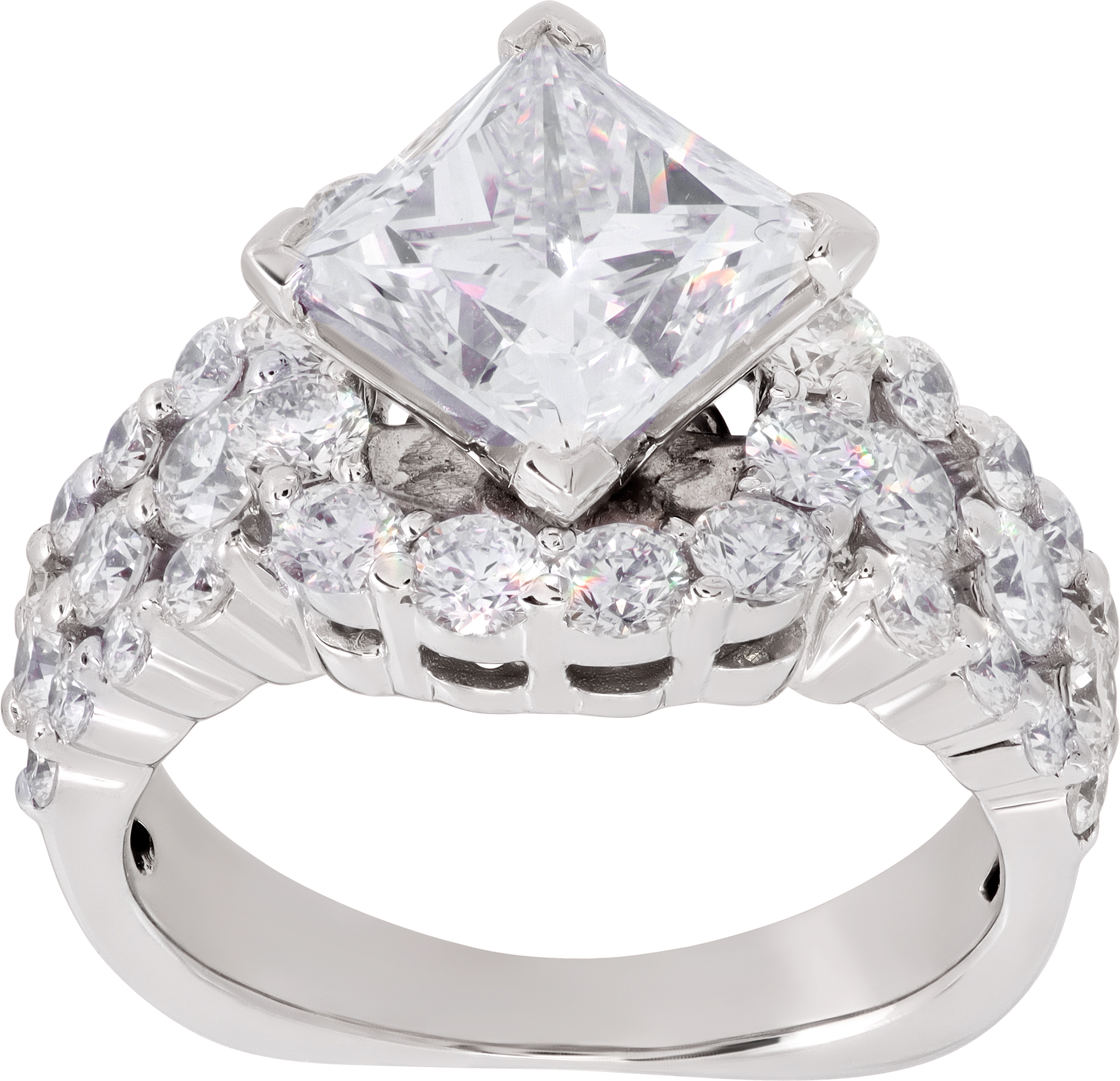
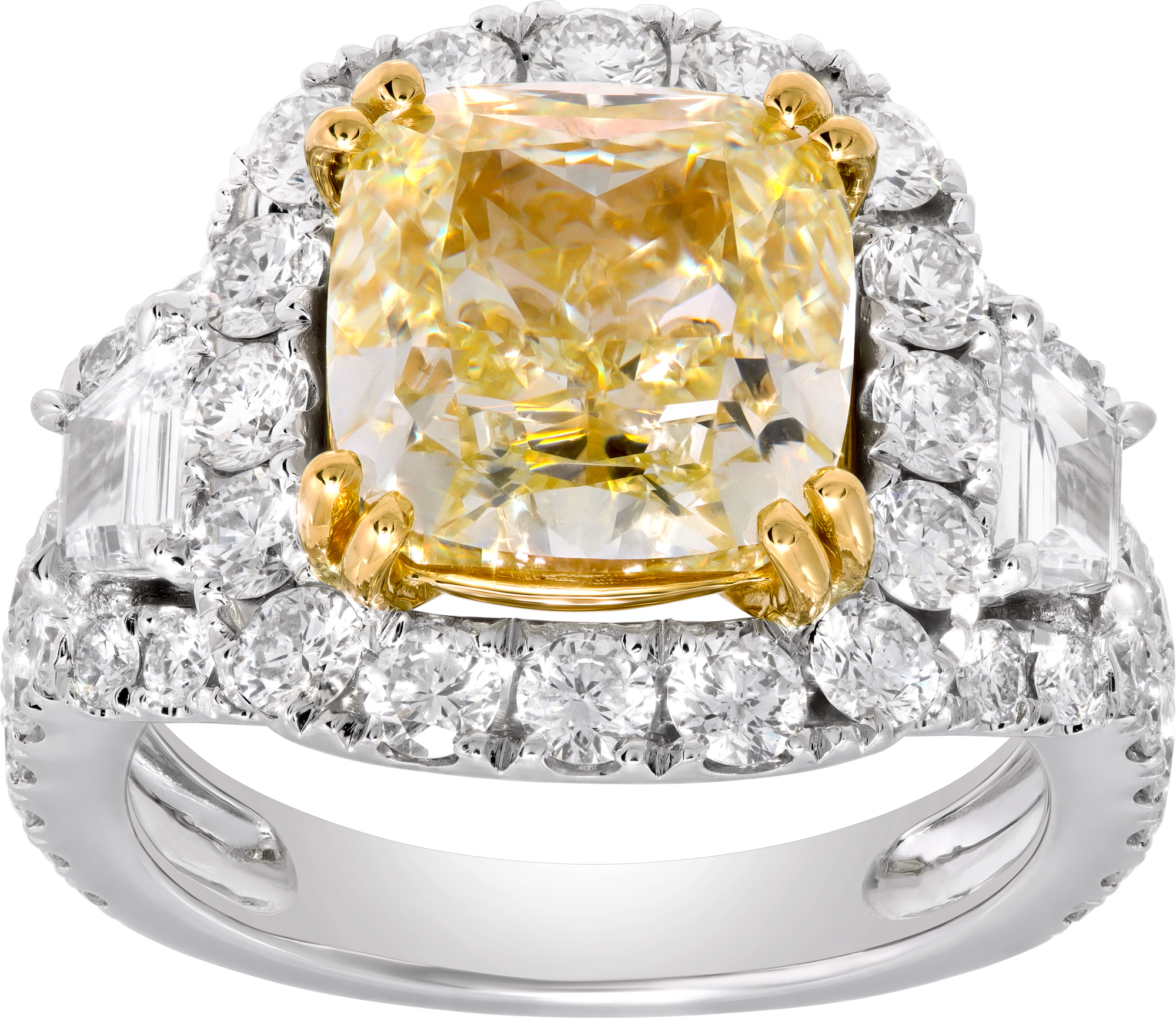
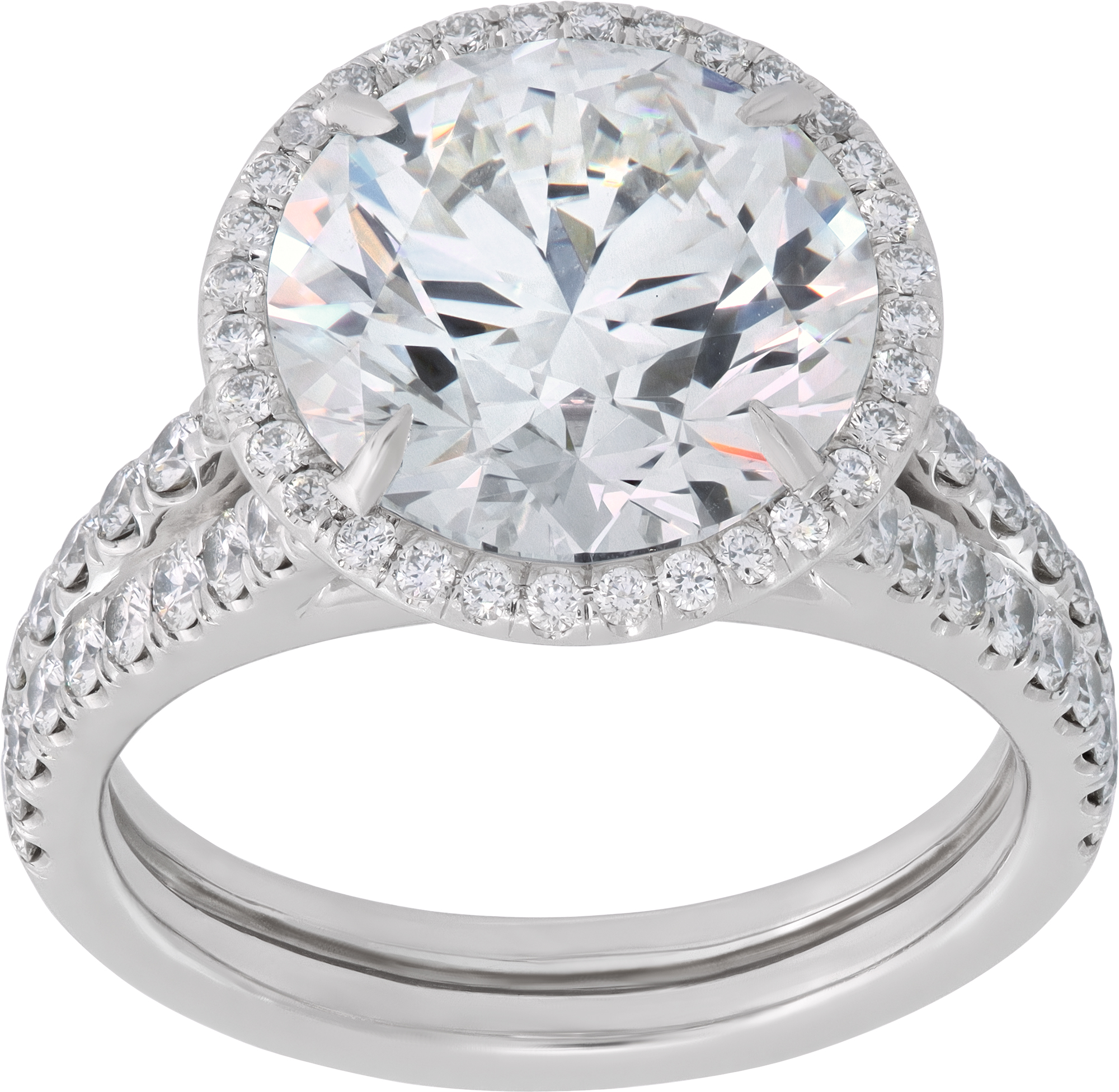
Certain diamond jewelry categories consistently attract serious buyers during tax season and throughout the year. Diamond engagement rings remain among the most sought-after pieces, with GIA certified center stones commanding premium prices from collectors and retailers alike. The combination of emotional significance and investment-grade gemstones makes these pieces particularly liquid assets when properly valued and marketed.
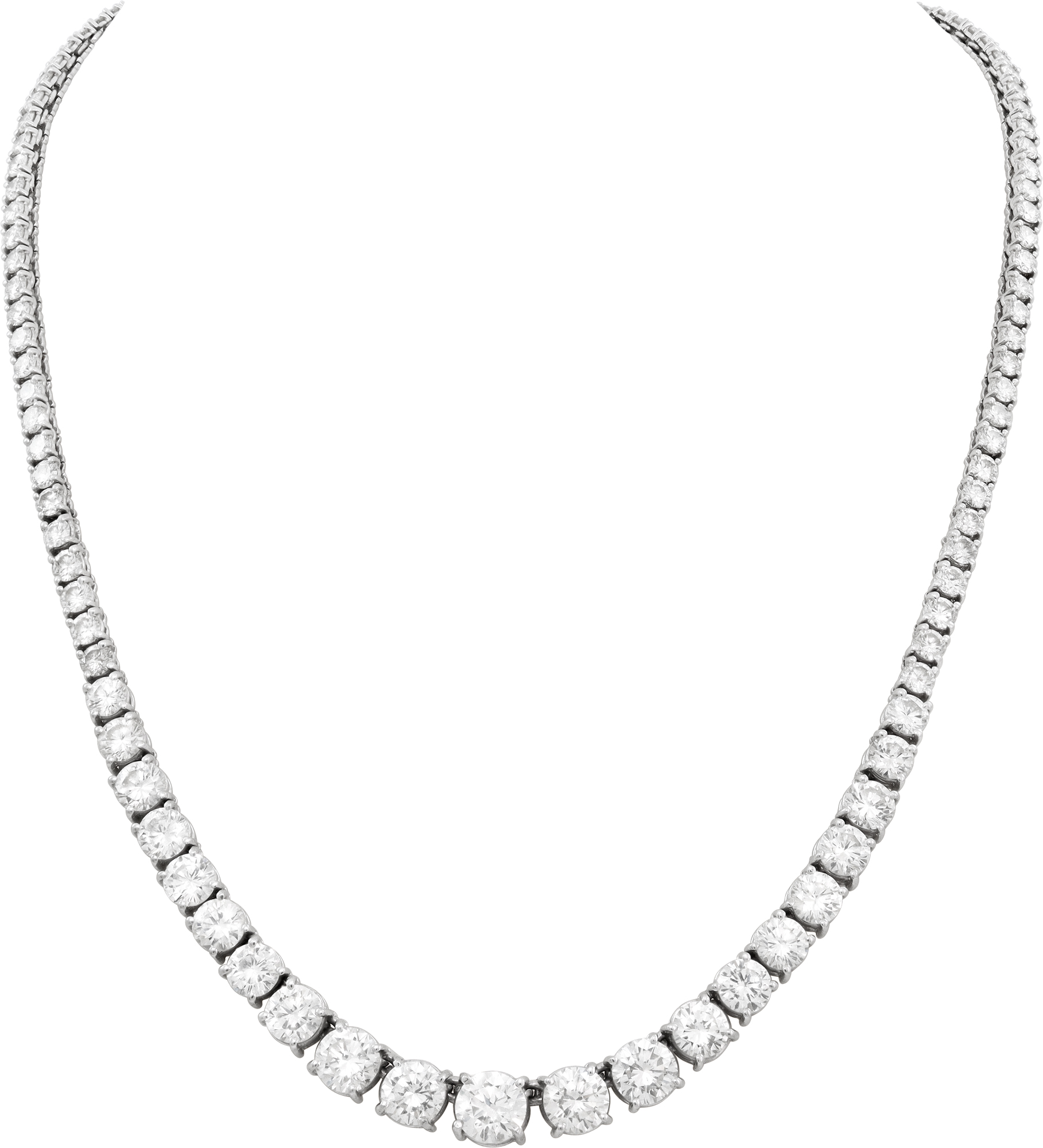
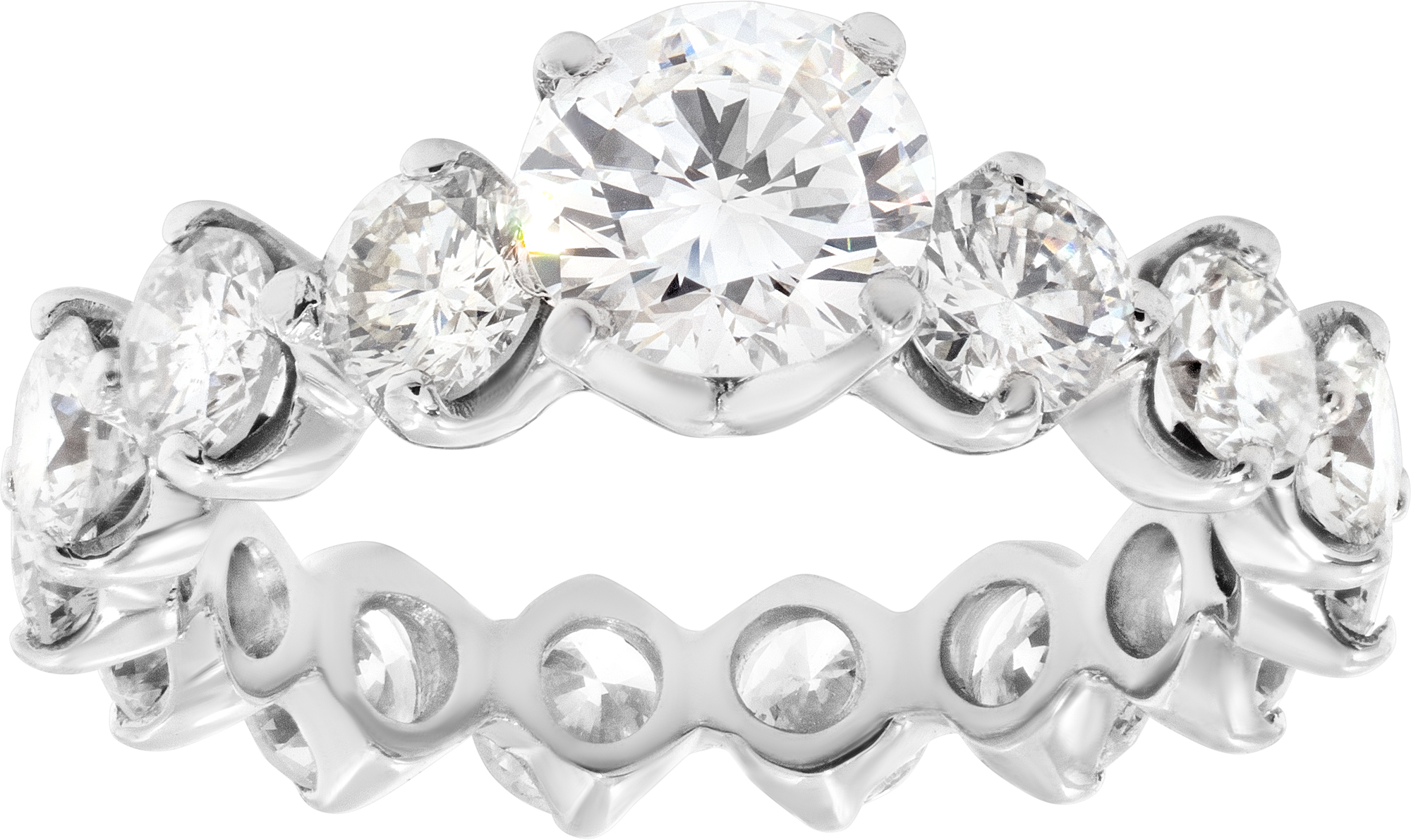
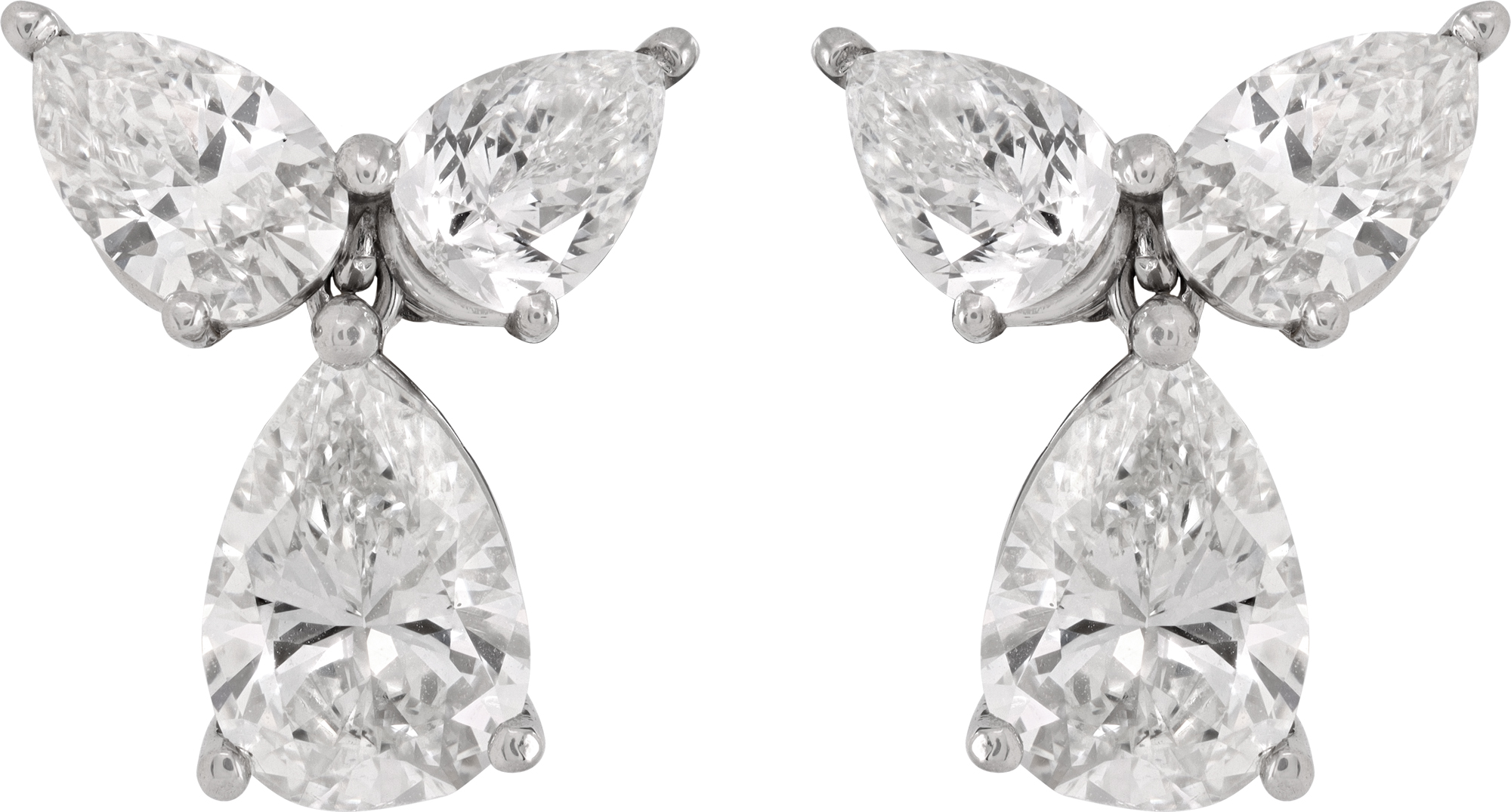
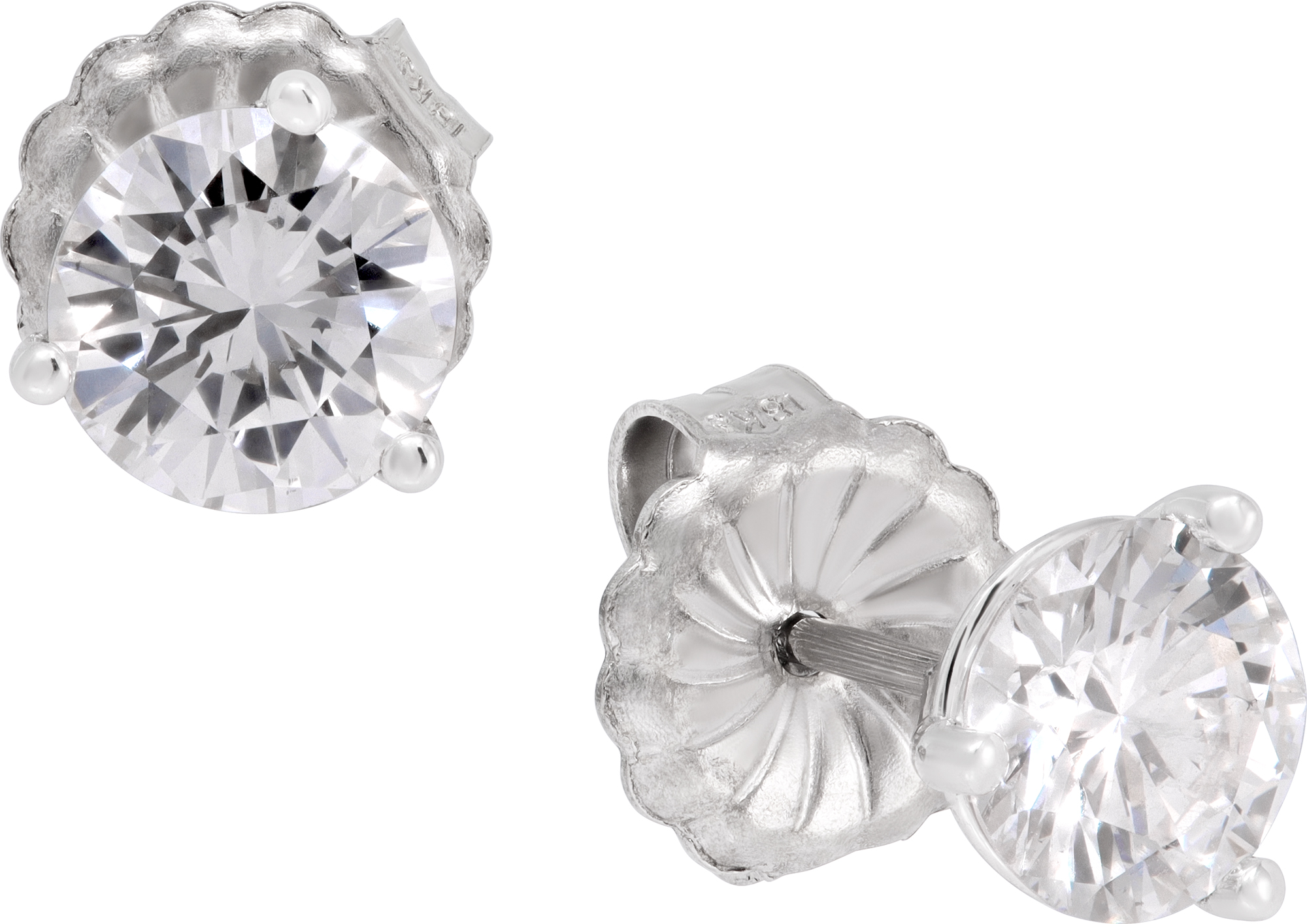
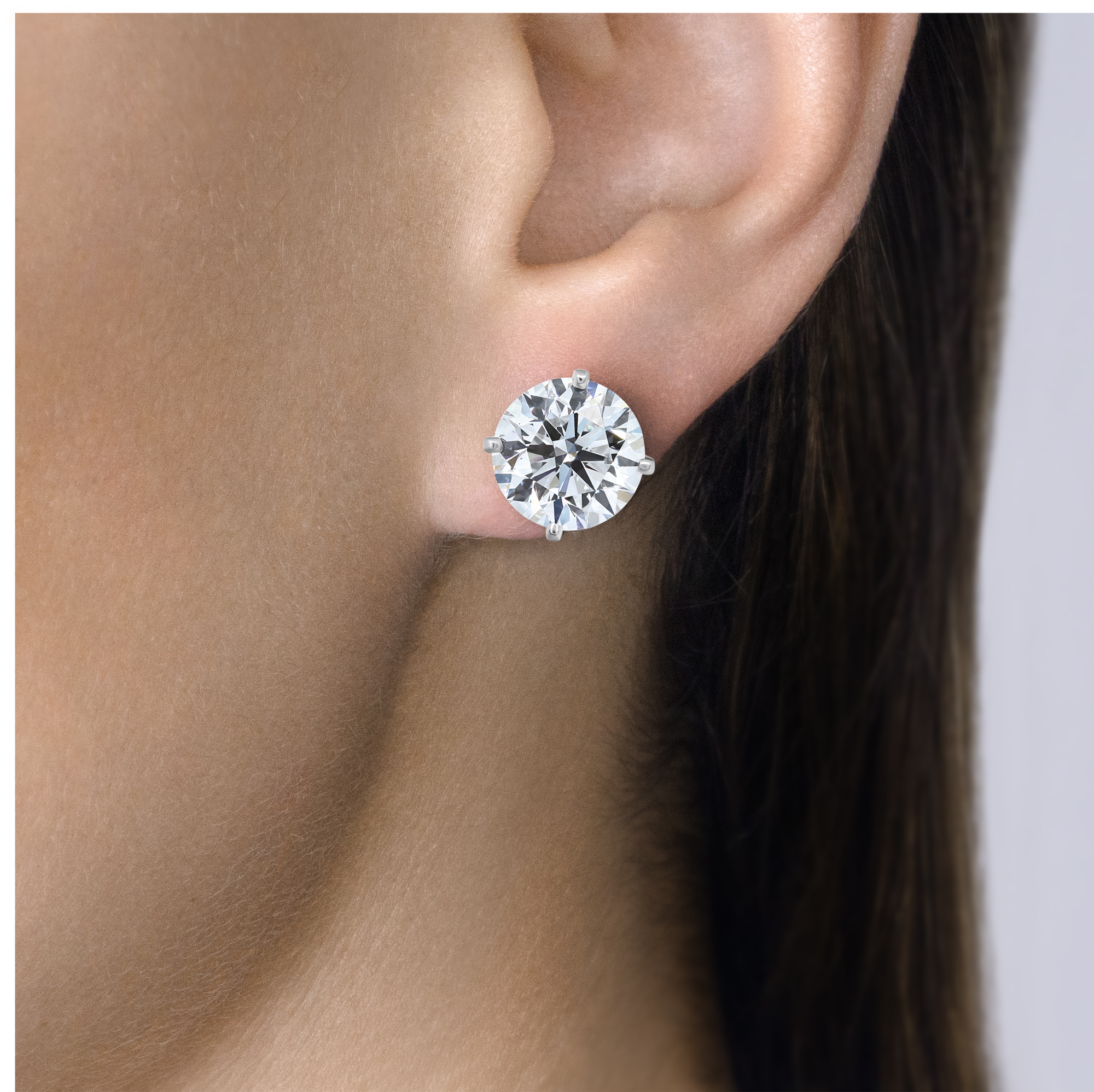
Diamond stud earrings represent another category with consistent demand across various carat weights and quality grades. From classic round brilliants to fancy shapes like pears and cushions, certified diamond studs appeal to both end consumers and jewelry professionals. When you sell diamond eternity rings or tennis bracelets, you're offering pieces that showcase multiple certified stones, often representing significant accumulated value that buyers recognize and appreciate.

Collectors seeking to sell diamond rings now discover that timing their sales during active market periods like pre-Tax Day can yield competitive offers from multiple interested parties. Professional buyers understand that certified pieces represent lower-risk acquisitions, as the GIA documentation eliminates uncertainty about gemstone quality. This confidence translates into stronger offers and smoother transactions for sellers working within time-sensitive planning windows.
Designer Collections with Investment-Grade Appeal
Beyond general luxury jewelry categories, specific designer collections have demonstrated exceptional value retention and market appeal. The Cartier Juste un Clou bracelets exemplify how iconic designs transcend fashion trends to become genuine investment pieces. When you sell Cartier bracelets from established collections, you're offering pieces with decades of market history supporting their valuations.
Similarly, pieces from the Van Cleef & Arpels Alhambra collection maintain remarkable consistency in secondary market pricing due to their timeless aesthetic and impeccable craftsmanship. Whether you're looking to sell Van Cleef & Arpels necklaces or other items from this beloved collection, the sustained demand from collectors worldwide ensures strong liquidity for well-maintained examples. These pieces often appreciate over time, making them particularly interesting from a capital gains perspective.
The Bulgari Serpenti collection represents another category where brand heritage and distinctive design create lasting value. When you sell Bvlgari jewelry from signature collections, you're dealing with pieces that carry both aesthetic appeal and investment-grade status. Understanding which collections command premium pricing helps sellers make informed decisions about portfolio management and strategic liquidation timing.
Luxury Watches: Complementary Assets for Strategic Sales
While diamonds and jewelry often take center stage during tax season planning, luxury timepieces represent equally significant assets for strategic liquidation. Pieces from prestigious Swiss manufacturers like Rolex, Patek Philippe, and Audemars Piguet maintain strong secondary market demand year-round. When you coordinate sales of both jewelry and watches, you can optimize your overall portfolio position while addressing multiple financial planning objectives simultaneously.
The period leading up to major industry events like Watches & Wonders (taking place April 14-20, 2026 in Geneva) often sees increased activity in the pre-owned luxury watch market. Collectors anticipating new releases may choose to sell my Rolex or other pieces to create acquisition capital for upcoming launches. This cyclical pattern creates opportunities for sellers who time their transactions strategically around major horological events and calendar milestones.
For those managing luxury assets across multiple categories, working with a specialized luxury jewelry and watch buyer simplifies the process of evaluating diverse holdings. Whether you need to sell Patek Philippe watch pieces alongside certified diamonds or coordinate estate jewelry sales with luxury timepiece liquidations, comprehensive buyers can handle complex multi-category transactions efficiently while providing competitive pricing across all asset classes.
Tax Documentation and Professional Support
Proper documentation stands as the foundation of any well-executed luxury asset sale during tax season. Beyond GIA certifications for diamonds, maintaining original purchase receipts, appraisals, and provenance records helps establish accurate cost basis for capital gains calculations. Professional buyers provide detailed sale documentation that your tax advisor can use to properly report transactions and optimize your overall tax position.
Understanding the distinction between capital gains strategy for different types of luxury assets requires coordination between buyers, sellers, and tax professionals. Certain jewelry categories may qualify for different treatment based on factors like original purchase price, holding period, and intended use. This complexity underscores the importance of working with experienced buyers who understand the tax implications of luxury asset transactions.
For sellers managing inherited luxury timepieces alongside estate jewelry, the coordinated approach to documentation and valuation becomes even more critical. Professional buyers can provide the comprehensive documentation packages needed for estate settlement while ensuring heirs receive fair market value for pieces they choose to liquidate. This thoroughness protects all parties while simplifying complex multi-asset transactions.
Sterling Silver and Precious Metals Considerations
Beyond diamonds and luxury jewelry, sterling silver flatware, tea sets, and decorative pieces represent another category worth considering during pre-Tax Day planning. When you sell sterling silver items, you're dealing with assets valued both for their precious metal content and their artistic or historical significance. Established patterns from prestigious manufacturers often command premiums above melt value, particularly for complete or near-complete sets.
The precious metals market dynamics during spring traditionally show interesting patterns as collectors rebalance portfolios following year-end activities. Whether you're looking to sell sterling silver flatware from family estates or liquidate investment-grade bullion, understanding current market conditions helps optimize transaction timing. Professional sterling silver buyers provide current pricing based on both metal content and collectible value where applicable.
For comprehensive portfolio management, coordinating sales of precious metals, luxury jewelry, and certified diamonds creates opportunities for strategic capital reallocation. Perhaps you liquidate lower-appreciation assets like sterling silver while retaining high-performing luxury brand jewelry pieces. This selective approach allows you to optimize your holdings while maintaining exposure to categories with strong long-term appreciation potential.
The Sell Us Your Jewelry Advantage
As the purchasing and consignment division of Gray & Sons, a trusted name in luxury since 1980, Sell Us Your Jewelry brings decades of expertise to every transaction. Our team includes master-trained watchmakers and experienced jewelers who provide the professional evaluations necessary for confident decision-making during tax season and throughout the year. Whether you're in our South Florida service area or working with us remotely, you receive the same commitment to fair pricing and transparent processes.
Our showroom in Surfside, across from the iconic Bal Harbour Shops, welcomes sellers who prefer in-person consultations and immediate evaluations. For those throughout the United States, our online platform offers the same trusted experience with secure shipping, comprehensive insurance, and prompt payment upon acceptance. This flexibility ensures that geographic location never prevents you from accessing our expertise and competitive pricing.
Understanding that tax season creates time-sensitive planning needs, our team prioritizes efficient evaluations without sacrificing thoroughness. Whether you need to complete transactions before April 15th or you're planning ahead for next year's tax considerations, we provide the responsive service necessary for strategic decision-making. Our commitment to competitive pricing extends across all categories we purchase, from GIA certified diamonds to luxury brand jewelry and Swiss timepieces.
Making Informed Decisions About Your Luxury Assets
The decision to liquidate luxury assets during tax season should always reflect your broader financial planning objectives rather than rushed deadline pressure. Taking time to understand the tax implications of various scenarios—selling now versus later, liquidating specific pieces versus entire collections, capturing losses versus realizing gains—ensures your actions align with long-term wealth management goals rather than creating unintended tax consequences.
Professional evaluation provides the foundation for informed decision-making. When you request a jewelry quote, you're beginning a consultation process that helps you understand current market values, potential tax implications, and strategic timing considerations. This information empowers you to make decisions that optimize your financial position while ensuring you receive fair compensation for your valuable pieces.
For those managing diverse luxury holdings, understanding which assets to liquidate and which to retain requires comprehensive portfolio analysis. Perhaps certain pieces have appreciated significantly and selling them now captures gains before potential market shifts. Alternatively, other items might be better retained for future appreciation or eventual estate transfer. Professional buyers can provide market insights that inform these strategic decisions while respecting your overall financial planning objectives.
Beyond Tax Day: Year-Round Strategic Planning
While the April 15th deadline creates natural urgency, strategic luxury asset management represents a year-round opportunity rather than a once-annual consideration. Understanding market cycles, seasonal demand patterns, and long-term appreciation trends helps you time transactions for maximum advantage regardless of tax considerations. The pre-Tax Day period simply represents one of several strategic windows throughout the calendar year.
Spring traditionally brings renewed activity in luxury markets as collectors refresh portfolios and direct tax refunds toward new acquisitions. This increased demand often translates to competitive pricing for quality pieces brought to market during this period. Whether you're considering spring diamond market trends or evaluating luxury watch market dynamics, understanding seasonal patterns helps optimize transaction timing.
Looking beyond immediate tax considerations, maintaining relationships with trusted buyers creates opportunities for ongoing portfolio management. As your collection evolves and financial objectives change, having established connections with professional watch buyers near me and jewelry specialists simplifies future transactions. This continuity ensures consistent treatment and eliminates the need to research and vet new buyers for each transaction.
Take Action on Your Tax Season Strategy
The window before April 15th offers strategic opportunities for luxury asset owners seeking to optimize their financial positions through thoughtful liquidation of diamonds, designer jewelry, and luxury timepieces. Whether you're managing capital gains considerations, rebalancing portfolios, or establishing liquidity for the coming year, professional evaluation and competitive pricing support your objectives while ensuring fair treatment throughout the transaction process.
Don't let the Tax Day deadline create unnecessary pressure or rushed decisions. Request your free evaluation today to understand the current market value of your luxury assets and explore strategic options for timing your sale. Our team provides the expertise, transparency, and competitive pricing that have made us a trusted choice for luxury asset liquidation since 1980.
Ready to explore your options? Get a quote for your GIA certified diamonds, discover what your jewelry is worth, or learn about selling your luxury watch. Our comprehensive evaluation process provides the information you need to make confident decisions about your valuable pieces, whether you're working within tax season deadlines or planning strategically for the future.
For immediate assistance, contact our team to discuss your specific pieces and timeline. We're committed to providing the professional service, fair pricing, and transparent processes that turn luxury assets into strategic capital while respecting your financial planning objectives. Visit our showroom in Surfside or work with us remotely—either way, you'll receive the same dedication to excellence that has defined our reputation for over four decades.
About Us | Sell Us Your Jewelry
Call Us Now: 305 770 6955
The Purchasing and Consignment Division of Gray & Sons


Be the first to know | SEE OUR CATALOG

