

August 28th, 2026
Which GIA Reports, Report Checks, and Laser Inscriptions Help Buyers Verify GIA-Certified Diamonds?
When you're ready to sell GIA certified diamonds, understanding the documentation and verification methods that can support evaluation of your stone becomes essential. GIA reports, online report checks, and laser inscriptions represent three verification tools that professional buyers may use to support assessment and help establish transparency in transactions when dealing with high-value gemstones.
The Gemological Institute of America has developed systems to document and track graded diamonds through physical reports, digital verification databases, and microscopic laser inscriptions. Each method serves a distinct purpose in the evaluation process. For sellers considering working with a GIA certified diamonds buyer, knowing how these verification systems function can help streamline the evaluation process.
Understanding GIA Diamond Grading Reports
GIA Diamond Grading Reports provide documentation for graded diamonds. These documents may include analysis of a diamond's characteristics, including the Four Cs—cut, color, clarity, and carat weight—along with additional measurements and observations. Each report carries a unique identification number that links the physical document to GIA's database.
Some GIA report types include a plotted diagram showing the diamond's clarity characteristics, which can assist in identification. This detailed mapping may allow gemologists to compare inclusions and other internal features with the stone being examined. When you sell GIA certified diamonds, providing documentation can support the evaluation process.
For those looking to verify GIA certified diamonds before sale, locating the original grading report can be helpful. These documents can support GIA certified diamonds resale value assessment because they provide reference information about the stone's characteristics.
If you're working with professional jewelry buyers, they will typically request the GIA report number during the initial evaluation. This allows them to cross-reference documentation with GIA's online system.
GIA Report Check: Online Verification System
The GIA Report Check system provides online access to information about diamond grading reports issued by GIA. By entering a report number on GIA's official website, users can access information that may include the report date, diamond shape, carat weight, color grade, clarity grade, and cut grade. The information displayed and report availability vary by report type and GIA records.
This online tool can be useful when physical documentation has been misplaced or when conducting remote transactions. Users can check whether a report number appears in the database and review information associated with that report number.
When preparing to sell your GIA Diamonds, accessing the GIA Report Check system before contacting buyers can help you confirm what information is available for your report number. This step can help facilitate the evaluation process.
For those exploring how it works when selling diamonds with GIA reports, professional buyers may run this verification check as part of their evaluation process. The report check can confirm data associated with a report number in GIA's database. However, buyers must still examine the physical diamond to confirm it matches the documentation, as online verification alone does not authenticate the physical stone being presented.
Laser Inscriptions on Diamond Girdles
GIA laser inscription services place microscopic text on a diamond's girdle—the thin outer edge where the crown and pavilion meet. These inscriptions typically include the GIA report number and are visible only under magnification. The inscription provides a way to link a physical diamond to its grading documentation.
Laser inscriptions can provide an additional verification tool beyond documentation alone. When a diamond bears its GIA report number inscribed on the girdle, buyers can check whether the inscription matches the grading report. This feature is optional, and not all diamond owners choose to utilize it.

Understanding how GIA laser inscriptions affect your diamond's resale price can help sellers appreciate this verification feature. The inscription can streamline the authentication process. For sellers who have lost their original paperwork, a laser inscription may provide a way to retrieve the report information through the GIA Report Check system.
Not all diamonds with GIA grading reports carry laser inscriptions, particularly older reports completed before this service became common. The absence of an inscription doesn't indicate any problem with the diamond or its grading report—it simply means the owner didn't request this optional service. When you sell GIA certified diamonds without paperwork, a laser inscription can be helpful, as it may allow access to grading information when physical documents are unavailable.
What Information GIA Reports May Contain
GIA Diamond Grading Reports provide information organized into several key sections. The report header identifies the document type and unique report number, while the diamond details section lists measurements, proportions, and grades. Depending on the report type, there may be additional information such as plotting diagrams, comments about features, and fluorescence notation.
Understanding the report's contents helps sellers communicate with potential buyers. The report may specify characteristics such as fluorescence, which indicates whether the diamond exhibits visible light reaction under ultraviolet exposure. Comments sections may note observations relevant to the diamond's character.
Complete reports can facilitate evaluation by providing reference information about the diamond's characteristics.
Selling Diamonds Without Original Paperwork
Many diamond owners find themselves ready to sell but cannot locate their original GIA documentation. This situation occurs frequently with inherited jewelry, pieces purchased decades ago, or items where paperwork was simply misplaced over time. While having the original report can simplify transactions, selling GIA certified diamonds without paperwork may be possible when the diamond has a laser inscription or when the report number can be determined through other means.
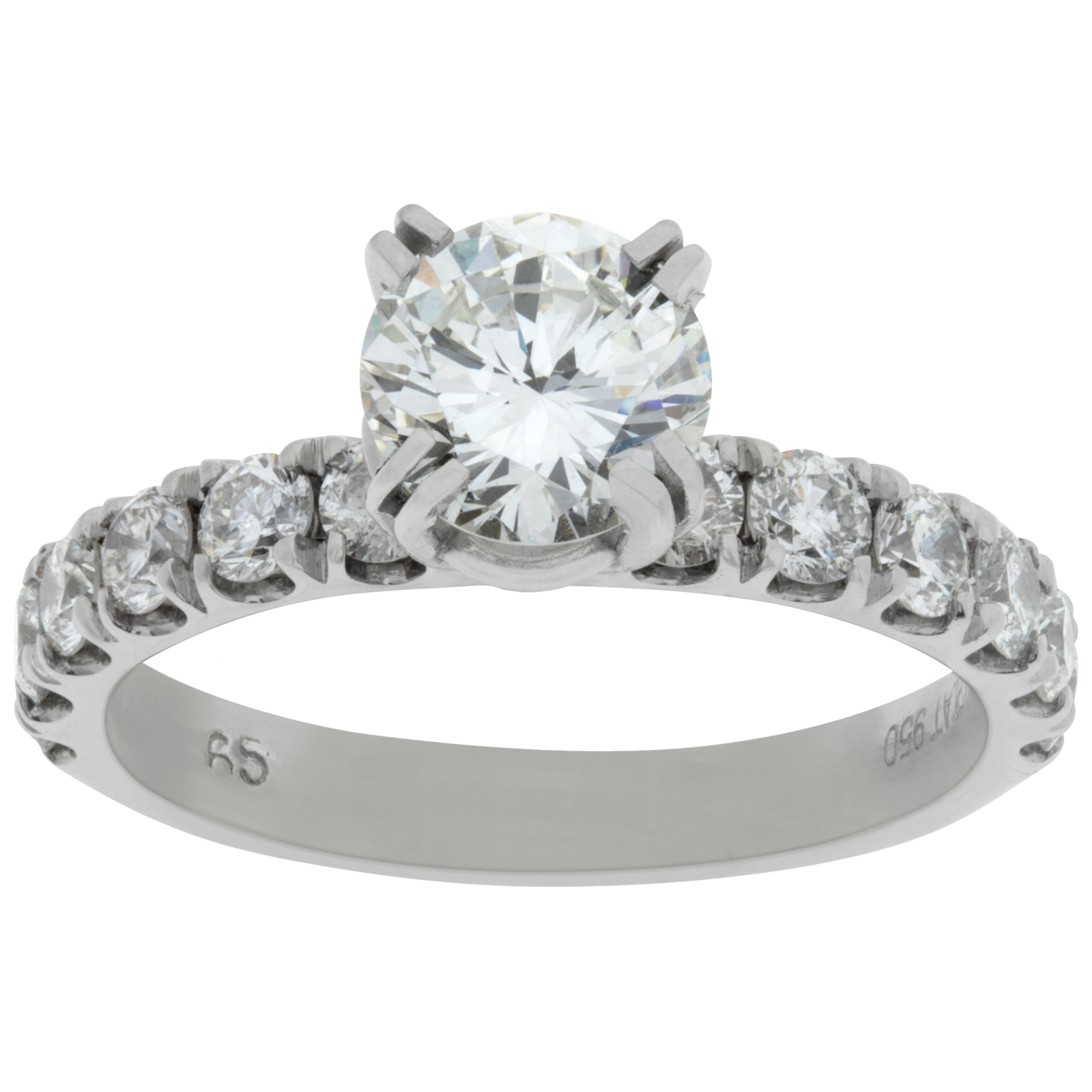
If your diamond has a girdle inscription, a jeweler or gemologist can read the report number under magnification, which may allow you to access grading information through the GIA Report Check system. If you have purchase receipts, appraisals, or insurance documentation that references the GIA report number, that information may serve a similar purpose in accessing the online system.
When documentation cannot be recovered through these methods, some buyers may offer to have the diamond re-graded, though this adds time and expense to the transaction. Professional evaluation services can assess the diamond. Our selling diamond guide outlines various scenarios and options for sellers with different documentation situations.
Those working with a trusted GIA diamond buyer will find that experienced professionals can work with various documentation situations. They can guide sellers through options for addressing documentation gaps when appropriate. Understanding that multiple approaches exist can help sellers proceed even when original paperwork is unavailable.
How Buyers Verify Diamond Authenticity
Professional diamond buyers employ verification processes that may combine document review, online database checks, and physical examination. The process typically includes reviewing any available GIA documentation and checking the report number through the GIA Report Check system to see what information is available in GIA's database.
Buyers may examine the diamond under magnification to check for laser inscriptions on the girdle. If present, they can compare the inscription to the report number being referenced. Gemologists may compare the diamond's clarity characteristics against plotting diagrams when available, as each diamond's internal features can create patterns that may correspond to documented mapping.
The physical examination includes independent assessment of the diamond's characteristics. Professional gemologists use calibrated instruments to evaluate measurements, proportions, and grades. They examine the diamond for characteristics that may be noted in documentation. This approach helps buyers assess whether the diamond being presented is consistent with available grading information.
Understanding verification processes helps sellers appreciate what buyers may need to complete their evaluation. When you're ready to sell your jewelry containing diamonds with GIA reports, knowing that buyers conduct thorough verification can help you gather appropriate materials and set realistic expectations for the transaction timeline.
The Role of GIA Grading Reports in Resale Value
GIA grading reports can play a role in diamond resale evaluation by providing third-party information about quality characteristics. Diamonds with GIA reports may be evaluated with reference to objective grading information. The grading report provides a common framework that buyers and sellers can use to communicate about the stone's characteristics.
Our guide explaining why GIA certification is crucial when selling diamonds discusses how grading reports influence various aspects of the transaction process.
The completeness and condition of documentation can influence the evaluation process. Original reports in good condition, combined with matching laser inscriptions and supporting materials, can facilitate verification. Sellers who maintain thorough records may find the evaluation process proceeds more smoothly than situations requiring additional investigation.
Market dynamics also play a role, as our analysis of diamond market trends explains. Grading reports provide reference information for quality assessment, while other factors including current demand, economic conditions, and buyer preferences all contribute to evaluation.
Additional Documentation and Records
Beyond the GIA report itself, supplementary documentation can support your diamond's purchase history or evaluation. Original purchase receipts, jewelry appraisals, insurance documentation, photographs, and service records can all contribute to purchase history that may be helpful during the selling process.
These supporting materials provide context and history. A purchase receipt can support purchase history. An appraisal offers a value opinion. Professional buyers understand these distinctions and evaluate each type of documentation according to its purpose.
For inherited pieces or estate jewelry, any available family history, photographs showing the jewelry being worn, or documentation from the estate settlement can provide useful context. While these materials don't replace GIA grading reports for quality verification, they can help establish purchase history. Our guide for selling inherited GIA certified diamonds addresses documentation considerations specific to estate situations.
When gathering materials to sell your diamond, include any supplementary documentation you can locate. Professional buyers can assess what information is relevant and useful for their evaluation process. The goal is providing transparency and facilitating efficient evaluation.
Working With Professional Diamond Buyers
Selecting a professional buyer who understands GIA grading reports and verification processes can help ensure your diamond receives careful evaluation. Experienced buyers have the gemological training and equipment to support verification processes. They understand how to interpret GIA reports, use online verification systems, and examine diamonds for characteristic matching and laser inscriptions.
Professional buyers recognize that documentation situations vary and can adapt their verification approach accordingly. They can work with sellers who have complete original paperwork, those who have only digital records or report numbers, and those who need assistance with documentation questions.
Our brands we buy page demonstrates the range of luxury items we evaluate, including diamond jewelry from prestigious makers. When diamonds are set in designer pieces from brands like Cartier, Tiffany & Co., Van Cleef & Arpels, or Harry Winston, both the diamond grading documentation and the brand documentation can contribute to overall evaluation. Professional buyers consider relevant factors to provide assessments.
Taking the Next Step
Understanding how GIA reports, report checks, and laser inscriptions work together in the verification process prepares you to approach the selling process with information. These verification tools exist to support transparency in diamond transactions and provide reference information for quality assessment.
Whether you have complete original documentation, need to work with laser inscription information, or are navigating other documentation scenarios, professional buyers can guide you through the evaluation process. The key is starting the conversation and providing whatever materials and information you have available.
Ready to explore your options? Request a quote for your GIA certified diamonds to begin the evaluation process. Our team can answer questions about documentation, explain how verification will proceed for your specific situation, and provide guidance on preparing your diamond for evaluation. We work with sellers across the country, making the process accessible regardless of your location.
For additional resources, explore our comprehensive guides on the GIA difference when selling your diamonds and learn how GIA certification impacts resale value. These resources provide additional context about the role of grading reports in the diamond market and what sellers should understand when preparing to sell diamonds with GIA documentation.
About Us | Sell Us Your Jewelry
Call Us Now: 305 770 6955
The Purchasing and Consignment Division of Gray & Sons


Be the first to know | SEE OUR CATALOG

