

September 9th, 2026
Which Grading Reports, Receipts, and Designer Signatures Help Buyers Verify Diamond Engagement Rings?
When preparing to sell diamond engagement rings, understanding which diamond engagement rings grading reports, receipts, and designer signatures help buyers verify authenticity can significantly influence the evaluation process. Whether you're looking to sell diamond engagement rings after a life transition or simply converting a valuable asset into liquid capital, knowing what documentation supports verification helps set realistic expectations. Professional buyers rely on grading reports, original paperwork, and designer markings to assess quality and provenance, though these elements work together differently depending on the specific piece and evaluation standards.
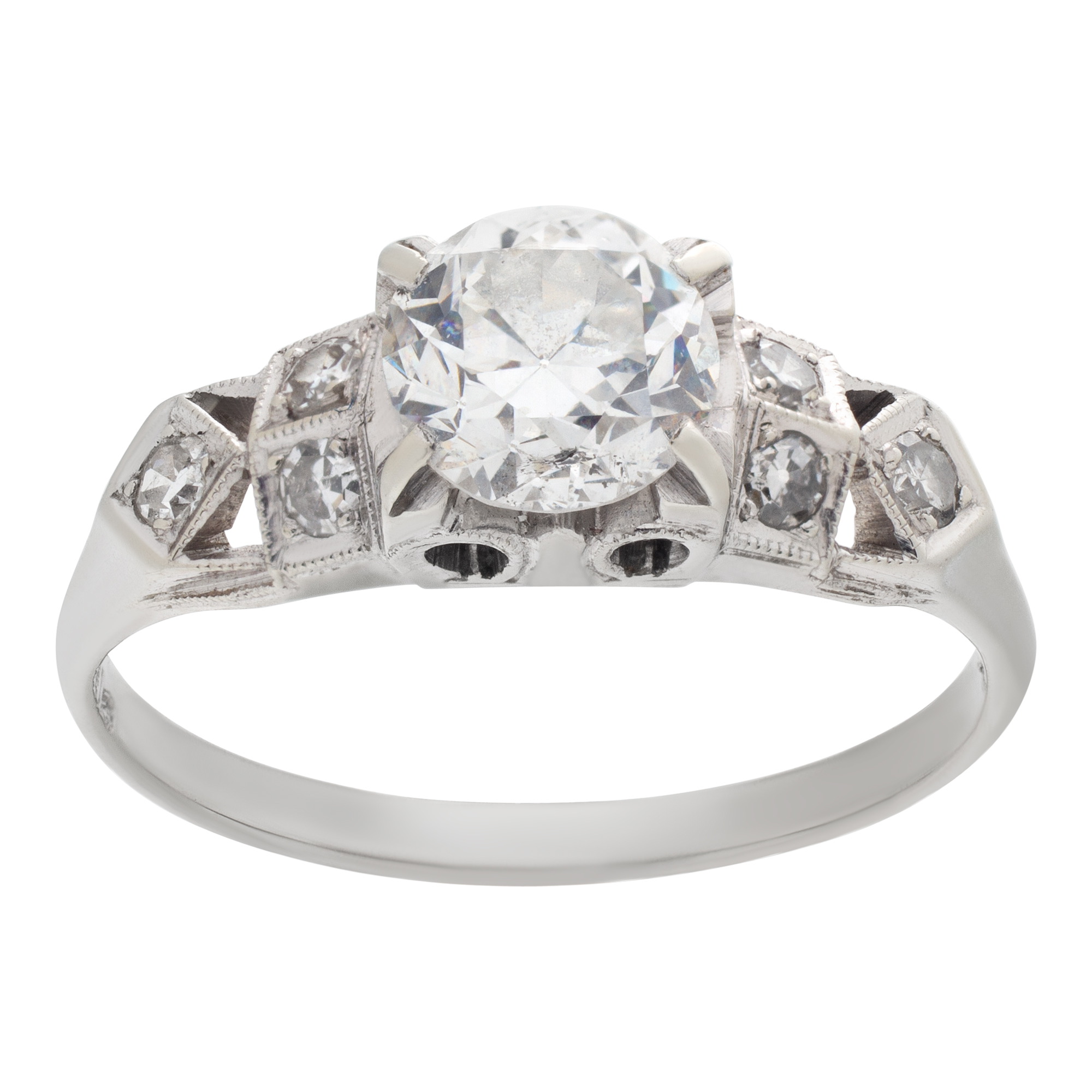
The verification process for diamond engagement rings involves multiple authentication factors that professional buyers examine carefully. While grading reports from established gemological laboratories provide detailed technical analysis, receipts and designer signatures offer additional context about the piece's origin and history. At Sell Us Your Jewelry, our evaluation process considers all available documentation alongside direct examination of the piece itself to provide accurate assessments for sellers throughout the United States.
The Role of GIA Diamond Grading Reports in Verification
Diamond grading reports from the Gemological Institute of America represent a widely recognized standard for comprehensive diamond documentation. GIA issues detailed reports that document a diamond's color, clarity, cut, and carat weight—the essential characteristics that determine quality and value. When you sell diamond engagement rings accompanied by GIA reports, these documents provide buyers with independently verified technical specifications that can be cross-referenced against the physical stone through unique report numbers and, in many cases, laser inscriptions on the diamond's girdle.
A GIA report may include details beyond the basic four Cs, such as fluorescence, polish, symmetry, and plotting of inclusions and blemishes. This documentation helps support verification efforts by providing a reference point for comparison with the physical diamond. For rings featuring GIA-reported round brilliant cut diamonds, the report number can often be checked through GIA's online database. However, the report documents the diamond itself—not the ring setting or mounting—and verification requires matching the physical stone to the report specifications through direct examination.
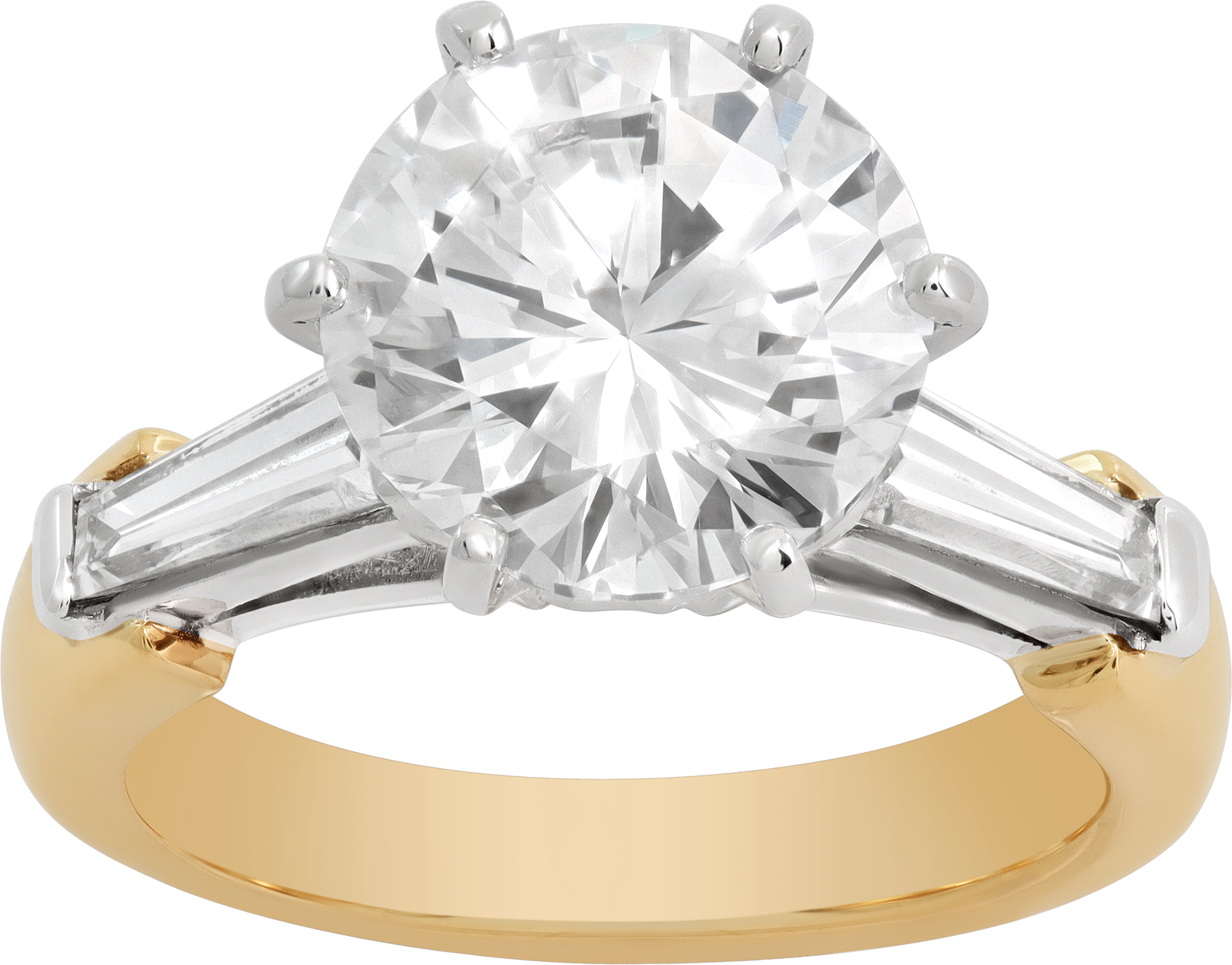
Professional diamond engagement rings buyers understand that GIA reports are one important element in the verification process but not the only consideration. The physical diamond must be examined to confirm that its characteristics match those documented in the report, and the mounting itself requires separate evaluation. When working with established buyers who specialize in diamond engagement rings, you can expect a thorough examination that considers both the documentation and the physical piece.
Understanding AGL and Other Laboratory Reports
While GIA reports are widely recognized, grading reports from the American Gemological Laboratories and other reputable laboratories also provide verification documentation that buyers may consider. AGL specializes in colored diamond grading and can provide detailed analysis particularly valuable for fancy color diamonds. Other laboratories including IGI (International Gemological Laboratory) and EGL (European Gemological Laboratory) also issue grading reports that buyers may consider during the evaluation process.
The weight assigned to different laboratory reports can vary depending on the buyer and the specific characteristics being documented. Some laboratories are known for particular specialties—AGL for colored stones, for example—while others may have different standards or methodologies. When you're looking to verify diamond engagement rings before sale, understanding that different reports may be evaluated differently helps set appropriate expectations about how your documentation will be received.
For sellers considering how to sell diamond engagement rings without paperwork, the absence of laboratory reports doesn't prevent a sale but may affect how the evaluation is conducted. Buyers can perform their own gemological testing and grading, though this adds time to the assessment process. The evaluation depends on the specific diamond characteristics, current market conditions, and the buyer's verification procedures rather than solely on whether original reports are available.
Designer Signatures and Maker's Marks as Authentication Factors
Designer signatures and maker's marks provide context about a ring's provenance and can influence buyer interest and evaluation approaches. When you sell Tiffany & Co. jewelry or engagement rings from other designers, these markings help support attribution. Tiffany rings typically feature maker's marks indicating both the designer name and metal purity, often accompanied by model identifiers for specific collections like the Tiffany Setting or contemporary designs.

Cartier jewelry buyers look for specific hallmarks associated with Cartier pieces, including the Cartier name, serial numbers, metal hallmarks, and sometimes date codes. When evaluating rings from the Cartier Love collection or other signature designs, these markings work together with design elements to support attribution. However, markings represent one authentication factor among several—professional buyers examine the quality of craftsmanship, materials, and construction details alongside any signatures or stamps.
Other luxury designers whose signatures may support verification include Van Cleef & Arpels, Harry Winston, Graff, Chopard, and Bvlgari. Each brand has specific marking conventions, and experienced buyers recognize both the typical locations of these marks and the characteristics associated with designer craftsmanship. When preparing to sell Van Cleef & Arpels jewelry or pieces from other houses, locating and documenting these maker's marks can help support the evaluation process, though they represent one factor among several in comprehensive assessment.
Original Receipts and Purchase Documentation
Original receipts from authorized retailers provide context about a ring's purchase history and can support other verification elements as supplementary documentation. A receipt from a Tiffany & Co. boutique that describes the specific ring characteristics, metal composition, and diamond specifications offers supporting information when presented alongside the physical piece and any grading reports. Similarly, documentation from authorized Cartier dealers or other luxury retailers establishes purchase history that can support the verification process.
When considering how receipts factor into evaluation, receipts document a transaction but don't independently verify that the ring being presented is the same piece originally sold. Buyers will still examine the physical ring, check maker's marks, assess diamond characteristics, and conduct their own evaluations. However, receipts can help establish purchase history and provide context about original specifications or customizations.
For sellers who have lost original receipts, credit card statements, bank records, or insurance appraisals may provide similar supporting documentation. These records establish purchase history without serving as authentication of the physical piece. When you're preparing to sell your diamond engagement ring, gathering whatever documentation you have available helps provide context, though the absence of receipts doesn't prevent professional buyers from conducting thorough evaluations based on direct examination.
Appraisal Documents and Insurance Paperwork
Insurance appraisals and formal jewelry appraisals represent another category of documentation that buyers may consider during evaluation. These documents typically provide detailed descriptions of the ring, including diamond characteristics, metal composition, design details, and an assessed value for insurance purposes. However, appraisals document conditions at a specific point in time and serve primarily as insurance documentation rather than current market value indicators.
Professional jewelry appraisals often include photographs, detailed measurements, and descriptions of the ring's components that can help support verification processes. When an appraisal references specific diamond grading reports or designer marks, it creates a documented trail connecting various authentication elements. However, buyers understand that appraisal values—particularly insurance replacement values—typically reflect retail replacement costs rather than resale values, so these documents inform the assessment process without directly determining offers.
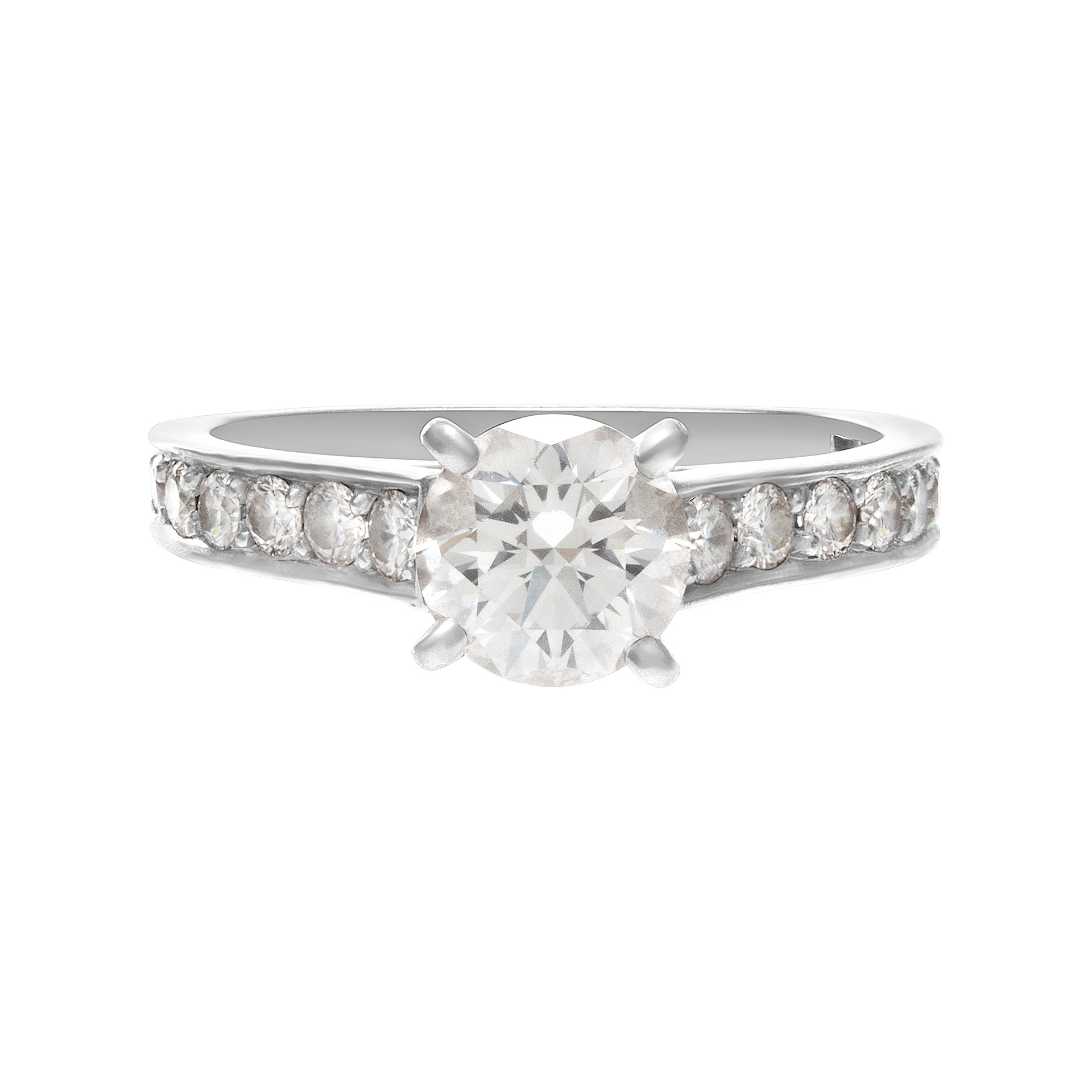
When appraisals accompany GIA or other laboratory reports, they can provide useful supporting documentation. An appraisal that references a specific GIA report number and describes diamond characteristics offers additional context. For designer pieces, appraisals that identify specific collection names or model numbers alongside maker's marks provide supporting information. When working with a professional diamond engagement rings buyer, providing any available appraisal documentation alongside the physical ring helps support the evaluation process.
The Verification Process When Documentation Is Limited
Many sellers find themselves needing to sell diamond engagement rings without paperwork due to lost documents, inherited pieces, or rings purchased without formal documentation. The absence of original paperwork doesn't prevent professional evaluation, though it may influence the assessment approach and timeline. Experienced buyers can conduct gemological testing to assess diamond quality, verify metal content, and evaluate designer pieces through direct examination of craftsmanship and materials.
When documentation is limited, buyers rely more heavily on physical examination and their own testing procedures. This typically includes using gemological equipment to assess diamond characteristics, verifying metal purity, examining the quality and style of craftsmanship, and comparing maker's marks and design elements against known examples. The evaluation process may take longer than when documentation is available, but professional buyers are equipped to make assessments based on the physical evidence the ring itself provides.
For inherited pieces where the original purchase history is unknown, any available context about the ring's history can be helpful even if formal documentation doesn't exist. Family records, photographs showing the ring, or information about where the ring was originally purchased can all provide useful background. When you're ready to request a quote for your engagement ring, providing whatever information you have available—along with clear photographs—helps buyers prepare for the evaluation process.
How Designer Heritage Influences Verification Standards
Rings from established designers require different verification approaches than non-branded pieces, with specific factors varying by house. When you sell Tiffany & Co. rings, buyers examine not just the maker's marks but also the design details and craftsmanship characteristics associated with Tiffany production. Tiffany pieces demonstrate attention to detail, specific construction methods, and quality characteristics that experienced buyers evaluate through careful examination.
Harry Winston jewelry buyers look for the design elements, diamond quality, and craftsmanship associated with this house. Harry Winston pieces often feature distinctive setting styles and proportion relationships. The verification process for designer pieces typically involves detailed examination of both the physical characteristics and any available documentation, including original purchase records when possible.

For those looking to sell Cartier rings, buyers familiar with Cartier's various collections understand the design signatures, construction methods, and marking conventions used across different periods and collections. The Cartier Love collection, for example, has distinct design elements and marking patterns, while solitaire engagement rings feature different characteristic details. Understanding these collection-specific verification factors helps buyers assess pieces and determine appropriate valuation approaches.
Special Considerations for Vintage and Estate Rings
Vintage and estate diamond engagement rings present unique documentation challenges since original purchase receipts and grading reports may not have accompanied pieces purchased decades ago. Many vintage rings were sold before modern gemological documentation became common practice, meaning that valuable pieces may have no original laboratory reports. When evaluating these pieces, buyers rely heavily on direct gemological assessment and evaluation of period-appropriate design and construction characteristics.
Estate rings sometimes come with historical documentation that, while not equivalent to modern grading reports, provides valuable context. Original boxes, vintage appraisals, family provenance documentation, or photographs showing the ring in historical contexts can all support evaluation even when they don't meet current documentation standards. Professional buyers experienced in estate jewelry understand how to evaluate these pieces based on the physical evidence they present and the historical context available.
For sellers dealing with estate pieces, understanding that verification standards differ from contemporary rings helps set appropriate expectations. The diamond engagement rings resale value for estate pieces depends on factors including the quality of the diamonds and materials, the craftsmanship and design appeal, any designer attribution or historical significance, and the current condition of the piece. When working with buyers experienced in estate jewelry, the focus shifts to evaluating what the piece offers based on direct examination.
The Quote Process Without Complete Documentation
Professional buyers like Sell Us Your Jewelry have developed evaluation processes that can accommodate varying levels of documentation. When you sell diamond engagement rings through an established buyer, the quote process typically begins with providing information about what you know regarding the piece—including any designer marks, diamond sizes, metal composition, and available documentation—along with clear photographs. This initial information allows buyers to provide preliminary guidance about whether the piece falls within their purchase parameters.
Understanding how the evaluation process works helps sellers prepare appropriate expectations. Professional buyers evaluate rings based on their direct examination and testing, using any available documentation to support physical assessment. Whether you have complete original documentation or only the ring itself, experienced buyers can conduct the necessary evaluations to provide assessments based on current market conditions and the specific characteristics of your piece.
The efficiency of the process may vary depending on available documentation. A ring accompanied by GIA reports, original designer receipt, and recent appraisal may be evaluated more quickly than one requiring complete gemological testing and evaluation procedures. However, both scenarios lead to thorough professional assessment—the timeline and specific procedures simply adjust to accommodate the documentation available and the complexity of verification required for the specific piece.
Understanding Value Factors Beyond Documentation
While documentation supports verification and can influence the evaluation process, diamond engagement rings resale value ultimately depends on factors including current diamond quality as determined by direct examination, the metal content and current precious metal market values, designer attribution and corresponding market demand, craftsmanship quality and condition, and current market preferences for style and design characteristics. Documentation helps establish these factors but doesn't independently create value separate from the physical characteristics of the piece itself.
For sellers, understanding this relationship between documentation and value helps set realistic expectations. A GIA report for a lower-quality diamond documents its characteristics accurately without transforming the stone. Conversely, a high-quality diamond without documentation still possesses its inherent quality characteristics, though buyers may need to invest additional time in verification. The goal of gathering documentation is to facilitate accurate assessment.
When considering whether to obtain new documentation before selling, sellers should weigh the costs against the likely benefits. For high-value pieces where documentation could streamline the verification process, obtaining professional grading or appraisal might be worthwhile. For pieces of more modest value where documentation costs are substantial, proceeding with sale based on buyer evaluation may be more practical. Professional buyers can provide guidance about whether documentation is likely to impact their ability to assess specific pieces.
Making Documentation Work for Your Sale
When preparing to sell your diamond engagement ring, organizing whatever documentation you have available creates the most efficient path through the verification process. Gather any laboratory reports, original receipts or purchase documentation, insurance appraisals or jewelry appraisals, original boxes or packaging from designer purchases, service records or resizing documentation, and photographs or other historical records related to the piece. Even if your documentation is incomplete, providing what you have available helps buyers understand the piece's history and context.
Clear photography serves as another form of supporting information when beginning the quote process. Detailed photographs showing maker's marks, diamond characteristics (as visible without magnification), overall design and condition, and any distinctive features help buyers conduct preliminary assessments before physical examination. When submitting a request to sell your diamond engagement ring, quality images combined with descriptions of available documentation allow for more informative initial responses.
Working With Professional Buyers
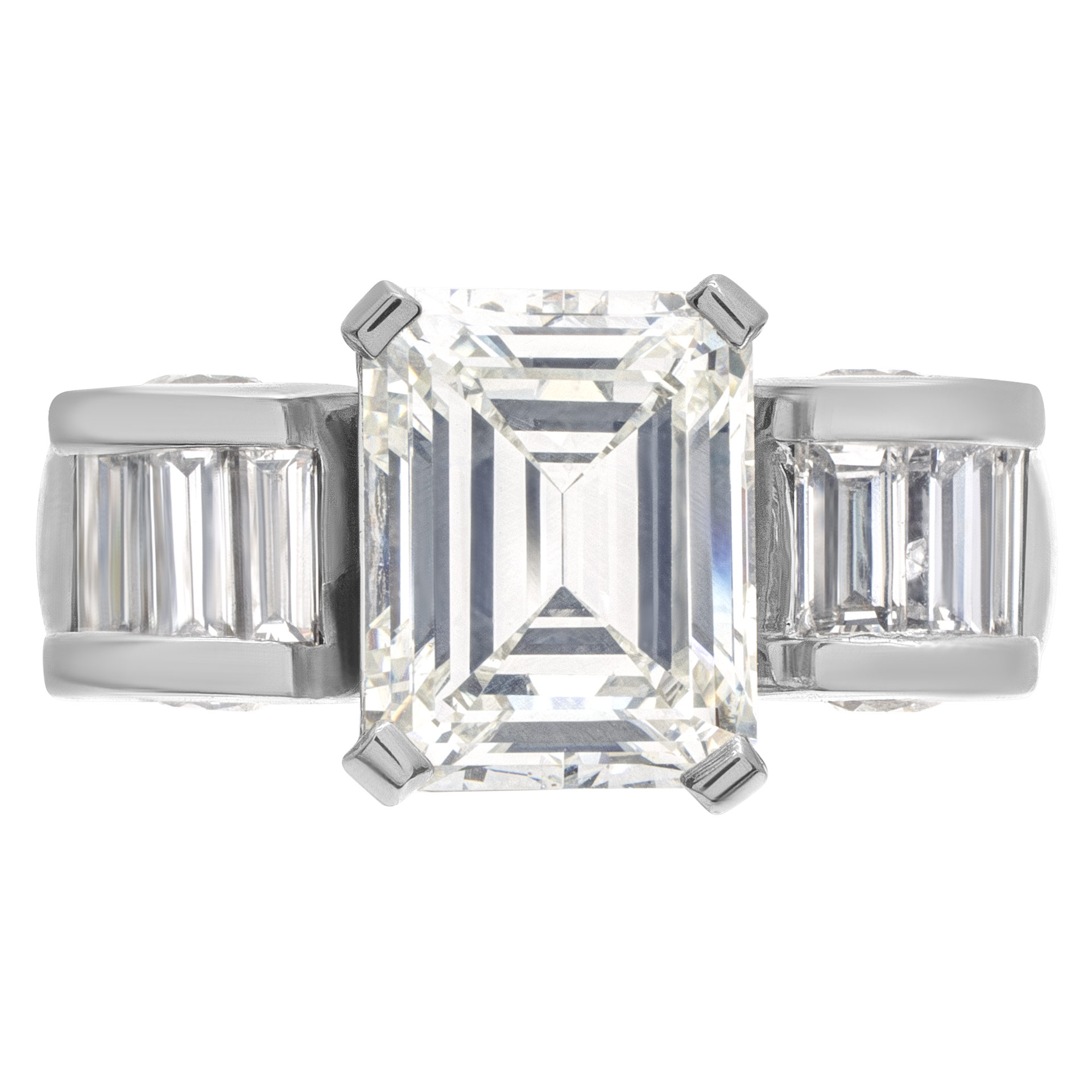
Professional diamond engagement rings buyers understand that documentation situations vary widely among sellers and have developed verification procedures that accommodate different scenarios. Whether you're selling a recently purchased designer ring with complete documentation or an inherited piece with limited historical records, experienced buyers focus on thorough professional assessment of the physical piece. Their expertise allows them to evaluate authenticity, assess quality, and determine fair value based on direct examination supported by whatever documentation is available.
When evaluating potential buyers for your diamond engagement ring, consider factors including their experience with pieces similar to yours, particularly regarding designer attribution if applicable, their willingness to explain their verification and valuation processes, and their reputation and track record in the luxury jewelry market. Established buyers who specialize in luxury jewelry typically have the gemological expertise and market knowledge necessary to provide accurate evaluations regardless of documentation completeness.
At Sell Us Your Jewelry, our evaluation process considers the range of verification factors—from laboratory documentation and designer marks to direct gemological testing and market analysis. We work with sellers throughout the United States who present pieces with varying levels of documentation, providing professional assessments based on comprehensive examination and current market understanding. Our goal is to offer transparent evaluation that respects both the verification requirements of professional jewelry buying and the practical realities that sellers face regarding available documentation.
Taking the Next Step
Understanding which grading reports, receipts, and designer signatures help buyers verify diamond engagement rings provides valuable context as you consider selling. Whether you have documentation including GIA reports and original designer receipts, or limited paperwork for an inherited estate piece, professional buyers can conduct the verification necessary to provide accurate assessments. The key is working with experienced buyers who have the expertise to evaluate pieces thoroughly regardless of documentation completeness while respecting the standards appropriate to luxury jewelry transactions.
If you're ready to explore what your diamond engagement ring might be worth, gathering your available documentation and requesting a professional evaluation represents the logical next step. Clear photographs, descriptions of what you know about the piece, and any documentation you can provide allow buyers to begin the assessment process efficiently. Whether you're selling a Tiffany & Co. engagement ring after life changes, converting an inherited piece to liquid assets, or simply ready to move on from a ring that no longer fits your life, understanding the verification process helps you approach the sale with appropriate expectations.
Ready to discover what your diamond engagement ring is worth? Request your quote today and experience a professional evaluation process that considers all available documentation while focusing on accurate assessment of your piece's current market value. Contact Sell Us Your Jewelry to begin the process with a trusted buyer who understands both the importance of proper verification and the practical realities sellers face.
About Us | Sell Us Your Jewelry
Call Us Now: 305 770 6955
The Purchasing and Consignment Division of Gray & Sons


Be the first to know | SEE OUR CATALOG

