

March 18th, 2026
Spring Settlement Strategies: How Estate Executors Navigate Cartier and Tiffany & Co. Liquidation During March Probate Proceedings
As spring arrives and estate executors face the critical task of probate jewelry liquidation, March presents unique opportunities for settling luxury assets efficiently. Estate executors managing high-value collections featuring Cartier and Tiffany & Co. pieces must navigate complex valuation processes while meeting probate court deadlines. Understanding the strategic approaches to liquidating designer jewelry during spring estate settlement ensures beneficiaries receive maximum value while maintaining the fiduciary responsibilities required during probate proceedings.
The timing of March probate proceedings often coincides with increased market activity for luxury items, making it an ideal period for executors to liquidate estate assets. Professional estate executors recognize that working with an experienced luxury jewelry buyer who understands both the probate process and the nuances of designer collections can significantly streamline settlement timelines while ensuring accurate valuations for court documentation.
Understanding the Probate Timeline for Luxury Jewelry Assets
Probate proceedings typically span several months, and estate executors must balance thorough asset evaluation with efficient liquidation timelines. When estates include significant holdings of Cartier Love bracelets, Tiffany & Co. Return to Tiffany collections, or other designer pieces, proper documentation and valuation become critical for court approval. March's position in the probate calendar often represents a pivotal moment when executors must demonstrate progress toward asset distribution.
The complexity increases when estates contain multiple categories of luxury items. Executors frequently encounter collections that include not only jewelry but also luxury timepieces, creating the need for specialized expertise. A comprehensive approach to sell Cartier jewelry alongside other estate assets requires buyers who can efficiently evaluate diverse holdings while providing the documentation necessary for probate court proceedings.
Strategic Approaches to Cartier Collection Liquidation
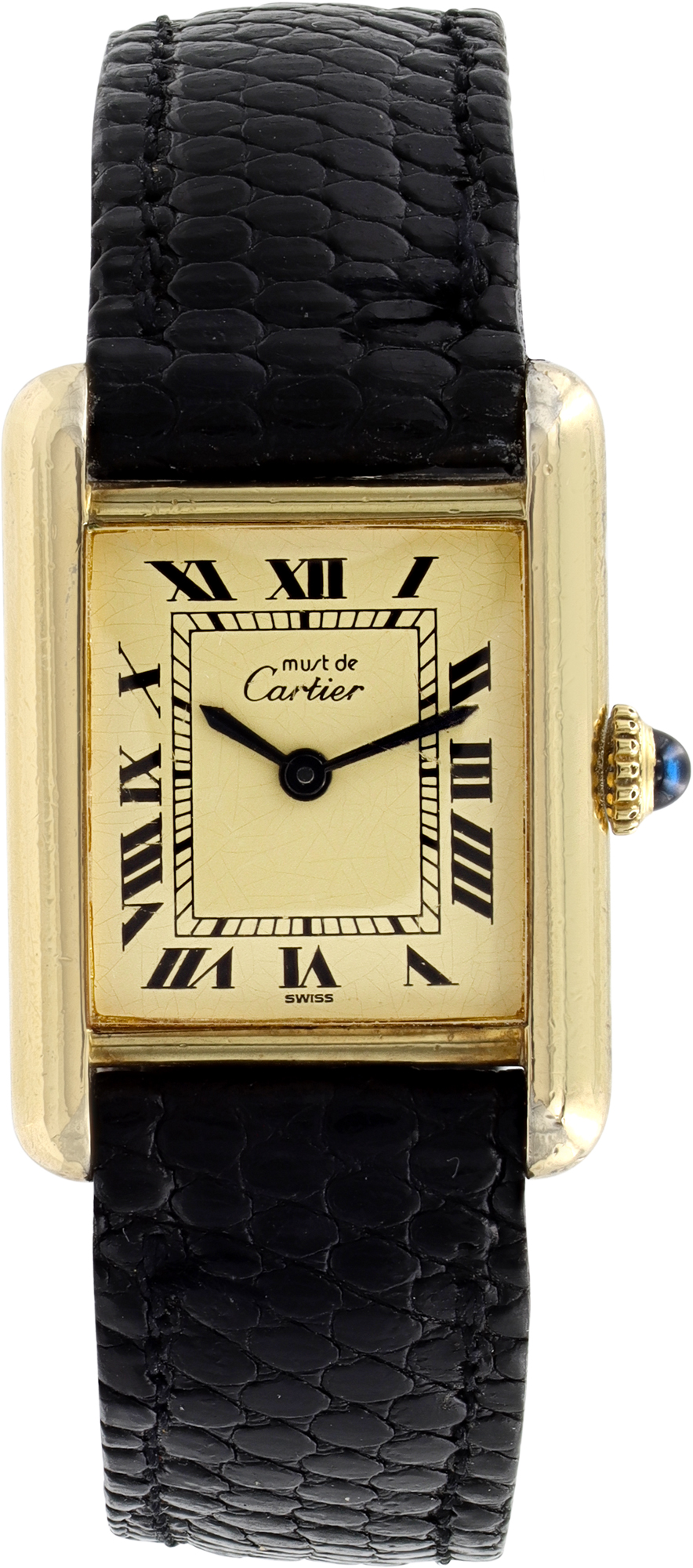
Cartier pieces represent some of the most recognizable luxury assets in estate inventories, from iconic Love bracelets to Panthère jewelry collections. Estate executors must understand that different Cartier lines carry varying market values and appeal to distinct buyer demographics. When you sell Cartier Love bracelets, for instance, you're dealing with pieces that maintain strong resale value due to their timeless design and brand recognition.
Professional executors develop systematic approaches for cataloging Cartier assets, noting specifics such as whether pieces include original boxes, certificates of authenticity, and purchase documentation. The process to sell Cartier Juste un Clou bracelets differs from liquidating vintage Cartier Tank watches, requiring buyers with expertise across the brand's diverse product lines. Working with established buyers who specialize in Cartier jewelry ensures accurate valuations that withstand probate court scrutiny.
Beyond bracelets, estates often contain extensive Cartier holdings including rings, necklaces, and earrings. The ability to sell Cartier rings and sell Cartier necklaces as part of a comprehensive estate liquidation strategy allows executors to streamline the probate process rather than managing multiple transactions with different buyers. This consolidated approach proves particularly valuable when sell Cartier earrings and sell Cartier pendants alongside other luxury items, creating efficiency in both valuation and documentation.
Navigating Tiffany & Co. Estate Collections
Tiffany & Co. jewelry presents unique considerations for estate executors due to the brand's extensive product range spanning from sterling silver charm bracelets to high-jewelry diamond pieces. The diversity within Tiffany collections means executors must understand which pieces hold investment-grade value versus those that serve primarily as sentimental items. When you sell Tiffany & Co. jewelry, proper identification of collection lines and design periods significantly impacts valuation accuracy.
The Return to Tiffany collection, Tiffany Keys, and Paper Flowers line each maintain distinct market positions that influence estate liquidation strategies. Executors handling comprehensive Tiffany estates benefit from buyers experienced in evaluating everything from Tiffany & Co. rings to Tiffany & Co. bracelets, ensuring consistent valuation methodology across the collection. The capacity to sell Tiffany & Co. necklaces, sell Tiffany & Co. earrings, and sell Tiffany & Co. pendants through a single transaction simplifies probate documentation while accelerating settlement timelines.
Working with Tiffany and Co jewelry buyers who understand the nuances between sterling silver pieces and platinum diamond jewelry ensures executors receive accurate valuations that reflect current market conditions. This expertise becomes particularly important when estates contain both vintage Tiffany Elsa Peretti designs and contemporary high-jewelry pieces, each requiring specialized knowledge for proper assessment.

Expanding Beyond Cartier and Tiffany: Comprehensive Estate Jewelry Liquidation
While Cartier and Tiffany & Co. pieces often anchor luxury estate collections, executors typically encounter diverse designer holdings requiring equal attention. Van Cleef & Arpels pieces, particularly the Alhambra collection, command significant market value and necessitate expert evaluation. The ability to sell Van Cleef & Arpels jewelry alongside Cartier and Tiffany pieces streamlines the probate process while ensuring beneficiaries receive maximum value across all estate assets.
Estates may include additional luxury designers such as Bvlgari, Chopard, and Harry Winston, each requiring specialized knowledge for accurate valuation. When you sell Bvlgari jewelry, particularly pieces from the Serpenti or B.Zero1 collections, proper authentication and condition assessment prove critical. Similarly, the opportunity to sell Chopard jewelry, especially Happy Diamonds pieces, requires buyers familiar with the brand's unique design elements and mechanical features.
The comprehensive approach extends to lesser-known but valuable designers. Executors handling David Yurman collections benefit from buyers who can sell David Yurman jewelry including Cable collection pieces that maintain strong resale value. The capacity to sell Bvlgari rings, sell Bvlgari bracelets, and sell Bvlgari necklaces as part of a broader estate liquidation strategy ensures efficient settlement of complex luxury holdings.
Documenting Estate Jewelry for Probate Court Requirements
Accurate documentation forms the foundation of successful probate jewelry liquidation, requiring detailed records of each piece's characteristics, condition, and valuation. Estate executors must provide probate courts with comprehensive inventories that include designer attribution, materials, gemstone specifications, and supporting documentation such as original receipts or certificates. Professional buyers understand these requirements and structure their evaluation processes to generate documentation that meets legal standards.
The documentation process becomes particularly important when estates include high-value pieces or collections from multiple luxury designers. When you sell Cartier Panthère collection pieces or liquidate comprehensive Tiffany holdings, the paper trail must demonstrate both the methodology used for valuation and the market research supporting offered prices. This transparency protects executors from potential challenges by beneficiaries or other interested parties during probate proceedings.
Working with established luxury buyers who maintain relationships with estate executors across multiple jurisdictions provides access to standardized documentation formats recognized by probate courts nationwide. This consistency proves valuable when executors manage estates spanning multiple states or involving beneficiaries in different locations, ensuring uniform documentation standards regardless of local court preferences.
Luxury Watch Assets in Estate Settlements
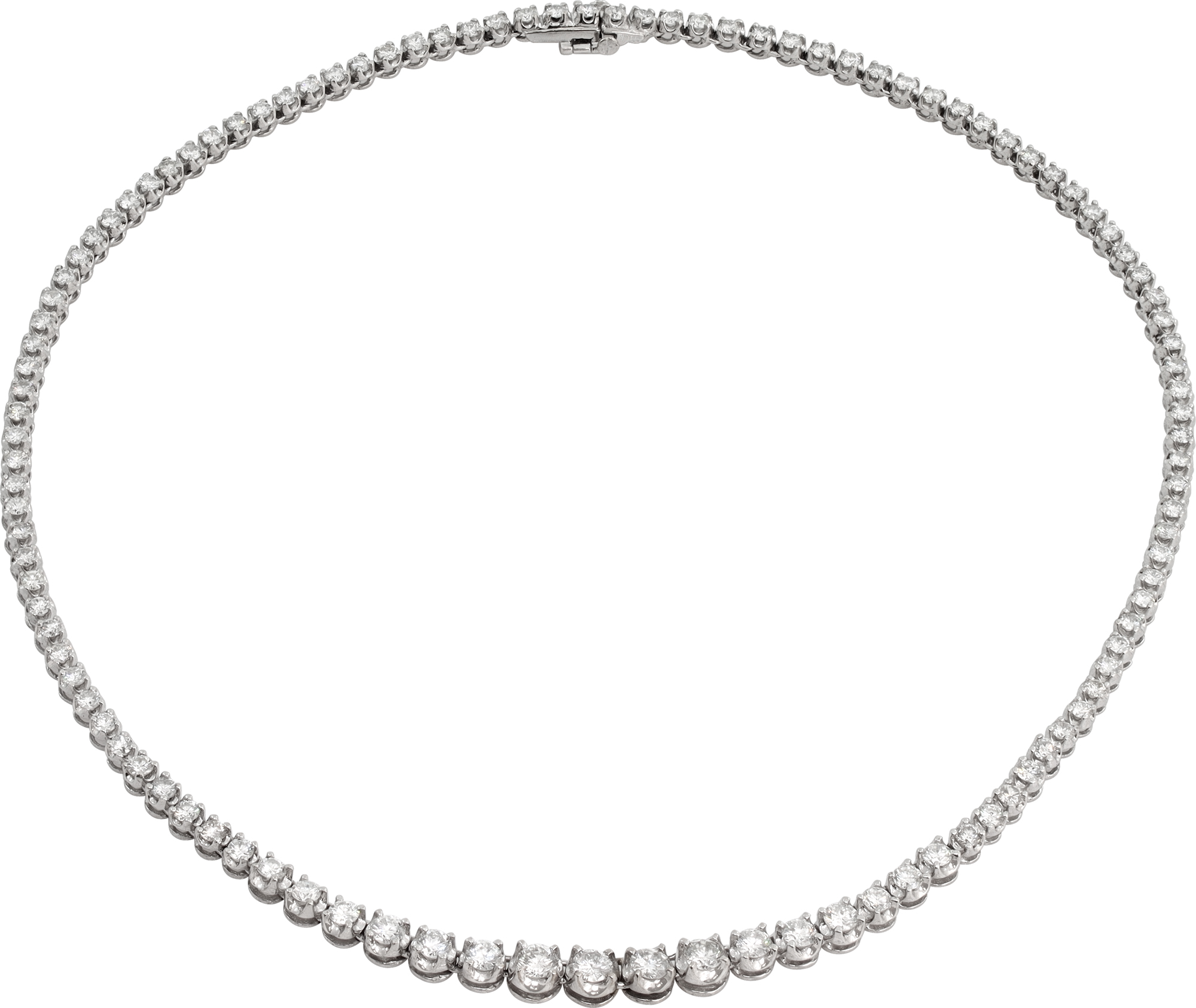
Estate jewelry collections frequently include luxury timepieces that require specialized evaluation beyond typical jewelry appraisal expertise. Executors managing estates with Cartier Tank watches, for example, need buyers who understand both the jewelry and horological aspects of these pieces. The ability to sell Cartier watch alongside jewelry items creates efficiency in estate liquidation while ensuring consistent valuation standards across all luxury assets.
Beyond Cartier, estates often contain significant watch collections including Rolex, Patek Philippe, and Omega timepieces. Professional executors benefit from buyers who can evaluate everything from vintage Rolex Submariner models to contemporary Patek Philippe complications. The capacity to sell my Rolex and sell Patek Philippe watch through the same transaction that handles jewelry liquidation streamlines probate proceedings significantly.
Specialized watch collections may include brands such as Audemars Piguet, Vacheron Constantin, and independent manufacturers like F.P. Journe. When you sell Audemars Piguet watch or sell my Vacheron Constantin watch, you're dealing with pieces that often represent substantial estate value requiring expert authentication and condition assessment. Working with luxury watch buyers who maintain in-house horological expertise ensures accurate valuations that reflect both mechanical condition and market demand.
Sterling Silver and Additional Estate Assets
Comprehensive estate liquidation extends beyond fine jewelry and watches to include sterling silver flatware, serving pieces, and decorative items that many estates contain in significant quantities. Executors must recognize that sterling silver assets, while perhaps less glamorous than Cartier bracelets, often represent substantial value that benefits estate beneficiaries. The process to sell sterling silver flatware requires buyers who understand both precious metal content and the collectible value of certain patterns and makers.
Estate silver collections may include everything from complete flatware services to tea sets, trays, and candlesticks. The ability to sell sterling silverware alongside jewelry creates efficiency in estate settlement while ensuring all assets receive proper valuation. Professional buyers evaluate factors including silver weight, pattern rarity, maker marks, and condition when determining value for probate documentation.
Understanding when to approach sterling silver as precious metal content versus collectible antique helps executors maximize estate value. Certain makers and patterns, particularly those from renowned silversmiths like Kirk, Gorham, or Tiffany, command premiums beyond melt value. Working with buyers experienced in evaluating sterling silver collections ensures executors capture all available value when liquidating these estate assets.
Diamond Assets and GIA Certification
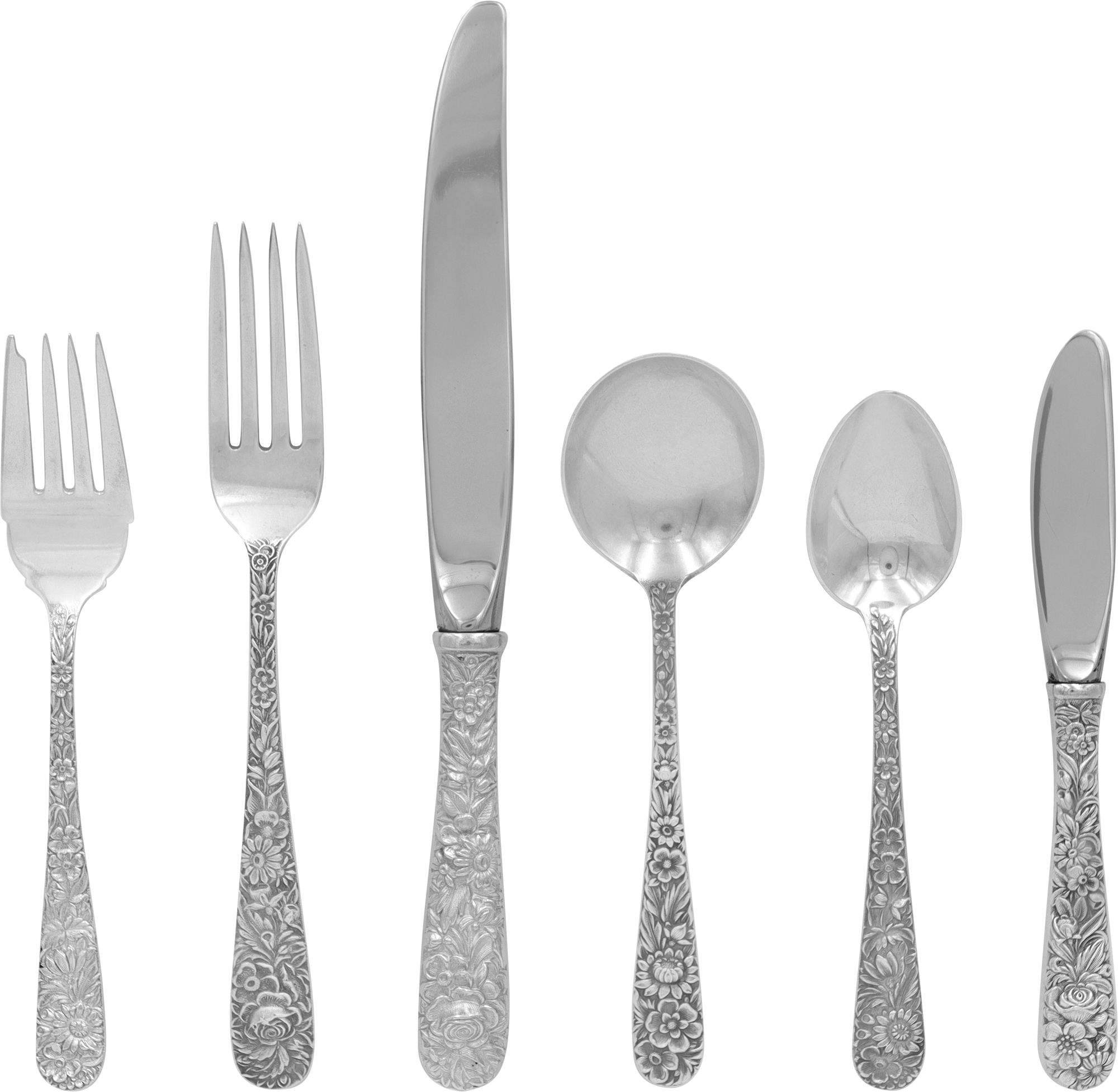
Estate jewelry collections frequently include loose diamonds or pieces featuring significant center stones that warrant separate evaluation from finished jewelry. Understanding the importance of GIA certification helps executors maximize value when liquidating diamond assets. The ability to sell GIA Certified Diamonds with proper documentation protects both executors and beneficiaries by providing independent third-party verification of stone characteristics.
Diamonds represent a unique category in estate liquidation because value depends heavily on documentation and certification. While a Cartier mounting adds value to a diamond ring, the diamond itself maintains separate value based on its individual characteristics. Professional buyers help executors understand when remounting or separating diamonds from original settings might benefit the estate, though such decisions require careful consideration of both financial and sentimental factors.
The process of diamond evaluation includes assessment of cut, color, clarity, and carat weight—the famous "Four Cs" that determine value. Working with buyers who maintain relationships with gemological laboratories ensures executors can obtain certification when needed, providing documentation that supports valuations for probate court review. This expertise proves particularly valuable when estates include significant diamond collections requiring individual assessment of multiple stones.
Specialized Collections: Designer Focus Areas
Certain estates contain focused collections from specific designers, requiring buyers with deep expertise in particular brands. Chanel jewelry collections, for instance, combine fashion heritage with fine jewelry craftsmanship in pieces that appeal to specific collector demographics. When you sell Chanel jewelry, particularly pieces from the Camélia collection, understanding both fashion and jewelry markets proves essential for accurate valuation.
Estates may include significant holdings from brands like Bvlgari, where collections span from high jewelry to more accessible pieces. The ability to sell Bvlgari Serpenti collection items alongside B.Zero1 pieces requires understanding the distinct market positions these lines occupy. Similarly, when executors need to sell Chopard Happy Diamonds collection pieces, buyers must recognize the unique value proposition of Chopard's moving diamond technology.
Additional designer collections requiring specialized expertise include pieces from Harry Winston, Graff, and Roberto Coin. The capacity to sell Harry Winston jewelry demands understanding of the brand's position at the apex of fine jewelry, while sell Roberto Coin jewelry requires familiarity with the designer's distinctive Italian craftsmanship and signature details. Executors benefit from buyers who maintain expertise across multiple luxury brands, enabling consolidated liquidation of diverse estate holdings.
Geographic Considerations for Estate Executors
Estate executors operate across diverse geographic markets, from major metropolitan areas to smaller regional communities. Understanding how location influences both the liquidation process and asset values helps executors develop effective strategies. Miami jewelry buyers and other urban market specialists often maintain extensive networks and higher transaction volumes, potentially offering advantages for certain estate types.
South Florida's concentration of luxury goods creates a particularly active market for estate liquidation. Executors working in areas like Coral Gables or Bal Harbour benefit from proximity to established buyers with extensive experience in luxury assets. The advantage extends beyond simple convenience—these markets maintain depth of expertise in authenticating and valuing pieces from brands like Cartier, Tiffany & Co., and Van Cleef & Arpels.
Regional considerations also influence timing and strategy for estate liquidation. While luxury assets maintain value nationwide, certain markets demonstrate particular strength in specific categories. Understanding these geographic nuances helps executors optimize liquidation strategies, sometimes choosing to work with specialized buyers even when they're not in the immediate local market. The key lies in finding buyers who combine market knowledge with the ability to provide necessary documentation for probate proceedings regardless of location.
Building Professional Relationships for Estate Work
Successful estate executors develop ongoing relationships with trusted buyers who understand probate requirements and can provide consistent service across multiple estates. These professional partnerships streamline the liquidation process by establishing standard operating procedures for evaluation, documentation, and transaction completion. When executors identify reliable partners who can sell estate jewelry efficiently, they create valuable resources for managing current and future probate matters.
The value of these relationships extends beyond individual transactions. Experienced buyers understand the unique pressures executors face, including court deadlines, beneficiary expectations, and fiduciary responsibilities. This understanding translates into service models designed specifically for estate liquidation needs, including expedited evaluations, flexible payment structures, and comprehensive documentation that meets legal requirements.
Professional buyers specializing in estate sales maintain expertise in handling sensitive family dynamics that often accompany estate settlements. The ability to work respectfully with beneficiaries, provide clear explanations of valuation methodologies, and demonstrate transparency throughout the process proves invaluable when managing complex estates. Executors who establish these professional relationships position themselves for success across their entire practice.
March Timing Advantages for Estate Settlements
Spring's arrival in March creates natural momentum for estate settlements as beneficiaries and executors alike seek to move forward with asset distribution. The symbolic significance of spring renewal combines with practical considerations—many estates aim to complete probate proceedings before the end of the fiscal year, making March an important milestone month for demonstrating progress toward final settlement.
Market conditions in March often favor estate liquidation as luxury goods buyers prepare for spring and summer seasons. Understanding these cyclical patterns helps executors time liquidations for optimal returns. The period around spring estate settlement represents an active market moment when buyer demand typically runs high, potentially translating to competitive offers for quality estate assets.
The practical advantages of March timing extend to administrative considerations. Tax season preparation means many executors focus intensively on estate matters during this period, creating natural alignment between probate progress requirements and available attention for asset liquidation. Coordinating jewelry and watch sales during this focused period allows executors to maintain momentum toward final estate settlement while addressing multiple administrative requirements simultaneously.

Condition Considerations and Asset Categories
Estate jewelry and watches arrive in varying conditions, from pristine pieces maintained carefully throughout ownership to items showing significant wear or requiring repair. Professional buyers understand that condition significantly impacts value but also recognize that even pieces needing restoration maintain intrinsic worth based on materials, designer attribution, and collector interest. The ability to evaluate assets across the full condition spectrum proves essential for comprehensive estate liquidation.
When executors encounter jewelry requiring repair or watches needing service, understanding how these factors influence valuation helps set realistic expectations. A Cartier Love bracelet with surface scratches maintains substantial value due to its gold content and brand recognition, even if it doesn't command pristine-piece pricing. Similarly, luxury watches requiring mechanical service still represent significant assets when brand, model, and overall condition support economic restoration.
The comprehensive approach to condition assessment includes recognizing that certain categories maintain value even in non-functioning condition. Luxury watches from brands like Rolex, Patek Philippe, and Audemars Piguet often retain significant value based on component worth and restoration potential. Working with buyers who can evaluate pieces across the full condition spectrum ensures executors capture all available value within estate holdings, maximizing returns for beneficiaries.
Transparent Valuation and Documentation Standards
Transparency in valuation methodology protects both executors and beneficiaries while meeting probate court requirements for asset documentation. Professional buyers provide detailed explanations of how they arrive at offered prices, including market comparables, condition assessments, and current demand factors. This transparency creates documentation that withstands scrutiny during probate proceedings and addresses potential beneficiary questions about asset liquidation.
The documentation standard includes providing detailed descriptions of each piece's characteristics, supporting photographs, and clear explanations of valuation factors. When executors receive offers to sell Cartier bracelets or other luxury items, comprehensive documentation should accompany these offers, explaining both the specific piece's attributes and the broader market context influencing its value. This level of detail proves invaluable when executors must explain liquidation decisions to probate courts or beneficiaries.
Professional valuation also addresses the distinction between retail replacement value, insurance value, and actual resale market value—concepts that can create confusion during estate settlements. Understanding these different valuation contexts helps executors communicate effectively with beneficiaries who may have unrealistic expectations based on original purchase prices or insurance appraisals. Working with experienced jewelry buyers who can explain these distinctions clearly prevents misunderstandings and facilitates smoother estate settlements.
Streamlining Multi-Asset Estate Liquidations
Comprehensive estates often contain diverse luxury holdings requiring evaluation of jewelry, watches, silver, and sometimes additional categories like gold coins or bullion. The ability to manage these varied assets through consolidated liquidation processes creates significant efficiency for busy executors managing complex probate matters. Rather than coordinating with multiple specialized buyers, executors benefit from partnerships with buyers who maintain expertise across all luxury asset categories.
The streamlined approach proves particularly valuable when estates include collections spanning multiple designers and asset types. An estate might contain Cartier jewelry, Rolex watches, Tiffany sterling silver, and loose GIA diamonds—each category requiring specialized knowledge but all benefiting from coordinated liquidation. Working with buyers who can evaluate everything from sell Tiffany bracelets to sell my Patek Philippe watch simplifies the executor's administrative burden while ensuring consistent documentation standards across all asset categories.
Coordination extends to payment structures and timeline management. Professional buyers understand that executors often need to synchronize liquidation proceeds with probate court requirements or beneficiary distribution schedules. The flexibility to structure transactions around these constraints while maintaining competitive pricing demonstrates the value of working with experienced estate liquidation specialists who understand probate realities.
Contact Sell Us Your Jewelry for Professional Estate Liquidation Support
Estate executors navigating March probate proceedings deserve partnership with buyers who understand both luxury assets and probate requirements. At Sell Us Your Jewelry, we specialize in comprehensive estate liquidation, providing the expertise and documentation necessary for smooth probate settlements. Our team evaluates everything from Cartier and Tiffany & Co. jewelry to luxury watches, sterling silver, and GIA-certified diamonds, offering consolidated service that simplifies the executor's role.
Whether you're managing a focused collection of designer jewelry or a comprehensive estate with diverse luxury holdings, our experienced team provides the professional evaluation and transparent documentation probate courts require. We understand the timing pressures executors face and structure our processes to support efficient settlement schedules while ensuring beneficiaries receive maximum value for estate assets.
Ready to begin the estate liquidation process? Visit our jewelry evaluation page to start your assessment, or explore our watch valuation services for timepiece holdings. For comprehensive estate support, review our guide on how our process works or explore the extensive list of brands we buy. Contact us today to discover how our specialized expertise in probate jewelry liquidation can streamline your March estate settlement proceedings while protecting your fiduciary responsibilities.
About Us | Sell Us Your Jewelry
Call Us Now: 305 770 6955
The Purchasing and Consignment Division of Gray & Sons


Be the first to know | SEE OUR CATALOG

