

September 22nd, 2026
Earlier vs Current Cartier Ballon Bleu References: What Buyers Check Before Valuation
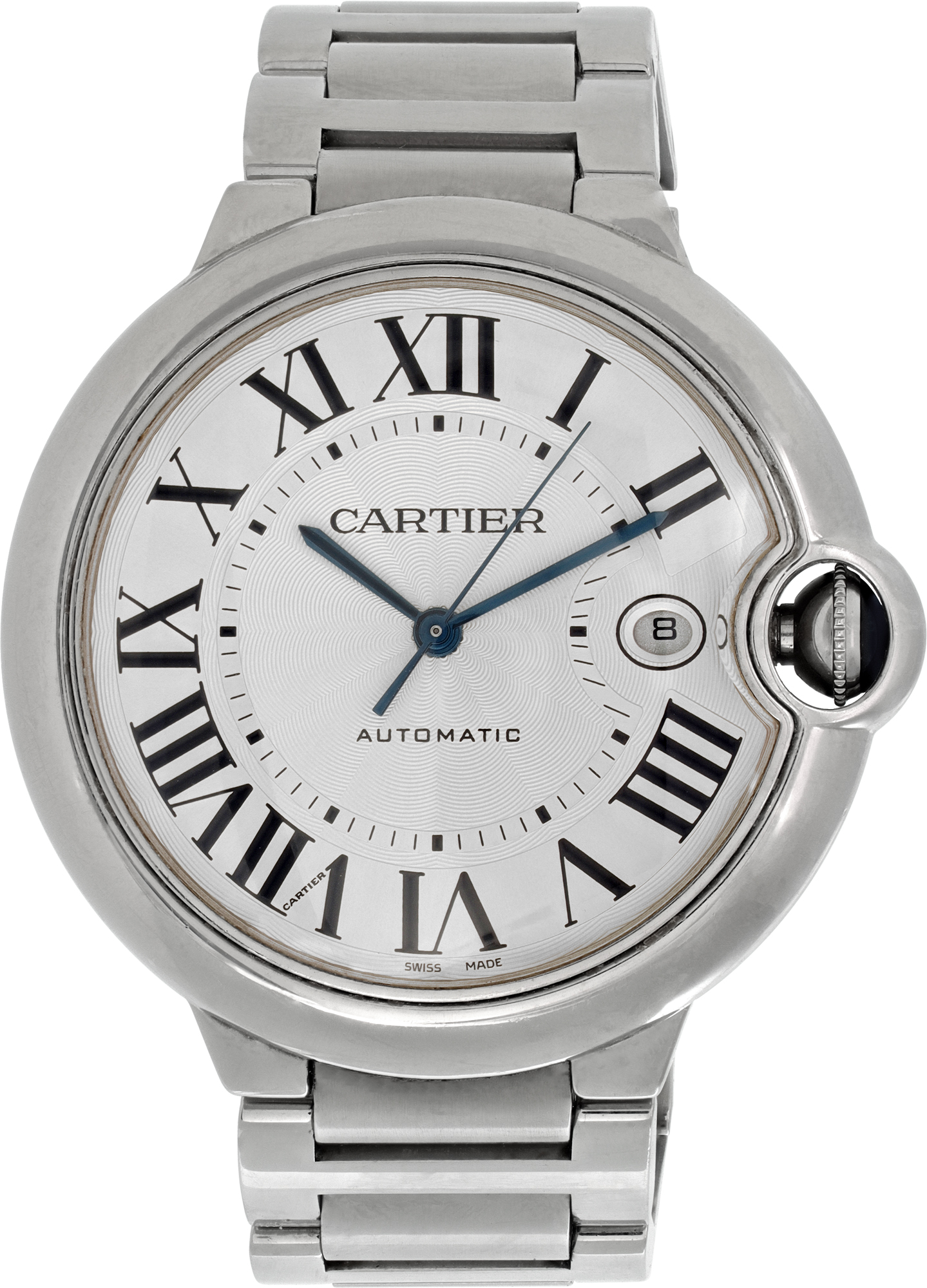
When you decide to sell Cartier Ballon Bleu timepieces, understanding the distinction between earlier and current references becomes essential to maximizing your return. The early vs current Cartier Ballon Bleu reference value can vary significantly based on production era, movement type, case materials, and dial configurations. Professional Cartier Ballon Bleu buyers evaluate these factors carefully during the appraisal process, making it crucial for sellers to understand what distinguishes references from different production periods before requesting a valuation.
Since its 2007 introduction, the Ballon Bleu has undergone several important evolutions that affect Cartier Ballon Bleu age and resale value. Whether you're looking to sell Cartier Ballon Bleu watches from the original launch period or more recent productions, knowing these distinctions helps set realistic expectations and ensures you approach the right buyer who specializes in your specific reference.

Understanding Reference Number Evolution
The Cartier Ballon Bleu reference numbering system changed substantially over its production history, with earlier models using different prefixes than current references. Some references from the model's earlier years began with W69, while newer models adopted WSBB, WJBB, W2BB, W3BB, and W4BB prefixes. When an earlier Cartier Ballon Bleu buyer evaluates your timepiece, they'll identify the production era through this reference number, which appears on the caseback and original paperwork.
These reference changes often reflected technical updates. The Cartier Ballon Bleu resale value can vary based on which generation your watch represents, with some collectors preferring certain earlier references while others favor characteristics found in more recent production models.
For sellers considering where to sell Cartier watch timepieces, providing the complete reference number allows buyers to assess which generation you own. This information helps establish whether your piece represents an earlier discontinued reference or a more recent production model.
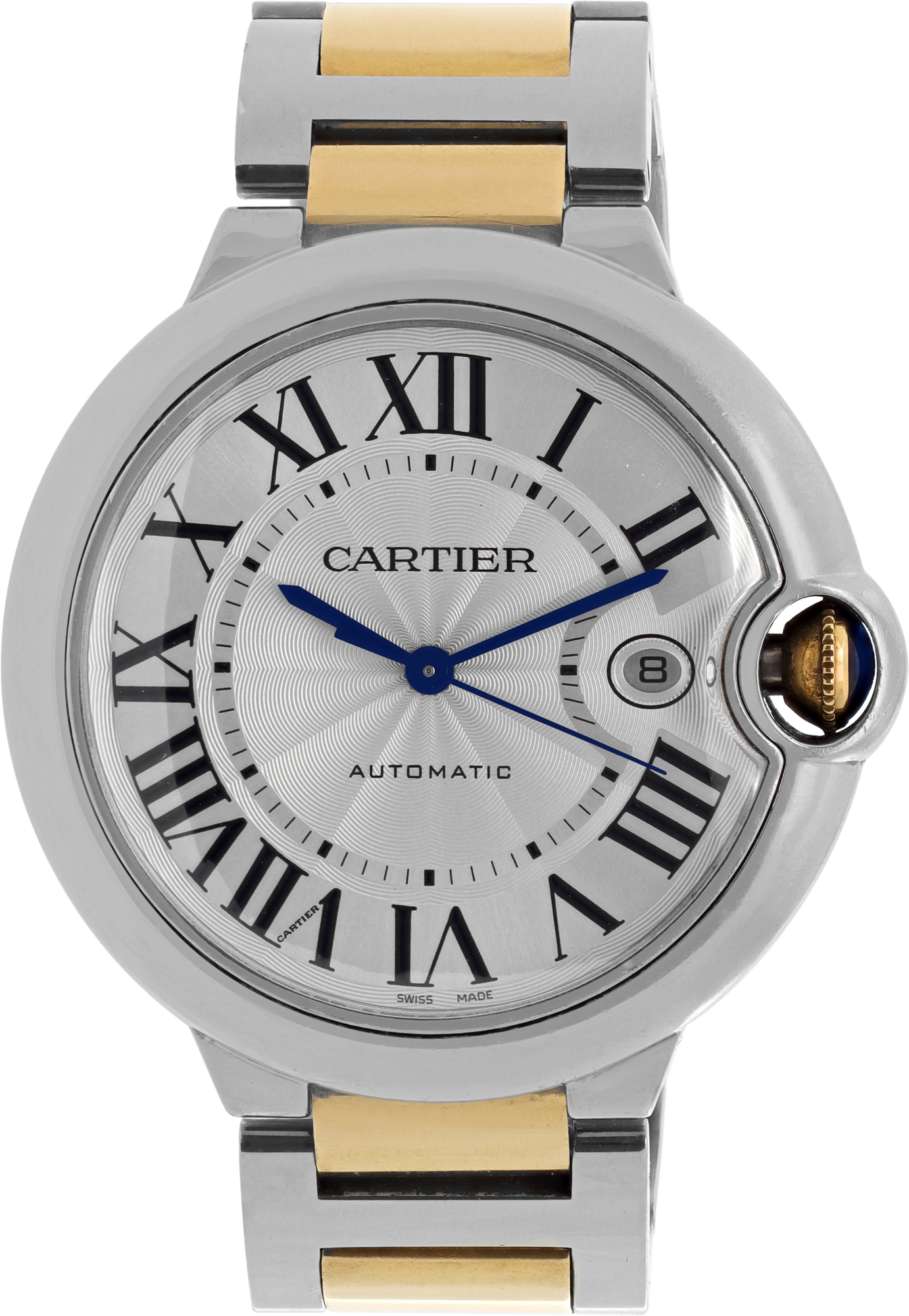
Movement Calibers: Earlier vs Current Generations
One of the most significant technical differences between references from different production periods lies in the movement calibers. Some earlier 42mm references housed movements based on third-party calibers, while certain current references feature in-house Cartier manufacture movements. This evolution represents a major shift that experienced Cartier watch buyers consider during valuation. Manufacture movements often command attention from collectors who value these credentials, though certain earlier calibers are prized for their proven reliability and serviceability.
Movement type affects more than just technical specifications—it influences long-term service considerations and authentication processes. When you sell Cartier watch timepieces, buyers factor these service considerations into their evaluations, understanding that movement type affects both maintenance approaches and buyer appeal.
References with different movement types maintain positions in the pre-owned market when properly documented and maintained. The key is working with knowledgeable luxury watch buyers who understand the nuances of each generation.
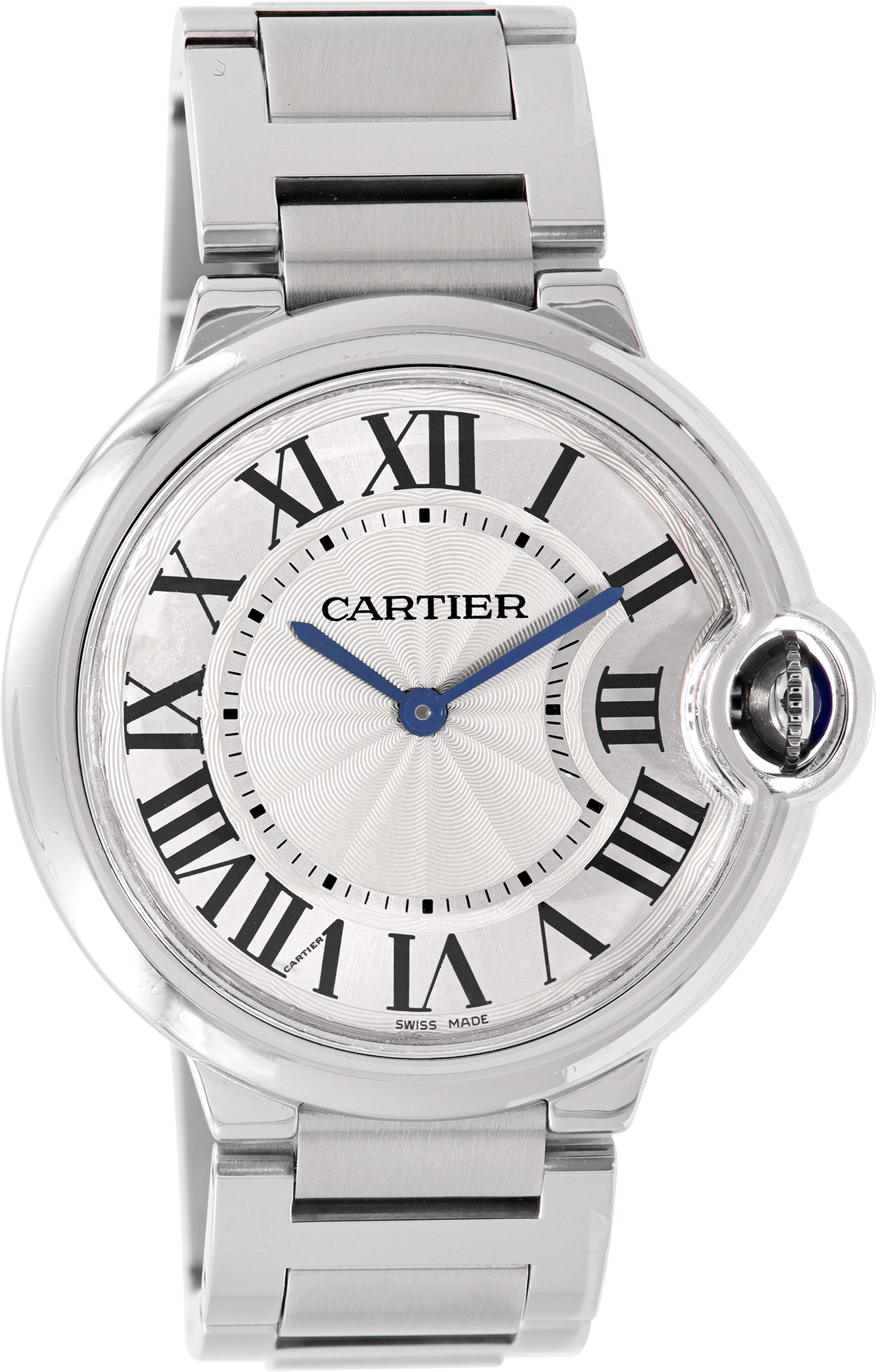
Case Construction and Finishing
Ballon Bleu case construction has maintained the model's signature design elements including the protective crown guard and blue sapphire cabochon mounting. Professional Cartier Ballon Bleu buyers examine these details closely, as they help support authentication and assess whether the watch retains original components versus replacement parts from service intervals.
When determining Cartier Ballon Bleu age and resale value, buyers look for consistency between the reference number and documented production characteristics. Within specific size categories, case dimensions showed consistency across many production periods, though the collection spans substantial range from 28mm through 44mm variants. Sellers should understand that technical evolutions across different production periods represent different chapters in the model's history that appeal to different segments of the collector market.
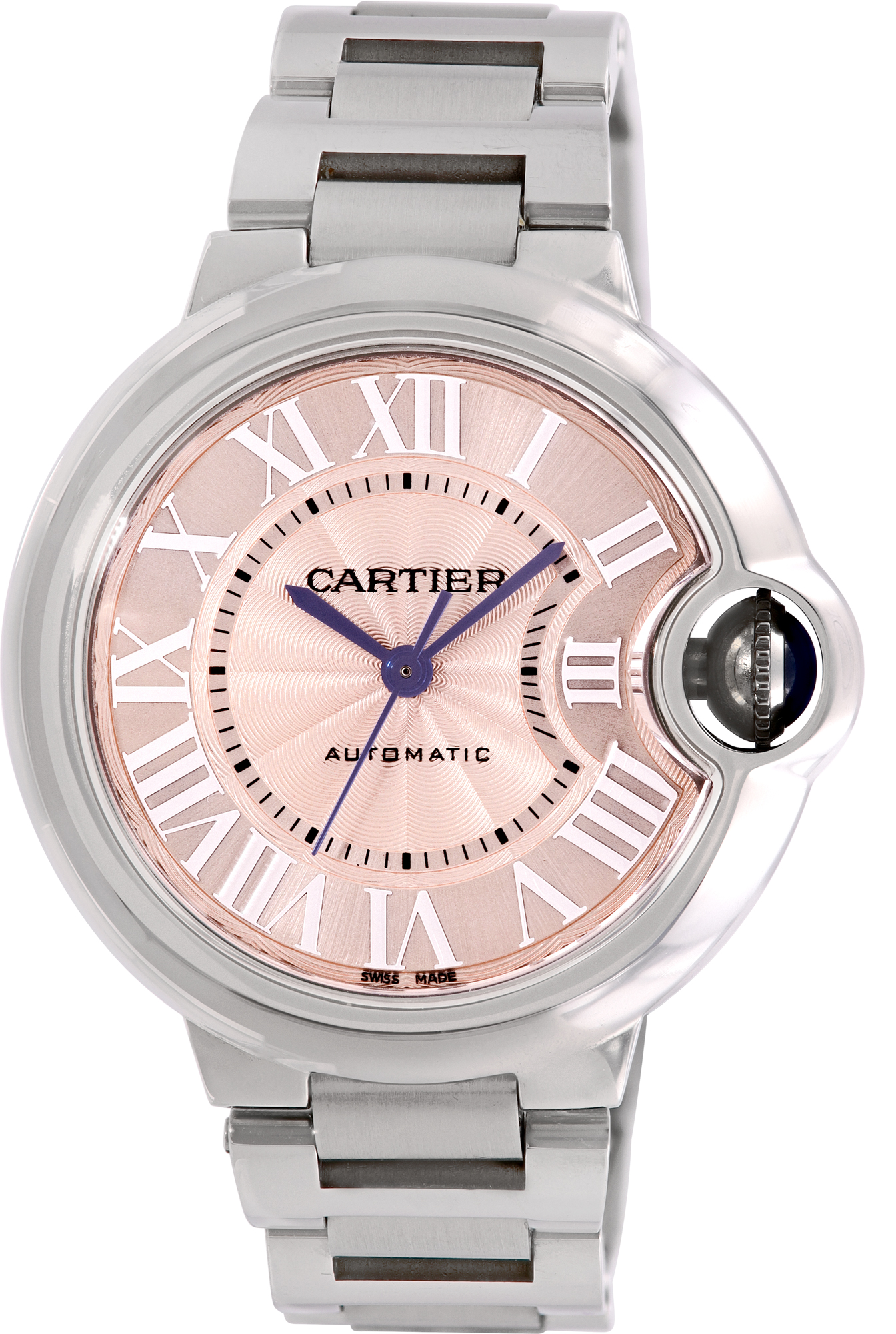
Dial Variations Across Production Eras
Dial configurations represent another critical factor in distinguishing references from different production periods. The guilloché patterns on silver dials, Roman numeral sizing, and railroad minute track designs can vary across specific references. An experienced Cartier Ballon Bleu buyer will examine these details under magnification to assess originality and production era.
The blue steel hands found on Ballon Bleu models should exhibit the characteristic deep blue color achieved through precise temperature control during manufacturing. Any significant variation from expected specifications might indicate replacement parts, which buyers consider when determining the early vs current Cartier Ballon Bleu reference value.
Dial condition matters significantly regardless of production era. References from all periods should show clean, even surfaces without moisture damage, discoloration, or printing deterioration. For those looking to understand Cartier Ballon Bleu resale value considerations related to dial specifications, maintaining original dials in excellent condition remains important across all production periods.
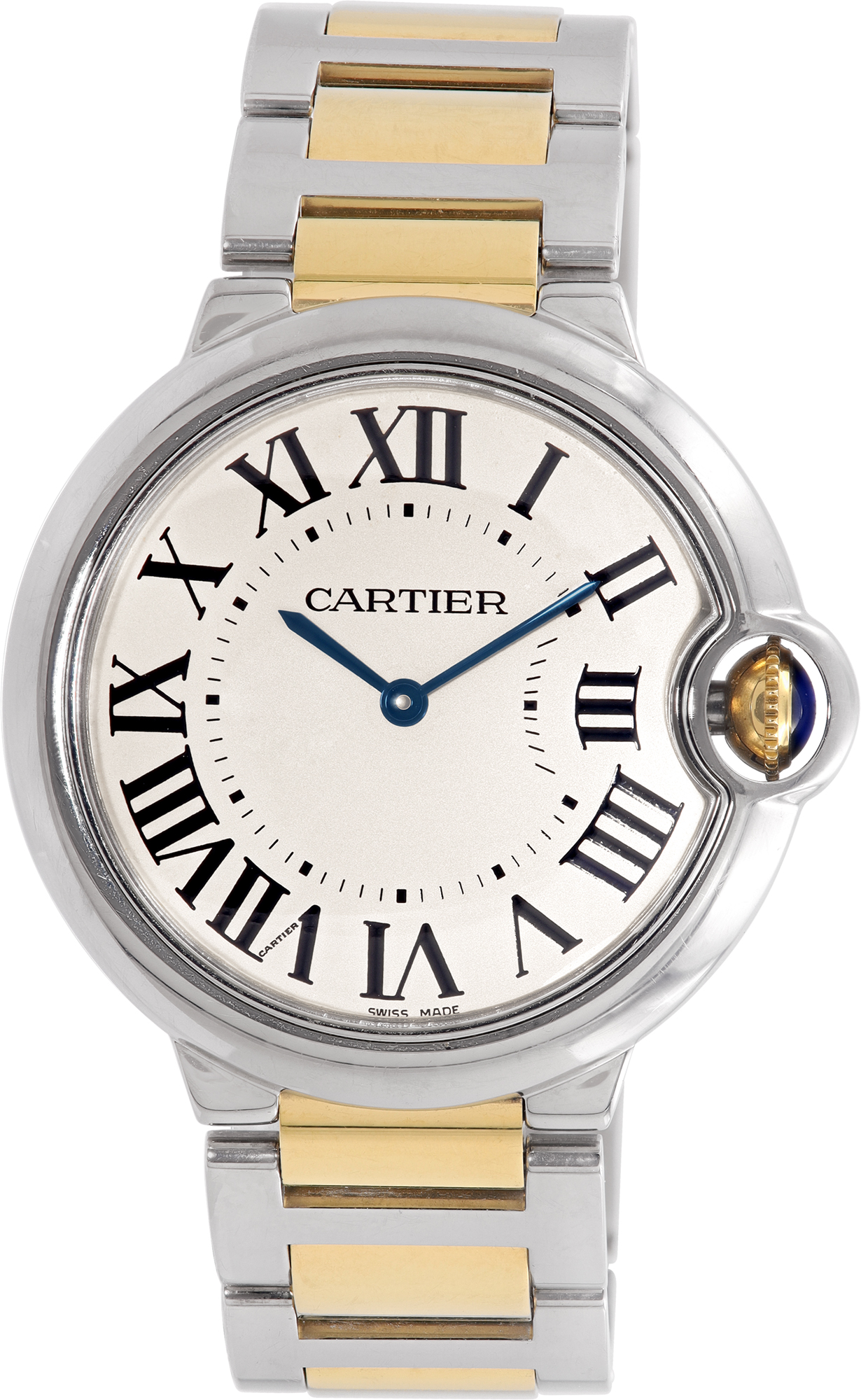
Bracelet and Strap Evolution
The integrated bracelet design represents one of the Ballon Bleu's signature features. The three-link design remained consistent as a core characteristic. When evaluating Cartier Ballon Bleu resale value, buyers examine whether the bracelet matches the case reference period and retains original links without replacement parts from different generations.
Strap versions also saw changes over time, particularly in deployment clasp designs and leather specifications. Original Cartier straps and clasps in good condition can support an evaluation, as they represent complete examples. For sellers wondering where to find specialized Cartier buyers, working with evaluators who understand these variations ensures informed appraisals.
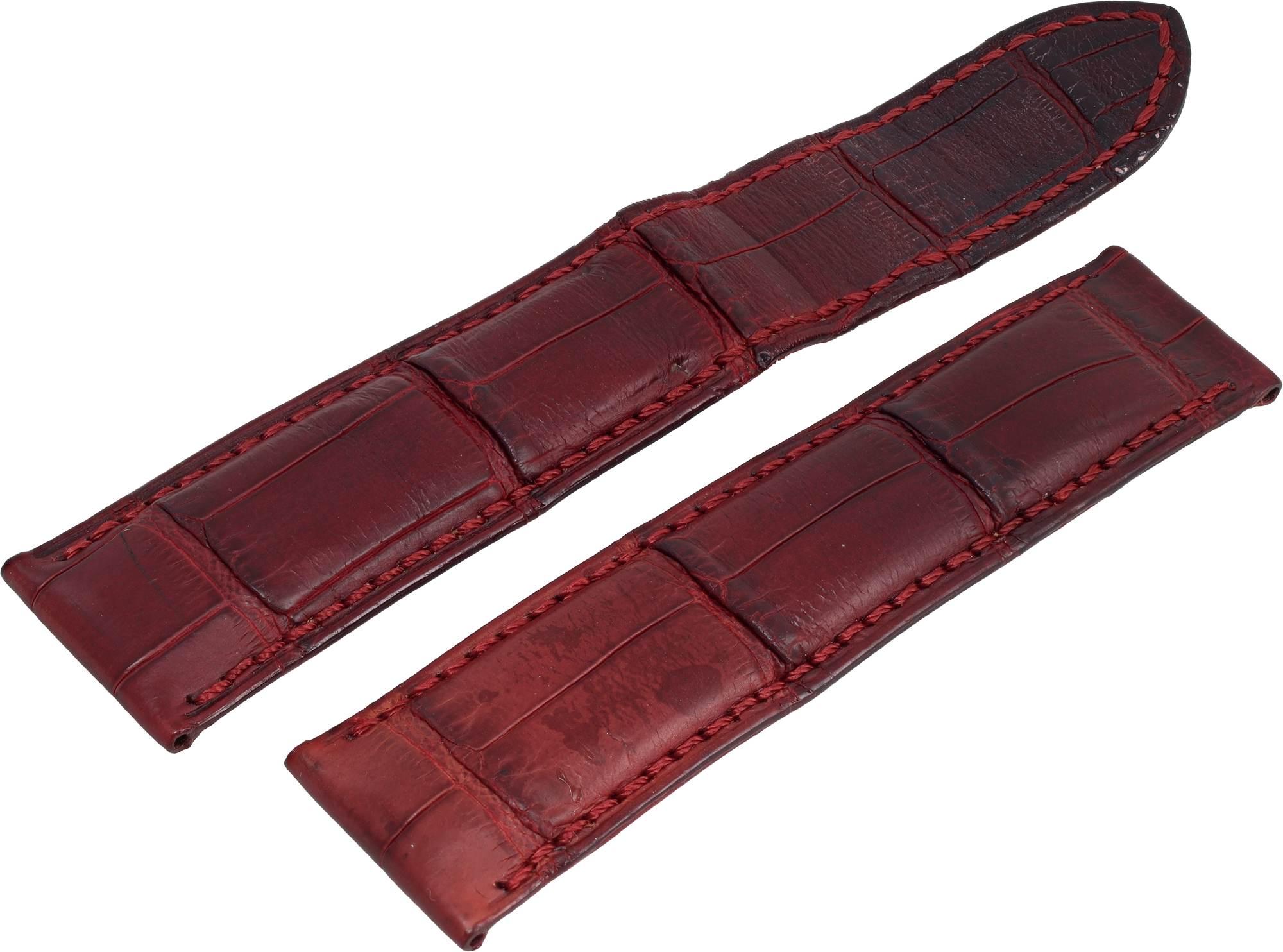
Replacement straps are common for watches that have been worn regularly, but original examples with period-correct hardware command attention. Buyers verify strap authenticity through examining stitching patterns, Cartier stamps on the deployant buckle, and leather quality.
Documentation and Provenance Requirements
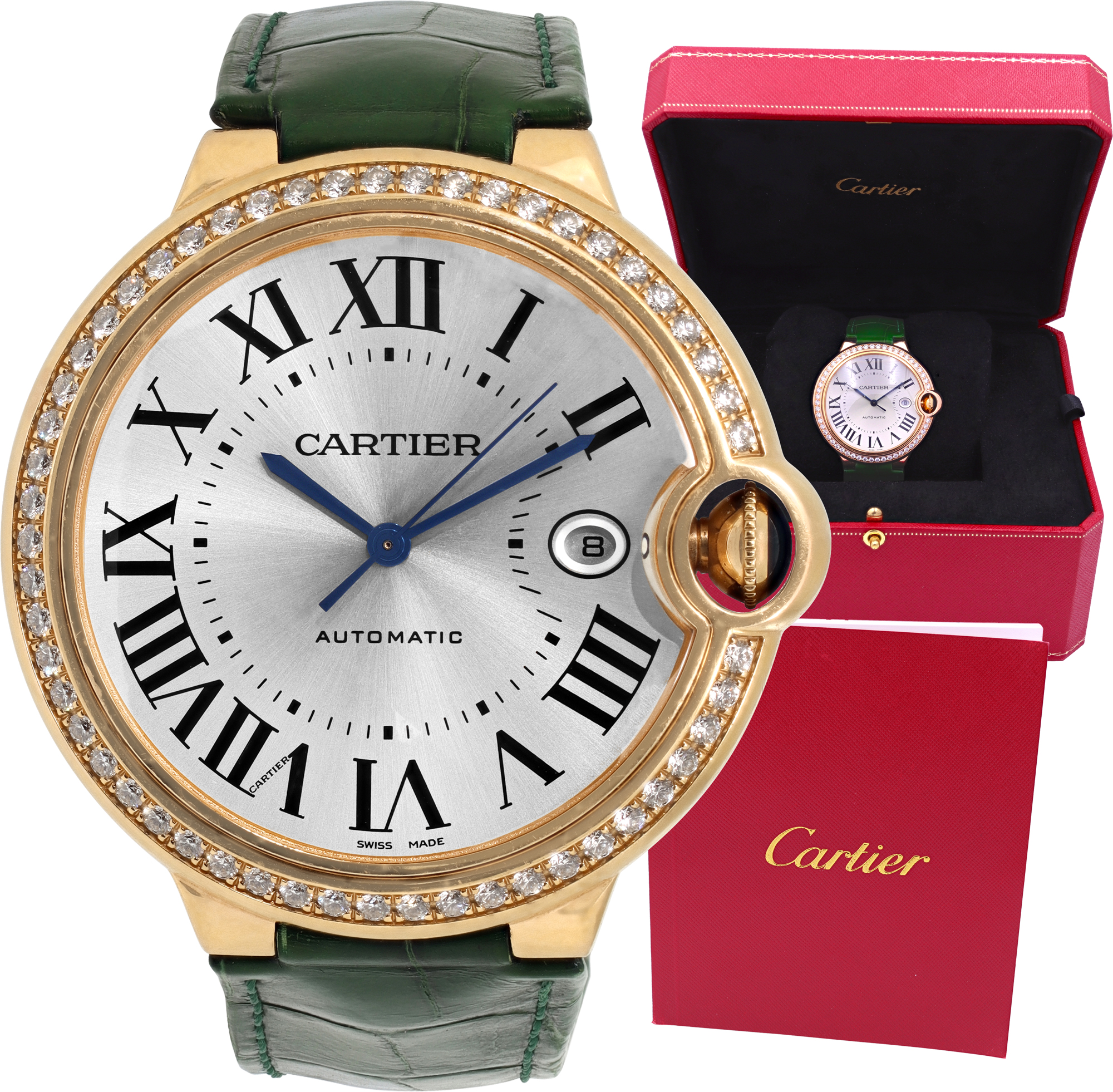
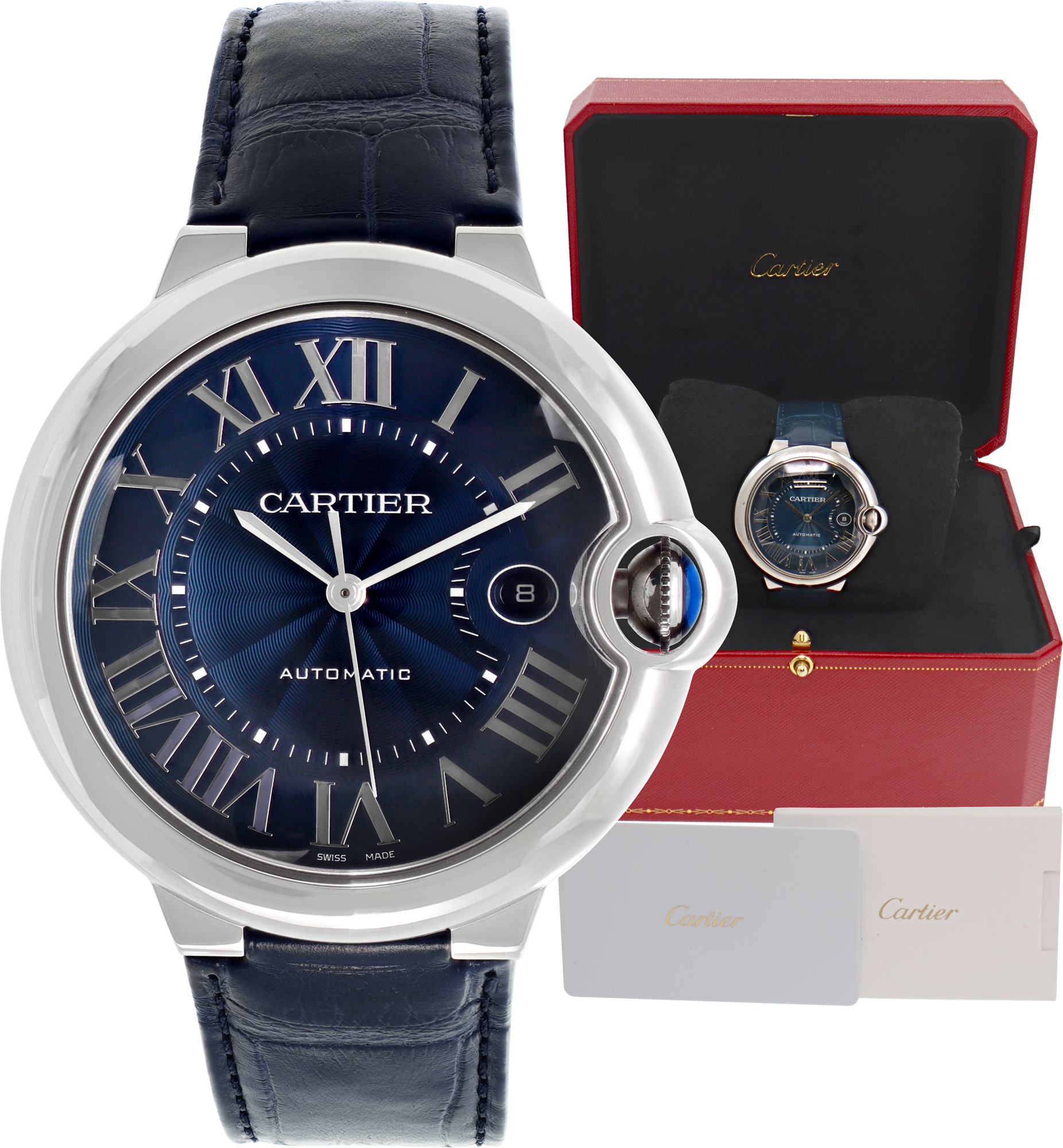
Professional buyers evaluating early vs current Cartier Ballon Bleu reference value place emphasis on complete documentation. References from different production periods typically came with different warranty card formats, presentation box styles, and certificate designs. Original papers from the purchase date, service records, and purchase receipts can support purchase history and evaluation, though documentation requirements vary by buyer and verification process.
Serial numbers and maker's marks serve as one authentication factor among several, and experienced Cartier Ballon Bleu buyers cross-reference these numbers with case construction details, movement calibers, and dial specifications to assess consistency. The serial number appears on the caseback and sometimes on the movement itself, offering multiple reference points during the authentication process.
Service records from authorized Cartier service centers provide context about the watch's maintenance history and whether any components were replaced during servicing. These records can help buyers understand whether movements, dials, or bracelets represent original factory-fitted parts or authorized replacements. For sellers considering options to sell luxury watches, gathering all available documentation before requesting an appraisal helps facilitate the evaluation process.
Size Variations Across Production Years
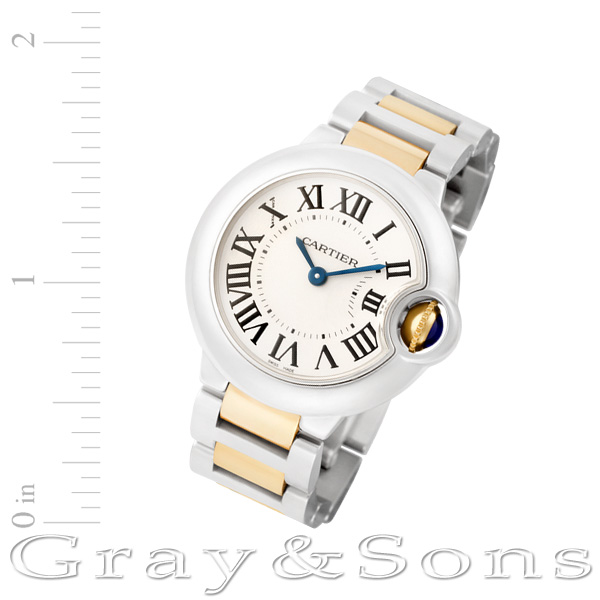
The Cartier Ballon Bleu launched in multiple sizes, and certain dimensions experienced changes between production periods. The 42mm men's references saw movement updates and refinements in some cases, while smaller sizes like the 28mm, 33mm, and 36mm models followed different evolution paths. Some 36mm references featured quartz movements, while certain other versions offer automatic calibers, potentially affecting the Cartier Ballon Bleu resale value within that size category depending on buyer preferences.
Larger sizes like the 44mm references catered to collectors preferring substantial wrist presence. When you sell Cartier Ballon Bleu watches, size considerations interact with production characteristics—certain size and generation combinations appeal to specific collector segments. Working with knowledgeable buyers who understand these market dynamics helps ensure appropriate valuation.
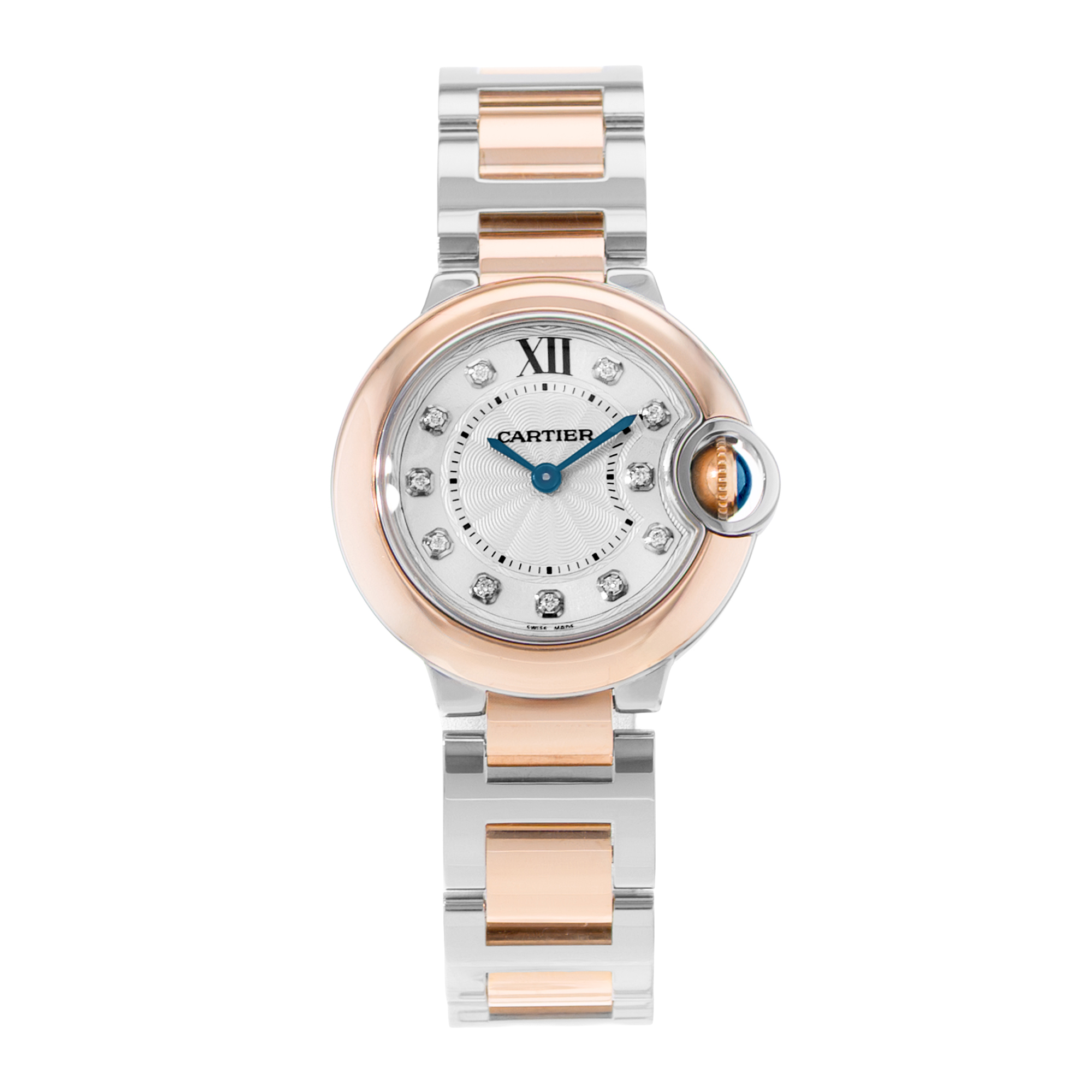
The mid-size references like the 36mm and 40mm versions occupy an interesting position in the market, offering versatility that appeals to diverse collectors. These sizes experienced some notable technical changes across different production periods, making the generation distinction relevant for valuation purposes.
Material Specifications: Steel, Gold, and Two-Tone
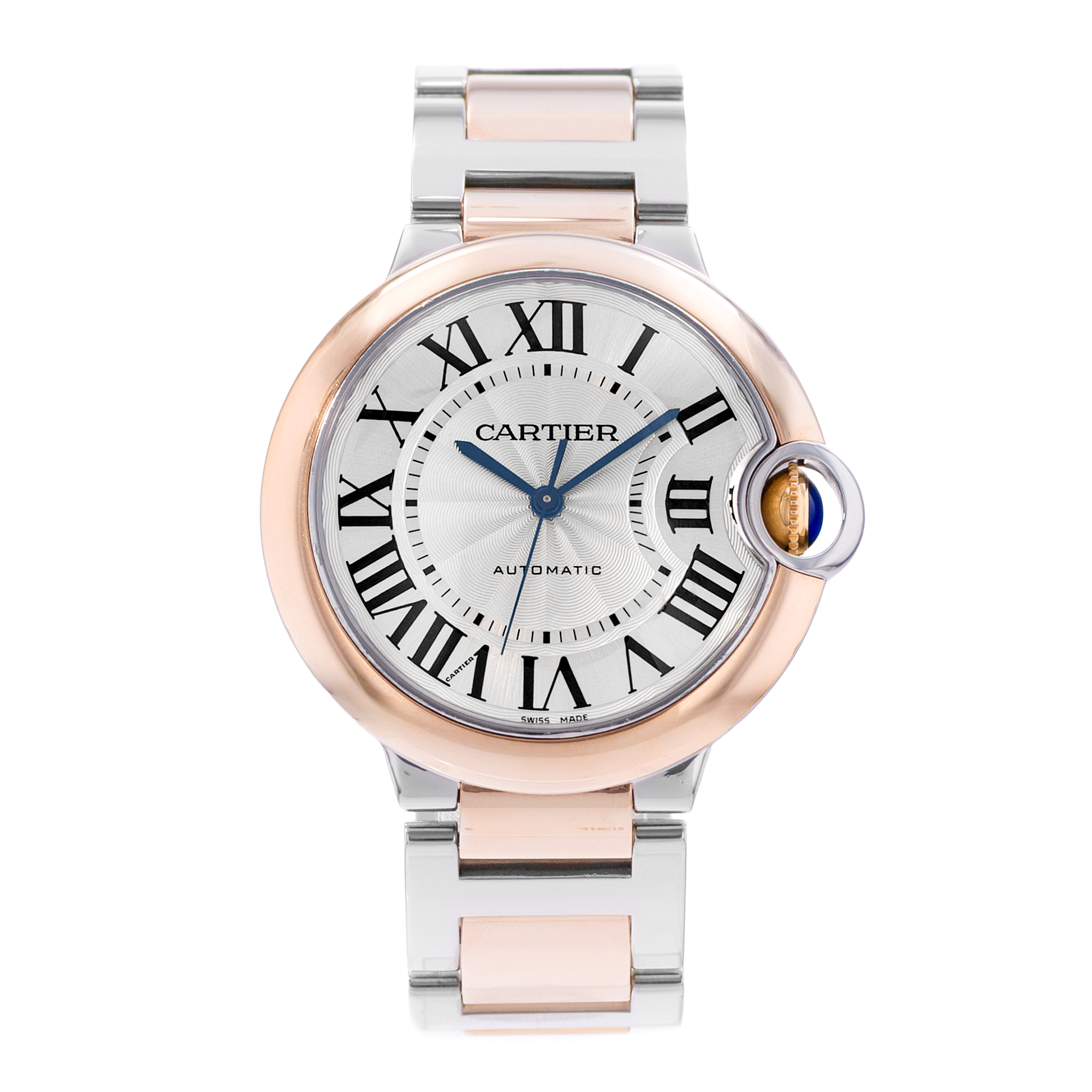
Material composition remained relatively consistent, with stainless steel, 18k gold, and two-tone combinations available throughout the Ballon Bleu's history. An experienced earlier Cartier Ballon Bleu buyer recognizes material specifications and understands how they relate to production timing.
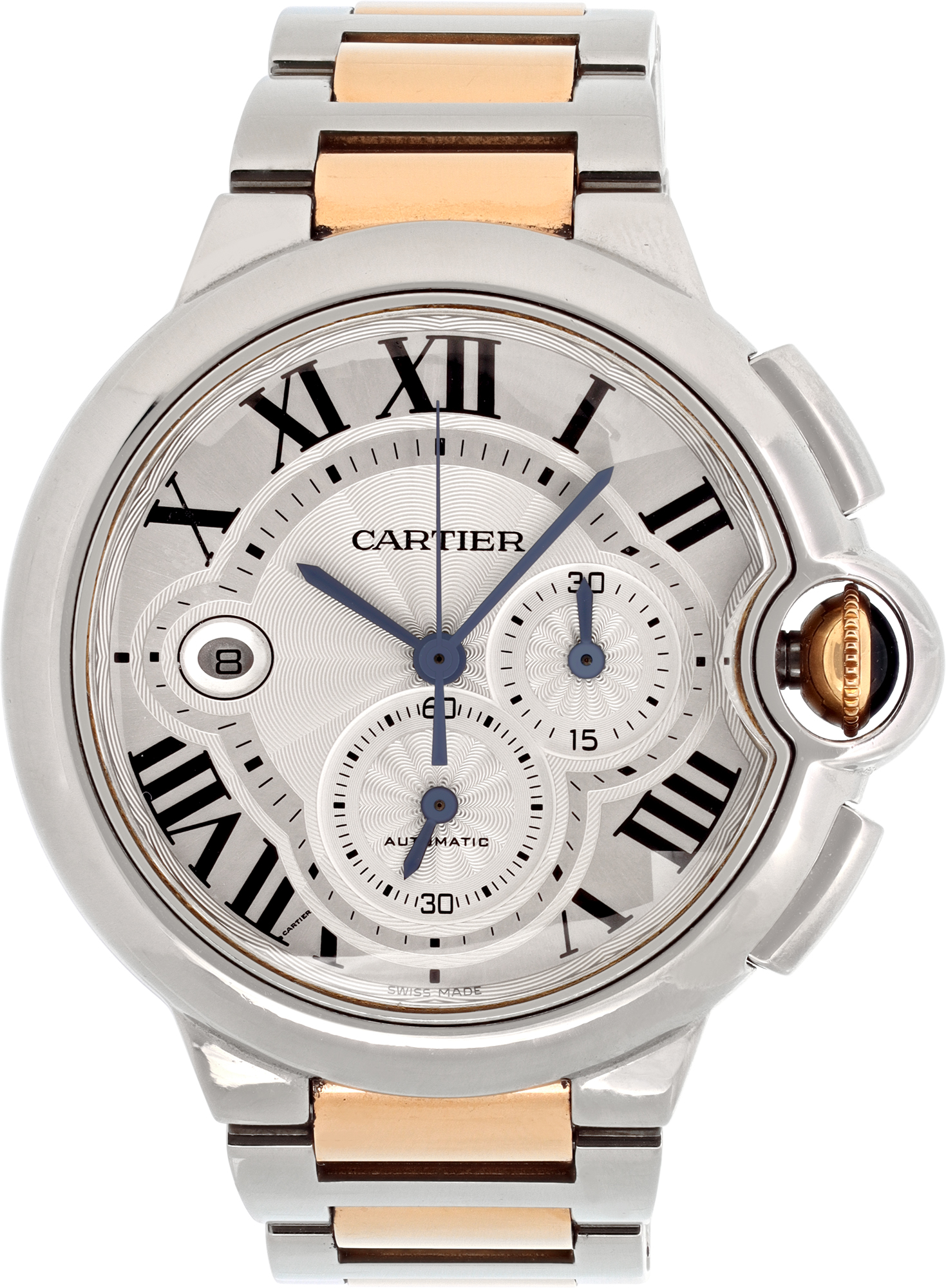
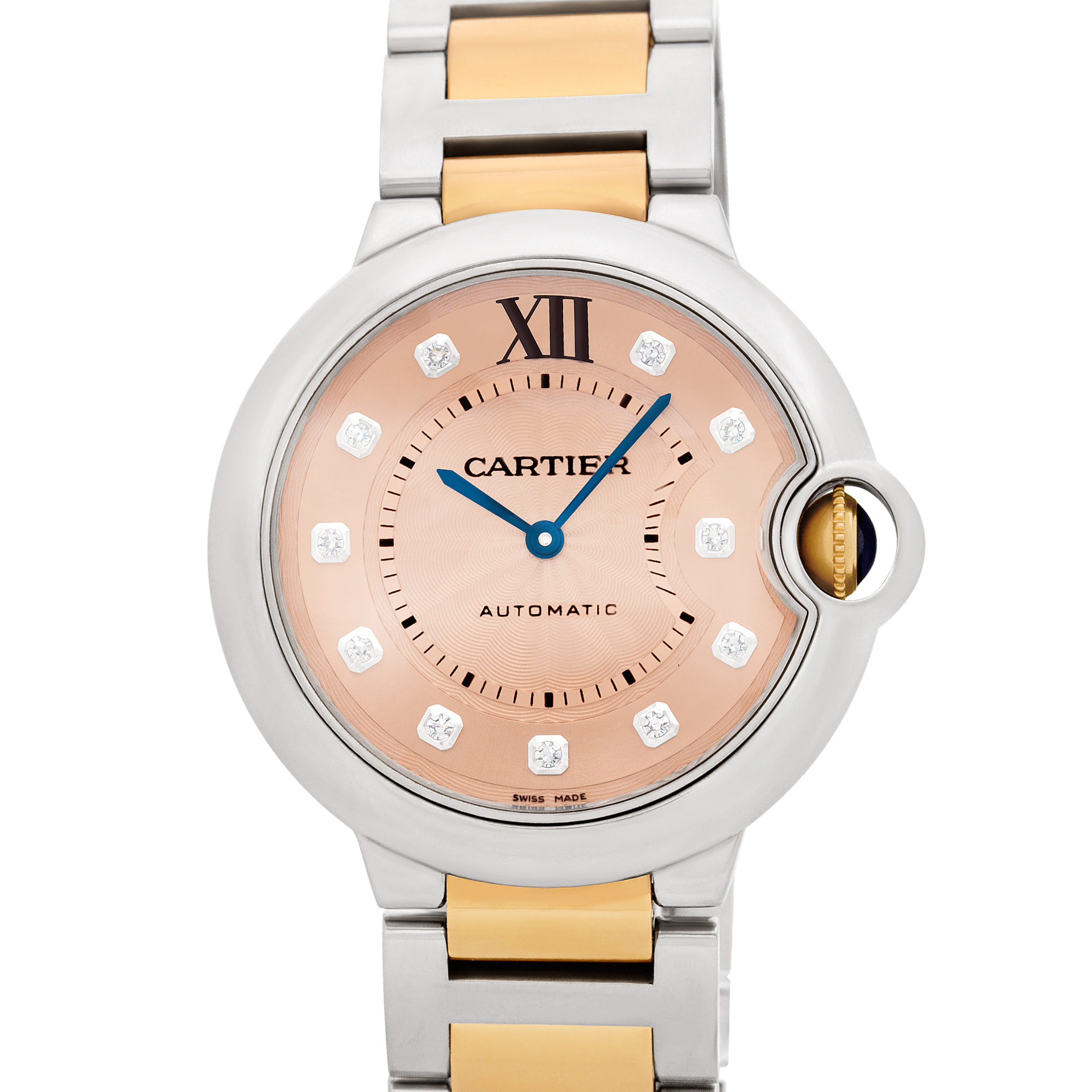
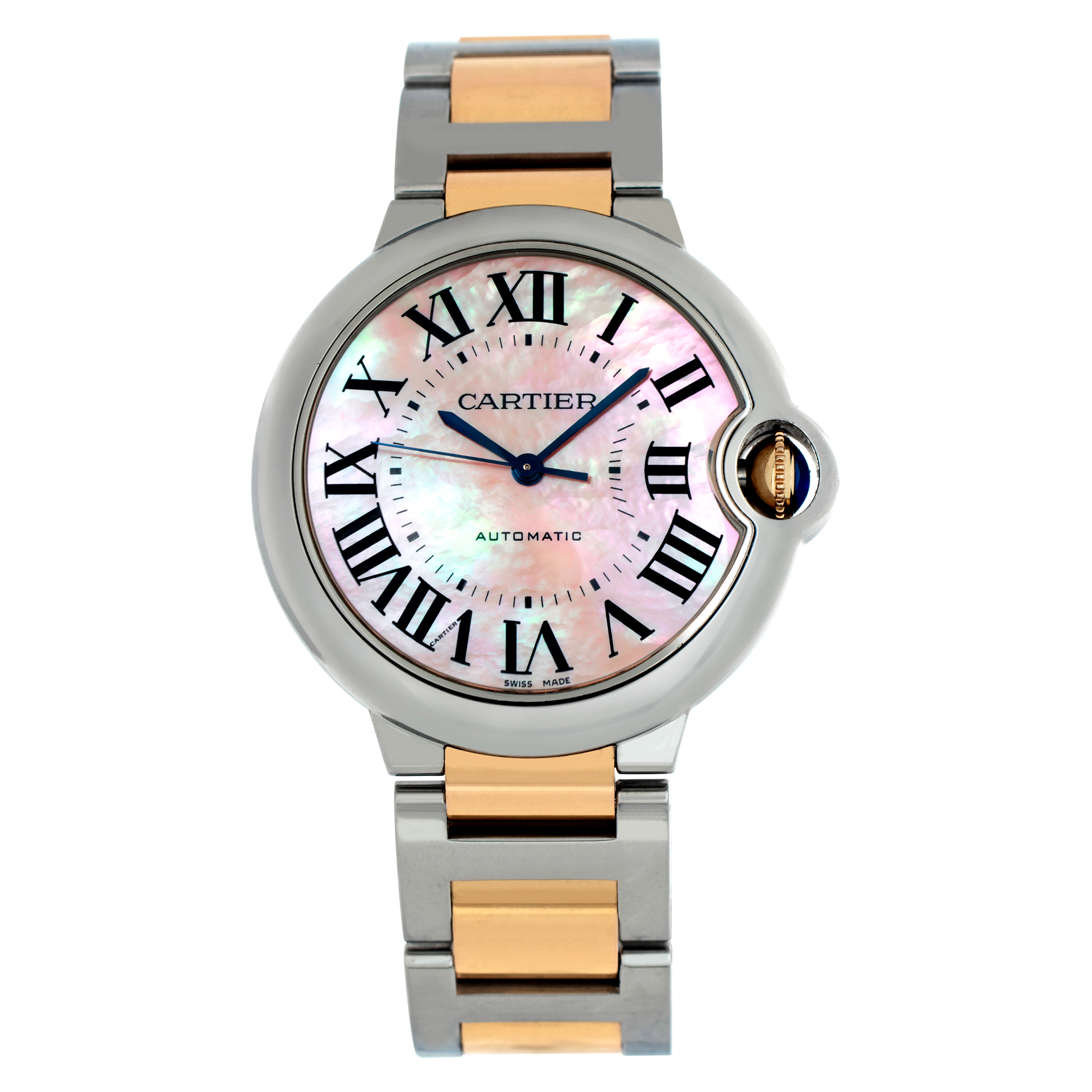
Two-tone references combining steel and gold remained popular across production periods, with the aesthetic appeal remaining consistent. These models often command interest in the secondary market due to their distinctive appearance and versatility. Two-tone Ballon Bleu references from various production periods offer the combination of materials that enhances visual impact.
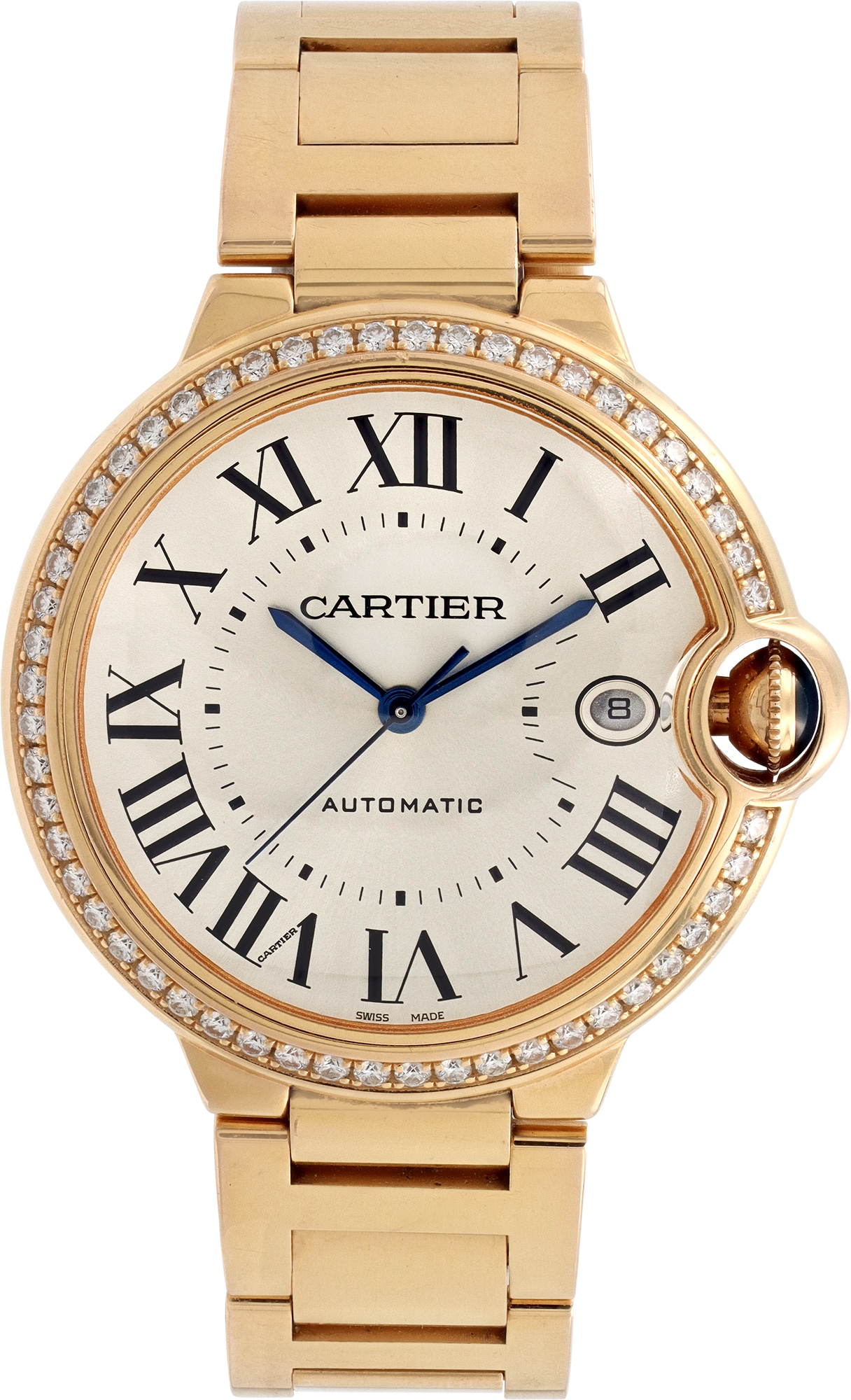
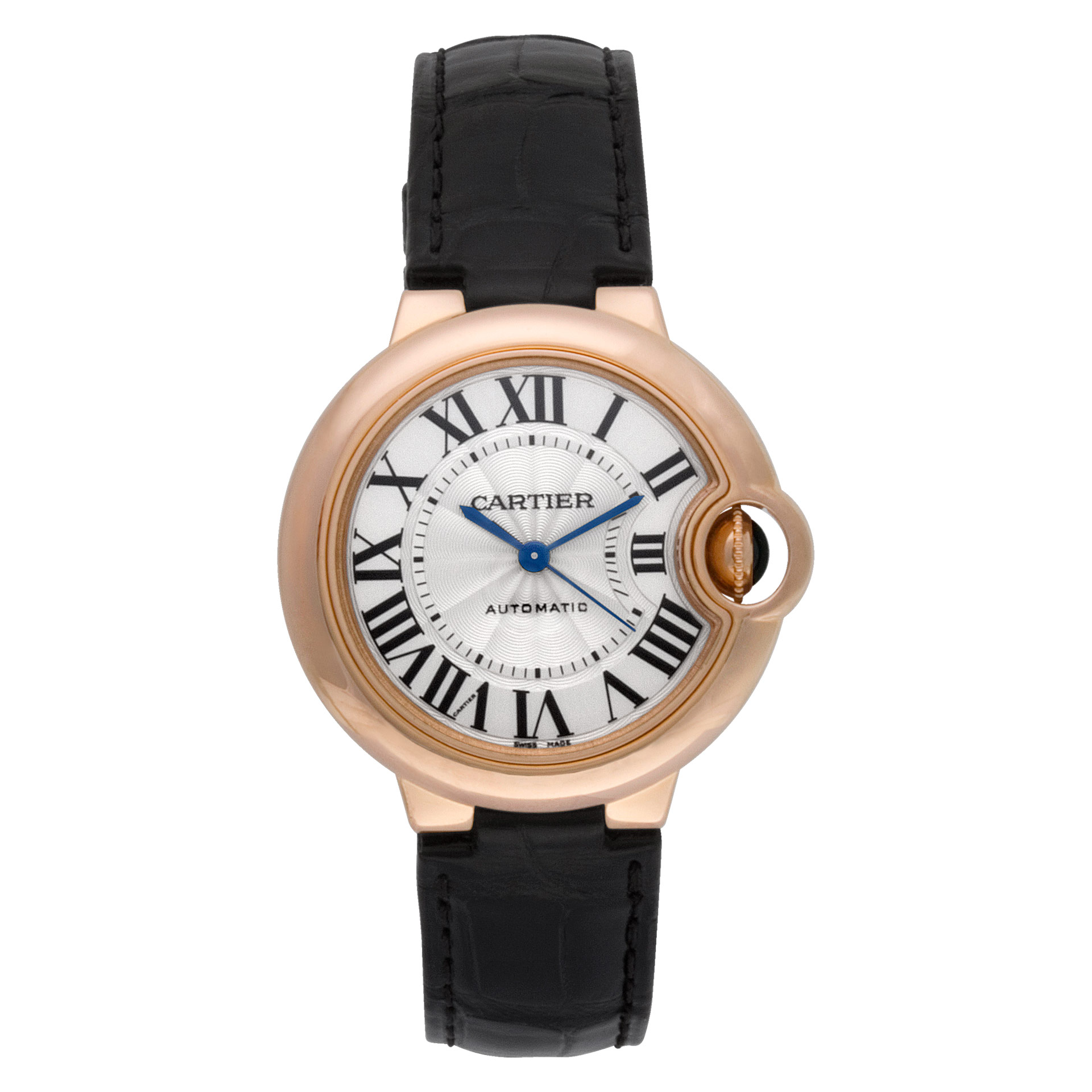
Precious metal models in 18k yellow gold, rose gold, or white gold typically carry intrinsic metal value that can influence overall worth. For sellers with gold Ballon Bleu timepieces, understanding how to sell Cartier gold watches effectively requires recognizing that buyers evaluate both the precious metal content and the watch's functional and collectible characteristics.
Diamond and Gem-Set Variations
Ballon Bleu references from various production periods included diamond-set versions featuring stones on the bezel, dial, bracelet, or combinations of these locations. Professional Cartier Ballon Bleu buyers examine diamond condition, setting work, and whether stones match the production period specifications.
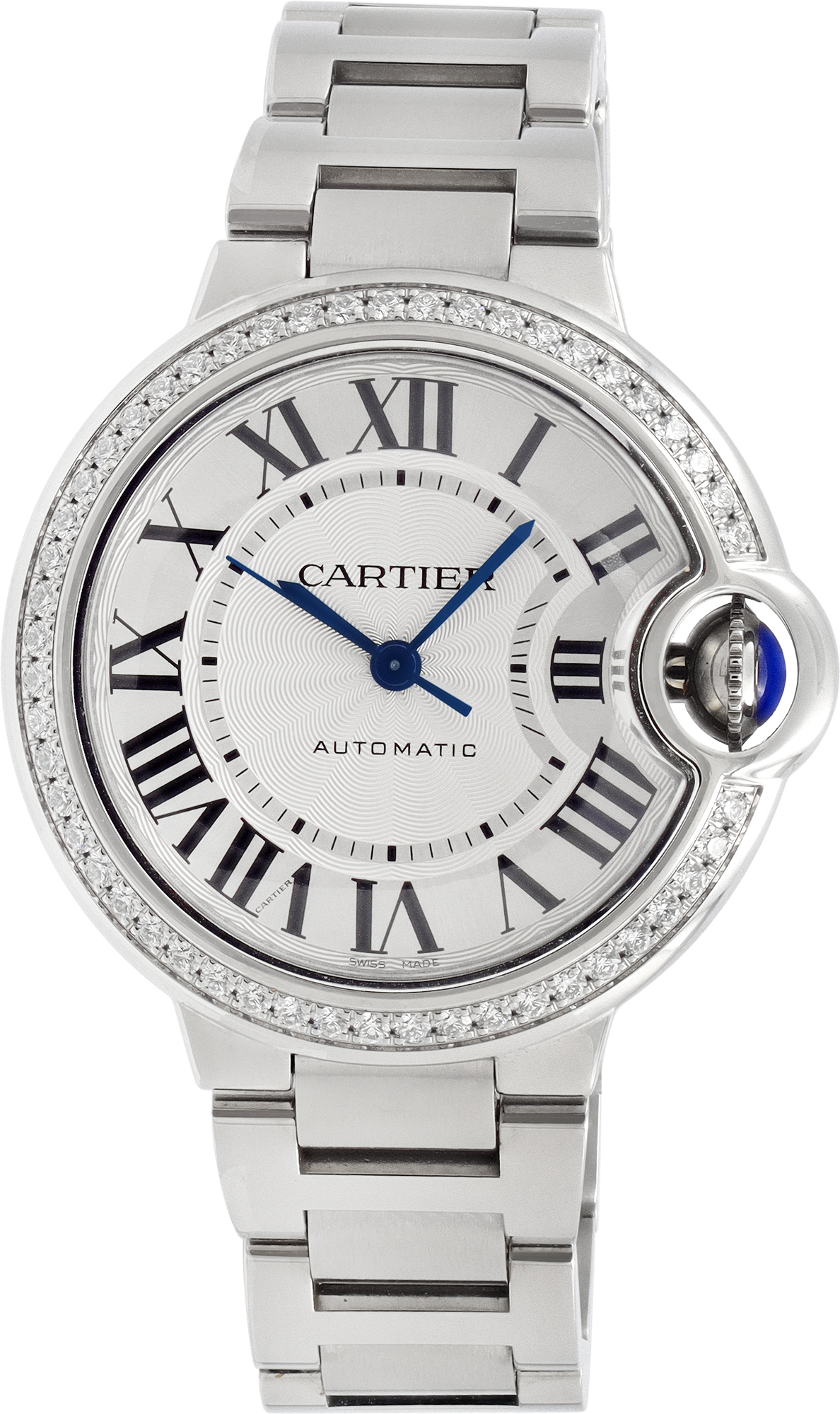
Buyers verify that diamond specifications align with the reference number and documented production period as part of their authentication process. For sellers with gem-set Ballon Bleu references, condition of the diamonds matters significantly. Stones should remain securely set without any looseness, chips, or discoloration. Original factory gem-setting commands attention compared to aftermarket customization, making documentation of original specifications valuable during the evaluation process.
Special Configuration References
Throughout its production history, Cartier released Ballon Bleu references featuring special configurations that differ from standard production models. These may include unique dial colors, material combinations, or design elements not available in regular production. An earlier Cartier Ballon Bleu buyer specializing in unusual references will recognize these special configurations and understand their distinct position in the collector market.
Documentation supporting special configuration status—including certificates, special packaging, or correspondence from Cartier—provides important context during evaluation. Special dial colors or material combinations that appeared in certain production periods may command attention from collectors seeking unusual configurations. How these unique specifications influence Cartier Ballon Bleu resale value depends on current collector interest and the specific characteristics that distinguish the piece from standard production models.
Condition Assessment Across Different References
Condition standards apply across Ballon Bleu references from all production periods, though expectations adjust for age-appropriate wear. References from earlier production may show signs of regular use commensurate with their age, while more recent references typically exhibit less accumulated wear. Professional Cartier Ballon Bleu buyers assess condition relative to production year, recognizing that a well-maintained older example merits different standards than a recent piece.
Common wear patterns include bracelet stretch, polishing marks on the case, crystal scratches, and crown wear from regular use. References from earlier production may show more accumulated wear simply due to longer ownership periods, but this age-appropriate wear differs from damage or neglect. Buyers distinguish between normal wear and condition issues that affect functionality or appearance significantly. For guidance on selling pre-owned Cartier watches effectively, understanding realistic condition expectations for your reference's age helps set appropriate expectations.
Service history impacts condition assessment across all production eras. Regular maintenance through authorized service centers helps preserve functionality and can address accumulated wear. Recent service documentation showing movement work, gasket replacement, and timing adjustment provides context that buyers consider regardless of whether your piece represents an earlier or more recent reference.

Market Positioning: Different Production Periods
The pre-owned market segments Ballon Bleu references from different production periods into various collector categories. References from earlier production appeal to collectors seeking original interpretations of the design and watches representing the model's initial years. These pieces attract buyers interested in documenting the Ballon Bleu's evolution or acquiring specific technical characteristics from particular production periods. The Cartier Ballon Bleu age and resale value relationship varies based on which collector segment finds your specific reference most appealing.
More recent references attract buyers seeking modern specifications and watches that reflect Cartier's current manufacturing standards. These pieces often appeal to collectors wanting the latest movement technology and models still supported by current Cartier service infrastructure. Market positioning depends on the specific reference, condition, documentation, and current buyer interest.
Understanding these market segments helps sellers identify appropriate buyers for their specific references. A buyer specializing in vintage and discontinued Cartier models may offer informed evaluations for earlier references, while buyers focused on recent production might prioritize newer releases. Working with evaluators who maintain expertise across different production periods helps ensure comprehensive assessment.
Authentication Considerations Across Generations
Authentication processes must account for generation-specific characteristics when evaluating Ballon Bleu references from different production periods. References from various eras require knowledge of period-correct movement calibers, dial printing styles, and case construction techniques. Professional Cartier watch buyers maintain reference materials, documentation, and technical specifications across production periods to support authentication.
Authentication requires examining multiple factors including movement construction, serial number consistency, case finishing quality, and component specifications. Serial numbers and maker's marks serve as one authentication factor among several. Experienced buyers examine multiple authentication points that should align with documented production standards for the specific reference.
For sellers concerned about authentication, working with established buyers who maintain expertise in Cartier timepieces provides confidence that your piece will receive thorough evaluation. Authentication serves both parties' interests—sellers gain recognition that genuine pieces receive appropriate assessment, while buyers work to acquire authentic examples meeting their standards.
Preparing Your Ballon Bleu for Evaluation
Regardless of which Ballon Bleu reference you own, proper preparation facilitates the evaluation process. Gather all available documentation including original warranty cards, certificates of authenticity, service records, purchase receipts, and any correspondence from Cartier regarding your timepiece. These materials can support purchase history and evaluation, though documentation requirements vary by buyer and verification process.
Clean your watch gently before evaluation, removing surface dust and oils that accumulate during regular wear. Avoid aggressive cleaning methods or polishing attempts that might alter the case finishing—professional buyers prefer to assess pieces in their current state rather than risk damage from amateur restoration efforts. If your watch hasn't been serviced recently, buyers will conduct their own assessments and factor service needs into their evaluations.
Photograph your Ballon Bleu comprehensively if pursuing remote evaluation options. Capture clear images of the dial, case, caseback with serial number, bracelet or strap, clasp, and any notable condition points. Quality photographs help buyers conduct preliminary assessments and provide initial evaluations. For those exploring how to get watch valuations efficiently, thorough documentation and photography help streamline the process.
Understanding Valuation Outcomes
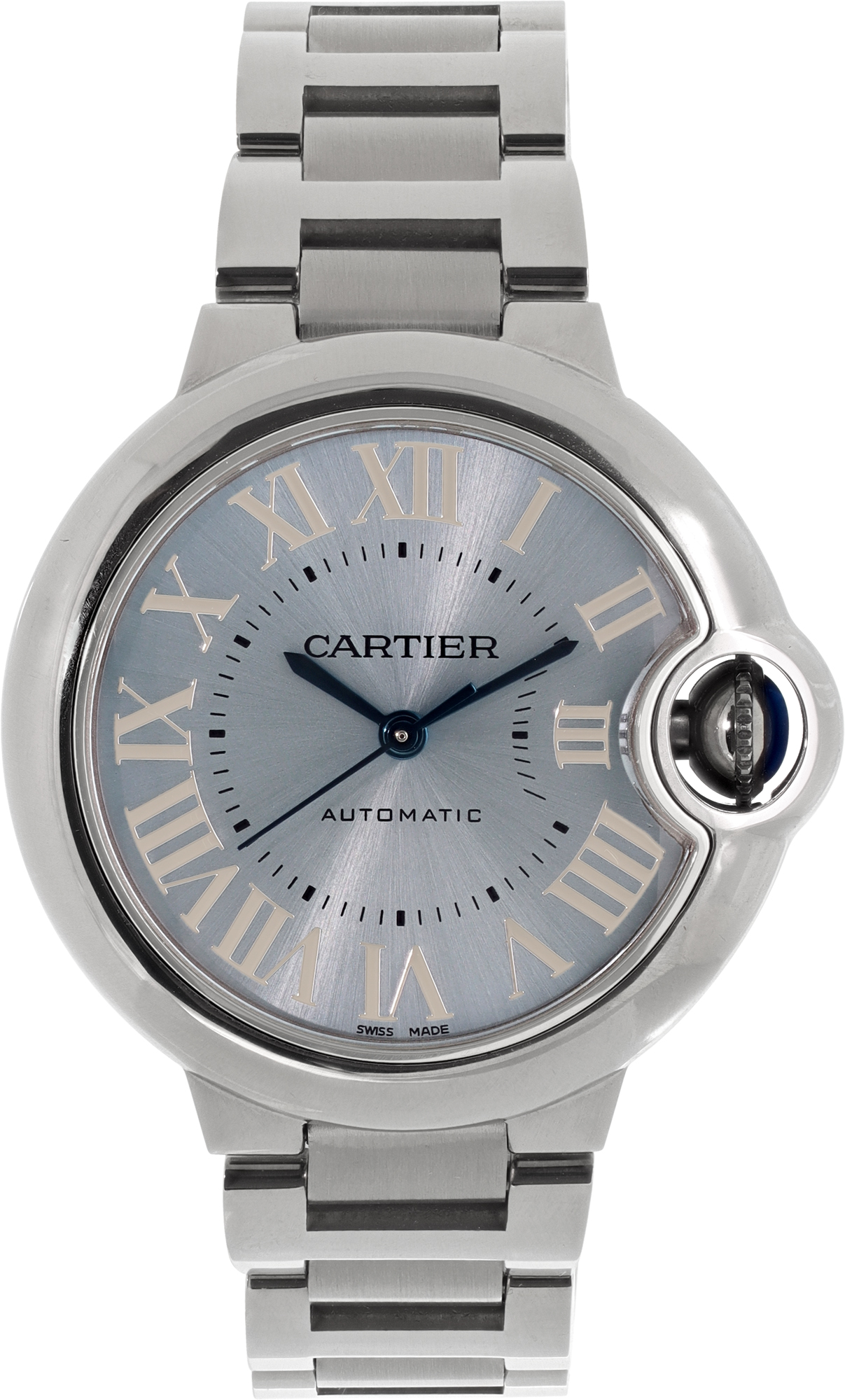
When you sell Cartier Ballon Bleu watches, valuations reflect multiple factors including reference specifications, production era, condition, documentation completeness, and current market demand. References from different production periods require individual assessment within the context of their specific characteristics and the current buyer interest for that configuration.
Valuation outcomes depend on the specific buyer, their current inventory needs, market positioning, and target customer base. Different buyers may offer varying evaluations for the same piece based on these factors, making it worthwhile to consult multiple sources when determining your watch's potential value. Outcomes can vary based on whether you pursue direct sale or other transaction structures, with each approach involving different timelines and considerations.
Be prepared for valuations that may differ from expectations based on original purchase price, online listings, or informal estimates. Professional buyers base their offers on transaction data, current market conditions, and comprehensive assessment of your specific piece rather than theoretical values or asking prices. Understanding realistic market positioning helps sellers approach the process with appropriate expectations.
Choosing the Right Buyer for Your Reference
Finding appropriate buyers requires matching your specific Ballon Bleu reference with evaluators who maintain expertise in that production era and market segment. Some buyers focus on references from earlier production, maintaining knowledge of period-correct specifications and collector preferences for older models. Others emphasize more recent production timepieces and modern specifications.
Look for buyers who demonstrate specific Ballon Bleu knowledge rather than general luxury watch purchasing. Ask about their experience with your reference number, production era, and material configuration. Knowledgeable buyers should discuss the characteristics of your piece and explain how those factors influence valuation. This expertise helps ensure you receive informed evaluation rather than generic offers.
Consider whether buyers serve local markets exclusively or maintain broader geographic reach. Those with regional or national market access may connect your piece with collector segments beyond your immediate area.
The Evaluation Process Explained
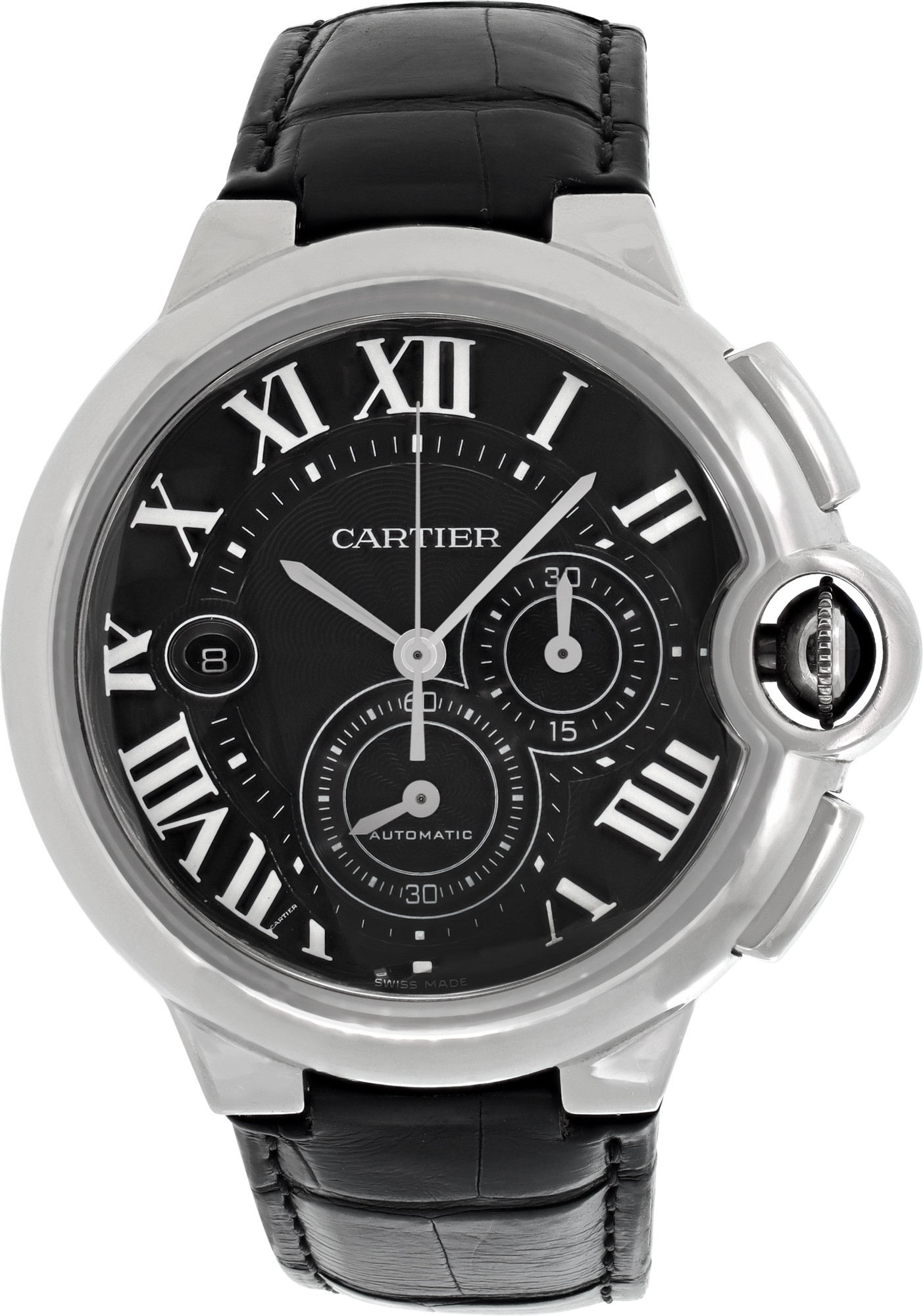
Professional evaluation of Ballon Bleu references from different production periods follows systematic processes designed to support authentication, assess condition, review specifications, and determine market positioning. Buyers begin by examining the reference number, serial number, and case construction to establish production period and assess consistency across components. They'll review whether the movement caliber, dial configuration, bracelet style, and finishing characteristics align with documented specifications for that reference and production era.
Movement examination provides critical authentication points, as the caliber should match the reference number and production period. References should contain period-appropriate movements rather than replacements from different generations. Buyers may open the caseback to photograph the movement, verify serial numbers, and assess service condition.
Condition assessment examines all aspects of the watch including case, crystal, crown, bezel, dial, hands, bracelet or strap, and clasp. Buyers look for period-appropriate wear versus condition issues requiring attention. They'll verify that components represent original Cartier parts rather than aftermarket replacements, as originality influences valuation regardless of production era. For detailed information about how Cartier watch evaluation works, understanding these systematic processes helps sellers prepare appropriately.
Transaction Methods and Timing
After receiving valuations for your Ballon Bleu reference, you'll choose from available transaction methods based on your priorities regarding proceeds, timing, and process involvement. Direct sale typically offers the quickest resolution, with the buyer acquiring your watch for an agreed price. This approach provides certainty and speed.
Other structures may involve extended timelines, ongoing involvement, and variable outcomes based on ultimate buyer interest. Each method carries distinct considerations that sellers should evaluate based on their specific circumstances, financial needs, and willingness to remain involved in the sales process.
Payment methods, timing, and security vary by buyer and transaction structure. Discuss these details thoroughly before proceeding to ensure you understand when and how you'll receive proceeds, what protections apply during the transaction, and what responsibilities you retain through the process.

Beyond the Ballon Bleu: Other Cartier Timepieces
If you own multiple Cartier timepieces beyond your Ballon Bleu, consider whether selling pieces together or separately better serves your objectives. Outcomes depend on the specific watches, their conditions, documentation, and buyer interests. Some buyers may evaluate multiple pieces together, while others focus on specific models or references.
Other Cartier watch models including the Santos, Tank, Panthère, and Calibre also experienced evolution across production eras with similar considerations regarding references from different production periods. The same evaluation principles apply—buyers assess production period, technical specifications, condition, documentation, and market positioning to determine appropriate valuations. For sellers with diverse Cartier holdings, finding buyers with comprehensive Cartier expertise helps ensure all pieces receive informed evaluation.
Cartier Jewelry Considerations
Many Ballon Bleu owners also possess Cartier jewelry pieces that may be appropriate for sale alongside their timepieces. The Cartier jewelry portfolio includes collections like Love bracelets, Juste un Clou pieces, and Panthère designs that maintain positions in the luxury resale market. Whether you sell Cartier jewelry together with your watch or separately depends on your circumstances and the specific buyer's expertise across both categories.
Jewelry considerations mirror watch evaluation factors—buyers assess authenticity, condition, documentation, and current market positioning for pieces ranging from classic designs to contemporary releases. For those exploring options to sell luxury jewelry, working with buyers who maintain expertise across both Cartier watches and jewelry helps ensure comprehensive evaluation of your holdings.
Making Your Decision
Deciding when and how to sell Cartier Ballon Bleu timepieces involves weighing multiple personal and market factors. Consider your financial needs, emotional attachment to the piece, condition trajectory, and whether you're actively wearing the watch. References from earlier production may hold sentimental value as pieces representing specific life periods, while more recent models might simply no longer suit your current preferences or lifestyle.
Market conditions fluctuate based on numerous economic factors, collector trends, and luxury goods demand patterns. Rather than attempting to time market movements, focus on your personal circumstances and whether selling aligns with your current objectives. Professional buyers evaluate pieces based on current conditions, providing assessment within the context of present market dynamics.
For additional guidance about Cartier timepiece evaluation, explore resources about what features affect Ballon Bleu market demand and how specific characteristics influence buyer interest across different references and production eras.
Start Your Evaluation Today
Whether your Cartier Ballon Bleu represents a reference from the model's earlier production years or a more recent generation, professional evaluation provides clarity about your watch's position in today's market. Understanding the distinction between production eras, reference numbers, movement calibers, and specification variations helps you approach the selling process with realistic expectations and appropriate documentation.
Ready to discover what your Cartier Ballon Bleu is worth? Request a professional evaluation by visiting our evaluation page to begin the appraisal process. We evaluate Cartier timepieces across production eras, providing assessment based on your specific reference, condition, and documentation.
For immediate valuation, complete our luxury watch quote form with details about your Ballon Bleu's reference number, size, material, condition, and available documentation.
Explore additional resources about selling Cartier watches effectively and discover why collectors and sellers work with specialized buyers who understand the nuances distinguishing references from different Ballon Bleu production periods. Contact us today to transform your Cartier timepiece into value through our professional evaluation process.
About Us | Sell Us Your Jewelry
Call Us Now: 305 770 6955
The Purchasing and Consignment Division of Gray & Sons


Be the first to know | SEE OUR CATALOG

