

October 26th, 2026
Halloween Heirlooms: How to Distinguish Authentic Inherited Cartier and Bvlgari Jewelry from Vintage Costume Pieces This October 2026
As October brings a renewed focus on family heirlooms and inherited treasures, many individuals find themselves sorting through jewelry boxes filled with pieces passed down through generations. Understanding the difference between authentic luxury jewelry and vintage costume pieces becomes essential when you're ready to sell Cartier jewelry or sell Bvlgari jewelry from an estate. This comprehensive guide will help you identify genuine designer pieces and understand their true value as we approach the end of 2026.
The autumn season often prompts estate settlements and family downsizing decisions, making October an opportune time to evaluate your inherited jewelry. With professional authentication becoming increasingly important in today's luxury market, knowing what distinguishes authentic Cartier and Bvlgari pieces from high-quality vintage costume jewelry can help you make informed decisions about your valuables.
Understanding the Authentication Challenge
Authentic luxury jewelry from renowned houses like Cartier and Bvlgari carries distinctive hallmarks, craftsmanship details, and material characteristics that set them apart from even the finest vintage costume pieces. However, distinguishing between them requires knowledge of specific markers that authenticate genuine designer jewelry. The weight, metal composition, and construction techniques used by these prestigious maisons differ significantly from costume jewelry production methods, regardless of how convincing the imitation may appear.
Many families discover that pieces they believed were costume jewelry are actually valuable designer pieces, while others learn that presumed heirlooms are elegant reproductions. Professional evaluation provides clarity and peace of mind. If you're considering whether to sell estate jewelry, understanding these differences helps you approach the process with realistic expectations and proper documentation.
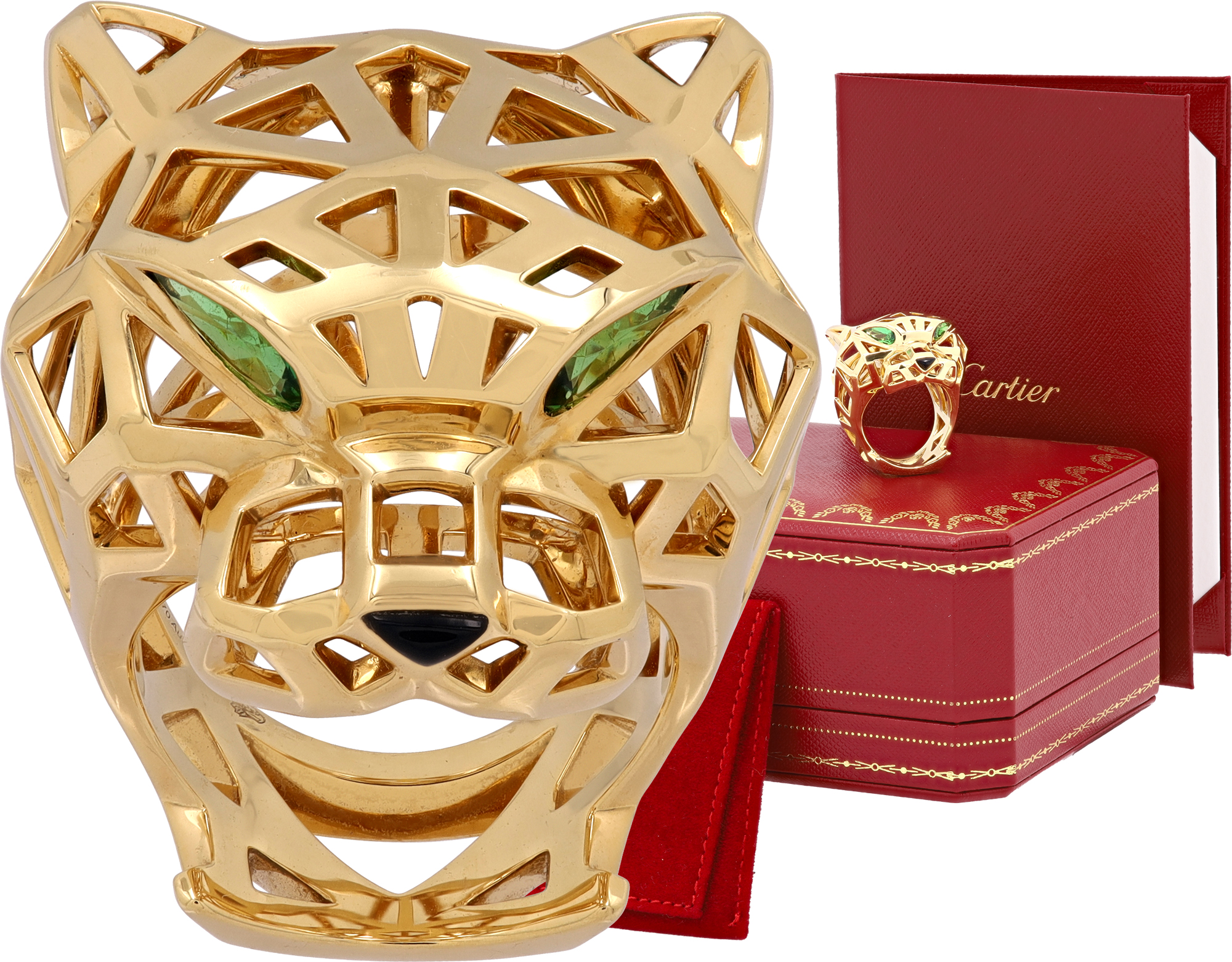
Working with an experienced Cartier jewelry buyer ensures your pieces receive proper evaluation based on their authentic characteristics. These specialists understand the nuances that distinguish genuine luxury pieces from well-crafted reproductions, providing accurate assessments based on established authentication criteria.
Key Hallmarks of Authentic Cartier Jewelry
Cartier jewelry features specific hallmarks that authenticate its origin and precious metal content. Genuine Cartier pieces display crisp, evenly stamped markings that include the Cartier signature, metal purity marks (such as 750 for 18k gold or 950 for platinum), and unique serial numbers. These hallmarks appear consistently placed according to the type of jewelry—rings feature them on the interior band, while bracelets show them on clasps or interior surfaces. The stamping quality itself provides valuable authentication clues, as Cartier's precision manufacturing creates sharp, legible marks that don't fade or blur.
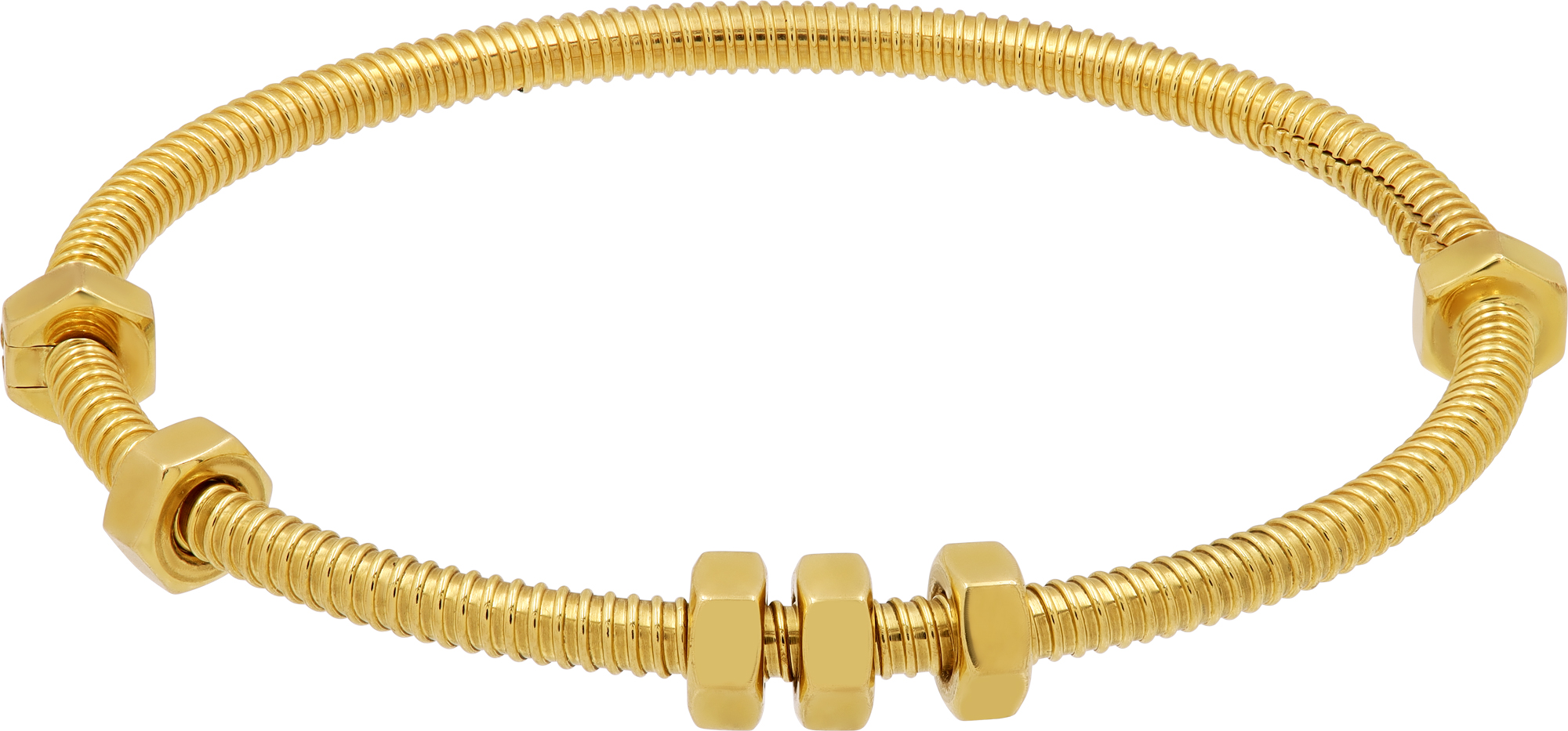
The iconic Cartier Love bracelet, Juste un Clou collection, and Panthère pieces each carry distinctive authentication features beyond hallmarks. The screw mechanism on Love bracelets demonstrates precise engineering that costume pieces cannot replicate. If you're planning to sell Cartier Love bracelets or sell Cartier Juste un Clou bracelets, examining these mechanical details alongside hallmarks confirms authenticity and significantly impacts valuation.
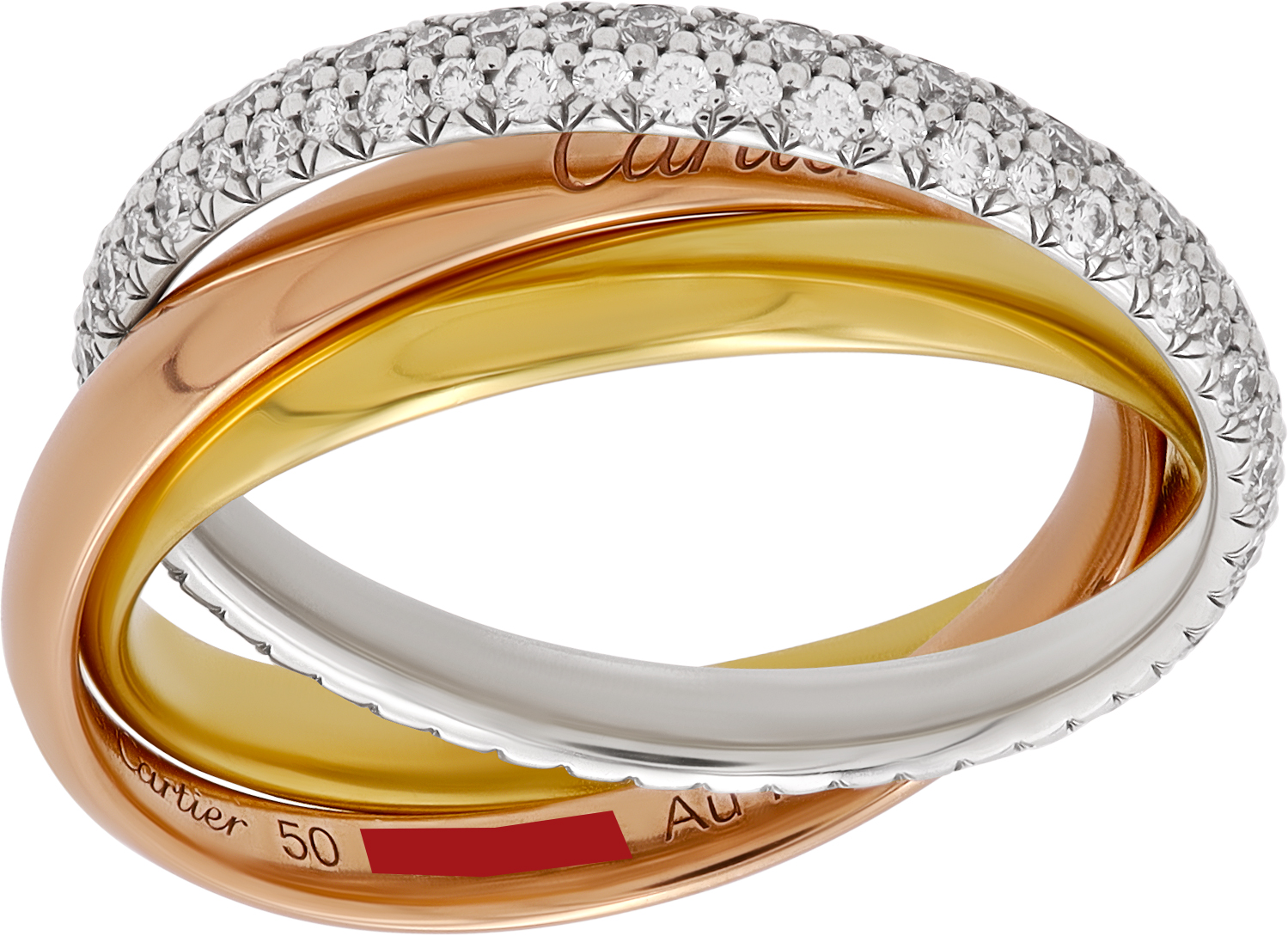
Cartier's signature red box and official documentation provide additional authentication support, though many inherited pieces arrive without original packaging. When you sell Cartier rings or other jewelry, professional buyers can verify authenticity through the piece itself, examining construction quality, metal composition, and design precision that characterizes genuine Cartier craftsmanship.
Identifying Authentic Bvlgari Jewelry Characteristics
Bvlgari pieces showcase distinctive Italian craftsmanship with bold design elements and precise hallmarking systems. Authentic Bvlgari jewelry displays the brand name spelled correctly—"BVLGARI" using the classical Latin "V" instead of "U"—along with metal purity marks and often the word "ITALY" indicating its origin. The Serpenti collection features intricate scale work and articulated designs that demonstrate exceptional engineering, while B.Zero1 pieces show the brand name repeated around the band in crisp, evenly spaced letters.
The weight and feel of genuine Bvlgari jewelry immediately distinguish it from costume alternatives. Solid gold construction creates substantial heft that lightweight reproductions cannot match. When considering whether to sell Bvlgari Serpenti collection pieces or sell Bvlgari B.Zero1 collection items, this weight factor combines with hallmark verification to establish authenticity. A reputable Bvlgari jewelry buyer understands these characteristics and can quickly assess your pieces' genuine status.
Bvlgari's signature style emphasizes bold, geometric designs with meticulous attention to proportion and finish quality. The tubogas technique used in Serpenti bracelets requires specialized manufacturing that creates flexible, seamless construction. Whether you're looking to sell Bvlgari bracelets, sell Bvlgari rings, or sell Bvlgari necklaces, understanding these construction details helps you recognize authentic pieces in your collection.
Material Composition and Weight Differences
The most significant difference between authentic luxury jewelry and vintage costume pieces lies in material composition. Genuine Cartier and Bvlgari jewelry uses solid precious metals—18k gold, platinum, or sterling silver—while costume jewelry typically employs base metals with gold plating or gold-filled construction. This fundamental difference creates noticeable weight variations, as precious metals possess greater density than base metal alternatives. A genuine Cartier bracelet feels substantially heavier than a costume piece of similar size.
Professional testing methods verify metal composition through non-destructive techniques including X-ray fluorescence analysis and electronic testing. These methods confirm the presence and purity of precious metals without damaging the jewelry. When you sell your jewelry through established channels, these testing procedures protect both buyer and seller by providing objective authentication data.
Gemstone quality represents another key differentiator. Authentic luxury jewelry incorporates genuine diamonds and precious stones with proper grading characteristics, while costume jewelry uses glass, crystal, or synthetic stones. Professional gemological evaluation identifies these differences through magnification and testing, ensuring accurate assessment when you sell Cartier earrings, sell Bvlgari earrings, or similar pieces featuring gemstones.
Construction and Craftsmanship Quality Indicators
Authentic luxury jewelry demonstrates superior construction techniques visible upon close examination. Cartier and Bvlgari pieces feature perfectly aligned settings, smooth interior finishes, and precise stone placement without gaps or unevenness. Prongs holding gemstones show uniform shaping and secure attachment, while clasps and closures operate smoothly with positive engagement. These quality indicators reflect the meticulous handwork and quality control standards of prestigious jewelry houses.
Costume jewelry, even high-quality vintage pieces, typically shows construction shortcuts such as glued components, unfinished interior surfaces, or irregular stone settings. The casting quality differs noticeably, with luxury pieces exhibiting crisp details and smooth surfaces versus the rougher finishes often found in costume jewelry. When evaluating whether to sell Cartier pendants or sell Bvlgari pendants, examining these construction details helps confirm authenticity.
The joinery and connection methods used in authentic pieces demonstrate engineering excellence. Hinges move smoothly without wobble, chains show consistent link construction, and mechanical elements like the Love bracelet's screw system function precisely. These details matter significantly when working with a professional luxury jewelry and watch buyer who evaluates pieces based on comprehensive authentication criteria.
Documentation and Provenance Considerations
Original documentation strengthens authentication but isn't always available with inherited pieces. Certificates of authenticity, original receipts, and service records provide valuable verification, though their absence doesn't necessarily indicate a piece isn't genuine. Many authentic inherited items circulate without paperwork after passing through multiple generations. Professional authenticators can verify genuine pieces through physical examination of the jewelry itself, assessing hallmarks, construction, and design details that confirm origin.
Family history and provenance contribute context to authentication efforts. Knowing where and when a piece was purchased, who owned it previously, and how it was stored provides useful background information. However, provenance alone cannot substitute for physical authentication through proper evaluation methods. Our guide on how to sell estate jewelry explains how documentation supports the evaluation process while emphasizing that authentic pieces can be verified regardless of available paperwork.
Photographs of family members wearing the jewelry, insurance appraisals, or repair receipts from authorized dealers all contribute supporting evidence. When you're ready to sell Cartier necklaces or other designer pieces, gathering any available documentation helps streamline the authentication process, though experienced buyers can confirm genuine items through comprehensive physical evaluation.
Common Authentication Mistakes to Avoid
Many sellers mistakenly assume that any jewelry received from family estates must be authentic simply due to its age or the reputation of the giver. Unfortunately, convincing reproductions have existed for decades, and well-meaning family members may have unknowingly passed down costume pieces believed to be genuine. Conversely, some assume that pieces lacking original boxes or certificates must be reproductions, overlooking authentic items that simply lost their documentation over time.
Relying on amateur authentication methods like attempting to test gold with magnets or examining hallmarks with inadequate magnification can lead to incorrect conclusions. Base metals used in some costume jewelry don't respond to magnets, while genuine gold also shows no magnetic attraction, making this test inconclusive. Similarly, sophisticated reproductions may include fake hallmarks that appear convincing without professional-grade examination. Understanding what you need to know about selling estate jewelry helps you avoid these common pitfalls.
Another frequent mistake involves seeking authentication from unqualified sources. While jewelers specializing in contemporary retail may offer opinions, authentication of vintage and estate luxury pieces requires specific expertise with historical manufacturing techniques and period-specific hallmarking practices. When you need to sell Cartier bracelets or other designer jewelry, working with specialists experienced in estate jewelry authentication ensures accurate evaluation.
The Role of Serial Numbers and Date Codes
Modern Cartier and Bvlgari pieces include serial numbers that can be verified against manufacturer databases, though access to these databases typically requires dealer-level authentication privileges. Serial numbers appear in specific locations depending on the jewelry type and production era—Cartier rings feature them inside the band, while bracelets display them near clasps. These numbers follow particular formatting conventions that genuine pieces observe consistently, while reproductions often show irregular numbering systems or omit serials entirely.
Earlier vintage pieces may not include serial numbers, as standardized serialization practices evolved over time. A Cartier piece from the 1970s might lack the serial number found on contemporary items, but this doesn't indicate it's not authentic. Date codes and maker's marks from specific production periods help authenticate these earlier pieces. Professional evaluators understand these historical variations and can accurately assess pieces from different eras when you're ready to sell Cartier Panthère collection items or vintage Bvlgari pieces.
The format and placement of serial numbers themselves provide authentication clues. Genuine engravings show consistent depth and spacing, created through precision machinery that produces uniform results. Counterfeit serial numbers often appear irregular, with varying depths or spacing that reveals their fraudulent nature under magnification. A qualified Cartier jewelry buyer recognizes these subtle differences that distinguish authentic serialization from imitation attempts.
Understanding Vintage Costume Jewelry Value
High-quality vintage costume jewelry possesses its own collectible value, even when not crafted from precious metals. Pieces by renowned costume jewelry designers like Trifari, Miriam Haskell, or Coro command respect among collectors for their artistry and historical significance. These items serve different purposes in jewelry collections and carry value based on design merit, condition, and maker reputation rather than precious metal content. Understanding this distinction helps you appropriately categorize inherited pieces.
Vintage costume jewelry often features innovative design techniques and unusual materials that make it collectible despite lacking precious metal composition. Bakelite bangles, rhinestone statement necklaces, and art deco-inspired brooches represent important fashion history and craftsmanship. While these pieces don't command the same prices as genuine Cartier or Bvlgari jewelry, they deserve appreciation and proper valuation within their category. Knowing whether your inheritance includes luxury jewelry or collectible costume pieces helps you approach the appropriate market channels.
When sorting through estate jewelry collections, separating luxury pieces from costume items ensures each category receives appropriate evaluation. Attempting to sell costume jewelry through luxury channels wastes time, while failing to recognize genuine designer pieces means missing significant value. Professional estate jewelry buyers can help categorize mixed collections, directing each piece toward its appropriate market.
Professional Authentication Services and Their Importance
Professional authentication protects both buyers and sellers by providing objective verification of jewelry characteristics. Experts use specialized equipment including microscopes, metal analyzers, gemological instruments, and reference databases to comprehensively evaluate pieces. This thorough approach identifies authentic items with confidence while catching reproductions that might fool casual examination. When you're considering whether to sell inherited jewelry, professional authentication eliminates uncertainty and ensures appropriate valuation.
Reputable jewelry buyers include authentication as part of their evaluation process, using established protocols that verify hallmarks, test metal composition, examine construction quality, and compare pieces against known authentic examples. This comprehensive approach protects your interests by ensuring you receive appropriate value for genuine luxury jewelry while avoiding disappointment over misidentified pieces. Our jewelry authentication process combines traditional expertise with modern verification technology.
Authentication becomes particularly important for high-value pieces like Cartier Love bracelets, Bvlgari Serpenti necklaces, or significant estate jewelry items. The difference in value between an authentic piece and a reproduction can reach thousands or tens of thousands of dollars, making professional verification a worthwhile investment. When you request a jewelry quote, our evaluation includes authentication as a standard component of determining fair market value.
What to Do When You Discover Valuable Pieces
Discovering genuine luxury jewelry among inherited items requires careful next steps to preserve value and ensure proper handling. Avoid cleaning pieces with harsh chemicals or abrasive materials, as this can damage finishes or remove valuable patina on vintage items. Store pieces separately to prevent scratching, using soft cloth pouches or individual compartments. Document your discoveries with clear photographs showing hallmarks, overall design, and any distinguishing characteristics before proceeding with authentication.
Research the specific pieces you've identified to understand their approximate value range and market demand. Cartier Love bracelets, Bvlgari B.Zero1 rings, and Panthère collections maintain strong secondary market interest, with certain vintage pieces commanding premium prices. Understanding these market dynamics helps you set realistic expectations when pursuing sales. Our resources on selling Cartier jewelry for the highest price provide guidance on maximizing value from genuine pieces.
Consider your goals for the jewelry—whether you plan to keep pieces for sentimental reasons, pass them to other family members, or convert them to cash. If selling makes sense for your situation, working with established buyers who specialize in luxury jewelry ensures you receive fair market value based on current demand and condition. Whether you need to sell Cartier jewelry or sell Bvlgari jewelry, choosing experienced professionals protects your interests throughout the transaction.
The October 2026 Luxury Jewelry Market
The current luxury jewelry market shows strong demand for authentic Cartier and Bvlgari pieces, particularly iconic collections like Love bracelets, Juste un Clou, Serpenti, and B.Zero1 designs. These pieces maintain consistent value due to their timeless design and the continued prestige of their creators. October 2026 presents favorable conditions for selling luxury jewelry, as buyers actively seek authentic pieces for holiday gift-giving and year-end purchases.
Market authentication standards have tightened significantly, with buyers requiring more thorough verification before making offers on high-value items. This trend protects sellers of genuine pieces while making it more difficult to misrepresent reproductions. Working with buyers who maintain rigorous authentication protocols ensures your authentic jewelry receives proper recognition and valuation. Estate settlement timelines often coincide with autumn months, creating additional market activity from inherited luxury jewelry entering circulation.
Understanding seasonal market patterns helps you time sales advantageously. The period leading up to major holidays typically sees increased buyer interest as consumers seek luxury gifts and jewelry houses release new collections that create interest in vintage and estate pieces. Whether you're ready to sell Bvlgari rings or other designer jewelry, current market conditions favor sellers with authentic, well-maintained pieces.
How We Evaluate Inherited Jewelry Collections
Our evaluation process for inherited jewelry begins with comprehensive visual examination, checking hallmarks, construction quality, and design authenticity against established standards for each luxury brand. We use specialized testing equipment to verify metal composition non-destructively, ensuring accurate assessment without compromising the jewelry. Gemstones receive appropriate gemological evaluation to confirm their natural status and quality characteristics.
We understand that inherited jewelry often arrives without original documentation, and we're prepared to authenticate pieces based on their physical characteristics alone. Our expertise spans multiple decades of luxury jewelry production, allowing us to accurately evaluate pieces from various eras and identify period-specific manufacturing details that confirm authenticity. Whether you've inherited a single statement piece or an entire collection, we provide transparent evaluation that explains our findings clearly.
The emotional aspects of selling inherited jewelry receive respectful consideration throughout our process. We recognize these pieces often carry family history and sentimental significance beyond their monetary value. Our approach balances professional evaluation with understanding of the personal nature of estate jewelry sales, ensuring you feel comfortable and informed throughout the transaction. Learn more about how we work with inherited estate jewelry to provide compassionate, professional service.
Taking the Next Steps With Your Inherited Jewelry
Once you've identified genuine luxury pieces in your inherited jewelry collection, connecting with qualified buyers ensures you receive fair market value based on current demand and condition. We've been helping families evaluate and sell estate jewelry since 1980, building a reputation for transparent evaluations and competitive offers. Our team includes specialists experienced in authenticating and valuing Cartier, Bvlgari, and other prestigious jewelry brands.
We offer multiple options for selling your jewelry, including direct purchase or consignment services depending on your preferences and timeline. Direct purchase provides immediate payment, while consignment may maximize value by allowing time to find the right buyer willing to pay premium prices for exceptional pieces. Explore our process to understand how we make selling inherited jewelry straightforward and secure.
Whether you have a single inherited piece or an entire estate jewelry collection, we're equipped to provide professional evaluation and fair offers. We buy jewelry in any condition, including pieces that may need repair or cleaning. Our goal is helping you understand the true value of your inherited jewelry while making the selling process as simple as possible. Request your free jewelry quote today to discover what your Halloween heirlooms are truly worth.
Ready to Discover Your Jewelry's True Value?
If you've inherited Cartier, Bvlgari, or other luxury jewelry pieces, our expert team can help you authenticate and evaluate your collection. We specialize in buying estate jewelry, providing transparent assessments and competitive offers for genuine luxury pieces. Contact us today to sell your jewelry or learn more about the brands we buy. Visit our Surfside showroom or request a free evaluation from anywhere in the United States. Let us help you unlock the value in your inherited treasures this October.
About Us | Sell Us Your Jewelry
Call Us Now: 305 770 6955
The Purchasing and Consignment Division of Gray & Sons


Be the first to know | SEE OUR CATALOG

