

July 21st, 2026
How Scratches, Resizing, and Repairs Affect Tiffany & Co. Jewelry Resale Offers: What Sellers Should Know This Summer 2026
When you're ready to sell Tiffany & Co. jewelry, understanding how physical condition impacts resale value becomes essential for maximizing your return. This summer 2026, as more sellers enter the luxury jewelry resale market, knowing precisely how scratches, resizing history, and previous repairs influence purchase offers can mean the difference between a satisfactory transaction and leaving money on the table. Whether you inherited a beloved piece or are ready to part with jewelry from your personal collection, the condition details matter significantly to professional buyers who evaluate these iconic blue box treasures daily.
The luxury resale market has evolved considerably, with knowledgeable Tiffany jewelry buyers now employing sophisticated assessment methods that account for every aspect of a piece's history and current state. Understanding these evaluation criteria empowers sellers to set realistic expectations and make informed decisions about whether to invest in repairs before selling or to present pieces as-is to experienced buyers who specialize in luxury jewelry acquisition.
Understanding How Surface Condition Affects Tiffany & Co. Resale Value
Surface scratches on Tiffany & Co. pieces represent one of the most common condition issues that influence resale offers. Minor surface scratches on sterling silver pieces like the classic Return to Tiffany collection or popular dog tag necklaces typically have minimal impact on value, as these are expected signs of normal wear. However, deep gouges, significant surface abrasions, or scratches that have removed metal create more substantial value reductions. Professional jewelry buyers assess the severity and location of scratches, with damage to highly visible areas like ring tops or bracelet faces affecting offers more than scratches on hidden surfaces.
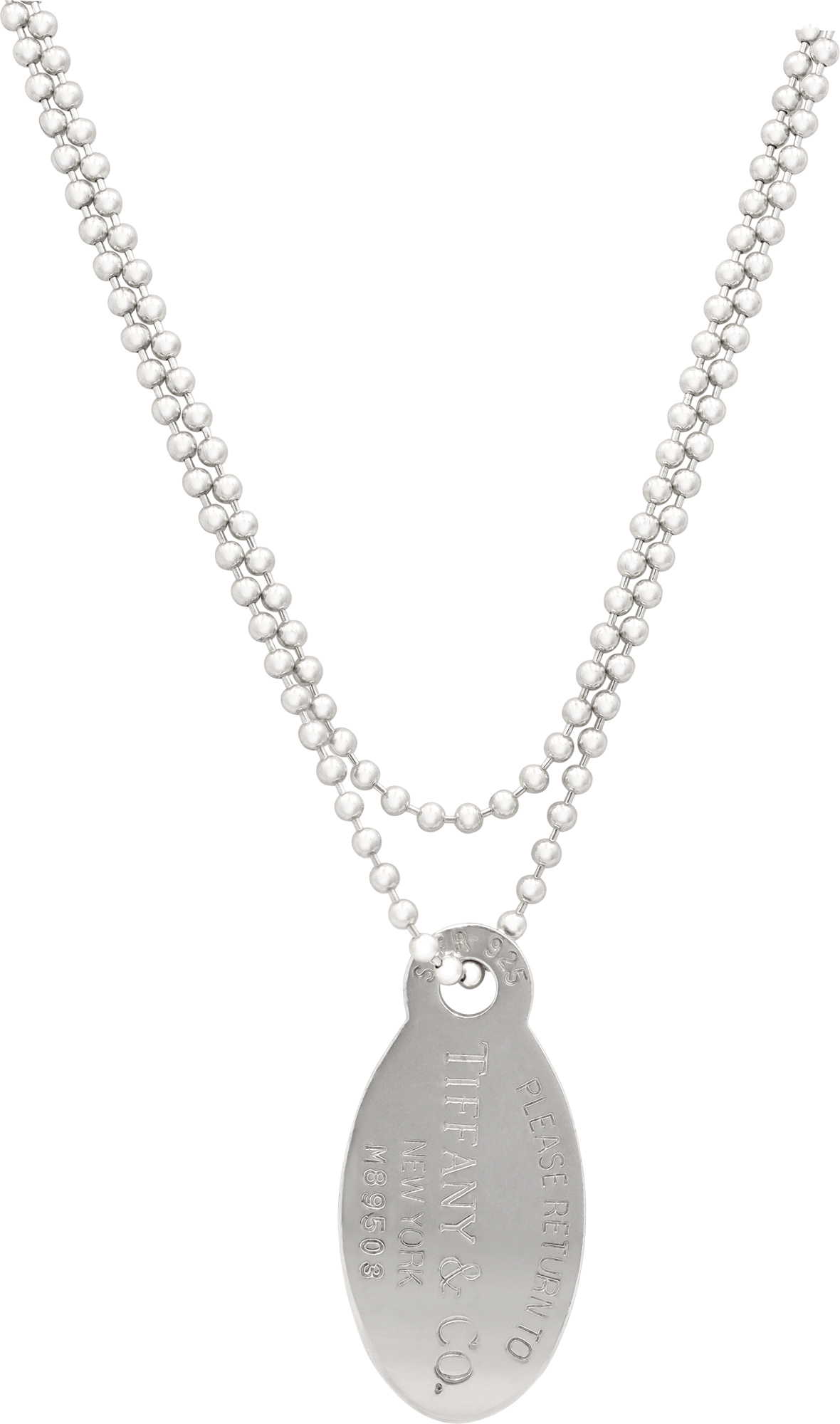
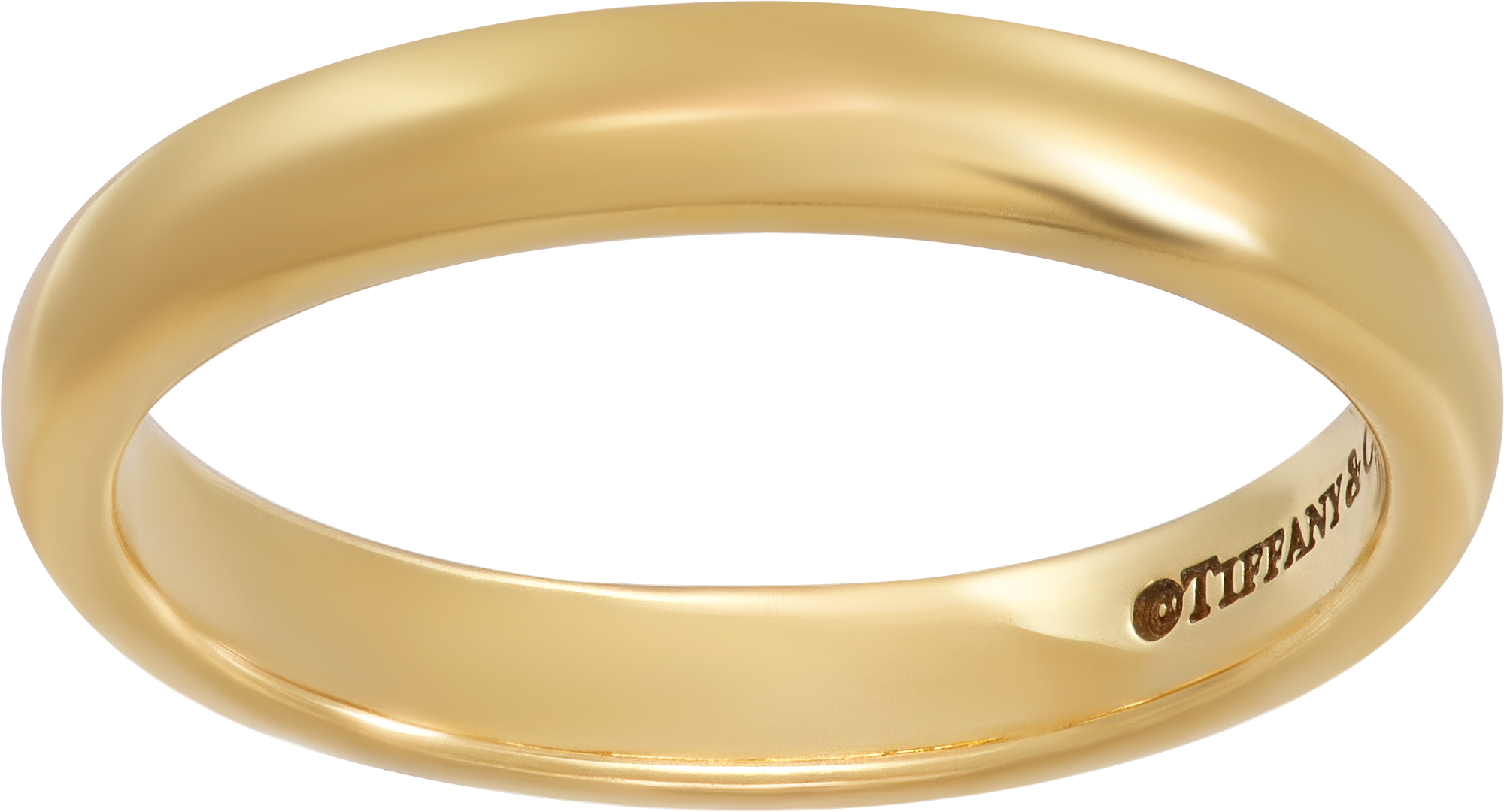
Gold and platinum Tiffany pieces show scratches differently than silver, with softer 18k gold developing a patina of fine scratches over time that some collectors actually appreciate as evidence of authenticity and wear. When evaluating whether to polish a piece before selling, consider that original finish preservation often holds more value to collectors than a freshly polished surface that may have removed metal and altered the piece's original dimensions. Experienced buyers who sell Tiffany rings and other pieces understand these nuances and adjust their offers accordingly.
For sellers wondering whether pre-sale professional polishing makes financial sense, the answer depends on the piece's material and the severity of damage. Sterling silver items with heavy tarnish and light scratches benefit from professional cleaning, while precious metal pieces with original factory finishes should generally remain untouched. When you sell Tiffany bracelets or necklaces with significant surface wear, reputable buyers will factor restoration costs into their offers, often providing better net returns than if you had invested in repairs yourself.
The Resizing Factor: How Ring Modifications Impact Purchase Offers
Resizing history significantly affects Tiffany ring valuations, particularly for iconic designs where maintaining original specifications proves crucial to collector appeal. When you sell Tiffany & Co. rings that have been resized, buyers examine several critical factors: the number of sizing operations performed, the quality of the work, whether sizing was done by Tiffany or a third-party jeweler, and how dramatically the size was changed. Rings resized within one or two sizes by authorized Tiffany service centers typically experience minimal value impact, while pieces altered multiple sizes or modified by unauthorized jewelers see more significant offer reductions.
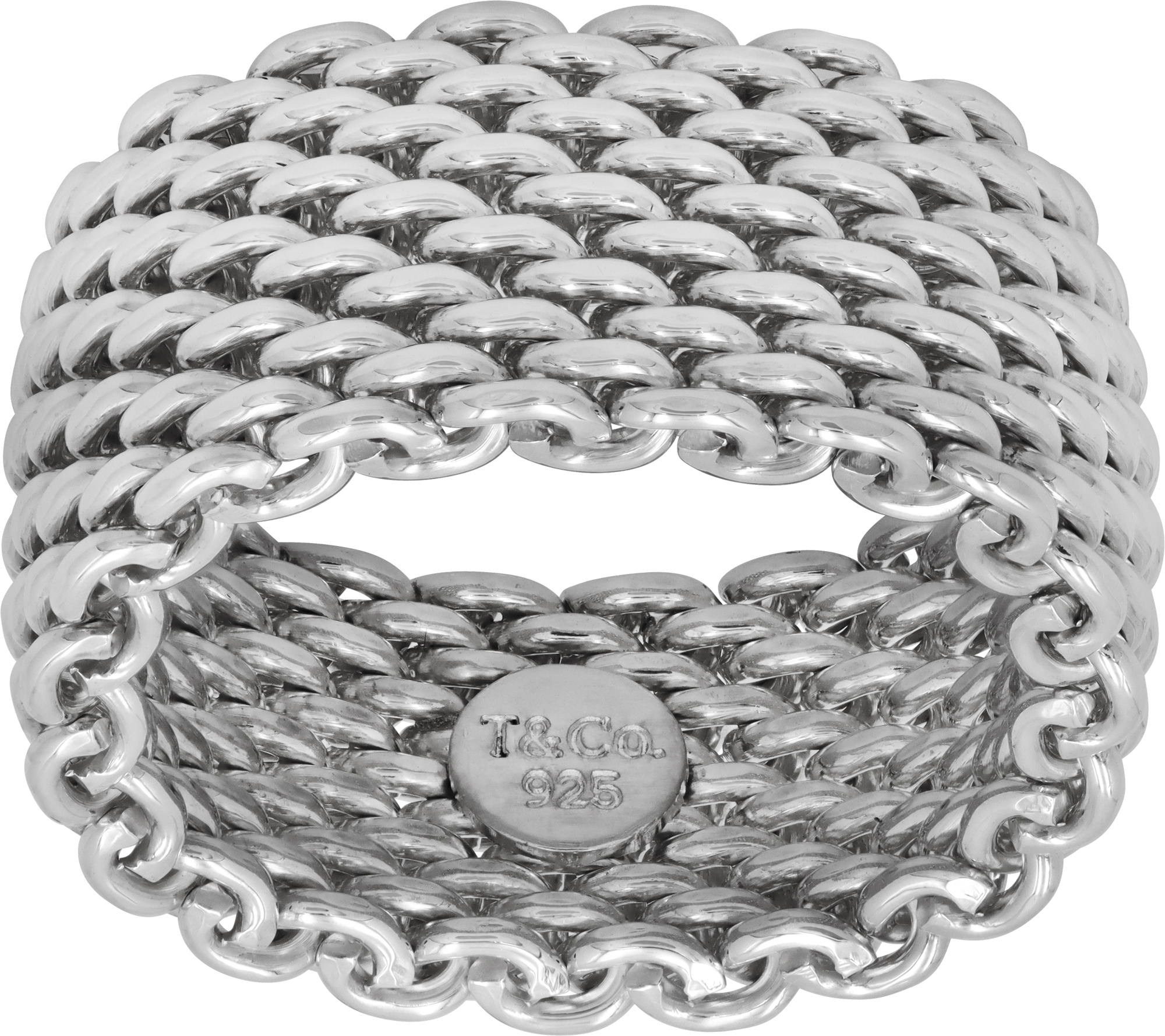
Certain Tiffany ring designs resist resizing better than others, with simple solitaire settings and plain bands accommodating size changes more successfully than intricate designs like eternity bands, channel-set styles, or pieces with continuous patterns. The Somerset mesh ring, for example, presents significant challenges for sizing due to its woven construction. When professional luxury jewelry buyers evaluate resized rings, they inspect the band's underside for solder marks, metal inconsistencies, or structural weaknesses that indicate sizing work. Visible sizing evidence, even when expertly executed, reduces value because it limits the ring's appeal to future buyers who need that specific size.
Documentation proving authorized Tiffany service work substantially mitigates resizing concerns, as it confirms the modification was performed to factory standards using appropriate materials and techniques. If you have service receipts showing Tiffany-authorized resizing, providing this documentation when obtaining quotes for sell Tiffany rings transactions can positively influence offers. Conversely, rings with obvious third-party sizing work, especially poor-quality modifications, may see offer reductions of 15-30% depending on the severity of visible alterations and the piece's overall desirability.
Understanding these resizing realities helps sellers make informed decisions about whether to resize inherited pieces before selling. In most cases, selling rings in their current size to experienced buyers who understand the jewelry repair impact on resale proves more financially advantageous than investing in sizing changes that may not recoup their costs.
Previous Repairs and Restoration: Transparency Matters
Previous repair history requires full disclosure when selling Tiffany jewelry, as undisclosed repairs discovered during professional evaluation damage seller credibility and may result in reduced offers or withdrawn purchase agreements. Common repairs on Tiffany & Co. jewelry include clasp replacements on necklaces and bracelets, stone retipping on rings, chain link repairs, earring post replacements, and pearl restringing. The quality and visibility of these repairs directly impact resale value, with expertly executed Tiffany-authorized repairs maintaining value far better than amateur or third-party fixes.
Stone replacements represent particularly sensitive repair issues, especially on pieces featuring Tiffany's signature gemstones or diamonds. If original stones were replaced with non-Tiffany materials, even if of comparable quality, value reductions can be substantial because the piece loses its entirely authentic status. When you sell Tiffany & Co. jewelry with replaced stones, honest disclosure allows buyers to adjust offers appropriately rather than discovering substitutions during detailed examination, which undermines trust and may terminate transactions.
Chain repairs on Tiffany necklaces deserve special attention, as visible solder joints or replaced links affect both aesthetics and structural integrity. Professional buyers examining pieces for sell Tiffany necklaces transactions inspect chains under magnification to identify repairs, welded links, or sections where metal color doesn't match the original. Well-executed repairs by authorized Tiffany service centers maintain value more effectively, particularly when accompanied by service documentation confirming the work was performed to factory standards.
For sellers with pieces requiring minor repairs before sale, weighing repair costs against potential value increases proves essential. Simple fixes like professional cleaning or clasp tightening often provide positive returns, while major reconstructive work rarely justifies its expense when selling to professional buyers. Established jewelry buyers near me typically prefer purchasing pieces in as-found condition, as they maintain relationships with expert restoration specialists who can complete repairs more cost-effectively than individual sellers.
Sterling Silver Condition: Tarnish, Dents, and Monogramming
Tiffany's extensive sterling silver collection, from flatware to decorative items, presents unique condition considerations that differ from precious metal jewelry. Tarnish alone minimally impacts value, as it's easily removable and expected on silver pieces, but structural issues like dents, bent areas, or damaged edges significantly reduce offers. When you sell sterling silver items, buyers assess both cosmetic condition and functional integrity, with serving pieces, bowls, and flatware requiring examination for warping, stress cracks, or repairs that compromise usability.
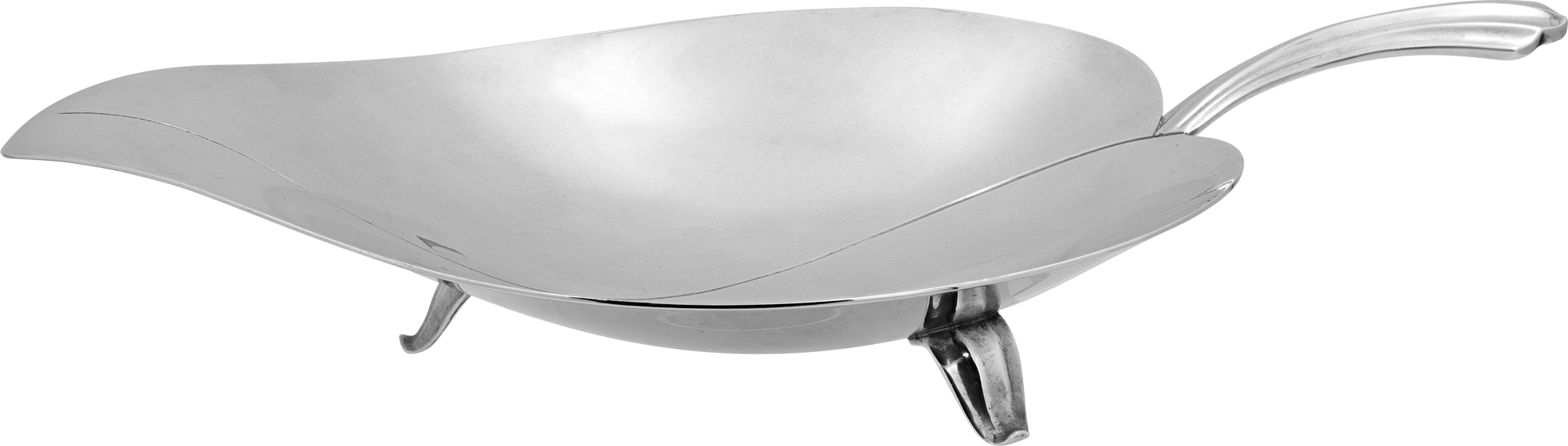
Monogramming on sterling silver presents complex valuation questions, with impact varying by item type and monogram execution. Engraved initials on flatware, traditionally expected in formal silver sets, typically don't significantly reduce value and may even enhance appeal to buyers sharing those initials. However, monogramming on jewelry pieces like money clips, bracelets, or pendants generally decreases value by 10-20% because it limits the buyer pool to those who either share the initials or don't mind personalized engravings. Professional sterling silver buyers factor removal costs and potential surface damage from monogram removal into their purchase offers.
Dents and structural damage on hollow-form sterling pieces like bowls, vases, or decorative items impact value more severely than surface scratches, as these issues require specialized repair skills to correct. When evaluating sell sterling silver flatware transactions, buyers examine each piece for bent tines, loose handles, or blade separation on knives—common issues that reduce both aesthetic appeal and functionality. Complete matching sets in excellent condition command premium pricing, while incomplete sets or pieces with varied condition levels see proportionally reduced offers.
Understanding these sterling silver-specific considerations helps sellers prepare realistic expectations when approaching buyers. Professional cleaning to remove tarnish proves worthwhile, but attempting amateur dent removal or monogram buffing often causes additional damage that further reduces value. Experienced buyers prefer evaluating pieces in their current state, allowing their restoration specialists to determine the most appropriate conservation approach.
Diamond and Gemstone Settings: Stone Security and Mounting Integrity
Stone security represents a critical evaluation point when professional buyers assess Tiffany rings, earrings, and pendants featuring diamonds or gemstones. Loose stones, even if still mounted, significantly impact offers because they indicate potential loss risk and require immediate professional attention. When examining pieces to sell Tiffany & Co. rings or other stone-set jewelry, buyers test stone security by gently manipulating settings to detect movement, checking prong integrity under magnification, and assessing whether previous retipping work was performed to maintain stone stability.
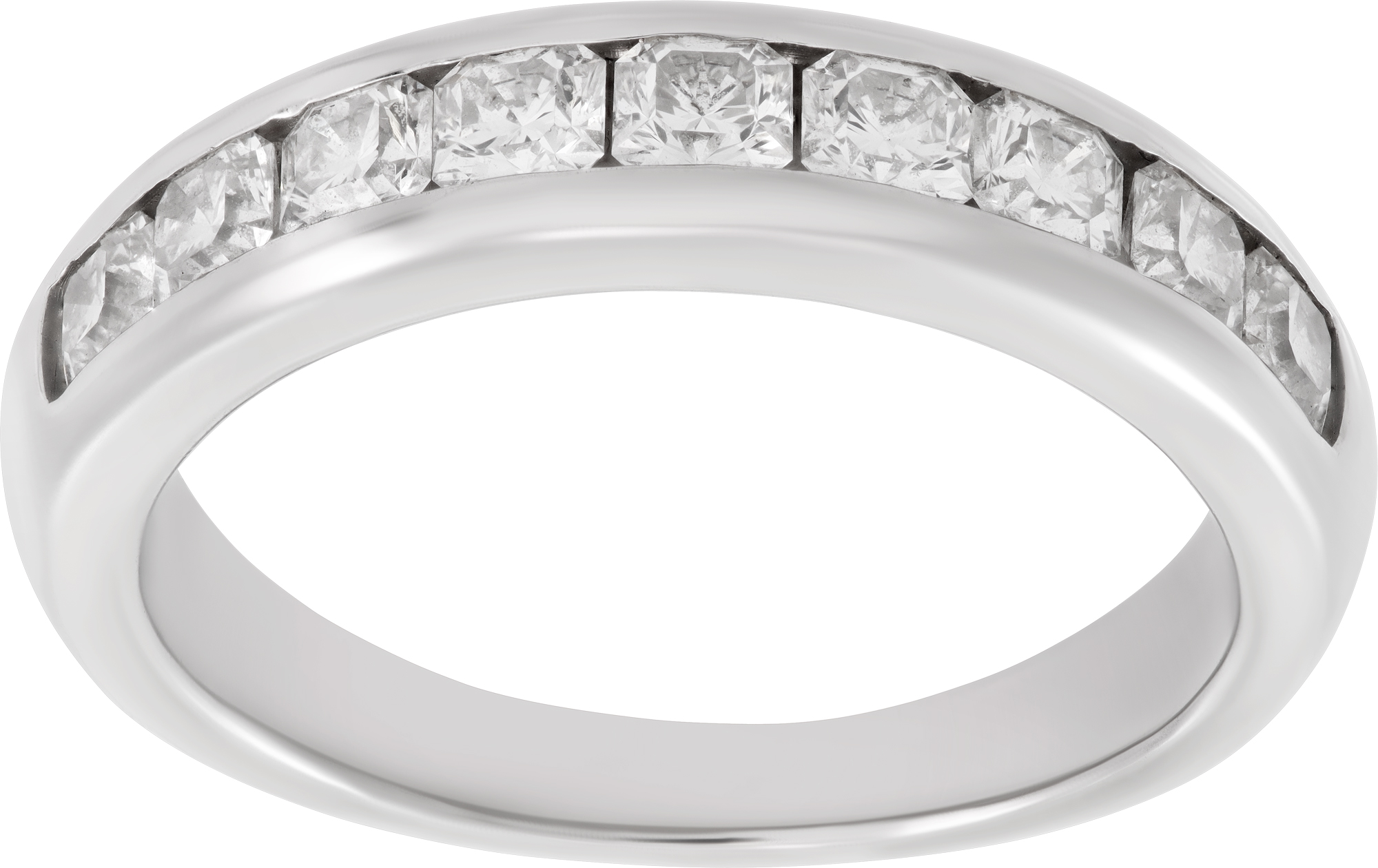
Prong wear on diamond rings occurs naturally over time, particularly on engagement rings worn daily, but excessive wear compromising stone security requires consideration when determining purchase offers. Thin prongs needing retipping indicate deferred maintenance that buyers factor into their valuations, typically deducting the cost of professional prong restoration plus a margin for the buyer's effort and risk. For sellers wondering whether to invest in prong retipping before selling, the answer depends on the piece's overall value—high-value pieces often benefit from professional stone-securing services, while modest pieces rarely justify the expense when selling to experienced buyers.
Missing stones present more complex valuation scenarios, with impact severity depending on the stone's size, type, and replaceability. A missing accent diamond from a multi-stone setting affects value less dramatically than a missing center stone from a solitaire engagement ring. When you approach buyers to sell Tiffany jewelry with missing stones, expect offers reflecting both replacement costs and the difficulty of sourcing stones matching Tiffany's quality standards. Original documentation specifying stone characteristics helps buyers determine appropriate replacement stones, potentially improving offers by reducing uncertainty about specifications.
Setting integrity extends beyond stone security to include the overall structural soundness of mounting components. Cracked shanks, separated gallery work, or loose head assemblies require professional attention before pieces can be worn safely. Professional Tiffany & Co. jewelry buyers identify these structural concerns during evaluation, adjusting offers to account for necessary repairs while still providing sellers with competitive purchase prices based on the piece's inherent material and brand value.
Clasp and Closure Mechanisms: Functional Components That Affect Value
Functional hardware on Tiffany bracelets, necklaces, and chains directly influences resale value, as non-functioning or problematic closures reduce both usability and buyer appeal. When you sell Tiffany bracelets featuring signature clasps like the iconic heart toggle closures, box clasps, or lobster closures, buyers test functionality to ensure smooth operation, secure locking, and absence of excessive wear. Clasps that stick, won't close properly, or show significant wear from metal loss receive reduced valuations reflecting repair or replacement costs.
Original Tiffany clasps and closures maintain significantly more value than replaced hardware, even when replacements are high-quality aftermarket components. The distinctive spring ring clasps on many Tiffany chains, stamped with the Tiffany name, represent an authentication point that buyers verify during evaluation. Replaced clasps, unless documented as authorized Tiffany replacements, raise questions about the piece's history and handling, potentially affecting overall offers. When selling pieces with replaced hardware, providing service documentation from authorized Tiffany service centers helps maintain value by confirming appropriate replacement procedures.
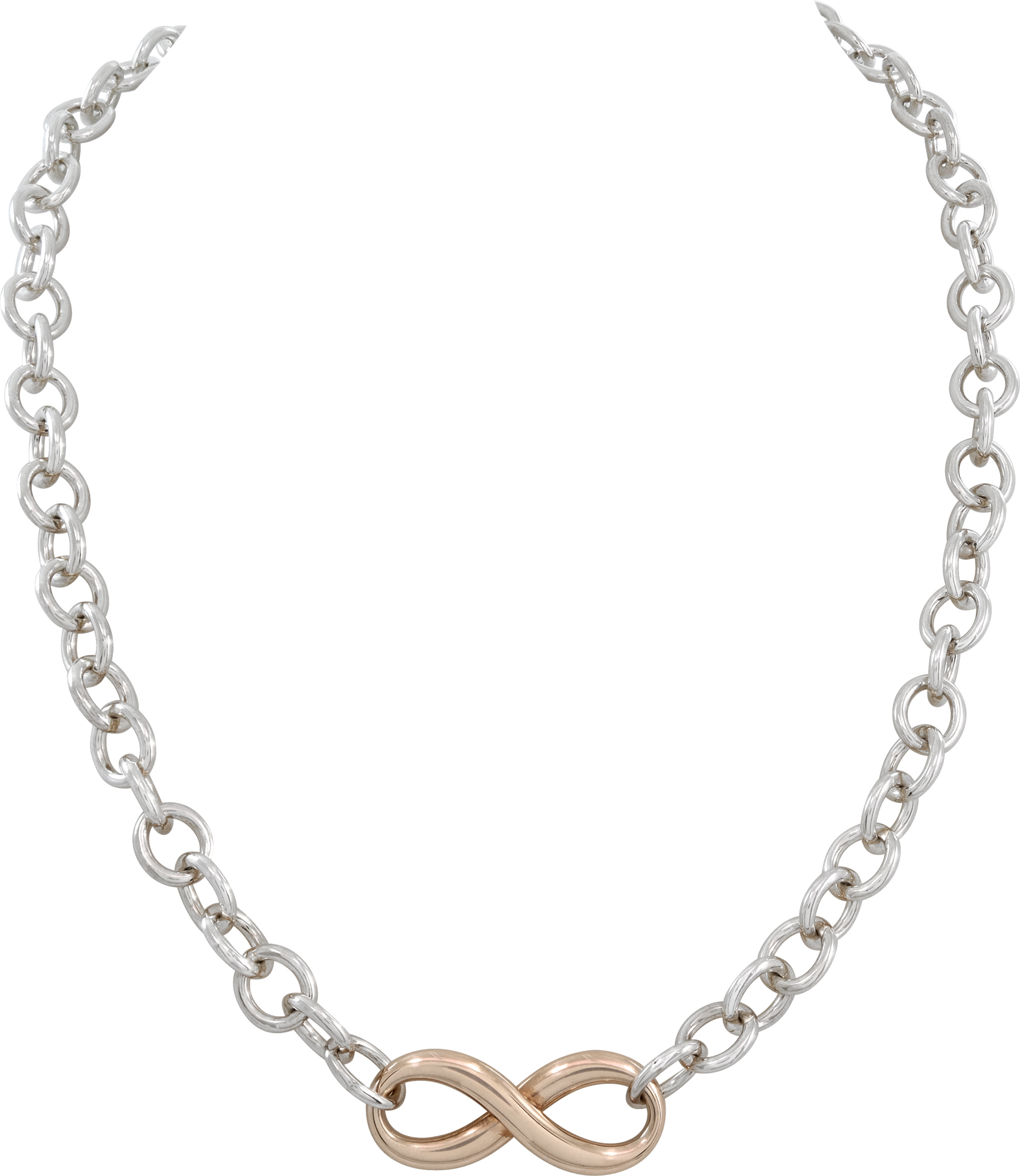
Jump rings and connector elements on Tiffany charm bracelets and necklaces require examination for integrity, as these small components endure significant stress during normal wear. Worn jump rings that don't close securely or show gaps indicate needed replacement, affecting offers when you sell Tiffany & Co. necklaces or charm bracelets. Professional buyers identify these issues during detailed inspection, factoring repair costs into purchase offers while ensuring sellers receive fair market value based on the piece's overall condition and desirability.
For sellers considering whether to repair non-functioning clasps before selling, consulting with professional buyers often proves more cost-effective than commissioning repairs independently. Established buyers maintain relationships with skilled jewelers who can perform repairs at trade costs lower than retail pricing individuals pay, allowing buyers to offer competitive purchase prices even for pieces needing minor hardware repairs.
Documentation's Role: How Service Records and Original Packaging Affect Offers
Complete documentation significantly enhances Tiffany jewelry resale value, with original boxes, pouches, authenticity certificates, purchase receipts, and service records all contributing to higher purchase offers. When you sell Tiffany & Co. jewelry with complete original packaging and documentation, you're providing buyers with confidence in authenticity and provenance, which reduces their evaluation risk and allows for more aggressive purchase offers. The iconic Tiffany blue box, while not affecting the jewelry's intrinsic value, enhances marketability and presentation, particularly for pieces destined for retail resale channels.
Service documentation from authorized Tiffany service centers proves particularly valuable when selling pieces with repair or restoration history. Receipts showing professional cleaning, rhodium plating, stone retipping, or sizing work by Tiffany or authorized service providers demonstrate proper maintenance and confirm that alterations were performed to factory standards. This documentation addresses buyer concerns about modification quality, potentially improving offers on pieces that might otherwise face valuation reductions due to visible repair evidence.
Purchase receipts and authenticity certificates provide additional value, particularly for high-end pieces featuring significant diamonds or gemstones. Original appraisals detailing stone characteristics help buyers verify quality and authenticate pieces without requiring immediate independent gemological evaluation. When approaching luxury jewelry buyers with documented pieces, you're streamlining the authentication process and potentially accelerating transaction timelines while maximizing offer values through enhanced buyer confidence.
For sellers who have lost or never received original documentation, focus instead on the jewelry itself, as authentic Tiffany pieces carry hallmarks, stamps, and construction characteristics that professional buyers recognize. While documentation enhances value, its absence doesn't prevent sale to experienced buyers who regularly evaluate and authenticate Tiffany pieces through physical examination and testing protocols.
Collection-Specific Considerations: How Design Lines Affect Condition Sensitivity
Different Tiffany & Co. collections exhibit varying sensitivity to condition issues, with some design lines maintaining value despite wear while others require near-perfect condition to command premium prices. The Tiffany & Co. Return to Tiffany collection, featuring the iconic heart tag and key designs, tolerates minor surface wear well due to its classic status and strong collector demand. When you sell Tiffany Return to Tiffany pieces, focus on ensuring functional hardware and readable engraving, as these elements affect value more than minor surface scratches on sterling silver components.
Complex artistic collections like Tiffany Schlumberger designs require more careful condition assessment, as intricate details and unique stone settings demand evaluation by buyers experienced with these distinctive pieces. The sculptural nature of Schlumberger jewelry means damage to decorative elements or setting work significantly impacts value, while well-maintained pieces command premium pricing reflecting their artistic significance and collector appeal. Sellers approaching Tiffany Schlumberger buyers should emphasize originality and authenticity, as these artistic pieces suffer greater value loss from unauthorized repairs or modifications.
Contemporary collections like Tiffany T designs, featuring modern clean lines and bold geometric elements, show surface wear more obviously than pieces with textured or intricate details. When evaluating opportunities to sell Tiffany T jewelry, consider that high-polish surfaces reveal scratches prominently, potentially affecting offers more than comparable wear on textured pieces. However, the collection's contemporary popularity and strong market demand often offset minor condition concerns, particularly for pieces in precious metals with minimal visible damage.
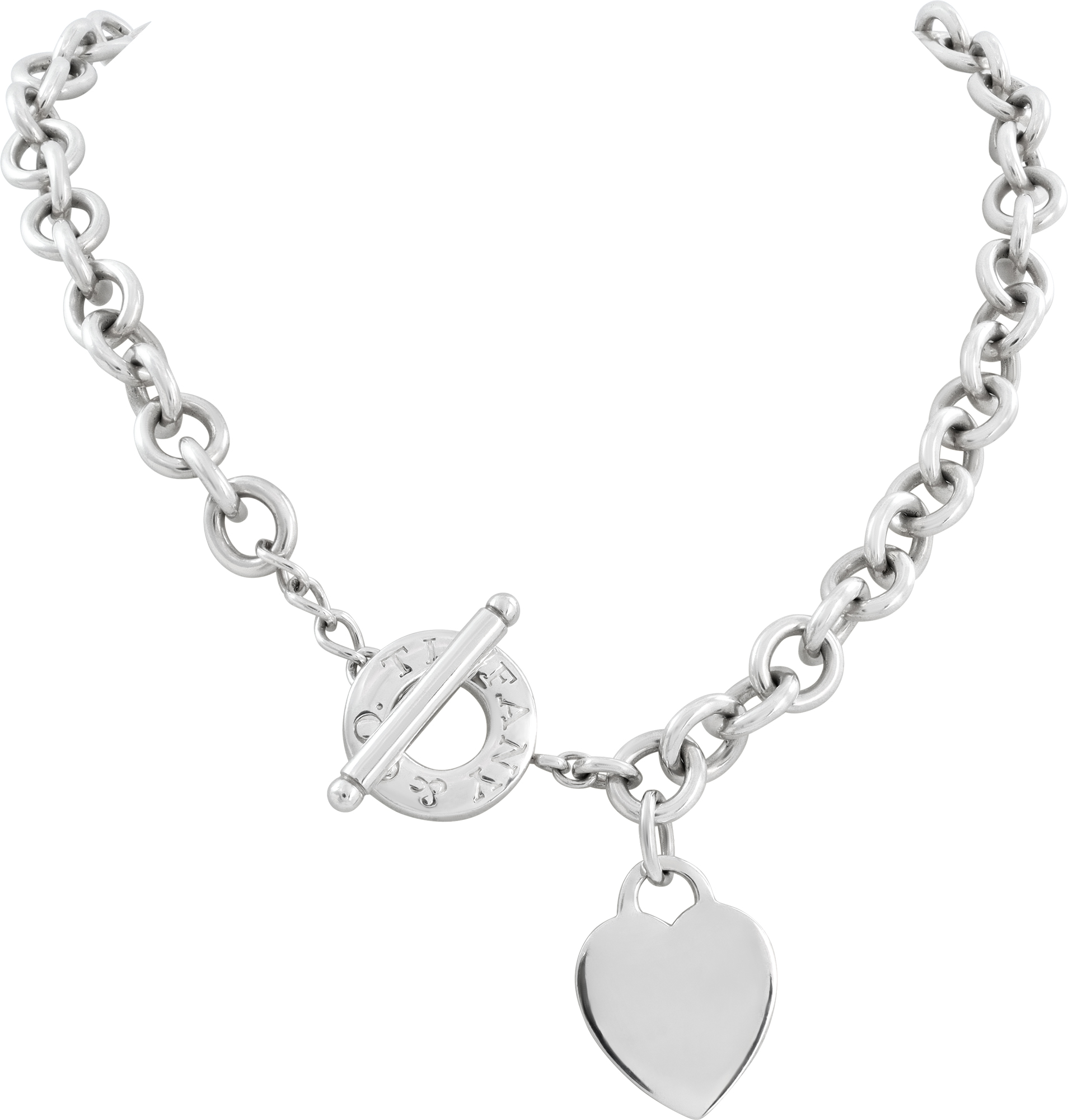
Understanding collection-specific condition sensitivities helps sellers accurately assess their pieces' market position and set realistic valuation expectations. Professional buyers who specialize in selling Tiffany jewelry maintain expertise across all Tiffany collections, providing informed evaluations that account for both general condition factors and collection-specific considerations that influence market value.
Professional Assessment: Why Expert Evaluation Maximizes Returns
Obtaining professional evaluation from experienced Tiffany jewelry buyers provides sellers with accurate condition assessment and realistic market valuations based on current demand and condition factors. Attempting to self-assess condition often leads to either overestimating (missing issues that buyers will identify) or underestimating value (not recognizing factors that maintain worth despite visible wear). Professional buyers examine pieces using jeweler's loupes, electronic testing equipment, and decades of collective experience evaluating luxury jewelry, identifying condition issues and authenticity markers that casual observation might miss.
The evaluation process for sell Tiffany jewelry transactions typically includes metal testing to confirm composition, gemstone examination to verify quality and security, structural assessment to identify repairs or modifications, and condition grading using industry-standard criteria. This comprehensive approach ensures accurate valuations that reflect both positive attributes and condition concerns, providing sellers with fair market offers based on complete information. Professional buyers who regularly handle Tiffany pieces understand market demand for various condition grades, allowing them to offer competitive prices even for pieces with condition issues.
For sellers in South Florida, visiting our Surfside showroom location provides opportunity for immediate professional evaluation, face-to-face consultation, and same-day offers on qualifying pieces. Our team's expertise extends beyond Tiffany to include comprehensive luxury jewelry buying services for all major design houses and estate pieces. Distance sellers benefit from our detailed online evaluation process, which guides you through documenting your pieces' condition thoroughly, ensuring accurate quotes without requiring in-person visits.
Understanding that professional evaluation serves your interests helps frame the assessment process positively. Experienced buyers provide education throughout evaluation, explaining how specific condition factors influence value and offering insights into the current luxury jewelry resale market. This transparency builds trust and helps sellers make informed decisions about whether to sell immediately or wait for potentially favorable market conditions.
Market Timing and Condition: Summer 2026 Considerations
Current summer 2026 market conditions present favorable opportunities for sellers with Tiffany jewelry in various condition states, as strong luxury resale demand and seasonal buying patterns create competitive purchase offers. Understanding how seasonal factors interact with condition considerations helps sellers optimize timing for maximum returns. Summer traditionally brings increased luxury jewelry transactions as people prepare for weddings, anniversaries, and travel, creating heightened buyer demand that can offset minor condition concerns through competitive bidding.
The relationship between repair investment and sale timing deserves consideration when pieces require minor restoration work. For jewelry needing simple professional cleaning or minor clasp repairs, completing these services before obtaining quotes may prove worthwhile during high-demand periods. However, significant repair investments like stone replacement or extensive restoration work rarely justify their costs when selling to professional buyers who can complete repairs more cost-effectively through trade relationships.
Sellers should also consider personal timing factors beyond market conditions when deciding whether to address condition issues before selling. Estate executors working under specific timelines, individuals facing financial needs, or those relocating often benefit from selling pieces in current condition rather than delaying for repairs. Professional buyers experienced in luxury jewelry resale understand these personal circumstances and work to provide optimal offers based on current condition while respecting sellers' timing needs.
Market awareness extends to understanding how Tiffany's ongoing popularity and brand strength support resale values even for pieces with condition issues. The enduring appeal of Tiffany design and craftsmanship means pieces in less-than-perfect condition still attract buyer interest, particularly when priced appropriately to reflect their current state. This brand resilience provides sellers with confidence that professional buyers will offer fair valuations based on intrinsic value, design significance, and material quality beyond superficial condition factors.
Beyond Tiffany: Expanding Your Luxury Jewelry Sale Opportunities
While Tiffany & Co. represents a cornerstone of luxury jewelry resale, sellers often possess pieces from multiple prestigious design houses that benefit from simultaneous evaluation and sale. If you're considering selling Tiffany jewelry, exploring whether you have additional luxury pieces from brands like Cartier, Van Cleef & Arpels, or Bvlgari can maximize transaction efficiency and potentially improve overall returns through consolidated sales. Professional buyers who handle multiple luxury brands provide comprehensive evaluations, saving sellers time while ensuring each piece receives appropriate expert assessment.
Cartier jewelry, particularly iconic collections like the Love bracelets and Juste un Clou designs, maintains strong resale value comparable to Tiffany pieces. When you sell Cartier jewelry alongside Tiffany items, professional buyers can assess your complete collection, potentially identifying complementary pieces that attract premium offers. The condition considerations for Cartier jewelry mirror many Tiffany factors, with authentic documentation, original hardware, and minimal modifications preserving maximum value.
Van Cleef & Arpels pieces, especially the famous Alhambra collection, represent another luxury category with condition-sensitive valuations. The delicate nature of Van Cleef's signature clover motifs and precision stone setting requires careful condition assessment, with well-maintained pieces commanding exceptional prices. Sellers who sell Van Cleef & Arpels jewelry benefit from working with buyers experienced in these intricate designs, ensuring proper valuation that accounts for both condition factors and the collection's prestige positioning.
Bvlgari jewelry, renowned for bold designs and distinctive Italian craftsmanship, presents unique condition considerations particularly for the Serpenti and B.zero1 collections. When you sell Bvlgari jewelry, focus on highlighting original design integrity and functional articulation on pieces featuring moving components. Professional Bvlgari buyers understand how condition affects these specific collections, providing informed valuations that maximize returns on pieces from this prestigious Roman design house.
Ready to Receive Your Professional Evaluation?
Understanding how condition factors affect Tiffany & Co. jewelry resale values empowers you to approach the selling process with realistic expectations and confidence in transaction outcomes. Whether your pieces show minimal wear or have lived well-loved lives with visible signs of enjoyment, professional buyers provide fair market valuations based on comprehensive assessment of all relevant factors. The key to maximizing returns lies in working with experienced buyers who understand luxury jewelry markets, maintain transparent evaluation processes, and offer competitive prices reflecting current demand across all condition grades.
At Sell Us Your Jewelry, our expertise extends across all Tiffany collections, from classic Return to Tiffany pieces to contemporary designs and rare vintage items. Our evaluation process considers every factor discussed in this article, ensuring you receive accurate valuations that reflect your jewelry's true market position. Whether you're selling a single treasured piece or an entire collection, our team provides the professional assessment and competitive offers you deserve.
Start your selling journey today by requesting your free evaluation through our streamlined online process. Visit our jewelry quote page to begin documenting your Tiffany pieces, or explore our sterling silver quote service for flatware and decorative items. If you prefer discussing your pieces directly with our experts, we welcome you to our Surfside showroom location in South Florida, where our team can provide immediate evaluation and same-day offers on qualifying items.
For sellers with additional luxury jewelry beyond Tiffany, explore our comprehensive services for purchasing pieces from all major design houses. Learn more about how we work and discover why sellers throughout the United States trust us for fair, transparent transactions that honor both their jewelry's value and their personal circumstances. Your luxury pieces deserve expert evaluation—let us show you what professional assessment means for your selling success.
About Us | Sell Us Your Jewelry
Call Us Now: 305 770 6955
The Purchasing and Consignment Division of Gray & Sons


Be the first to know | SEE OUR CATALOG

