

October 12th, 2026
How to Photograph and Describe Platinum Jewelry for a More Accurate Online Quote
When you're ready to sell platinum jewelry, the quality of your platinum jewelry online quote photos directly influences the accuracy of your initial valuation. Professional platinum jewelry buyers rely on clear, detailed images and precise descriptions to assess metal purity, gemstone quality, craftsmanship, and overall condition. Whether you own a Tiffany & Co. platinum wedding band, a Cartier Love platinum ring, or an Art Deco diamond bracelet, understanding how to photograph platinum jewelry for sale and describe platinum jewelry to buyer professionals supports a comprehensive evaluation.

At Sell Us Your Jewelry, we evaluate platinum pieces from sellers throughout the United States through a straightforward quote process. Our team examines everything from platinum engagement rings and eternity bands to designer platinum bracelets and necklaces. The more accurate your initial documentation, the more efficiently we can assess your item's characteristics and provide a detailed response.
Why Platinum Jewelry Requires Special Photography Techniques
Platinum's distinctive properties—its dense weight, naturally white luster, and subtle surface reflections—demand specific photography approaches that differ from gold or silver. Unlike white gold, which shows yellow undertones when plating wears, platinum maintains its color throughout the piece, making it essential to capture its authentic appearance in photographs. Poor lighting can make platinum appear dull gray or overly bright, obscuring hallmarks, gemstone settings, and surface details that platinum jewelry buyers need to see.
The metal's density also means that even small pieces carry significant weight, affecting platinum jewelry resale value. When you photograph platinum jewelry for sale, your images should clearly show the piece's substantial construction, heft indicators like thick shanks or heavy links, and any stamping that may indicate purity—typically "Plat," "PT," "PT950," or "PT900." These markings can support assessment of the quantity of pure platinum present.
If you're considering whether to sell Tiffany & Co. jewelry or sell Cartier jewelry, remember that documentation of designer signatures becomes important. Platinum pieces from renowned houses like Tiffany & Co., Cartier, Van Cleef & Arpels, Harry Winston, and Bulgari command attention in the resale market when properly documented through clear hallmark images.
Essential Equipment for Photographing Platinum Jewelry
You don't need professional studio equipment to capture effective platinum jewelry online quote photos, but certain tools significantly improve image quality. A smartphone camera with at least 12 megapixels can produce adequate results when used correctly, though a dedicated digital camera with macro capability offers superior detail capture. Natural daylight provides accurate light for platinum, as it reveals the metal's color without the yellow cast of incandescent bulbs or the harsh glare of direct flash.
Position your jewelry near a window with indirect sunlight, avoiding direct sun rays that create extreme shadows and blown-out highlights. If natural light isn't available, use a daylight-balanced LED lamp positioned at a 45-degree angle to the piece. A simple white poster board or clean white paper serves as an excellent background, eliminating distractions and providing color reference. Many sellers also benefit from a small jewelry stand or ring holder to stabilize pieces during photography.
When preparing to sell platinum jewelry, gather any original documentation, certificates, or branded packaging. These items should be photographed separately and can support your submission. For pieces with GIA certified diamonds or AGL certified gemstones, clear images of the certificate alongside the jewelry help buyers verify the stones' specifications.
Step-by-Step: Photographing Platinum Rings
Platinum rings present unique challenges due to their three-dimensional form and intricate details. Begin by thoroughly cleaning your ring with warm water and mild dish soap, using a soft brush to remove any debris from settings and engravings. Dry completely with a lint-free cloth, as water spots can appear as flaws in photographs. Position the ring upright using a ring holder or a small piece of modeling clay hidden behind the band.
For a Designer Michael Werdiger platinum ring featuring topaz and diamond accents, capture multiple perspectives showing the baguette and round diamond details, the substantial platinum mounting, and any designer signatures. The complex geometric setting benefits from angled shots that reveal depth and construction quality.
Capture at least five distinct angles: a straight-on profile showing the ring face, a side view displaying the band's thickness, an interior shot revealing hallmarks and sizing stamps, a three-quarter angle highlighting the setting's depth, and a close-up of any engraving or designer signature. For engagement rings or pieces with significant center stones, photograph the ring from directly above to show the gemstone's face-up appearance. If you plan to sell Tiffany rings or sell Cartier rings, ensure any brand engraving inside the band is clearly visible and in focus.
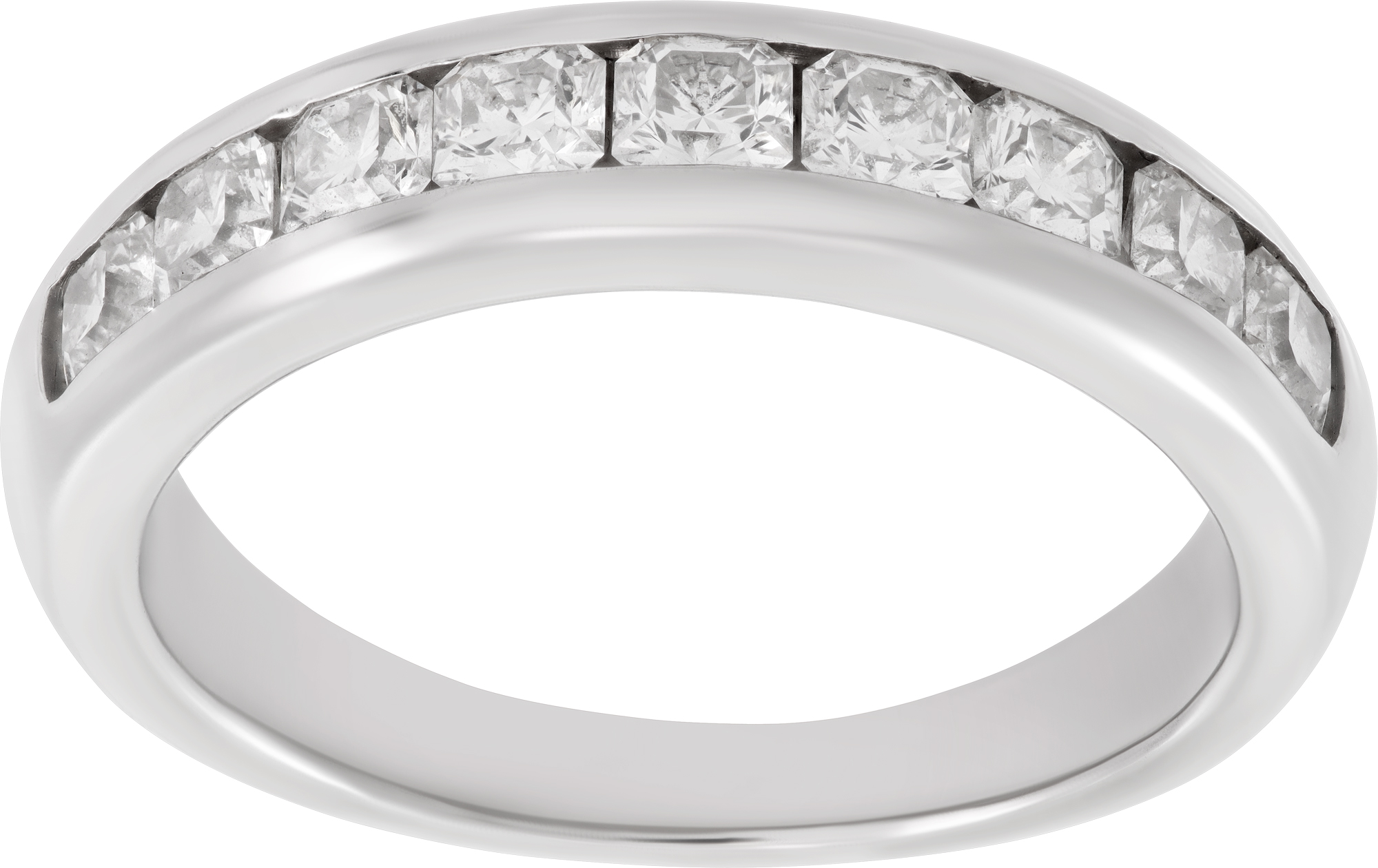
When documenting platinum solitaire settings or halo designs, pay special attention to the prongs and metalwork. Buyers want to see whether prongs are intact, properly formed, and securely holding gemstones. A close-up photograph showing prong condition can affect valuation, particularly for high-value pieces with GIA Certified Diamonds.
Photographing Platinum Bracelets and Necklaces
Platinum bracelets and necklaces require different techniques due to their length and flexibility. Lay the piece flat on your white background in a natural curve or circle, avoiding forced arrangements that create unnatural kinks or hide the clasp. The clasp mechanism—whether it's a box clasp, lobster claw, or hidden safety—should be photographed separately, as clasp type and condition affect both functionality and value.
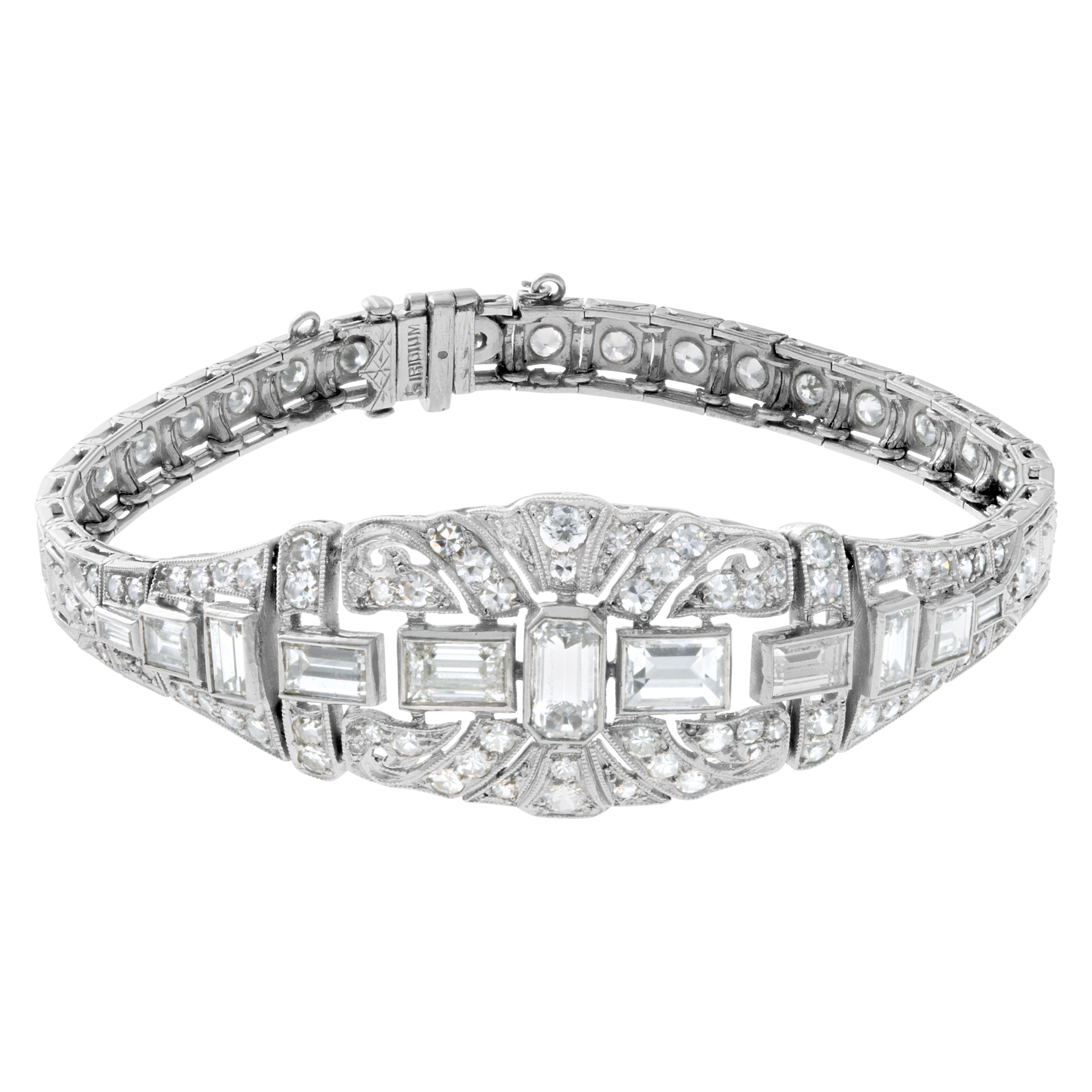
For link bracelets, capture the piece fully extended to show its complete length, then photograph a section showing individual link detail and construction quality. Tennis bracelets and diamond line bracelets benefit from close-ups that reveal stone quality and setting security. When you describe platinum jewelry to buyer professionals, mention the approximate length in inches and the bracelet's weight if you have a jewelry scale available. Pieces from designers like Harry Winston, Van Cleef & Arpels, or David Webb should include clear images of any signature elements.
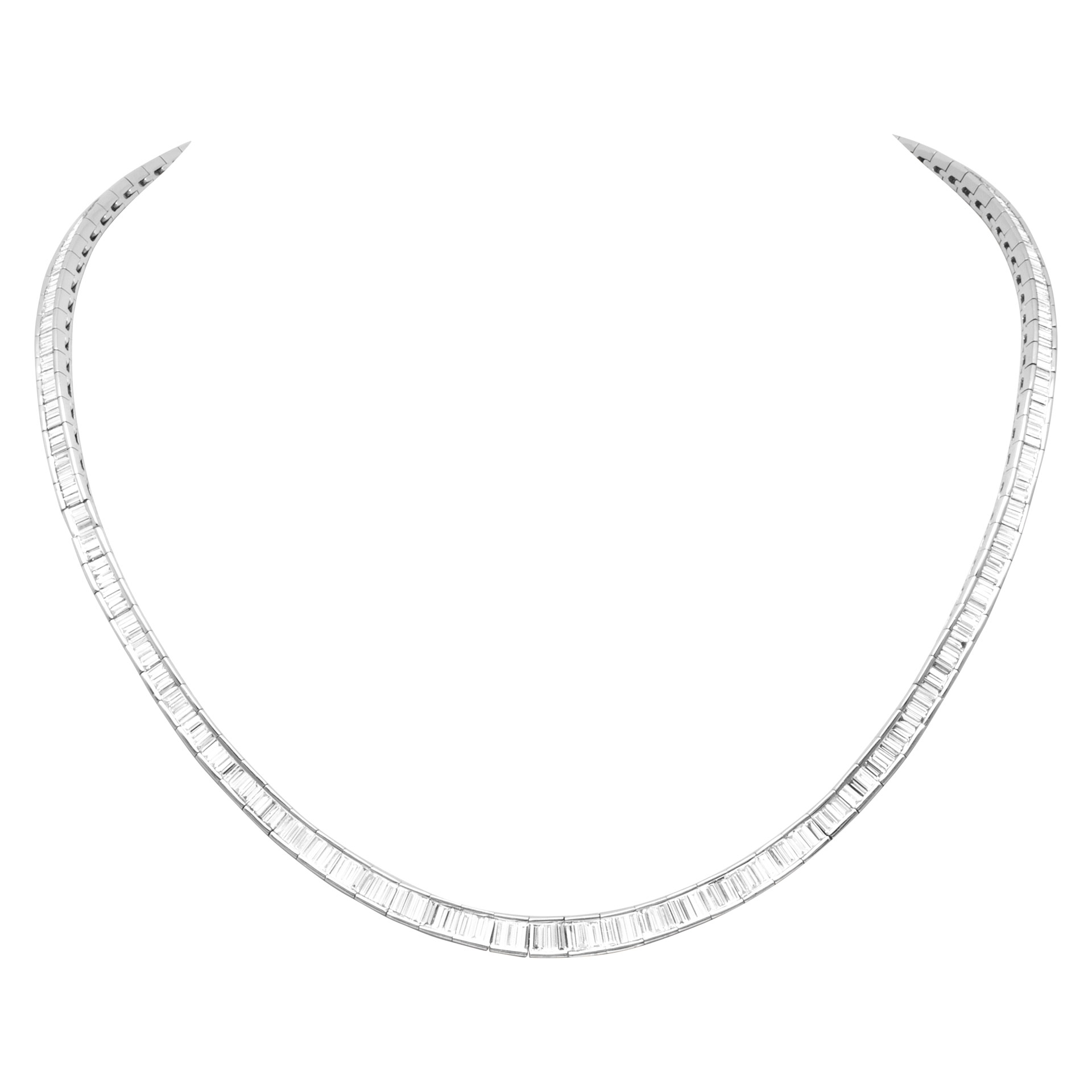
Platinum chains present specific documentation needs. Photograph the chain's full length, then capture close-ups of the link style, any connector points, and the clasp area. If you're looking to sell Bulgari bracelets, sell Chopard jewelry, or sell David Yurman bracelets, ensure that any decorative elements, charms, or branded stations are clearly photographed from multiple angles.
Capturing Platinum Earrings and Pendants
Platinum earrings should be photographed as a pair to demonstrate matching, but also individually to show detail. Lay them on your white background with posts or wires in the same orientation, ensuring both earrings are completely in focus. Close-up images should reveal the backing mechanism—whether butterfly backs, screw backs, or lever backs—as well as any hallmarks stamped on posts or clips.
For drop earrings or chandelier styles, consider photographing one earring hanging to show how it drapes naturally. This helps buyers understand the piece's movement and proportions. If you're preparing to sell Van Cleef & Arpels earrings or sell Cartier earrings, ensure any signature clover motifs, panther designs, or branded elements are clearly visible.
Platinum pendants benefit from being photographed both flat and suspended. The flat position shows the pendant's face clearly, while a suspended image reveals its thickness, bail construction, and how it hangs. Photograph any chain that accompanies the pendant separately, documenting its length and style. When you sell Tiffany pendants or sell Bulgari pendants, capture both sides of the piece, as many designer pendants feature signatures or additional detail work on the reverse.
Documenting Hallmarks, Signatures, and Engravings
Hallmark photography often determines whether a buyer can assess certain characteristics remotely or needs to see the piece in person. Platinum stamps are typically small and may require macro photography or your camera's close-up mode to capture legibly. Common platinum marks include "PLAT," "PT950" (95% platinum), "PT900" (90% platinum), or "PLATINUM." These stamps are usually found inside ring bands, on bracelet clasps, behind pendant bails, or on earring posts.
Use your camera's highest resolution setting for hallmark images and ensure adequate lighting without creating glare that obscures the stamping. If your camera struggles to focus on small details, try positioning the jewelry slightly farther away and cropping the image afterward rather than moving too close. Multiple attempts from slightly different angles can help capture difficult-to-read marks.
Designer signatures require equal attention. When you sell Cartier jewelry or sell Tiffany & Co. jewelry, the signature engraving often appears alongside the platinum hallmark. Brands like Bulgari, Chopard, Piaget, and Roberto Coin each have distinctive marking styles. Document any serial numbers or maker's marks that may be present. A serial number or maker's mark is one authentication factor among several that must be assessed during evaluation.
Writing Accurate Descriptions for Platinum Jewelry
Your written description complements your photographs by providing context that images alone can't convey. Begin with the basics: item type, metal composition, approximate weight if available, and overall dimensions. For example: "Platinum solitaire engagement ring, size 6, approximately 4.5mm wide band, estimated 8 grams total weight." Mention any stones present, noting that you'll provide specific details separately if certificates exist.
Describe the piece's condition honestly, noting any visible wear, scratches, sizing marks, or repair history. Platinum can develop a natural patina over time as surface material is displaced, though material may also be lost through abrasion and polishing. Transparency about condition helps platinum jewelry buyers provide accurate initial assessments and reduces the likelihood of valuation adjustments during in-person evaluation.
Include provenance information when available: purchase date, original retailer, whether the item was a gift or inheritance, and any service history. If you're working to sell Harry Winston jewelry or sell Graff jewelry, documentation of original purchase from authorized retailers can support an evaluation. Receipts, packaging, and service records can support purchase history and may inform an evaluation.
Photographing Gemstones in Platinum Settings
When platinum jewelry includes diamonds or colored gemstones, photographing these stones properly becomes essential to valuation. Diamond photography benefits from natural light that reveals brilliance and fire without creating artificial sparkle. Avoid using flash directly on diamonds, as it can create hotspots that obscure the stone's clarity characteristics or make inclusions invisible in photos.
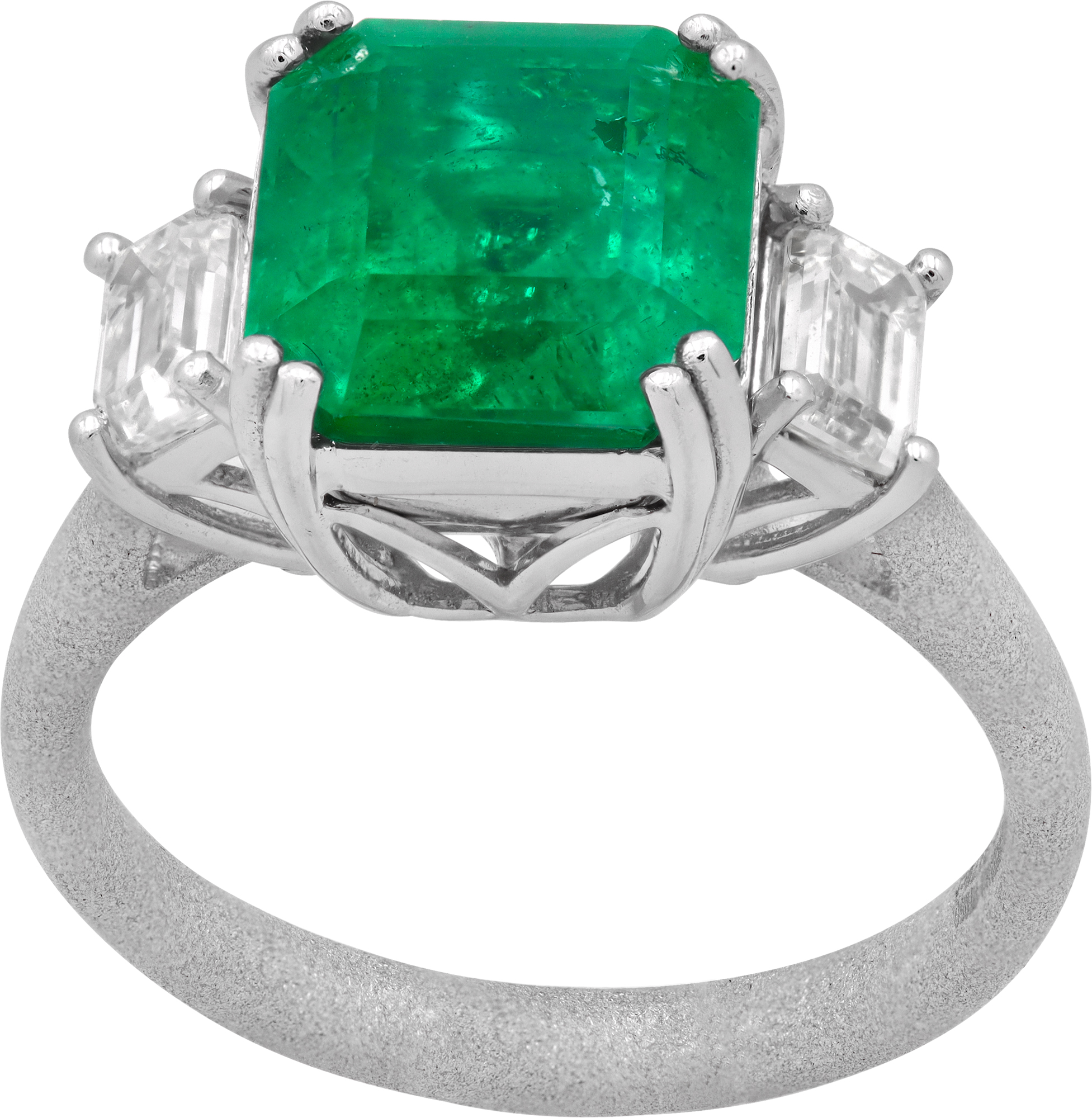
For pieces with center stones, capture images showing the stone face-up, in profile, and at angles that reveal depth and proportions. If you have GIA or AGL certificates, photograph these documents clearly, ensuring all text is legible and the certificate number matches your jewelry. When preparing to sell GIA Certified Diamonds, the certificate provides information about the diamond that buyers can consider during evaluation.
Colored gemstones like emeralds, rubies, sapphires, and tanzanites present additional documentation opportunities. Photograph any laboratory reports alongside the jewelry. These documents can inform valuation. Whether you're looking to sell Chopard Happy Diamonds or an estate platinum sapphire ring, clear gemstone documentation supports more informed initial assessments.
Common Photography Mistakes to Avoid
Several frequent errors can undermine even well-intentioned photography efforts. Busy backgrounds distract from the jewelry and make it difficult for buyers to assess the piece accurately. Use a clean, neutral background—white paper or poster board works well for platinum, as it doesn't compete with the metal's natural color or introduce color casts.
Poor focus frustrates buyers and may obscure details. If your camera struggles with auto-focus on small jewelry items, tap the screen on the jewelry itself (for smartphone cameras) or use manual focus if available. Take multiple shots of each angle to ensure you capture at least one sharp image of every important detail.
Inconsistent lighting creates color accuracy problems. Don't mix light sources—natural window light plus indoor lamps, for example—as different color temperatures make platinum appear different shades within the same photo set. Stick with one consistent light source throughout your photography session, and avoid photographing in changing conditions like sunset light that shifts rapidly.
Finally, resist heavy editing or filters. While basic exposure and brightness adjustments are acceptable, don't alter colors, apply filters, or digitally remove scratches. Accurate representation builds trust with platinum jewelry buyers and ensures the piece you describe matches the item you'll eventually submit for evaluation.
Describing Condition and Wear Patterns
Platinum jewelry can develop distinctive wear patterns. The metal is dense and durable, though it may develop surface characteristics through use. Material can be lost through abrasion and polishing over time. Describe visible surface characteristics honestly—some buyers consider the vintage character they may provide, while others may account for polishing in their assessments.
Note any visible scratches, particularly on high-polish surfaces like rings and bracelets. Mention whether stones are secure in their settings or if any prongs appear worn or bent. For pieces you're preparing to sell Bulgari jewelry or sell Piaget jewelry, document any loose elements, missing stones, or clasps that don't close securely. These condition factors affect valuation.
Size and alterations deserve specific mention. If a platinum ring has been sized, note whether sizing bars are visible inside the band and whether any engraving was affected. Extensive sizing or repairs may impact value depending on execution quality and whether brand signatures were disturbed. When you describe platinum jewelry to buyer professionals, complete disclosure about alterations allows for more accurate preliminary assessment.
Creating a Complete Documentation Package
Beyond photographs and written descriptions, a complete documentation package includes any supporting materials you possess. Original boxes, pouches, certificates, receipts, and appraisals should be photographed individually and mentioned in your description. These materials can support purchase history and may inform an evaluation.
If your platinum jewelry came with original diamond certificates, gemstone reports, or branded authenticity cards, photograph these documents clearly enough that all text, logos, and certificate numbers are legible. When working to sell Van Cleef & Arpels jewelry or sell Chopard jewelry, brand-specific documentation like warranty cards or service records can support an evaluation.
Purchase receipts and insurance appraisals offer historical context. When you mention these documents in your submission, note their date and purpose. The offer you receive depends on current market conditions, metal weight, gemstone characteristics, brand demand, condition, and other factors.
Submitting Your Quote Request
Once you've assembled your photographs and descriptions, you're ready to submit your documentation for evaluation. At Sell Us Your Jewelry, our straightforward quote process begins when you provide clear images and accurate information about your platinum pieces. Our team examines metal purity, weight, gemstone quality, designer signatures, condition, and other factors to understand your item's characteristics.
The quote process accommodates sellers throughout the United States, from those in South Florida looking for a local Miami jewelry buyer to individuals across the country seeking remote evaluation options. Whether you're selling a single platinum wedding band or an extensive collection that includes pieces from Tiffany & Co., Cartier, Bulgari, Van Cleef & Arpels, or independent designers, comprehensive initial documentation supports efficient assessment.
Remember that initial quotes based on photographs and descriptions are preliminary. Final evaluation typically requires in-person inspection to verify metal purity, accurately weigh the piece, and examine gemstones under magnification. However, quality photography and detailed descriptions allow buyers to provide more informed initial responses and identify pieces that warrant full evaluation.
Special Considerations for Designer Platinum Jewelry
When you prepare to sell Tiffany & Co. jewelry, sell Cartier jewelry, or sell Van Cleef & Arpels jewelry, additional documentation becomes especially valuable. Designer platinum pieces often feature signatures in multiple locations—on the shank, inside a clasp, behind a pendant, or on an earring post. Photograph every signature location clearly, as evaluation considers consistent marking patterns.
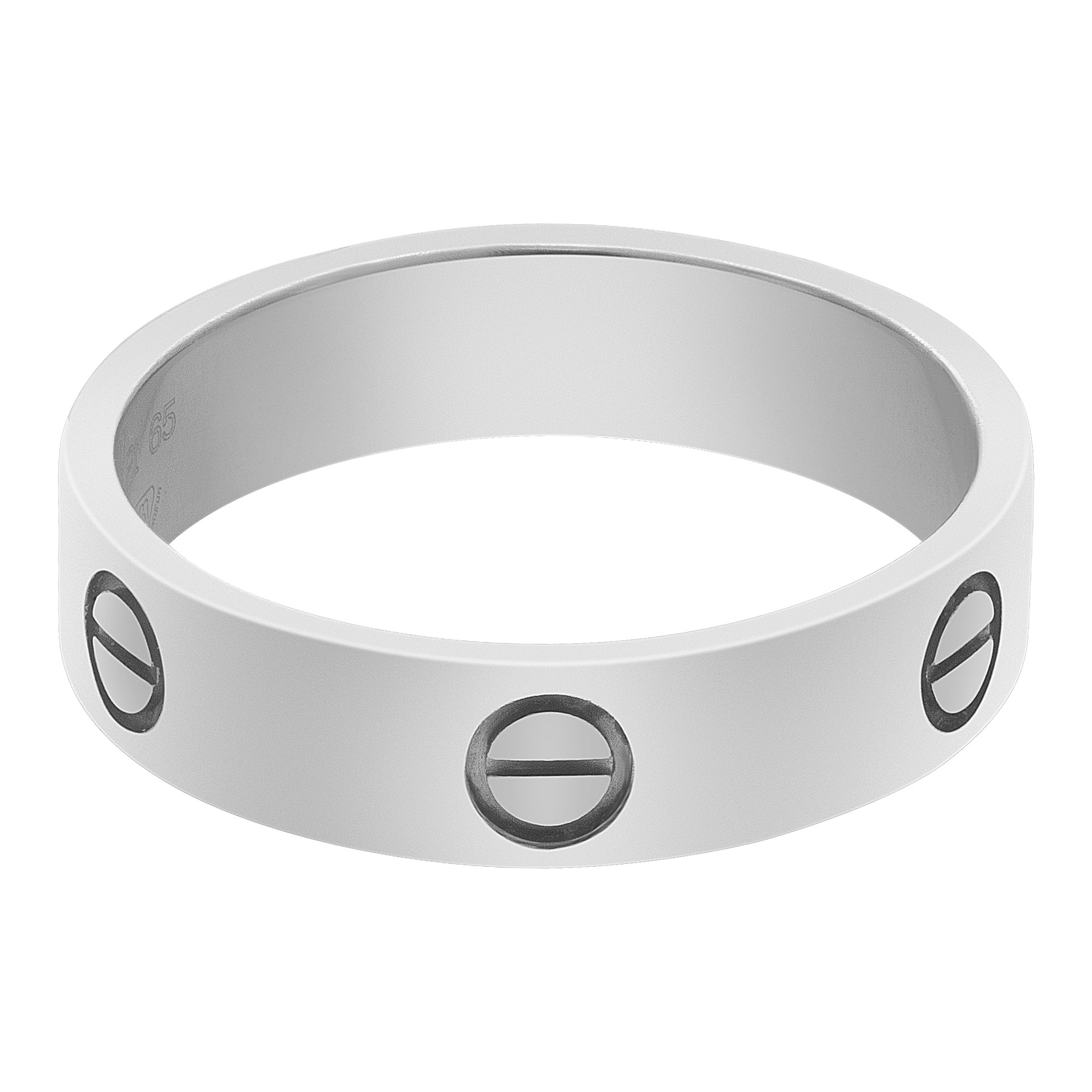
Certain collections have distinctive characteristics. The Cartier Love collection features the iconic screw motif, while Van Cleef & Arpels' Alhambra pieces showcase clover shapes in various sizes. If you're looking to sell Bulgari Serpenti collection items or sell Chopard Happy Diamonds collection pieces, these signature design elements should be clearly visible in your photographs.
Brand-specific packaging, certificates, and service records can support designer jewelry submissions. When working to sell Piaget jewelry or sell Roberto Coin jewelry, note any distinctive brand elements like Roberto Coin's signature hidden ruby or Piaget's ultra-thin construction techniques.
Understanding Platinum Purity and Composition
Platinum jewelry comes in different purity levels that affect both weight and value. PT950 indicates 95% pure platinum, with the remaining 5% typically consisting of ruthenium, iridium, or palladium to enhance workability. PT900 contains 90% platinum and is common in vintage pieces or certain international markets. When you photograph platinum jewelry for sale, clear hallmark images documenting purity help buyers calculate precious metal content.
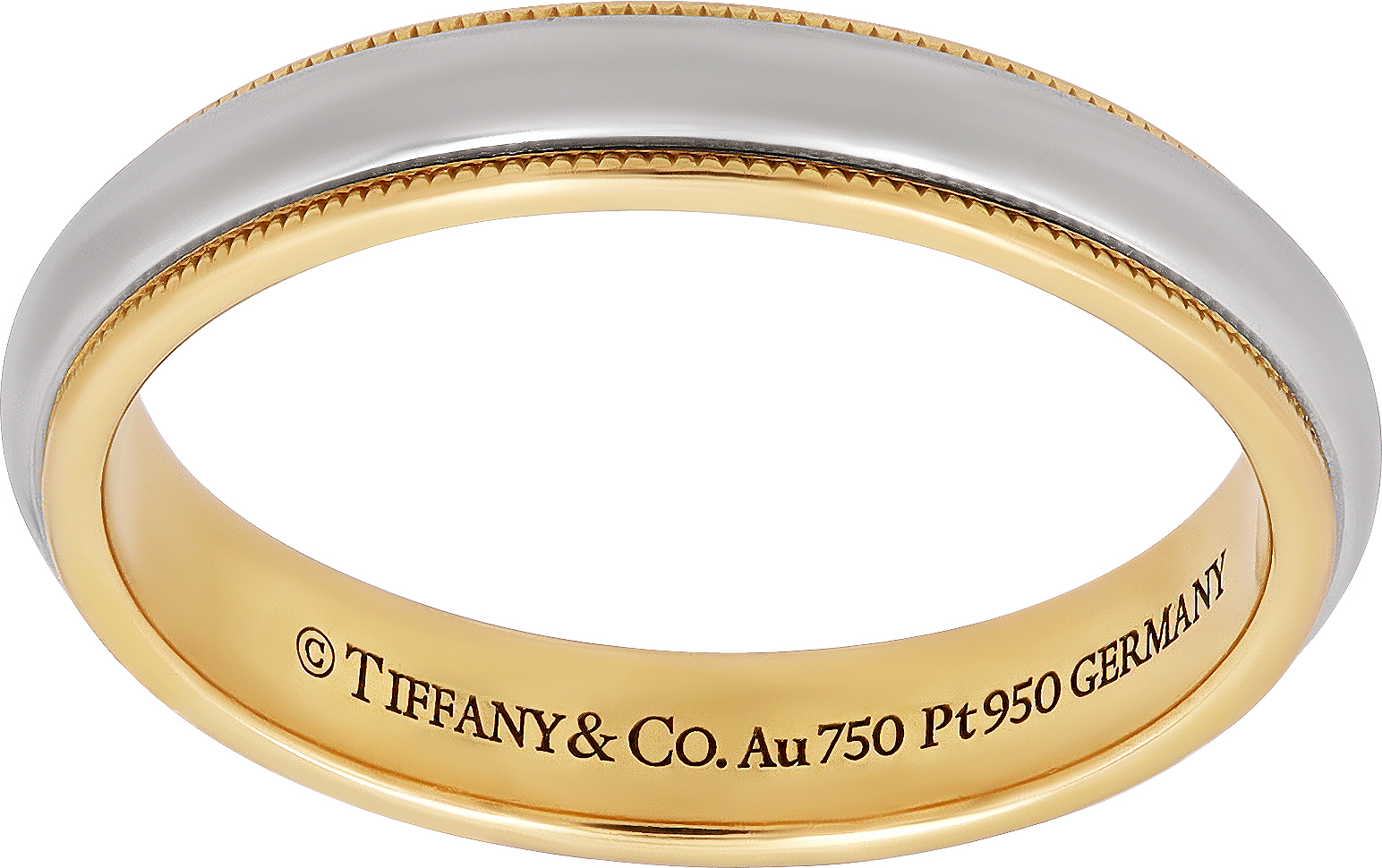
Some platinum jewelry incorporates other metals in the design. Tiffany & Co. Together bands, for example, combine platinum with 18k yellow gold in distinctive two-tone patterns. When photographing and describing these pieces, note the approximate proportion of each metal visible, though final metal determination requires testing. If you're preparing to sell Tiffany bracelets or sell Tiffany necklaces that feature mixed metals, document the design clearly so buyers understand the composition.
Platinum's weight provides one indication of characteristics—pieces typically feel noticeably heavier than similar-sized items in white gold or silver. While you likely don't have precision scales at home, mentioning the piece's substantial weight in your description helps buyers understand what to expect and may support assessment.
Photographing Vintage and Estate Platinum Pieces
Vintage platinum jewelry, particularly Art Deco pieces from the 1920s-1940s, requires special documentation attention. These items often feature intricate milgrain details, filigree work, and hand-engraved patterns that should be captured in close-up images. Estate platinum pieces may bear maker's marks or hallmarks from jewelry houses, making clear hallmark photography especially important for historical research and evaluation.
When photographing vintage platinum jewelry, document any signs of age-appropriate surface characteristics, period-specific construction techniques, or design elements characteristic of particular eras. Art Deco pieces often combine platinum with diamonds and colored gemstones in geometric patterns, while Victorian-era platinum pieces may feature delicate scrollwork and pearl accents. These stylistic details can help date pieces and establish provenance even without maker's marks.
For inherited pieces or estate jewelry, gather any family history or information about original purchase that you may have. While these details don't replace physical evaluation, they provide context that can be valuable during assessment. Our estate jewelry evaluation process considers both the physical characteristics of each piece and any available historical documentation.
Timing Your Submission and What to Expect
After submitting your platinum jewelry documentation, buyers will review your photographs and descriptions to understand the pieces you're offering. Response time varies by buyer and the complexity of your submission—straightforward items like plain platinum bands may receive quicker preliminary assessments than complex multi-stone pieces requiring detailed analysis.
Be prepared to answer follow-up questions about your jewelry. Buyers may request additional photographs of specific details, ask about wear patterns not visible in images, or inquire about documentation you mentioned but haven't yet photographed. Responsive communication helps move the evaluation process forward efficiently and demonstrates your commitment to transparent disclosure.
Understanding that preliminary quotes based on photographs differ from final offers after in-person inspection helps set realistic expectations. Variables like actual weight, confirmed metal purity, gemstone characteristics verified under magnification, and other factors assessed during in-person examination may affect final valuation. The goal of quality initial photography and descriptions is to provide buyers enough information to determine whether full evaluation is warranted.
Ready to Sell Your Platinum Jewelry?
Whether you own designer pieces from Tiffany & Co., Cartier, Bulgari, Van Cleef & Arpels, or Harry Winston, or you're looking to sell platinum engagement rings, wedding bands, bracelets, or necklaces from other makers, proper documentation significantly improves your experience with platinum jewelry buyers. Clear photography that captures metal characteristics, gemstone details, hallmarks, and condition combined with accurate written descriptions allows buyers to provide more informed preliminary assessments.
At Sell Us Your Jewelry, we evaluate platinum jewelry submissions from sellers throughout the United States. Our process begins with your documentation and proceeds through detailed evaluation of pieces that warrant further consideration. We assess metal purity, designer signatures, gemstone quality, craftsmanship, condition, and current market factors as we work to understand each item's characteristics.
Get started today with a free jewelry quote by submitting clear photographs and detailed descriptions of your platinum pieces. Whether you're selling a single item or an extensive collection, our straightforward evaluation process provides the foundation for informed decisions. For pieces featuring significant diamonds, consider also requesting a diamond evaluation to understand your gemstones' individual characteristics. Learn more about how our process works and explore the brands we buy to see if your pieces qualify for evaluation.
About Us | Sell Us Your Jewelry
Call Us Now: 305 770 6955
The Purchasing and Consignment Division of Gray & Sons


Be the first to know | SEE OUR CATALOG

