

July 20th, 2026
Lost Watch Papers: What Other Documents Can Support Authenticity?
When you discover a luxury timepiece without its original papers, the situation can feel overwhelming. Whether you've inherited a Rolex watch, received a Patek Philippe as a gift, or found vintage pieces in an estate, missing documentation doesn't mean you can't establish lost watch papers proof of authenticity. Understanding which alternative documents can support your item's legitimacy becomes essential when you're ready to work with a reputable watch buyer.
The reality is that many valuable timepieces and jewelry pieces have been separated from their original certificates over decades of ownership, transfers between family members, or simply through the passage of time. Fortunately, experienced evaluators understand this challenge and have developed methods to assess luxury items even when traditional paperwork is unavailable.

Why Original Papers Matter (But Aren't Always Essential)
Original certificates, warranty cards, and purchase receipts provide documentation that buyers and collectors value because they help trace an item's history. When you sell watch without papers, these documents would typically include manufacturer certificates, warranty cards with matching serial numbers, original purchase receipts, and service records from authorized dealers. While having complete documentation is ideal, its absence doesn't automatically disqualify your piece from evaluation.
Professional buyers assess each item individually, considering multiple factors beyond paperwork. The watch itself carries information through its serial number, movement construction, case characteristics, and other identifiable features. When you're ready to sell jewelry without receipt or similar documentation, expert evaluators can still examine the physical attributes that authenticate luxury items.
Alternative Documentation That Supports Authentication
Several types of records can help establish proof of ownership jewelry sale when original papers are missing. Insurance appraisals from certified gemologists or qualified appraisers often include detailed descriptions, photographs, and serial numbers that serve as valuable reference points. These professional assessments document the item's condition and characteristics at a specific point in time.
Credit card statements or bank records showing the original purchase from an authorized dealer provide transactional evidence that may support an evaluation. Email confirmations from luxury retailers, especially those that include product descriptions and serial numbers, create a digital paper trail. Service records from authorized repair centers demonstrate that the item has been maintained through official channels.
If you're looking to sell Cartier jewelry or sell Bvlgari jewelry, correspondence with the brand—including emails about repairs, sizing, or product inquiries—may contain references to your specific piece. Photographs showing you or family members wearing the item over time, particularly those with visible serial numbers or distinctive characteristics, help establish provenance. Estate planning documents or wills that specifically mention the luxury item by description can also be relevant.
The Role of Serial Numbers in Verification
Serial numbers engraved on watches and jewelry serve as one identification factor among several that evaluators consider. These numbers appear in various locations depending on the manufacturer and era—watches may have them between the lugs, on the case back, or elsewhere, while jewelry pieces may have them stamped inside bands or on clasps. However, a serial number is one authentication factor among several and should be considered one element in a comprehensive evaluation process.
When you sell my Rolex or other luxury timepiece, the serial number may sometimes be referenced during evaluation, though the process and acceptance of such information varies by buyer and circumstance. The verification process depends on multiple factors working together rather than any single piece of information.
For those looking to sell Patek Philippe watch or sell Audemars Piguet watch, understanding that serial numbers provide context as part of a broader assessment helps set realistic expectations. Professional evaluators examine the serial number alongside other physical characteristics, construction quality, movement details, and materials to form a complete assessment.
Insurance and Appraisal Documents as Supporting Evidence
Insurance policies and formal appraisals create valuable documentation trails that may support evaluations when reviewing jewelry provenance documents. A comprehensive insurance appraisal typically includes detailed descriptions of metal composition, gemstone characteristics, weight measurements, and identifying features. When prepared by certified professionals, these documents reflect expert examination at the time of evaluation.
Photographs attached to insurance documentation can be particularly helpful, especially if they clearly show serial numbers, hallmarks, or distinctive design elements. For those who need to sell diamond engagement ring pieces or other jewelry without original receipts, insurance records sometimes provide the most detailed description available.
Keep in mind that appraisals vary in their thoroughness and the qualifications of the appraiser who prepared them. Documents from recognized gemological laboratories like GIA for diamonds, or appraisals prepared by certified jewelry professionals, may support the evaluation process. If you're planning to sell GIA Certified Diamonds, having that laboratory report becomes especially valuable.
Purchase Records and Transaction Documentation
Financial records showing the original transaction can serve as supporting documents needed to sell jewelry when other paperwork is unavailable. Bank statements, credit card receipts, or cancelled checks that clearly show payment to an authorized dealer help establish the item's purchase history. Digital payment confirmations from luxury retailers often include order numbers, product descriptions, and transaction dates.
For those inheriting pieces or preparing to sell estate jewelry, probate records or estate inventories may list luxury items by description. These legal documents, while not providing authentication on their own, contribute to the provenance story. When combined with the physical item's characteristics, transaction records help paint a more complete picture.
Wire transfer confirmations, especially for high-value purchases from authorized boutiques, typically include detailed transaction information. If you're considering whether to sell Van Cleef & Arpels jewelry or sell Tiffany & Co. jewelry, gathering any available purchase documentation may support your evaluation.
Service History and Maintenance Records
Documentation of professional servicing through authorized service centers may support an evaluation by demonstrating that your timepiece or jewelry has been maintained through legitimate channels. Service receipts from brand-authorized technicians include serial numbers, descriptions of work performed, and dates of service. This paper trail demonstrates ongoing care and creates touchpoints in the item's history.
For luxury watches, service records can be valuable supporting documentation. When you sell Omega watch or other Swiss timepieces, documentation showing regular maintenance by qualified watchmakers may support the evaluation process. These records show that trained professionals have serviced the piece and provide maintenance history.
Jewelry repair receipts, sizing documentation, or cleaning records from authorized boutiques serve similar purposes. Whether you need to sell Cartier Love bracelets or sell Chopard jewelry, any interaction with official brand service channels creates documentation that may support your evaluation. However, the acceptance and weight of service records varies by buyer and verification process.

Working with Professional Buyers Without Complete Documentation
Reputable luxury jewelry and watch buyers understand that many valuable pieces no longer have their original paperwork. The evaluation process focuses on the item itself, examining construction quality, materials, craftsmanship, and identifiable characteristics. Professional evaluators use specialized tools, expertise, and experience to assess authenticity independent of paperwork.
When you're ready to sell your jewelry online or request an evaluation, being transparent about what documentation you have—and don't have—helps streamline the process. Gather any supporting materials you can locate: insurance records, photographs, receipts, or service documentation. Every piece of contextual information contributes to a complete picture, even if none individually proves authenticity.
The quote process typically involves submitting detailed photographs and descriptions along with whatever documentation you've assembled. Professional buyers evaluate based on all available information, understanding that provenance varies significantly between pieces. Whether you want to sell Breitling watch pieces or sell Harry Winston jewelry, honest disclosure about documentation creates trust and efficiency.
What Cannot Replace Professional Authentication
While various documents may support an evaluation, understand that no paperwork replaces hands-on professional examination. Receipts, emails, photos, and service records may provide helpful context, but the physical item must ultimately pass expert scrutiny. Requirements and evidentiary standards vary between buyers and evaluation processes.
For high-value pieces from brands like Vacheron Constantin, A. Lange & Söhne, or Richard Mille, professional buyers may employ additional verification methods. These can include movement examination by master watchmakers, materials testing, or other authentication approaches. The goal is comprehensive authentication that considers every available piece of evidence.
If you're looking to sell diamonds or other gemstones, laboratory certification from recognized institutions like GIA provides standardized grading that buyers trust. While not documenting ownership, these certificates describe the stone's characteristics in universally understood terms, facilitating evaluation even without purchase receipts.
Preparing Your Items for Evaluation
Before requesting a professional assessment, compile whatever documentation you can locate. Check safe deposit boxes, filing cabinets, and digital records for any reference to your luxury items. Insurance policies, estate documents, and old tax records sometimes contain information you've forgotten about.
Photograph your items clearly, capturing any serial numbers, hallmarks, signatures, or distinctive features. These images help evaluators begin their assessment and may reveal details you hadn't noticed. For watches, photos of the caseback, dial, clasp, and any engravings provide important information. Jewelry should be photographed from multiple angles, showing both overall design and fine details.
Whether you sell Chopard Happy Diamonds collection pieces or sell Tudor watch timepieces, organizing your documentation before reaching out creates a smoother process. Create a simple list noting what you have: "insurance appraisal from 2015," "credit card statement showing purchase," or "service receipt from 2020." This preparation demonstrates diligence and helps evaluators work efficiently.
Understanding Market Realities Without Full Documentation
Items with complete original documentation typically command attention in the market, but many valuable pieces trade hands without full paperwork. The relationship between documentation and value depends on the specific item, brand, rarity, condition, and current market factors. Some pieces are easier to authenticate through physical examination, while others rely more heavily on provenance.
When you explore whether to sell my watch near me or work with an online buyer, understand that evaluation outcomes depend on multiple variables. The buyer's expertise, authentication resources, risk tolerance, and inventory needs all factor into the process. No universal rule applies to every situation.
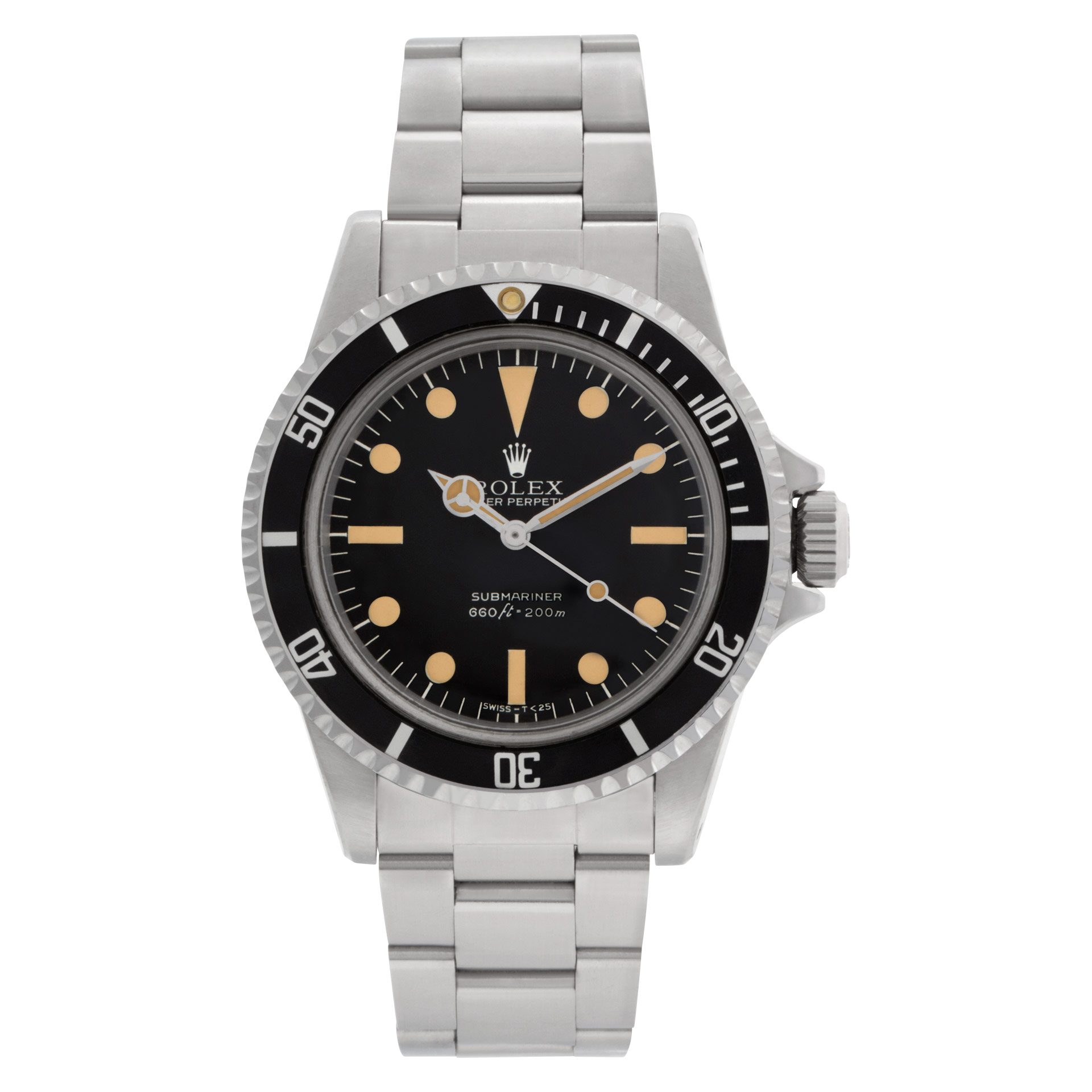
For common models with well-documented characteristics—such as certain Rolex Submariner references—physical authentication may be straightforward even without papers. For limited editions, rare vintage pieces, or items with complicated production histories, documentation gaps may require additional verification steps. Professional buyers assess each situation individually.
Building Trust Through Transparency
Honest communication about your item's history and documentation creates the foundation for successful transactions. If papers were lost during a move, say so. If you inherited the piece without documentation, explain that background. Buyers appreciate transparency and can often work with incomplete information when sellers are forthright.
Attempting to substitute other papers, exaggerate documentation you do have, or provide misleading information undermines trust and complicates the evaluation process. Whether you're looking to sell sterling silver items or high-end timepieces, accuracy in your description protects everyone involved.
If you're unsure about what documentation you have or its relevance, simply describe it honestly. "I have what appears to be an old receipt, but the date is faded" or "There's a serial number inside the band, but I don't have the original certificate" helps evaluators understand your situation clearly.
Moving Forward With Confidence
Missing original papers doesn't mean you can't pursue evaluation of your luxury items. Professional buyers have extensive experience working with pieces that have incomplete documentation, using their expertise and authentication tools to assess items on their own merits. The key is gathering whatever supporting documentation you can locate and being transparent about your item's history.
Start by requesting a professional watch quote or jewelry quote to understand your options. The evaluation process considers all available information—physical characteristics, any documentation you have, service history, and provenance—to form a complete assessment. Many valuable pieces successfully change hands despite missing their original papers.
Whether you're an estate executor managing inherited pieces, someone downsizing a collection, or simply ready to convert luxury items into cash, understanding how alternative documentation may support an evaluation helps you approach the process confidently. Learn more about how it works and explore the brands we buy to see if your items qualify for evaluation.
Ready to Get Your Items Evaluated?
We evaluate luxury watches, fine jewelry, GIA-certified diamonds, and sterling silver through a straightforward quote process. Our team understands that many valuable pieces no longer have their original documentation, and we're equipped to assess items using professional authentication methods alongside whatever supporting documents you can provide.
Whether you want to sell your watch, sell your jewelry, or sell your sterling silver, we invite you to share what you have. Our evaluation considers the complete picture: the item's physical characteristics, any documentation available, current market conditions, and our authentication capabilities.
Don't let missing papers prevent you from exploring your options. Request a quote today to discover what your luxury items may be worth, even without complete original documentation. Visit what are you looking to sell to begin the process, or learn more about our approach to evaluating luxury watches and jewelry without original paperwork.
About Us | Sell Us Your Jewelry
Call Us Now: 305 770 6955
The Purchasing and Consignment Division of Gray & Sons


Be the first to know | SEE OUR CATALOG

