

September 9th, 2026
What to Bring From Miami to a Surfside Watch or Jewelry Evaluation
When preparing for what to bring to Surfside jewelry evaluation from Miami, proper documentation and careful preparation can streamline the entire process. Whether you're considering selling a diamond ring, luxury timepiece, or estate jewelry collection, arriving with the right materials ensures your evaluation proceeds efficiently. Understanding what documentation may support your item's evaluation helps evaluators provide assessments while protecting your interests throughout the transaction.
The journey from Miami to Surfside varies depending on your starting location and traffic conditions, but thoughtful preparation makes a substantial difference in how smoothly your appointment unfolds. Many sellers overlook documents or fail to gather relevant supporting materials that could inform their evaluation. Taking time to organize your items and associated paperwork demonstrates professionalism and can facilitate a more comprehensive assessment of your luxury pieces.
Essential Documentation for Jewelry Evaluations
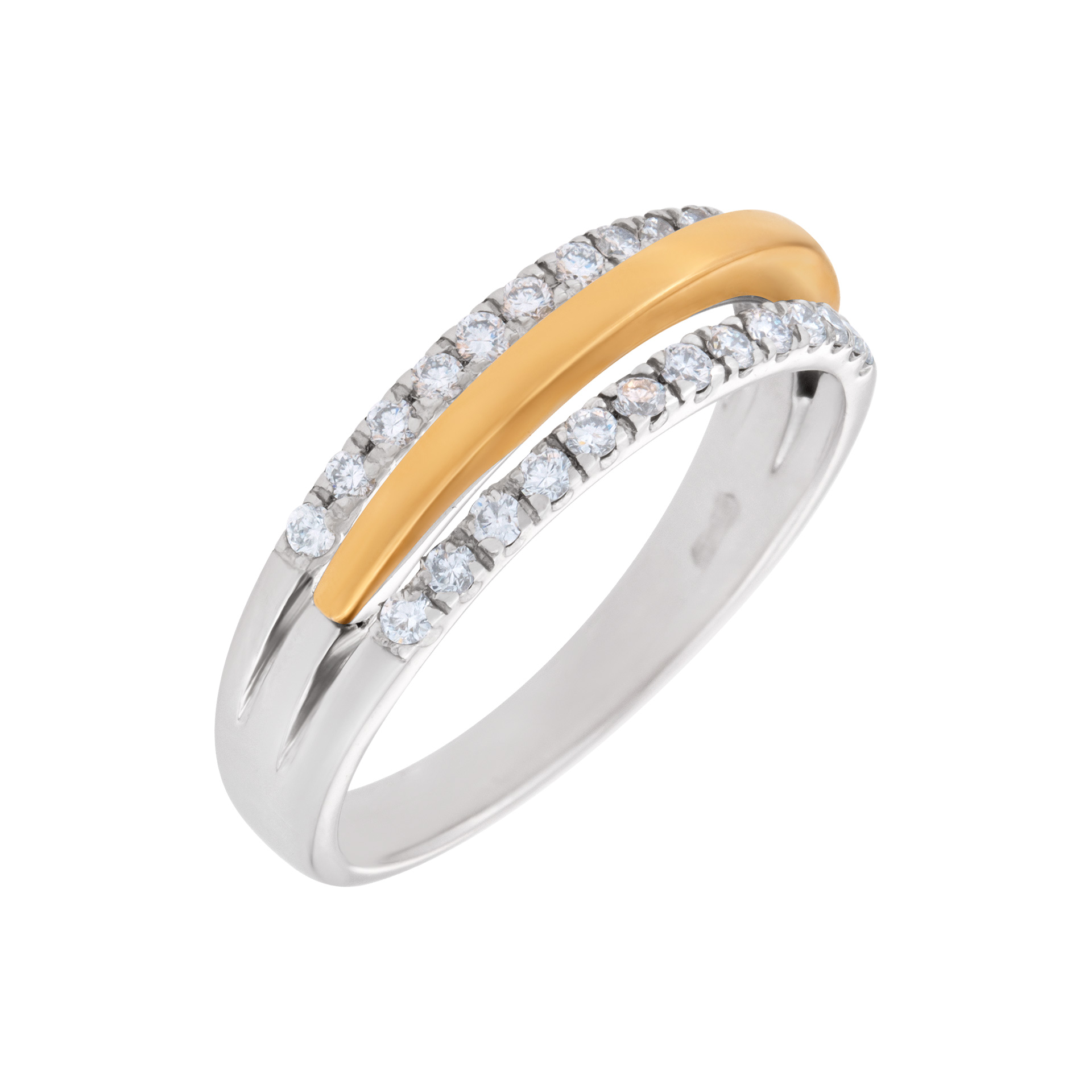
Original purchase receipts remain one of the most valuable documents you can provide during an evaluation. These receipts may support purchase history and often include detailed descriptions of materials, gemstone characteristics, and metal purity that evaluators reference during assessment. For pieces like an 18K pink and white gold ring with diamonds, original documentation specifying carat weight, color grade, and clarity can contextualize the evaluation process as supporting reference material.
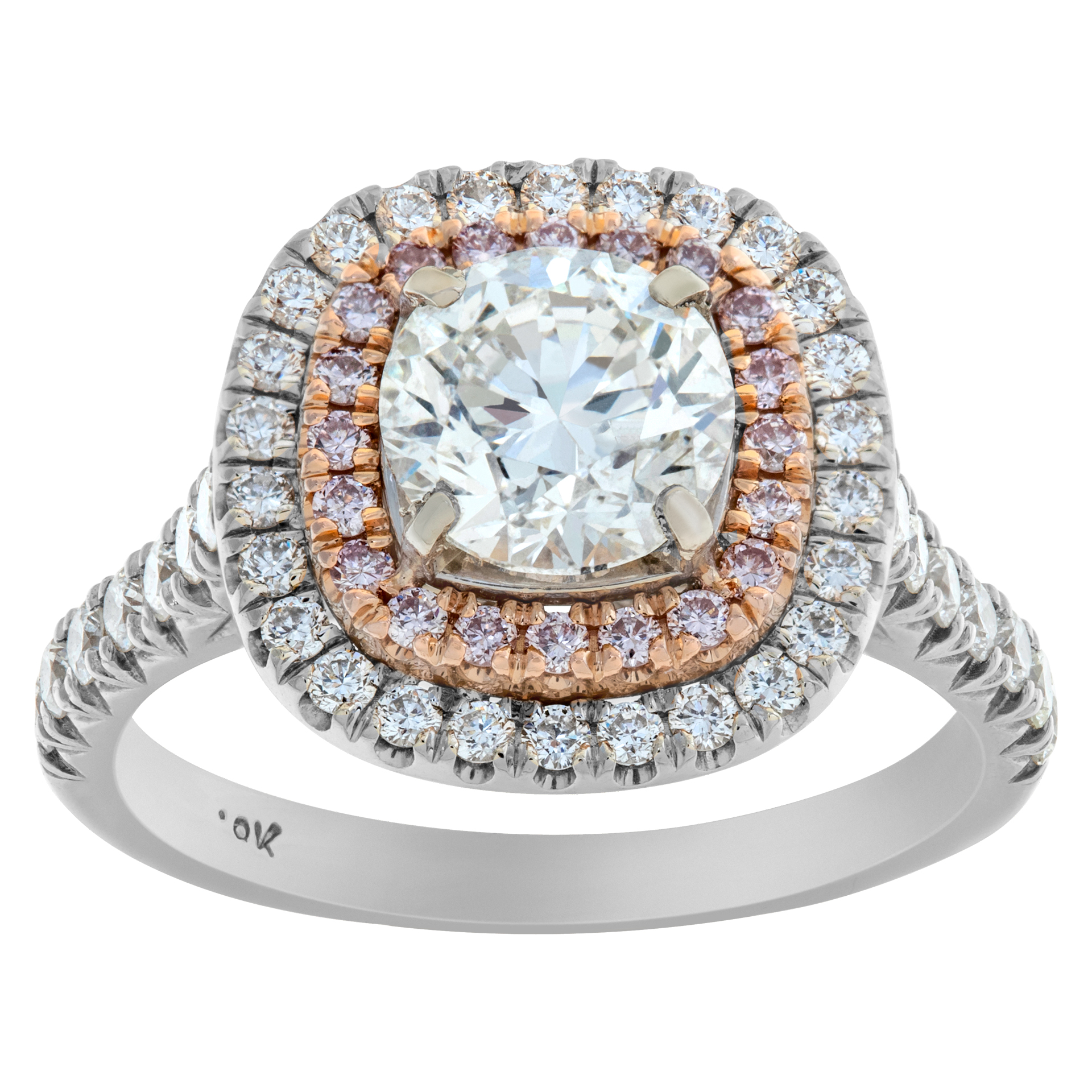
Appraisal certificates from recognized gemological laboratories add another layer of informational context. GIA, AGS, and other reputable institutions issue reports that may describe characteristics in standardized terminology. When you sell GIA Certified Diamonds, having these certificates readily available allows evaluators to cross-reference specifications. However, remember that certificates describe characteristics—they don't independently verify ownership or guarantee a specific valuation outcome.
Insurance documentation and previous appraisals offer historical context about your items. While these papers provide useful background information, they reflect values established at specific points in time under particular circumstances—often replacement value for insurance purposes rather than resale market value. Professional evaluators understand these distinctions and will assess your items based on current market conditions, condition, and demand rather than relying solely on historical appraisals.
What Watch Owners Should Prepare
Luxury timepieces require specific documentation that differs from jewelry pieces. Original boxes, warranty cards, and service records form useful components of watch documentation. For Swiss-made luxury brands like those featured in our guide on brands we buy, these materials may provide reference points that evaluators examine alongside the physical timepiece itself. A Rolex warranty card with matching serial numbers or an Omega service receipt documenting recent maintenance offers context that may inform the evaluation process.
Serial numbers stamped on watch cases and movements represent important reference points during authentication procedures. Before your appointment, locate these numbers—typically found on the case back, between the lugs, or on the movement itself—and note their positions. These numbers serve as one authentication factor among many that evaluators consider during the verification process.

Service history documentation demonstrates how a timepiece has been maintained throughout its life. Receipts from authorized service centers, correspondence with manufacturers, and records of replacement parts all contribute to understanding a watch's condition and care. If you're preparing to sell your watch, gathering these materials before your evaluation appointment allows the process to proceed more efficiently and provides evaluators with comprehensive background information.
Designer Jewelry Documentation
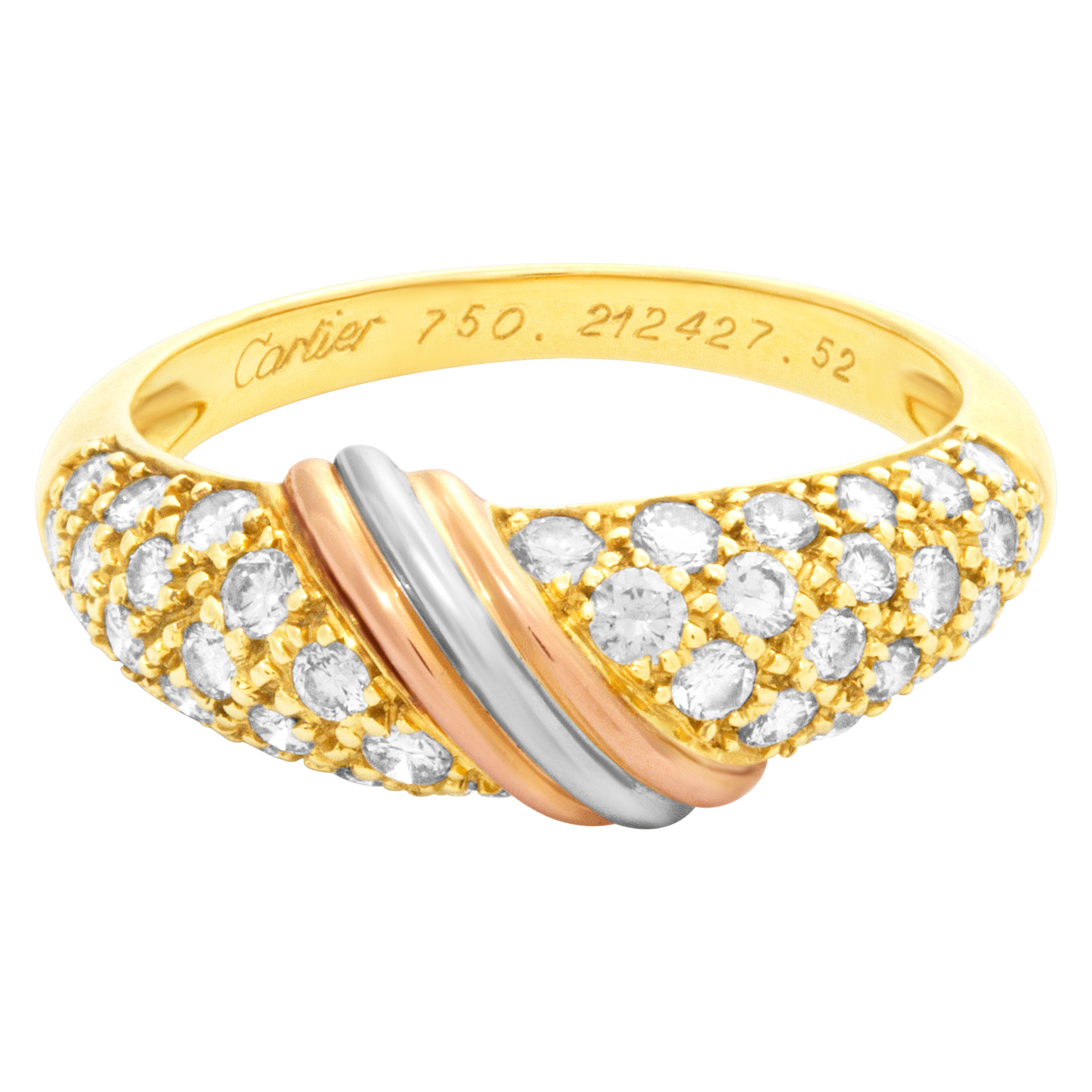
Luxury designer pieces often come with specific materials unique to their brands. When selling Cartier jewelry or pieces from other prestigious houses, original certificates, branded packaging, and cards may provide useful reference materials. These items don't independently verify authenticity—professional evaluators conduct their own examinations—but they offer context about the item's history and original purchase circumstances.
Cartier pieces, particularly items like those in the Panthère collection, may include detailed certificates specifying materials, dimensions, and production details. If you're looking to sell Cartier Love bracelets or Cartier Juste un Clou bracelets, these documents describe the specific model characteristics and can be referenced during evaluation. Similarly, for those seeking to sell Van Cleef & Arpels jewelry, original certificates from the Alhambra collection or other lines provide standardized descriptions that evaluators may consult.
Tiffany & Co. pieces arrive with distinctive blue boxes and documentation that many owners preserve. Whether you want to sell Tiffany & Co. rings, sell Tiffany bracelets, or other pieces from the Return to Tiffany collection, having these materials organized facilitates a smoother evaluation experience. Other designer brands like Bvlgari, Chopard, and Harry Winston similarly provide documentation that serves as useful reference material during the assessment process.
Sterling Silver and Flatware Considerations
Sterling silver items require different preparation than jewelry pieces. When planning to sell sterling silver flatware, knowing your pattern name and manufacturer helps evaluators identify your set. Many sterling patterns include hallmarks stamped on each piece indicating maker, purity, and sometimes date of manufacture. Photographing these marks before your appointment can expedite identification, particularly for extensive sets.
Complete place settings and original pattern information may be valuable when evaluating sterling silverware. If you have original purchase documentation, manufacturer catalogs, or pattern guides, bringing these materials provides clarity about what constitutes a complete set in your particular pattern. However, evaluators assess sterling primarily by weight, purity, and current precious metal markets rather than pattern rarity alone, so condition and completeness of your set remain the primary factors.

Sterling silver tea sets, trays, and candlesticks should be brought clean when possible, though excessive polishing isn't necessary. Evaluators examine hallmarks and construction methods regardless of surface tarnish. If you're working with a sterling silver buyer to evaluate larger pieces like coffee services or presentation pieces, any documentation about maker, age, or provenance provides helpful context, though the precious metal content typically drives the primary valuation factors.
Items for Remote Evaluation and Shipping
Not every seller can visit Surfside in person, making remote evaluation an important alternative. When you sell jewelry online from Miami or surrounding areas, comprehensive photography becomes your most valuable tool. High-resolution images showing multiple angles, hallmarks, gemstone settings, and any condition issues help evaluators assess your items. Clear, well-lit photographs often reveal details that written descriptions alone cannot convey.
For those considering insured jewelry shipping Miami options, documentation becomes even more critical. Before shipping any items, create detailed photographic records of every piece, capturing serial numbers, hallmarks, gemstone characteristics, and overall condition. This photographic inventory serves multiple purposes: it provides evaluators with assessment materials, creates a record for insurance purposes, and documents condition before items leave your possession. When working with a remote jewelry buyer Miami service, this preparation protects both parties throughout the transaction.
Shipping valuable items requires careful consideration of packaging, insurance, and carrier selection. Our comprehensive guide on how to ship a luxury watch from Aventura provides detailed instructions that apply equally to jewelry pieces. Whether you're sending a single engagement ring or an entire estate jewelry collection, proper packaging protects your items during transit, and insurance coverage is subject to the carrier's or insurer's specific policy terms, coverage limits, exclusions, and claims requirements.
Specialized Collection Materials
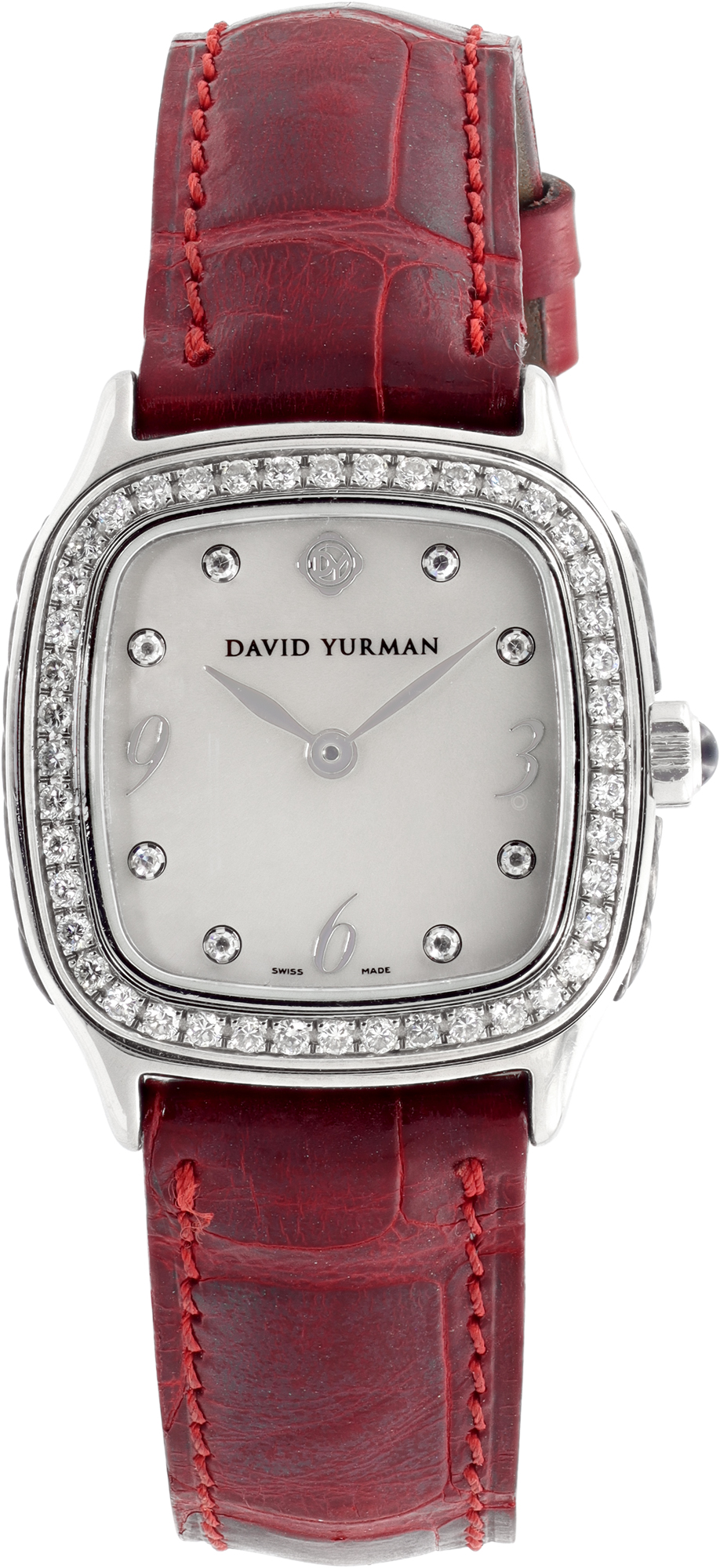
Collectors often maintain detailed records about their acquisitions that may be valuable during evaluation. When you sell David Yurman jewelry or pieces from other designer collections, any receipts documenting when and where you purchased items may help support purchase history. For collections like the David Yurman Cable collection or Albion ring designs, knowing the original purchase date can provide context about which iteration of a design you own, as manufacturers sometimes release updated versions of popular styles.
Inherited jewelry presents unique documentation challenges. Executors managing estate sales should review our executor's guide to selling probate estate jewelry for specific guidance about documentation considerations. Estate items may include pieces spanning decades, from vintage Roberto Coin jewelry to contemporary Chopard Happy Diamonds designs, each potentially requiring different verification approaches based on age, maker, and materials.
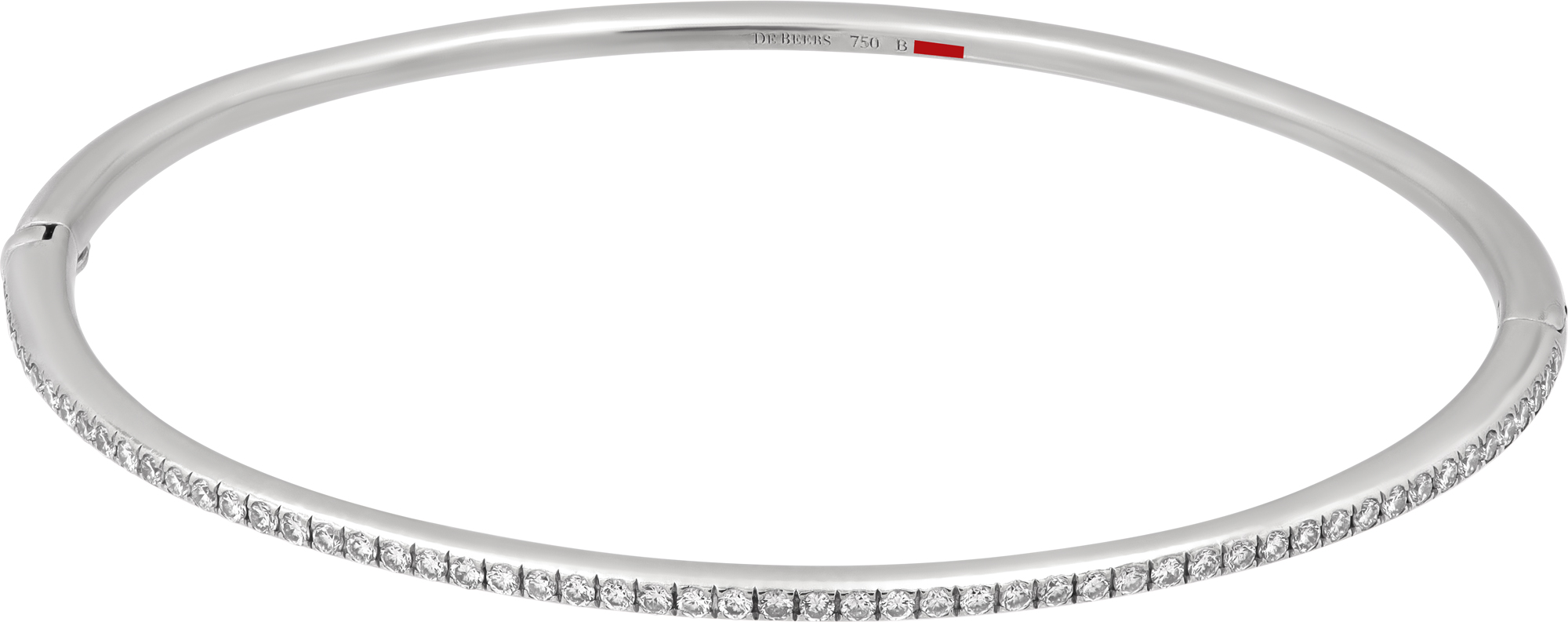
Multiple-piece collections benefit from organized presentation. If you're planning to sell Bvlgari Serpenti collection items or sell Chopard Ice Cube collection pieces alongside other jewelry, creating an inventory list with descriptions helps ensure nothing gets overlooked during evaluation. For complex estates or large collections, our article about selling an inherited jewelry collection provides comprehensive checklists that streamline the preparation process.
Authentication Considerations
Professional evaluators conduct their own authentication procedures regardless of what documentation you provide. When examining pieces to sell Bvlgari jewelry or sell Chanel jewelry, trained specialists look for specific construction methods, material characteristics, and design details. Your documentation serves as supporting reference material, as evaluators rely on their expertise and specialized testing equipment during verification.
Gemological testing equipment allows evaluators to examine diamonds and colored stones. While GIA reports may provide detailed information about characteristics, evaluators verify condition independently. This hands-on examination process remains essential whether you're working with a Miami diamond buyer to sell loose stones or evaluating mounted pieces like engagement rings and tennis bracelets.
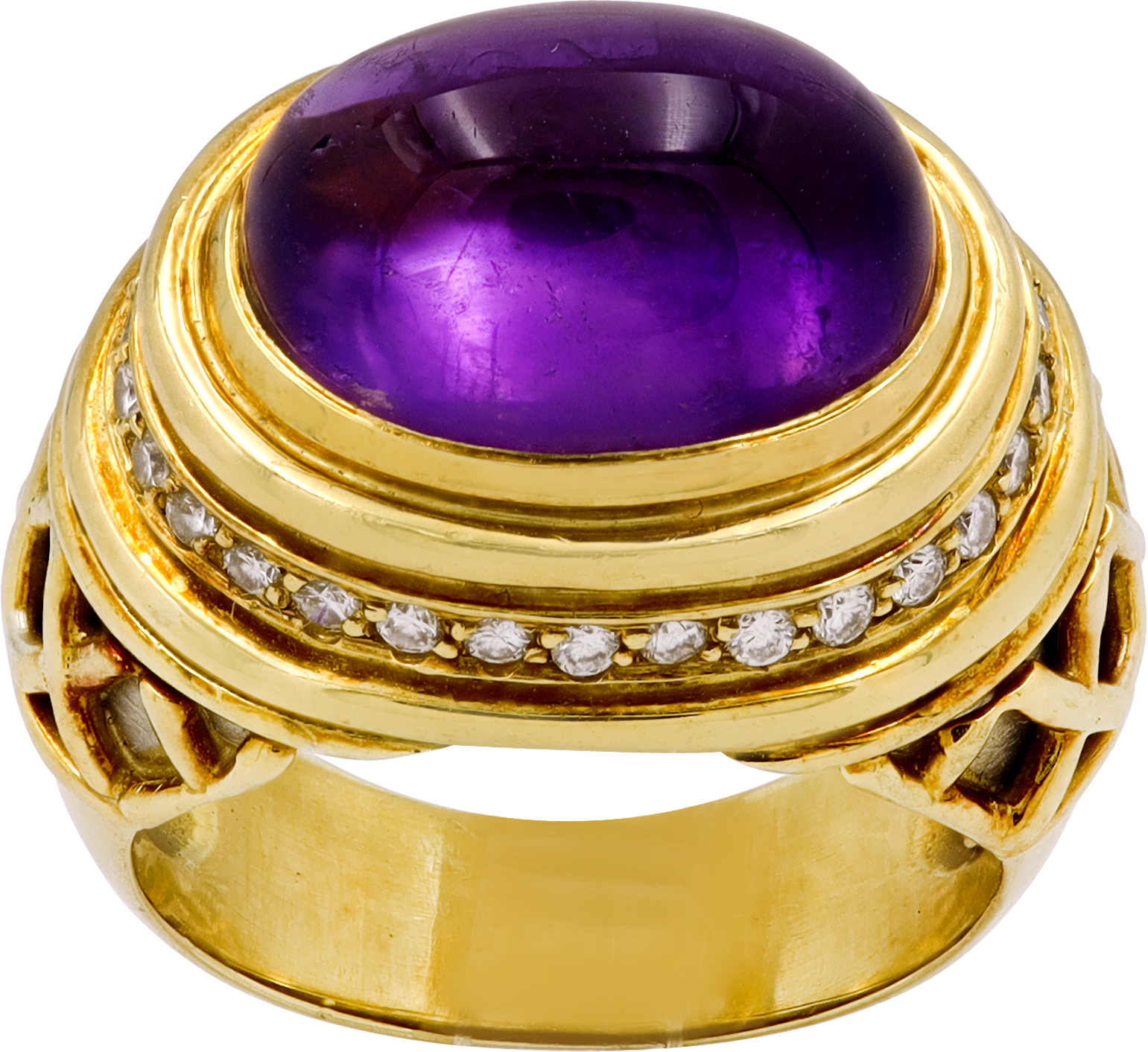
Watch authentication involves examining movements, case construction, dial characteristics, and component compatibility. Whether evaluating a Rolex Submariner or an Audemars Piguet Royal Oak, specialists look for details that casual observers might miss. Having service records or warranty documentation provides useful context, but the physical examination remains the foundation of professional authentication. Understanding this helps set realistic expectations about what documentation can and cannot accomplish during the evaluation process.
Preparing for Your Surfside Appointment
Once you've gathered relevant documentation, organizing everything systematically makes your appointment more productive. Create a folder or envelope for each major item, containing all related paperwork, photographs, and supporting materials. This organization allows you to quickly reference specific documents when evaluators ask questions about particular pieces. Whether you're visiting a Surfside jewelry buyer to evaluate a single item or an entire collection, systematic preparation demonstrates professionalism and facilitates efficient assessment.
Consider the physical presentation of your items as well. Clean jewelry pieces present better during evaluation, though extensive restoration or repair isn't necessary before assessment. Simple cleaning with appropriate methods—soft cloth for gold, gentle solutions for diamonds—removes surface dirt that might obscure details without risking damage to pieces. For watches, ensure they're wound if mechanical or check battery status if quartz, as working condition affects evaluation outcomes.
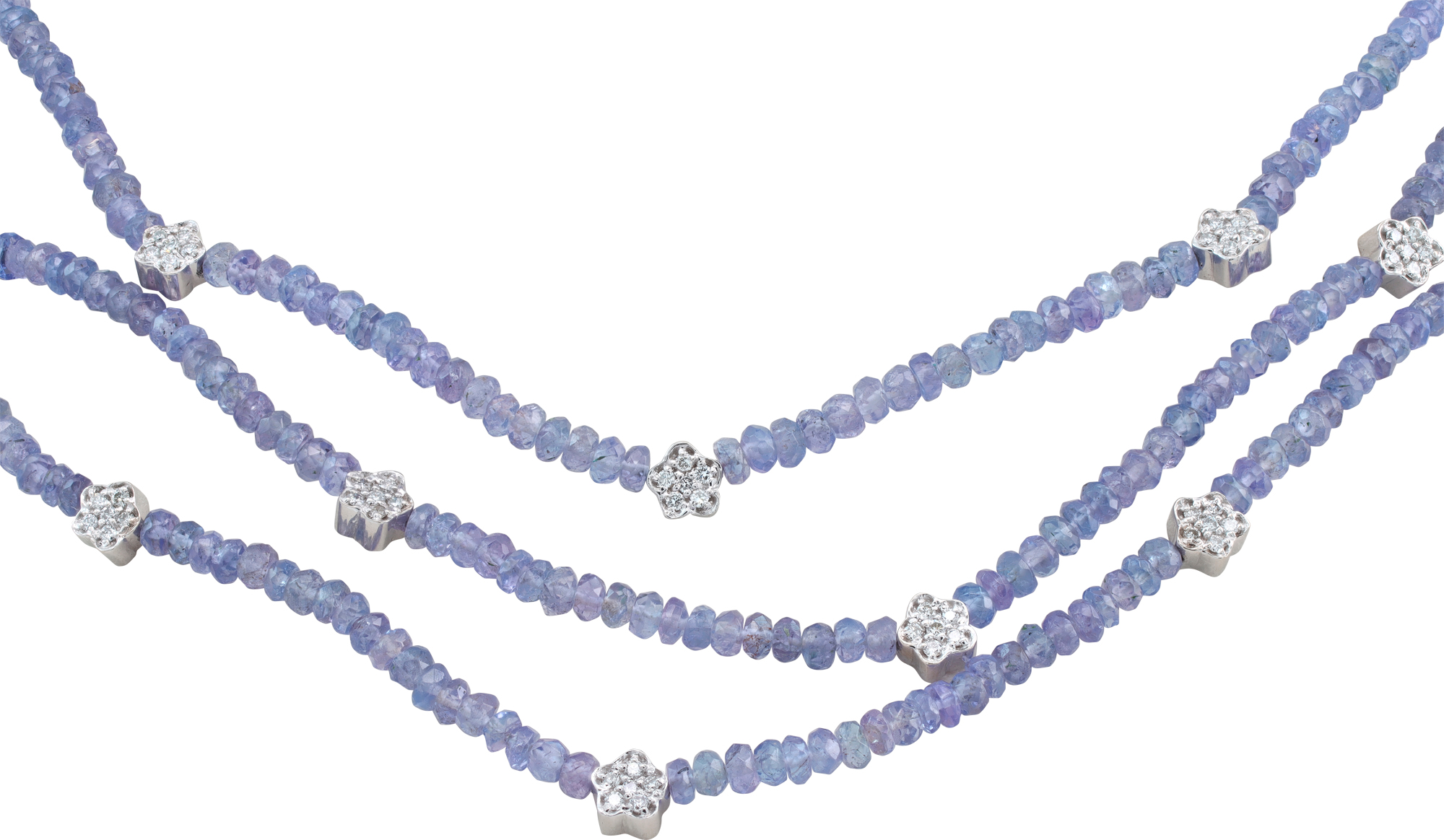
Questions about valuation factors, timing, and payment methods often arise during evaluations. Reviewing information about how it works before your appointment helps you understand what to expect during the process. Familiarizing yourself with current market considerations and evaluation procedures allows you to ask informed questions and better understand the factors that influence offers for your particular items.
Making Informed Decisions
The evaluation process provides information that helps you make informed decisions about selling your items. Whether you receive an offer or decide to explore other options, the assessment gives you current market perspective about your pieces. Understanding what documentation may support your items' evaluation positions you to make choices aligned with your specific circumstances and goals, whether that means accepting an offer, seeking additional evaluations, or holding items for a different time.
Different selling methods suit different circumstances. While in-person evaluation at a luxury jewelry buyer location works well for some sellers, others prefer remote processes. Comparing your options—including the considerations outlined in our guide about selling a luxury watch in Miami: shipping versus appointment—helps you choose the approach that best fits your situation. Factors like item value, your location, time constraints, and personal preferences all influence which method works best for your particular needs.
Market conditions, item condition, documentation completeness, and buyer requirements all influence evaluation outcomes. No single factor determines value independently—evaluators consider multiple elements when assessing items. Bringing comprehensive documentation provides context for this assessment without guaranteeing any particular outcome. Understanding this helps set realistic expectations while ensuring you've prepared as thoroughly as possible for your evaluation appointment.
Starting Your Evaluation Process
Whether you're bringing items to Surfside personally or considering remote options, proper preparation forms the foundation of a successful evaluation experience. From gathering original receipts and certificates to photographing items comprehensively, the time you invest beforehand facilitates smoother transactions and more informed decision-making. If you're ready to explore what your luxury items might be worth, begin by requesting a jewelry quote or watch evaluation to start the process.
The team at Sell Us Your Jewelry provides professional evaluations for luxury timepieces, designer jewelry, diamond pieces, and sterling silver items. Whether you're in Miami, Surfside, or elsewhere in South Florida, gathering the documentation outlined above positions you for an efficient, informed evaluation experience. Understanding what materials may support your items' assessment—and what evaluators look for beyond documentation—helps you approach the process with realistic expectations and thorough preparation.
Ready to take the next step? Visit our comprehensive guide to selling luxury items to learn more about the evaluation process, or explore our information about what we buy to see if your pieces align with our specialization. Proper preparation today leads to more informed decisions tomorrow, whether you're selling a cherished heirloom, downsizing a collection, or simply exploring the current value of your luxury pieces.
About Us | Sell Us Your Jewelry
Call Us Now: 305 770 6955
The Purchasing and Consignment Division of Gray & Sons


Be the first to know | SEE OUR CATALOG

