

October 14th, 2026
Sell Platinum Jewelry Together or Separately? How Buyers Compare Net Proceeds
When you're ready to sell platinum jewelry, one of the most strategic questions to consider is whether to offer your pieces as a collection or to pursue individual transactions. Understanding how professional platinum jewelry buyers evaluate collections versus separate items can influence your approach and help you make informed decisions about your net proceeds. The choice between selling platinum jewelry together or separately depends on multiple factors, including the specific pieces you own, their condition, brand recognition, and current market dynamics.

The decision-making process requires careful consideration of both the advantages and potential limitations of each approach. Professional buyers evaluate platinum pieces based on several criteria, including precious metal content, craftsmanship, designer provenance, and market demand. Whether you're downsizing a collection, liquidating estate jewelry, or simply converting luxury assets into cash, understanding the evaluation process helps you approach the transaction with realistic expectations and appropriate documentation.
Understanding How Platinum Jewelry Buyers Evaluate Your Pieces
Professional platinum jewelry buyers assess pieces through multiple lenses simultaneously. The intrinsic value of the platinum content forms the baseline evaluation, but additional factors can substantially increase the offer for designer pieces or those featuring quality gemstones. When evaluating whether to sell platinum jewelry as a group or individually, understanding these assessment criteria becomes essential for making strategic decisions about your collection.
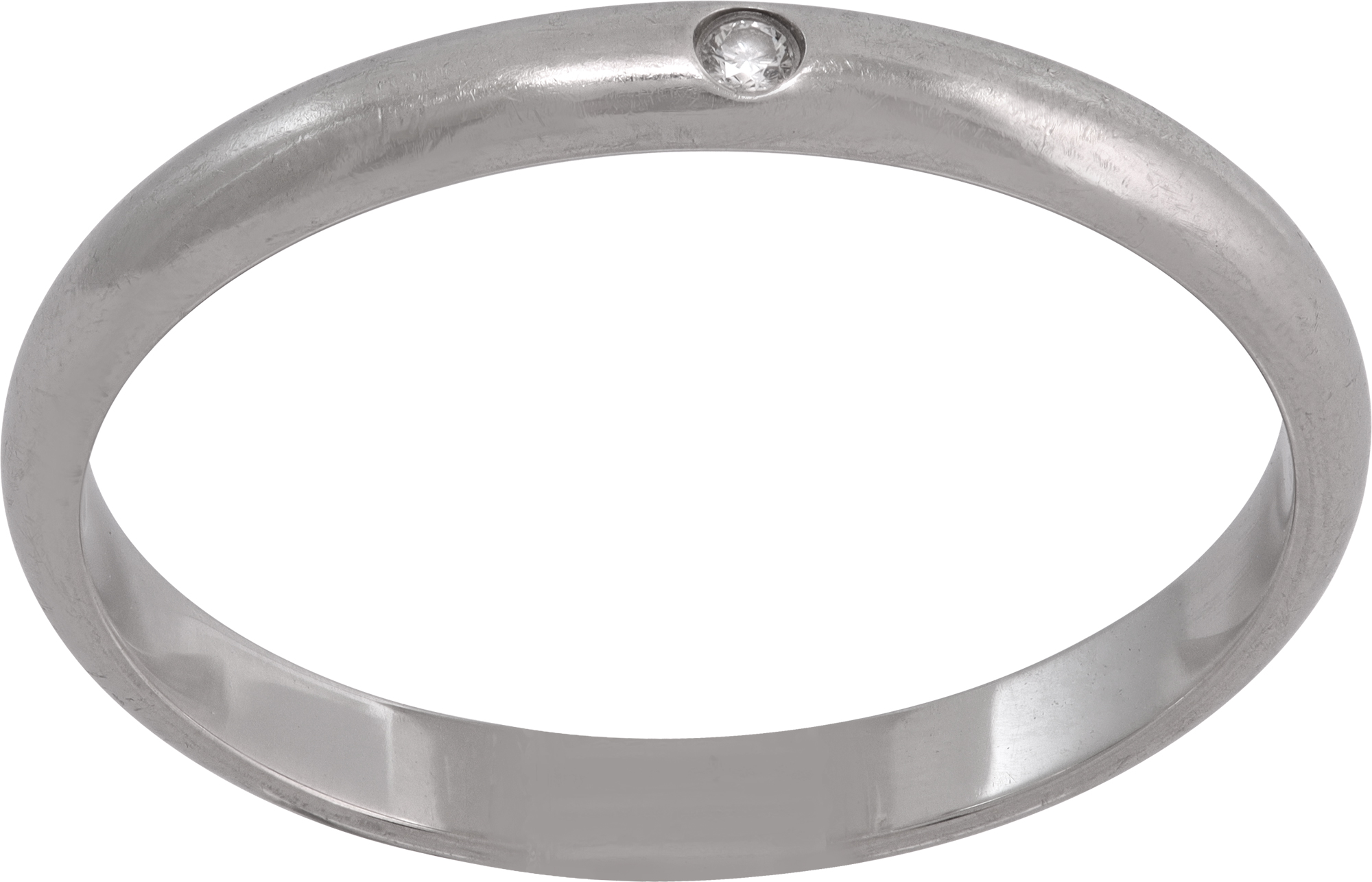
Buyers consider the purity of the platinum (typically marked as 950 or PT950 for jewelry-grade platinum), the total weight of the precious metal, and the current platinum spot price. Beyond the material value, they evaluate craftsmanship quality, brand recognition, and the presence of gemstones that may require separate certification. For instance, a Tiffany & Co. platinum band carries brand value beyond its metal content, while a custom artisan piece might be assessed primarily on its platinum weight and craftsmanship.
The condition of each piece impacts valuation. Scratches, dents, sizing alterations, and repairs all factor into the assessment. When considering a platinum jewelry collection offer, buyers may apply different condition standards depending on whether they're evaluating a cohesive set or disparate individual pieces. Documentation such as original receipts, certificates, and appraisals can support your claimed provenance and condition, though buyers will conduct their own independent verification.
The Case for Selling Platinum Jewelry as a Collection
Offering multiple pieces together can present certain practical advantages, particularly when the jewelry forms a coherent set or shares common characteristics. A matching suite of platinum jewelry—such as coordinating necklace, bracelet, and earrings—may appeal to buyers seeking complete collections for their inventory or client base. The efficiency of a single transaction can also streamline the selling process, reducing the time investment required for multiple separate evaluations and negotiations.
When you sell Cartier jewelry or other recognized luxury brands together, buyers may consider the collection's overall appeal and marketability. A unified aesthetic or theme across pieces can enhance their collective presentation value. However, this potential benefit depends heavily on the specific pieces involved, their individual desirability, and current market demand for those particular styles or designers.
Collection offers may also reduce transaction-related costs when working with buyers who charge evaluation fees, shipping costs, or other service charges per transaction. Consolidating these expenses into a single evaluation can potentially improve your net proceeds compared to bearing multiple sets of transaction costs. Yet this advantage varies based on the buyer's fee structure and the specific pieces you're selling.
For individuals managing estate liquidation or downsizing significant collections, selling together can simplify logistical considerations. If you need to sell estate jewelry Orlando or are coordinating an inherited jewelry transaction, the administrative convenience of a single comprehensive transaction may outweigh potential differences in individual piece valuations.
The Case for Selling Platinum Jewelry Separately
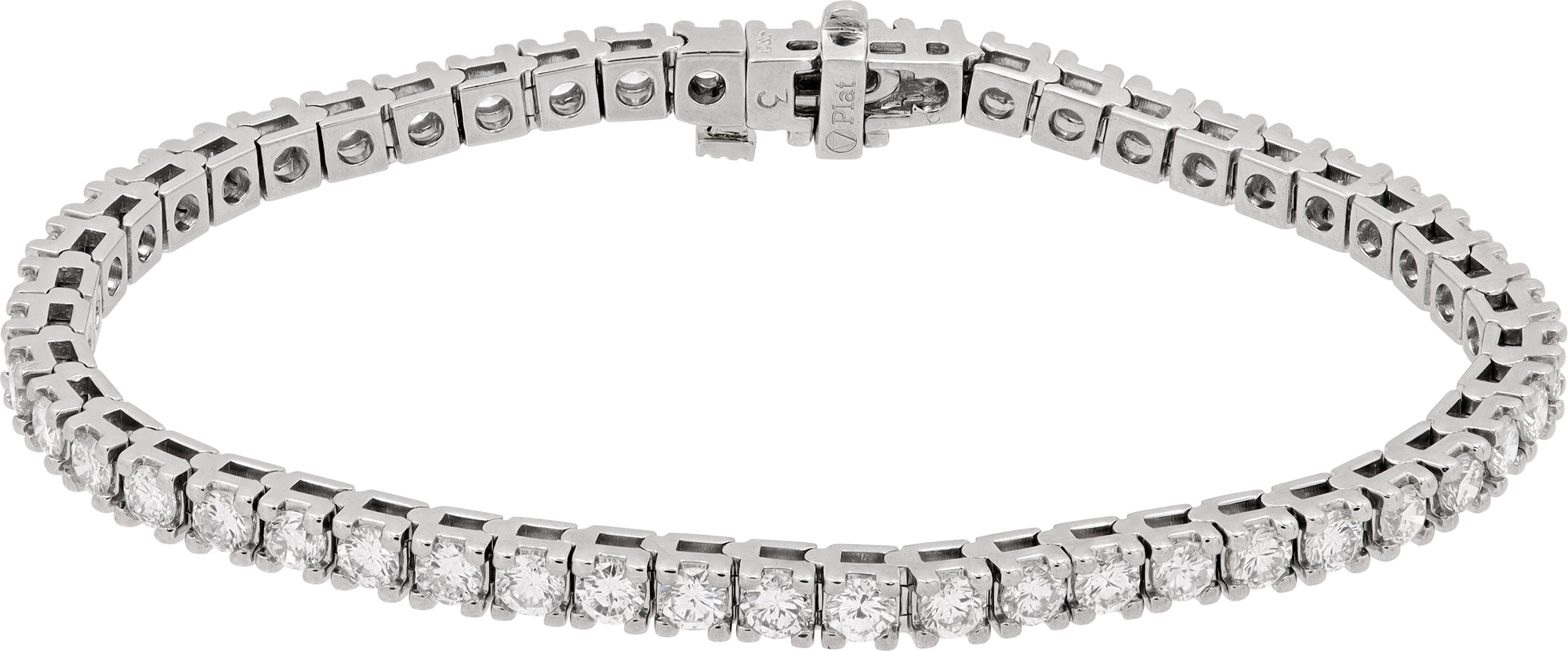
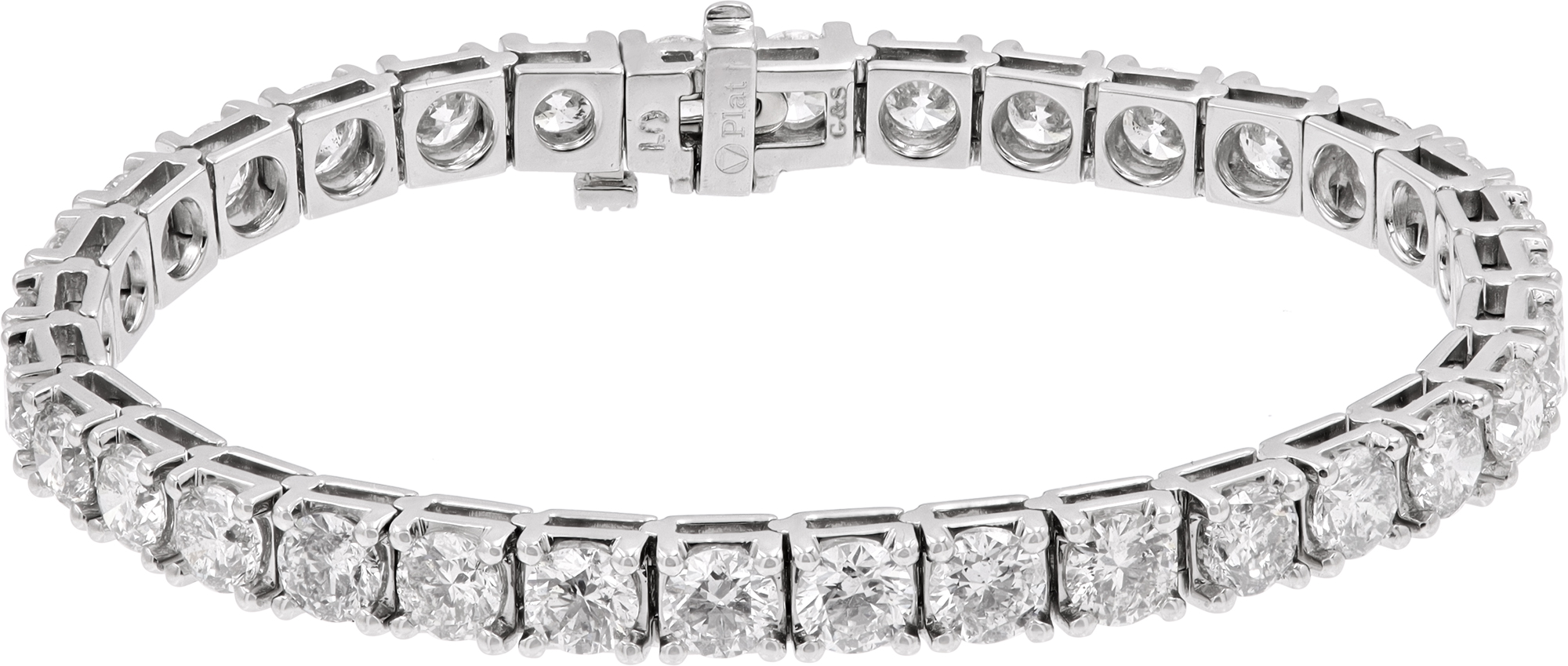
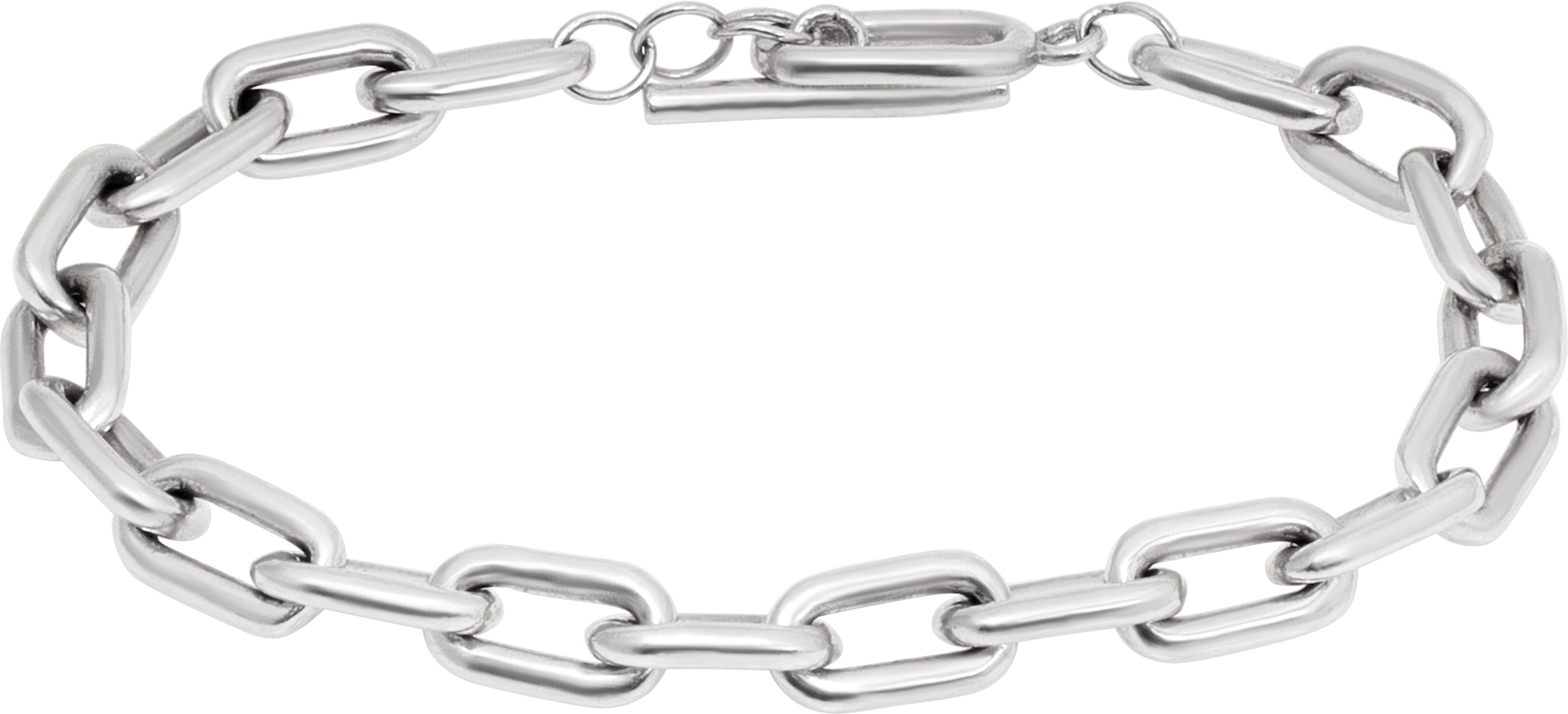
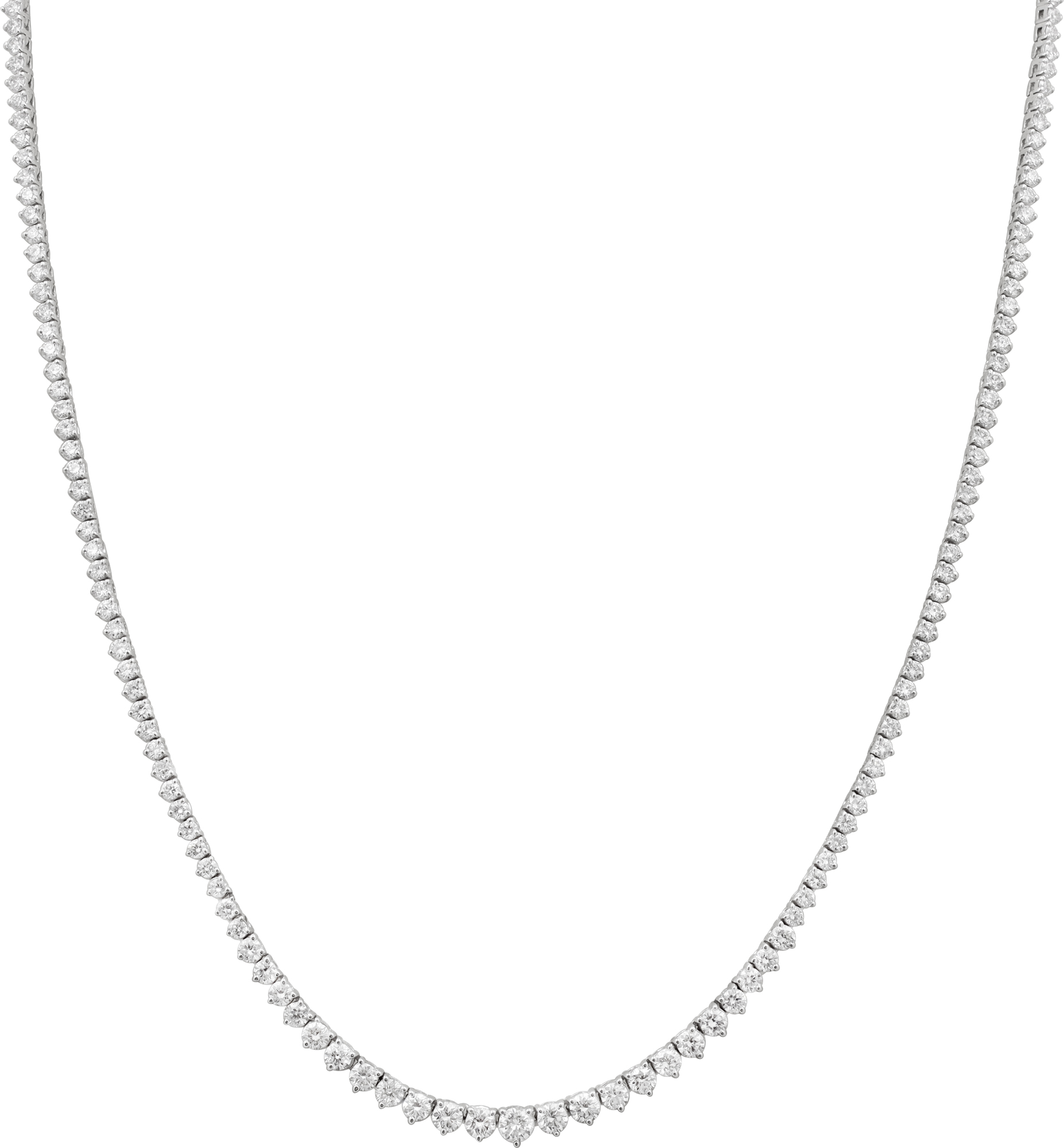
Selling pieces individually allows you to target specialized buyers who focus on specific categories, designers, or price points. A platinum and diamond tennis bracelet might command its highest offer from a buyer specializing in fine diamond jewelry, while plain platinum wedding bands might find optimal pricing with a buyer focused on precious metal content. This targeted approach can potentially maximize platinum jewelry net proceeds by matching each piece with the most interested buyer category.
Individual sales provide greater flexibility in timing. You might choose to sell pieces incrementally based on personal cash flow needs, market conditions for specific item categories, or as you gather appropriate documentation for each piece. When you're uncertain about platinum jewelry resale value across your collection, selling separately allows you to test market response with select pieces before committing to larger transactions.
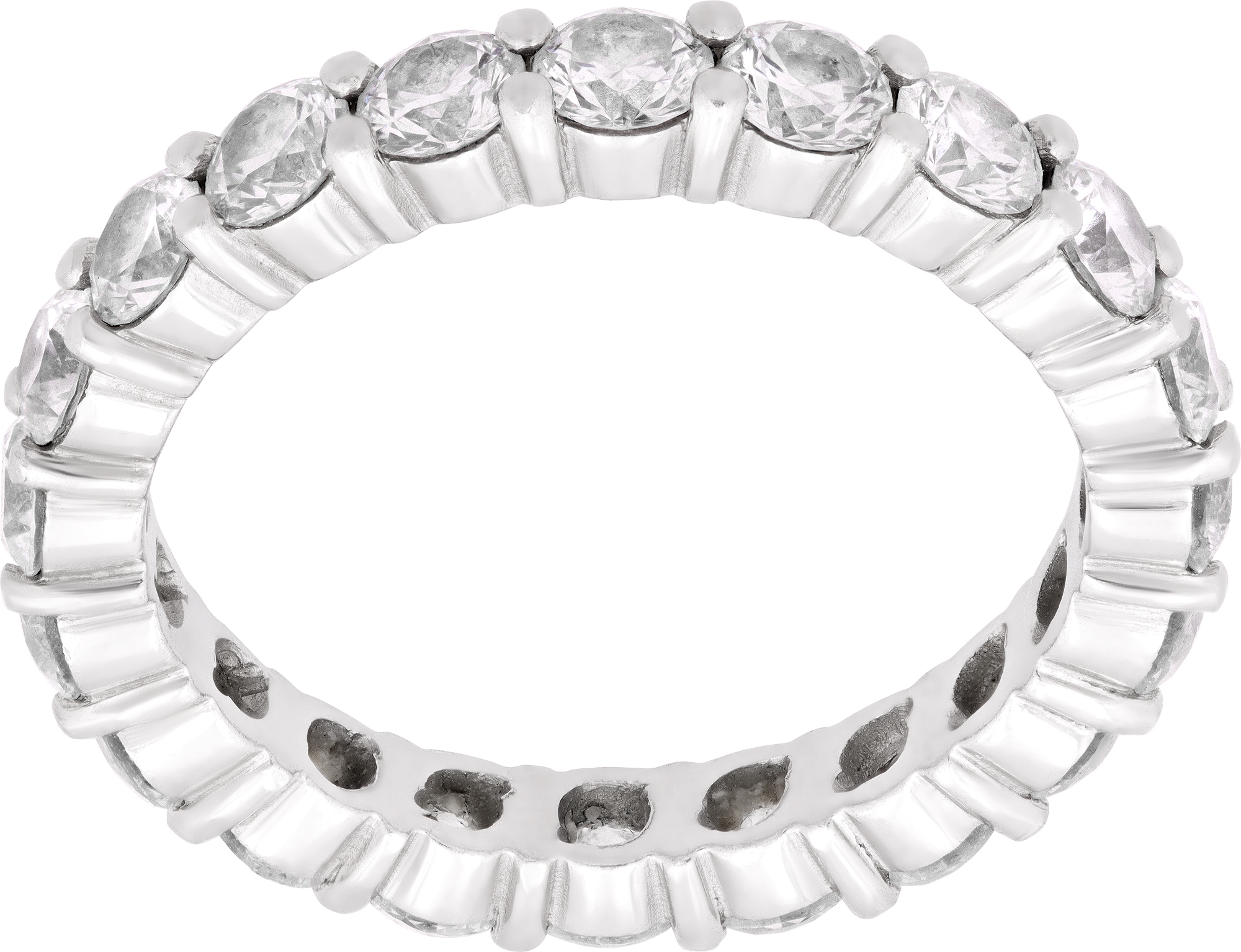
Different pieces often have vastly different value drivers. If you're looking to sell Tiffany & Co. jewelry alongside unbranded platinum chains, these items will likely appeal to different buyer segments with varying valuation methodologies. A Tiffany & Co. platinum wedding band carries designer recognition and retail heritage, while a generic platinum chain may be assessed primarily on its metal weight and craftsmanship quality. Separating these distinct categories can ensure each piece receives appropriate consideration from buyers equipped to evaluate its specific characteristics.
Individual transactions also allow you to research and compare multiple buyers for each piece type. You might discover that one buyer offers competitive rates for designer platinum jewelry while another specializes in platinum pieces valued primarily for their precious metal content. This comparison shopping can be particularly valuable when selling diverse pieces with different value propositions.
Practical Considerations: Documentation and Authentication
Regardless of whether you choose to sell together or separately, proper documentation supports the evaluation process. Original purchase receipts, designer certificates, gemstone certifications, and appraisals provide context that buyers may consider when assessing your pieces. However, these documents serve as supporting information for attribution and purchase history rather than definitive proof, and professional buyers will conduct their own independent verification.
For platinum pieces with significant diamonds, having gemstone documentation can substantiate quality claims. Serial numbers and maker's marks, when present, provide one authentication factor among several that buyers consider. Original packaging, dust bags, and boxes from luxury designers like Van Cleef & Arpels add context but are not required for legitimate sales.
When preparing to sell platinum jewelry, organize available documentation by piece. For collection sales, compiled documentation demonstrates the provenance and maintenance history of your jewelry. For separate sales, targeted documentation for each piece allows you to provide relevant supporting materials to specialized buyers.
It's important to understand that while documentation is helpful, buyers establish value through their own testing, examination, and market analysis. Receipts and statements provide useful context about purchase date and original price, but they don't independently establish current market value.
Evaluating Your Specific Collection's Characteristics
The optimal approach for your situation depends on the specific makeup of your platinum jewelry collection. Consider the following factors when deciding whether to sell together or separately:
Designer cohesion: If your collection consists entirely of pieces from a single prestigious designer like Cartier or Tiffany & Co., selling as a branded collection might streamline the process. Conversely, if you're looking to sell Cartier bracelets alongside unbranded platinum chains, these different categories may benefit from separate transactions with specialized buyers.
Value variation: When your collection includes both high-value pieces and modest items, consider whether selling together might result in averaging that doesn't reflect each piece's individual worth. A rare designer piece might command premium pricing from a specialized buyer, while more common items might be valued primarily for their platinum content.
Matching sets: Coordinated jewelry suites that were designed to be worn together—such as a necklace and bracelet set or wedding band pairs—often make sense to offer as complete sets, as their coordinated nature may appeal to buyers seeking matched pieces.
Condition consistency: If all your pieces are in similar condition, collection evaluation becomes more straightforward. However, if some pieces show wear while others remain pristine, separate sales might allow each piece to be assessed according to its individual condition rather than an averaged evaluation.
How Professional Buyers Structure Collection Evaluations
When you submit a platinum jewelry collection offer request to professional buyers, the evaluation process typically involves examining each piece individually before determining whether to present a collection offer, individual offers, or both options. Buyers assess the total precious metal content, evaluate any gemstones present, and consider designer provenance and market demand factors.
The buyer's business model influences how they structure offers. Some buyers specialize in acquiring complete collections for their inventory or client base, while others focus on individual high-value pieces or specific designer categories. Understanding a buyer's focus helps you select the most appropriate avenue for your pieces.
Professional buyers typically separate their evaluation into components: the intrinsic precious metal value, the premium for designer brand and craftsmanship, and the additional value for quality gemstones. For collection offers, they may consider the marketability of the pieces as a group and the efficiency of a single transaction. However, the specific structure and methodology vary by buyer.
When working with a luxury jewelry buyer, transparency about your preferences can facilitate the process. Indicate whether you're open to both collection and individual offers, or if you have a preference for one approach. This communication allows the buyer to structure their evaluation and presentation accordingly.
Transaction Logistics and Net Proceeds Calculations
Calculating your net proceeds requires understanding all costs associated with the transaction. Depending on the buyer and transaction method, you may encounter evaluation fees, shipping and insurance costs, payment processing fees, or other service charges. When comparing collection versus individual sale approaches, factor these costs into your analysis to determine your true net proceeds.
For collection sales, you typically incur one set of transaction costs regardless of the number of pieces. For individual sales, you may bear multiple sets of these costs, which can impact your net proceeds if the individual gross offers don't sufficiently exceed the collection offer to offset the additional costs. However, the cost structure varies by buyer, with some charging no evaluation fees while others have different fee schedules.
Payment timing and method also factor into your net proceeds. Some buyers offer payment upon acceptance, while others have processing periods. If you're selling separately to multiple buyers, you'll receive payments on different schedules, which may affect your financial planning. Collection sales consolidate payment into a single transaction, simplifying the cash flow management.
Consider your time investment as an additional factor. Individual sales require multiple evaluations, negotiations, and transactions, consuming more time than a single collection sale. For individuals with time constraints—such as estate executors managing jewelry and watch liquidation for estate probate solutions—the efficiency of a collection sale may provide valuable convenience.
Making Your Decision: A Strategic Framework
To determine the best approach for your situation, consider creating a simple comparison framework. List your pieces, estimate their individual and collective value drivers, research buyers who specialize in those categories, and compare potential offers including all transaction costs. This analytical approach helps you move beyond intuition toward data-informed decision-making.
Request quotes from multiple buyers to understand the range of offers available. If you have diverse pieces—such as Bvlgari jewelry alongside generic platinum chains—consider requesting both collection and individual quote options from each buyer to directly compare approaches.
Your personal circumstances also guide the decision. If you're facing time constraints or need to liquidate quickly for financial reasons, the efficiency of a collection sale might outweigh potential differences in net proceeds. Conversely, if you have time to pursue optimal pricing for each piece, separate transactions with specialized buyers might better serve your interests.
Consider consulting with professionals if you're uncertain about your pieces' value or optimal selling strategy. While this article provides a framework for thinking through the collection versus individual decision, your specific pieces and circumstances require individualized assessment. Buyers with expertise in your jewelry categories can provide guidance on which approach may work for similar pieces, though outcomes depend on the specific items, current market conditions, and individual buyer preferences.
Real-World Scenarios and Examples
Consider several illustrative scenarios that demonstrate how the collection versus individual decision plays out in practice:
Scenario 1 - Matched Designer Suite: You own a complete set of Cartier Love jewelry in platinum—a bracelet, necklace, and earrings—all from the same collection and in excellent condition. This coordinated set might appeal to buyers looking to acquire complete designer suites, potentially making a collection offer attractive. However, you could also sell Cartier bracelets, necklaces, and earrings separately to specialized Cartier buyers who focus on specific piece categories.
Scenario 2 - Mixed Collection: Your collection includes a Tiffany & Co. platinum wedding band, a generic platinum chain, and a platinum bracelet with diamonds from an unknown maker. These pieces have vastly different value drivers—designer brand recognition, precious metal content, and diamond quality respectively. Selling separately allows each piece to reach buyers who specialize in its specific value proposition.
Scenario 3 - Estate Liquidation: You're managing an estate that includes two dozen pieces of platinum jewelry ranging from simple bands to elaborate diamond necklaces. The administrative burden of twenty-four separate transactions might be overwhelming, particularly if you're also managing other estate assets. A collection approach with a comprehensive estate jewelry buyer could streamline the process, though individual sales of the highest-value pieces combined with a collection sale of modest items might optimize overall proceeds.
These scenarios illustrate that there's no universal answer to the collection versus individual question. The optimal approach depends on your specific pieces, timeline, administrative capacity, and financial objectives.
Beyond Platinum: Considering Your Complete Luxury Portfolio
If you're evaluating your platinum jewelry, you may also own other luxury assets that could be liquidated strategically. Many sellers discover they own complete portfolios of luxury items including watches, diamond jewelry, and other precious metal pieces that might benefit from coordinated selling strategies.
For example, if you're looking to sell Rolex watches alongside your platinum jewelry, consider whether these asset categories should be handled together or separately. Luxury watch buyers and jewelry buyers sometimes operate in different market segments with different expertise and client bases. Similarly, if you own sterling silver alongside your platinum pieces, the dramatically different value points might suggest separate transaction approaches.
Consider your complete asset portfolio when developing your selling strategy. Comprehensive evaluation of all luxury items you're considering liquidating can reveal efficiencies and opportunities that might not be apparent when examining platinum jewelry in isolation.
Taking Your Next Step
The decision to sell platinum jewelry together or separately requires careful analysis of your specific pieces, circumstances, and objectives. Neither approach universally produces superior net proceeds—outcomes depend on the exact items you own, their condition, your documentation, the buyers you engage, and current market conditions for those specific pieces.
Begin by thoroughly documenting your platinum jewelry collection, gathering any available certificates, receipts, or appraisals. Photograph each piece in clear lighting from multiple angles. Research the designers and makers of your pieces to understand their market position and collectibility. This preparation enables you to present your jewelry professionally to potential buyers and provides the foundation for informed decision-making.
Request quotes from multiple buyers specializing in the categories represented in your collection. Compare not just the gross offers but the complete transaction structure, including any fees, shipping costs, insurance requirements, and payment terms. Calculate your net proceeds for both collection and individual approaches to directly compare financial outcomes.
Whether you choose to pursue a collection sale, individual transactions, or a hybrid approach combining both strategies, ensure you work with reputable buyers who provide transparent evaluation processes and clear communication throughout the transaction.
Ready to explore your options? Request a jewelry quote to begin understanding your platinum jewelry's current market position.
About Us | Sell Us Your Jewelry
Call Us Now: 305 770 6955
The Purchasing and Consignment Division of Gray & Sons


Be the first to know | SEE OUR CATALOG

