

March 11th, 2026
Tiffany Legacy Patterns: Expert Guide to Identifying Rare Audubon and Other Historic Tiffany & Co. Sterling Silver Flatware Collections
For collectors and inheritors of inherited silver flatware, few names command the respect and value that Tiffany & Co. sterling pieces do. Among the most coveted patterns in American silver history, Tiffany's Audubon pattern stands alongside other remarkable designs that represent the pinnacle of 19th and early 20th-century craftsmanship. Understanding how to identify these rare patterns is essential when you're ready to sell sterling silver flatware or determine the true worth of your collection.
Tiffany & Co.'s legacy in sterling silver flatware extends far beyond simple dining implements. These pieces represent American artistry, exceptional metallurgy, and investment-grade craftsmanship that continues to appreciate in value. Whether you've discovered a complete service in your grandmother's china cabinet or inherited a mixed collection, knowing what you have is the first step toward maximizing its value with a reputable sterling silver buyer.
Understanding Tiffany & Co.'s Sterling Silver Heritage
Founded in 1837, Tiffany & Co. established its silver studio in 1851, quickly becoming America's premier silversmith. The company's commitment to quality and innovation set standards that remain unmatched today. Each piece bearing the Tiffany hallmark represents not just a dining utensil but a piece of American design history.
The company's most significant patterns emerged during the Aesthetic Movement and Arts & Crafts periods, when American silversmiths competed with European masters. Tiffany's designers created patterns that reflected both naturalistic themes and geometric sophistication, appealing to the Gilded Age's wealthiest families. These patterns now represent some of the most valuable sterling silver flatware available to collectors and those looking to sell Tiffany & Co. jewelry or silver pieces.
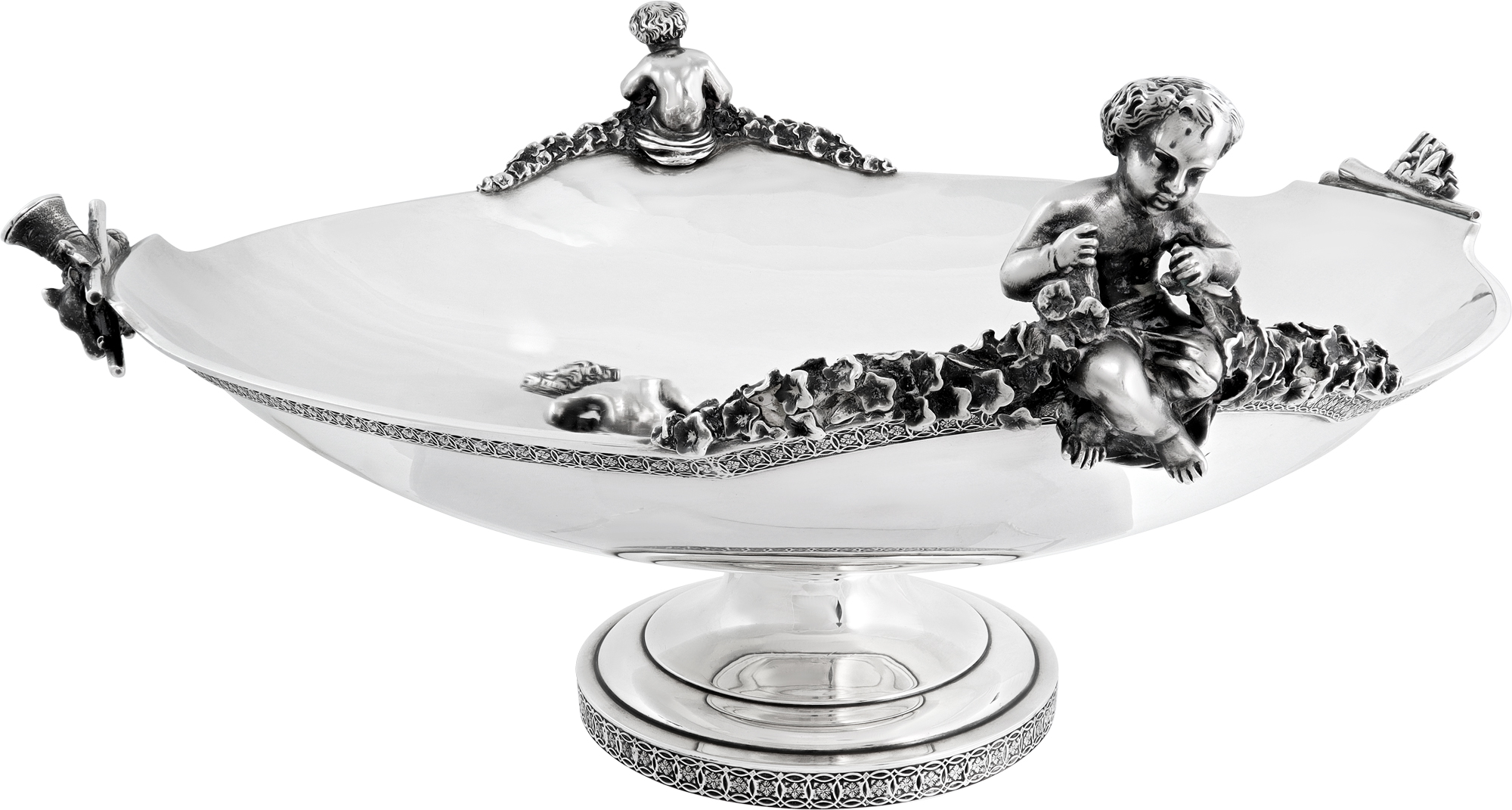
Working with an experienced Tiffany & Co. jewelry buyer ensures you receive accurate valuations based on pattern rarity, condition, and completeness. Many estate executors and individuals downsizing discover that their Tiffany silver represents substantial hidden value, particularly when patterns include serving pieces alongside standard place settings.
The Legendary Audubon Pattern: Identifying Characteristics
The Audubon pattern, introduced in 1871, stands as one of Tiffany's most naturalistic and collectible designs. Named after the renowned ornithologist and artist John James Audubon, this pattern features intricate flora and fauna motifs that showcase exceptional hand-chasing and detailed engraving work. The pattern's distinctive characteristics include delicate vine patterns, seed pods, and organic elements that flow seamlessly along each piece's handle.
Key identification features of the Audubon pattern include asymmetrical botanical elements, a slightly wider handle terminus, and remarkable depth in the relief work. Unlike simpler patterns, Audubon pieces display different elements on each utensil, making complete matching sets particularly valuable. The reverse sides typically feature the classic Tiffany hallmarks: "TIFFANY & CO," "STERLING," pattern name, and often a date mark or letter code indicating production year.
For those considering whether to sell sterling silver flatware, Audubon pattern pieces consistently command premium prices. Complete place settings can fetch thousands of dollars, while rare serving pieces like asparagus servers, ice cream forks, or berry spoons can individually command four-figure sums. Understanding these nuances becomes crucial when you're ready to sell your sterling silver and want to ensure accurate valuation.
Other Historic Tiffany Patterns Worth Recognizing
Beyond Audubon, several other Tiffany patterns represent significant value and historical importance. The Chrysanthemum pattern (1880) remains one of the most sought-after, featuring elaborate Japanese-inspired floral designs that reflect the late Victorian fascination with Asian aesthetics. Its bold relief work and artistic merit make it a museum-quality pattern that serious collectors actively pursue.
The Lap-Over-Edge or "Wave Edge" pattern (1884) showcases Tiffany's ability to combine simplicity with sophistication. This pattern's distinctive scalloped edge and minimal ornamentation appeal to those preferring understated elegance. Despite its apparent simplicity, the precise execution required for consistent wave patterns makes these pieces highly valued among connoisseurs familiar with sterling silver flatware brands to watch for.
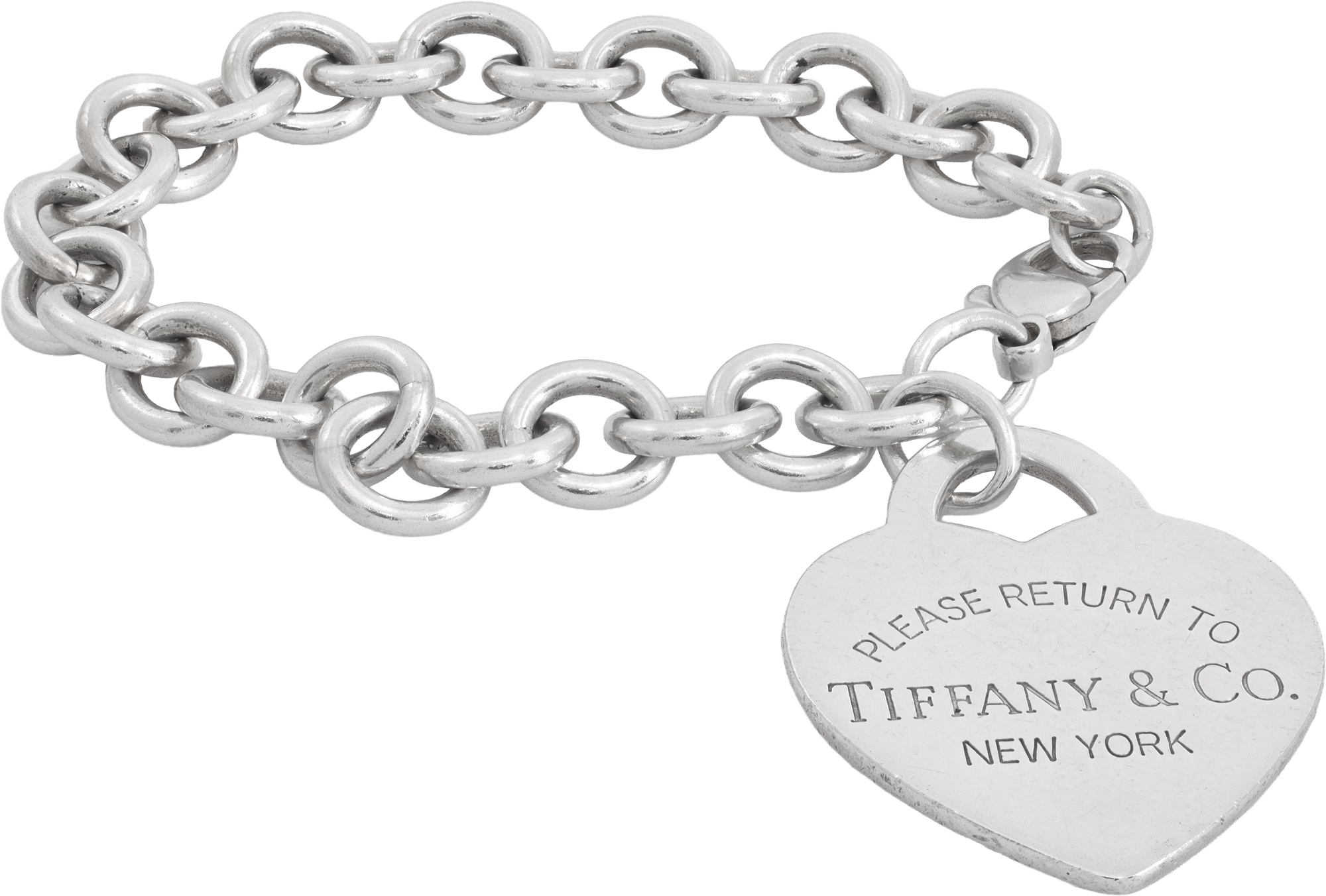
The Persian pattern (1872) and Japanese pattern (1871) both reflect the aesthetic movements of their era, incorporating exotic motifs that captured American imagination during the post-Civil War period. These patterns feature intricate hand-engraving that would be prohibitively expensive to reproduce today, contributing to their investment value when individuals decide to sell inherited silver flatware.
Essential Hallmarks and Authentication Methods
Authenticating Tiffany sterling silver requires understanding the company's marking systems, which evolved throughout its history. Pre-1965 pieces typically display three primary marks: the company name, the word "STERLING" (indicating 925/1000 silver purity), and a pattern name or number. Date marks, represented by letters, were used inconsistently but provide valuable provenance when present.
The quality of the hallmark stamping itself offers authentication clues. Genuine Tiffany marks display crisp, evenly struck impressions with consistent depth. Counterfeit pieces often show blurred marks, inconsistent spacing, or suspiciously perfect condition despite apparent age. The weight of genuine Tiffany flatware also exceeds many contemporary pieces, as the company used generous amounts of sterling silver even in smaller utensils.
When preparing to sell Tiffany jewelry or flatware, professional authentication through established buyers becomes essential. Reputable jewelry buyers examine not just hallmarks but also construction techniques, wear patterns consistent with age, and silver quality. These experts can distinguish between genuine Tiffany pieces, later reproductions, and outright fakes—knowledge that directly impacts your final valuation.
Evaluating Condition and Completeness for Maximum Value
Condition significantly affects sterling silver flatware values, though collectors' expectations differ from those for jewelry or watches. Gentle wear consistent with careful use over decades is expected and accepted, while deep scratches, bent tines, or damaged bowls reduce value substantially. Original patina in recessed areas often increases authenticity appeal, while overly polished pieces that have lost design definition suffer value reduction.
Completeness matters enormously when selling Tiffany flatware collections. Full place settings (typically including dinner knife, dinner fork, salad fork, soup spoon, and teaspoon) command premium prices, particularly in services for eight or twelve. However, even partial sets or individual pieces retain significant value, especially in rare patterns like Audubon or in unusual serving pieces like ice cream slicers, stuffing spoons, or asparagus tongs.
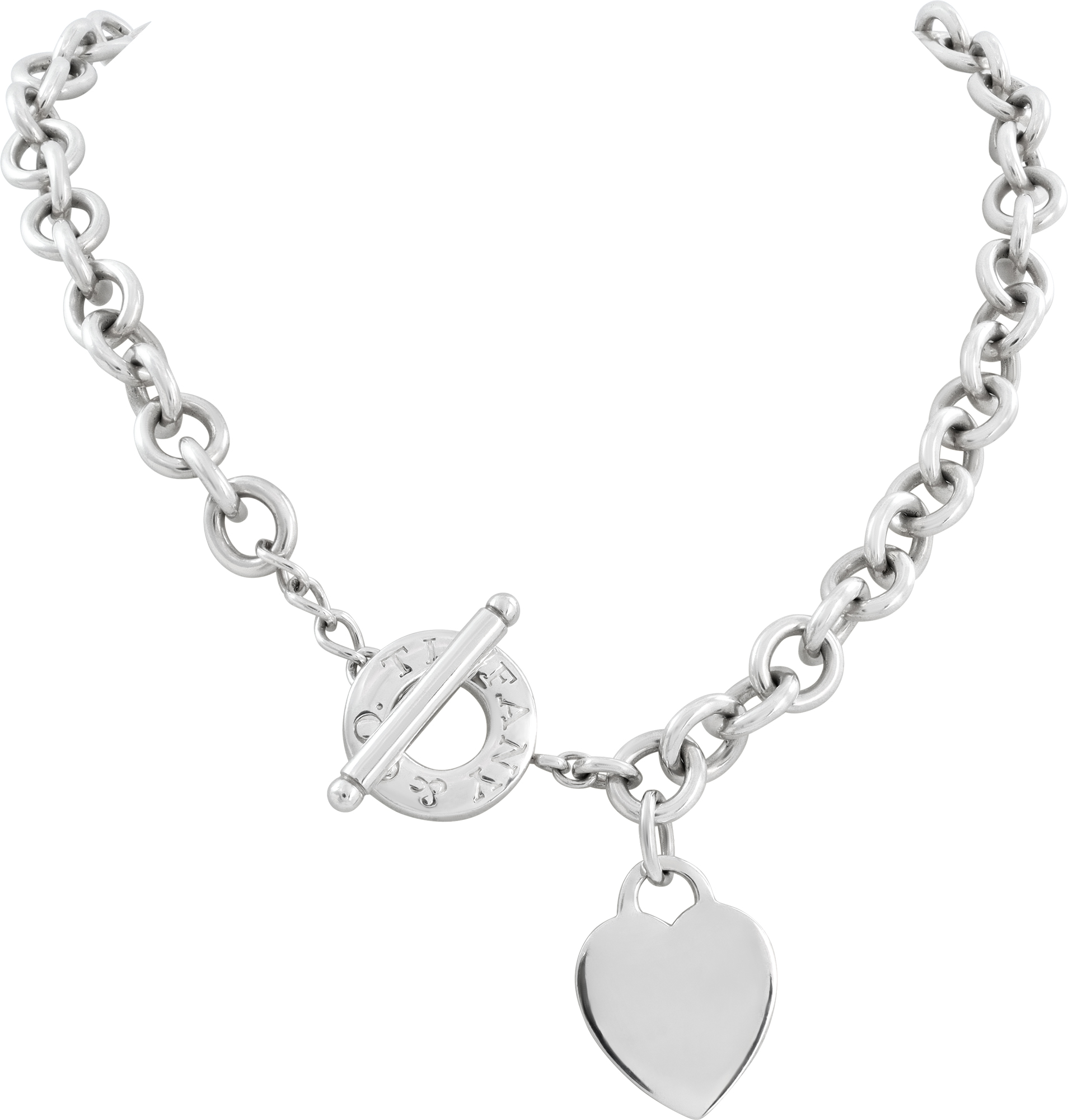
Professional buyers evaluating collections for purchase consider monograms, which were common on quality flatware. While some collectors avoid monogrammed pieces, others appreciate them as historical artifacts, particularly if the initials connect to notable families. When you're ready to sell sterling silver flatware, honest disclosure about condition, completeness, and monograms ensures accurate quotes and smooth transactions.
Current Market Dynamics for Tiffany Sterling Flatware
The market for historic Tiffany sterling silver flatware remains robust in 2026, driven by several factors. Younger collectors increasingly appreciate the craftsmanship impossible to replicate at accessible price points today, while established collectors continue pursuing rare patterns to complete sets. The shift toward timeless elegance over trendy pieces reflects broader luxury market trends favoring heritage and provenance.
Pattern rarity significantly influences current values. Common patterns like Flemish or English King maintain steady but moderate prices, while rare patterns command substantial premiums. The Audubon pattern consistently achieves top-tier pricing, with individual place settings selling for $800-$1,500 depending on completeness and condition. Rare serving pieces in desirable patterns have sold at auction for $3,000-$8,000 individually.
Understanding these market dynamics becomes crucial when you sell Tiffany and Co jewelry or flatware collections. Working with buyers who specialize in sterling silver and luxury items ensures you receive current market values rather than outdated pricing or opportunistic lowball offers. Established buyers maintain relationships with collectors and dealers nationwide, maximizing your pieces' exposure to qualified purchasers.
Identifying Rare Serving Pieces and Their Values
Beyond standard place settings, Tiffany produced numerous specialized serving pieces that command exceptional prices today. Fish servers with ornate blades and matched forks, oyster forks with their distinctive three-tine design, and elaborate berry spoons with pierced bowls represent the pinnacle of Victorian dining sophistication. In rare patterns, these pieces can exceed the value of entire place settings.
Particularly valuable serving pieces include ice cream slices with elaborate pierced designs, asparagus tongs with spring-loaded mechanisms, and marrow scoops that showcase Tiffany's technical expertise. Punch ladles, particularly those with gold-washed bowls, and large stuffing or serving spoons in ornate patterns regularly achieve four-figure prices. These specialized pieces were produced in smaller quantities than standard flatware, making them genuinely rare.
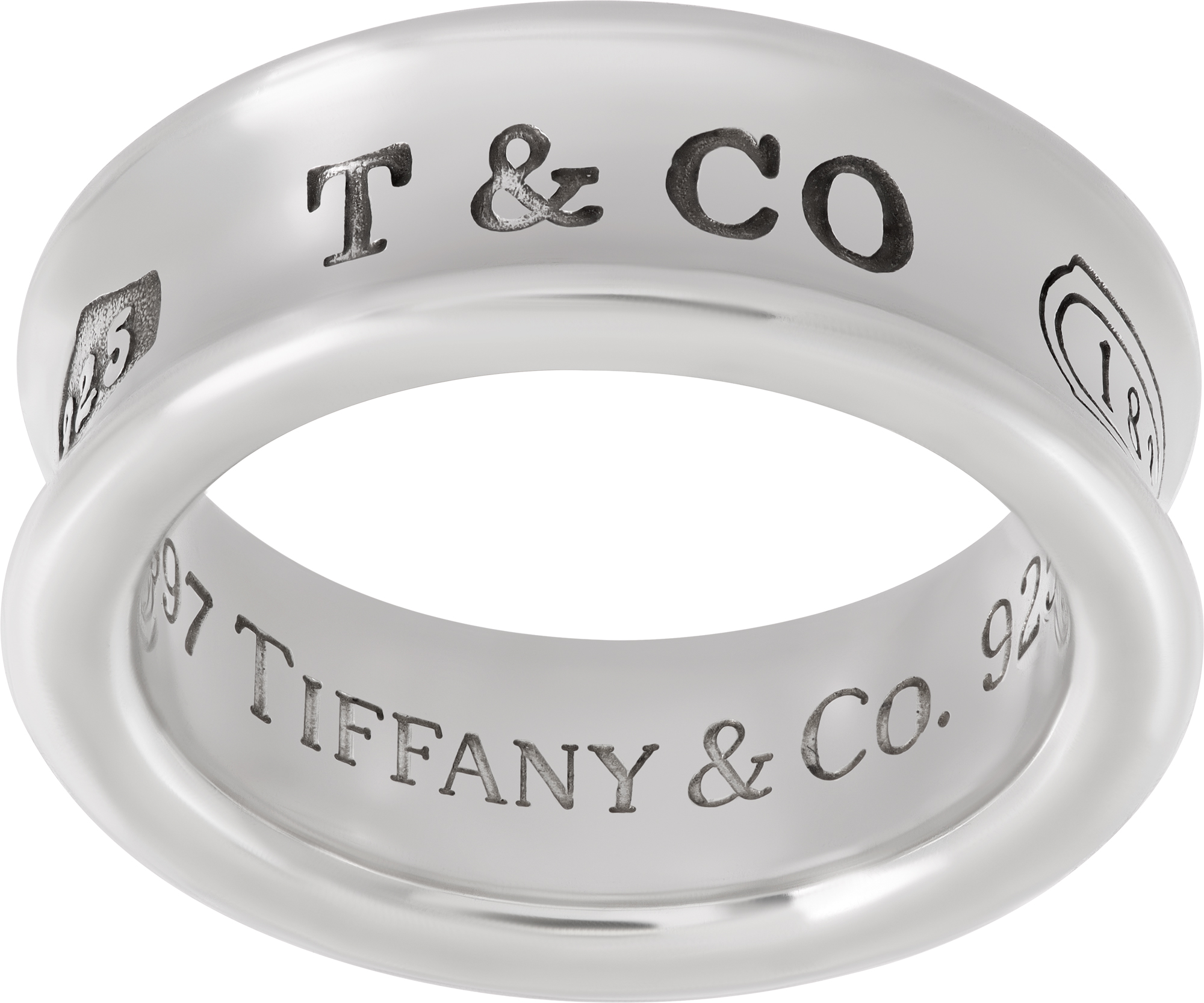
When evaluating inherited collections that may include these pieces, accurate identification becomes essential. Many serving pieces appear similar across different makers, but Tiffany examples display superior weight, balance, and design execution. Expert sterling silver buyers recognize these differences immediately, ensuring you receive appropriate compensation for rare serving implements rather than standard piece pricing.
The Role of Documentation and Provenance
Original documentation substantially enhances Tiffany flatware values, particularly for rare patterns or historically significant sets. Purchase receipts from decades past, family records establishing ownership history, or photographs showing pieces in use during significant events all contribute to provenance that serious collectors value. Even simple handwritten notes from grandparents identifying pattern names or purchase dates add authenticity and story value.
Tiffany's own records, though not always accessible, sometimes can be researched through the company's archives or auction house expertise. Sets purchased by notable families, used in historic homes, or associated with significant events command premium prices beyond their intrinsic silver value. This provenance factor particularly affects those looking to sell inherited sterling silver flatware from estates with documented histories.
When preparing collections for sale, gathering any available documentation strengthens your negotiating position with buyers. Original boxes, though rare, significantly increase value, as do storage chests specifically designed for flatware. These elements demonstrate careful stewardship over generations, suggesting the flatware itself likely received comparable care and may be in superior condition.
Common Identification Challenges and Solutions
Several challenges complicate Tiffany flatware identification for those unfamiliar with the company's production history. Worn hallmarks from decades of polishing can make definitive identification difficult, particularly on frequently used pieces like teaspoons. High-quality reproductions from the mid-20th century sometimes feature convincing marks that require expert examination to distinguish from authentic 19th-century pieces.
Pattern variations within the same general design also confuse sellers. Tiffany sometimes modified patterns slightly over production runs, or created related patterns with different names that appear nearly identical to casual observers. The Chrysanthemum pattern, for instance, has several variations that command different values. Expert buyers familiar with these nuances ensure accurate identification when you sell sterling silver flatware.
Mixed sets present additional challenges, as many families combined patterns over generations or replaced damaged pieces with similar but non-matching alternatives. While mixed sets have lower value than complete matching services, individual Tiffany pieces retain substantial worth. Working with experienced buyers who understand sterling silver patterns ensures each piece receives accurate individual valuation rather than being dismissed because it doesn't match the set.
Comparing Tiffany to Other Premium Silver Makers
While Tiffany & Co. commands premium recognition, several other American and European silver makers produced comparable quality pieces that merit attention. Gorham Manufacturing Company created patterns like Chantilly and Strasbourg that rival Tiffany in craftsmanship and value. Reed & Barton's Francis I pattern and Wallace's Grande Baroque both represent investment-grade American silver that serious collectors pursue.
However, Tiffany maintains distinct advantages in brand recognition and sustained value retention. The company's consistent quality standards across all production periods mean even relatively common Tiffany patterns typically exceed similar pieces from lesser-known makers. This brand premium becomes particularly evident when comparing prices at auction or through dealers—Tiffany pieces consistently achieve higher per-ounce prices than their silver content alone would justify.
For those evaluating mixed collections that include multiple makers, understanding these value hierarchies ensures appropriate expectations. While focusing on Tiffany pieces makes sense given their premium values, don't overlook quality pieces from other makers. Reputable buyers familiar with multiple sterling silver flatware brands can identify value across your entire collection, not just the Tiffany items.
Special Considerations for Estate and Downsizing Situations
Inheriting sterling silver flatware collections often creates both opportunity and complexity. Many inheritors feel obligated to preserve complete family sets, even when they have no practical use for formal flatware or already own service for twelve. Understanding that selling these pieces to collectors who will cherish and use them represents responsible stewardship can ease emotional concerns about liquidating inherited items.
Estate executors face particular challenges balancing fair distribution among heirs with market realities. Dividing complete Tiffany flatware services among multiple beneficiaries typically reduces overall value, as collectors pay premiums for complete sets rather than partial services. Selling complete and dividing proceeds often maximizes estate value, though this requires sensitive communication among family members.
For those downsizing homes or relocating to retirement communities, sterling flatware represents practical assets that can be converted to more useful forms. The substantial value locked in rarely-used formal flatware can fund travel, healthcare needs, or simply provide financial security. Professional sterling silver buyers understand these situations and provide respectful, efficient transactions that honor the items' history while meeting current financial needs.
The Selling Process: What to Expect
When you're ready to sell Tiffany jewelry or sterling silver flatware, understanding the professional buying process helps set realistic expectations. Reputable buyers typically begin with photograph submissions, allowing preliminary assessment of pattern, condition, and completeness. This initial evaluation provides general value ranges and determines whether in-person inspection is warranted for particularly valuable collections.
Physical inspection involves several key evaluations: hallmark verification using magnification, weight confirmation ensuring pieces meet sterling standards, condition assessment identifying any damage or repairs, and pattern identification cross-referencing company records and reference materials. Professional buyers also test silver purity using non-destructive methods, confirming pieces contain the advertised .925 silver content.
The quote process should be transparent, with buyers explaining how they arrived at their offer based on current silver prices, pattern rarity, condition factors, and market demand. Reputable buyers provide detailed breakdowns showing individual piece values within complete sets. For those exploring how to sell sterling silver flatware, this transparency ensures you understand exactly what you're being offered and why.
Maximizing Value Through Timing and Presentation
Strategic timing can influence the values achieved when selling Tiffany sterling flatware. Spring traditionally sees increased activity as people prepare for wedding season and outdoor entertaining, potentially increasing demand for formal flatware. However, quality Tiffany pieces maintain consistent markets year-round, as serious collectors and dealers purchase regardless of season.
Presentation significantly impacts initial impressions and subsequent offers. Clean pieces (without aggressive polishing that removes patina) photographed in good lighting allow accurate remote assessment. Organized inventories listing piece counts, identifying pattern names, and noting any monograms or damage demonstrate professionalism that buyers appreciate. This preparation can accelerate the evaluation process and may influence final offers positively.
Understanding current market conditions for precious metals and luxury goods also helps sellers make informed decisions about timing. While silver content provides a value floor, rare Tiffany patterns derive most value from collectibility rather than melt value. Working with experienced luxury buyers who track both precious metal markets and collector demand ensures you receive offers reflecting all value components, not just the raw silver worth.
Why Choose Specialized Luxury Buyers
Selecting the right buyer for Tiffany sterling silver dramatically affects your final compensation and transaction experience. Specialized luxury buyers bring several advantages over generalist pawn shops or antique dealers. First, they maintain extensive reference libraries and digital databases allowing accurate pattern identification, even for rare or obscure designs. This expertise ensures you receive appropriate valuations rather than generic silver-weight offers.
Established buyers also maintain networks of collectors and dealers specifically seeking quality Tiffany pieces. This market access means they can offer stronger prices, as they know where to place items for optimal returns. Their ability to either purchase outright or facilitate consignment provides flexibility matching your needs, whether you prefer immediate payment or potentially higher consignment proceeds.
At Sell Us Your Jewelry, we've built our reputation since 1980 on providing fair, transparent evaluations for sterling silver flatware, luxury jewelry, and other high-value items. Our team's expertise in Tiffany & Co. pieces specifically ensures accurate pattern identification and current market valuations. We serve clients throughout the United States, with local appointments available at our Surfside, Florida showroom across from Bal Harbour Shops.
Beyond Flatware: Other Tiffany Silver Items We Buy
While flatware represents Tiffany's most prolific silver production, the company created numerous other sterling pieces that command significant values. Hollowware items including tea and coffee services, serving trays, bowls, and decorative pieces showcase the same exceptional craftsmanship found in flatware. These pieces often feature matching pattern elements from flatware lines, allowing collectors to create cohesive table presentations.
Particularly valuable categories include Tiffany sterling picture frames, which combine functionality with museum-quality design, and decorative objects like letter openers, magnifying glasses, and desk accessories. Sterling jewelry pieces, especially those from collaborations with designers like Elsa Peretti or Paloma Picasso, represent distinct collecting categories with strong markets. Those looking to sell Tiffany brooches, Tiffany charms, or other small accessories find these pieces command premium prices despite their size.
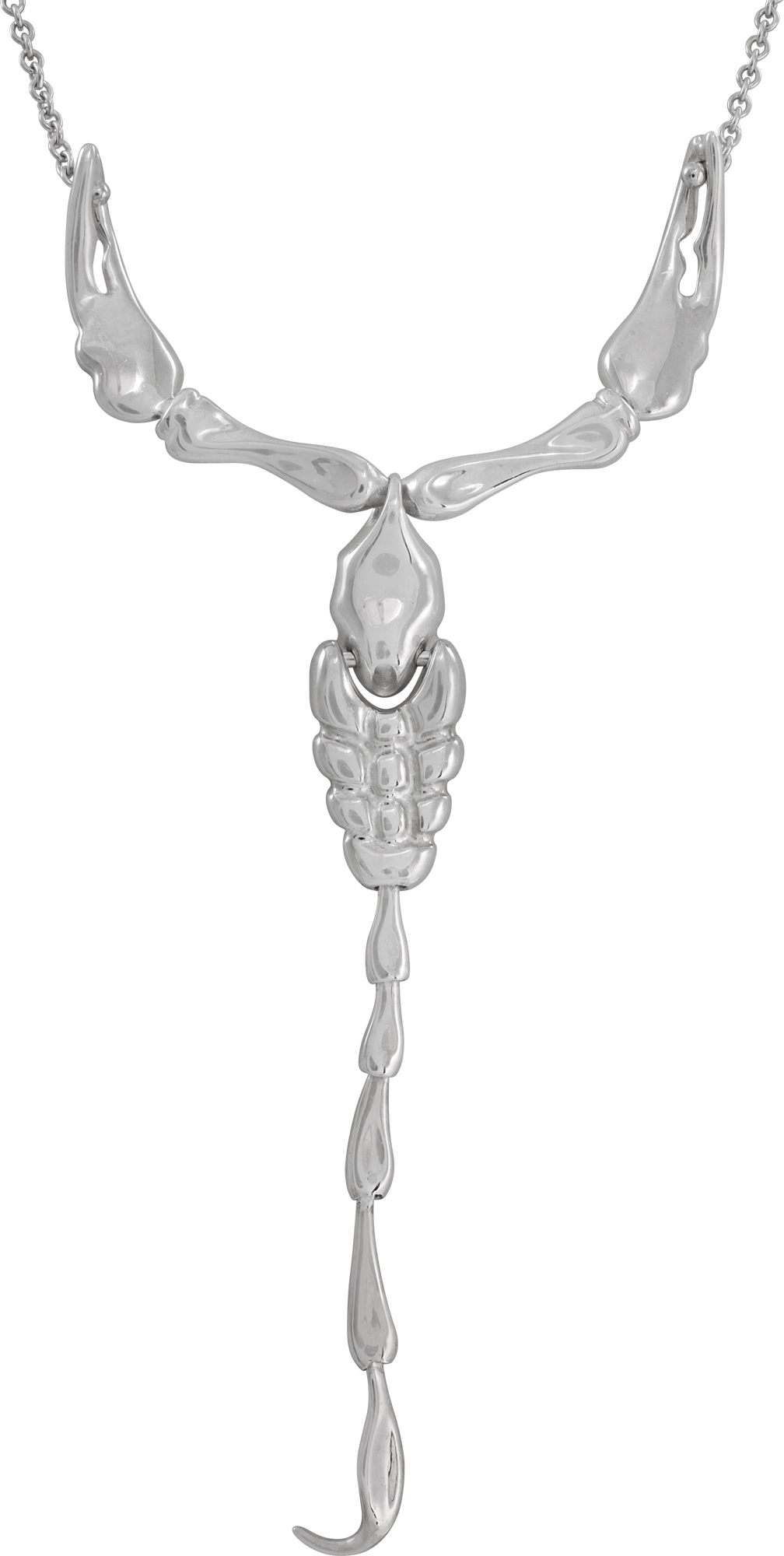
We evaluate and purchase all Tiffany & Co. sterling silver items, providing comprehensive assessments that recognize value across categories. Whether you're selling an extensive flatware service, a single rare serving piece, or mixed collections including various silver items, our expertise ensures accurate valuations. Understanding that many estates include diverse Tiffany pieces, we offer complete evaluation services covering jewelry, flatware, and decorative silver items.
Take the Next Step: Get Your Free Professional Evaluation
If you've inherited or own Tiffany & Co. sterling silver flatware—whether rare Audubon pattern pieces, other historic designs, or mixed collections—now is an excellent time to discover their true value. Spring 2026 markets remain strong for quality American silver, with collectors actively seeking pieces to complete their collections or establish new ones.
Our process makes selling straightforward and secure. Simply request a sterling silver quote through our online form, providing photographs and any information about your pieces. Our specialists will provide preliminary evaluations typically within 24-48 hours, outlining potential values and next steps. For significant collections, we arrange secure shipping or, for South Florida residents, convenient in-person appointments at our Surfside location.
We also purchase a comprehensive range of luxury items beyond sterling silver. If you're considering selling other pieces, explore our services for luxury jewelry, GIA certified diamonds, Swiss luxury watches, and fine timepieces. Our expertise spans the full spectrum of luxury items, ensuring you receive professional evaluations regardless of what you're selling.
Ready to unlock the value in your Tiffany sterling silver collection? Contact Sell Us Your Jewelry today through our online quote request form or call to speak directly with our sterling silver specialists. Join the thousands of satisfied clients who have trusted us since 1980 to provide fair, transparent valuations and seamless transactions for their luxury items. Whether you're selling a single rare serving piece or a complete estate collection, we're here to help you receive the compensation your Tiffany treasures deserve.
About Us | Sell Us Your Jewelry
Call Us Now: 305 770 6955
The Purchasing and Consignment Division of Gray & Sons


Be the first to know | SEE OUR CATALOG

