

September 5th, 2026
How to Photograph and Describe Diamond Engagement Rings for a More Accurate Online Quote
When you're ready to sell diamond engagement rings, the quality of your photographs and descriptions directly influences the accuracy of your online quote. Whether you own a Cartier solitaire, a Tiffany & Co. setting, or an heirloom piece, presenting clear visual and written information helps diamond engagement rings buyers evaluate your item more precisely. This guide walks you through the essential steps to capture high-quality images and craft detailed descriptions that support a thorough appraisal process.
Understanding what evaluators need to see and know about your ring streamlines the quote process and reduces the need for follow-up questions. By following these practical photography and description techniques, you provide the foundation for a more accurate initial assessment of your diamond engagement rings resale value.
Why Quality Photos and Descriptions Matter
High-resolution images allow evaluators to examine the center stone's cut, the metal's condition, and any hallmarks or maker's marks. When you photograph diamond engagement rings for sale, you're essentially providing a virtual inspection that replaces an in-person examination. Clear photos reveal inclusions, surface wear, prong integrity, and design details that directly affect valuation.
Detailed written descriptions complement your images by providing context that a photograph alone cannot capture. Information about the ring's history, any accompanying documentation, and specific measurements helps buyers understand the full picture. Whether you're working with a luxury jewelry and watch buyer or exploring options to sell your jewelry, comprehensive documentation supports a smoother evaluation.

Preparing Your Ring for Photography
Before capturing any diamond engagement rings online quote photos, clean your ring thoroughly using warm water, mild dish soap, and a soft-bristled brush. Gently scrub around the prongs, under the setting, and along the band to remove oils, lotions, and everyday residue. A clean ring photographs more clearly, allowing light to refract properly through the diamond and revealing the true condition of the metal.
After cleaning, dry your ring completely with a lint-free cloth to avoid water spots that can obscure details in photographs. Inspect the ring under good lighting to identify any areas that need special attention during photography—such as engraving, worn prongs, or unique design elements. This preparation ensures that when you describe diamond engagement rings to buyer representatives, your visual evidence supports your written details.
For those considering selling luxury pieces beyond engagement rings, the same preparation principles apply when you sell Cartier jewelry, sell Tiffany & Co. jewelry, or sell Van Cleef & Arpels jewelry.
Essential Photography Equipment and Setup
You don't need professional studio equipment to capture effective images, but certain basic tools improve results significantly. A smartphone camera with at least 12 megapixels can produce adequate images if you pay attention to lighting and focus. Natural daylight near a window provides the best illumination—avoid direct sunlight, which creates harsh shadows and overexposes reflective surfaces.
Position your ring on a neutral, non-reflective surface such as white cardstock or a light gray cloth. This background prevents color contamination and keeps the focus on the ring itself. If you're photographing multiple items—perhaps you also plan to sell Cartier rings or sell Tiffany & Co. rings—photograph each piece individually with consistent lighting and background to maintain professional presentation standards.
Capturing the Right Angles and Details
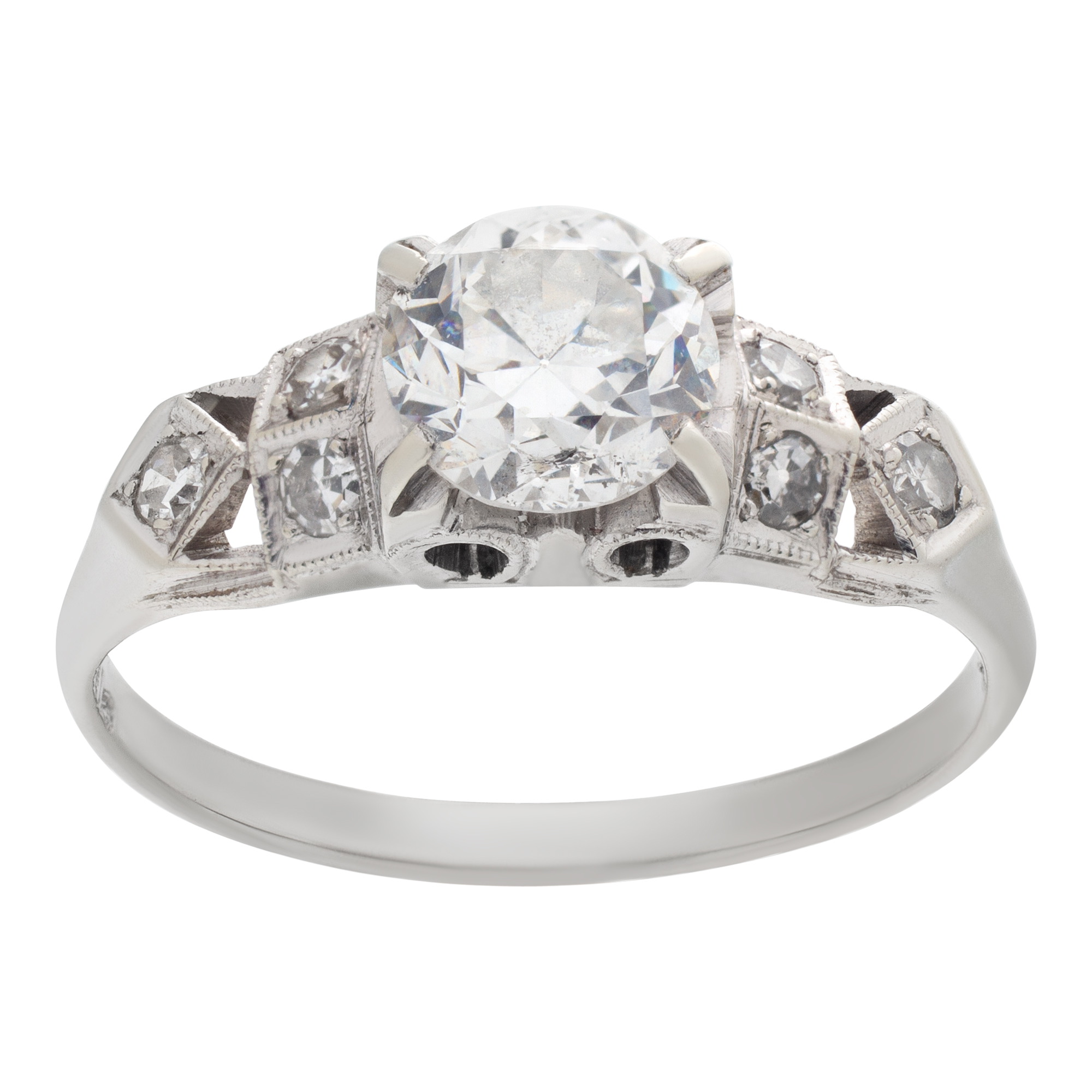
Begin with an overhead shot that shows the entire ring face-on, capturing the center stone and surrounding details in sharp focus. This primary image gives evaluators an immediate sense of the ring's overall design and proportions. Next, photograph the ring from a side profile to show the setting's height, basket construction, and prong placement—details that affect both value and wearability.
Close-up images are essential for documenting specific features. Capture the center diamond from multiple angles to reveal its cut quality, any visible inclusions, and how light reflects through the facets. Photograph any hallmarks, stamps, or maker's marks on the inner band—these can support attribution and require professional verification. If you're preparing to sell Bvlgari rings or other branded pieces, clear images of marks and stamps may be requested during evaluation.
Include a photo showing the ring's size comparison by placing a ruler or coin in the frame. This provides scale and helps evaluators verify measurements you provide in your written description. For additional guidance on presenting luxury items, explore our comprehensive sell diamond guide that covers photography standards for various jewelry types.
Photographing Diamond Characteristics
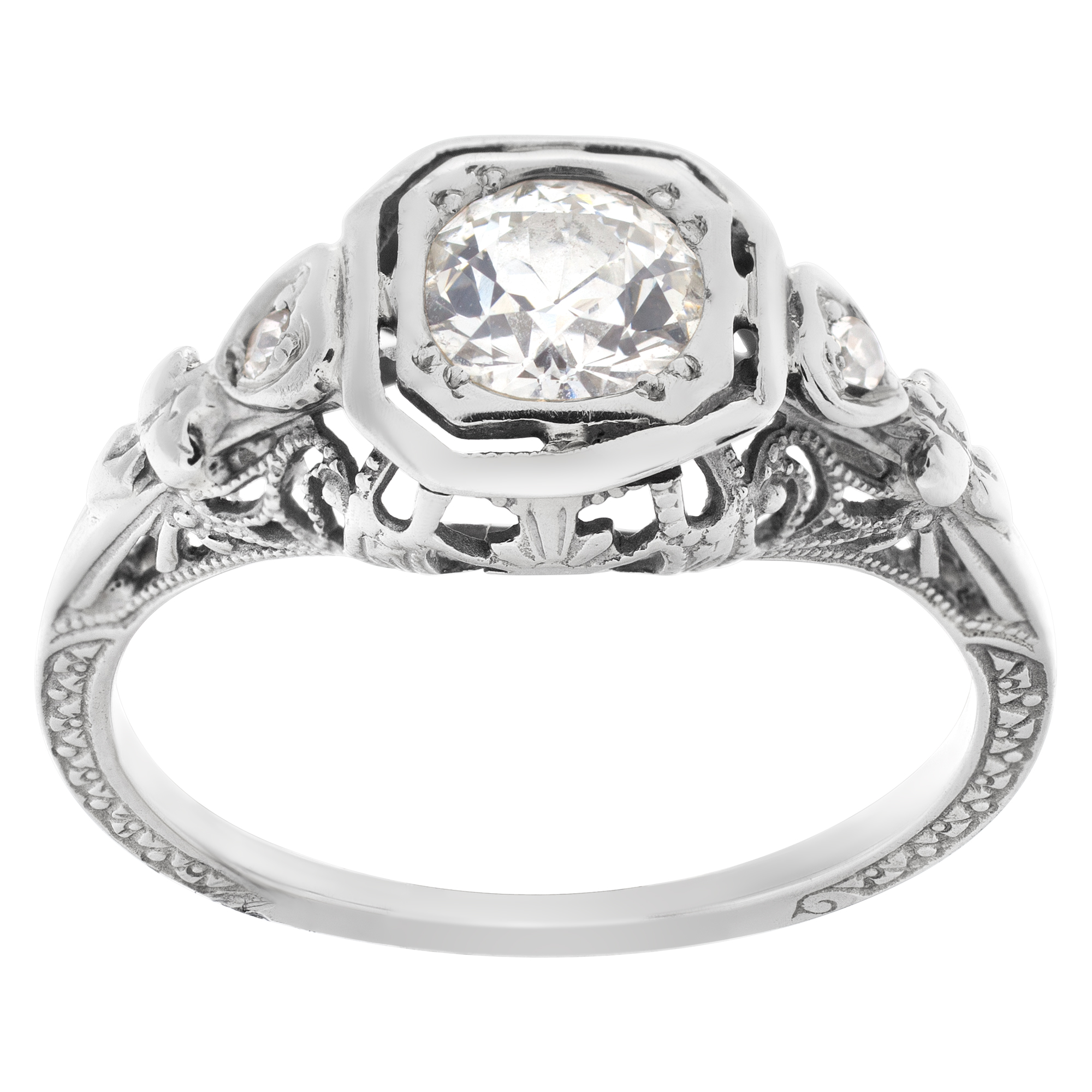
The center diamond requires special attention when you photograph diamond engagement rings for sale. Position the ring so that light enters the stone and reflects back through the table (the flat top surface). This demonstrates the diamond's brilliance and fire—key factors in valuation. Avoid using flash, which creates unnatural hot spots and obscures the stone's true appearance.
If your diamond has a grading certificate from GIA or another recognized laboratory, photograph the certificate clearly, ensuring all text is legible. These documents provide the diamond's characteristics and significantly streamline the evaluation process when you work with a GIA Certified Diamonds buyer. The certificate provides objective data about color, clarity, cut, and carat weight that supports the evaluation.
For those with colored stone engagement rings—such as sapphire or emerald center stones—natural lighting is equally critical. Colored gemstones photograph best in indirect daylight that reveals their true hue without artificial enhancement. Whether you're documenting diamonds or colored stones, accurate representation builds trust with potential buyers.
Documenting Metal Type and Condition
The metal band requires distinct photography that shows its current condition, color, and any surface details. Capture close-ups of any engraving, whether it's a date, initials, or maker's mark. Photograph areas of wear, particularly around the sizing marks and on the band's underside where metal naturally thins over time. Honest documentation of wear patterns helps evaluators provide realistic assessments of diamond engagement rings resale value.
Different metals photograph differently under various lighting conditions. White gold and platinum appear silvery and may blend into white backgrounds, so consider using a slightly off-white or pale gray surface for contrast. Yellow gold and rose gold are more forgiving but still benefit from neutral backgrounds that don't cast color reflections. If you're also preparing to sell Cartier Love bracelets or other metal jewelry, these same principles apply.
Photograph any damage honestly—scratches, dents, bent prongs, or missing side stones. Buyers expect pre-owned jewelry to show some signs of wear, and transparency about condition prevents delays in the evaluation process. This approach works whether you're submitting a quote request or considering options to sell my ring through various channels.
Writing Effective Descriptions: Basic Information
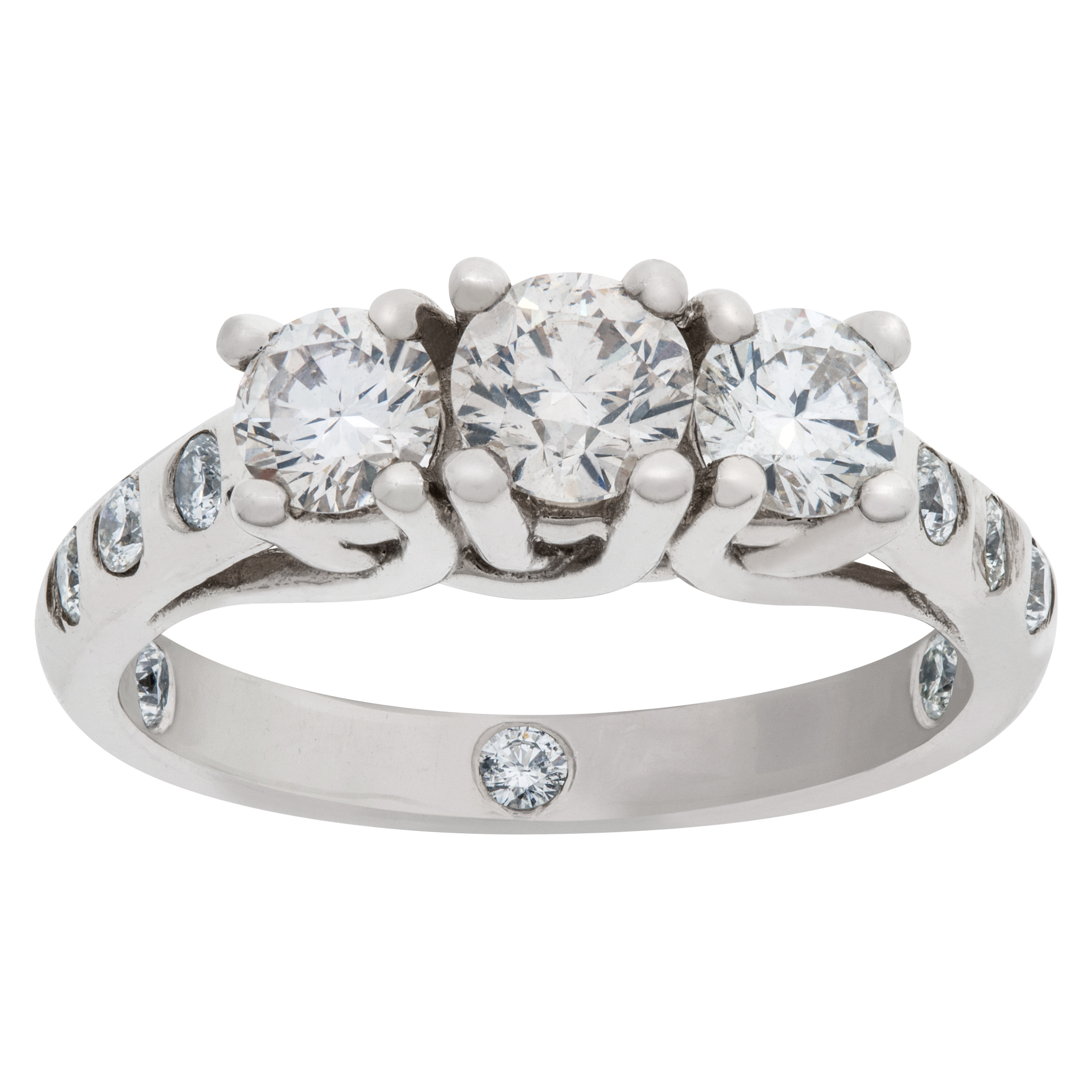
Your written description should begin with fundamental details: metal type (14k gold, 18k gold, platinum), metal color (white, yellow, rose), ring size, and total weight in grams if you have a jewelry scale. Specify the center diamond's shape (round, princess, emerald, etc.) and approximate carat weight if you know it. This basic framework gives evaluators immediate context before they examine your photographs.
Include the ring's origin story if known—whether it's a recent purchase, an inherited piece, or a designer creation. Note the brand or designer if applicable, particularly if you're describing pieces from recognized makers. Whether you're preparing to sell Tiffany & Co. rings, sell Cartier rings, or sell Van Cleef & Arpels rings, brand attribution may be a factor during evaluation.
Describe any accompanying documentation you can provide: original receipts, appraisals, grading certificates, or authenticity cards. While these items support purchase history and attribution rather than independently proving authenticity, they provide useful reference points during the evaluation process. The same documentation standards apply whether you're requesting a ring quote or exploring broader options to sell your jewelry.
Advanced Description Details: Diamond Specifications
If you have a diamond grading report from GIA, AGS, or another recognized laboratory, reference the certificate number and include the specific grades for cut, color, clarity, and carat weight. These objective measurements provide the most reliable foundation for valuation. When working with a GIA Certified Diamonds buyer, certificate details expedite the quote process significantly.
For uncertified diamonds, provide whatever information you have from purchase documents or previous appraisals. Describe the diamond's visual characteristics as accurately as possible: approximate color (near colorless, slight yellow tint), clarity observations (eye-clean or visible inclusions), and cut quality (excellent, good, fair). Avoid inflating these characteristics, as professional evaluation will reveal the true grades regardless of your description.
Mention any unique features of the center stone: unusual cuts, antique faceting patterns, or distinctive inclusions that serve as identifying characteristics. For rings with side stones or accent diamonds, note their approximate total carat weight and arrangement. This level of detail supports thorough evaluation whether you're pursuing an immediate sale or comparing options through various diamond engagement rings buyer channels.
Describing Setting Style and Craftsmanship
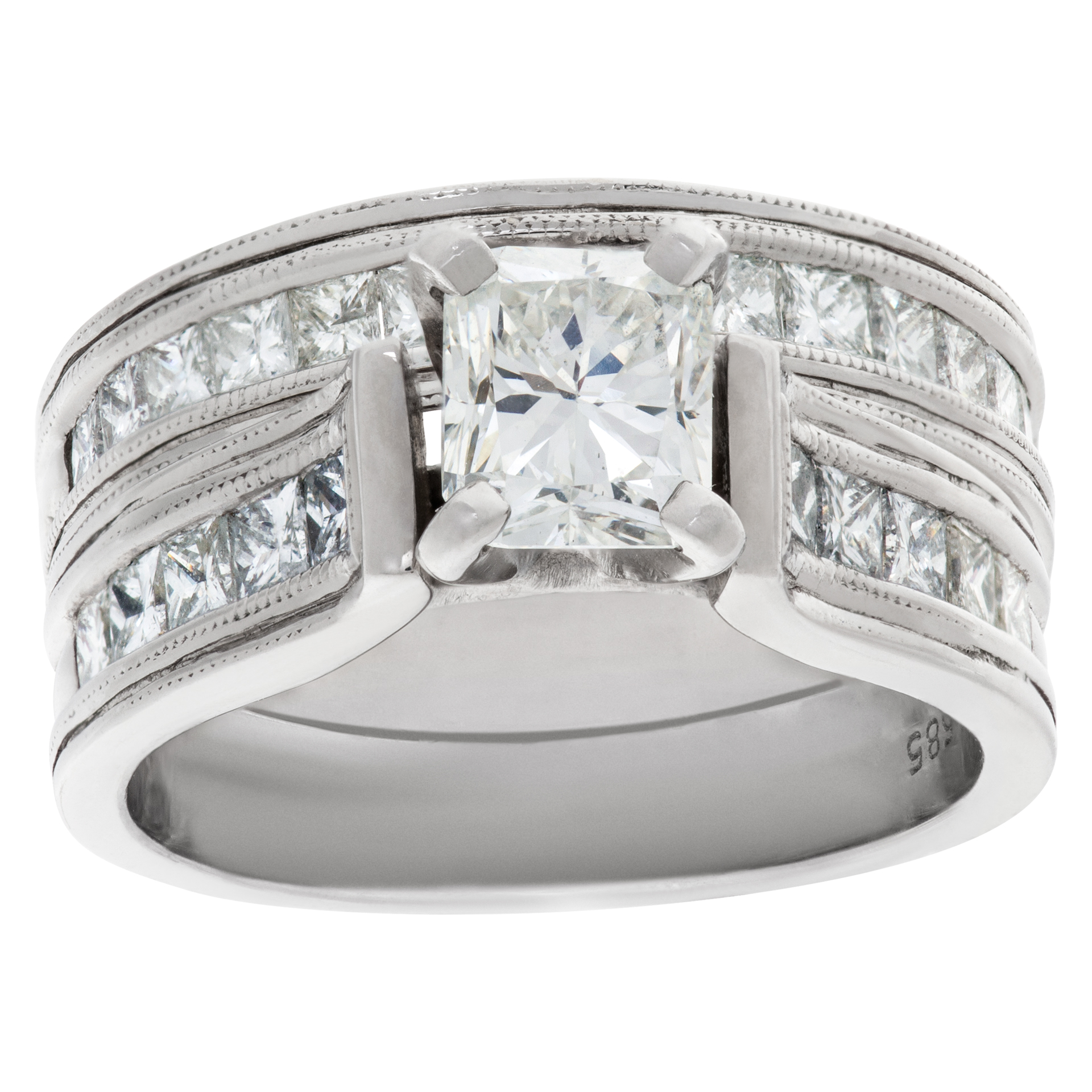
The setting design significantly influences both aesthetic appeal and structural value. Describe the setting type: solitaire, halo, three-stone, pave, channel-set, or other configurations. Note the prong style (four-prong, six-prong, bezel) and their current condition—whether they're secure, worn, or require retipping. This information helps evaluators assess any refurbishment needs that might affect their offer.
Detail any decorative elements: filigree work, milgrain edging, hand engraving, or unique metalwork. These craftsmanship features can enhance value, particularly in vintage or designer pieces. If the ring represents a signature collection—such as the Bvlgari B.Zero1 collection or Cartier Panthère collection—this attribution may be relevant during evaluation depending on current market interest.
Describe the ring's profile and wearability characteristics: high or low setting, comfort-fit band, intricate underside details. While these factors may seem minor, they provide context about the ring's construction quality and manufacturing origin. This same attention to descriptive detail applies when preparing to sell Chopard rings, sell Harry Winston rings, or other high-end jewelry pieces.
Common Photography Mistakes to Avoid
Poor lighting creates the most common photography problems. Overhead fluorescent lighting casts yellow or green tints that misrepresent metal color and diamond characteristics. Harsh flash creates reflective hotspots that obscure details and make diamonds appear artificial. Instead, use soft, natural light from a window or invest in a simple LED lightbox that provides even, neutral illumination.
Blurry images result from camera shake or insufficient focus. Most smartphone cameras include a tap-to-focus feature—use it to ensure the ring's critical details remain sharp. Take multiple shots of each angle and review them at full size before concluding your photography session. Submitting out-of-focus images delays the evaluation process and may result in less accurate preliminary quotes.
Avoid heavily filtered or edited images that alter the ring's true appearance. While basic adjustments to brightness and contrast can improve clarity, never change color balance, add artificial shine, or apply beautification filters. Honest representation builds trust and leads to more accurate assessments, whether you're working with a jewelry buyer or exploring multiple quote options.
Additional Documentation That Supports Valuation
Beyond photographs and basic descriptions, certain documents provide valuable supporting context. Original purchase receipts help establish purchase history, particularly for recent purchases. Previous appraisals from certified gemologists or jewelry appraisers offer professional assessments that may serve as reference points, though market conditions and methodology differences mean they provide context rather than determining current value.
Original packaging, boxes, and certificates of authenticity from recognized brands may support attribution, though they require verification through other means. For designer pieces—whether you're preparing to sell Tiffany & Co. rings, sell Cartier rings, or sell Bvlgari rings—branded packaging may accompany the evaluation process as supporting documentation.
Service records or repair documentation provide history about the ring's maintenance and any modifications. If the ring has been resized, had prongs retipped, or undergone stone replacement, note these changes in your description. Transparency about alterations prevents surprises during professional inspection and contributes to more accurate preliminary assessments.
Submitting Your Quote Request
Once you've compiled high-resolution photographs from multiple angles and written a comprehensive description, you're ready to submit your quote request. Visit Sell Us Your Jewelry to begin the evaluation process. The online quote system typically requests basic contact information, item details, and allows you to upload multiple images that document your ring's characteristics.
Be prepared to answer follow-up questions as evaluators review your submission. They may request additional photographs of specific details, clarification about measurements, or verification of information you provided. This interactive process helps ensure that the assessment considers all relevant factors before presenting a preliminary valuation range.
The same systematic approach to photography and description works across various luxury items. Whether you're also exploring options to sell GIA Certified Diamonds, sell your watch, or sell your sterling silver, comprehensive documentation supports accurate preliminary assessments that streamline the evaluation process.
Understanding What Buyers Look For
Professional evaluators examine several key factors when assessing diamond engagement rings resale value. The center diamond's four Cs (carat, cut, color, clarity) form the primary value foundation, with certification from recognized laboratories providing objective verification. Metal content and weight contribute to base value, while designer attribution, craftsmanship quality, and condition affect the final assessment.
Current market conditions for specific diamond qualities, metal types, and designer brands fluctuate based on various economic factors and consumer preferences. An accurate quote reflects these current market realities rather than original retail prices or insurance appraisals. When working with experienced diamond engagement rings buyers, understanding this market-based approach helps set realistic expectations.
Buyers also consider factors that affect liquidity and resale potential: ring size (common sizes command broader interest), style trends (classic designs versus dated looks), and modification history (original condition versus altered pieces). These considerations apply whether you're focused exclusively on engagement rings or exploring broader options to sell diamond engagement rings alongside other jewelry.
Comparing In-Person Versus Online Evaluations
Online quote processes offer convenience for sellers across geographic locations, allowing you to initiate evaluation without traveling to a physical location. Quality photographs and detailed descriptions enable preliminary assessments that give you a value range before committing to shipment. This approach works well for straightforward pieces with clear characteristics and documentation.
In-person evaluations provide the opportunity for direct examination using professional equipment: loupes, microscopes, diamond testers, and metal analyzers. For complex pieces, uncertified diamonds, or items requiring specialized assessment, in-person inspection may yield more precise valuations. The choice between approaches depends on your location, the complexity of your piece, and your comfort level with remote transactions.
Both methods require the same foundation of accurate information. Whether submitting an online request or scheduling an appointment, the photography and description skills outlined in this guide prepare you to present your ring effectively. The same principles apply across various luxury categories, from engagement rings to options when you sell Chopard jewelry or sell Piaget jewelry.
Next Steps After Receiving Your Quote
After receiving a preliminary quote based on your photographs and description, consider whether the valuation range meets your expectations and timeline needs. If the offer aligns with your goals, you may proceed with arrangements for professional inspection—either by shipping your ring with full insurance or visiting an evaluation location if you're in the service area.
Professional inspection verifies the details you provided and examines the ring's characteristics through hands-on evaluation. This stage may result in quote adjustments if the physical inspection reveals differences from the submitted photographs or descriptions. Honest, thorough initial documentation minimizes the likelihood of significant changes during this verification stage.
If you're exploring multiple options, consider requesting quotes from several buyers to understand the current market range for your specific ring. Different buyers may have varying interest levels depending on their current inventory needs, customer base, and specialization areas. This comparative approach helps you make informed decisions about when and where to sell diamond engagement rings.
Conclusion: Professional Presentation Matters
Taking the time to capture high-quality photographs and write detailed descriptions significantly improves the accuracy of your online quote and streamlines the entire selling process. Whether you own a certified diamond solitaire, a vintage Art Deco design, or a contemporary designer piece, professional presentation demonstrates respect for the evaluation process and helps buyers assess your ring's characteristics.
The skills you've developed through this guide apply beyond engagement rings to any luxury jewelry you may consider selling in the future. From selling Cartier bracelets to selling Van Cleef & Arpels necklaces, the fundamentals of clear photography, honest description, and thorough documentation serve you well across various categories.
Ready to discover what your diamond engagement ring is worth? Begin by gathering your documentation, following the photography guidelines outlined above, and requesting a ring quote through our evaluation process. Learn more about how it works and explore the brands we buy to understand our areas of expertise. Whether you're ready to sell today or simply exploring your options, comprehensive preparation provides the foundation for accurate valuation and confident decision-making.
About Us | Sell Us Your Jewelry
Call Us Now: 305 770 6955
The Purchasing and Consignment Division of Gray & Sons


Be the first to know | SEE OUR CATALOG

